

Brookline High School: 22 Tappan Building by William Rawn Associates
A transparent, civic high school building in Brookline that bridges infrastructure and landscape, fostering collaboration, visibility, and inclusive contemporary learning environments.


Completed in 2022, the 22 Tappan Building is the largest and most complex component of the Brookline High School Expansion and Renovation project in Brookline, Massachusetts. Designed by William Rawn Associates, the five-story, 118,000 ft² academic building accommodates 700 students and represents a decisive investment in inclusive, future-oriented public education.
An Open, Civic Academic Building Bridging Campus, Community, and City
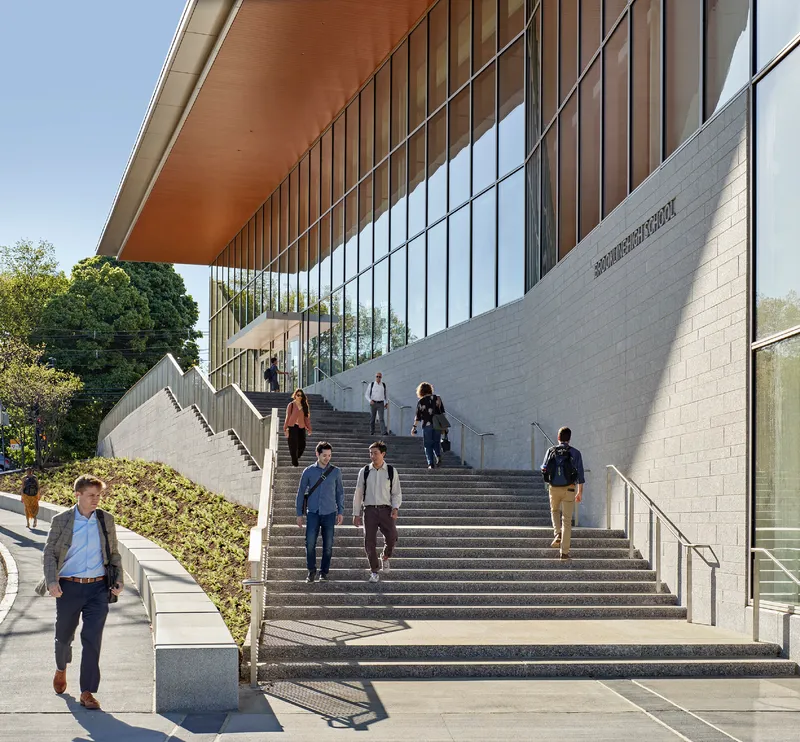
More than an addition, 22 Tappan establishes a new civic front door for the school. It bridges infrastructure, landscape, and learning while embodying Brookline High School’s core values of openness, equality, visibility, and interdisciplinary collaboration. Through transparency, flexibility, and careful urban integration, the building reframes what a contemporary public high school can be.
A Campus Expands with Civic Intent
Brookline High School occupies a prominent site embedded within the town’s civic and residential fabric. As enrollment grew, the challenge was not simply to add space, but to do so in a way that strengthened the school’s relationship with its surroundings and reinforced its educational mission.
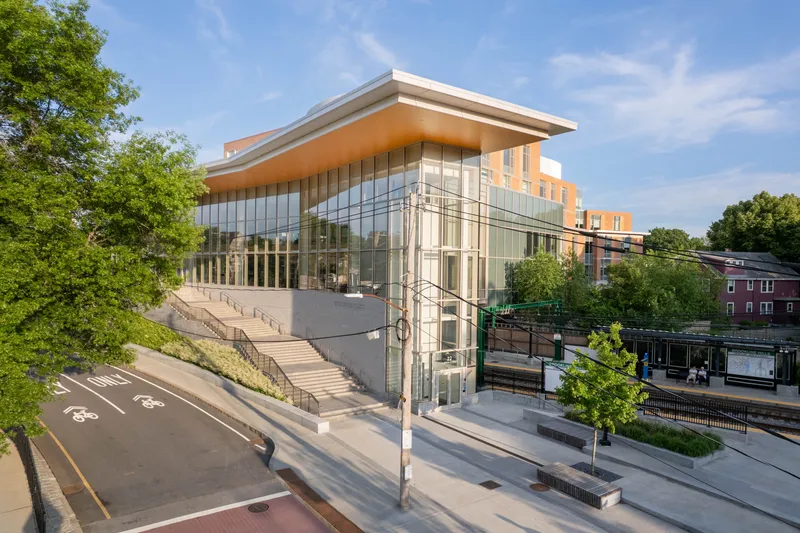
The 22 Tappan Building responds by functioning simultaneously as academic infrastructure and civic architecture. Its scale, transparency, and placement reinforce the school’s presence along Cypress Field while creating meaningful connections between students, educators, and the broader community.
Programmatic Density, Spatial Clarity
Serving as a comprehensive academic hub, the building houses a wide range of programs under one roof:
- General-use classrooms
- Physics and science laboratories
- Special education suites
- Collaboration and breakout spaces
- Library and conference rooms
- Cafeteria and student commons
- A 125-seat white box theater
- Administrative and support spaces
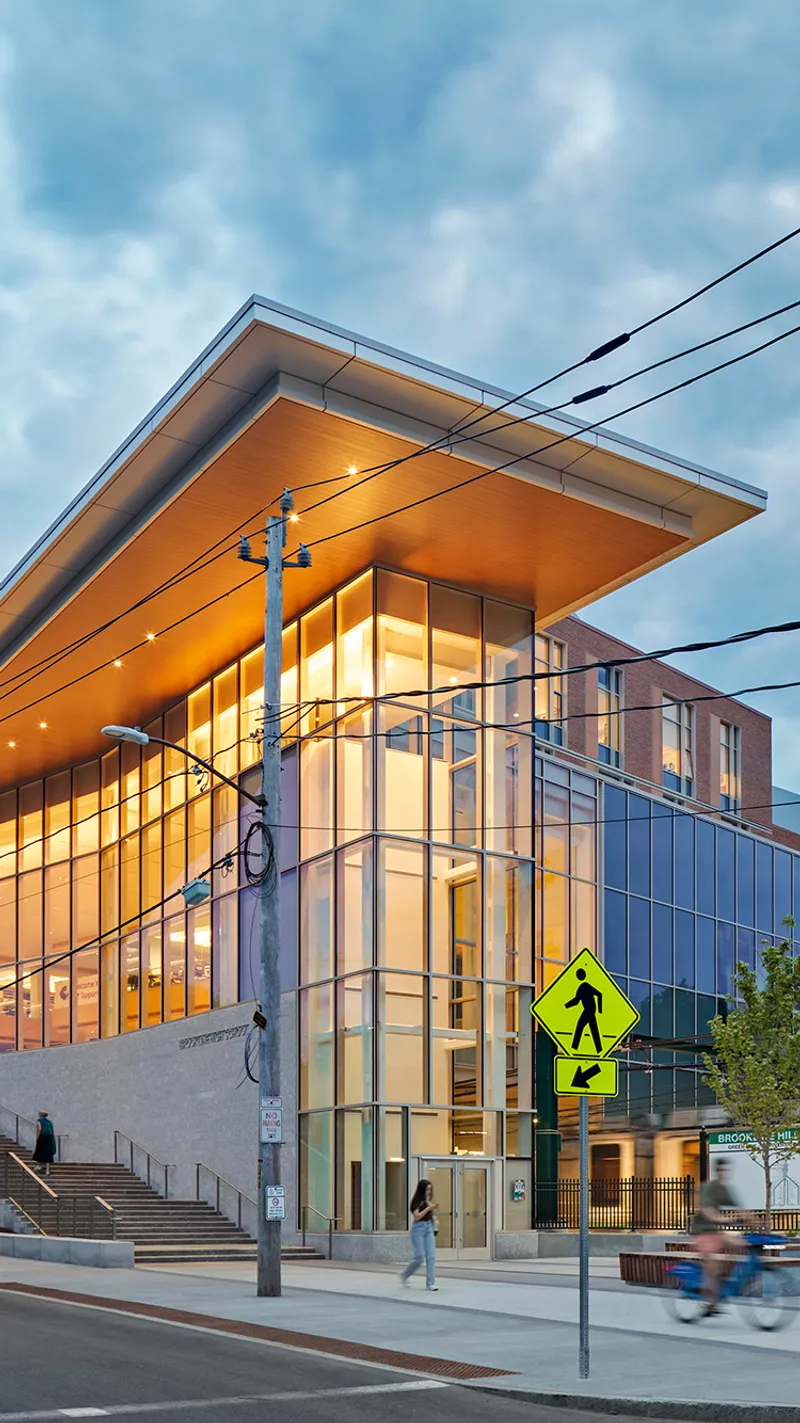
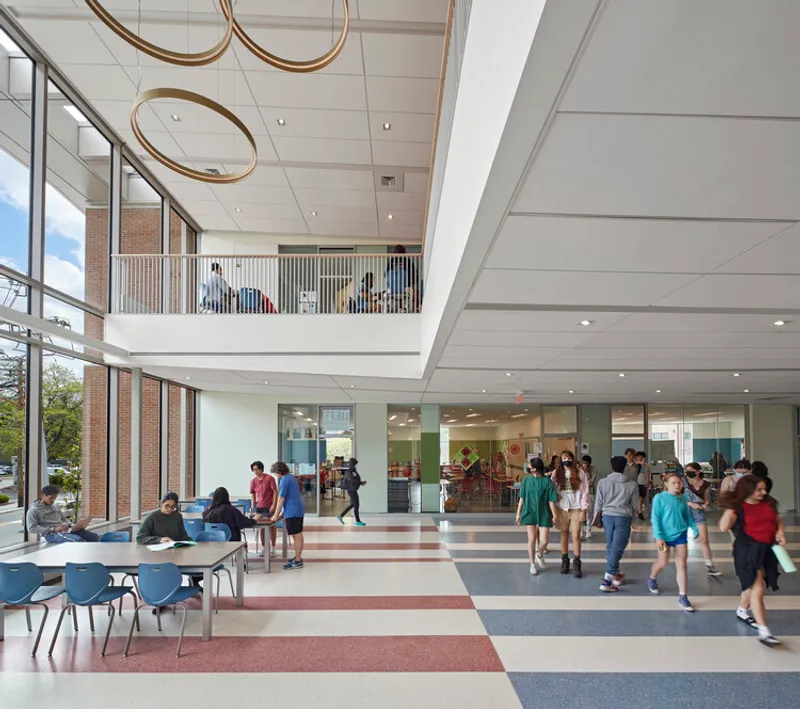
Despite this density, the building maintains exceptional spatial legibility. Programs are organized to encourage movement, interaction, and visibility, ensuring that learning is not confined to classrooms but extends into circulation, shared spaces, and informal gathering areas.
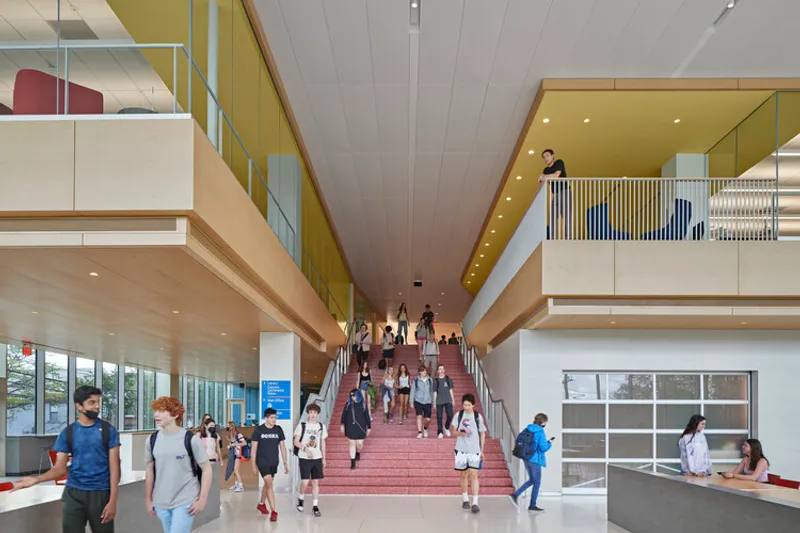
Architecture Reflecting Educational Values
The architectural language of the 22 Tappan Building mirrors the ethos of Brookline High School itself. Transparency and visual connection are central design strategies, reinforcing a culture of openness and shared learning.
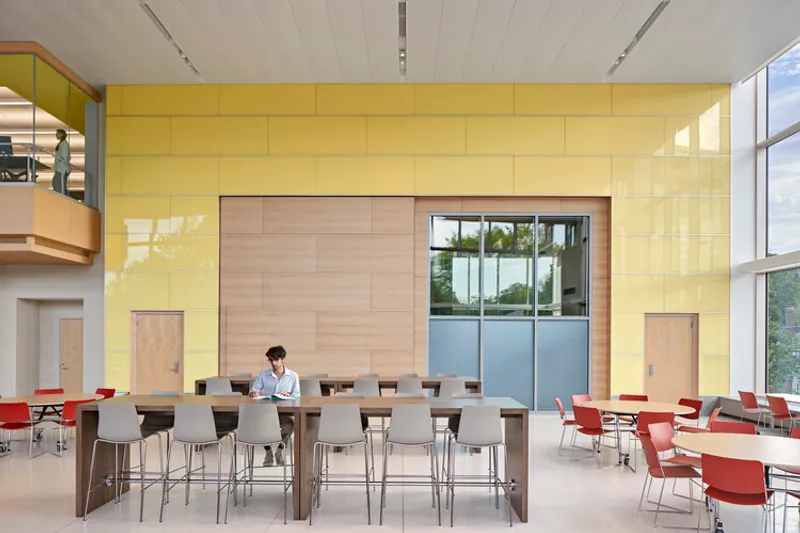
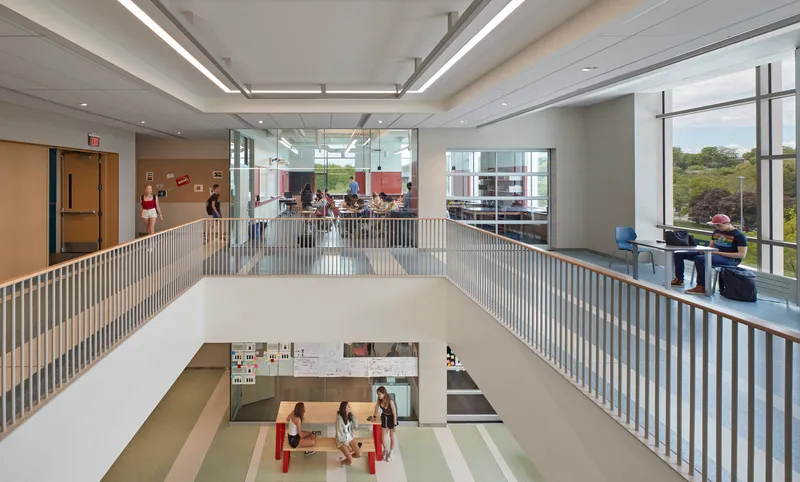
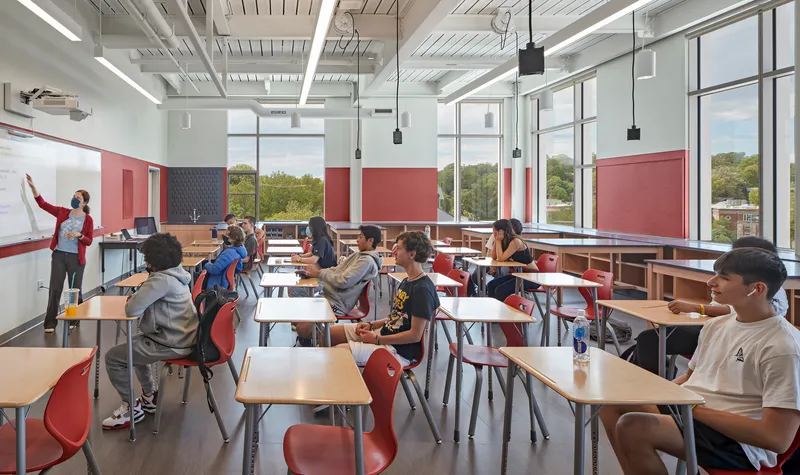
Classrooms feature clerestory windows that bring daylight into adjacent corridors, allowing learning activities to be perceptible beyond classroom walls. Collaboration zones between classrooms provide flexible breakout spaces that support group work, interdisciplinary projects, and informal study.
The library and conference spaces are deliberately placed along major circulation paths, making knowledge visible and accessible rather than secluded. This openness signals the value placed on intellectual exchange and community within the school environment.
The Front Porch: A Shared Campus Threshold
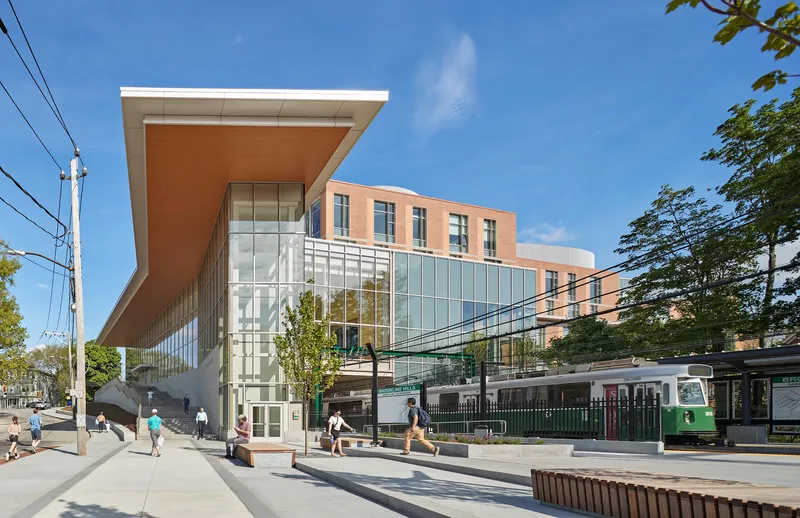
At ground level, a generous front porch serves as a unifying element for the campus. This covered, transparent threshold establishes a shared architectural language across the school and opens directly onto public green space.
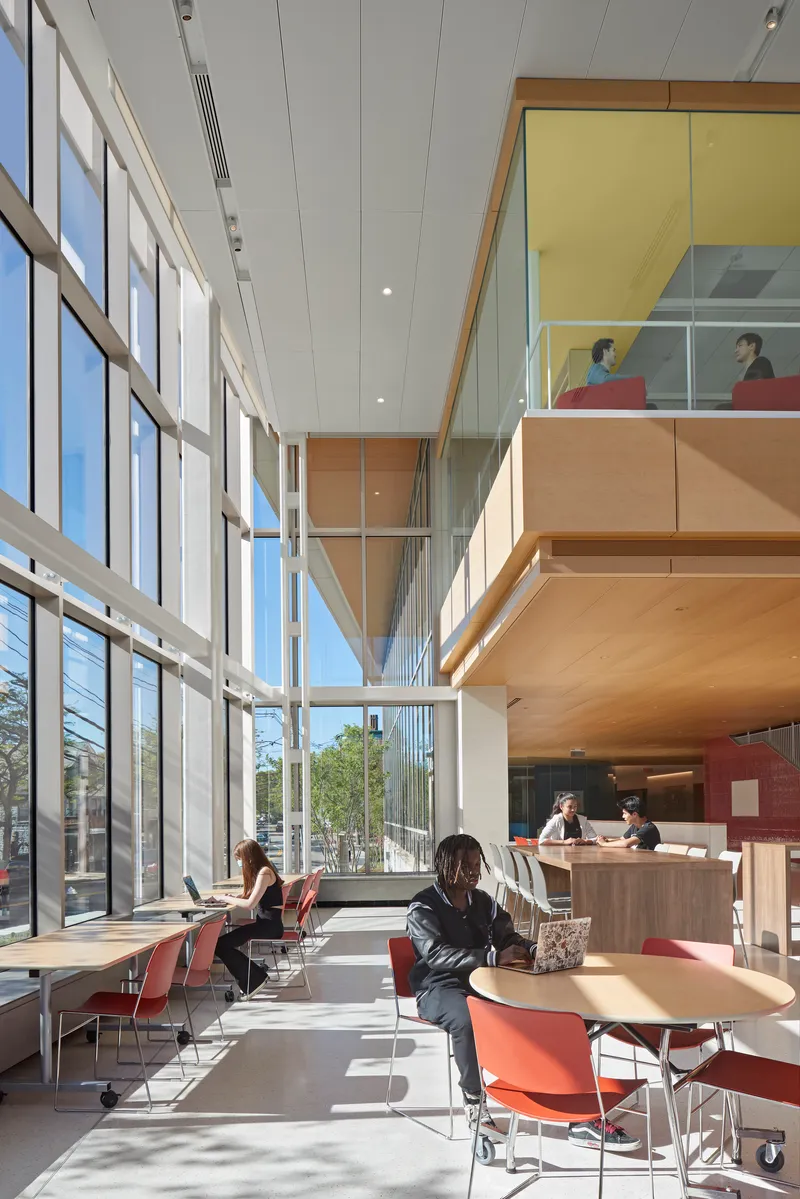
Functioning as both entrance and gathering space, the porch dissolves the boundary between campus and town. It reinforces the school’s civic identity, welcoming students and community members alike while grounding the building within its landscape context.
Cafeteria and Theater: Flexible Social Infrastructure
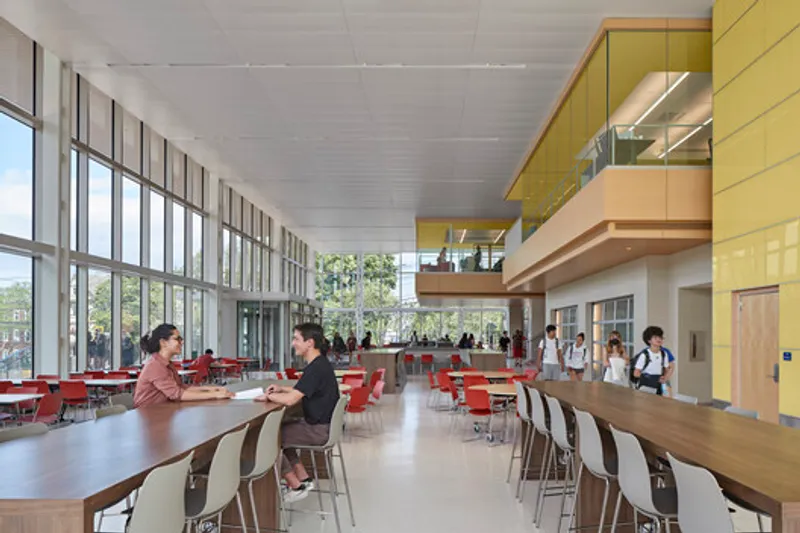
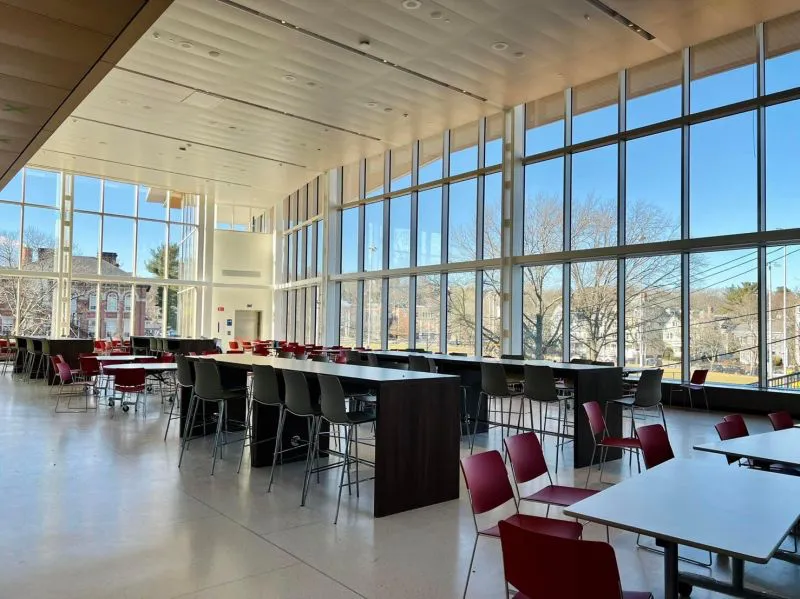
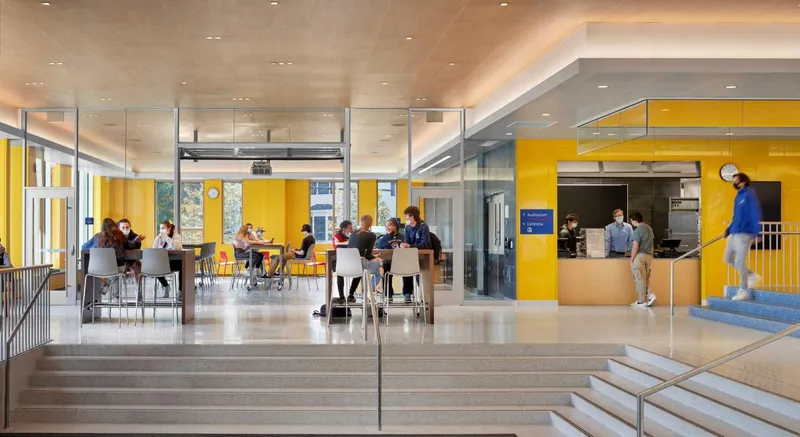
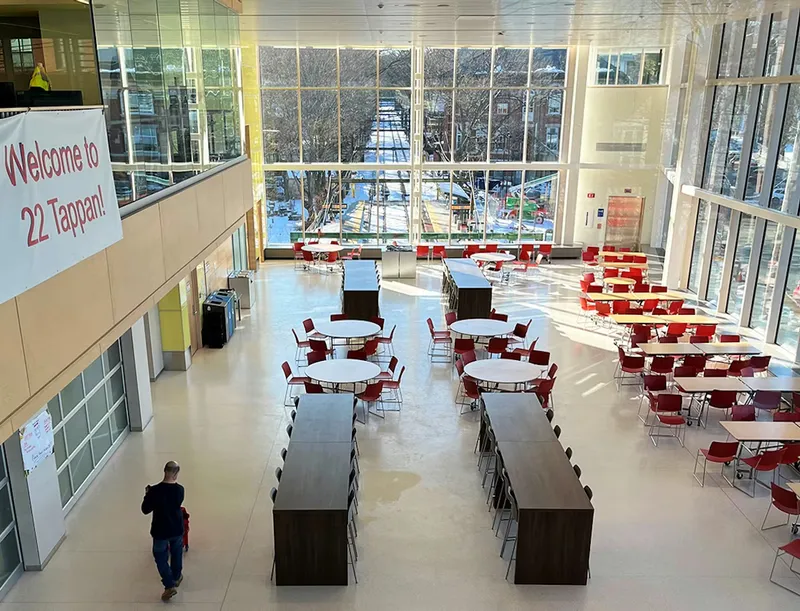
Social spaces are treated as integral components of the learning environment. The cafeteria is conceived not only as a dining space but as a flexible, light-filled commons that supports daily interaction and community events.
Adjacent to it, the 125-seat white box theater introduces a performative dimension to the building. A large barn door allows the theater to open directly into the cafeteria, enabling performances, assemblies, and exhibitions to expand beyond a single room. This flexibility reflects contemporary pedagogical models where boundaries between disciplines, and spaces, are fluid.
Spanning Infrastructure: Building Over the Green Line
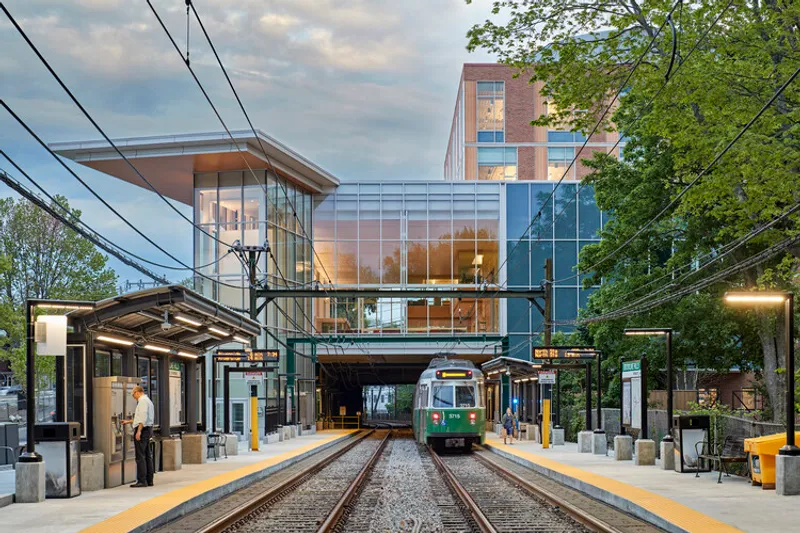
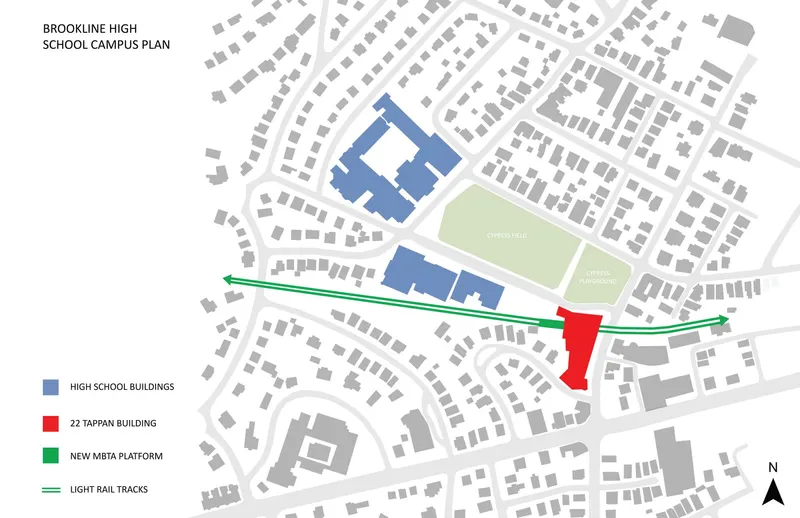
One of the project’s most technically and symbolically significant achievements is the building’s entrance spanning the MBTA Green Line tracks. This bold move transforms a piece of urban infrastructure into an opportunity for connection rather than division.
The design creates a safe, welcoming, and fully accessible front door to the new freshman campus while allowing the building to face Cypress Field and align with the civic character of the broader school grounds.
Achieving this required rigorous coordination with the MBTA and extensive collaboration with structural, mechanical, and acoustic consultants. The result is a space where trains passing below are neither felt nor heard, an invisible infrastructural condition that allows learning and social life to proceed uninterrupted.
Light, Transparency, and Wayfinding
Natural light plays a crucial role throughout the building. Extensive glazing, clerestories, and transparent partitions ensure daylight penetrates deep into the interior, reducing reliance on artificial lighting while supporting student well-being.
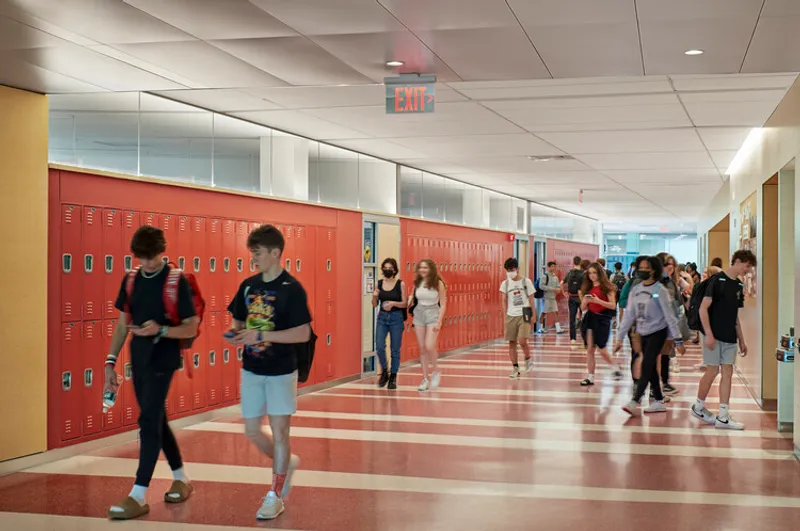
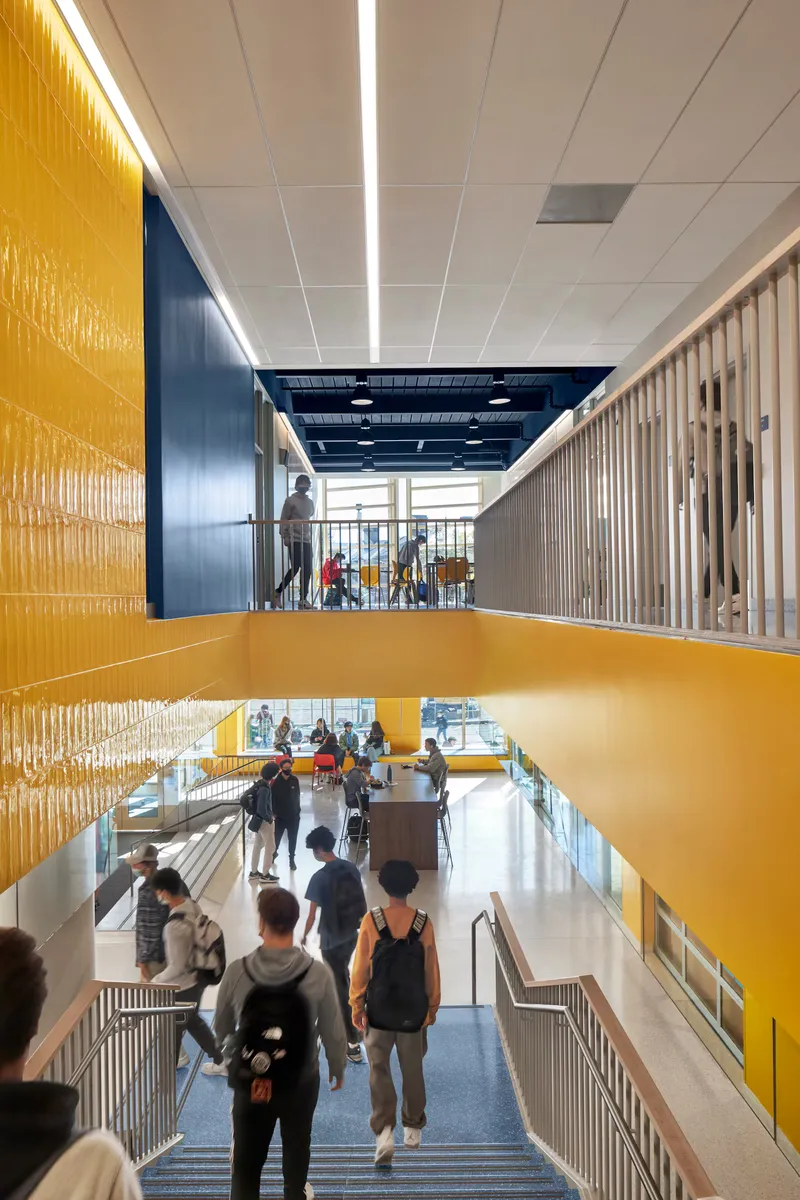
Circulation spaces are designed as places of interaction rather than mere corridors. Wide stairs, visible landings, and glazed walls encourage movement and chance encounters, reinforcing the school’s collaborative culture.
Wayfinding is intuitive, supported by visual connections rather than signage alone. Students can orient themselves through views to key spaces: library, cafeteria, theater, and green spaces, making the building easy to navigate despite its size.
Materiality: Durability and Warmth
Material choices balance durability with warmth, responding to the demands of a public educational building while creating a welcoming atmosphere. Brick, glass, steel, and granite anchor the exterior within Brookline’s architectural context, while interior finishes introduce texture and acoustic comfort.
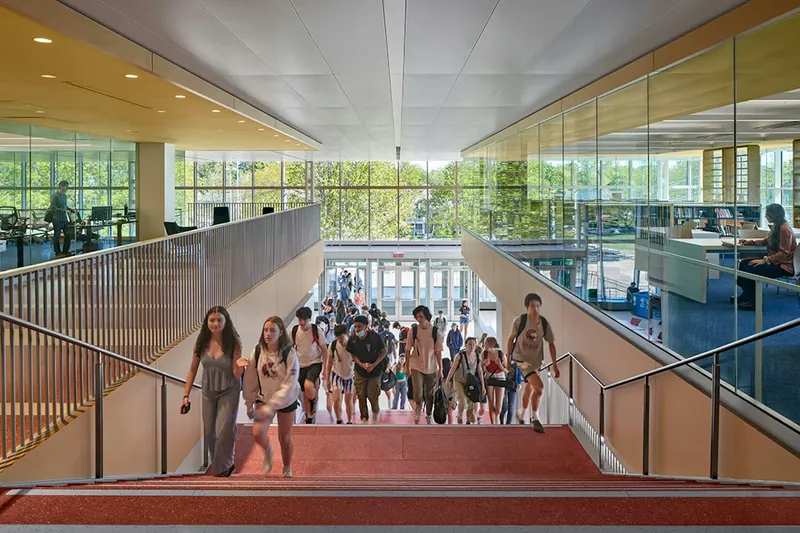
Lighting design by Horton Lees Brogden Lighting Design reinforces spatial hierarchy and supports varied activities throughout the day. Interior design by Stefura Associates ensures that furniture, finishes, and color palettes contribute to a calm yet stimulating learning environment.
Landscape and Campus Integration
Landscape design by Lemon Brooke, LLC strengthens the building’s connection to Cypress Field and the broader campus. Outdoor spaces extend learning beyond the building envelope, offering areas for gathering, reflection, and informal study.
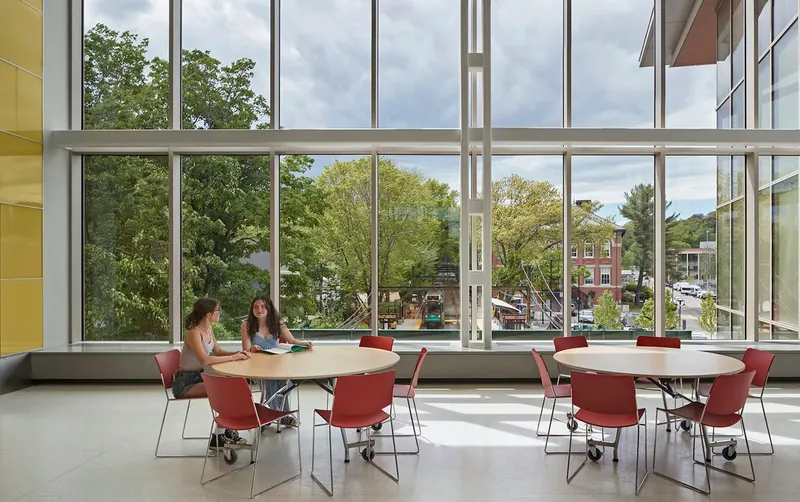
By aligning interior social spaces with exterior landscapes, the building reinforces the idea that education happens everywhere, not just in classrooms.
An Inclusive Design Process
The realization of the 22 Tappan Building was shaped by an exceptionally inclusive design process. Over 140 meetings were held with elected officials, boards, neighbors, educators, students, and community members.
This collaborative approach ensured the building addressed not only spatial and programmatic needs but also broader civic aspirations. The result is a school building that reflects collective values and serves as a shared community asset.
A Model for Contemporary Public Education Architecture
By increasing capacity by 700 students, the 22 Tappan Building responds pragmatically to Brookline’s growing population. Yet its significance extends beyond numbers. It demonstrates how public school architecture can be generous, transparent, and civic-minded, even within complex urban constraints.
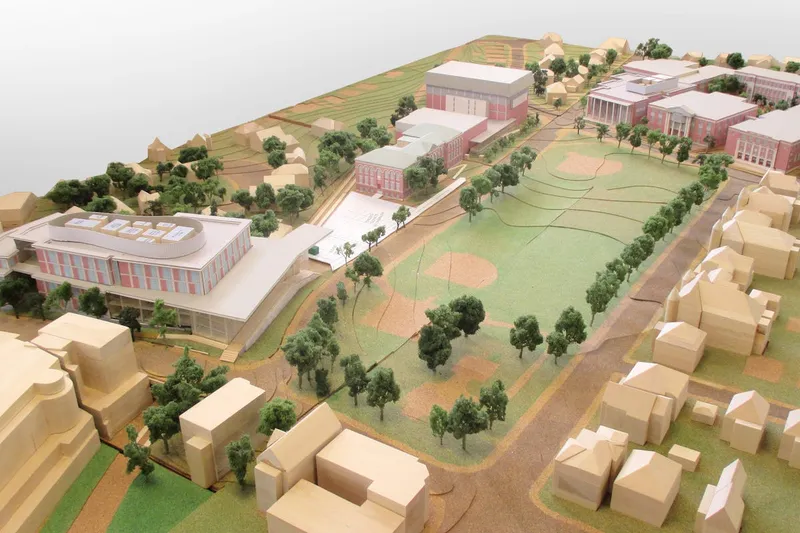
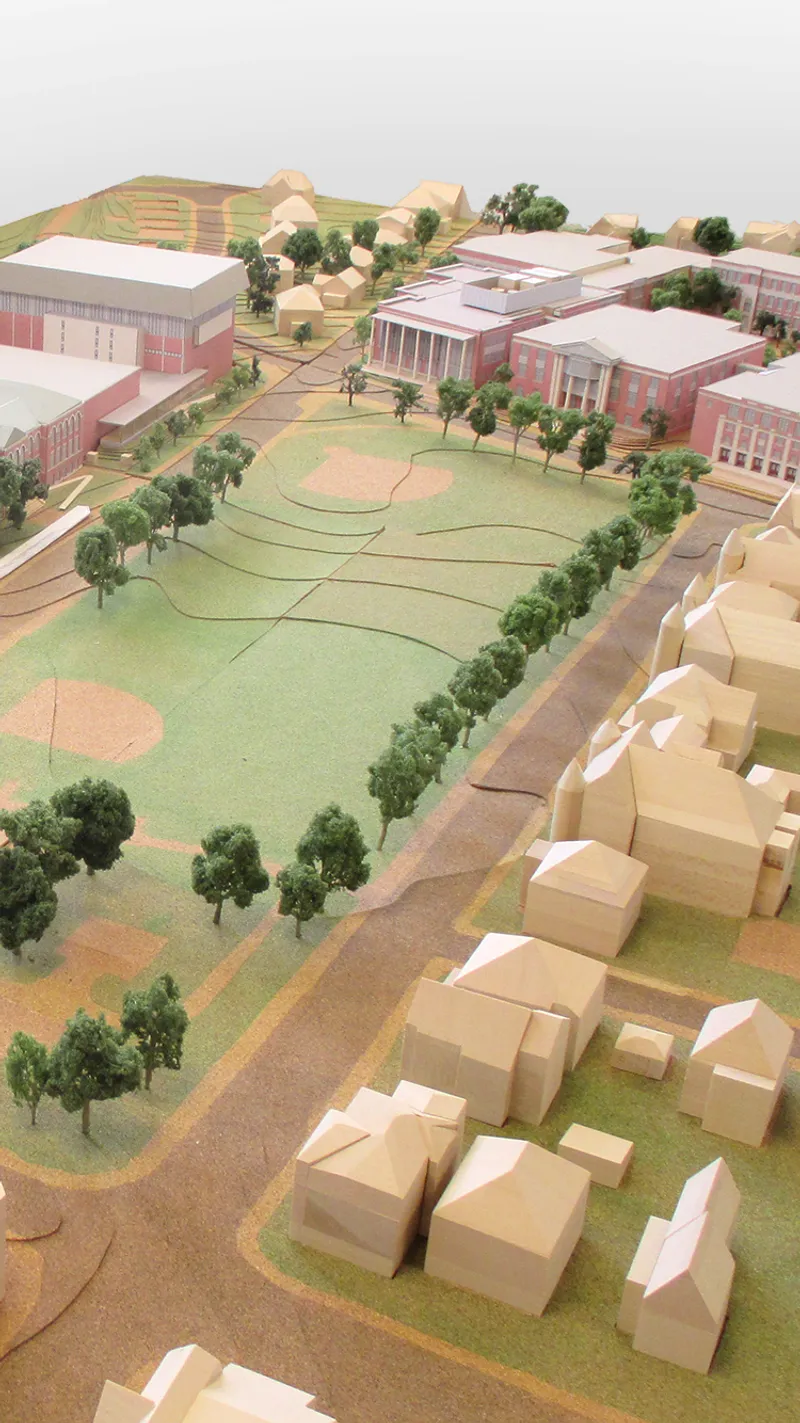
William Rawn Associates have created a building that supports academic rigor while nurturing social connection, adaptability, and inclusivity. Through careful integration of infrastructure, landscape, and pedagogy, the project sets a benchmark for future educational environments.
Learning as a Shared, Visible Act
At its core, the 22 Tappan Building reframes learning as a shared and visible process. By dissolving barriers between disciplines, spaces, and people, it fosters a culture where education is collaborative, accessible, and deeply connected to community life.
In doing so, Brookline High School’s newest building stands not only as a place of instruction, but as a civic institution: open, resilient, and ready to support generations of students to come.
All the Photographs are works of Robert Benson


Popular Articles
Popular articles from the community

Tsunami Convergenics: Turning Catastrophic Ocean Forces into Underwater Housing Infrastructure
A speculative underwater settlement off the coast of Onagawa, Japan, treats tsunamis and typhoons as energy sources rather than threats.
Temporary Home for Dogs: A Reversed Zoo Rethinks Animal Shelter Architecture
In Bucharest, a sinuous corridor and freed landscape flip the logic of containment, designing a shelter that works to make itself unnecessary.

Singing Woman: An Opera House That Performs Before the Curtain Rises
Ovidiu Cristian Pavel's conceptual opera house translates Estonia's choral identity into a sculpted waterfront landmark facing the Baltic Sea.
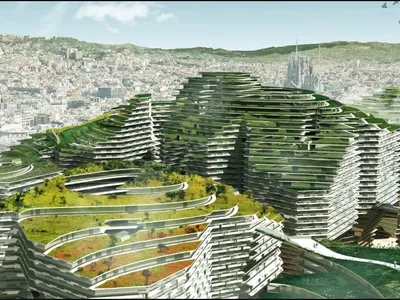
Manzana Morphosis: Stretching Barcelona's Grid into a Living Landscape for 2050
A radical reworking of the Eixample manzana turns density into a tool for generous public space, vertical ecology, and environmental performance.

Similar Reads
You might also enjoy these articles


Hodi-Mandai Geram
Project Function: Preservation and revitalization of the Intangible heritage and socio-spatial identity of the Hodi by Housing, Cultural Memory Center, Sacred Grove, landscape, local tourism economy


Olio Towers: A Mid-Rise for Performers That Fuses Housing, Rehearsal, and Stage
Located blocks from Houston's Theater District, this modular tower stacks living units around a central performance atrium.

Oasis: Modular Green Housing Carved into Dhaka's Urban Fabric
A shortlisted Plugin Housing entry reclaims unauthorized settlements in Dhaka with stepped concrete volumes, green roofs, and ventilation-driven design.

Black Hole: A Floating Megastructure for the Post-Physical Era
Emiliano Mazzarotto envisions a spherical, self-scaling arena where e-sports, digital hotels, and holographic stadiums replace traditional public space.

Explore School Building Competitions
Discover active competitions in this discipline

Challenge to design public laboratory

Challenge to reimagine the Iron Throne

Photograph architecture without architects

Illustrate the lost glory of Angkor Wat - Render Challenge
Comments (0)
Please login or sign up to add comments
No comments yet. Be the first to comment!