

Bumi Pakubuwono by WOFF: A Masterful Adaptive Reuse Project in Jakarta
Bumi Pakubuwono by WOFF transforms a three-story office into a green, adaptive reuse lifestyle hub, blending nature, materials, and urban design.


Bumi Pakubuwono by WOFF Architects is a striking example of adaptive reuse architecture that reimagines a three-story office building into a vibrant creative lifestyle compound. Situated in the heart of Jakarta’s Kebayoran Baru district, the project elegantly balances heritage and modernity, integrating nature, materials, and human experience into a cohesive design that resonates with the city’s evolving urban landscape.
A Sustainable Architectural Dialogue Between Heritage and Modernity
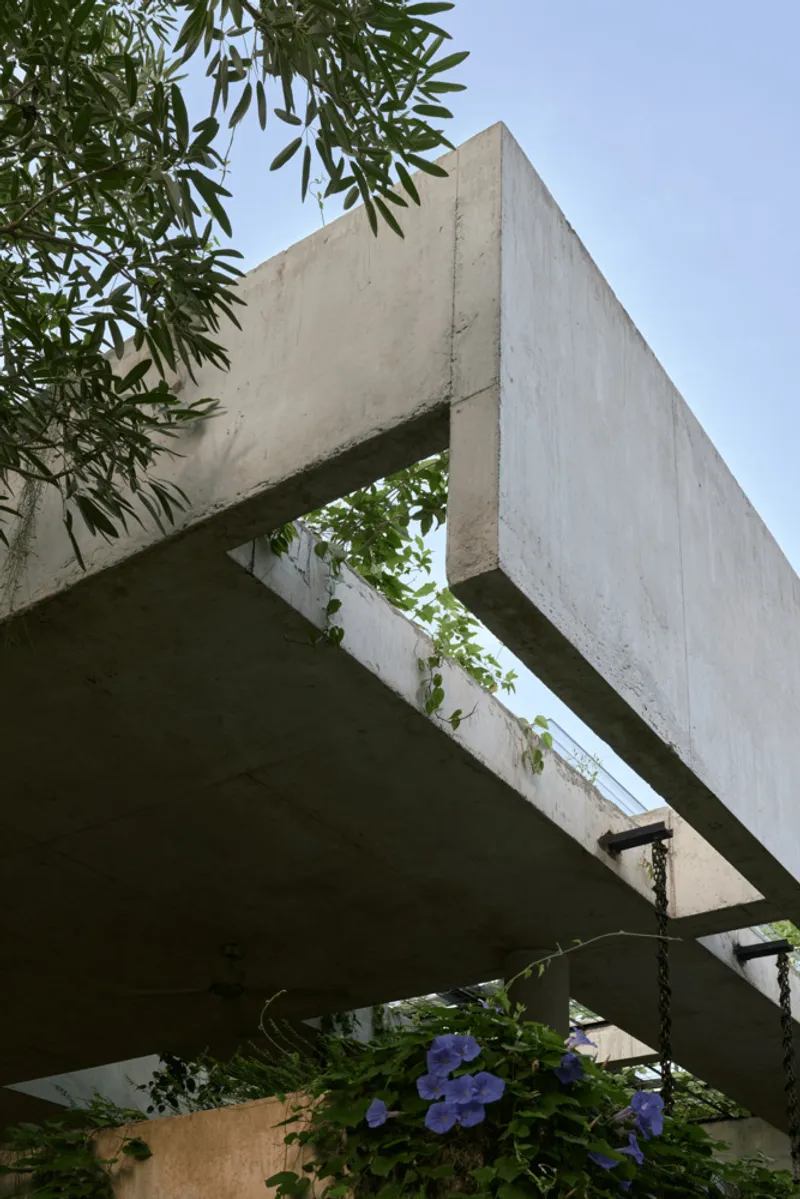
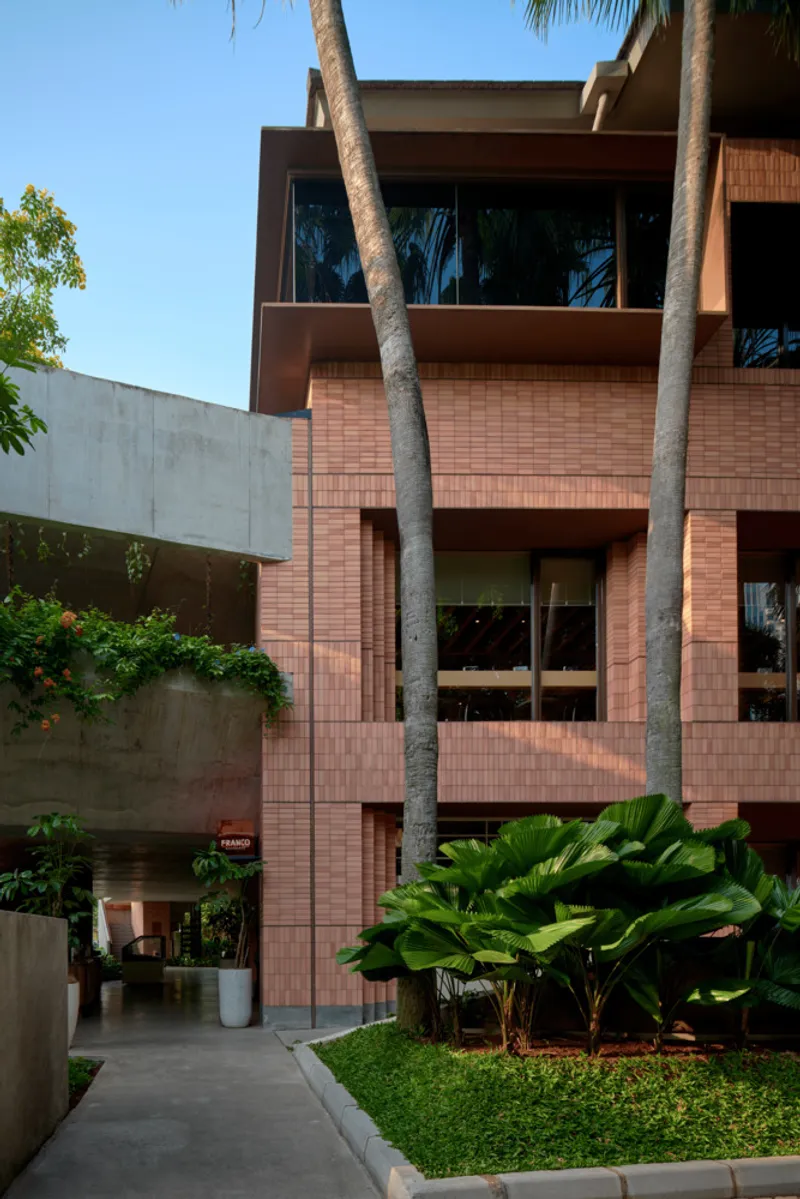
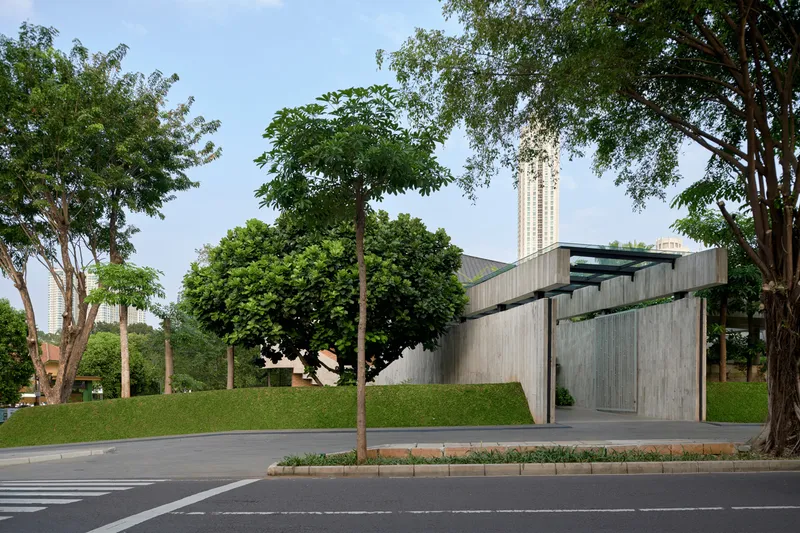
Embracing the Elements of Nature
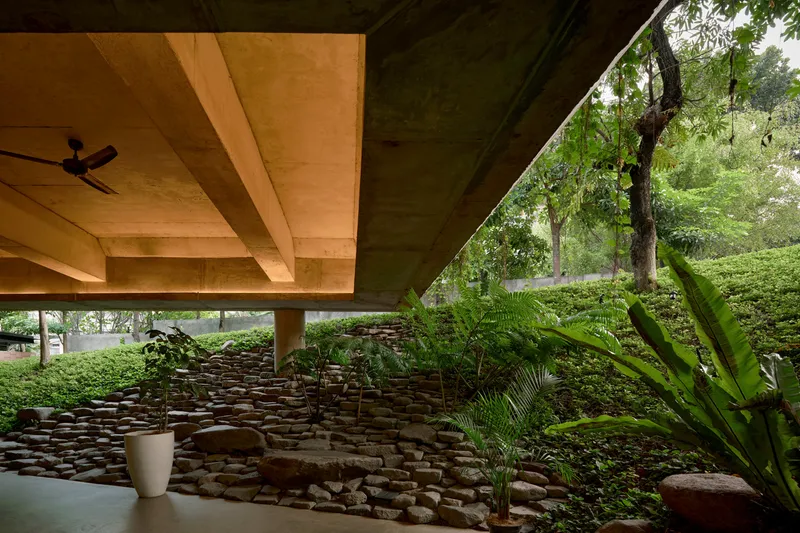
The design of Bumi Pakubuwono draws inspiration from its name, “Bumi,” which means earth in Indonesian. Each material choice, water, plants, stone, brick, soil, and grass, guides both the architectural language and the sensory experience of the compound:
- Water flows through the site in reflective pools and pathways, promoting calmness and movement.
- Plants and greenery blur the boundaries between interior and exterior, creating soft thresholds and vibrant outdoor terraces.
- Stone and brick anchor the architecture, lending texture, warmth, and a tangible connection to the earth.
- Soil and grass support rooftop gardens and communal spaces, enhancing biodiversity and natural cooling.
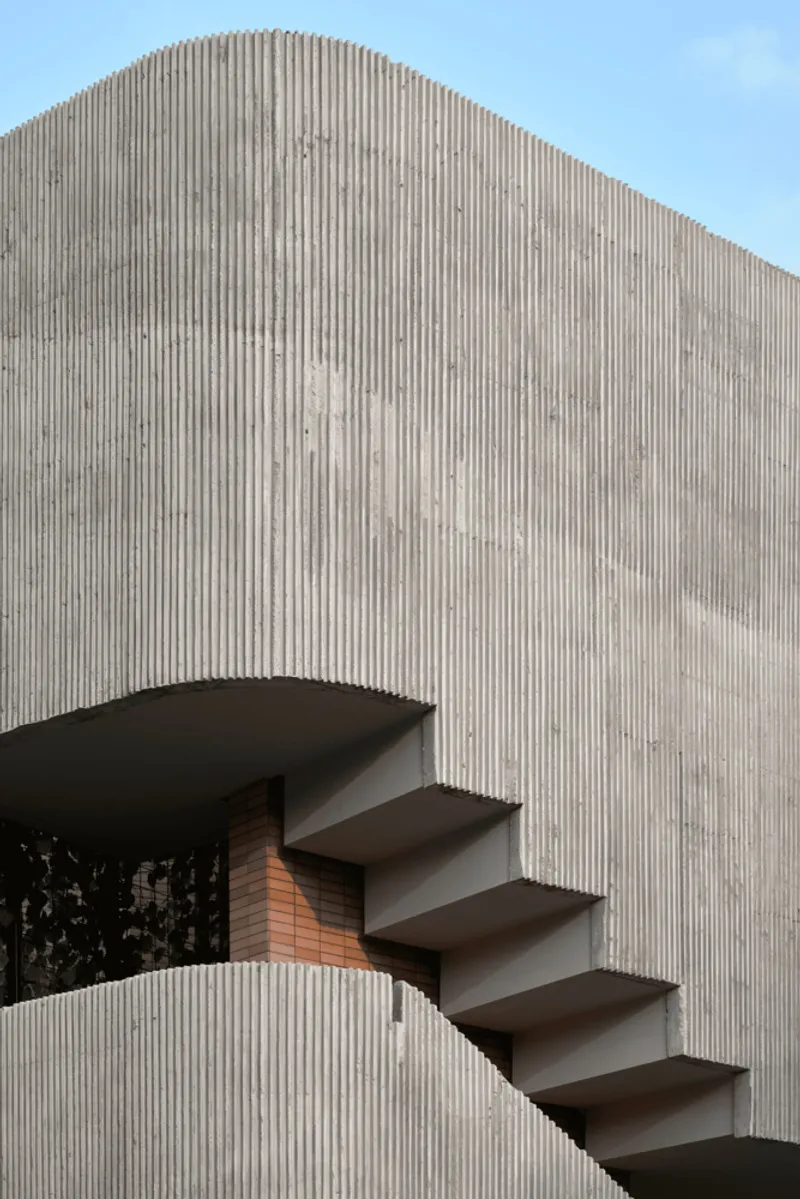
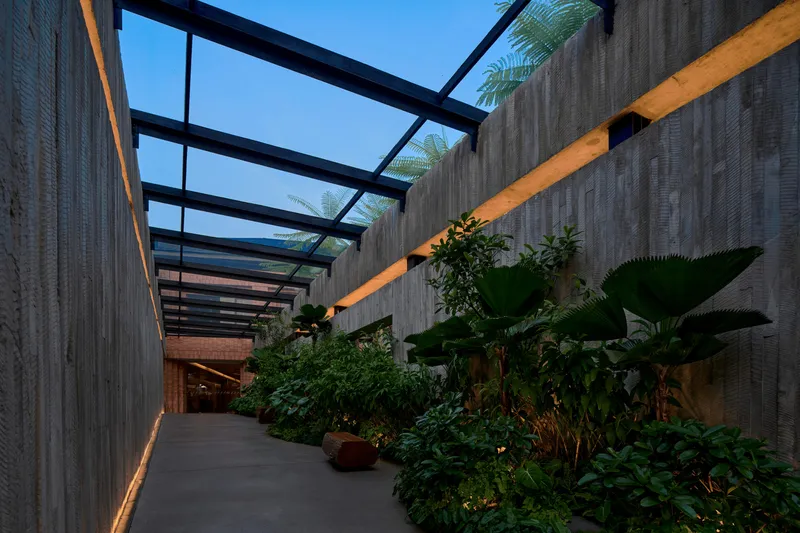
This thoughtful material strategy transforms the building into more than a commercial hub, it becomes an immersive urban oasis where architecture and nature coexist harmoniously.
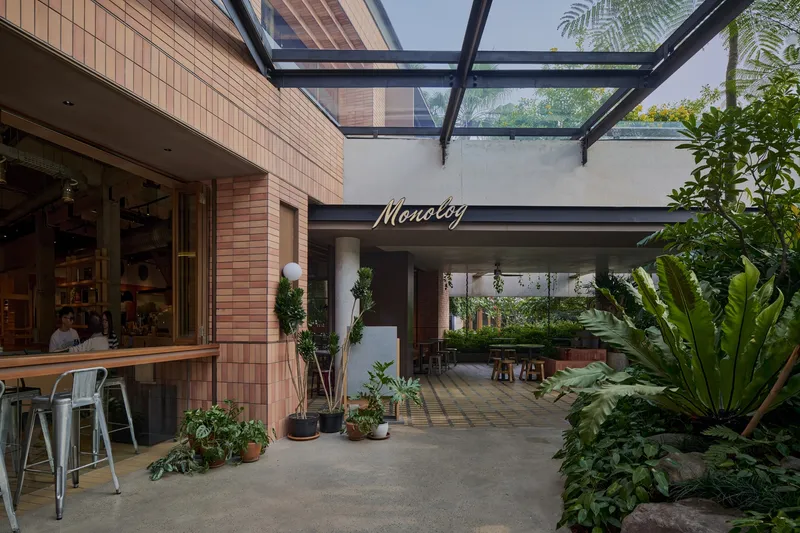
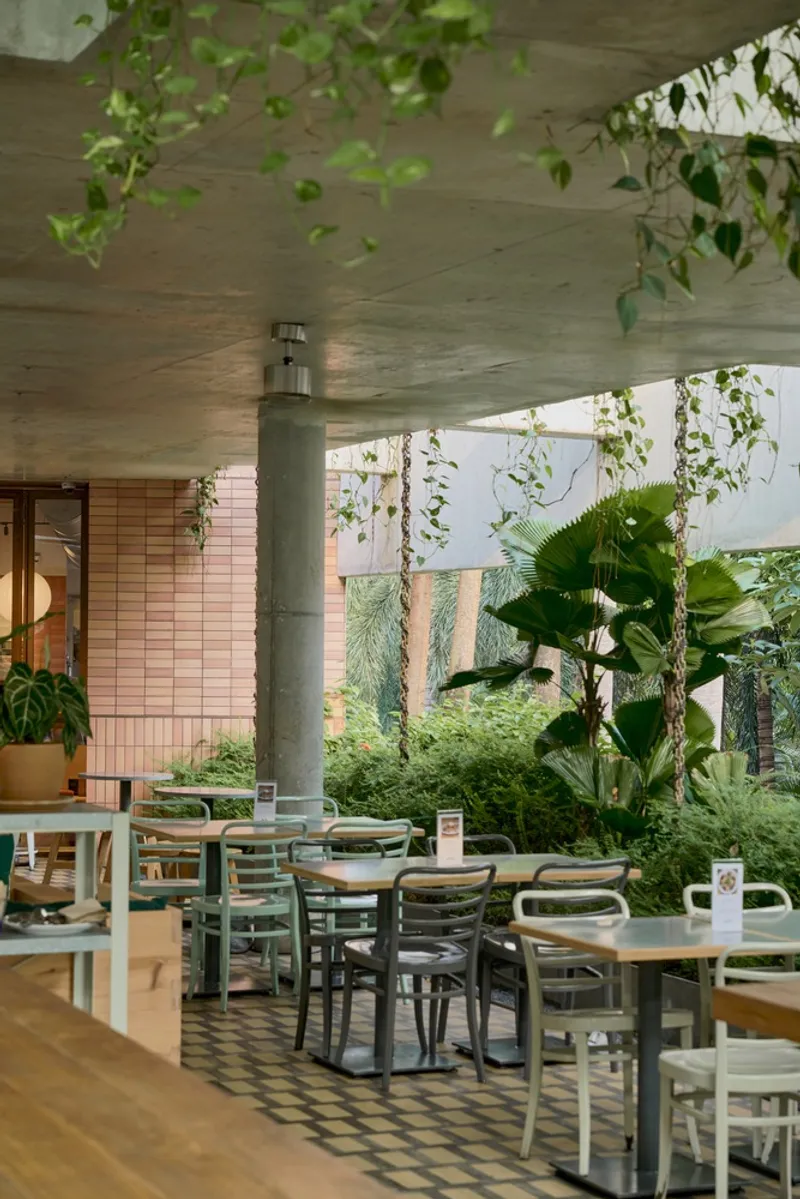
Reconnecting the Building to Its Urban Context
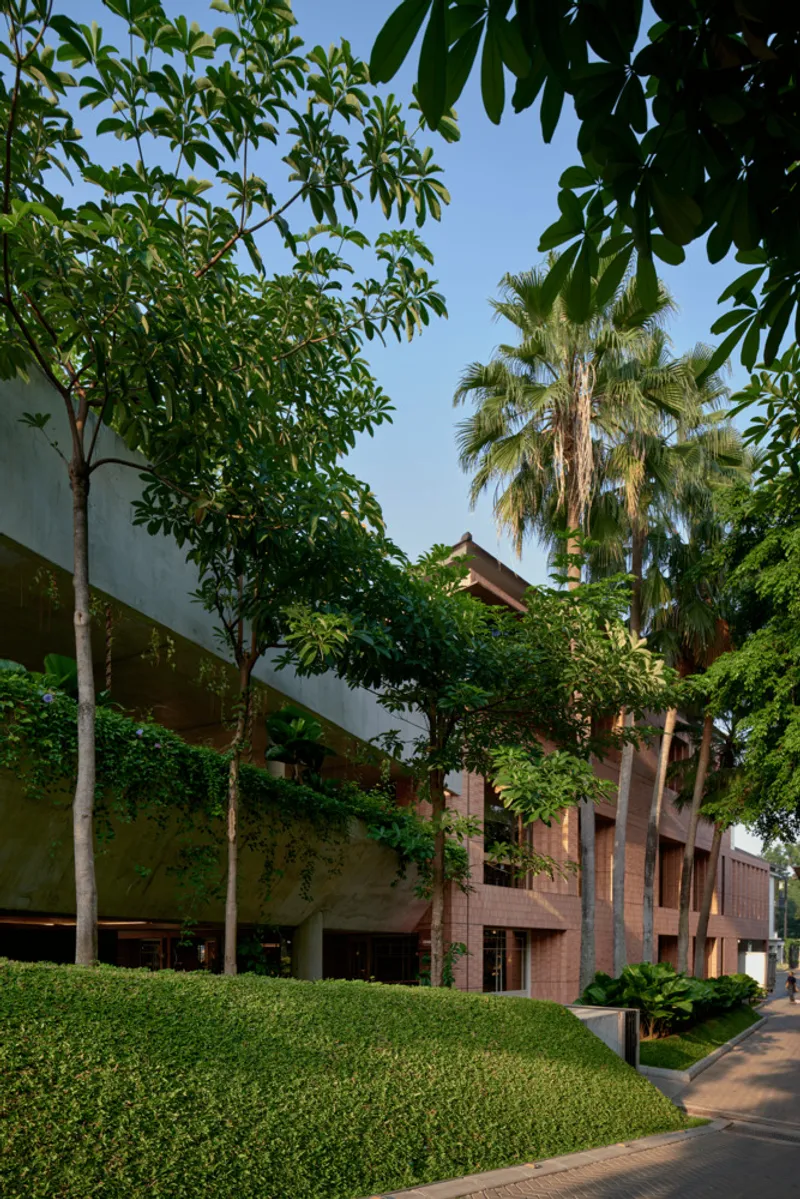
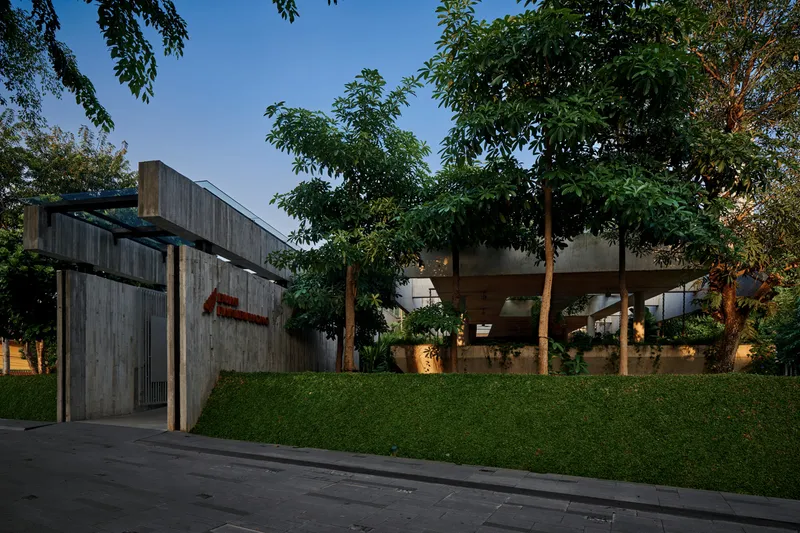
Set 35 meters back from the main road, the existing structure posed a unique design challenge. WOFF responded with a four-meter-wide elevated bridge that acts not just as a circulation path, but as a lush promenade lined with tropical gardens. This green arrival experience reconnects the building to the street and invites visitors into a welcoming, nature-infused environment.
Rooftop gardens extend the experience, providing shaded seating areas that improve thermal comfort while reducing heat gain. These outdoor spaces not only encourage social interaction but also reflect the project’s commitment to sustainable urban design.
Sustainable Design and Comfort
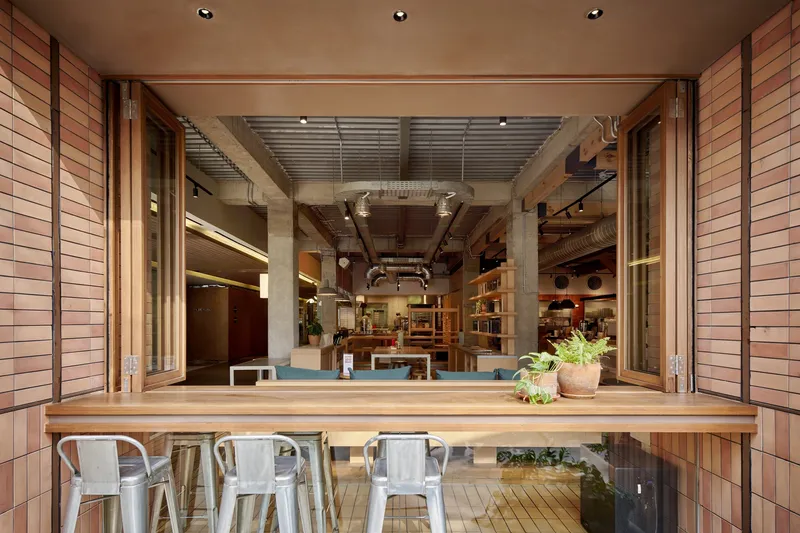
Bumi Pakubuwono emphasizes natural ventilation and daylighting, reducing dependence on artificial systems. By optimizing cross-ventilation and natural lighting, the project enhances occupant well-being and minimizes environmental impact. The thoughtful integration of greenery and passive design strategies results in a healthy, functional, and restorative environment.
A Reimagined Relationship Between Architecture and Nature
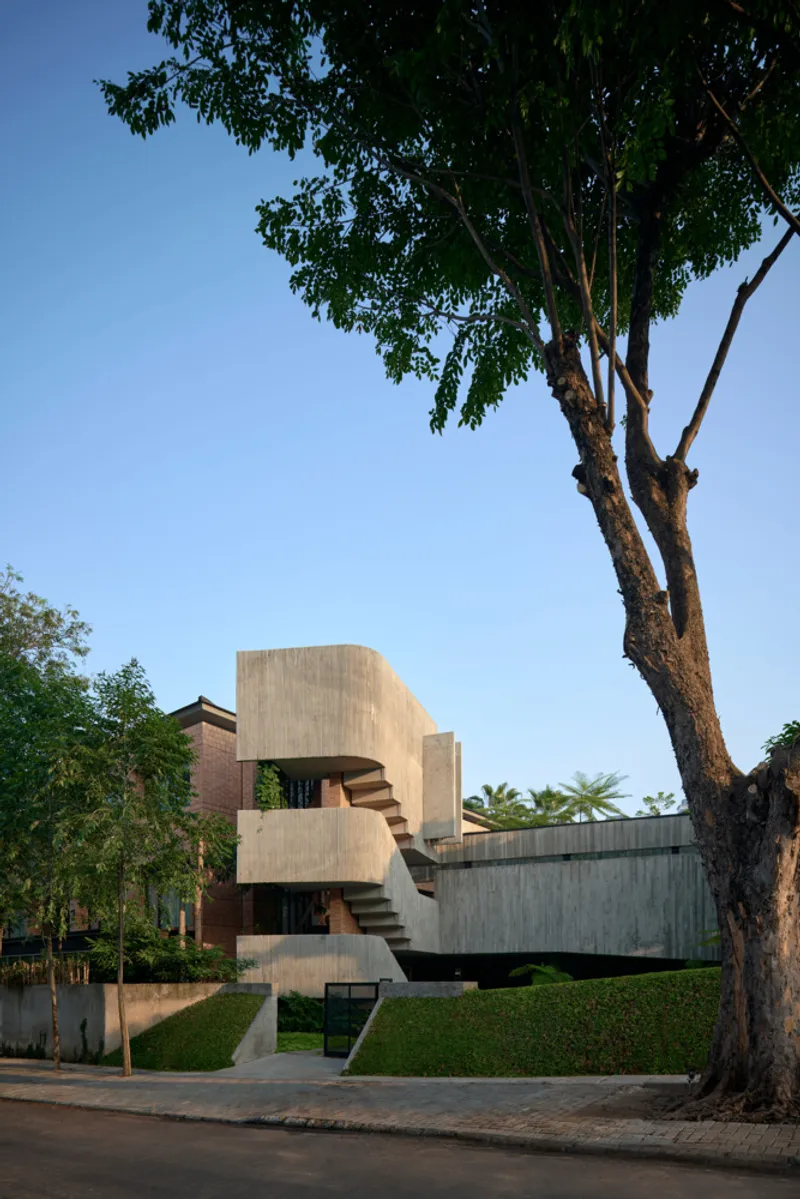
More than a renovation, Bumi Pakubuwono represents a rethinking of urban architecture. By embedding the elements of earth into its design, WOFF has created a space that is grounding, enriching, and inspiring. Visitors and occupants experience a deepened connection to the natural environment, while everyday life is enhanced through carefully crafted, human-centered spaces.
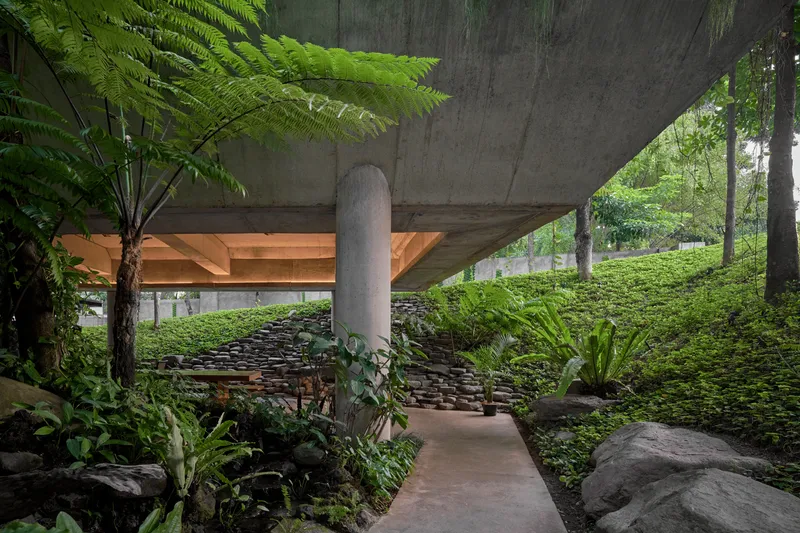
All photographs are works of Arti Pictures - William Sutanto


Popular Articles
Popular articles from the community

The Amber Palace Opera: A Geological Fiction Surfaces on Tallinn's Baltic Waterfront
Pierre Brillard reimagines a Baltic legend as a public landscape, opera house, and waterfront promenade rooted in Tallinn's coastal identity.
Temporary Home for Dogs: A Reversed Zoo Rethinks Animal Shelter Architecture
In Bucharest, a sinuous corridor and freed landscape flip the logic of containment, designing a shelter that works to make itself unnecessary.
Faces of the Soviet Avant-Garde: Turning Moscow's Street Names into an Open-Air Museum
A network of sculptural installations across a Moscow residential district transforms forgotten architect names into spatial encounters with cultural memor
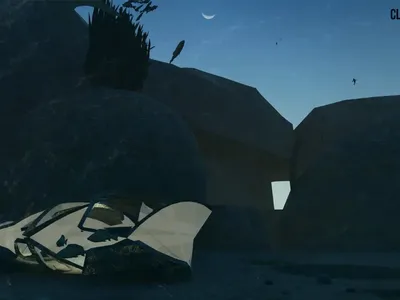
Cloaked Colonization: A Mobile Underwater Habitat That Moves Like a Fish
Micah Abaya's shortlisted EHC Pacific entry reimagines ocean settlement as a dispersed network of self-sustaining architectural organisms.

Similar Reads
You might also enjoy these articles

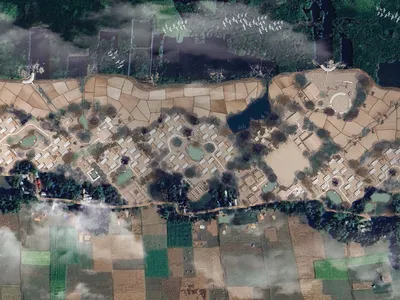
Hodi-Mandai Geram
Project Function: Preservation and revitalization of the Intangible heritage and socio-spatial identity of the Hodi by Housing, Cultural Memory Center, Sacred Grove, landscape, local tourism economy

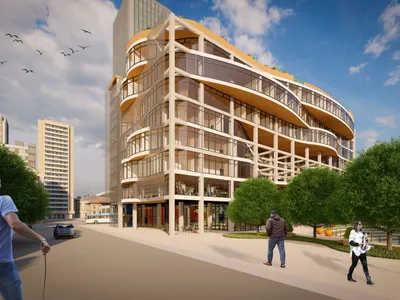
Olio Towers: A Mid-Rise for Performers That Fuses Housing, Rehearsal, and Stage
Located blocks from Houston's Theater District, this modular tower stacks living units around a central performance atrium.
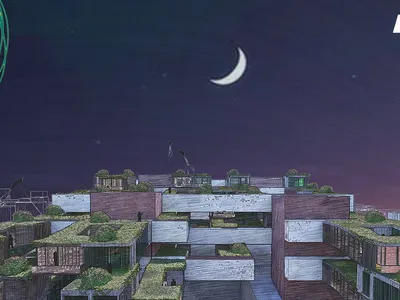
Oasis: Modular Green Housing Carved into Dhaka's Urban Fabric
A shortlisted Plugin Housing entry reclaims unauthorized settlements in Dhaka with stepped concrete volumes, green roofs, and ventilation-driven design.

Black Hole: A Floating Megastructure for the Post-Physical Era
Emiliano Mazzarotto envisions a spherical, self-scaling arena where e-sports, digital hotels, and holographic stadiums replace traditional public space.

Explore Architecture Competitions
Discover active competitions in this discipline

Challenge to reimagine the Iron Throne

Photograph architecture without architects

Illustrate the lost glory of Angkor Wat - Render Challenge

Design challenge to reuse E-waste
Comments (0)
Please login or sign up to add comments
No comments yet. Be the first to comment!