
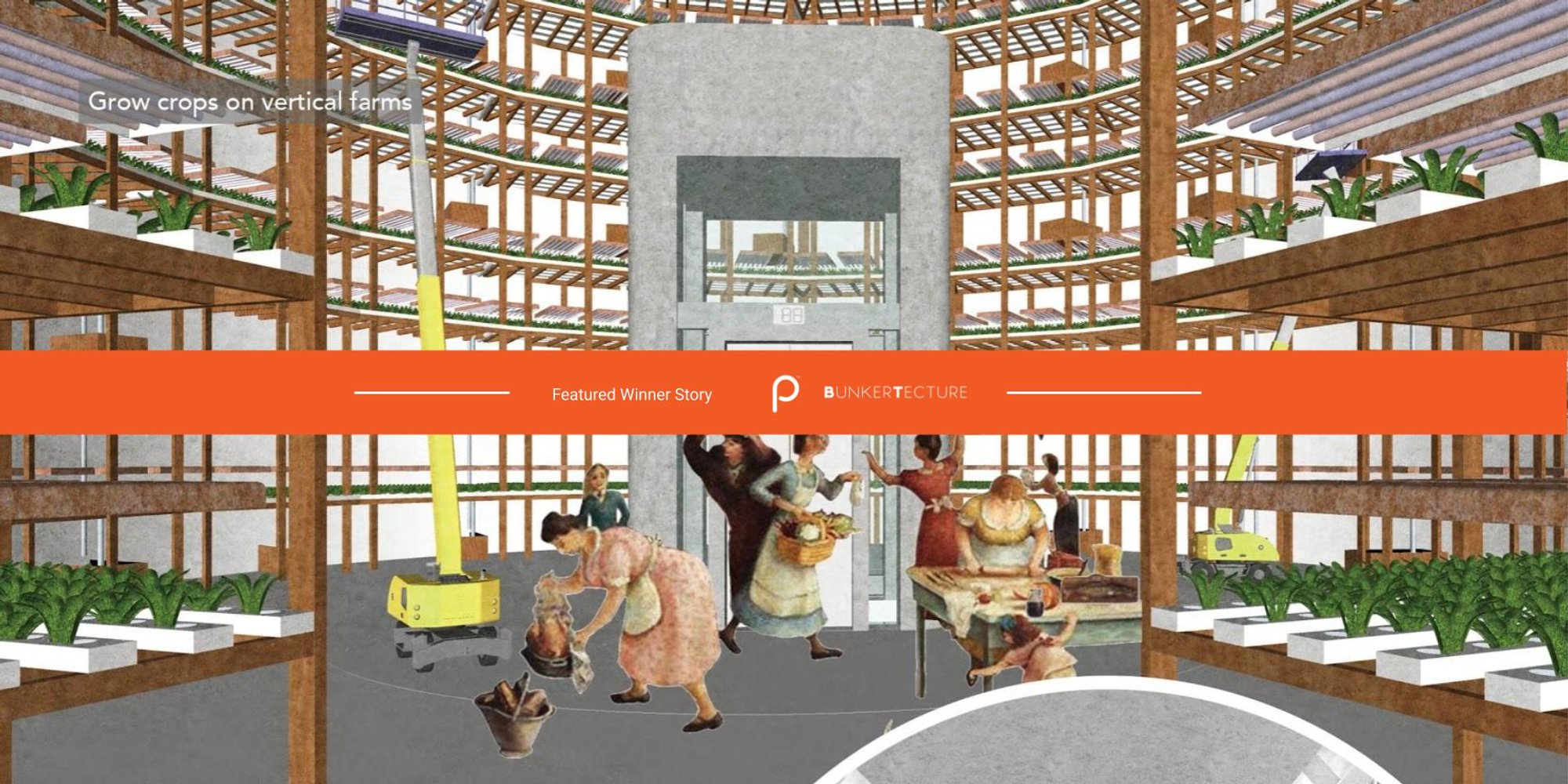
Future Housing in a Nuclear Bunker
BunkerTecture - Result Story

The paranoia stemming from war, especially nuclear, pandemics, and natural disasters is at an all-time high and rising by the day. According to commissioned polls, 22-23% of people in the UK and US feel that the world would end in their lifetime, or that they would at least see the occurrence of a doomsday level event. Among those, 60% of the people, especially in the US, feel that it would be through a nuclear war. Only a minuscule percentage among these people hope to survive such an event, and even fewer have the means for it.
To add to that, Doomsday Homes and Bunkers are becoming an increasingly common occurrence in the States, where the inception of the paranoia can be pinpointed to the devastating 9/11 attacks. The effort, however, is largely privately concentrated, and as a result, is severely limited to only millionaires who have plenty of resources to spare a chunk of it towards securing an uncertain future. In other words, catastrophe planning for all is an overlooked reality of the world we live in, as most of us scramble for basics in the day today.
The idea is to impart equal credence to the mitigation and to the preparation for such events, as it is to remediation, repair, and recovery in the aftermath of such events. More than that, it is time that catastrophe planning moves beyond world leaders, government officials, and the few millionaires of the planet.
The focus of the challenge would be on how such an architecture would separate itself in practice and design from conventional practices of constructing a dwelling. What would happen to the furniture and utilities? Would opulence be an option? Or is austerity the way forward for such a structure? How do you think such a space would function an entire generation into the future? Would it confine itself to a particular style of architecture? The design should be reflective of paranoia in the present while undertaking an approach that reflects future occupation.
The challenge was to design a fully functional refuge bunker in a decommissioned missile silo to house a colony of survivors, intended to serve as a shelter for its inhabitants in times of disaster or major external crisis.
The jury for the competition consisted of esteemed designers, professionals and academicians from around the world. The Lead Jurors for the competitions were as follows:
Ludwig Godefroy, Founder and Principal, Ludwig Godefroy Architecture, Mexico
Pinar Dinc Kalayci, Professor & Dr, Studio Thinkimagine, Gazi University, Turkey
Mahmut Anlar, Partner, Geo_ID, Turkey
Tuğçe Rizeli, Partner, Geo_ID, Turkey
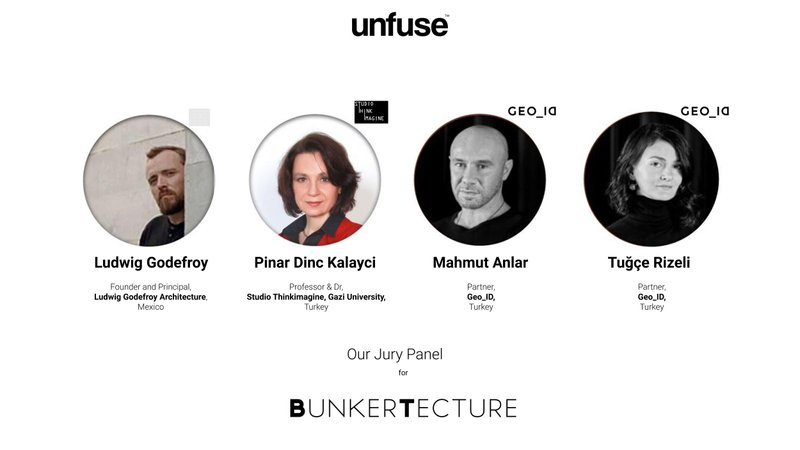
Some of the Best of competition projects are:
Winning Project: Bunkertecture
By: Ruoqi Yu
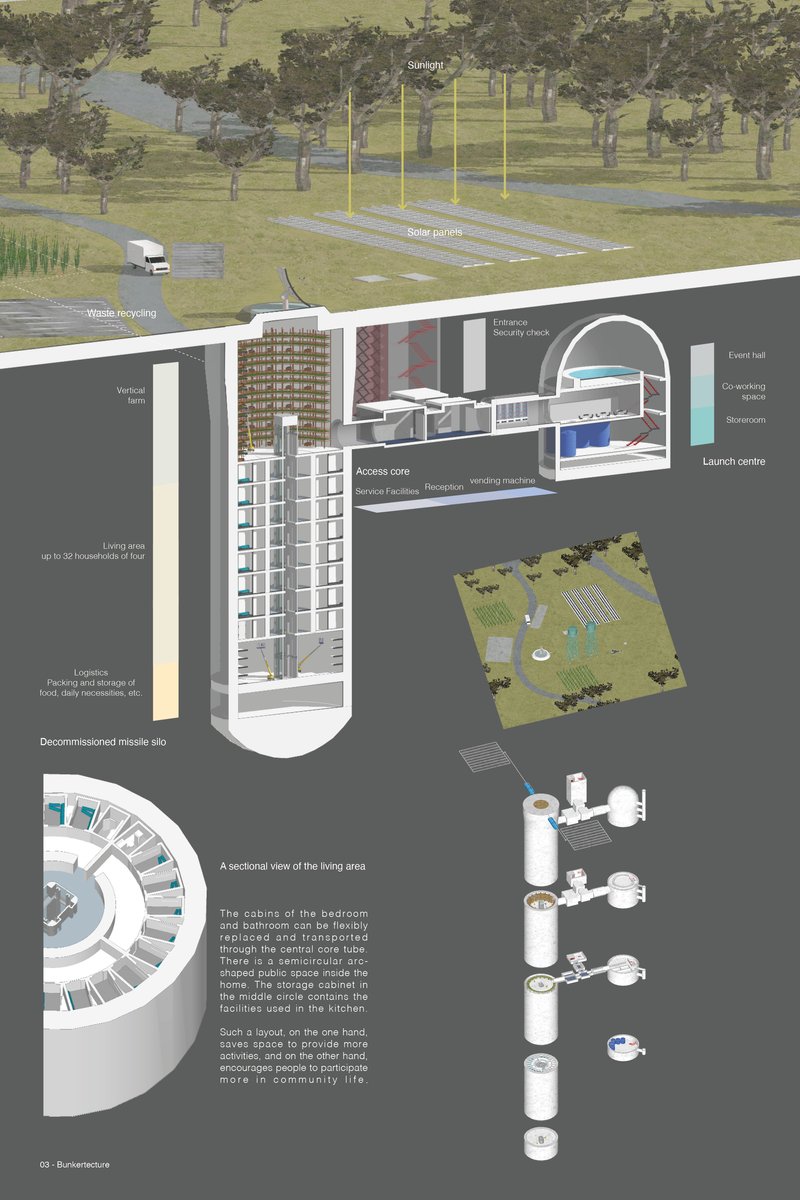
Description: The existing doomsday houses are more concerned with the emergency role of disaster. When I was designing, I hoped that this community could operate daily. Participants must have certain skills and not just funds. Through the rotation system, residents need to provide a certain amount of work in planting, management, and other aspects.
Discover the design brief here: https://uni.xyz/competitions/bunkertecture/info/about
Discover the full results here: https://uni.xyz/competitions/bunkertecture/entries
Follow us on social media: Facebook | Instagram | LinkedIn | Twitter | Youtube
Discover other design competitions to participate here: https://uni.xyz/competitions




Popular Articles
Popular articles from the community

MAKER architecten Rewire a 1972 Brutalist Dormitory on the VUB Campus as a Living Lab
A modular renovation strategy in Belgium breathes new life into Willy Van Der Meeren's modernist student housing without erasing its concrete bones.
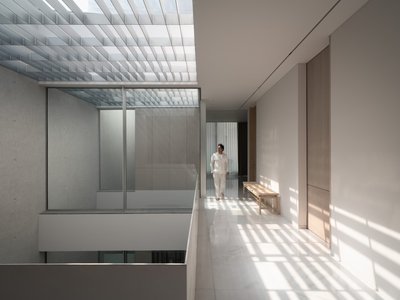
Residence BB 214: Quiet Precision in Ludhiana
Minimalist Architecture & Design Studio composes a residence of white volumes, filtered light, and deliberate restraint in Punjab's urban fabric.

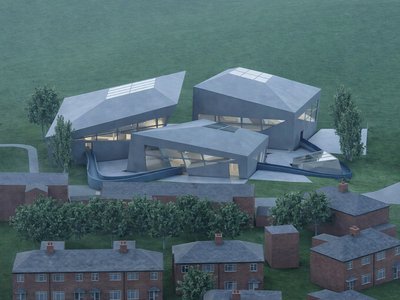
Filtering Space: A Gradual Spatial Experience
From urban intensity to spatial calm.
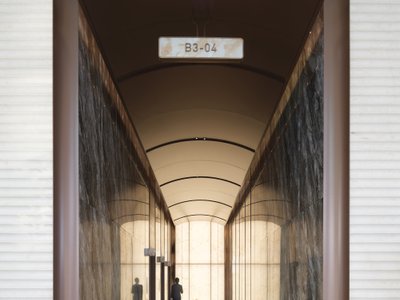
Guangzhou's Twin Towers Interiors Move Like Water
DuShe Architectural Design shapes the lobbies of a massive Guangzhou transit hub with undulating ceilings and deep geological materiality.

Similar Reads
You might also enjoy these articles

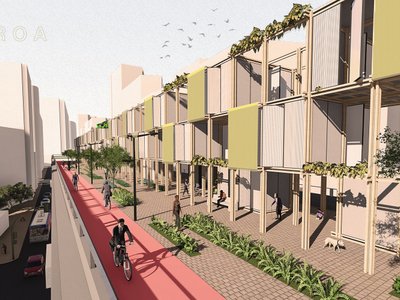
Garoa: A Parasitic Architecture Model for Urban Housing Transformation
A modular parasitic architecture system transforms São Paulo’s Minhocão into adaptive social housing, blending infrastructure, community, and urban renewal.
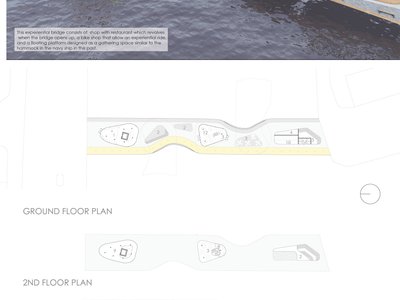
Sustainable Pedestrian Bridge Design: The Experiential Bridge by Khor Wanxuan
A sustainable pedestrian bridge blending cycling culture, social spaces, and a revolving café inspired by Viking ship forms.
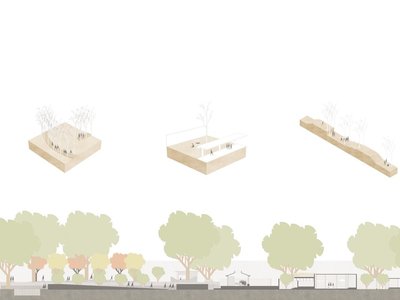
Re-Imagining the Urban Crematorium: A New Paradigm in Funerary Architecture
Redefining funerary architecture through public parks, contemplative landscapes, and secular design in the heart of Mumbai.
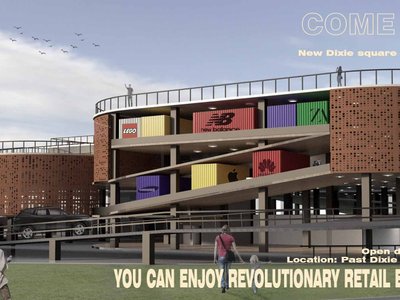
Mixed-Use Commercial Architecture Reimagined: COME THRU: Dixie Drive Thru Mall
A future-ready mixed-use commercial architecture merging drive-through retail, pop-up culture, and flexible urban infrastructure.


Comments (0)
Please login or sign up to add comments
No comments yet. Be the first to comment!