
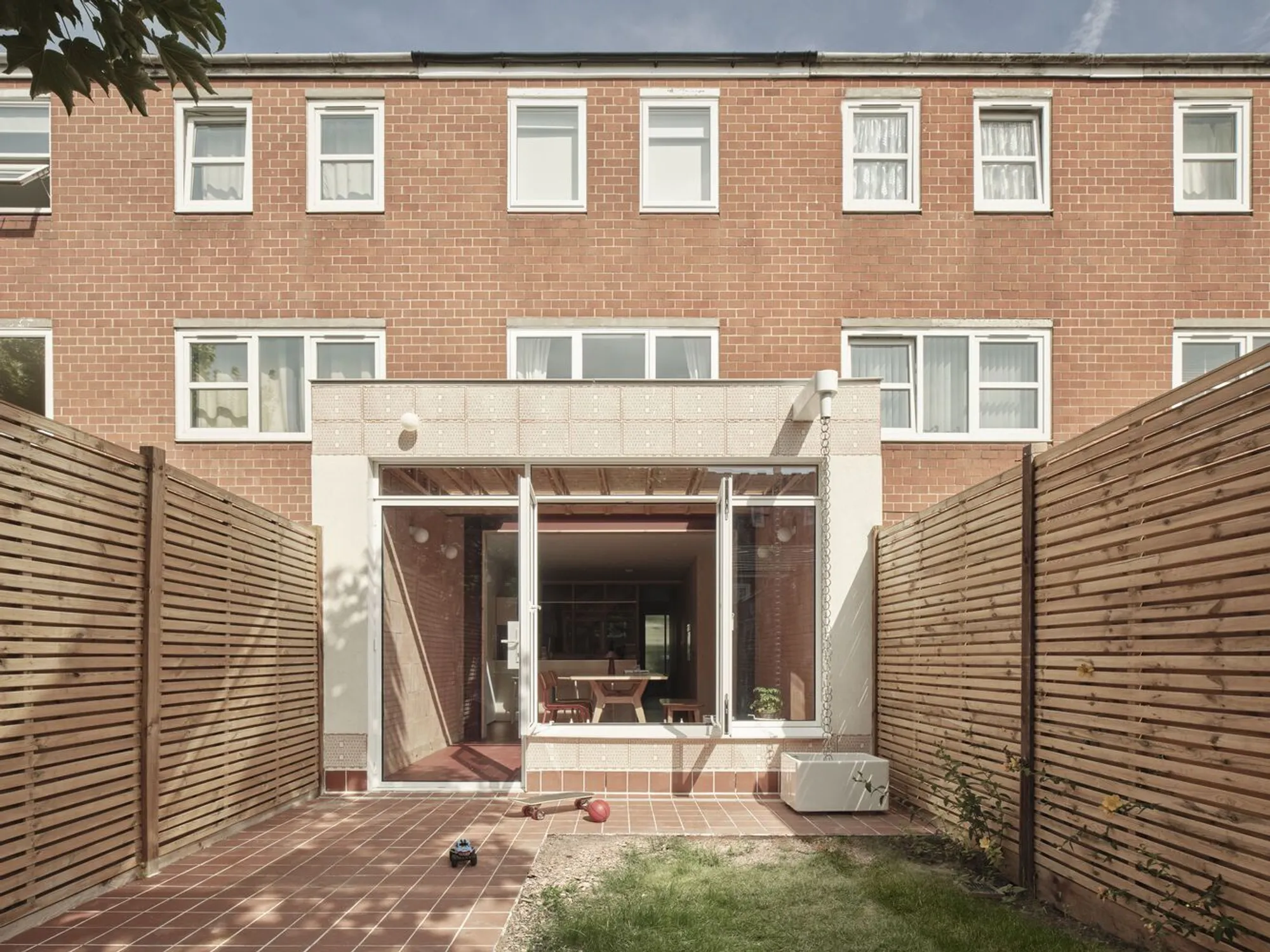
Butterfield House Extension by THISS Studio
Butterfield House Extension by THISS Studio reimagines a terraced London home using sustainable Porotherm blocks, creating light-filled, low-impact living spaces.


Innovative Residential Extension with Sustainable Materials
The Butterfield House Extension by THISS Studio redefines small-scale domestic architecture, transforming a typical rear extension into a compelling study in material innovation and sustainable design. Located in Stoke Newington, London, the project demonstrates how thoughtful material choices can elevate everyday residential architecture while reducing environmental impact.
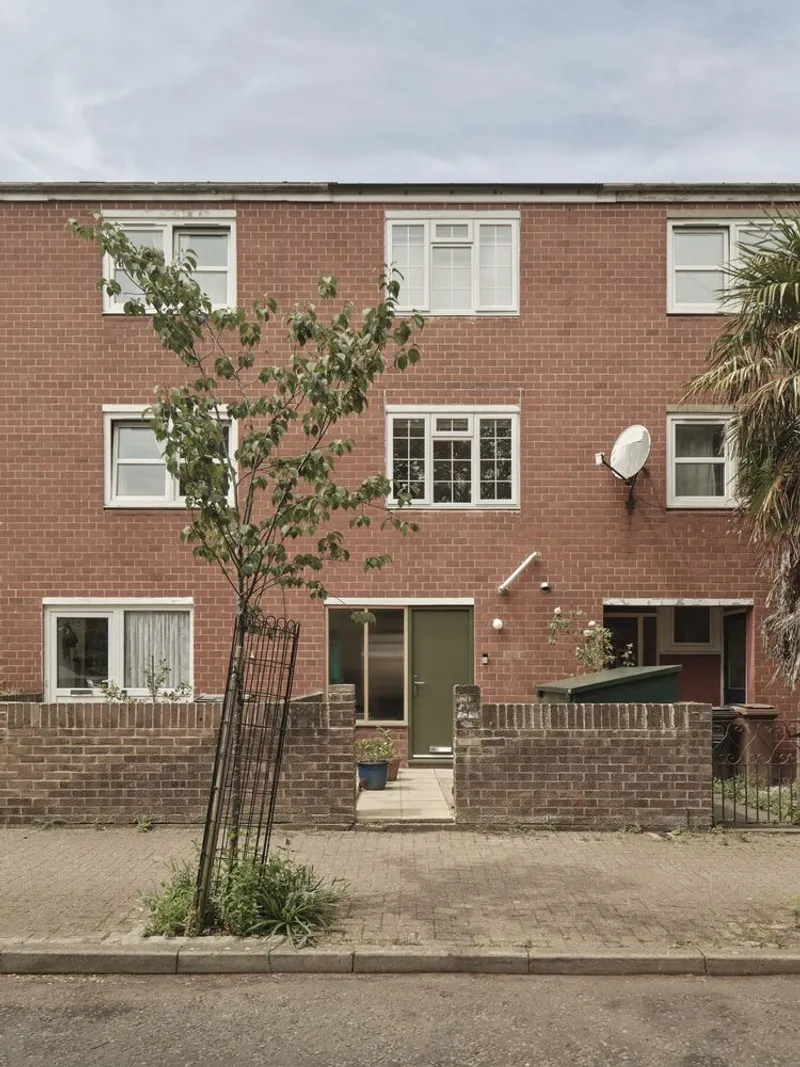
Transforming a Post-War Terraced House
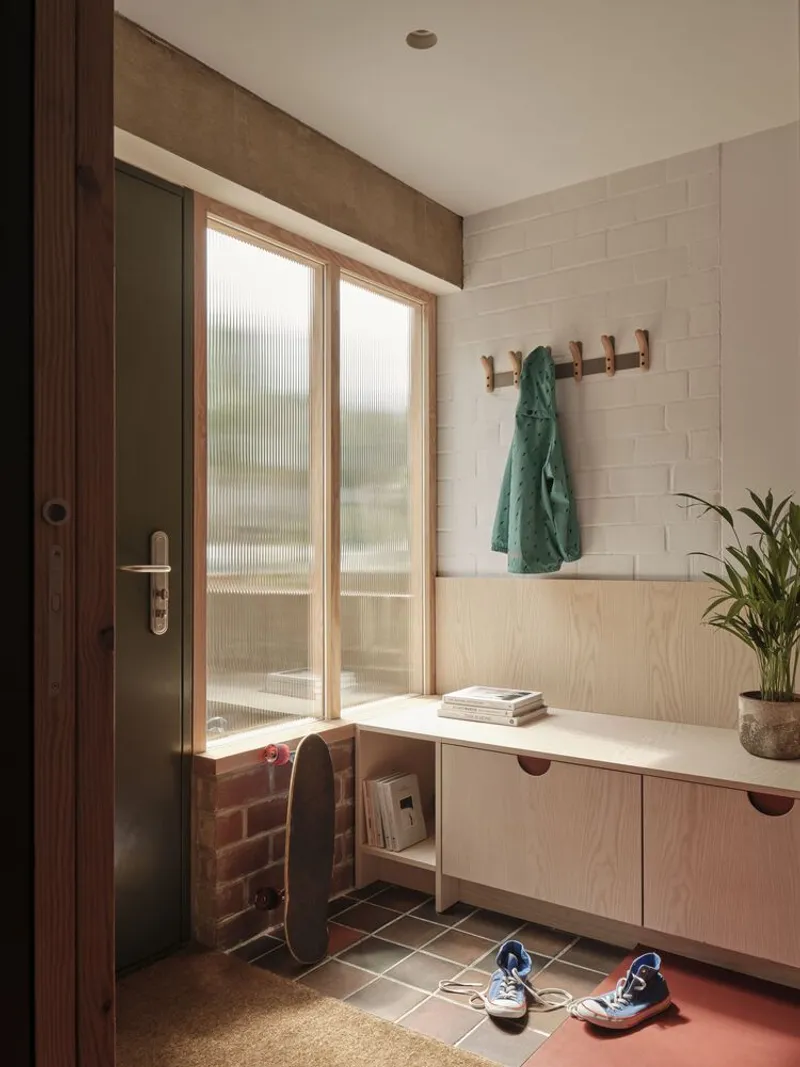
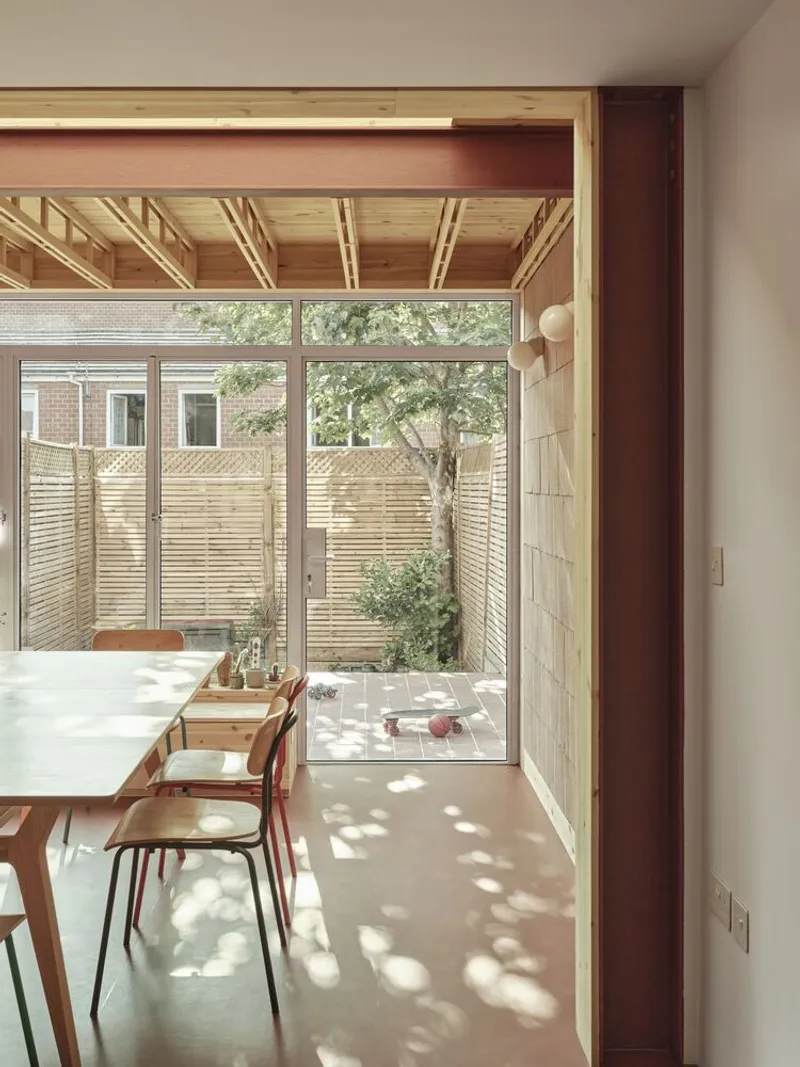
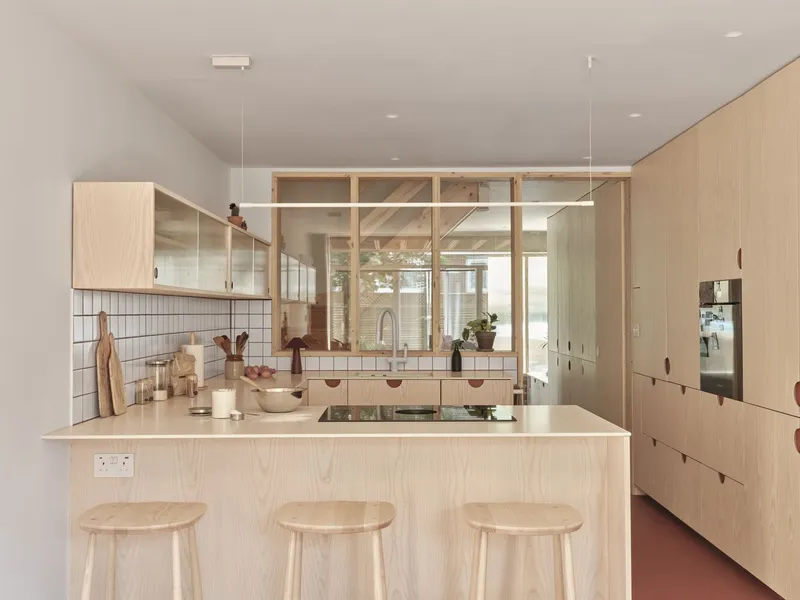
Tasked with reconfiguring the ground floor and adding a rear extension, THISS Studio opened up the post-war terraced home to the garden. The new layout creates a more generous, connected living space for a family of four. Guided by the clients’ commitment to sustainability, the architects focused on material responsibility, ensuring that every element contributed to a low-impact design.
Experimental Use of Porotherm Blocks
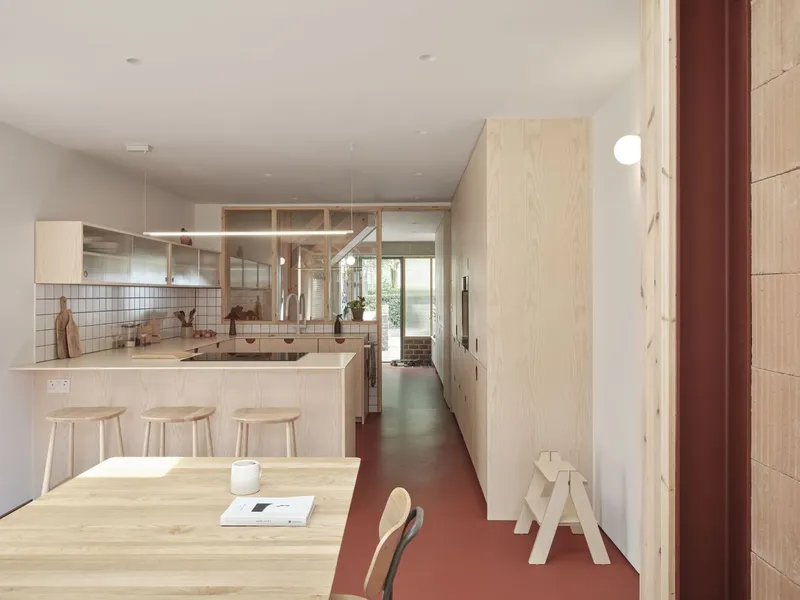
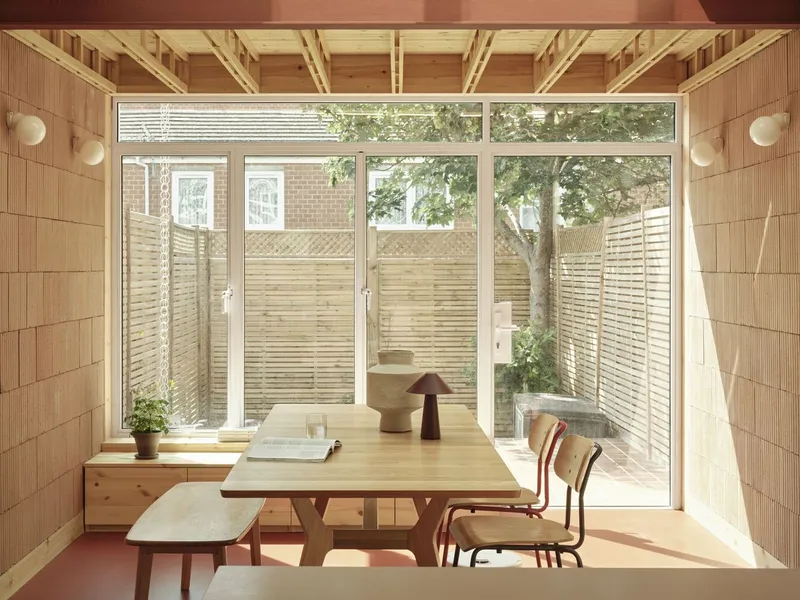
At the core of the project is the experimental use of Porotherm clay blocks, traditionally reserved for commercial developments. These precision-engineered blocks integrate structure, insulation, and finish into a single system, eliminating the need for additional linings or insulation. The interlocking design simplifies construction, reduces vertical mortar joints, and significantly cuts down concrete and cement usage.
Internally, exposed blockwork provides a pared-back, expressive finish that complements the existing 1970s brickwork. Externally, bespoke cut tiles highlight the Porotherm blocks’ multicellular structure, adding a subtle decorative element to the rear elevation.
Sustainable and Low-Impact Construction
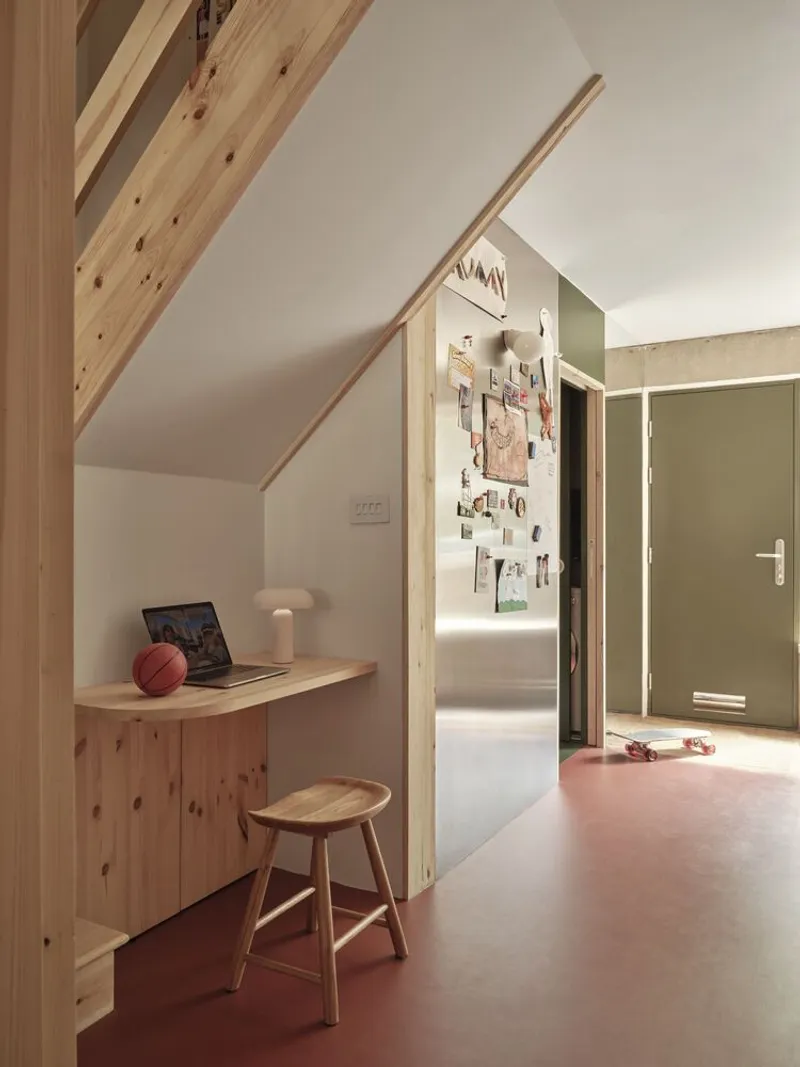
THISS Studio’s resourceful design approach emphasizes affordability and environmental responsibility. Pine furniture boards, repurposed components, and custom-built joists crafted on-site demonstrate a “do more with less” philosophy. Engineered timber trusses support the extension roof, while large glazing expanses bring natural light into the deep, narrow layout, enhancing openness and visual connection to the garden.
The site, built on a WWII bomb site next to Butterfield Green, required excavation to 6 metres to reach stable clay. A lightweight screw-pile system with a floating concrete slab replaced traditional ground-bearing slabs, reducing material use while solving complex site challenges.
A Case Study in Low-Impact Residential Architecture
Though modest in scale, Butterfield House exemplifies how innovative material choices can support sustainable residential design. By using Porotherm as both structure and surface, THISS Studio demonstrates the versatility and environmental potential of clay in domestic architecture, offering a thoughtful model for low-impact home extensions.
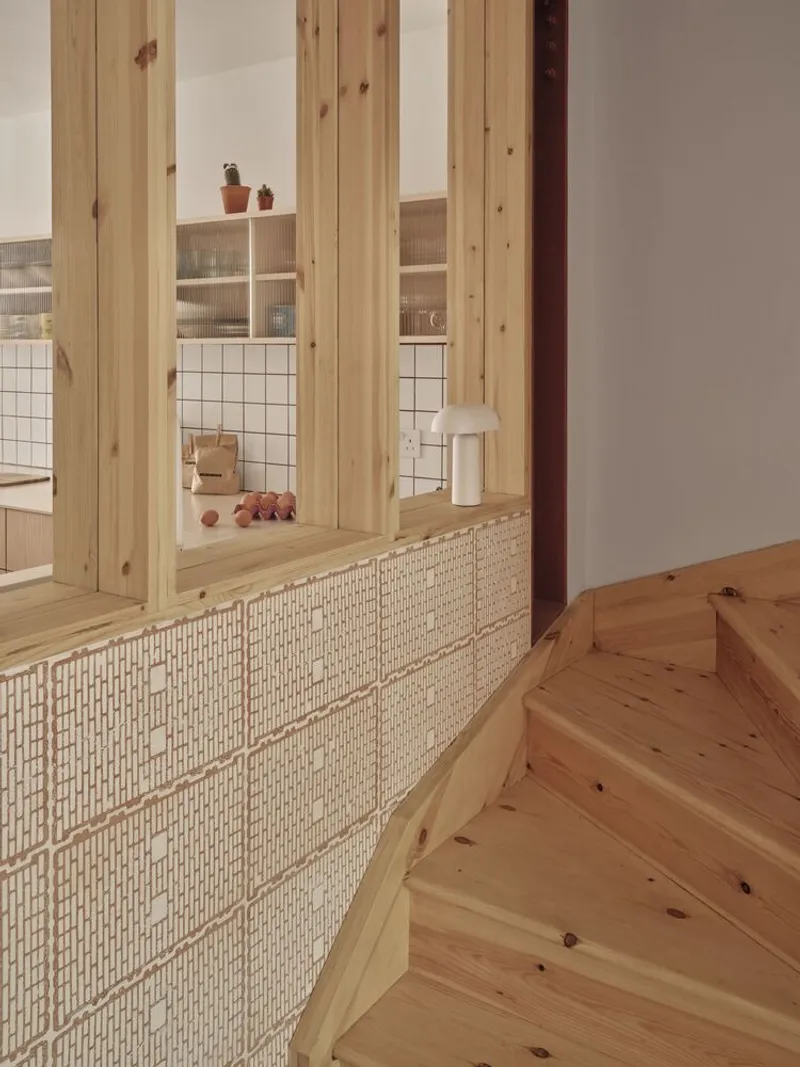
All Photographs are works of Henry Woide




Popular Articles
Popular articles from the community


Conexión: Biophilic Design Reimagines High-Rise Living in Hong Kong
Conexión reimagines high-rise living in Hong Kong through biophilic design, green facades, shared spaces, daylight, water and nature within.

Co-life: Sustainable Architecture for Age-Friendly Community Living
Co-life reimagines sustainable architecture for seniors through courtyards, rammed earth, shared gardens, and spaces designed for belonging.

The Ocean Hive: Sustainable Architecture for a Self-Sufficient Civilization at Sea
The Ocean Hive imagines sustainable architecture at sea, where modular habitats, algae, wave power and ocean waste sustain a growing colony.

Riyadh For All: Intergenerational Urban Design for Active Aging in Rabat
Riyadh For All reimagines urban design in Rabat with intergenerational co-living, adaptive courtyards, and Moroccan cultural exchange today.


Similar Reads
You might also enjoy these articles


Hodi-Mandai Geram
Project Function: Preservation and revitalization of the Intangible heritage and socio-spatial identity of the Hodi by Housing, Cultural Memory Center, Sacred Grove, landscape, local tourism economy


Olio Towers: A Mid-Rise for Performers That Fuses Housing, Rehearsal, and Stage
Located blocks from Houston's Theater District, this modular tower stacks living units around a central performance atrium.

Oasis: Modular Green Housing Carved into Dhaka's Urban Fabric
A shortlisted Plugin Housing entry reclaims unauthorized settlements in Dhaka with stepped concrete volumes, green roofs, and ventilation-driven design.

Black Hole: A Floating Megastructure for the Post-Physical Era
Emiliano Mazzarotto envisions a spherical, self-scaling arena where e-sports, digital hotels, and holographic stadiums replace traditional public space.


Explore Building Extension Competitions
Discover active competitions in this discipline



Challenge to reimagine the Iron Throne


Photograph architecture without architects


Illustrate the lost glory of Angkor Wat - Render Challenge


Design challenge to reuse E-waste
Comments (0)
Please login or sign up to add comments
No comments yet. Be the first to comment!