
Butterfly House by Tallerdarquitectura: A V-Shaped Haven Connecting Architecture and Nature
A V-shaped roof home blending indoor–outdoor spaces, lush gardens, stone base, and reflective transparencies to create a serene, nature-immersed living experience.


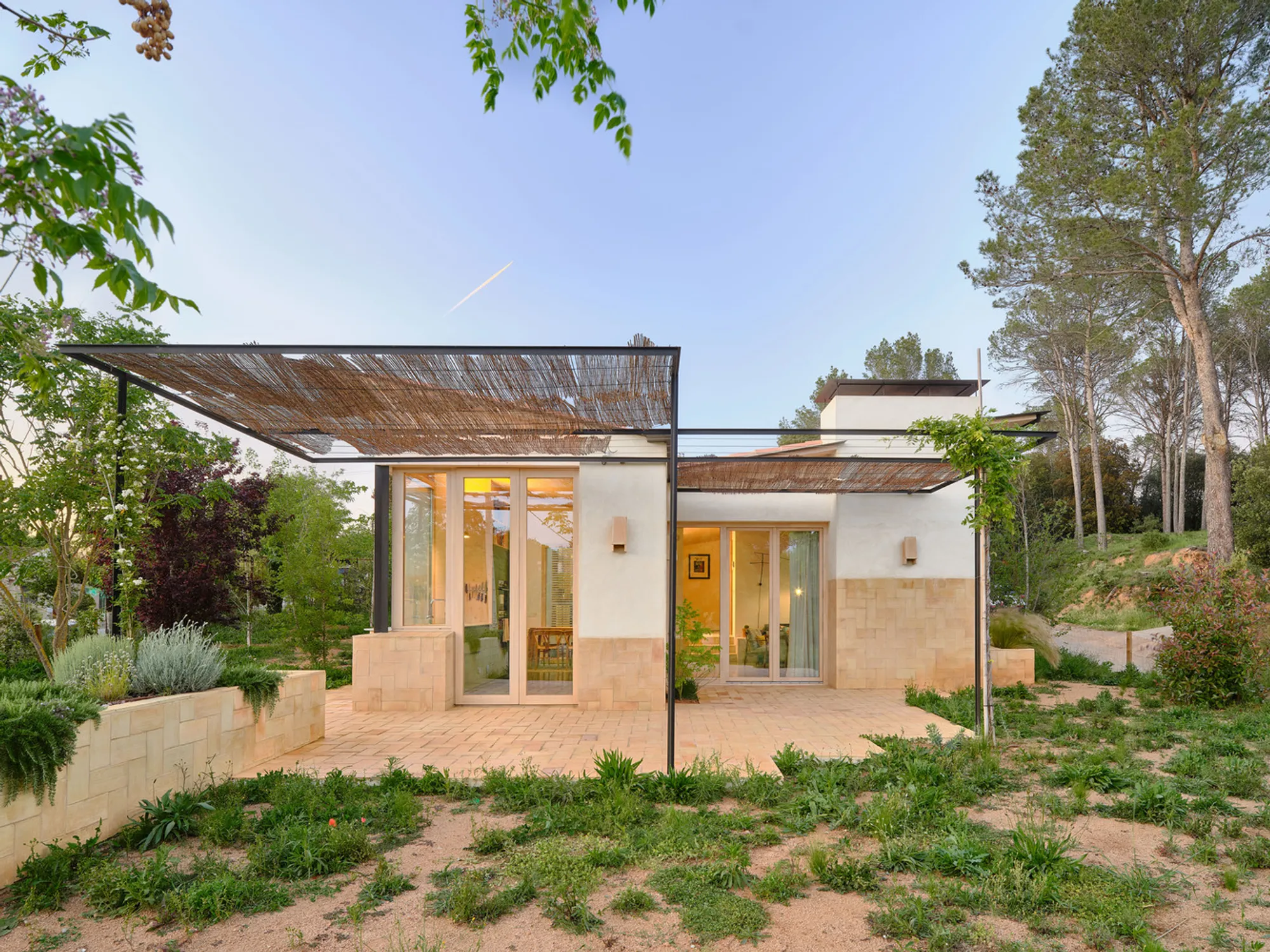
The Butterfly House by Tallerdarquitectura is a 146 m² residential project located in Gaüses, Spain, designed by lead architect Bernat Llauradó Auquer. Completed in 2025 and sensitively photographed by Adrià Goula, the house is conceived as an immersive architectural experience shaped by a bold V-shaped roof that defines every spatial, structural, and environmental decision.
A Distinctive V-Shaped Roof That Shapes Living
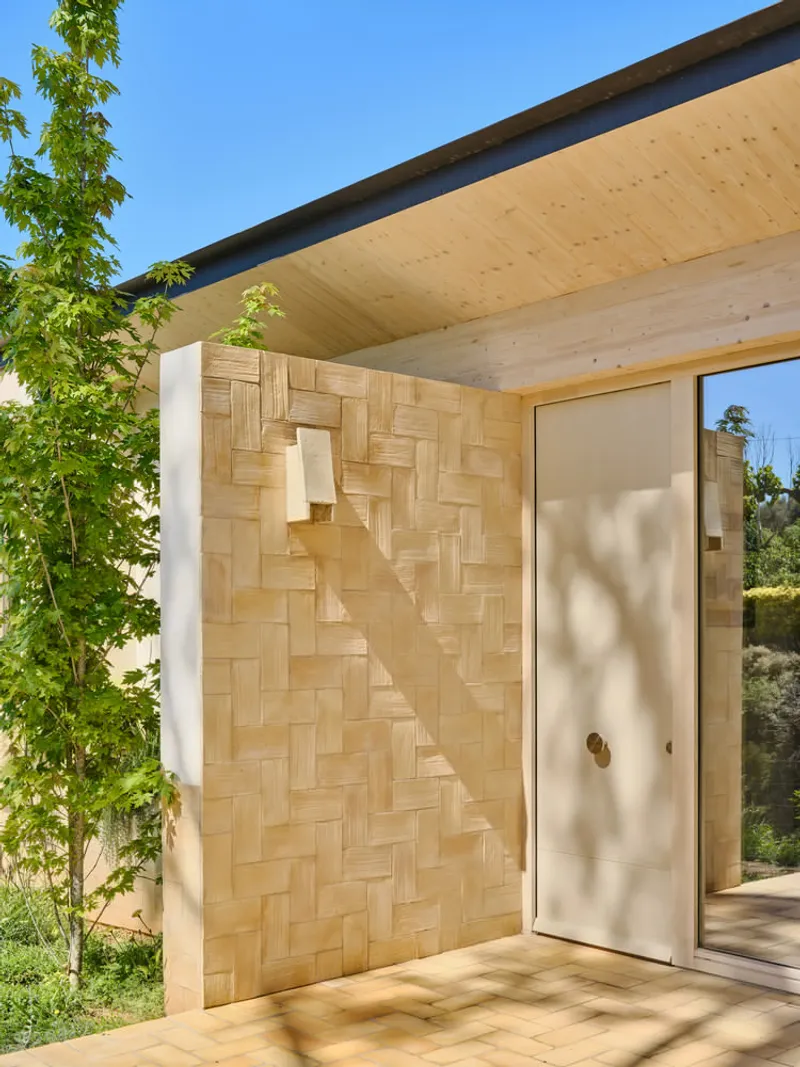
At the heart of the project lies a sweeping V-shaped cover that becomes the central architectural gesture. More than a roof, it acts as an environmental device—offering shade, sheltering circulation, forming deep overhangs, and visually softening the home’s presence within the rural landscape. By minimizing its perceived mass, the structure blends gently into its surroundings while still making a contemporary architectural statement.
Architecture Rooted in Its Rural Setting
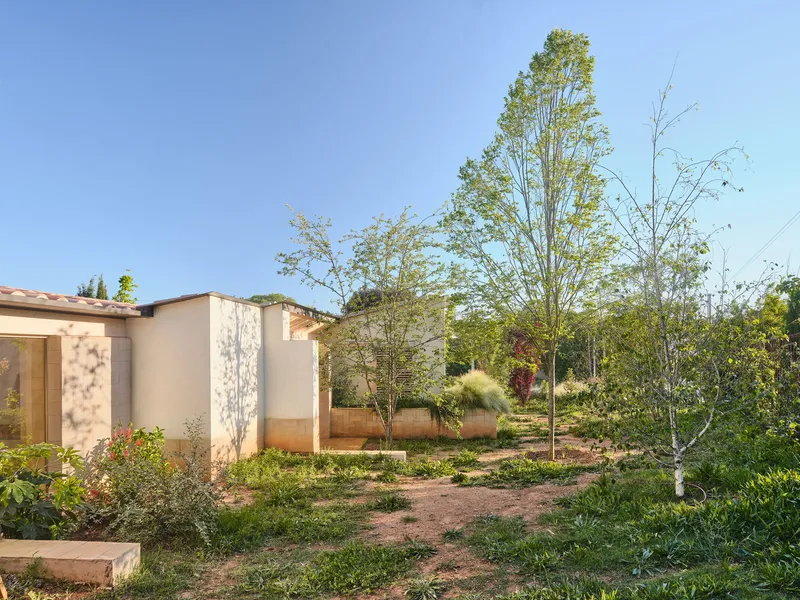
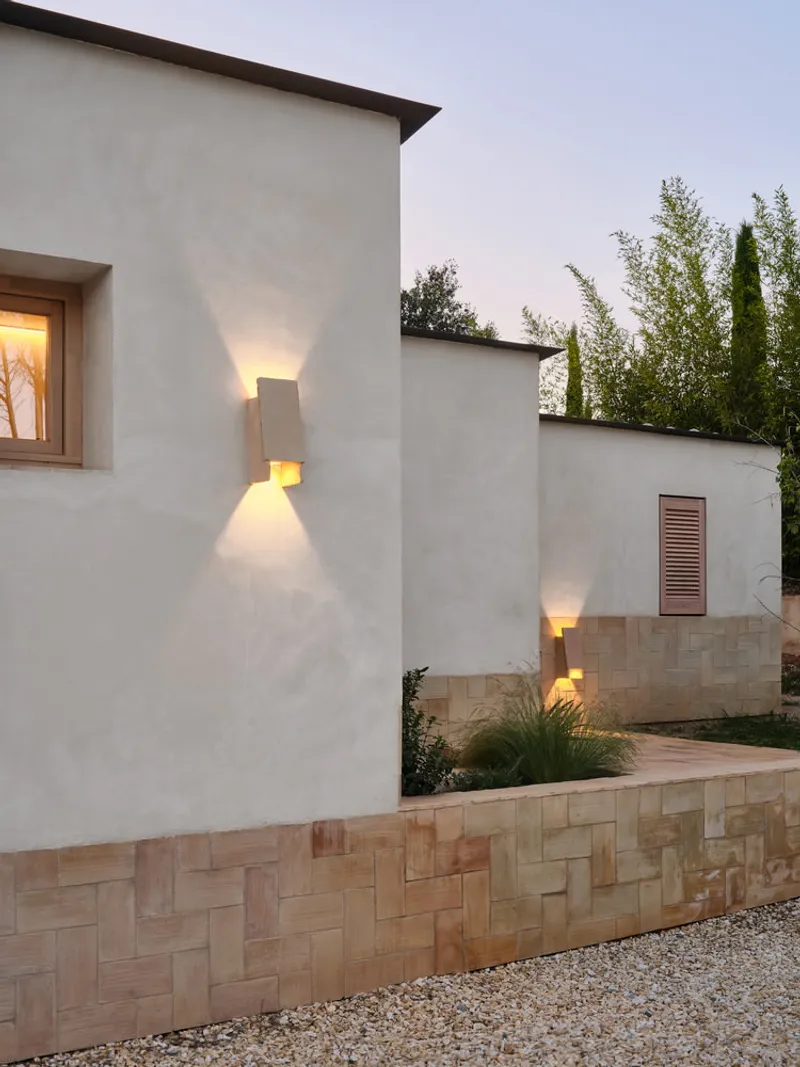
The home is anchored on a stone platform, rising quietly from a dense green hedge that frames the property. The volumes unfold gradually across patios, planters, and flower beds, creating an architectural sequence inspired by rural topographies. This composition leads the eye naturally toward the front garden, where interior and exterior merge seamlessly.
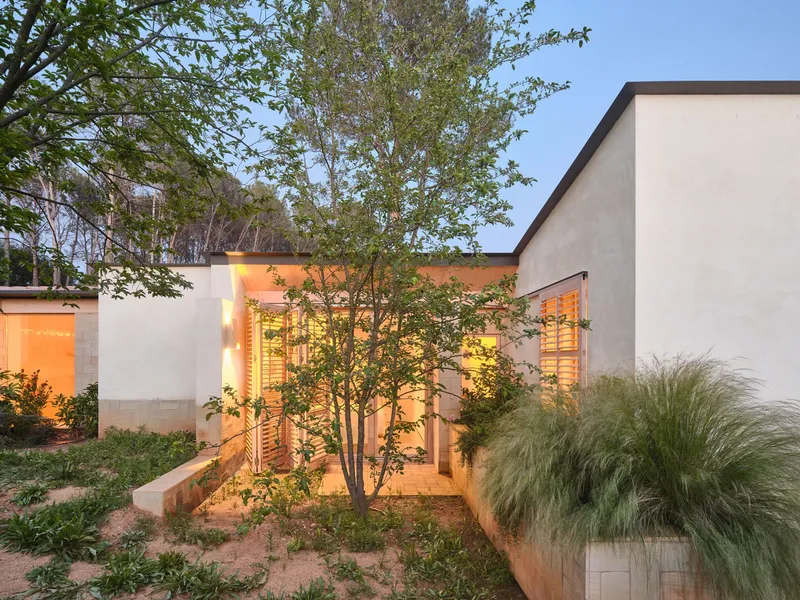
Sectional Depth and Spatial Transparency
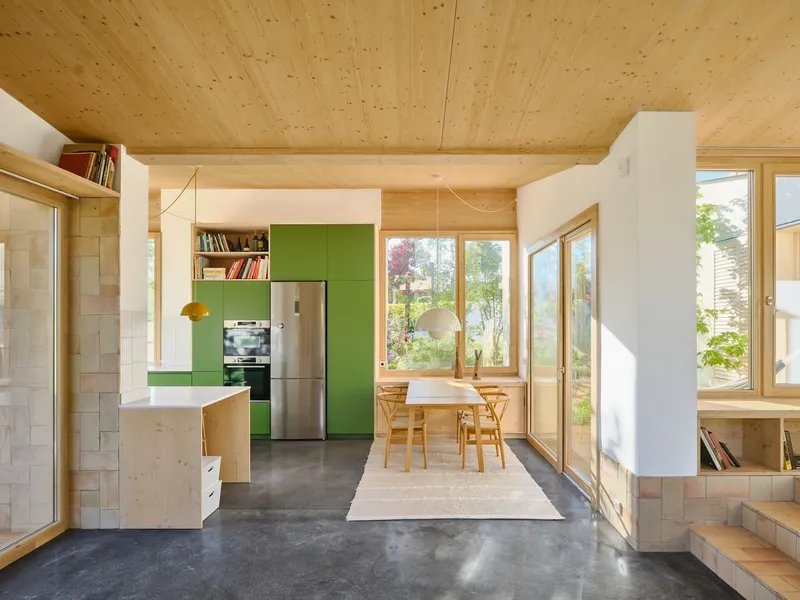
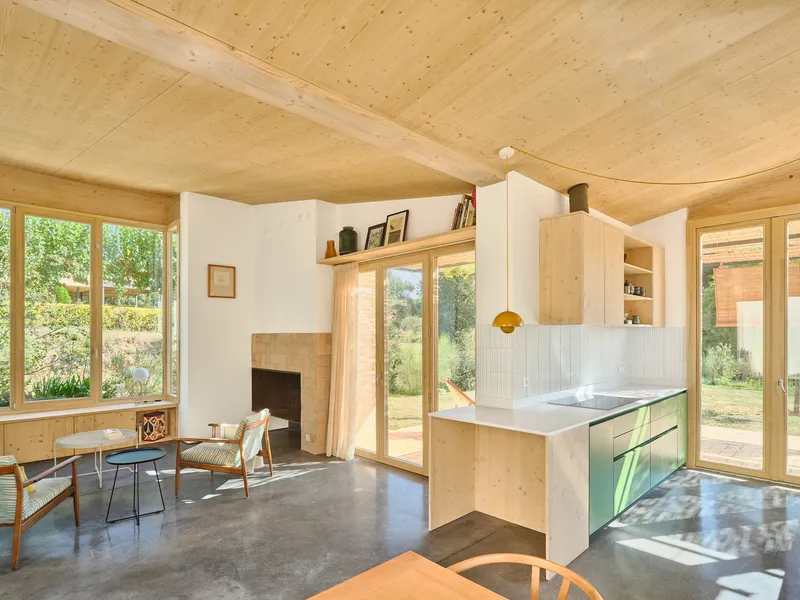
The sectional strategy plays a key role in explaining the home’s design philosophy. Each volume connects to the garden through varying heights, transitions, and openings. These shifts generate different atmospheres—ranging from intimate enclosed corners to airy living spaces that extend toward the landscape. Domesticated nature appears throughout in multiple forms: raised planters, layered greenery, and mature trees positioned at different levels.
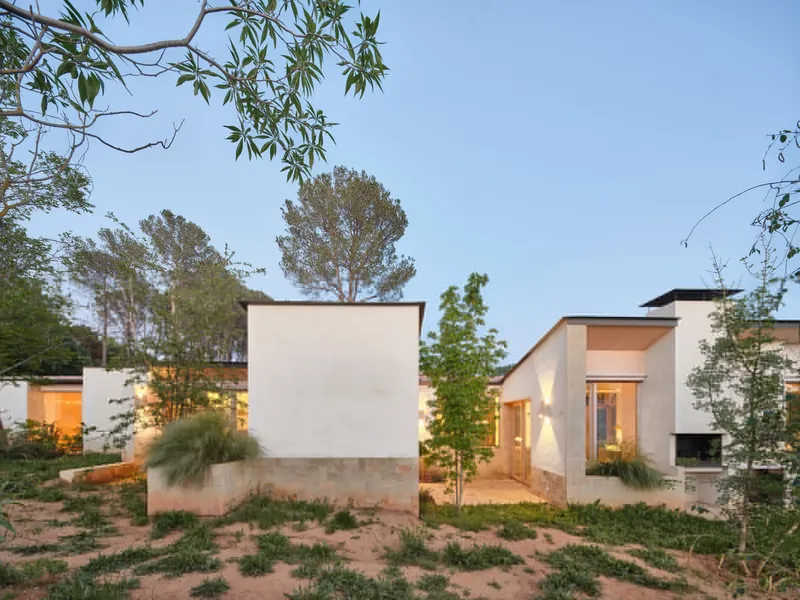
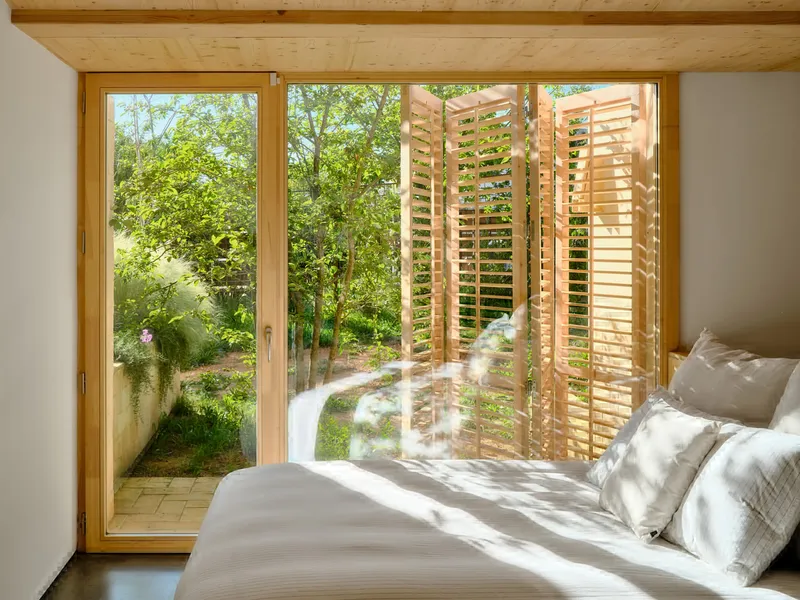
A Living Garden Woven into the Interior
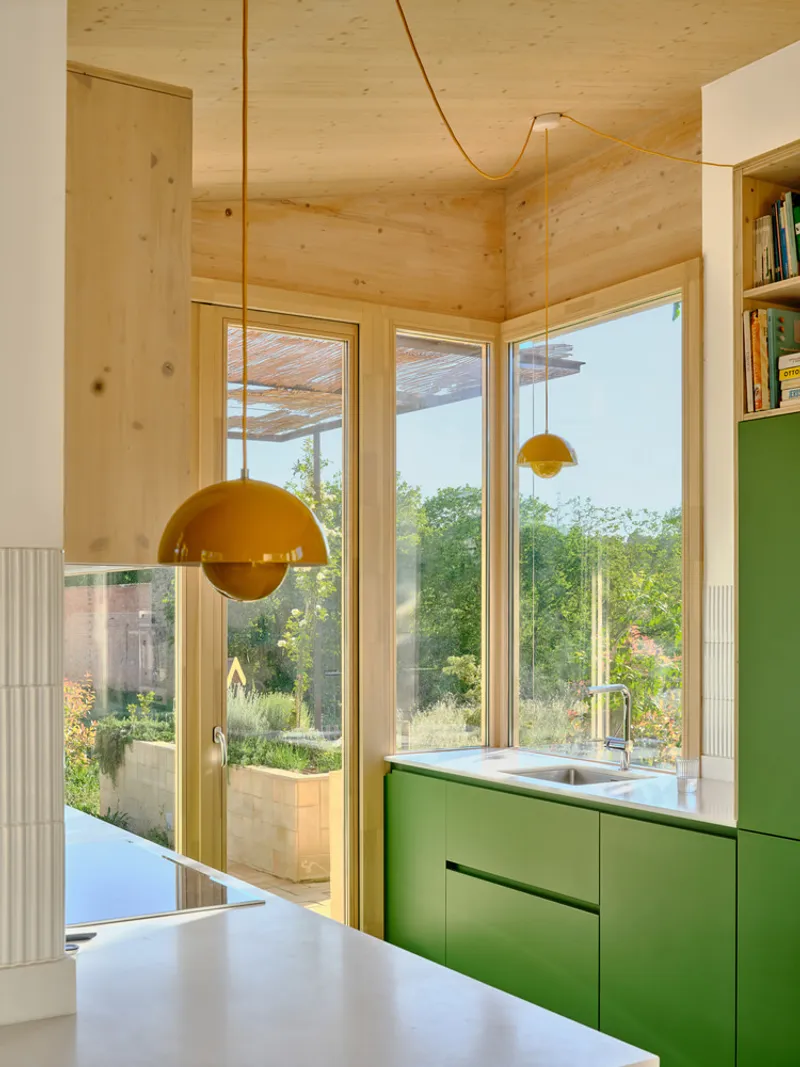
Inside the Butterfly House, reflections and transparencies create a daily choreography of light and vegetation. Glass partitions and strategically framed views turn the experience of moving through the home into an extension of strolling through the garden. Every interior corner has a green counterpart outdoors—whether a planter, a courtyard, a flower bed, or a view of the rural neighborhood.
The result is an ever-changing visual landscape, where greenery shifts throughout the day, offering an atmosphere that is both serene and vibrant.
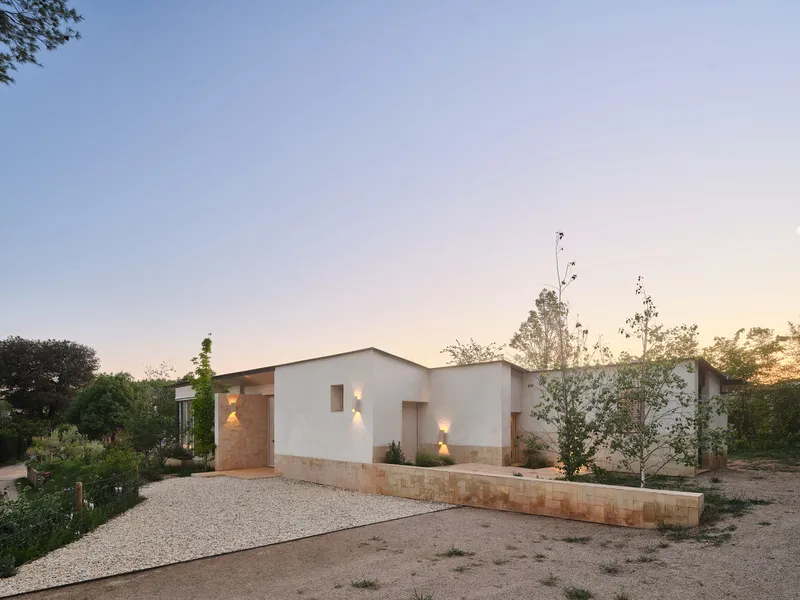
Architecture Beyond Built Boundaries
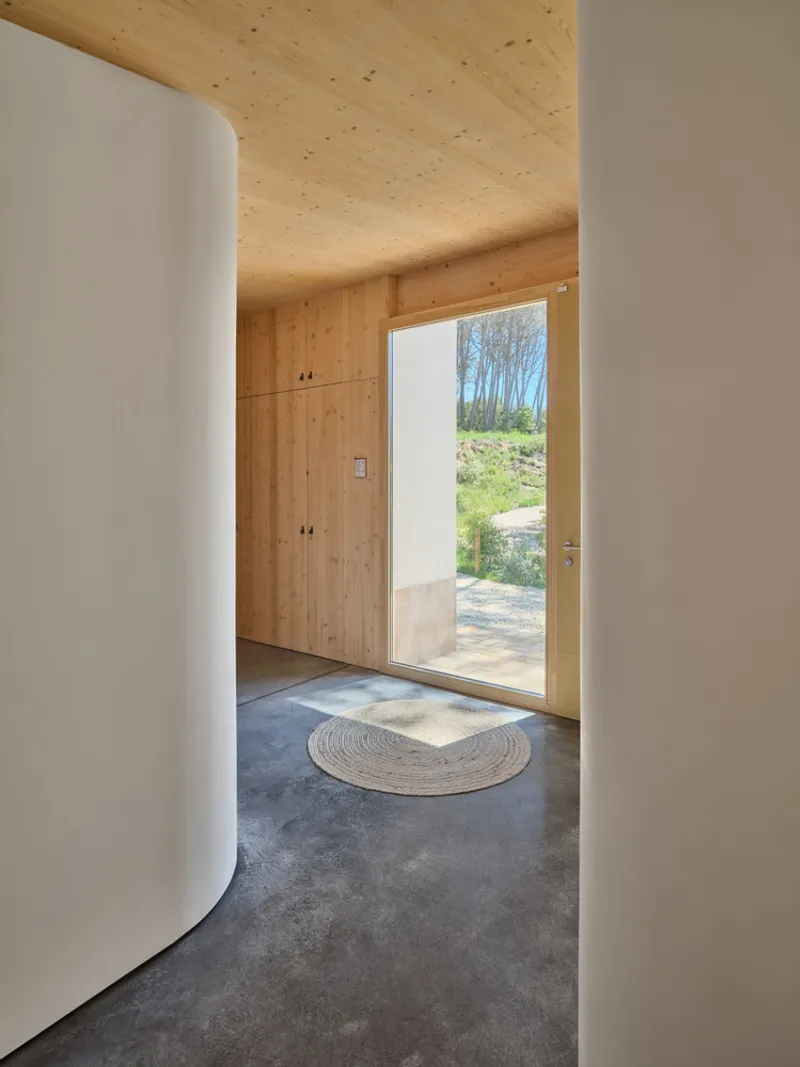
The project emphasizes architecture as a spatial field that extends well beyond the physical footprint. The boundaries are porous; the house feels larger, more open, more connected. Volumes stretch toward the site, spaces expand outward, and the garden becomes an active architectural layer.
This interplay transforms how occupants perceive the home: instead of isolated rooms, each space becomes part of a wider environmental network, defined by light, vegetation, and framed views of the surrounding countryside.
A Diverse Visual and Spatial Experience
What makes the Butterfly House truly unique is the diversity of living experiences it offers. No two viewpoints are alike. Residents encounter a rich tapestry of natural elements throughout the home—clusters of trees, intimate patios, flower beds, and glimpses of the rural neighborhood. Rather than monotony, the architecture encourages constant rediscovery, turning everyday routines into tranquil interactions with nature.
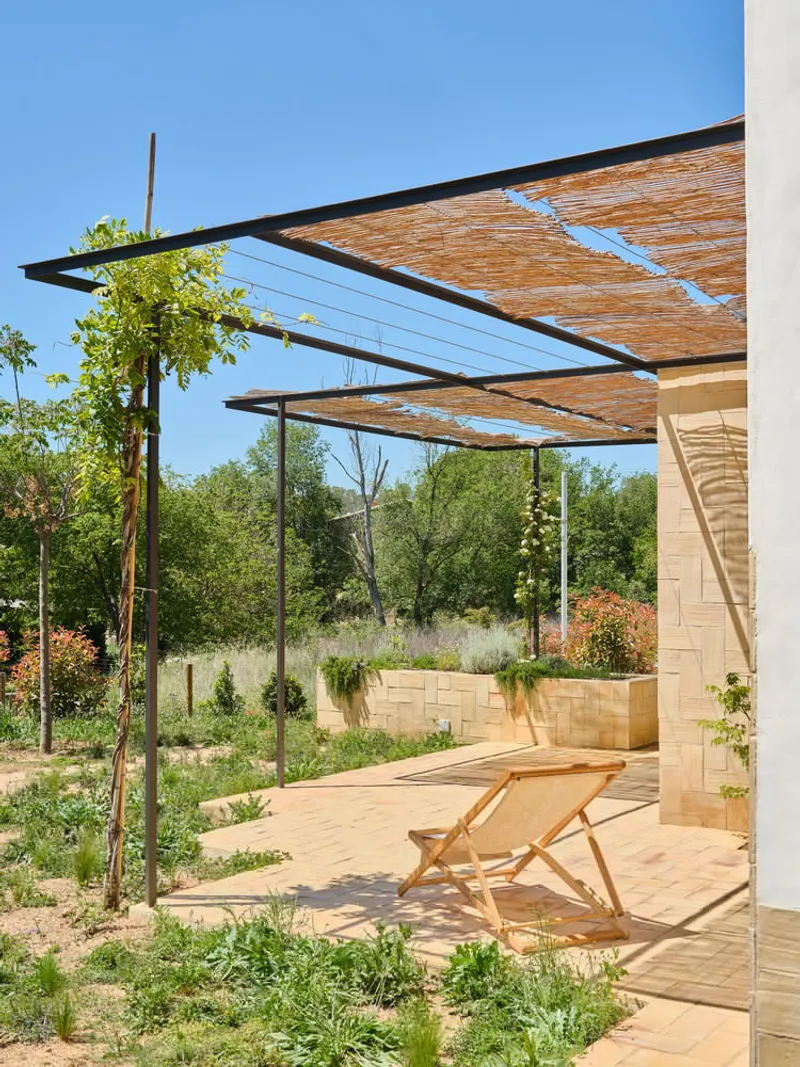
All photographs are works of Adrià Goula




Popular Articles
Popular articles from the community


Riyadh For All: Intergenerational Urban Design for Active Aging in Rabat
Riyadh For All reimagines urban design in Rabat with intergenerational co-living, adaptive courtyards, and Moroccan cultural exchange today.

Co-life: Sustainable Architecture for Age-Friendly Community Living
Co-life reimagines sustainable architecture for seniors through courtyards, rammed earth, shared gardens, and spaces designed for belonging.
EW PARK: Sustainable Architecture Reimagines the Future of Urban Parking
EW PARK reimagines city parking as a modular wooden tower combining automation, solar energy, electric mobility, and adaptable urban design.

The Ocean Hive: Sustainable Architecture for a Self-Sufficient Civilization at Sea
The Ocean Hive imagines sustainable architecture at sea, where modular habitats, algae, wave power and ocean waste sustain a growing colony.

Similar Reads
You might also enjoy these articles


Hodi-Mandai Geram
Project Function: Preservation and revitalization of the Intangible heritage and socio-spatial identity of the Hodi by Housing, Cultural Memory Center, Sacred Grove, landscape, local tourism economy


Olio Towers: A Mid-Rise for Performers That Fuses Housing, Rehearsal, and Stage
Located blocks from Houston's Theater District, this modular tower stacks living units around a central performance atrium.

Oasis: Modular Green Housing Carved into Dhaka's Urban Fabric
A shortlisted Plugin Housing entry reclaims unauthorized settlements in Dhaka with stepped concrete volumes, green roofs, and ventilation-driven design.

Black Hole: A Floating Megastructure for the Post-Physical Era
Emiliano Mazzarotto envisions a spherical, self-scaling arena where e-sports, digital hotels, and holographic stadiums replace traditional public space.
Explore Residential Design Competitions
Discover active competitions in this discipline



Challenge to reimagine the Iron Throne


Photograph architecture without architects


Illustrate the lost glory of Angkor Wat - Render Challenge


Design challenge to reuse E-waste
Comments (0)
Please login or sign up to add comments
No comments yet. Be the first to comment!