
C MIL Building Renovation By CASTOR FIBER Architecture Studio
C MIL Building in Brussels transforms a brutalist military structure into a serene, modern residence, blending minimalism, glass, concrete, and sustainable design.


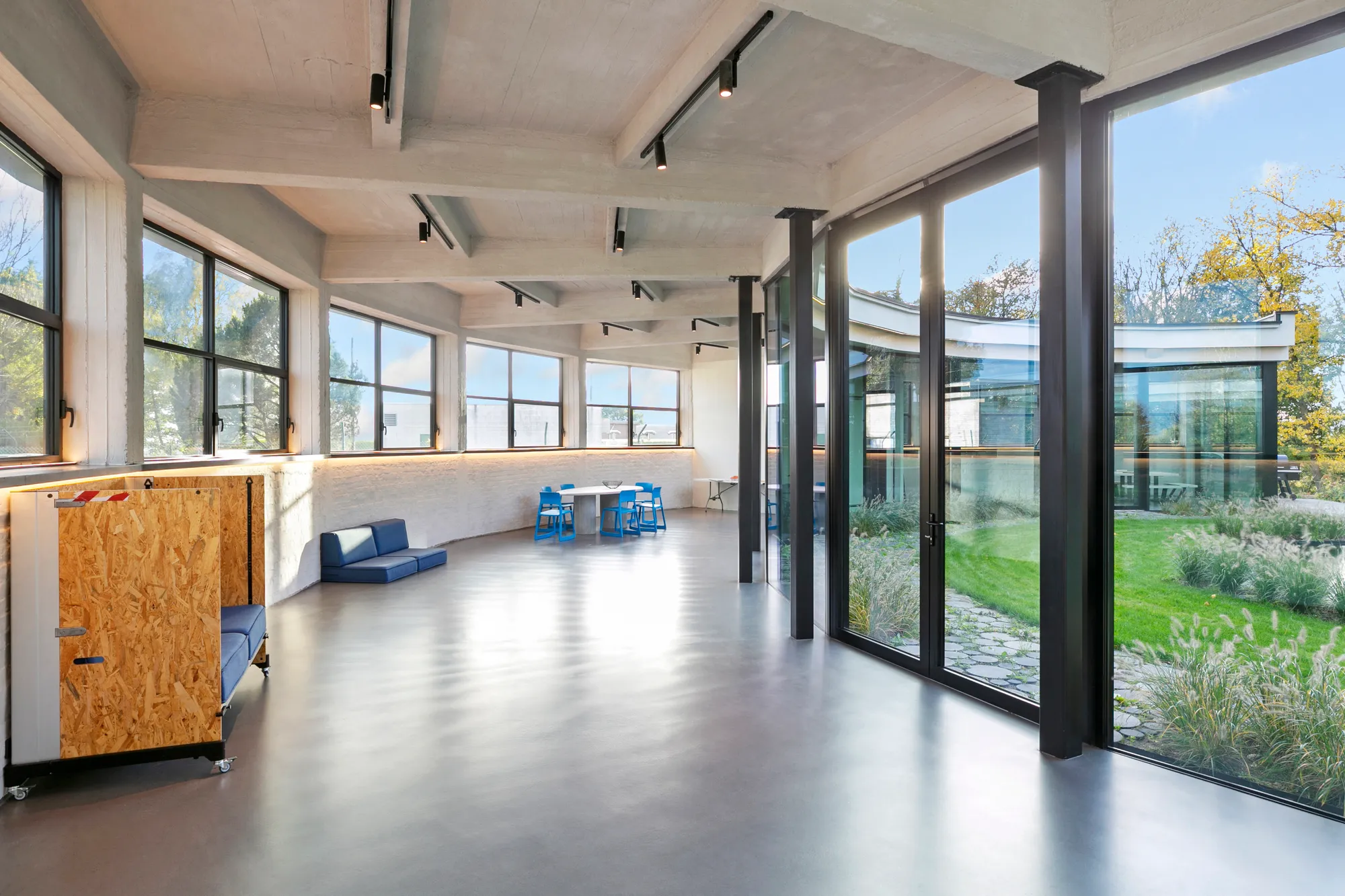
The C MIL Building Renovation by CASTOR FIBER architecture studio is a striking example of adaptive reuse, transforming a former military facility in Brussels into a modern, functional residence and office. Originally a brutalist concrete structure with steel windows, the building was located at the highest point of the green belt surrounding Brussels, offering panoramic views of the city nearly 20 kilometers away. Its strategic location and circular form became the foundation for a careful, context-sensitive renovation.
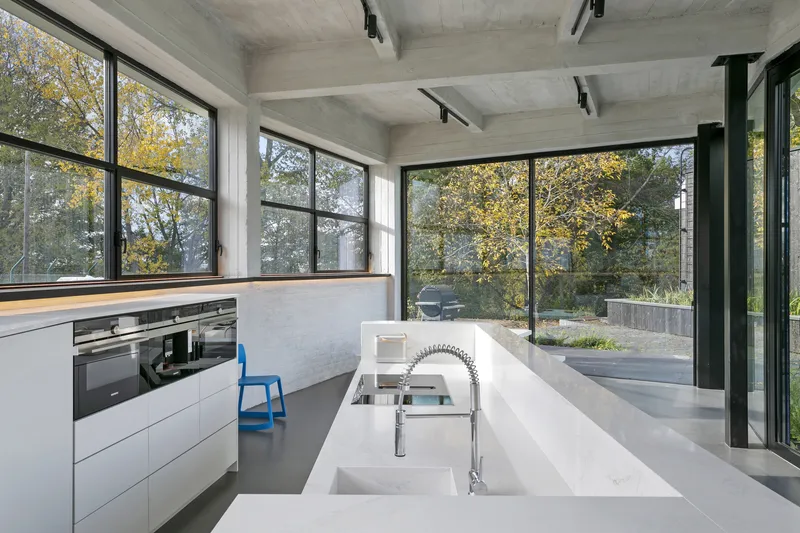
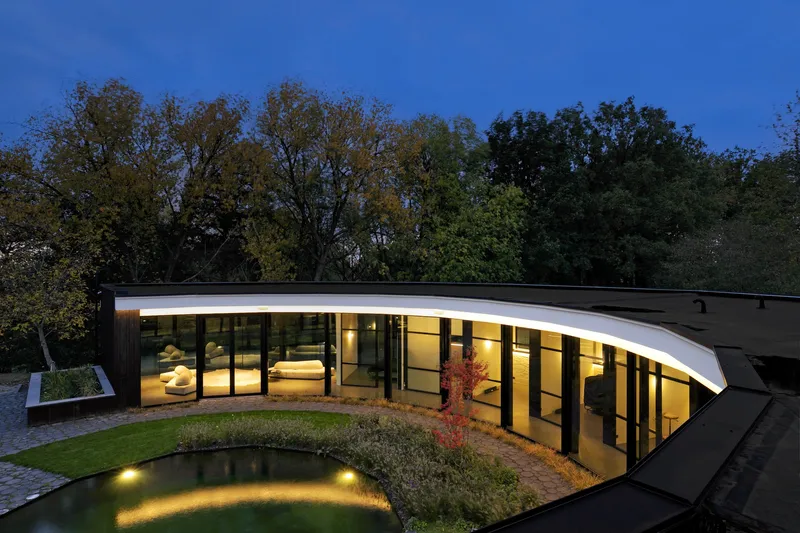
The client engaged architect Maarten Dekoninck early, emphasizing minimal intervention and a focus on clarity. The guiding principle, "to create is to delete", informed the design process. Superfluous elements were removed, while non-load-bearing interior walls offered flexibility for spatial reorganization. The exterior was upgraded with insulated plaster that respects the original raw concrete aesthetic, while windows maintain a sleek contemporary interior look complemented by steel finishes on the outside. Ecological shou sugi ban black wood under the windows integrates the building harmoniously with the surrounding nature reserve.

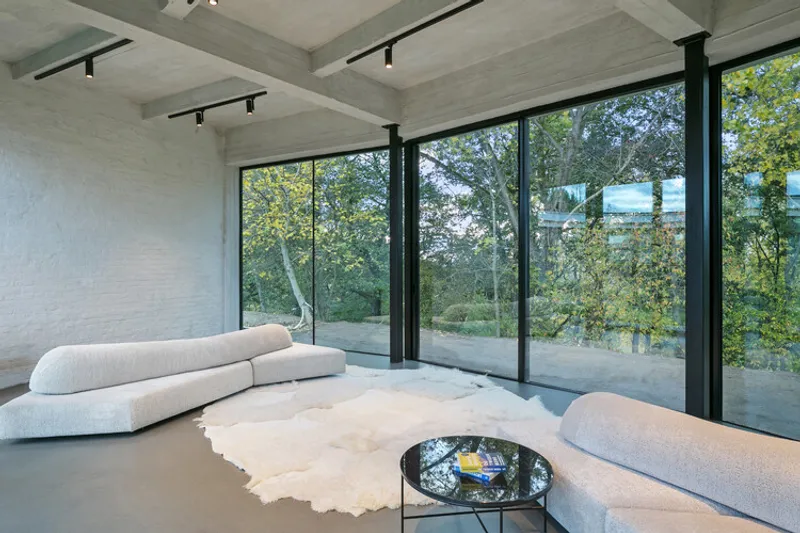
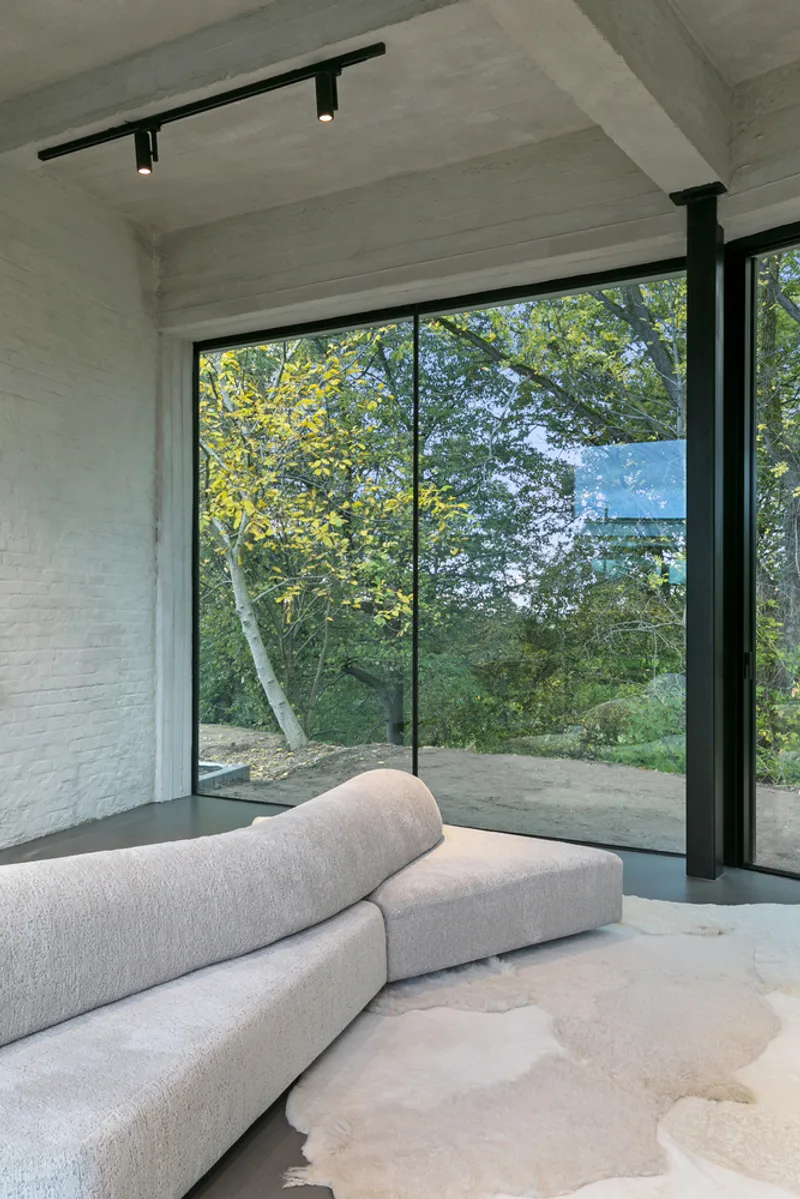
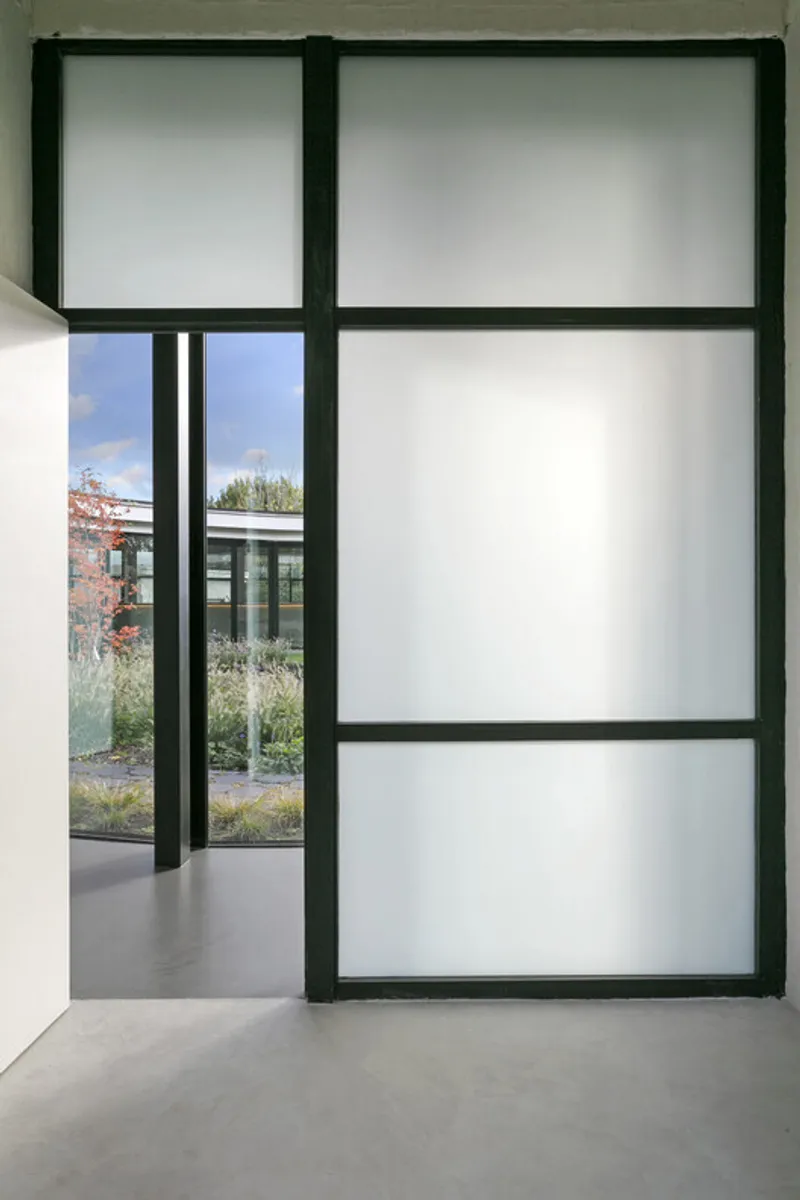
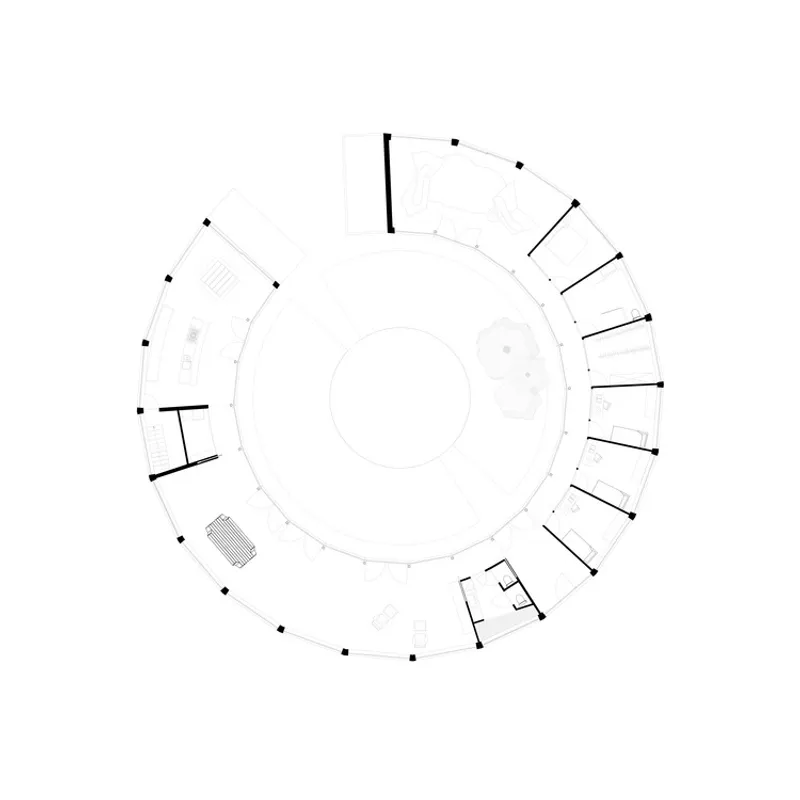
Brutalist character enhanced: Utilities were cleverly installed externally, leaving the concrete pillars and masonry intact. Patio-side walls were replaced with floor-to-ceiling glass, blurring boundaries between the interior and the lush landscape outside. The renovation preserves the building’s circular layout while introducing functional zones that encourage exploration, with hidden sliding doors maintaining a flexible, uninterrupted flow.

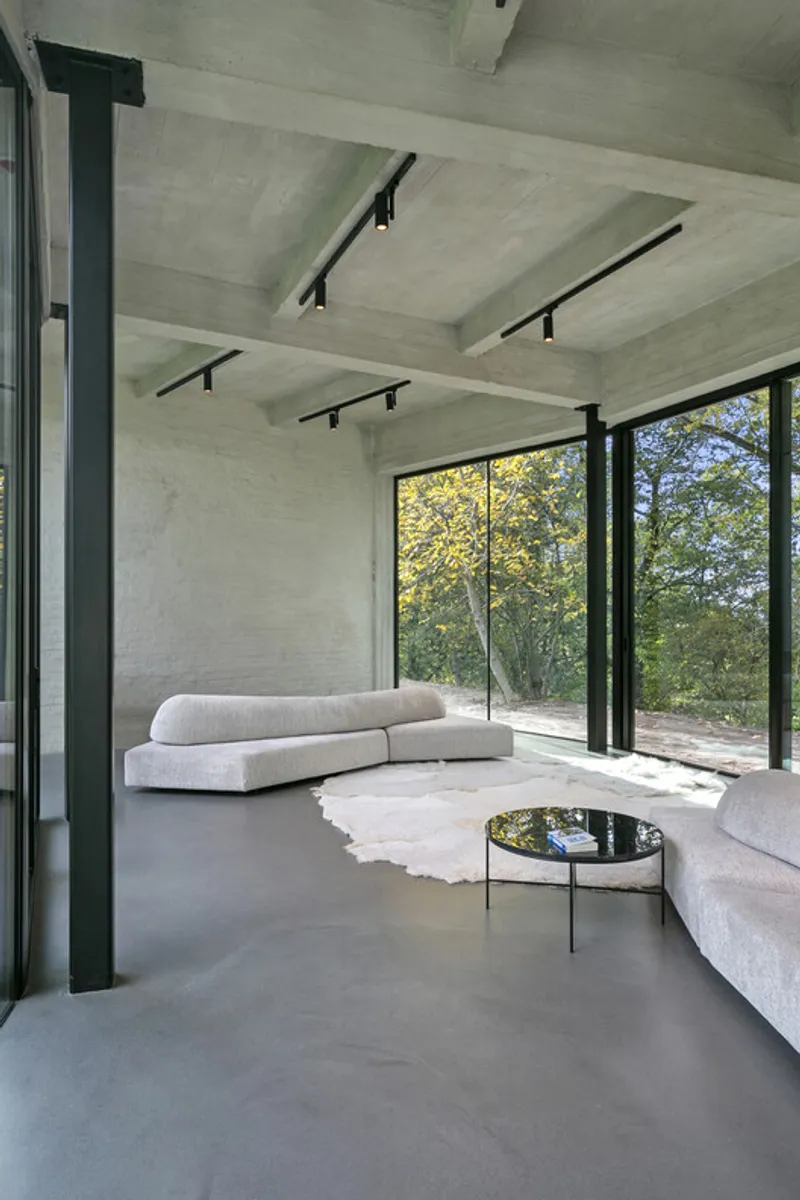
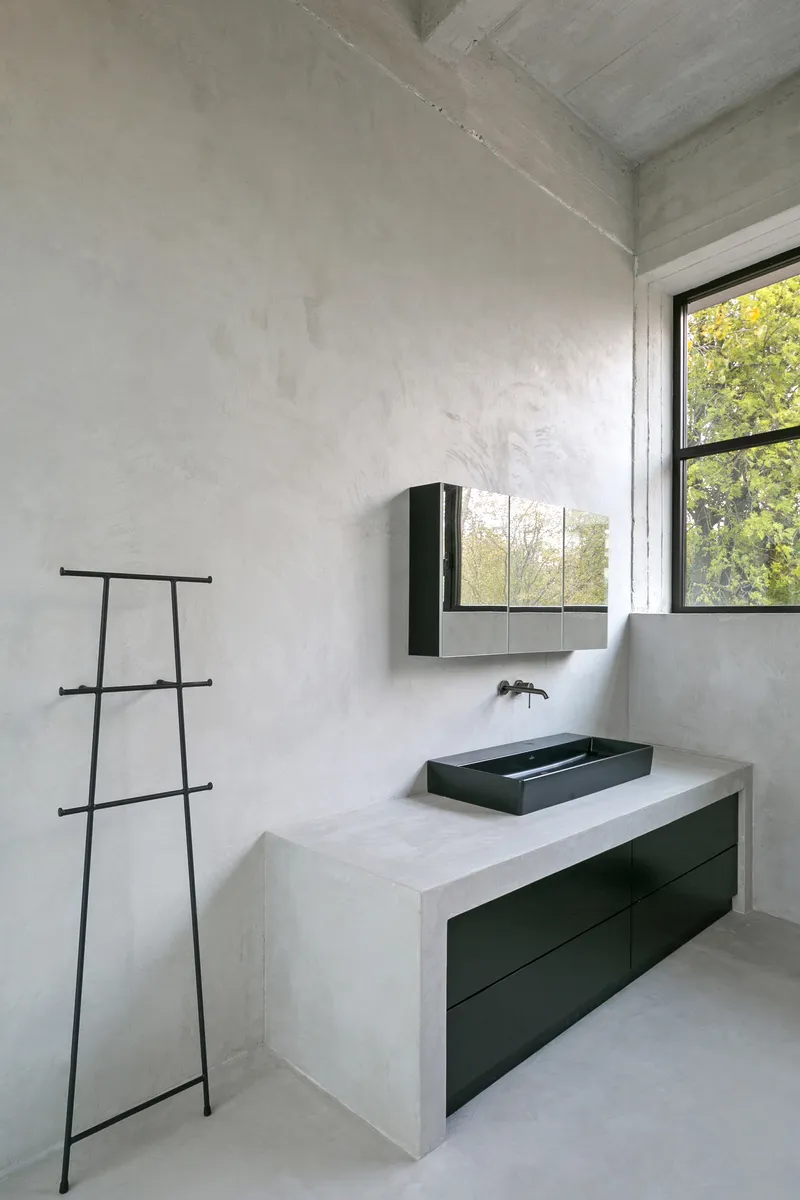
Inside, the home exudes tranquility and intimacy. Cement-based finishes soften the raw textures of concrete and red brick, while the heavy window profiles moderate light and add visual weight. On one level, over 300 m² of space embraces the central patio, creating a private, contemplative environment. The sequence of spaces guides residents naturally through light-filled rooms and vistas toward the surrounding greenery.

Sustainability and adaptive reuse are central to the project. By reimagining a military structure as a home and office, CASTOR FIBER demonstrates the potential of renovation, repurposing, and minimalistic design. The project celebrates Brutalist architecture while introducing a modern, human-centric experience, proving that even rigid, utilitarian buildings can be transformed into elegant, functional living spaces.

This renovation is not only a testament to the power of context-driven architecture but also a vision for the future of sustainable urban development, where reuse and thoughtful design extend the lifespan and relevance of existing structures.
All the photographs are works of
Laurent Brandajs




Popular Articles
Popular articles from the community


Conexión: Biophilic Design Reimagines High-Rise Living in Hong Kong
Conexión reimagines high-rise living in Hong Kong through biophilic design, green facades, shared spaces, daylight, water and nature within.

The Ocean Hive: Sustainable Architecture for a Self-Sufficient Civilization at Sea
The Ocean Hive imagines sustainable architecture at sea, where modular habitats, algae, wave power and ocean waste sustain a growing colony.

Co-life: Sustainable Architecture for Age-Friendly Community Living
Co-life reimagines sustainable architecture for seniors through courtyards, rammed earth, shared gardens, and spaces designed for belonging.

Riyadh For All: Intergenerational Urban Design for Active Aging in Rabat
Riyadh For All reimagines urban design in Rabat with intergenerational co-living, adaptive courtyards, and Moroccan cultural exchange today.


Similar Reads
You might also enjoy these articles


FAMM Arquitectura Organizes Ten Villas Around Courtyards and Jungle in Nosara, Costa Rica
El Molino pairs two elongated volumes with deep overhangs and timber louvers to build a compact coastal community five minutes from the beach.

Oscar Niemeyer's Ibirapuera Park Pavilions Define São Paulo's Cultural Identity in Concrete and Curve
A constellation of modernist volumes set within São Paulo's most important urban park, conceived for the city's 400th anniversary in 1954.
How Henri Picq's 1889 Paris Pavilion Traveled 11,000 Kilometers to Become Santiago's Artequín Museum
A prefabricated iron and glass pavilion built for the Paris Universal Exposition found a second life as a children's art museum in Chile.

Sanjay Puri Architects Wraps a Jaipur Office Tower in Capsule-Shaped Green Buffers
A nine-level climate-responsive workplace near Jaipur Airport uses stacked planter terraces and aluminium screens to fight 40°C heat.


Explore Architecture Competitions
Discover active competitions in this discipline



Challenge to reimagine the Iron Throne


Photograph architecture without architects


Illustrate the lost glory of Angkor Wat - Render Challenge


Design challenge to reuse E-waste
Comments (0)
Please login or sign up to add comments
No comments yet. Be the first to comment!