
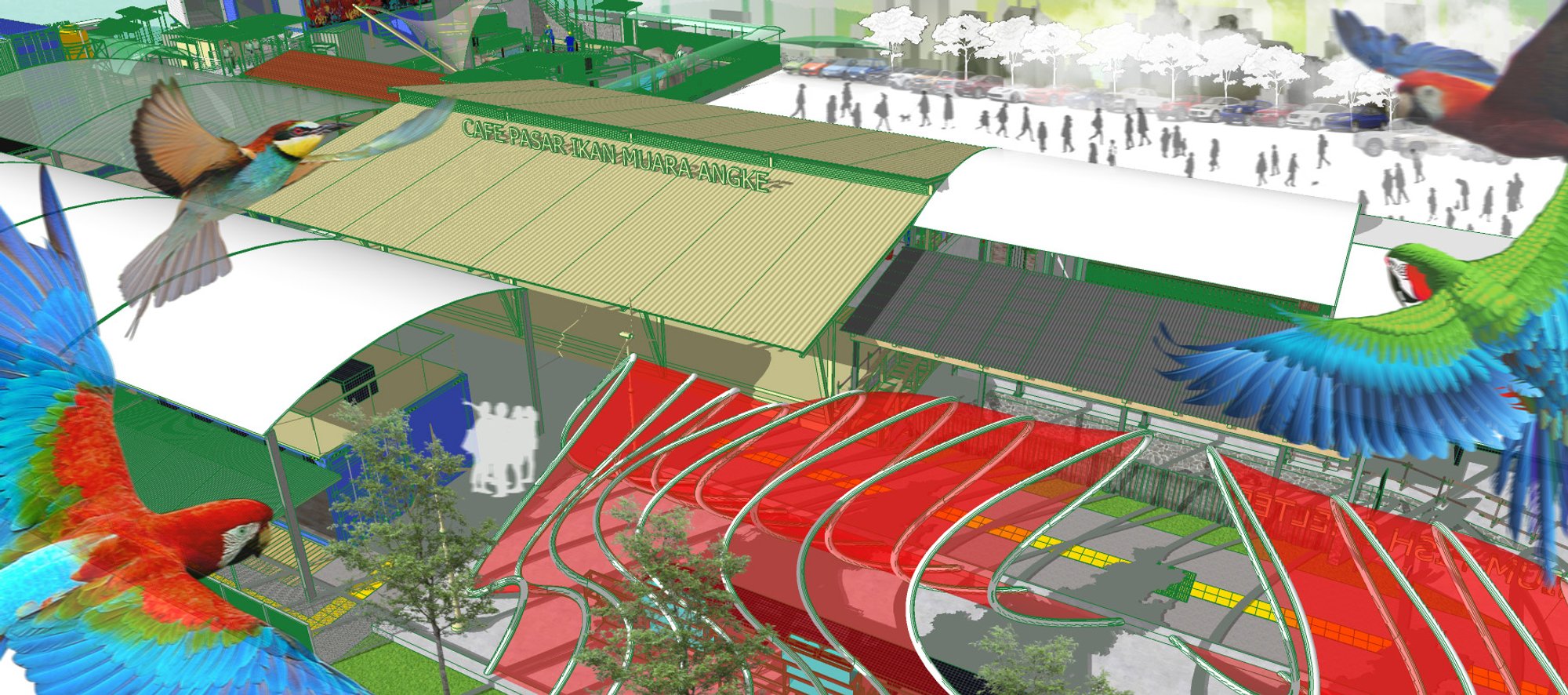
Cafe Pasar Ikan Muara Angke
The Modern Kampong Street Market and Fish Farms.
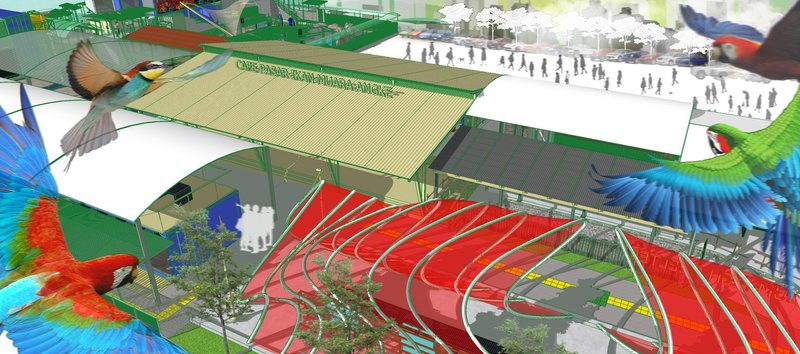
Cafe Pasar Ikan Muara Angke - The Modern Kampong Street Market and Fish Farms.
• The concept behind the project:
Café means small and informal establishment serving various refreshments, and the concept of the fish market itself consists of 2 types and functions that both are contradictory to each other, namely a literal traditional market and a fish farming area, which aim to create a new sense of shopping cluster on fairly limited area. By combining traditional market ideas with modern technology, that is why I call it “The modern kampong” as we know that the term of "kampong" means "village" and it is closely related to the "Traditional’ word itself. 😊
• What was the intent behind the organization of elements across various levels (Architectural, Site, Urban)?
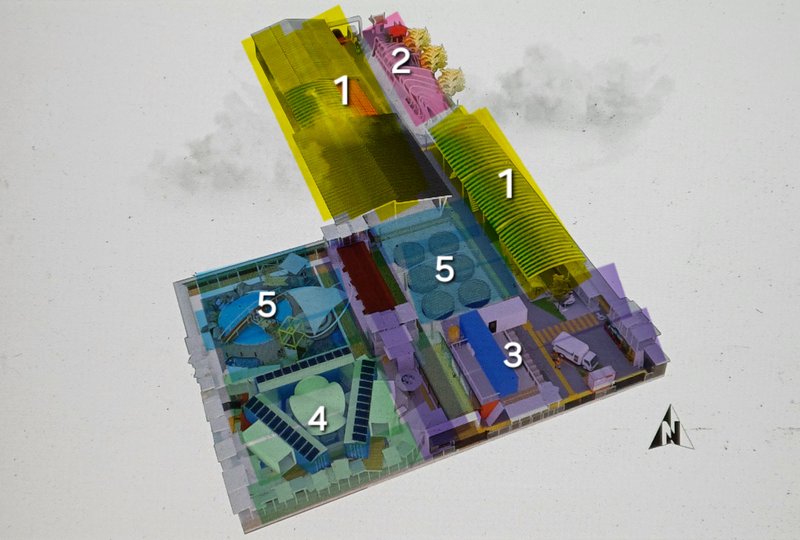
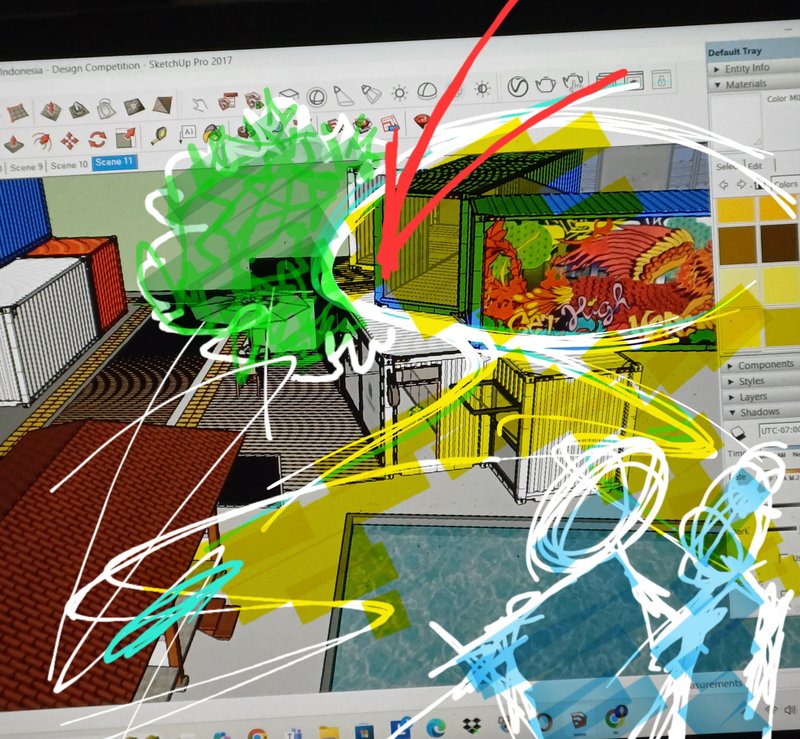
We divide the market area zoning space into 6 parts,
1. Regular shopping area.
2. Premium shopping area.
3. Public area / Interaction Centre area.
4. Food court area.
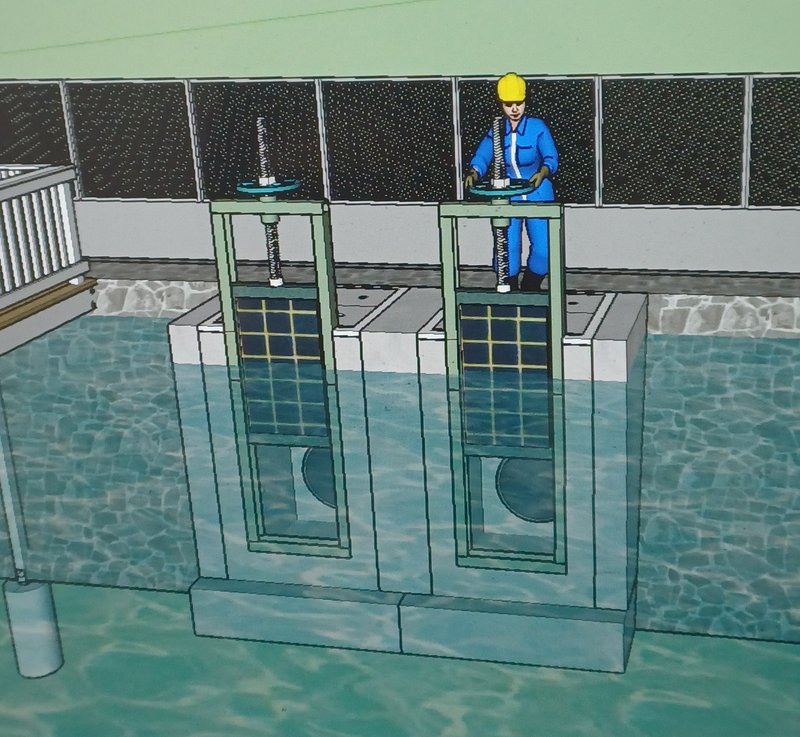
5. Farming area
6. And supporting facilities ( Basement area ).
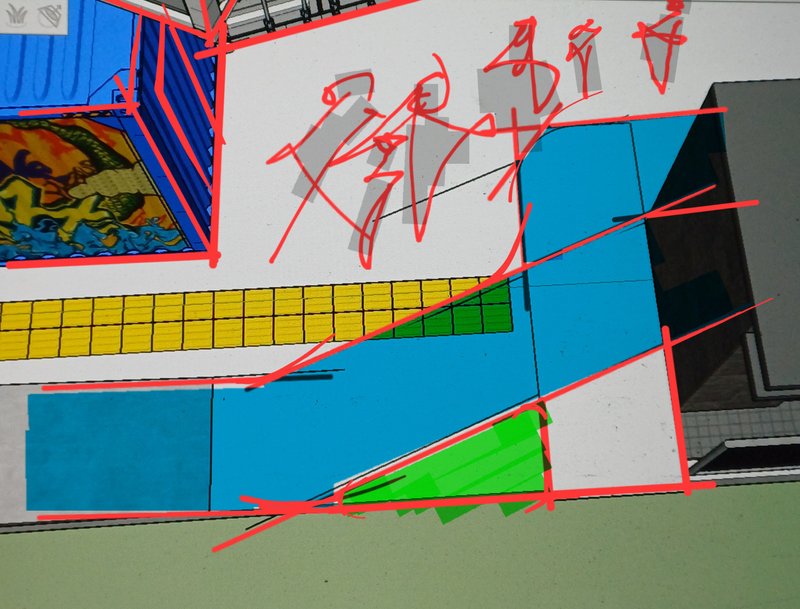
Where the spatial layout is adjusted to the orientation, potential physical environment, and existing buildings.
• How many iterations were tried to arrive at the final outcome?
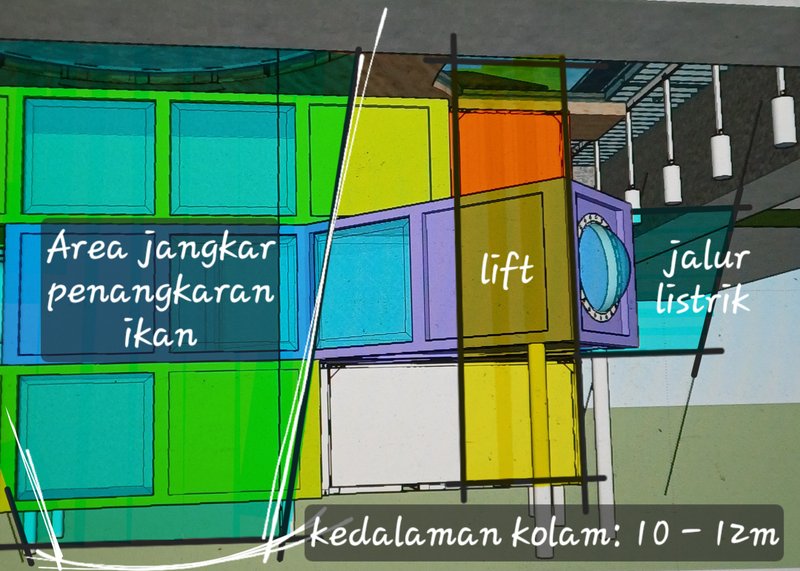
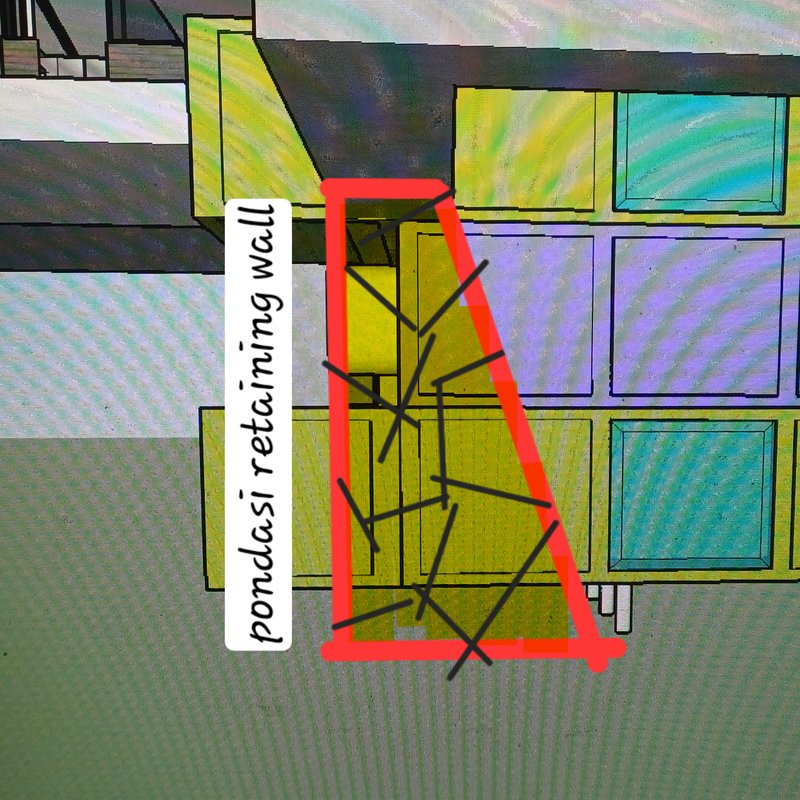
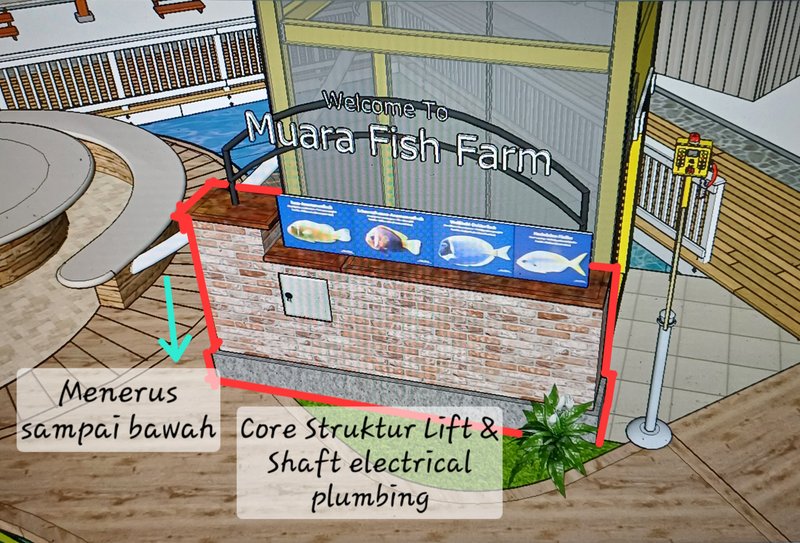
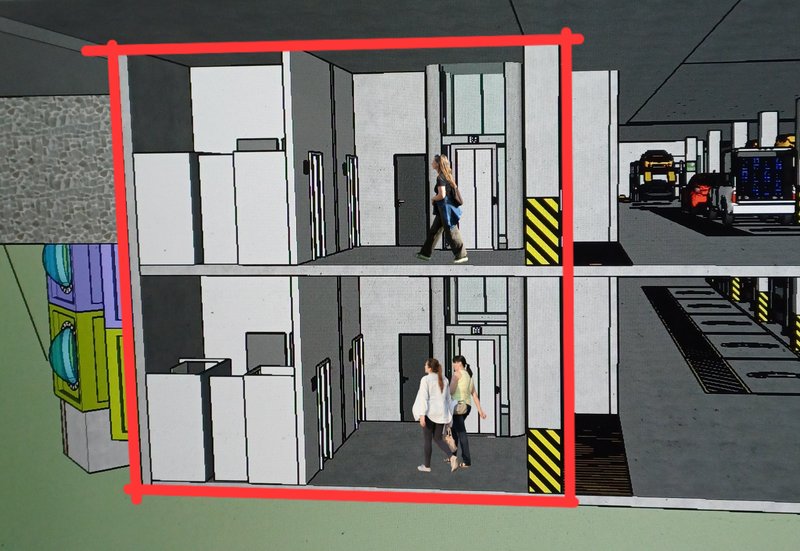
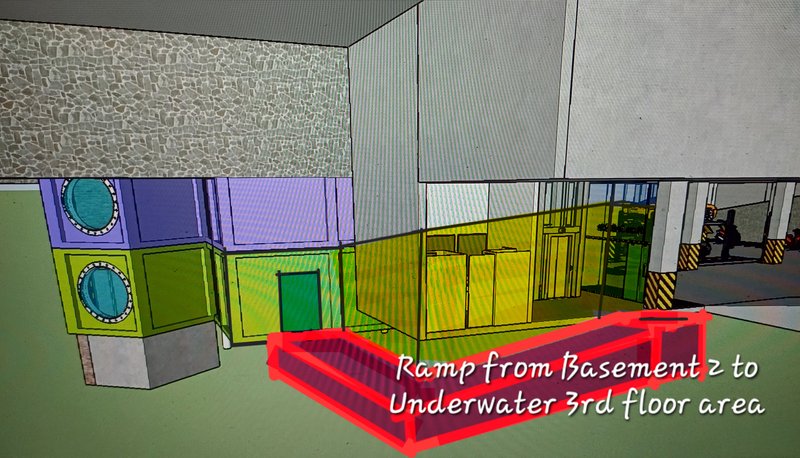
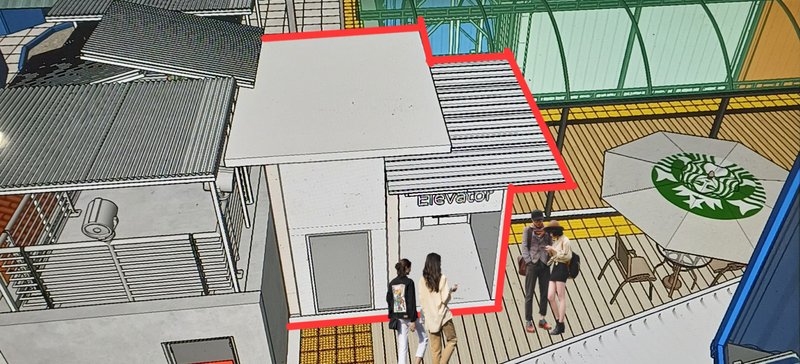
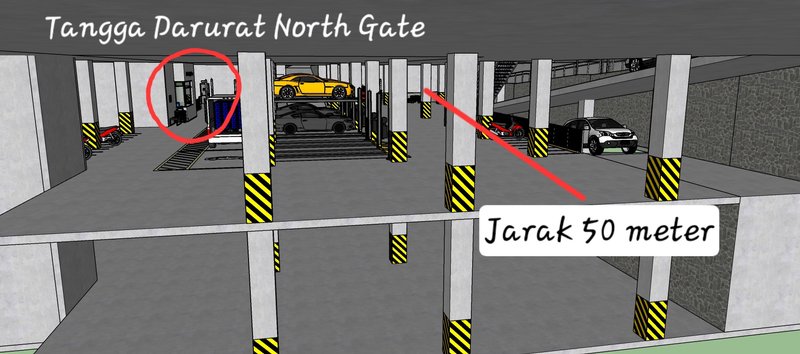
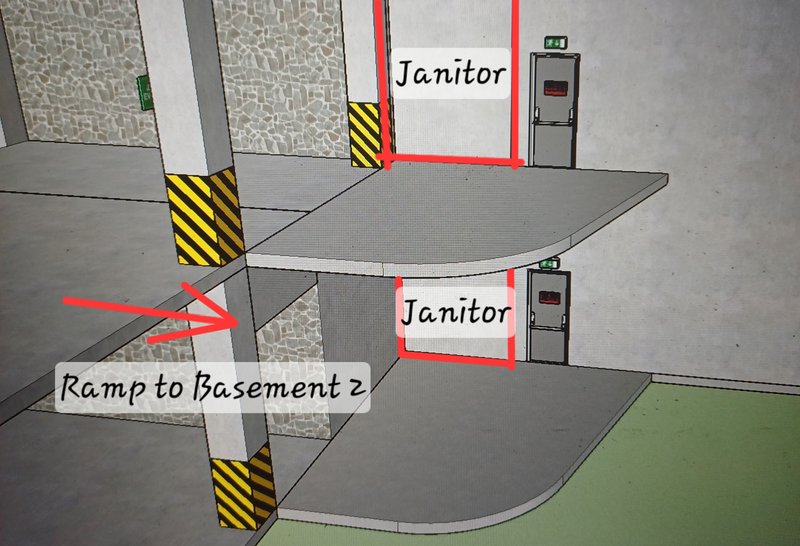
Several calculation adjustments were made, especially during the process of designing the farming areas and underwater areas that are directly connected to the basement area for regional parking needs and its relation to the ground level area of the building.
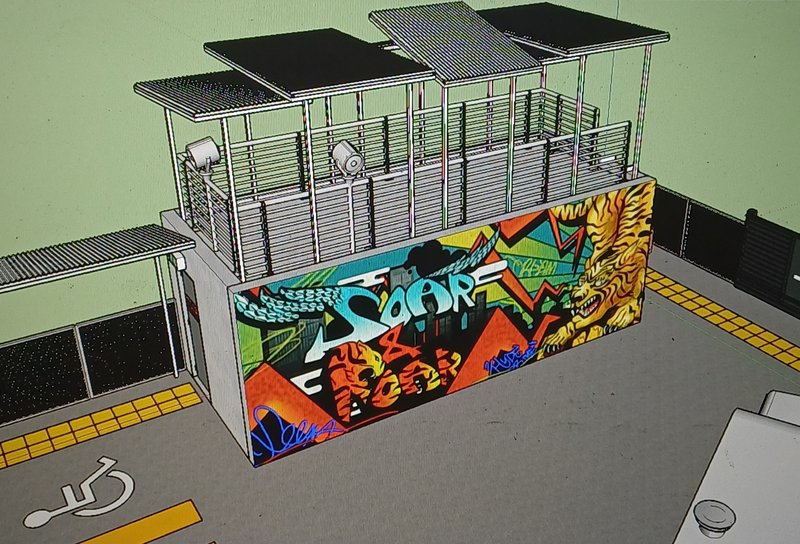
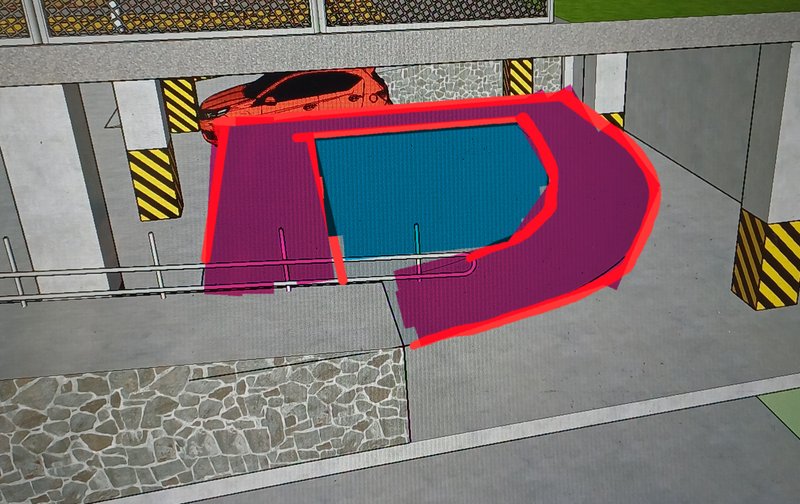
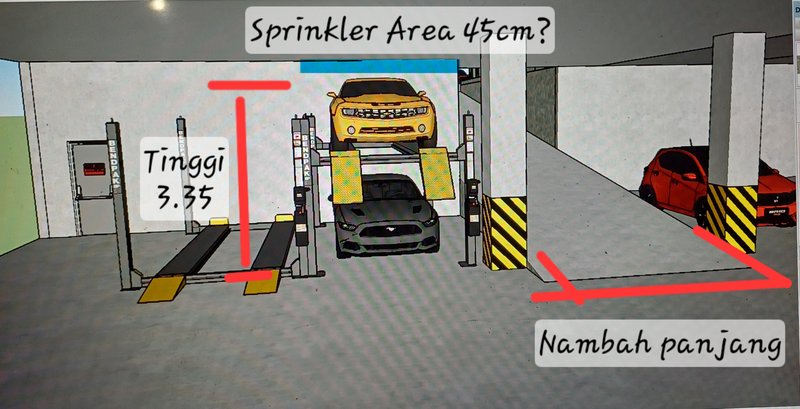
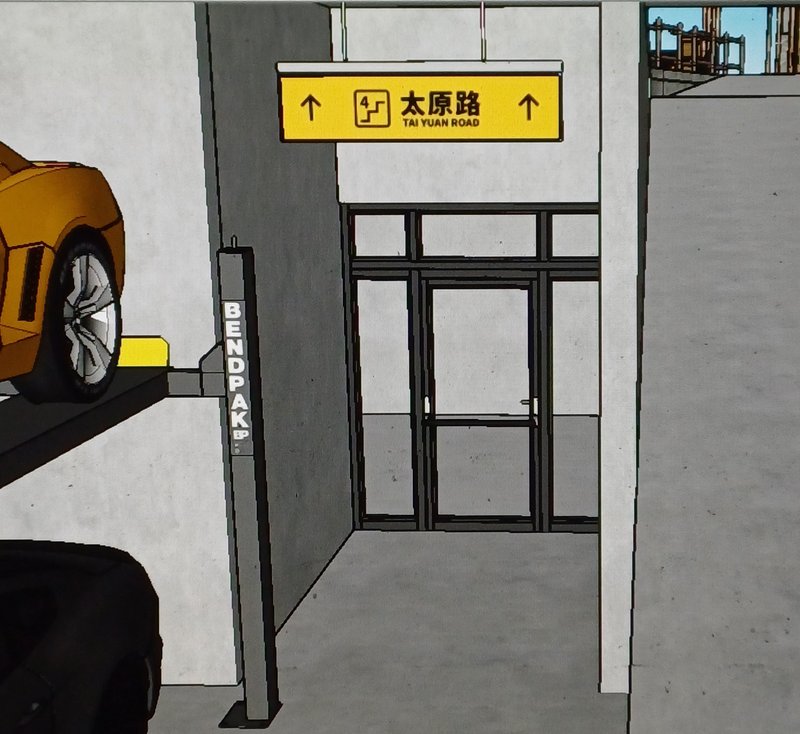
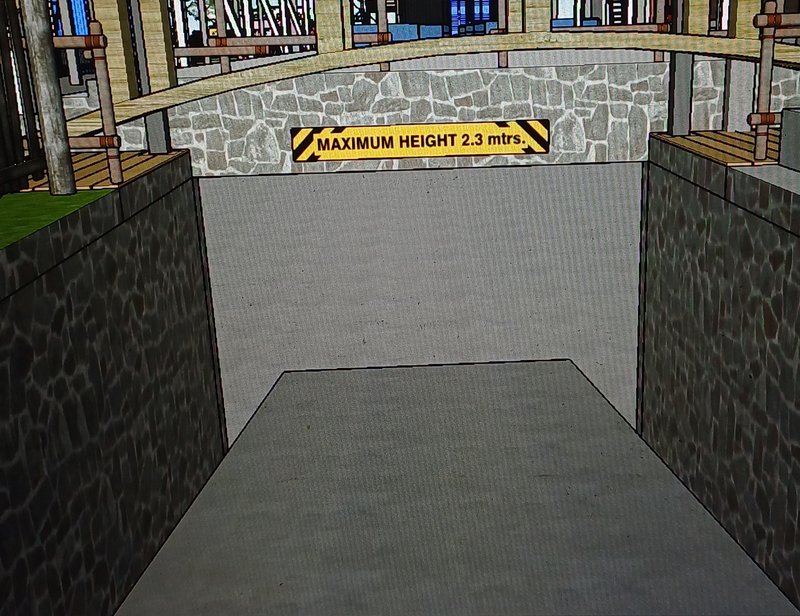
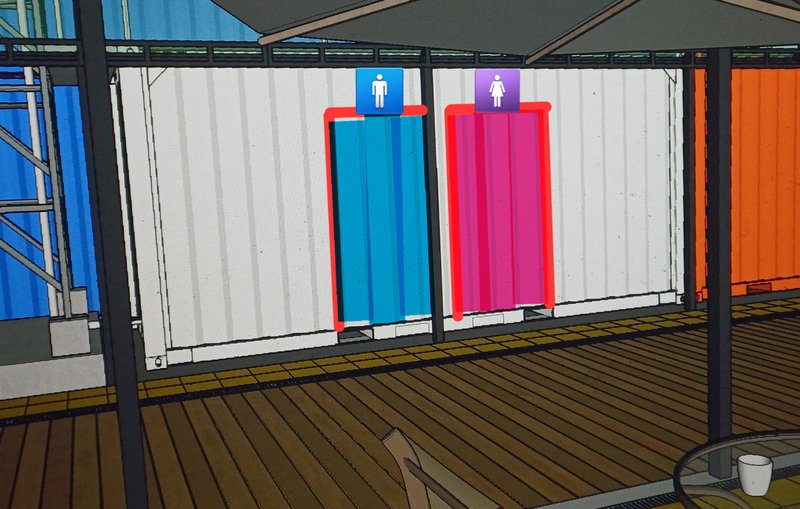
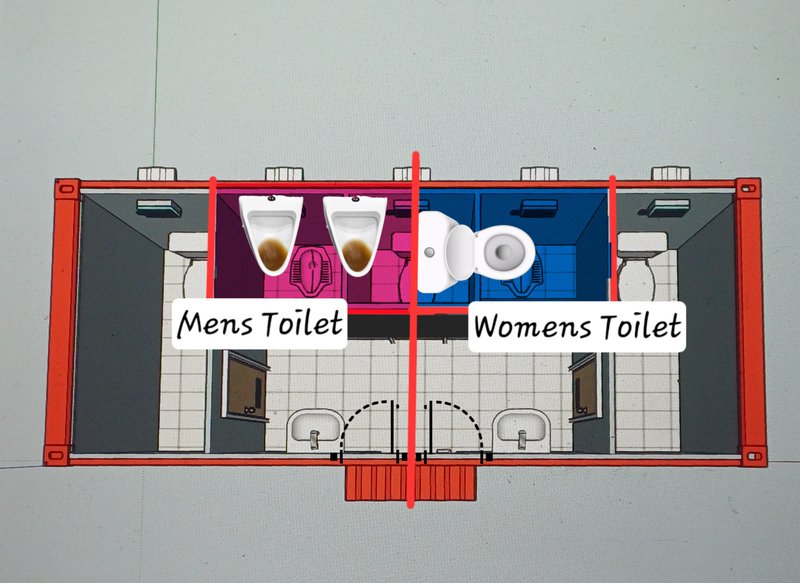
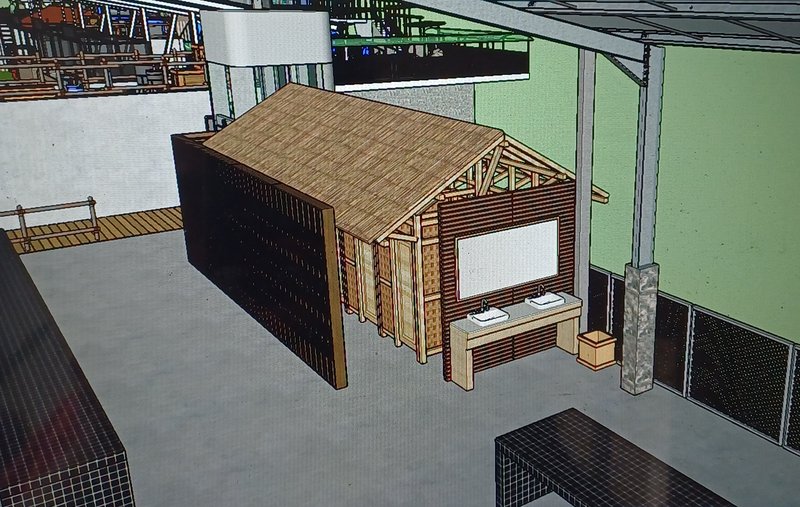
• Method of design investigation used Active Frontage
- Active frontage refers to the design and use of the ground floors of building to engage and interact with the public realm, typically the street or pedestrian pathway.
- It incorporates elements that encourage interaction, movement, and engagement from pedestrians.
- This concept is central to creating vibrant, lively, and safe urban environments.
• How was the programme condensed into final?
By aligning the architectural building style used, which predominantly uses a contemporary rustic building style, adjusted to the required work timeline to produce a design that has high aesthetic value in form and also has maximum function, which is expected to provide more benefits to the existing environment.
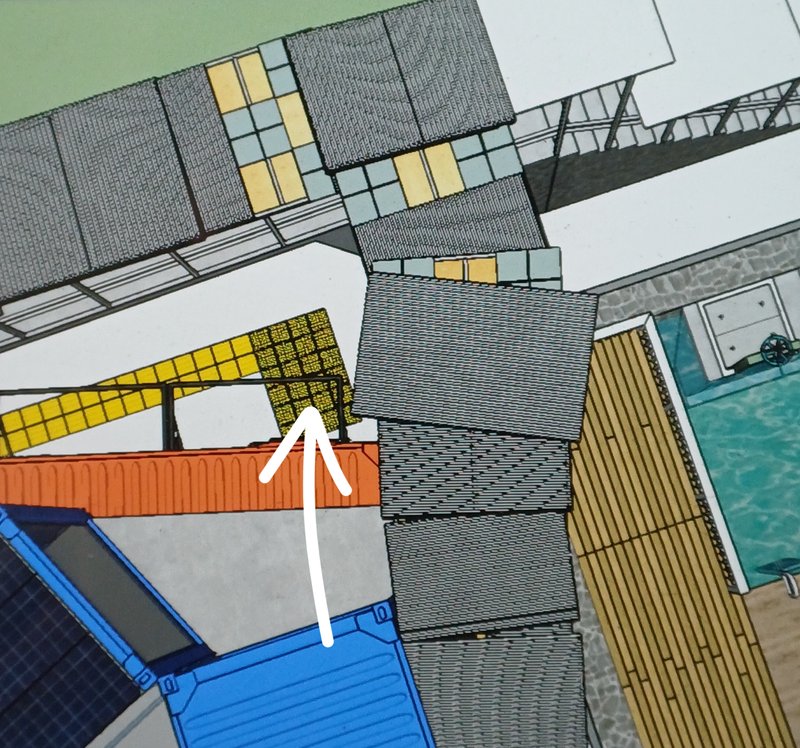
• The Material that we used for the design,
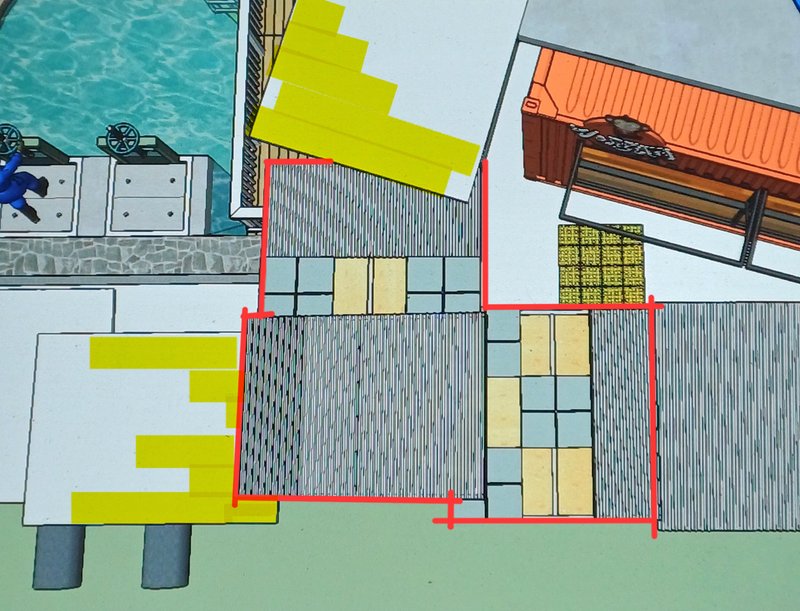
- We’re trying to use the recycle materials to reduce the excessive environmental pollution and also trying to create a new vibrant to the existing environment that most of the building in there are using concrete as raw material.
- Some of the recycle material that we used are, used shipping containers, Rubber wood floor with rubber pulp as a raw material, and rustic wood left over from used ships and building debris, if only it is possible to recycle it again.
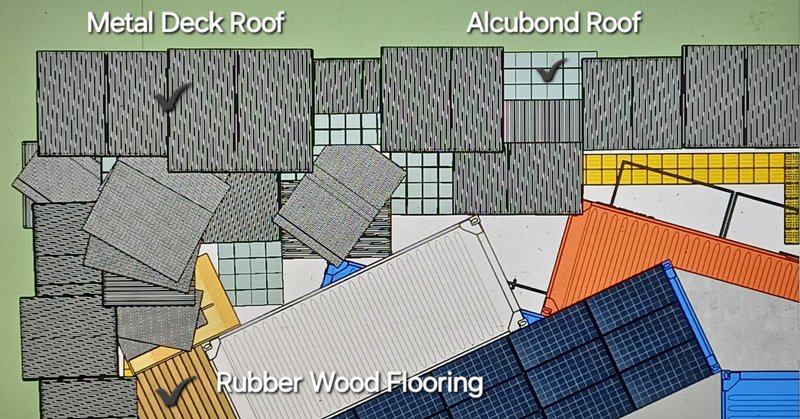
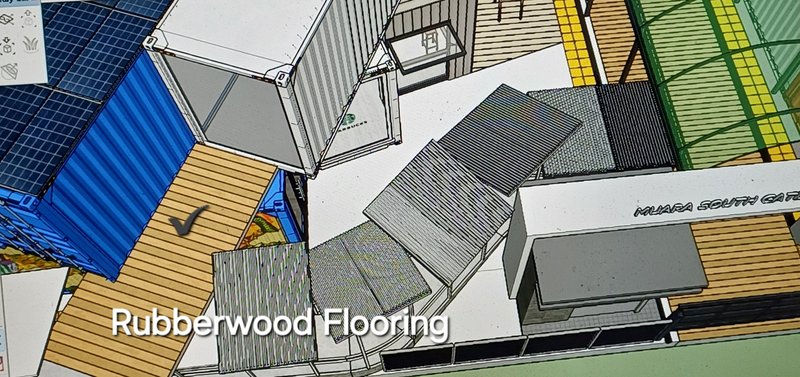
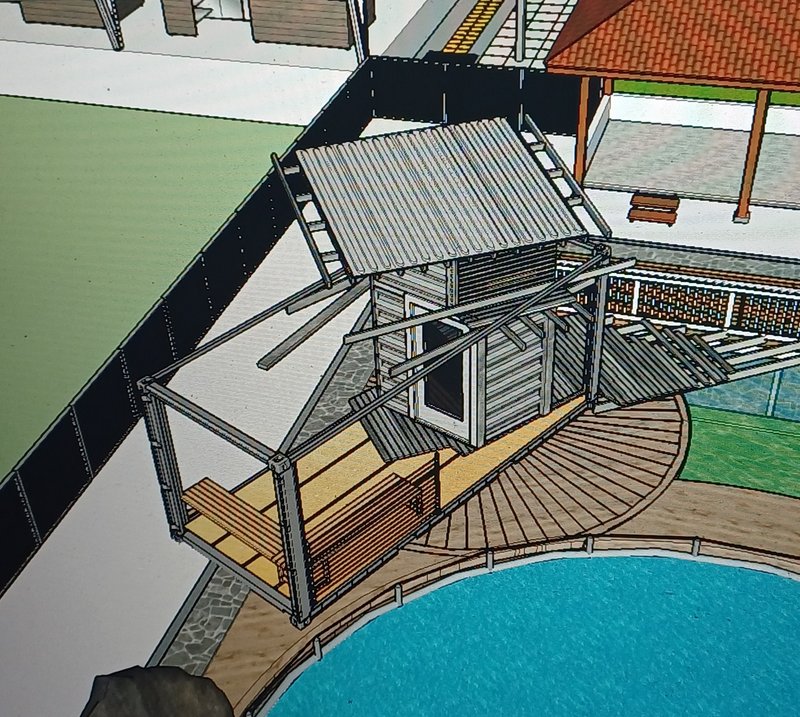
• The Expansion Plan of the Project
If further expansion plans are to be carried out, I will propose extending the design up until to the sea border, so that we can create an exotic long pedestrian and beach front buildings with a modern traditional market concept just like in PIK 2 area or in Pasar 16 Illir area in Palembang City, by creating a heritage market area atmosphere that is in harmony with the historical value of the existing area.
“Dutch building conservation area”.
• Specific objective attempted to be met
“Giving new life, enthusiasm, and energy to the existing area”.
• How will the project transform with the passing time? etc.
By slowly revitalizing the atmosphere of the area and slowly changing the image, perspective, and culture of the residents of the area so that it can attract more tourists, so that in the future there will be more investors who wants to invest in the area.


Popular Articles
Popular articles from the community


The Ken Roberts Memorial Delineation Competition (Krob)
As the most senior architectural drawing competition currently in operation anywhere in the world, it draws hundreds of entries each year, awarding the very best submissions in a series of medium-based categories.

On the Brooks House by Monsoon Collective – A Contemporary Kerala Home Rooted in Tradition
Kerala home blending tradition and modernity with water-inspired design, brick architecture, courtyard planning, and sustainable rainwater harvesting strategies.
Solar Steam: A Climate-Responsive Architecture That Redefines the Monument
A climate-responsive memorial architecture that transforms heat, decay, and time into a living system reflecting humanity’s ecological impact.
A Contemporary Take on Iranian Residential Architecture
A modern interior design in Mashhad that reinterprets brick, light, and spatial flow to create a warm, contemporary residential architecture.

Similar Reads
You might also enjoy these articles
Scientific and Educational Monitoring Center of the Yenisei, Krasnoyarsk
Architecture as an instrument for ecological research, education, and environmental awareness along Russia’s largest river.
Development of Andretta Artist’s Village, Palampur, Himachal Pradesh, India
Reimagining Andretta as a living cultural landscape where art, architecture, and community converge to shape a global creative village.
The NEON Culture: Experiential Architecture Shaping Contemporary Urban Life
Exploring how experiential architecture responds to accelerated lifestyles through immersive spaces, adaptive programs, and sensory-driven urban design.
Narwall: Autonomous Offshore Architecture for Extreme Environments
A visionary model of sustainable offshore architecture, Narwall redefines public life, energy autonomy, and resilience in extreme Arctic waters.


Explore Architecture Competitions
Discover active competitions in this discipline




The International Standard for Design Portfolios


The Global Benchmark for Architecture Dissertation Awards


The Global Benchmark for Graduation Excellence


Challenge to reimagine the Iron Throne
Comments (0)
Please login or sign up to add comments
No comments yet. Be the first to comment!