
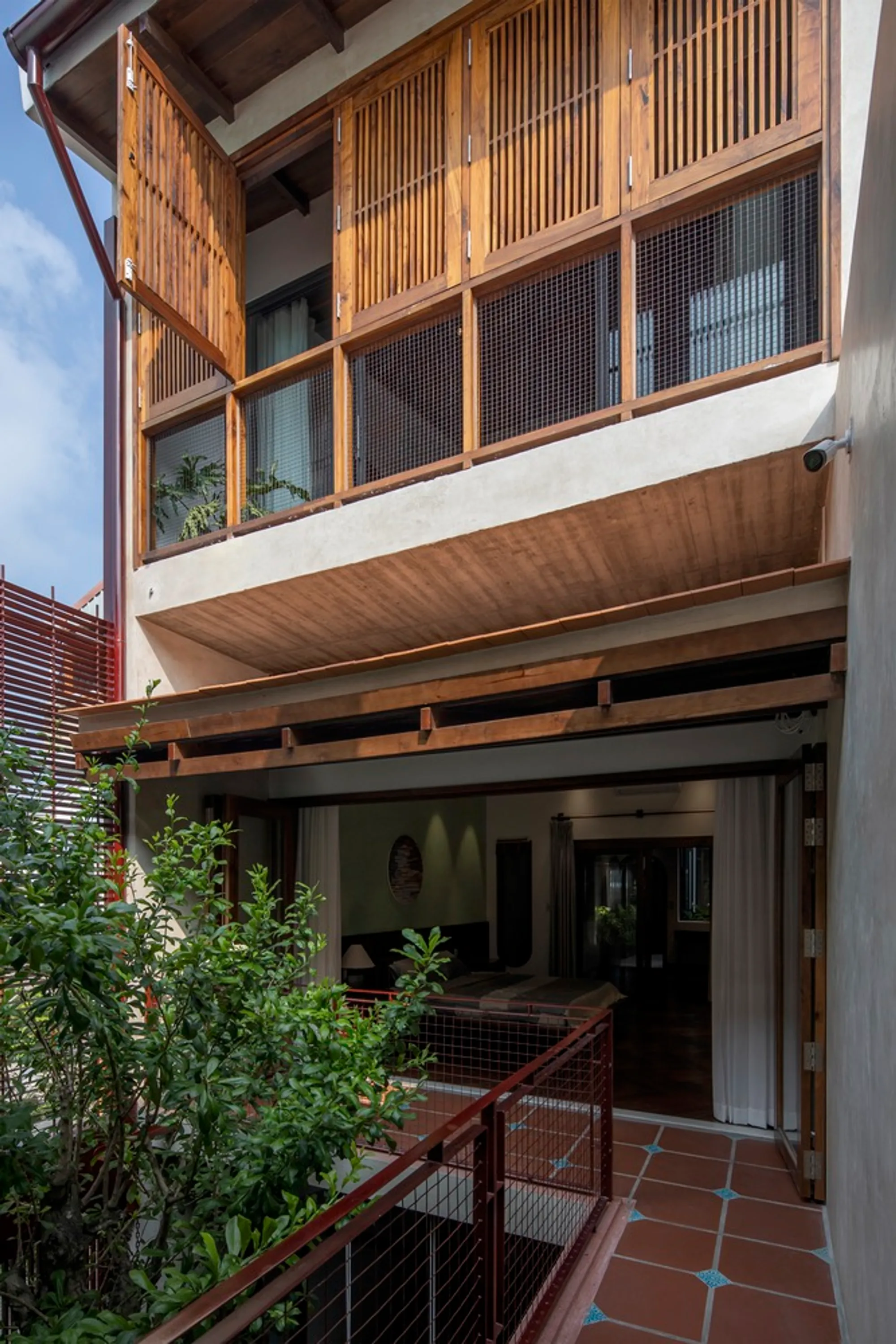
Cần Thơ House by AD9 Architects: A Contemporary Homage to the Southwest Vietnamese Cultural Identity
Cần Thơ House blends Southwest Vietnamese heritage with modern design, integrating courtyards, gardens, and communal spaces for multi-generational family living.


Architects:AD9 Architects
A House Rooted in Tradition, Designed for Modern Living
Nestled along one of the main roads of Cần Thơ City, Cần Thơ House by AD9 Architects embodies the cultural heritage of the Southwest Vietnam region while accommodating the needs of a modern, multi-generational household. Designed for a family of three generations—reflecting the Vietnamese tradition of tam đại đồng đường (three generations under one roof)—the home stands as both a functional living space and a tribute to local architectural identity.
The region’s architectural heritage, shaped by over 300 years of settlement, migration, and urban development, forms the project’s conceptual backbone. From the early Vietnamese settlers to the French colonial period and into the urban expansion of today, the evolution of housing here has mirrored the resilience and communal spirit of the people.
Preserving Cultural Identity in a Fast-Changing City
In Vietnam’s rapidly urbanizing cities, younger generations often grow up in environments detached from the cultural values of their parents and grandparents. Recognizing this, the architects envisioned Cần Thơ House as a living archive of tradition, reconnecting residents—especially children—to their heritage through spatial storytelling, materials, and communal layouts.
Spatial Organization and Flow
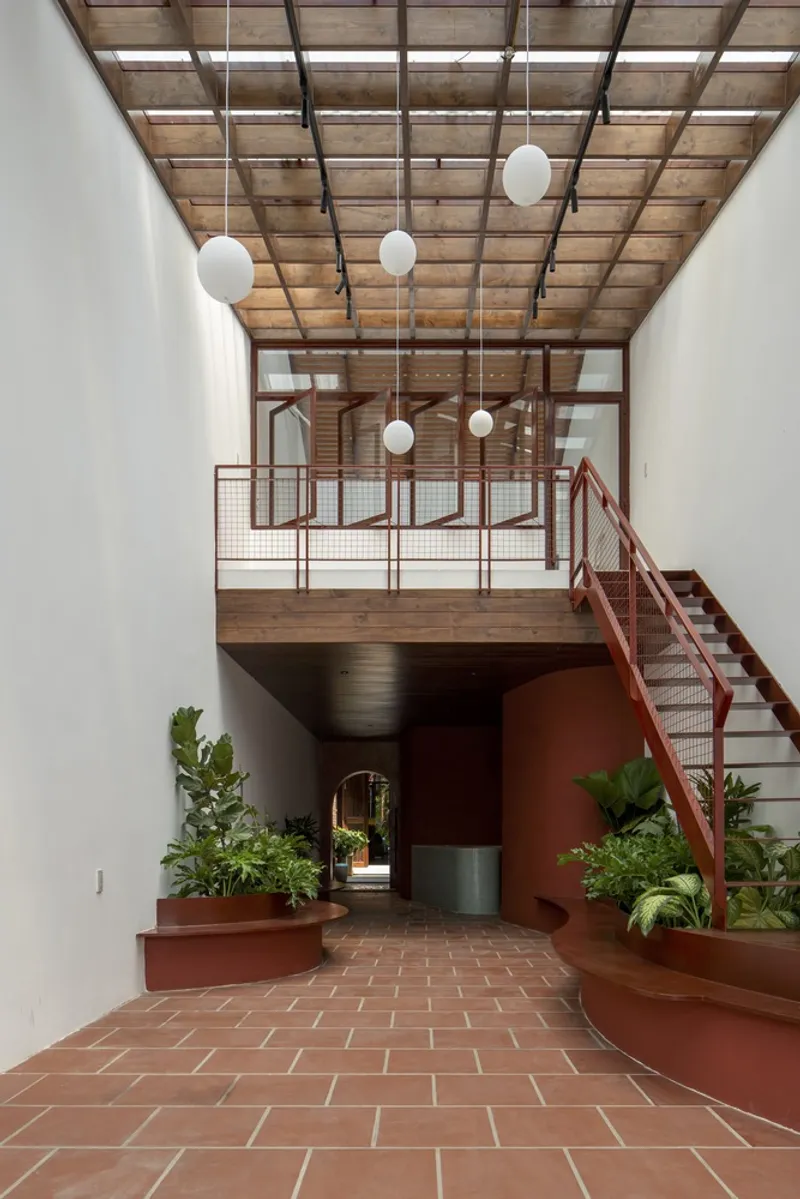
The southeast-facing property benefits from an elongated plot, allowing for a sequential arrangement of spaces that balance private and public functions:
- Commercial space at the front
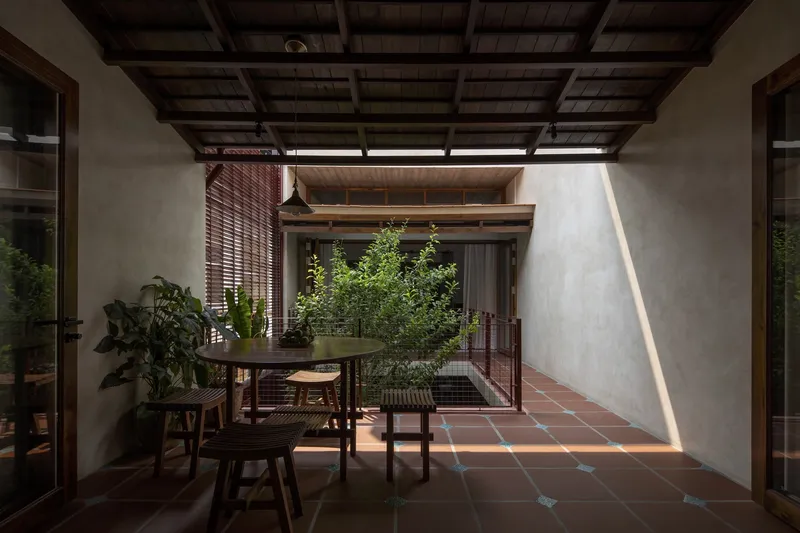
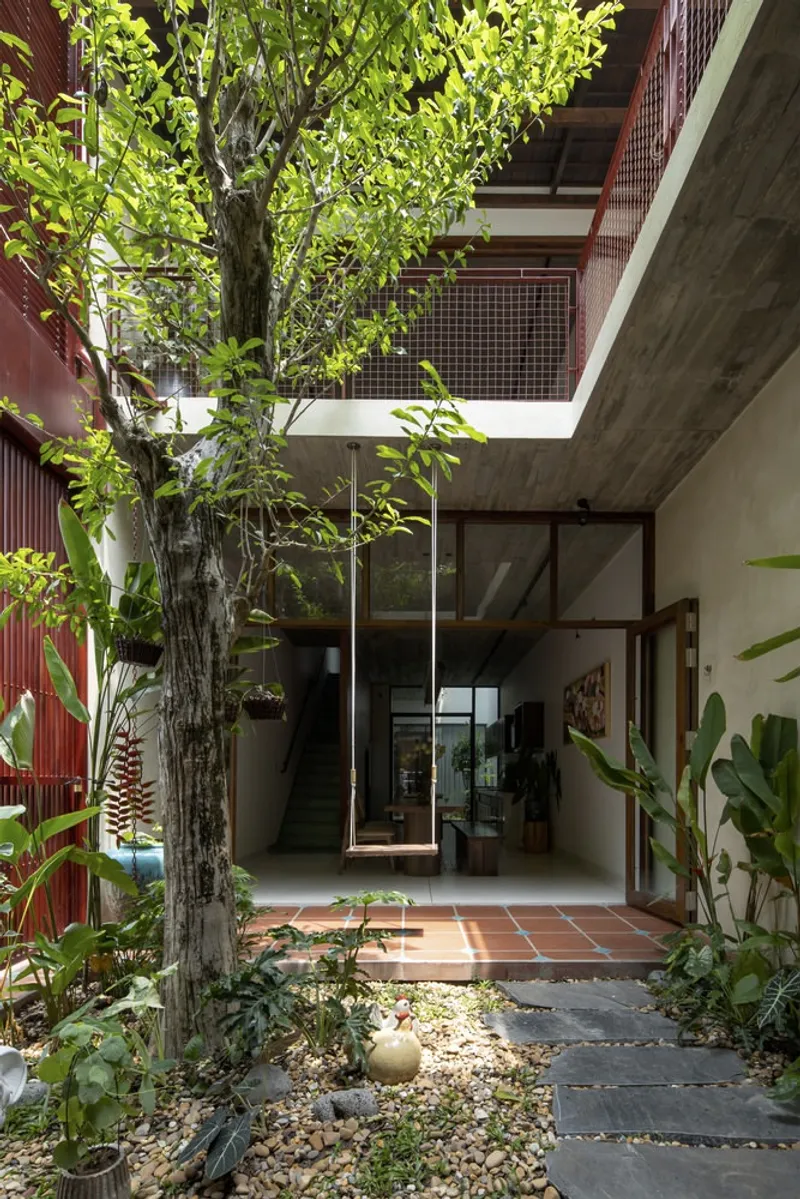
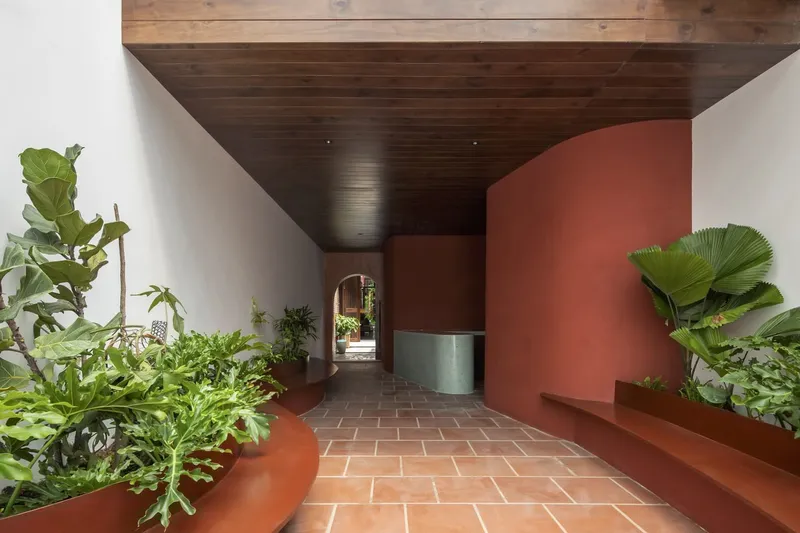
- Courtyard for light, ventilation, and community interaction
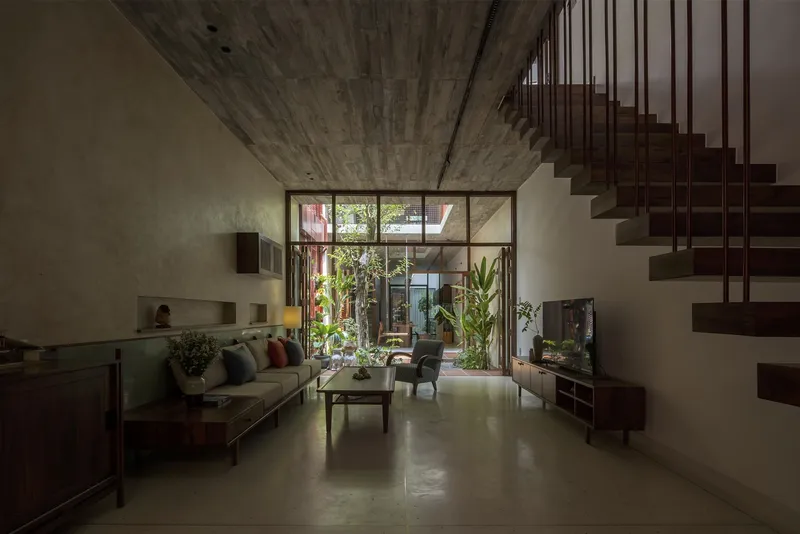
- Living room as the central gathering hub
- Dining area and kitchen promoting family interaction
- Side yard for greenery and airflow
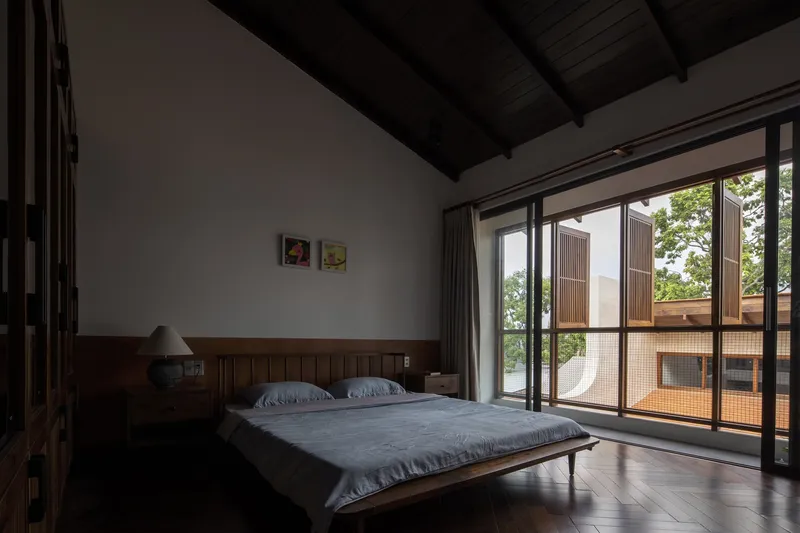
- Ground-floor bedroom for accessibility and privacy
The upper floors house the family altar, study room, and bedrooms, arranged in layers from the exterior inward. This hierarchical spatial sequence reflects the architectural logic of the Southwest, where room positions convey social function and importance.
Garden Integration and Community Connection
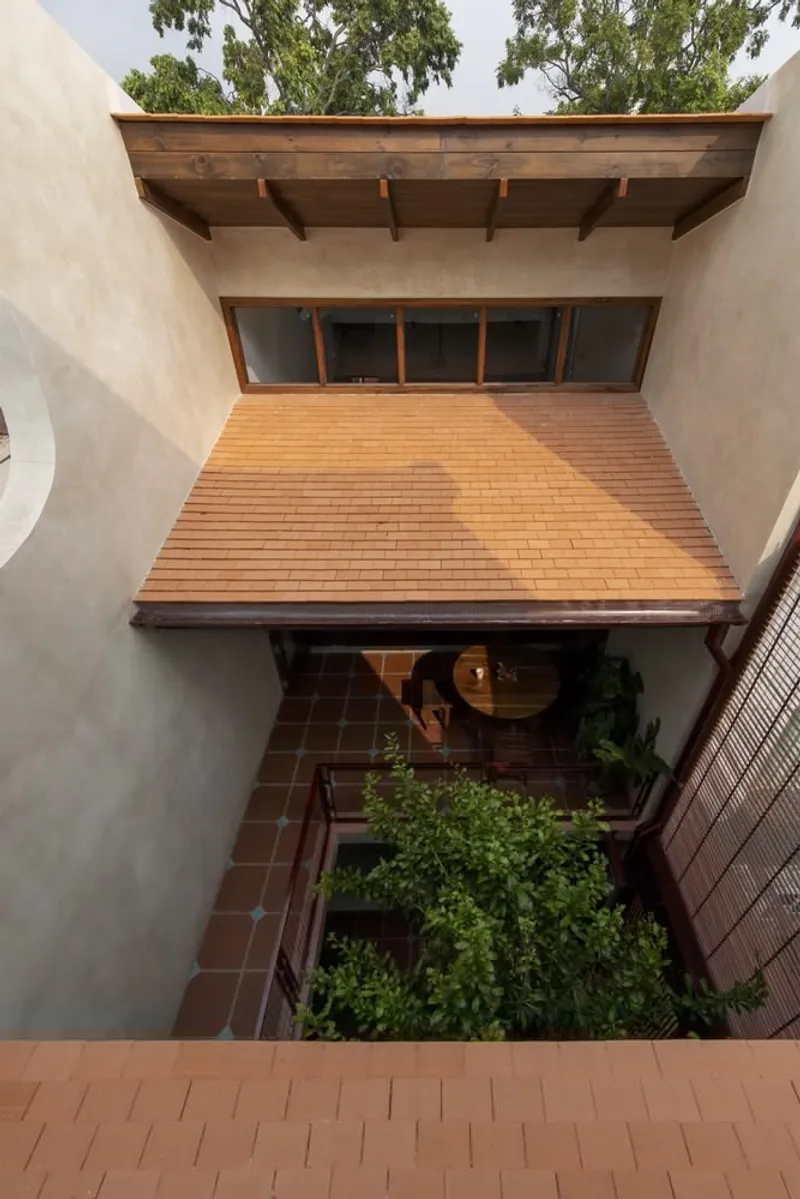
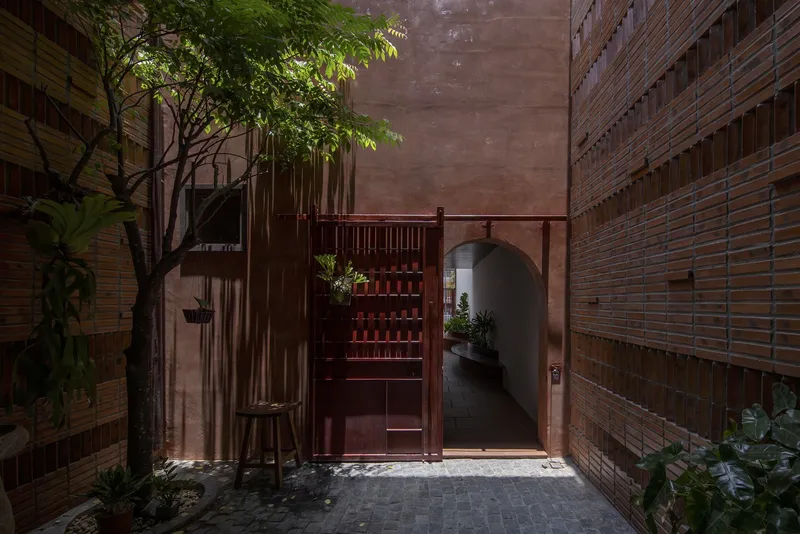
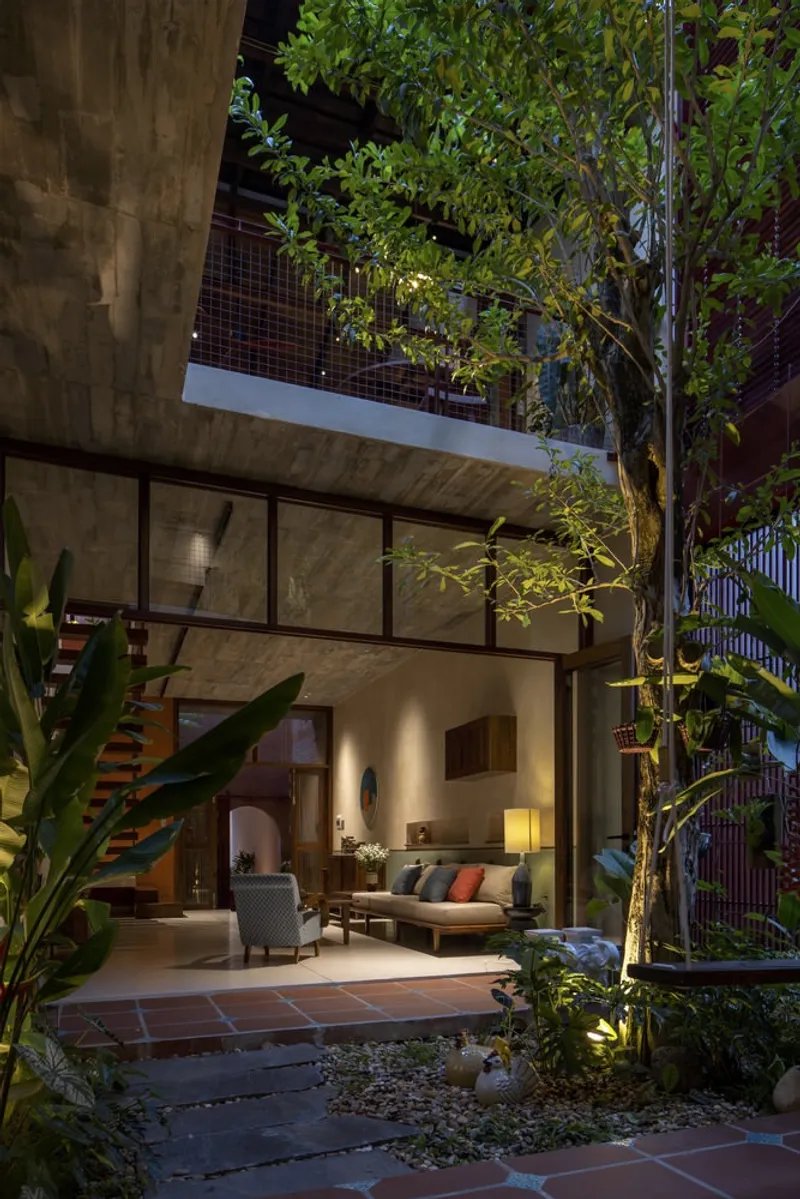
One of the standout features of Cần Thơ House is its series of gardens inserted between functional areas. These act as breathing pockets for natural ventilation and daylight while doubling as informal gathering spots. The extended eaves, inspired by traditional rural houses, blur the boundary between indoor and outdoor spaces—creating shaded social areas for interaction with neighbors and passersby.
Architectural Language and Inspiration
The design draws from the Be houses—floating river homes of the Southwest—where spaces are interconnected yet never isolated. The architects reinterpret this concept through:
- Rhythmic roof structures that create visual harmony
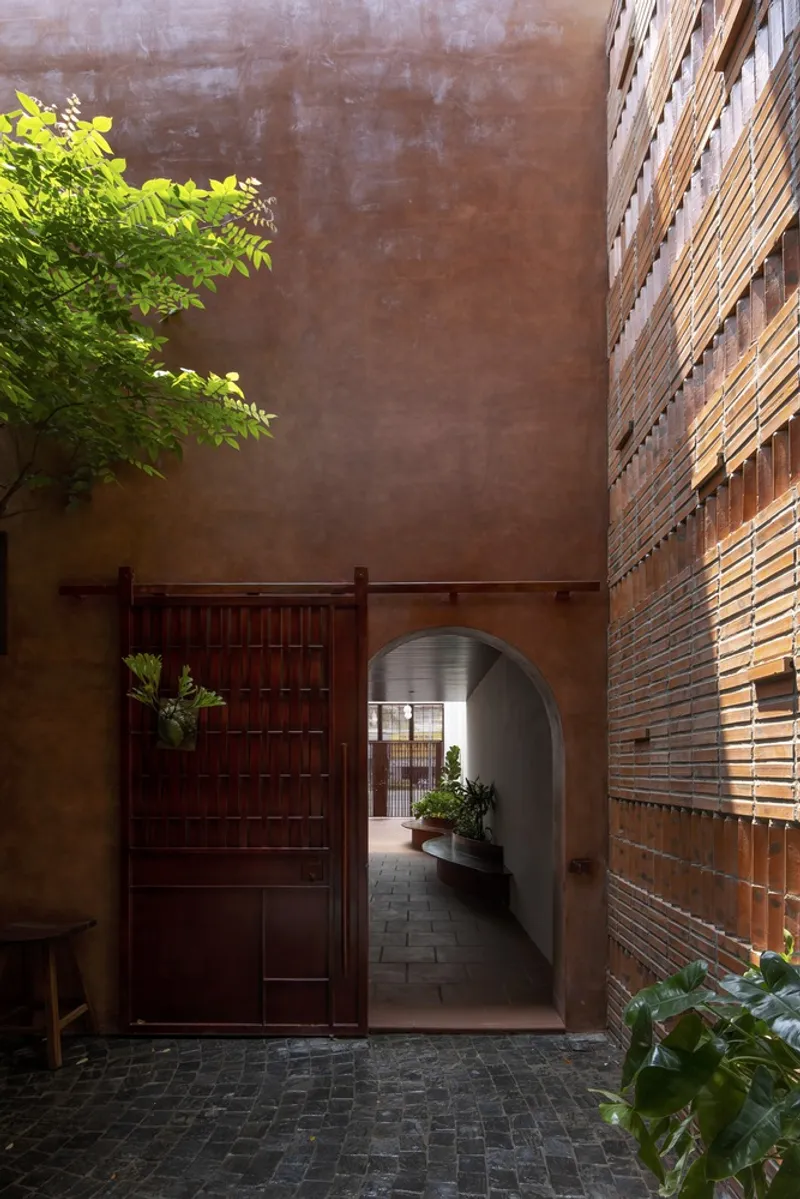
- Open boundaries between rooms to allow airflow and visual continuity
- Progressive spatial recession from public to private zones
From above, the composition resembles a cluster of floating modules, evoking the image of river communities that drift together while maintaining individual identities.
Climate Responsiveness and Comfort
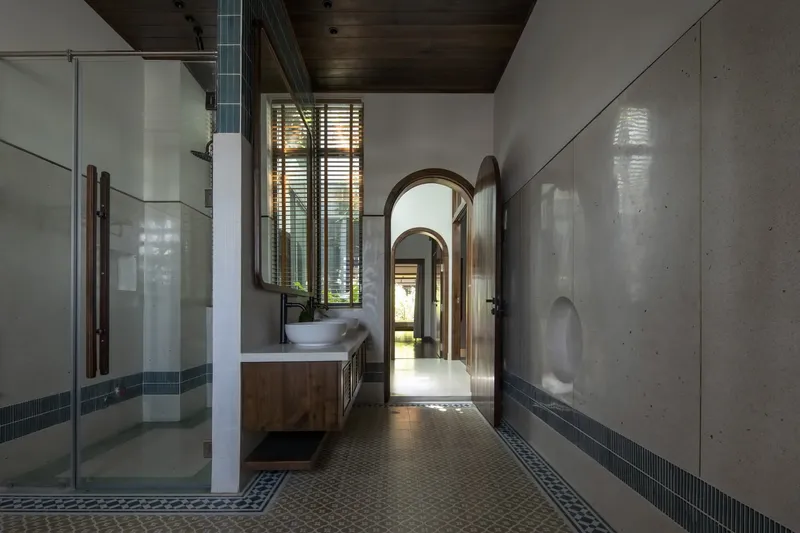
The approximate boundaries between spaces, along with strategic openings, ensure cross ventilation throughout the house. This natural airflow reduces reliance on mechanical cooling, while courtyards and gardens buffer noise from the street, creating a serene environment in the bedrooms.
Cultural Preservation Through Design
More than just a residence, Cần Thơ House is envisioned as a vessel for cultural continuity—a place where daily life naturally reinforces the values and aesthetics of the region. For the children growing up here, it serves as a tangible link to the stories, rhythms, and spaces that shaped their ancestors.
“We hope that this house will nurture the soul of the children and bind all generations together,” the architects share. “It is our small contribution to preserving the culture and identity of the Southwest.”
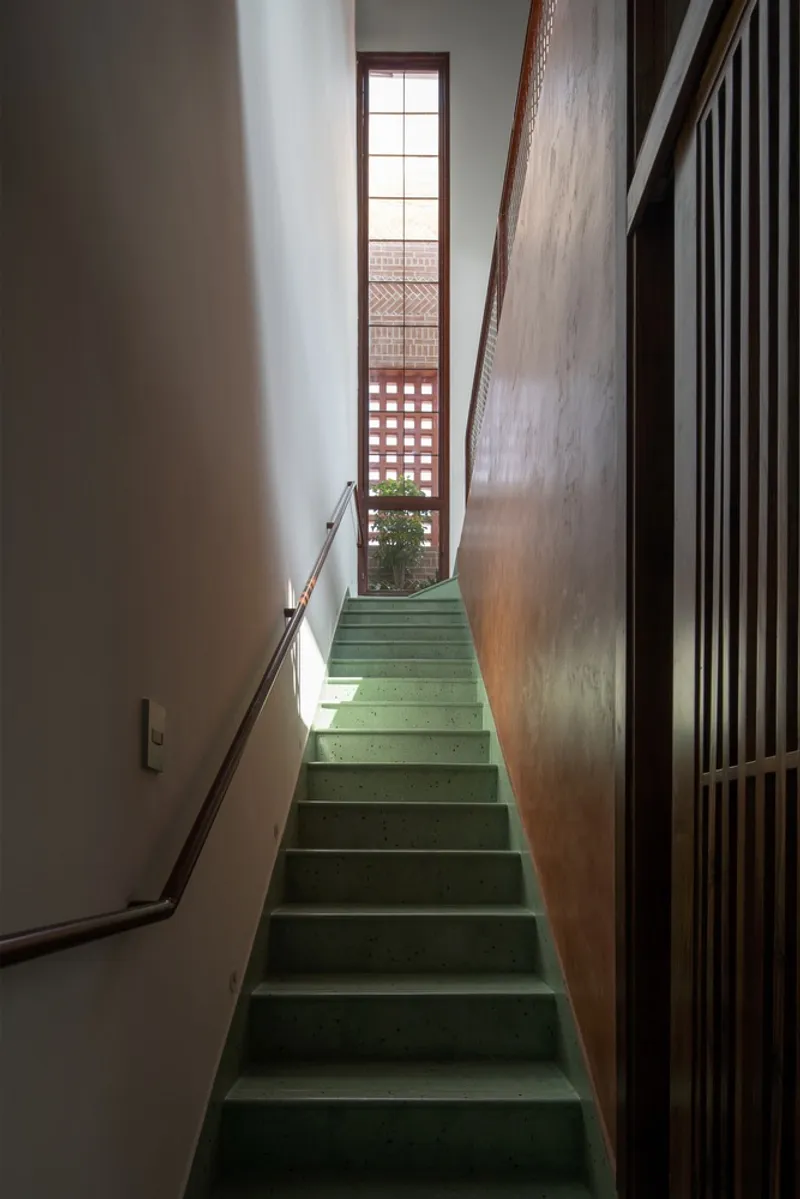
All photographs are works of Hoang Le



Popular Articles
Popular articles from the community


The Ocean Hive: Sustainable Architecture for a Self-Sufficient Civilization at Sea
The Ocean Hive imagines sustainable architecture at sea, where modular habitats, algae, wave power and ocean waste sustain a growing colony.

The Earth Pod: 3D Printed Homes for Resilient Refugee Communities
The Earth Pod reimagines refugee housing through 3D printed homes made from clay, combining resilience, self-sufficiency, and rapid shelter.

Conexión: Biophilic Design Reimagines High-Rise Living in Hong Kong
Conexión reimagines high-rise living in Hong Kong through biophilic design, green facades, shared spaces, daylight, water and nature within.

Riyadh For All: Intergenerational Urban Design for Active Aging in Rabat
Riyadh For All reimagines urban design in Rabat with intergenerational co-living, adaptive courtyards, and Moroccan cultural exchange today.


Similar Reads
You might also enjoy these articles


Hodi-Mandai Geram
Project Function: Preservation and revitalization of the Intangible heritage and socio-spatial identity of the Hodi by Housing, Cultural Memory Center, Sacred Grove, landscape, local tourism economy


Olio Towers: A Mid-Rise for Performers That Fuses Housing, Rehearsal, and Stage
Located blocks from Houston's Theater District, this modular tower stacks living units around a central performance atrium.

Oasis: Modular Green Housing Carved into Dhaka's Urban Fabric
A shortlisted Plugin Housing entry reclaims unauthorized settlements in Dhaka with stepped concrete volumes, green roofs, and ventilation-driven design.

Black Hole: A Floating Megastructure for the Post-Physical Era
Emiliano Mazzarotto envisions a spherical, self-scaling arena where e-sports, digital hotels, and holographic stadiums replace traditional public space.


Explore Housing Competitions
Discover active competitions in this discipline



Challenge to reimagine the Iron Throne


Photograph architecture without architects


Illustrate the lost glory of Angkor Wat - Render Challenge


Design challenge to reuse E-waste
Comments (0)
Please login or sign up to add comments
No comments yet. Be the first to comment!