
Canopy House by Studio MK27: A Symphony of Architecture and Nature in Brazi
An exploration of the Canopy House by Studio MK27, a stunning residence that merges modern architecture with Brazil’s natural and cultural landscapes.


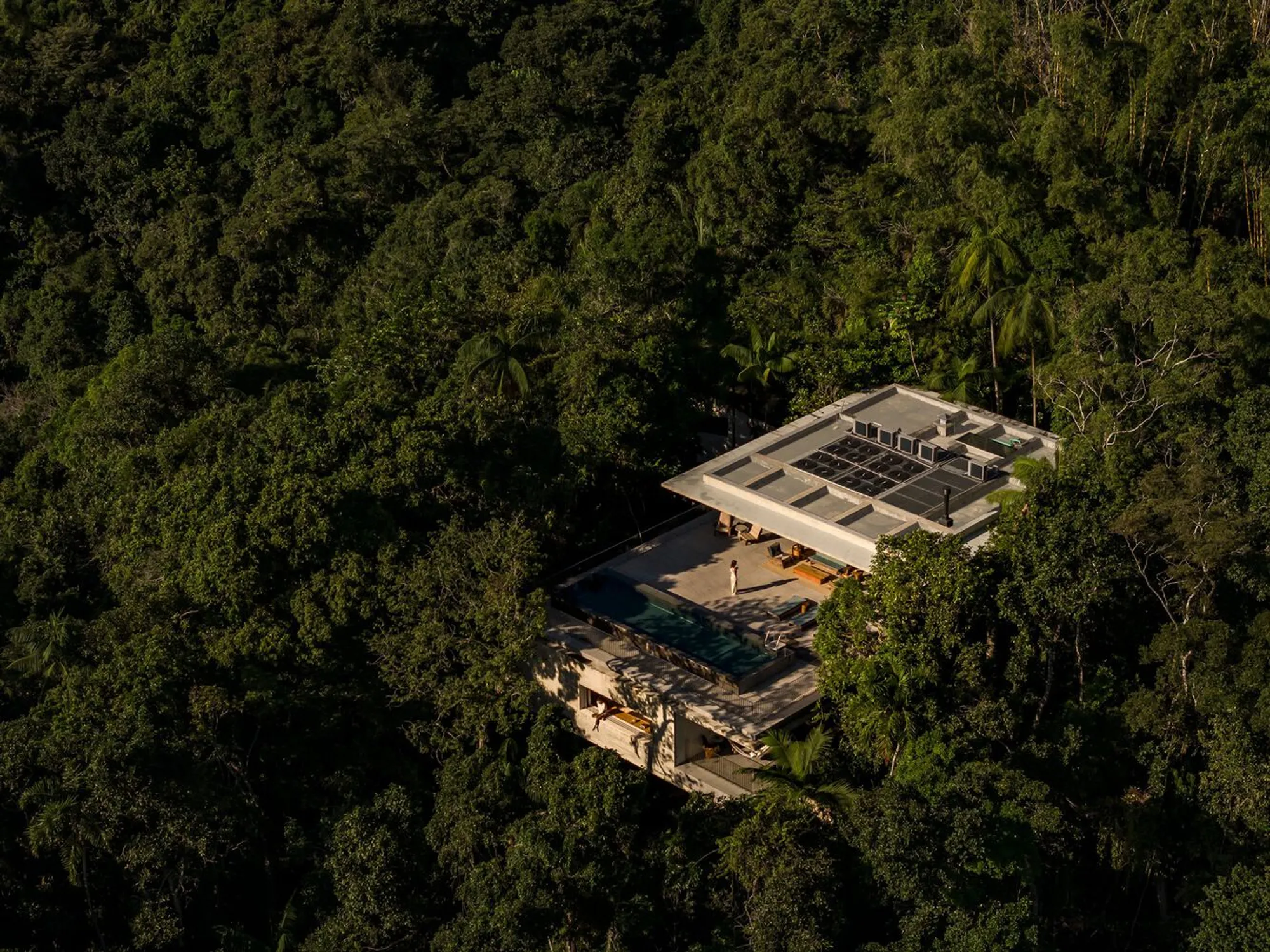
The Canopy House, designed by Studio MK27 under the guidance of Marcio Kogan, is an architectural marvel nestled within the tropical Atlantic Forest of Guarujá, Brazil. This residence exemplifies the harmonious coexistence of modern architecture with the surrounding environment, offering an immersive experience of Brazil's lush natural landscape and rich cultural heritage.
A Thoughtful Site and Structural Design
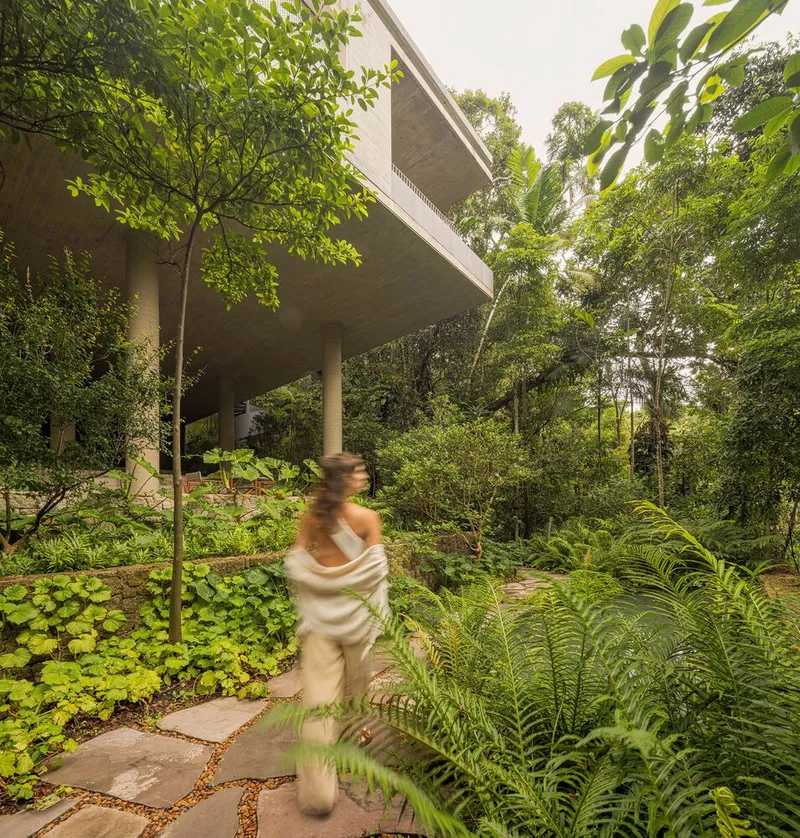
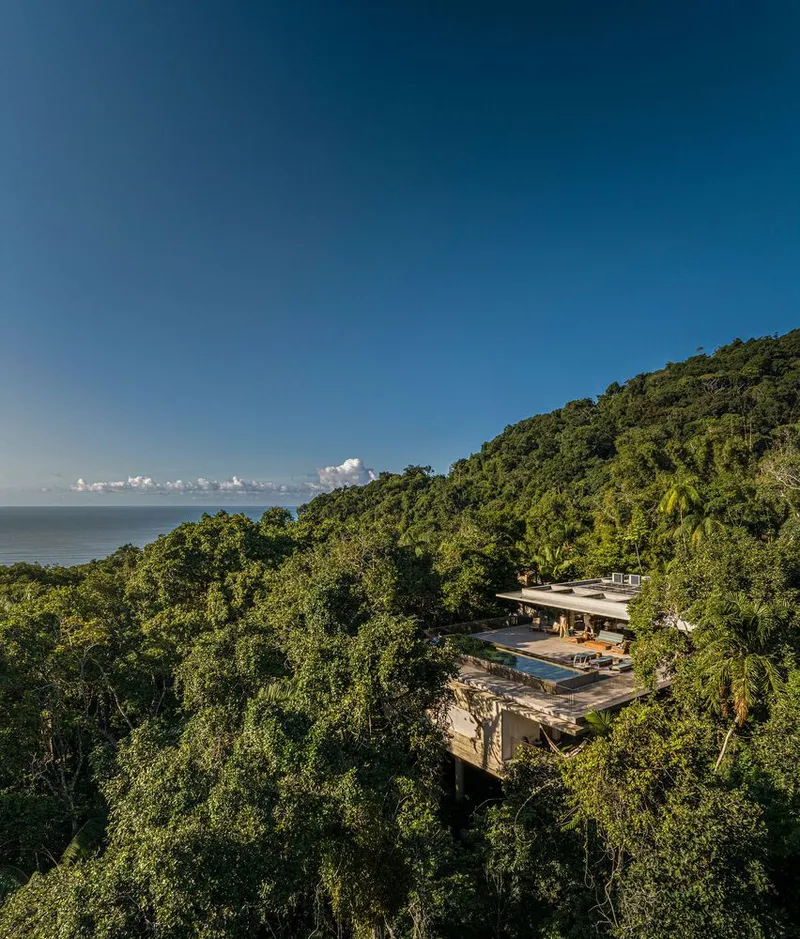
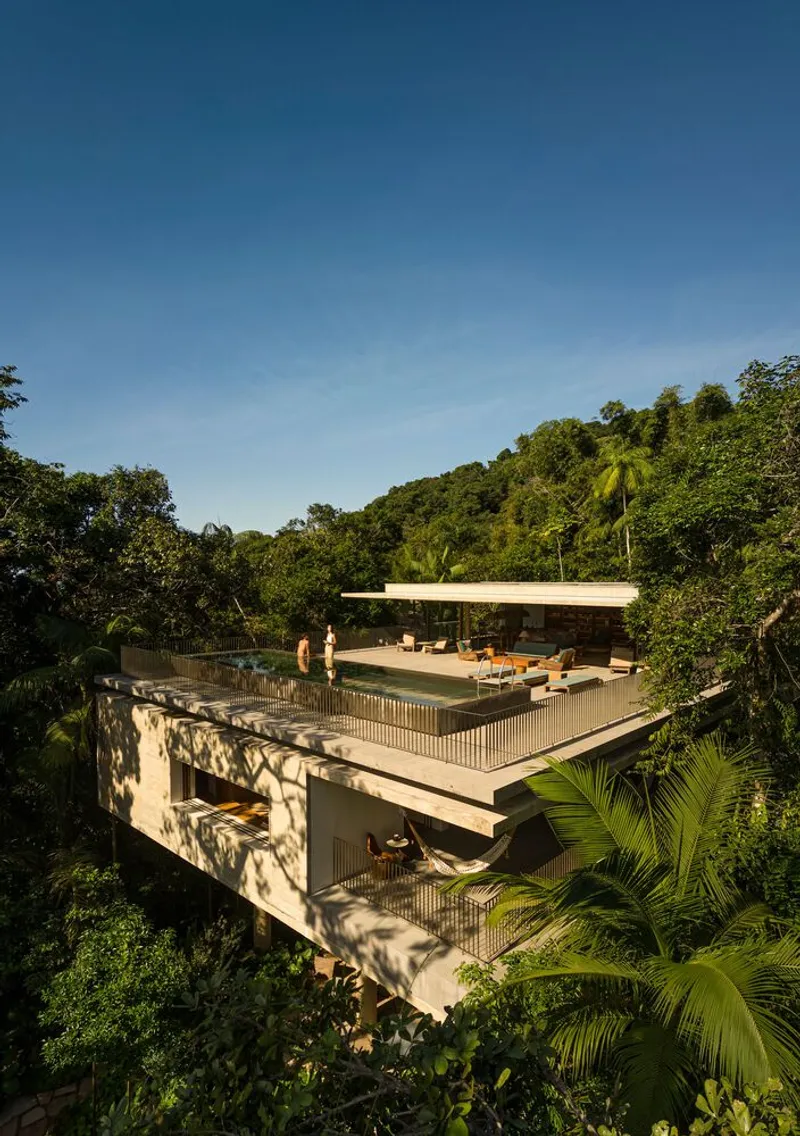
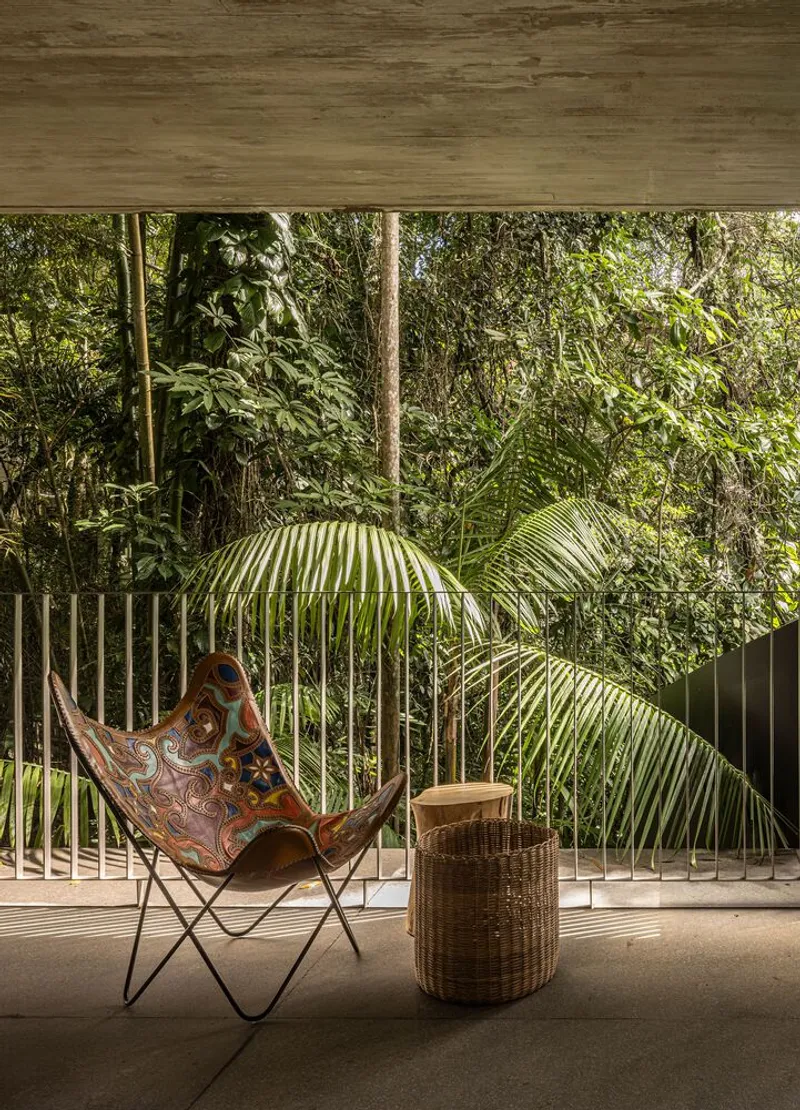
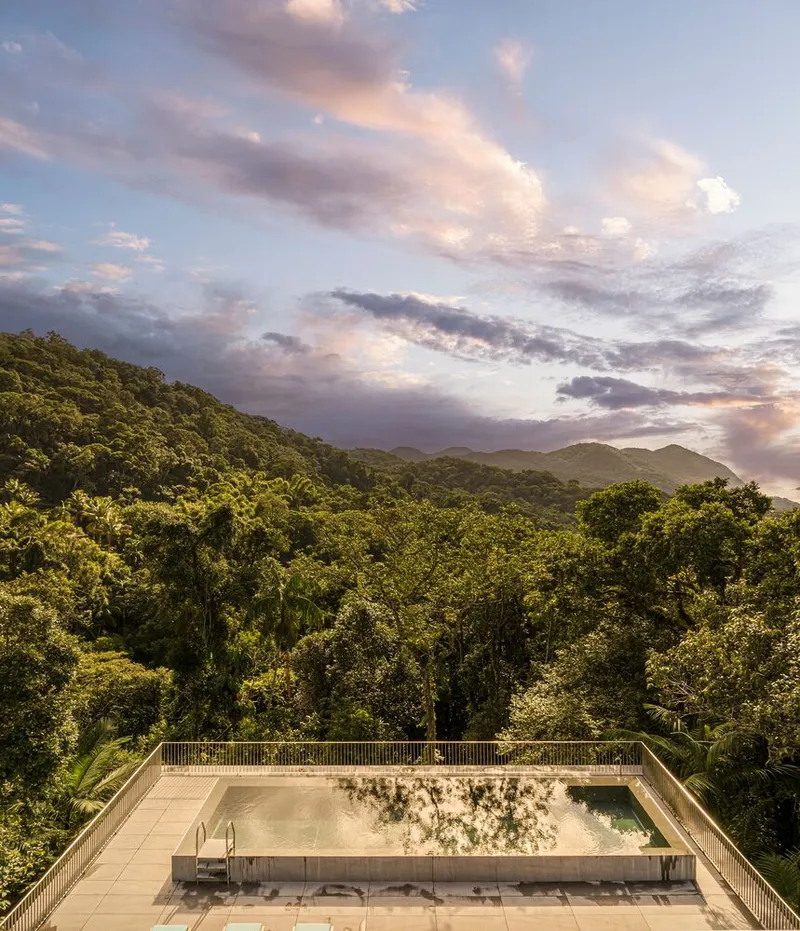
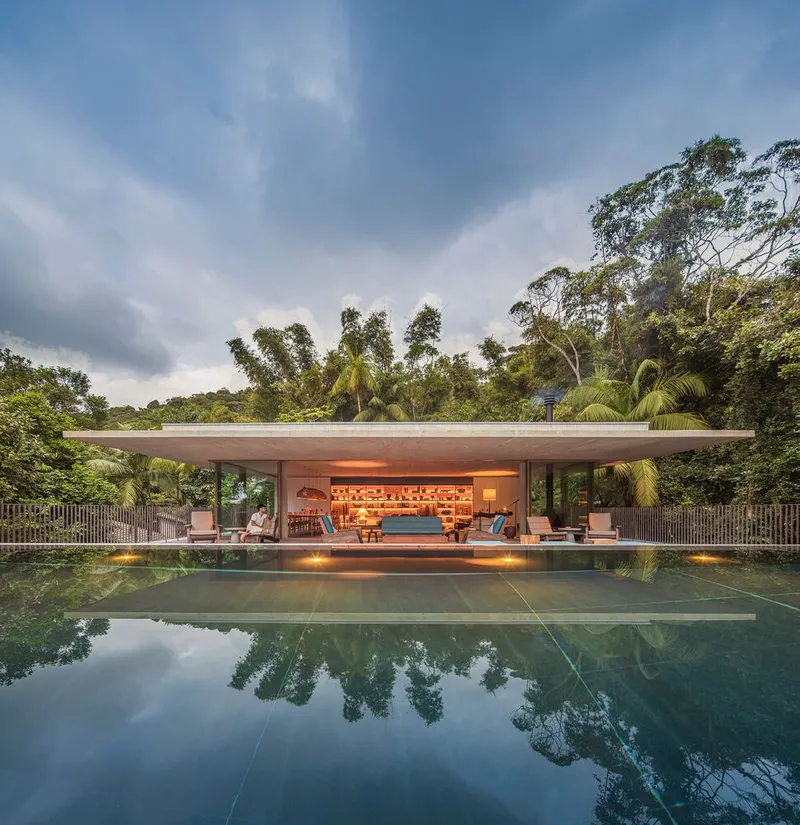
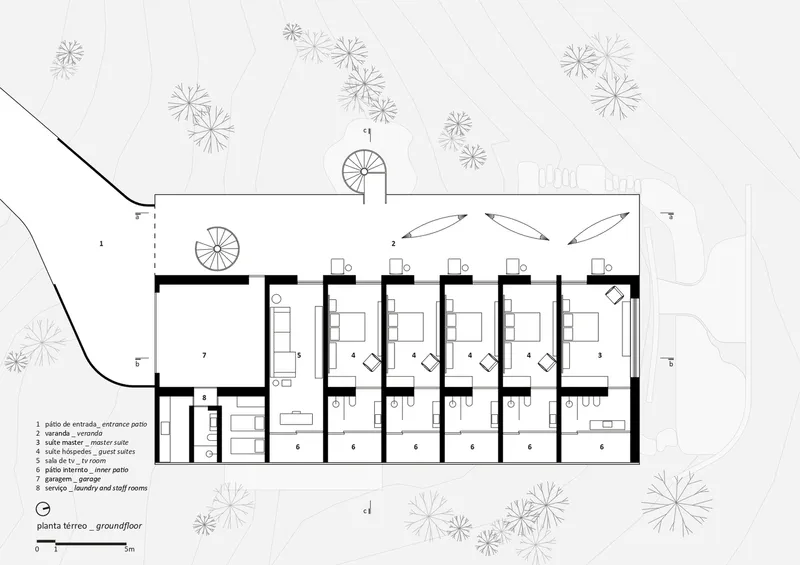
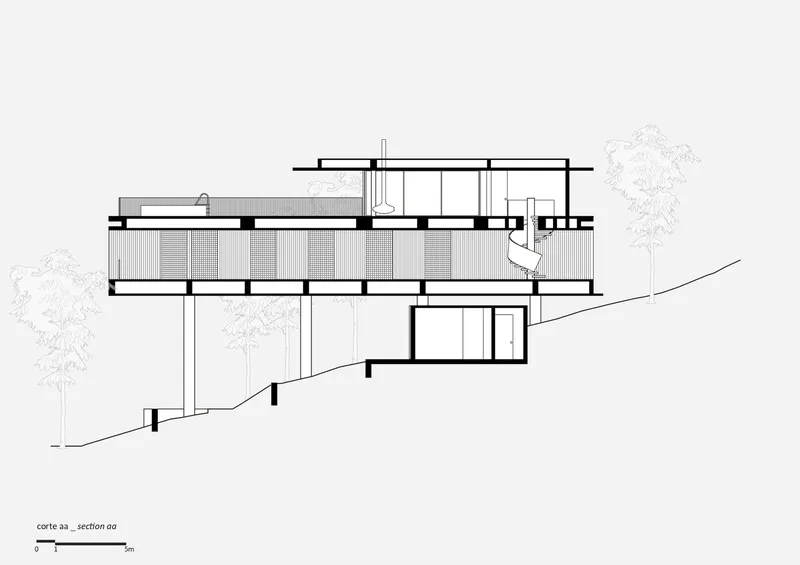
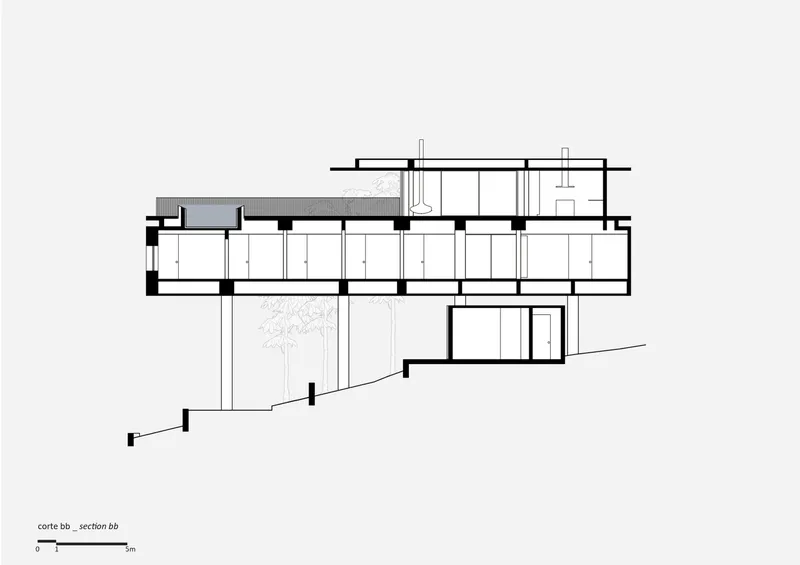
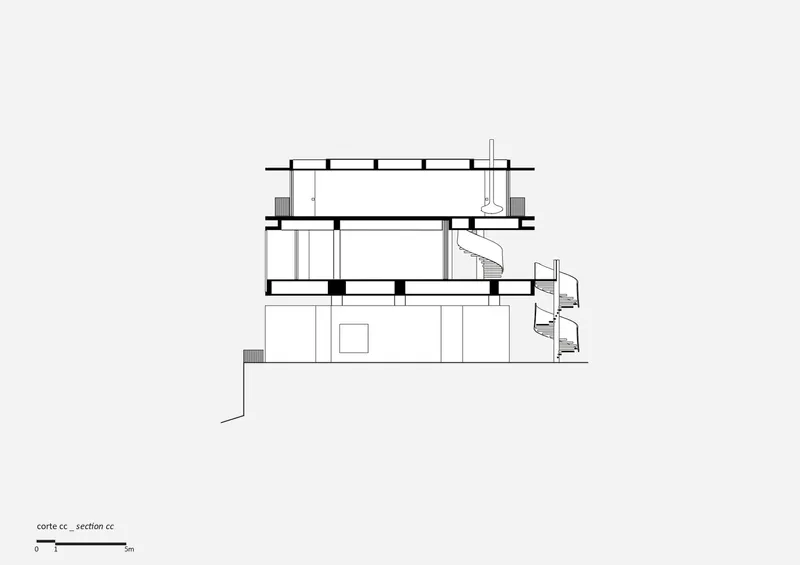
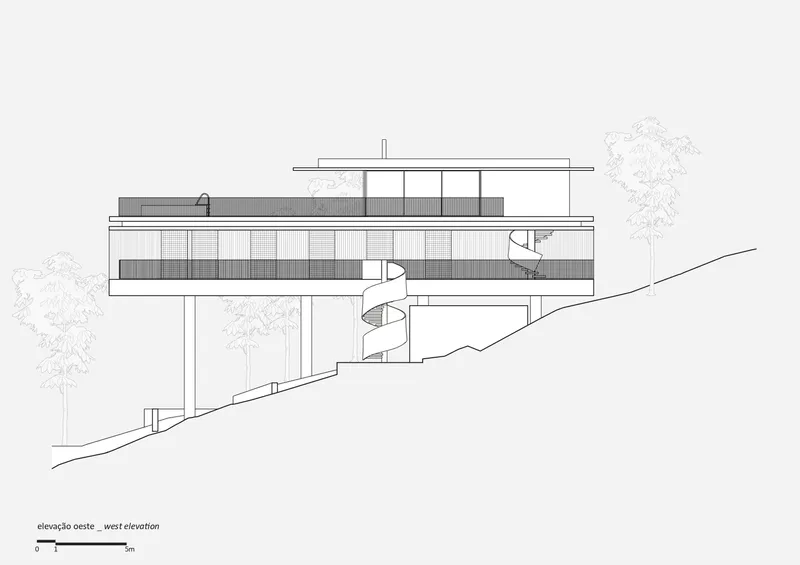
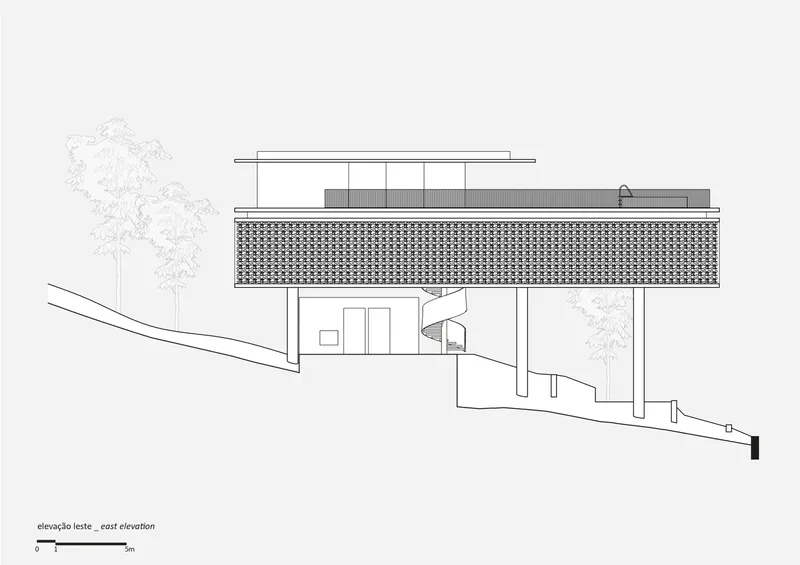
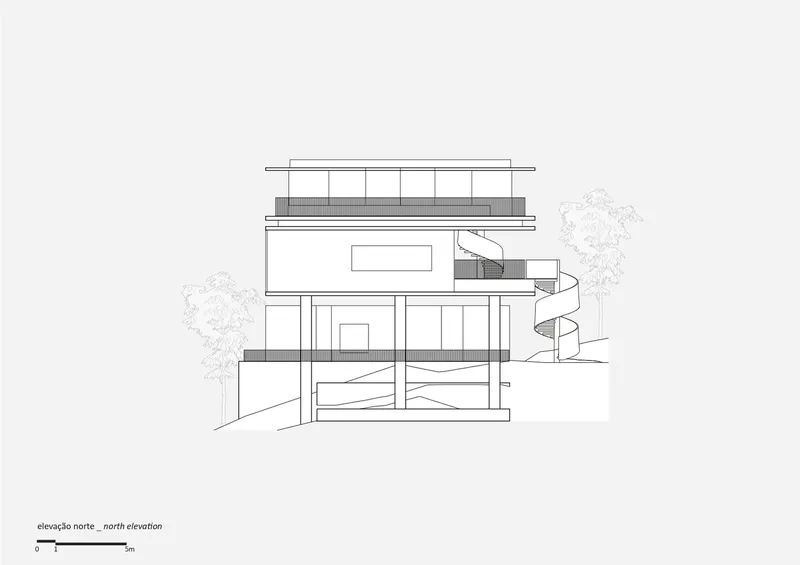
The Canopy House sits on a site defined by steep slopes and dense forest. The architects meticulously planned the positioning of the house to minimize disruption to the natural terrain and adhere to a strict construction footprint. Elevated on stilts, the house appears to float above the ground, creating minimal impact on the environment while allowing the forest floor to remain undisturbed.
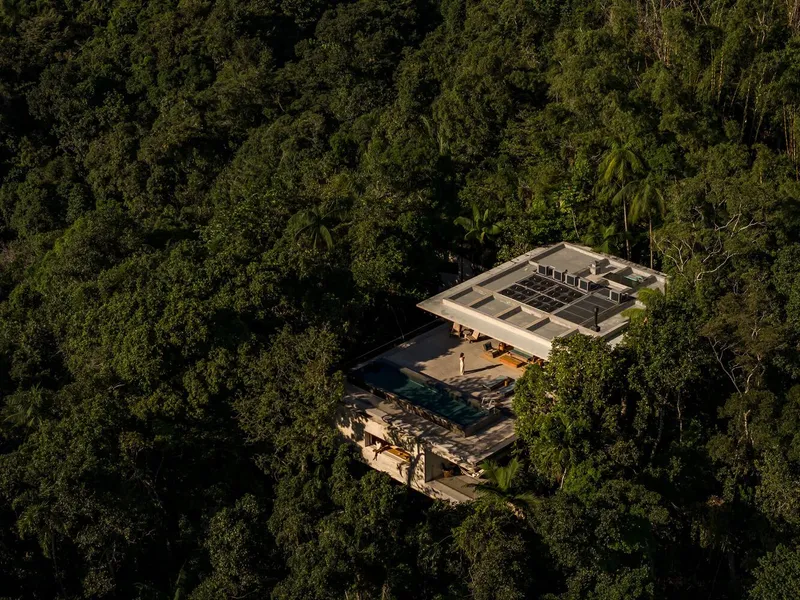
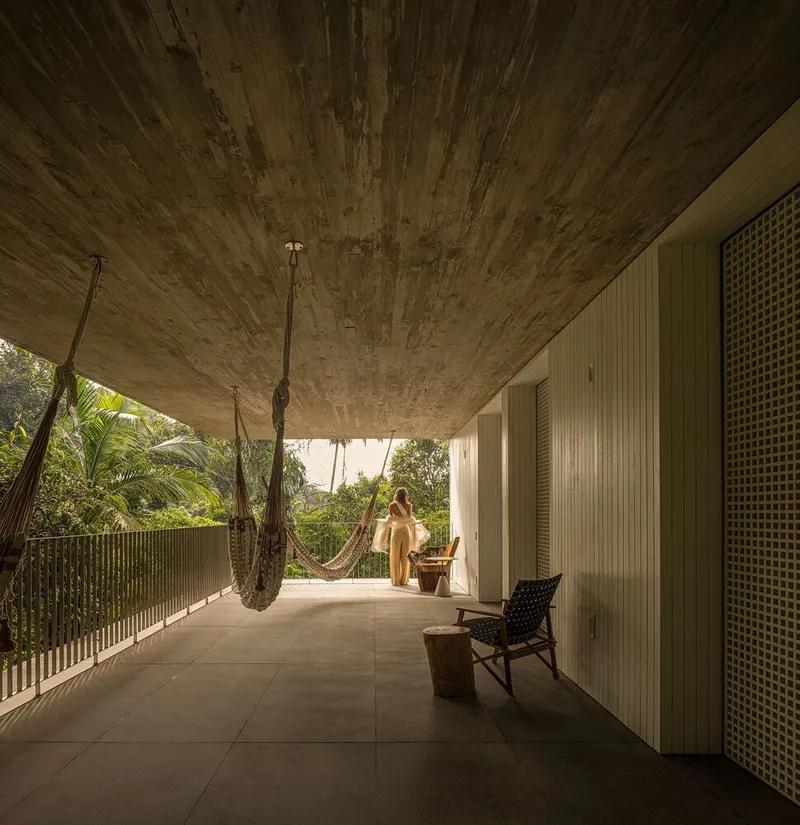
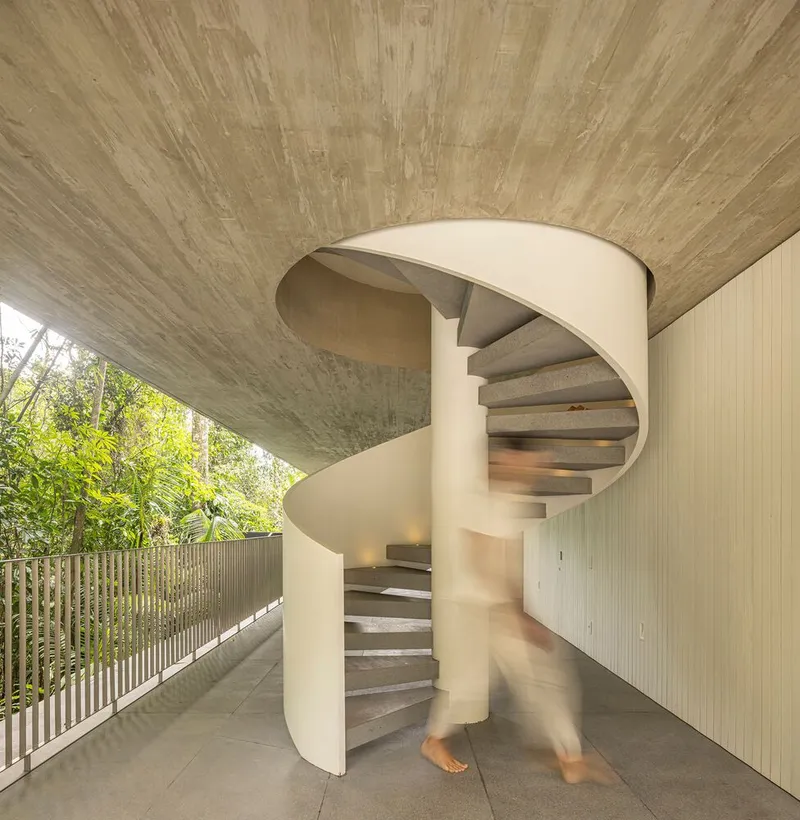
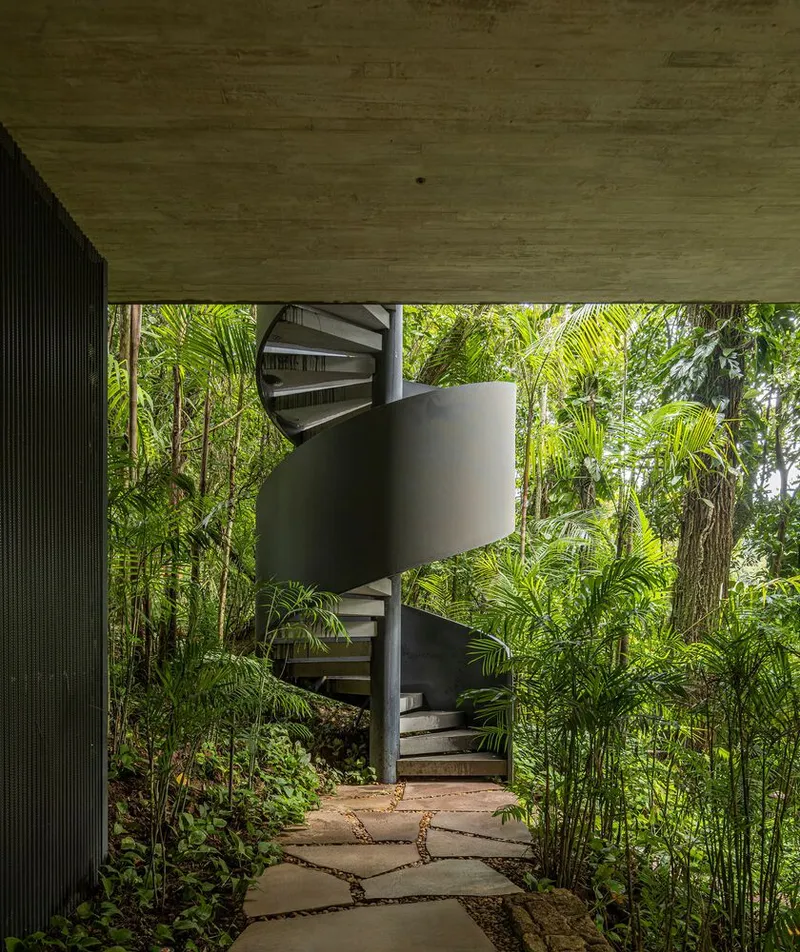
The residence is accessed via a striking spiral staircase, which connects the outdoor terrace to the bedroom level. This unconventional design choice embraces the natural elements, offering residents and visitors an intimate connection with the weather, breezes, and scents of the surrounding jungle. The experience of moving between spaces is enhanced by the open-air pathways that invite interaction with the forest.
Architectural Composition and Spatial Flow
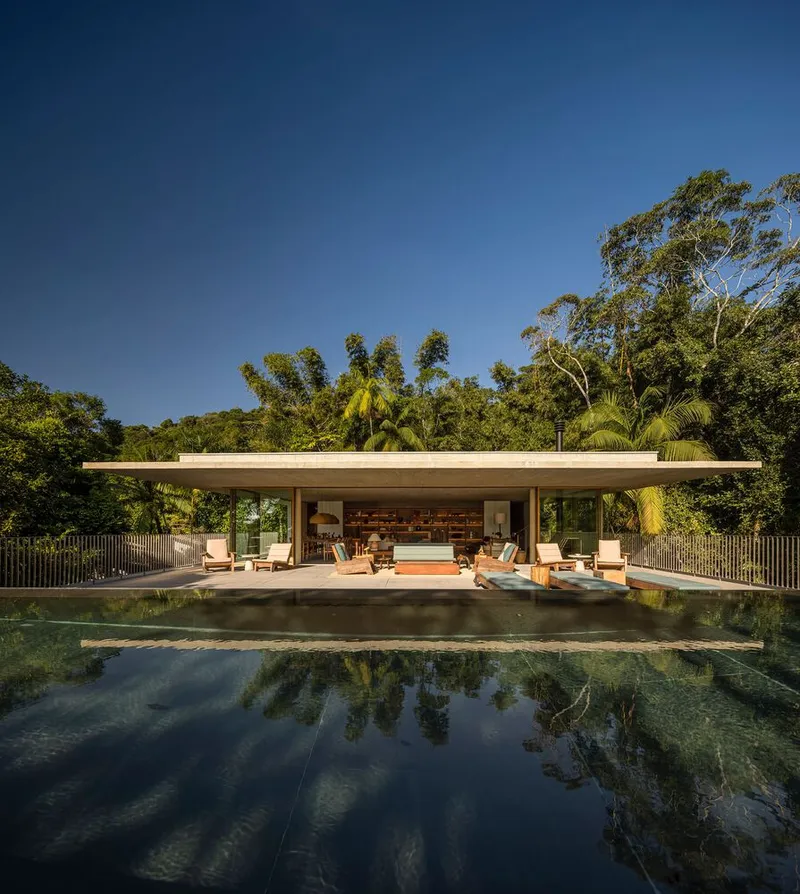
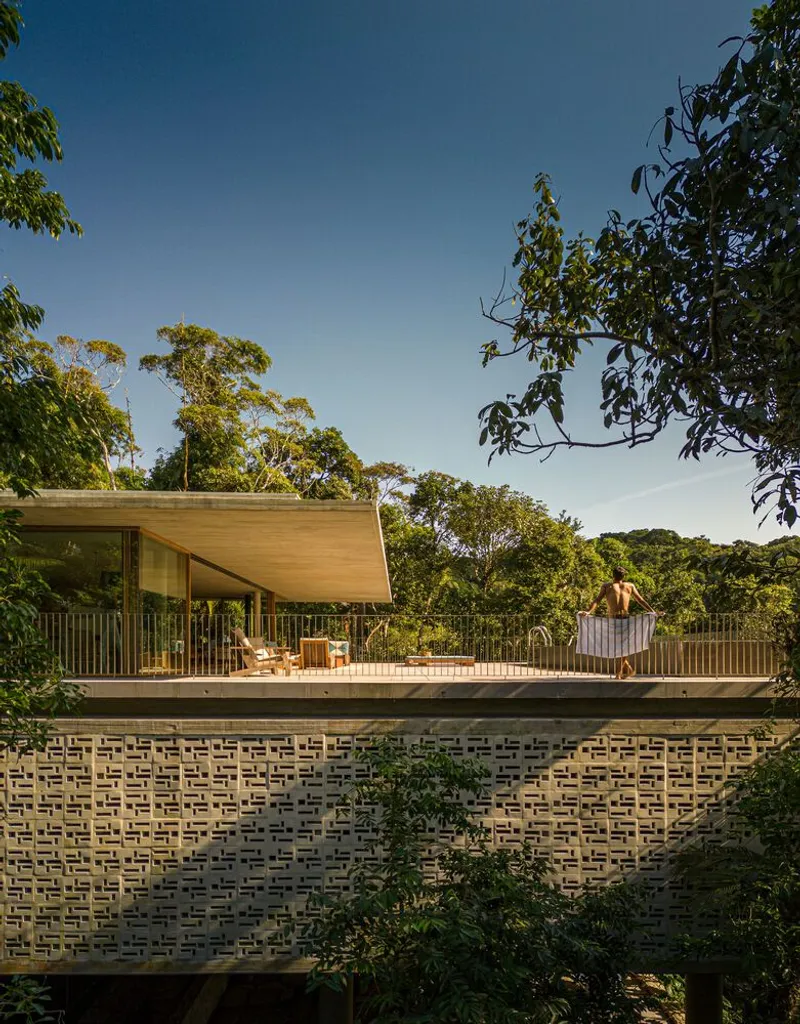
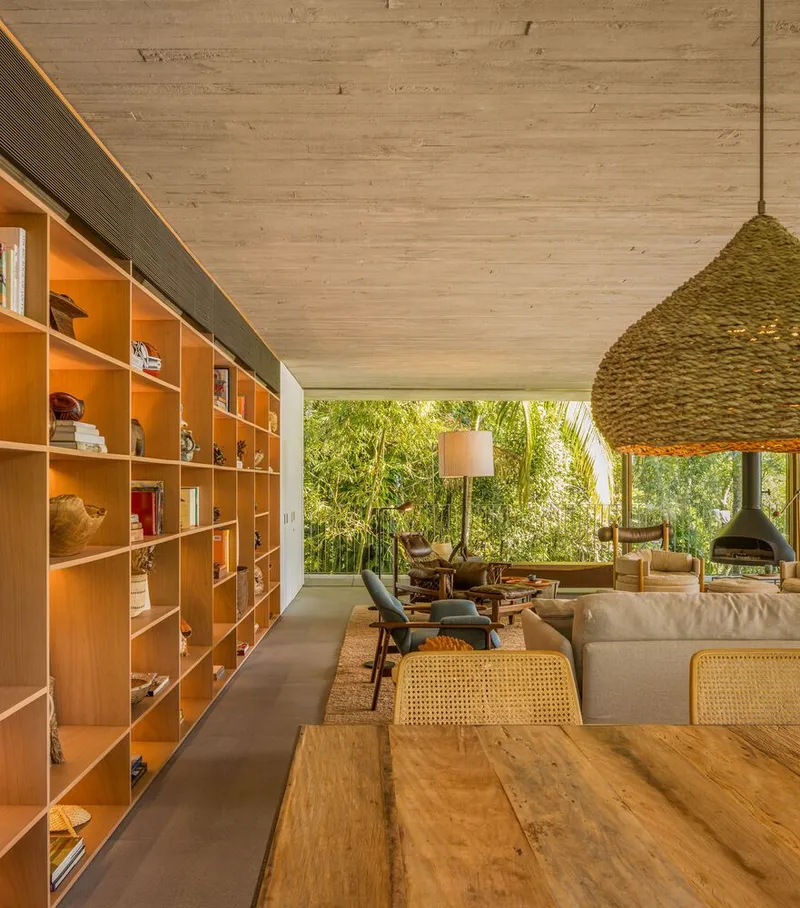
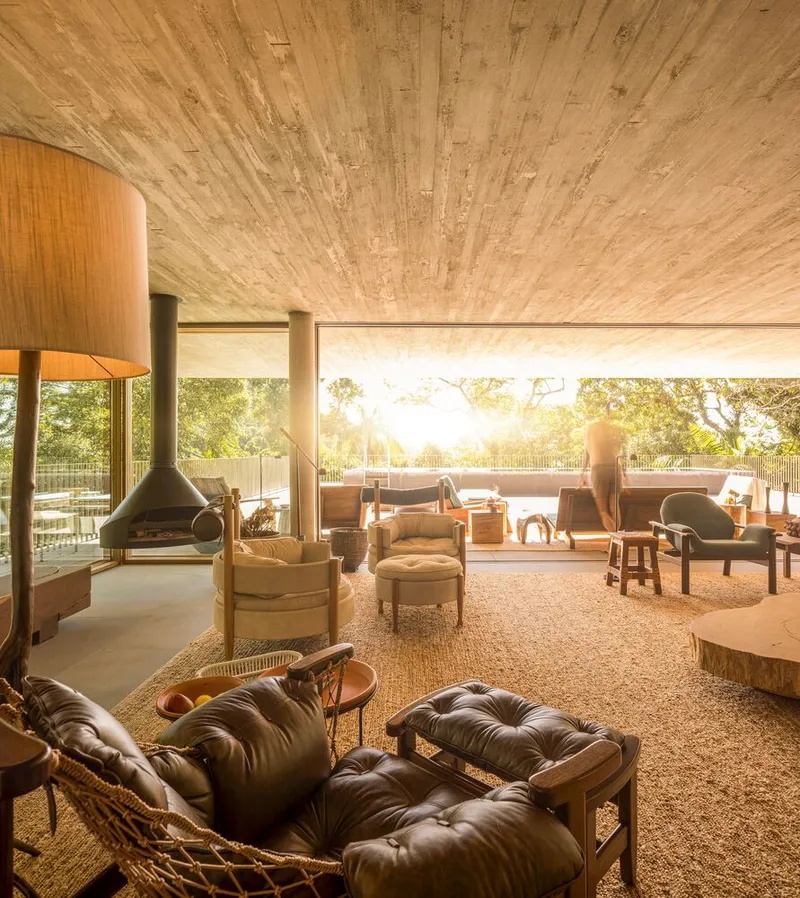
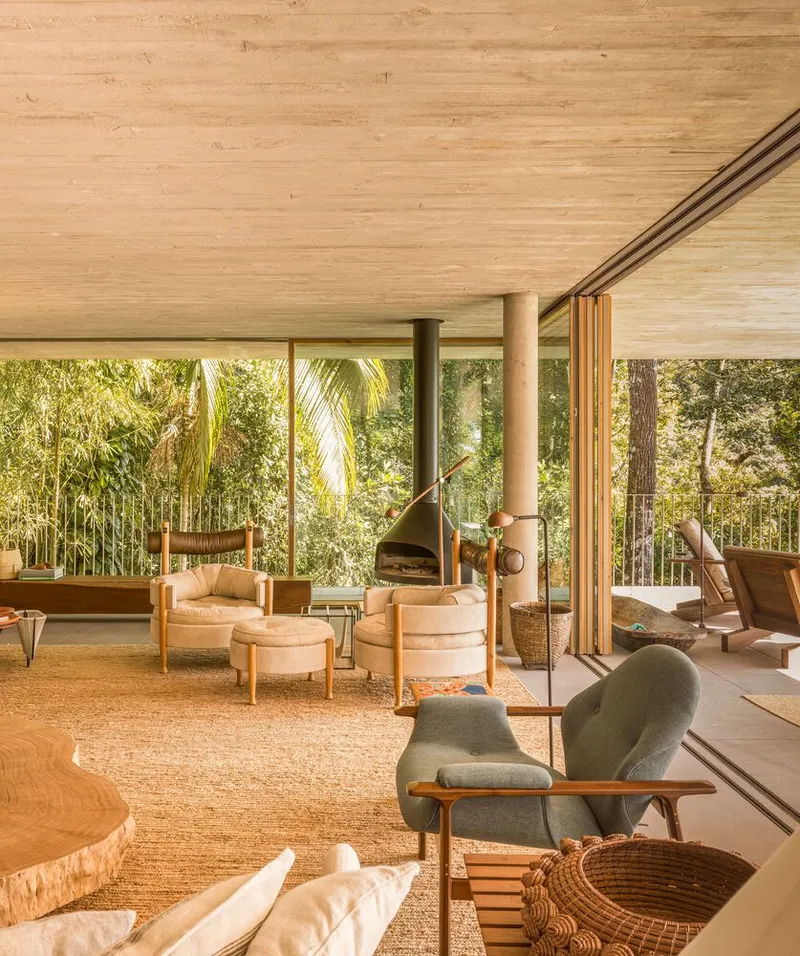
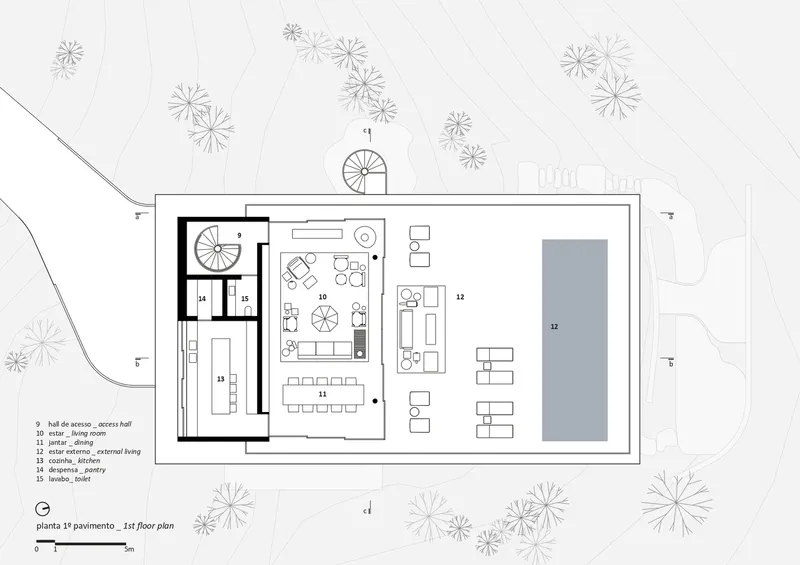
The house is conceived as a white prism elevated above the forest floor. Above this minimalist form lies an expansive platform that opens up to the treetops. This elevated living area is defined by a lightweight roof structure supported by slender columns. The walls are made of sliding glass panels, creating a seamless transition between indoor and outdoor spaces. The fluidity of these spaces fosters an immersive living experience, where the lines between architecture and nature are deliberately blurred.
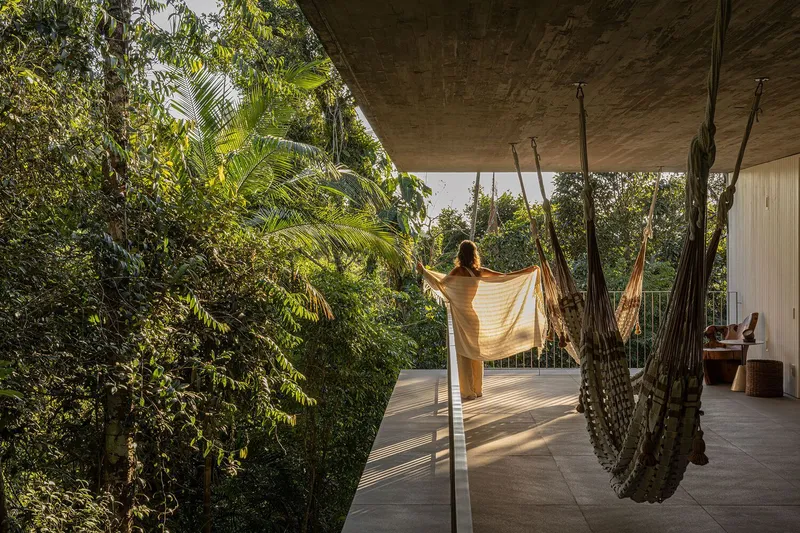
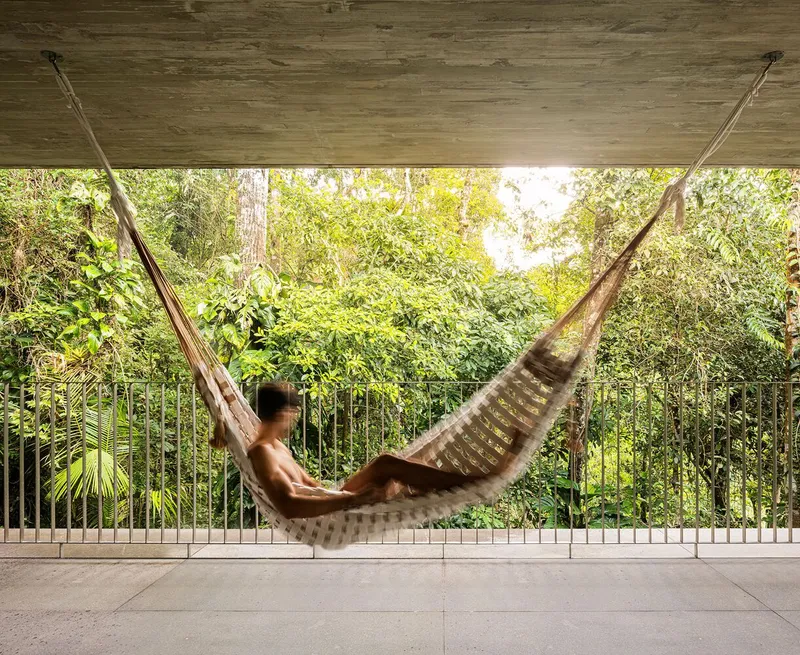
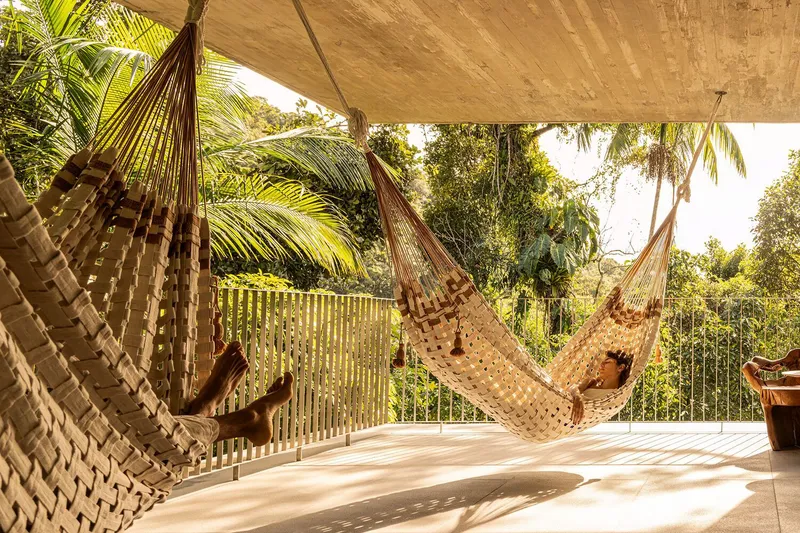
The upper platform serves as a living area that overlooks the forest canopy, allowing natural light and ventilation to permeate the space. This integration of architecture with nature embodies Studio MK27's commitment to designing spaces that celebrate their environment.
Cultural Identity in Interior Design
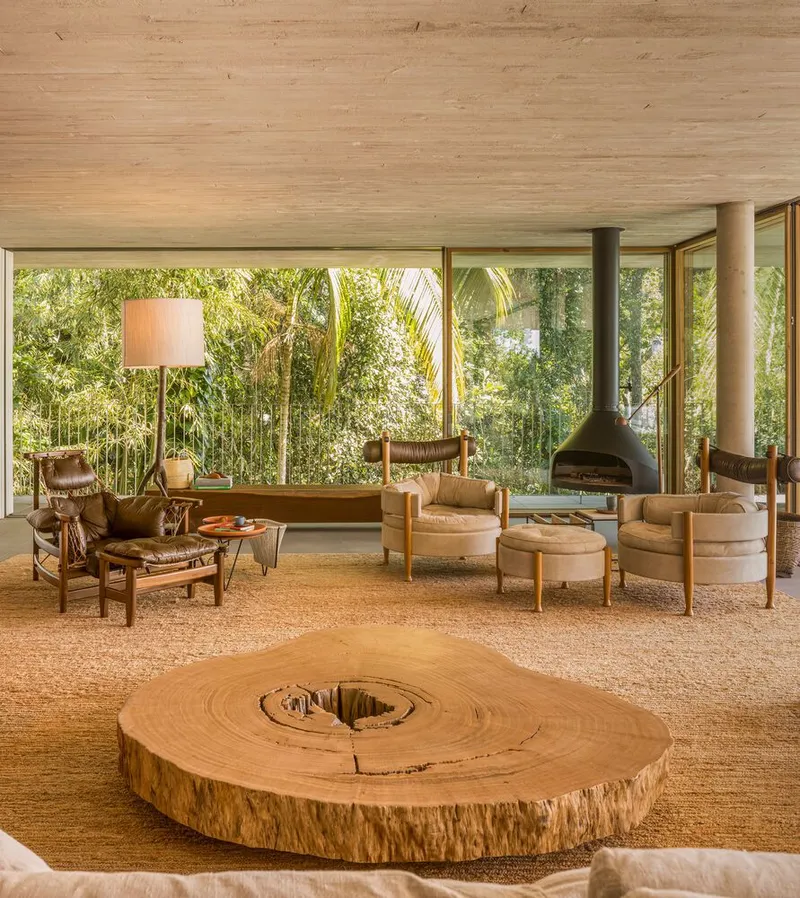
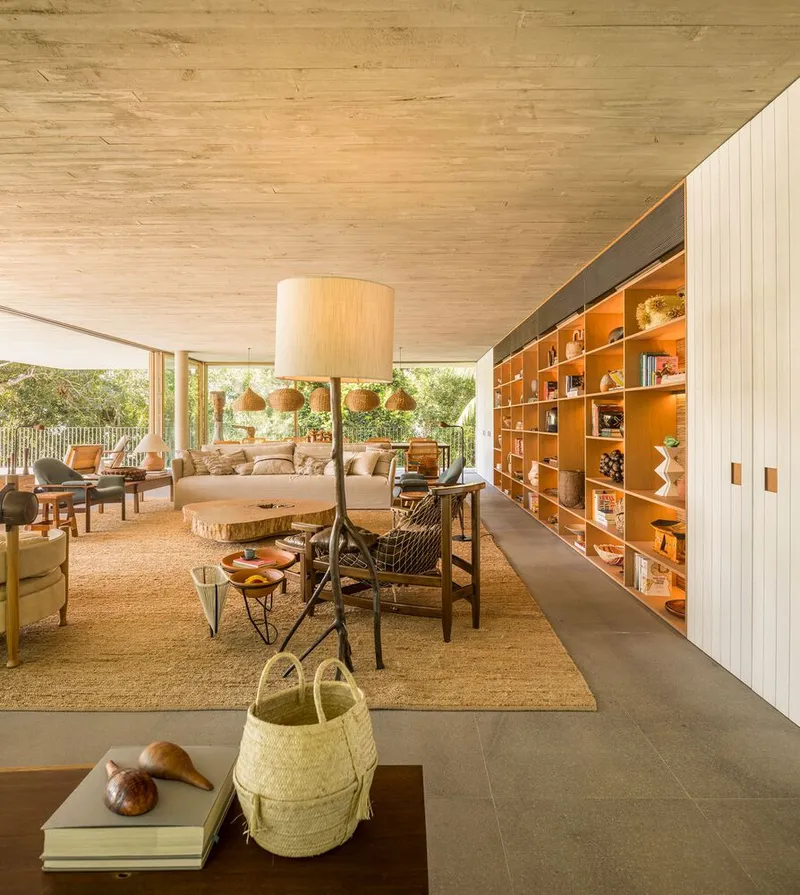
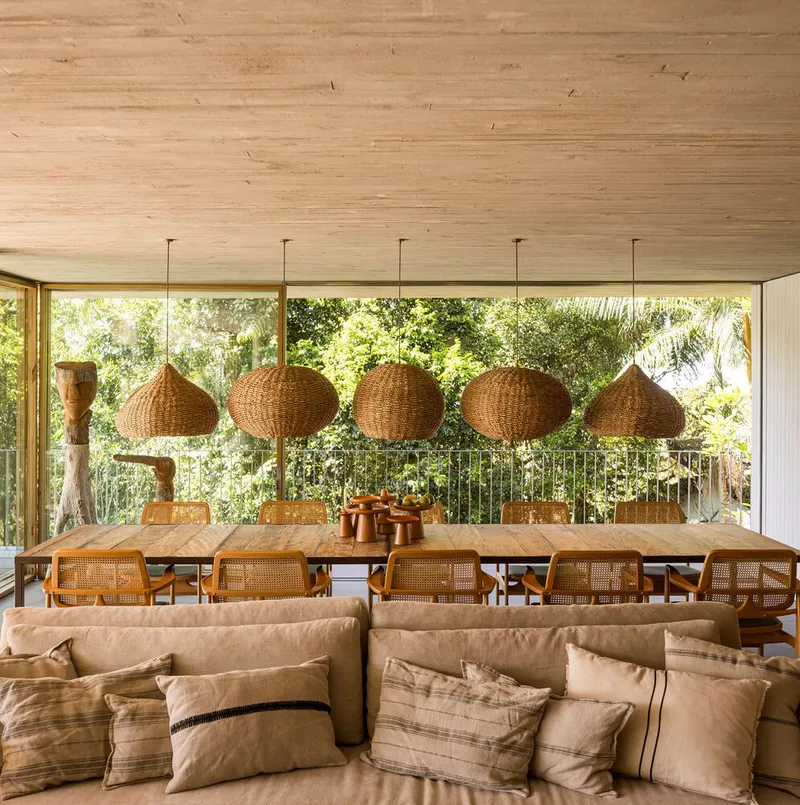
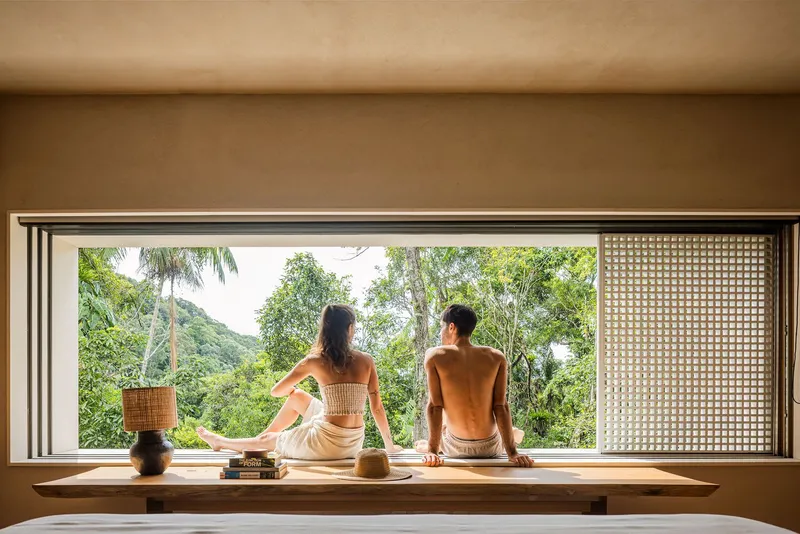
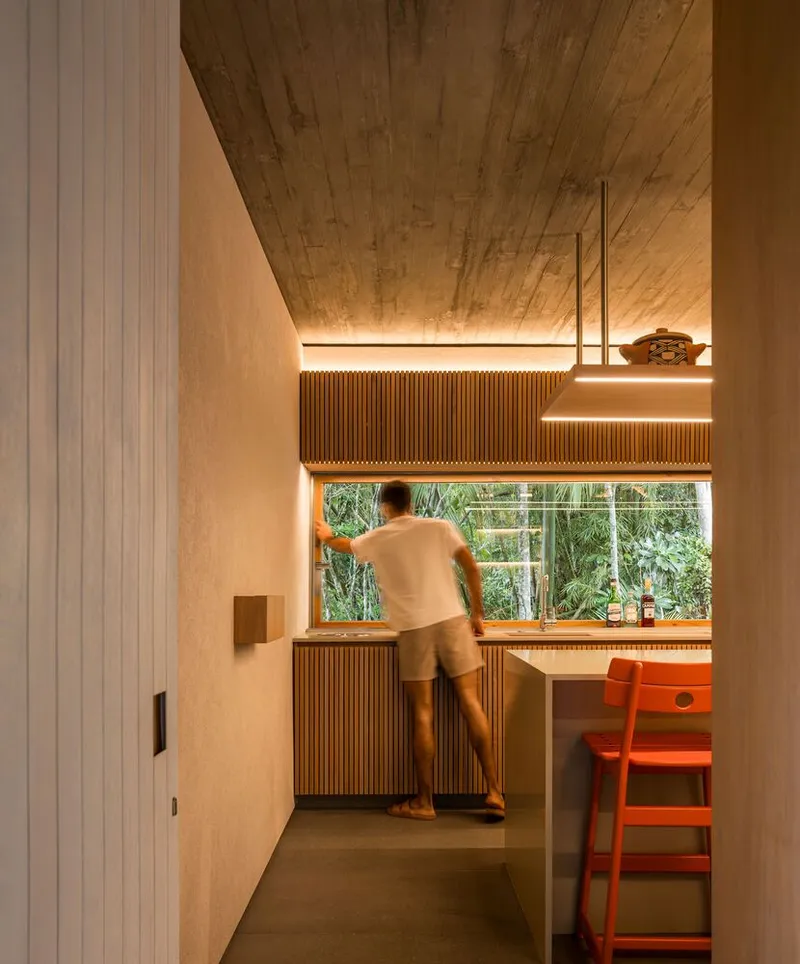
The interior design of the Canopy House is a homage to Brazilian culture, showcasing a blend of traditional craftsmanship, contemporary design, and natural materials. The house is a gallery of Brazilian artistry, with textures, furnishings, and decorative elements sourced from local artisans.
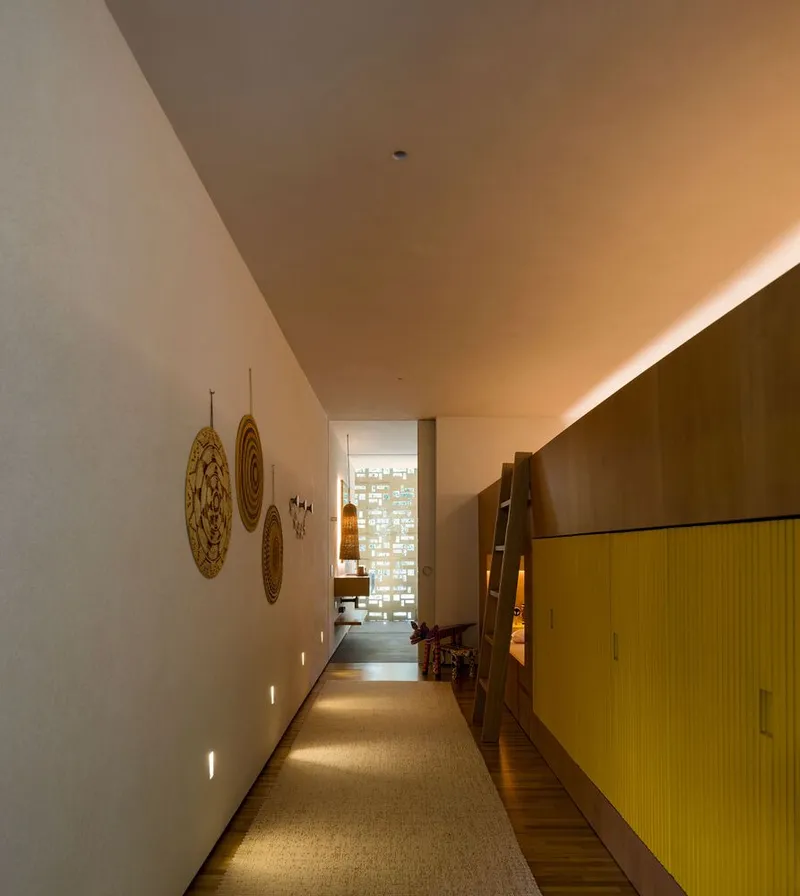
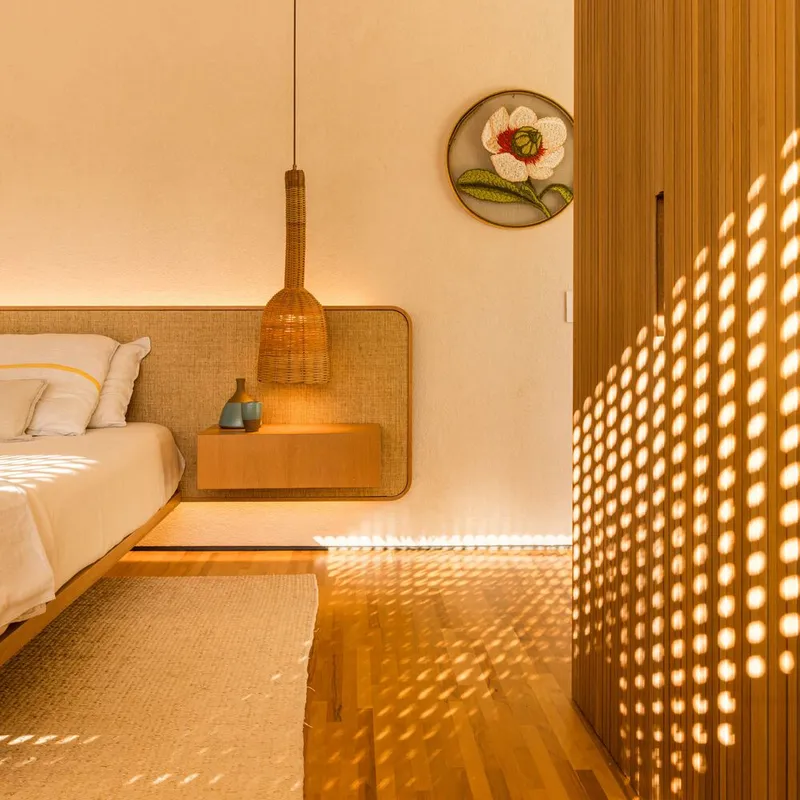
A standout feature of the interior is the cobogó, a perforated concrete block designed exclusively for the house. This element filters sunlight, creating dynamic shadow patterns that shift throughout the day. The interplay of light and shadow adds depth and texture to the interior spaces.
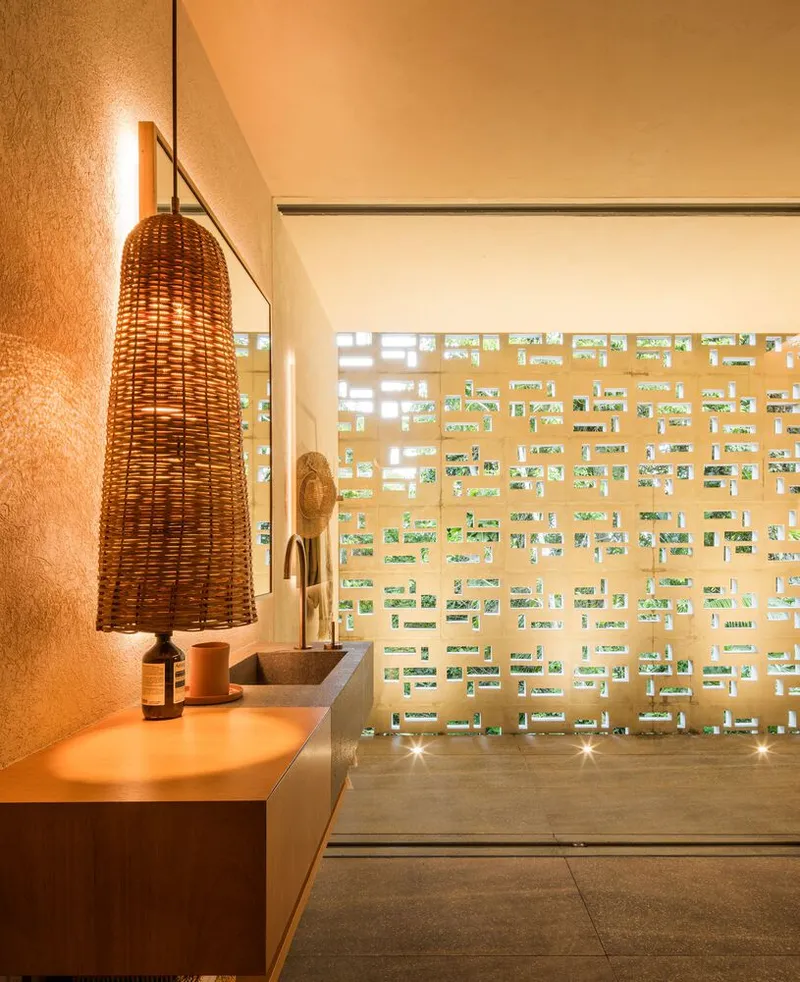
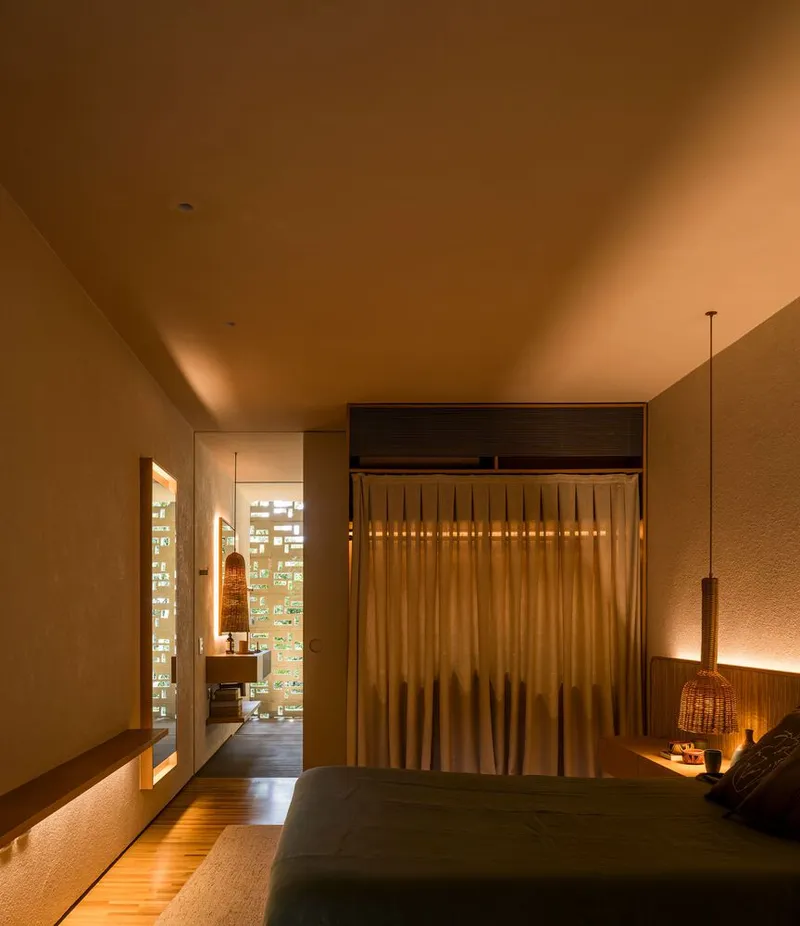
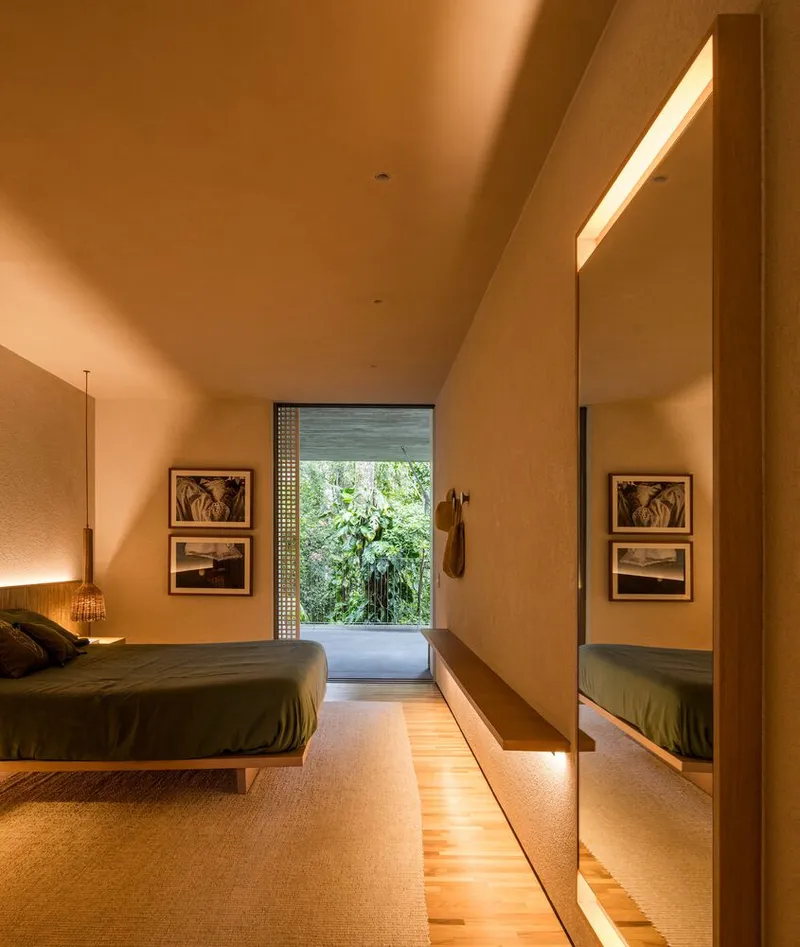
Natural materials such as straw, wood, and fabric are used extensively throughout the home. Handcrafted straw pendants by Israel Piaçava, wooden coffee tables by Pedro Petry, and sculptures by José Bezerra enrich the space with authenticity and warmth. Furniture pieces like the Vivi armchair by Sergio Rodrigues further celebrate Brazil's rich design legacy.
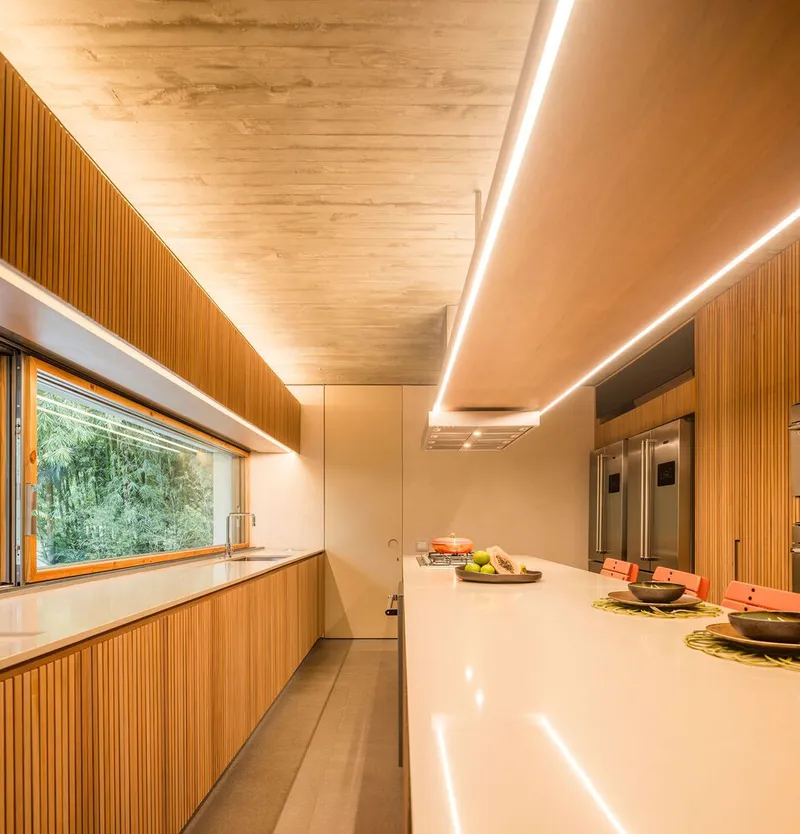
A Sensory Experience in Nature
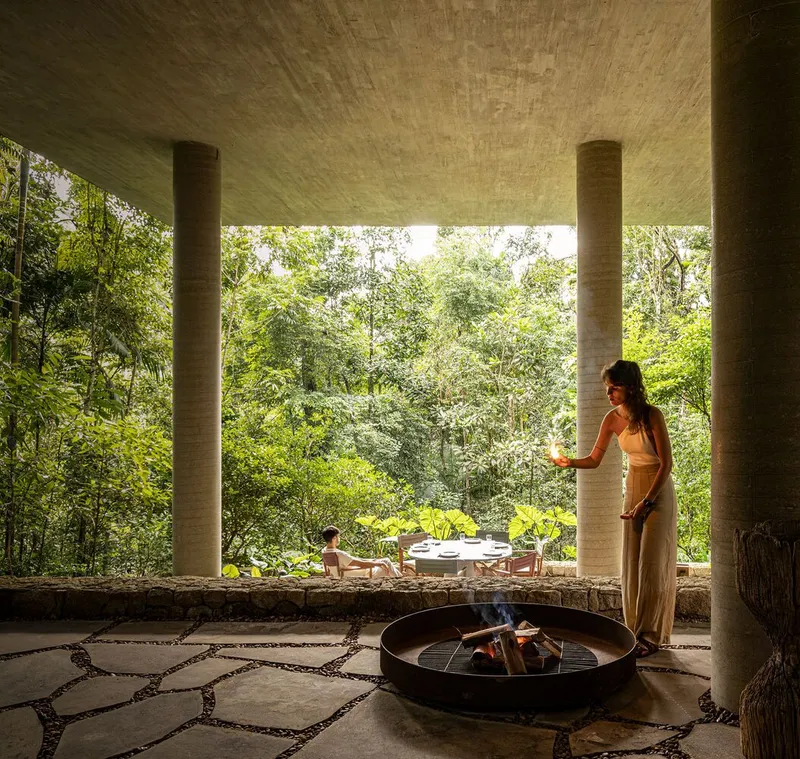
The design of the Canopy House offers an unparalleled sensory experience. The open-air transitions between spaces, the subtle movement of shadows cast by the cobogó, and the natural ventilation of the elevated living platform combine to create a home that is in constant dialogue with its surroundings. The house invites residents to engage with the sounds, sights, and smells of the tropical forest, fostering a profound connection to the natural world.
Sustainable Harmony with the Environment
The Canopy House is not just an aesthetic achievement but also an environmentally conscious one. By elevating the structure on stilts, the architects preserved the forest floor and minimized the building's ecological footprint. The design emphasizes the use of locally sourced materials and craftsmanship, reinforcing its sustainability credentials.
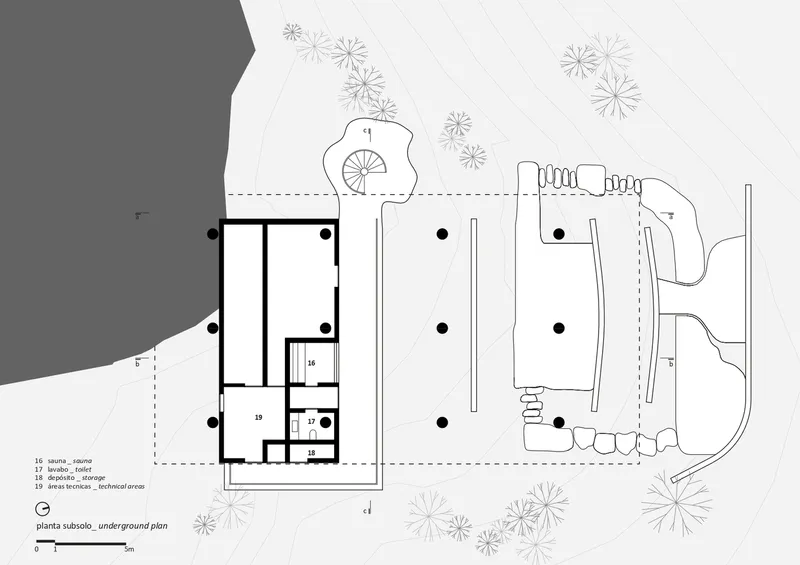
The Canopy House by Studio MK27 is a masterful blend of modern architecture, Brazilian cultural identity, and environmental sensitivity. It stands as a beacon of sustainable, context-driven design, offering a living experience that is deeply rooted in nature and cultural heritage. This house is more than just a residence; it is an exploration of how architecture can celebrate and coexist with its environment.
All Photographs are work of Fernando Guerra | FG+SG



Popular Articles
Popular articles from the community


The Musturak Paradise: Senior Living Architecture for a Connected Future in Temara, Morocco
The Musturak Paradise reimagines senior living architecture in Temara via private homes, social spaces, culture, community, and shared care.

Riyadh For All: Intergenerational Urban Design for Active Aging in Rabat
Riyadh For All reimagines urban design in Rabat with intergenerational co-living, adaptive courtyards, and Moroccan cultural exchange today.

Lunar Spiral: Space Architecture Shaped by the Mathematics of the Universe
Lunar Spiral reimagines space architecture through Fibonacci geometry, lunar regolith, levitating habitats, and self-sustaining Moon living.

Hill & Cross Opera: Sculptural Opera House Architecture Shaped by Tallinn’s Landscape and Identity
Hill & Cross Opera reimagines opera house architecture in Tallinn through its sculptural hill, civic plaza, glass wave and a luminous cross.


Similar Reads
You might also enjoy these articles


Hodi-Mandai Geram
Project Function: Preservation and revitalization of the Intangible heritage and socio-spatial identity of the Hodi by Housing, Cultural Memory Center, Sacred Grove, landscape, local tourism economy


Olio Towers: A Mid-Rise for Performers That Fuses Housing, Rehearsal, and Stage
Located blocks from Houston's Theater District, this modular tower stacks living units around a central performance atrium.

Oasis: Modular Green Housing Carved into Dhaka's Urban Fabric
A shortlisted Plugin Housing entry reclaims unauthorized settlements in Dhaka with stepped concrete volumes, green roofs, and ventilation-driven design.

Black Hole: A Floating Megastructure for the Post-Physical Era
Emiliano Mazzarotto envisions a spherical, self-scaling arena where e-sports, digital hotels, and holographic stadiums replace traditional public space.


Explore Canopy Competitions
Discover active competitions in this discipline



Challenge to reimagine the Iron Throne


Photograph architecture without architects


Illustrate the lost glory of Angkor Wat - Render Challenge


Design challenge to reuse E-waste
Comments (0)
Please login or sign up to add comments
No comments yet. Be the first to comment!