
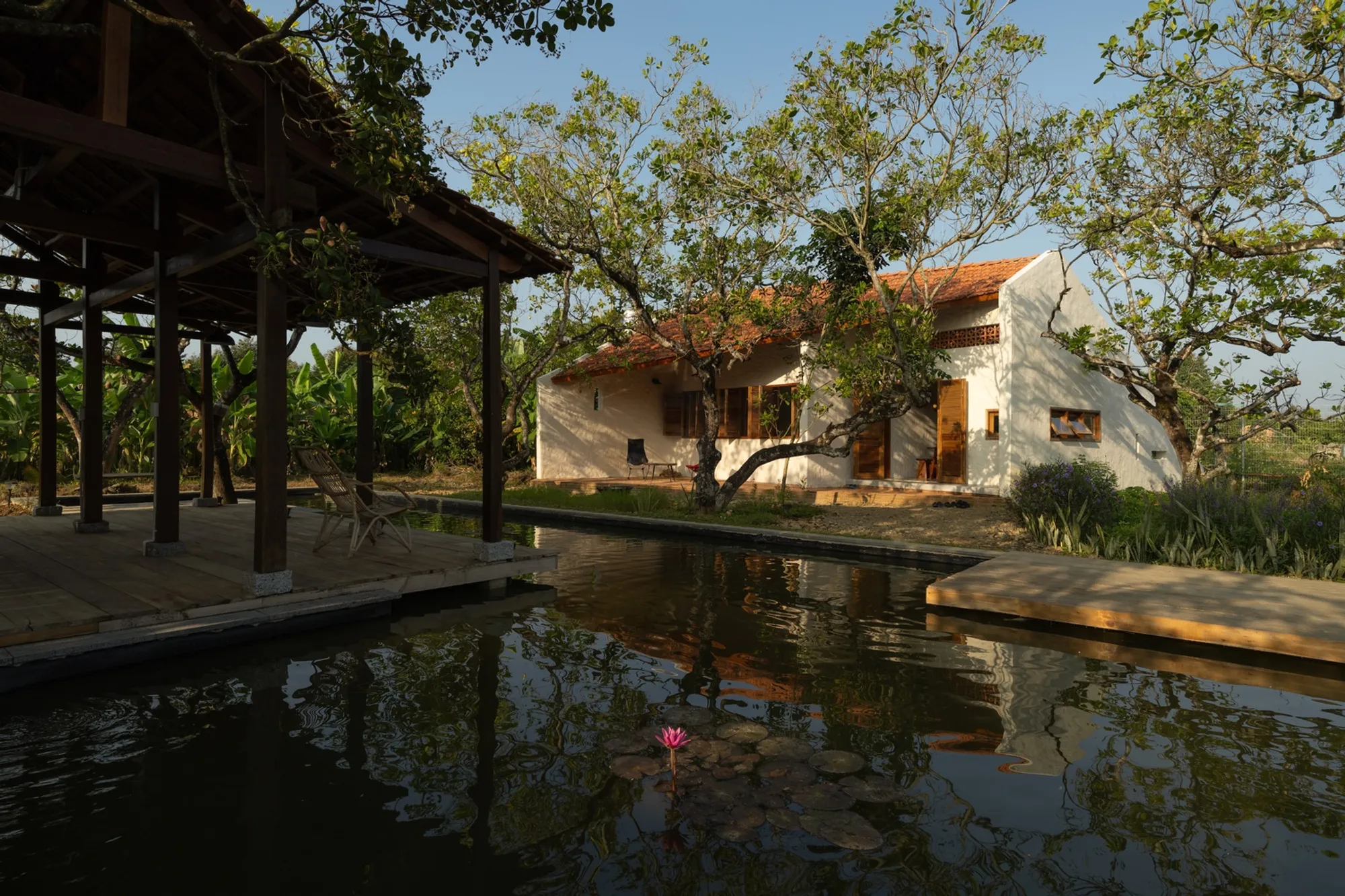
Cashew Garden House Vietnam – A Sustainable Retreat by G+ Architects
A sustainable retreat in Vietnam, Cashew Garden House by G+ Architects preserves cashew trees, uses reclaimed materials, and blends with nature.


Introduction to Cashew Garden House
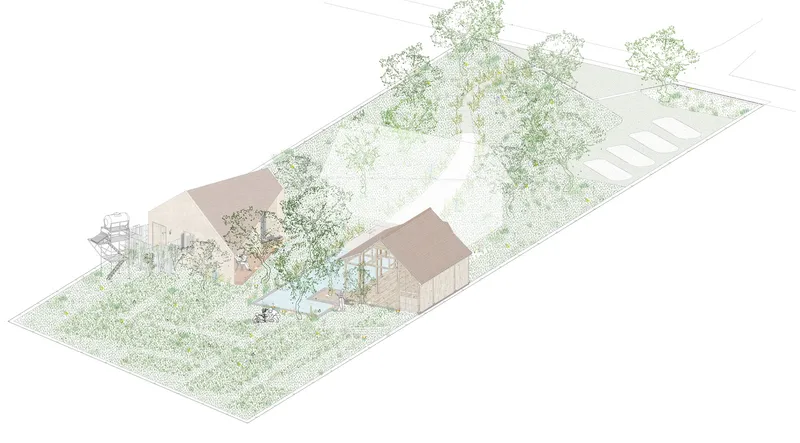
The Cashew Garden House, designed by G+ Architects, is a serene retreat and small-scale homestay on the edge of Nam Cát Tiên National Park, Vietnam. Built in 2024, the project embraces a sensitive architectural approach to preserve 26 mature cashew trees that originally occupied the 1000 m² site. The design showcases how architecture can harmonize with its natural environment, prioritizing minimal impact and sustainable material use while creating a warm, livable home.
Site Context and Design Approach
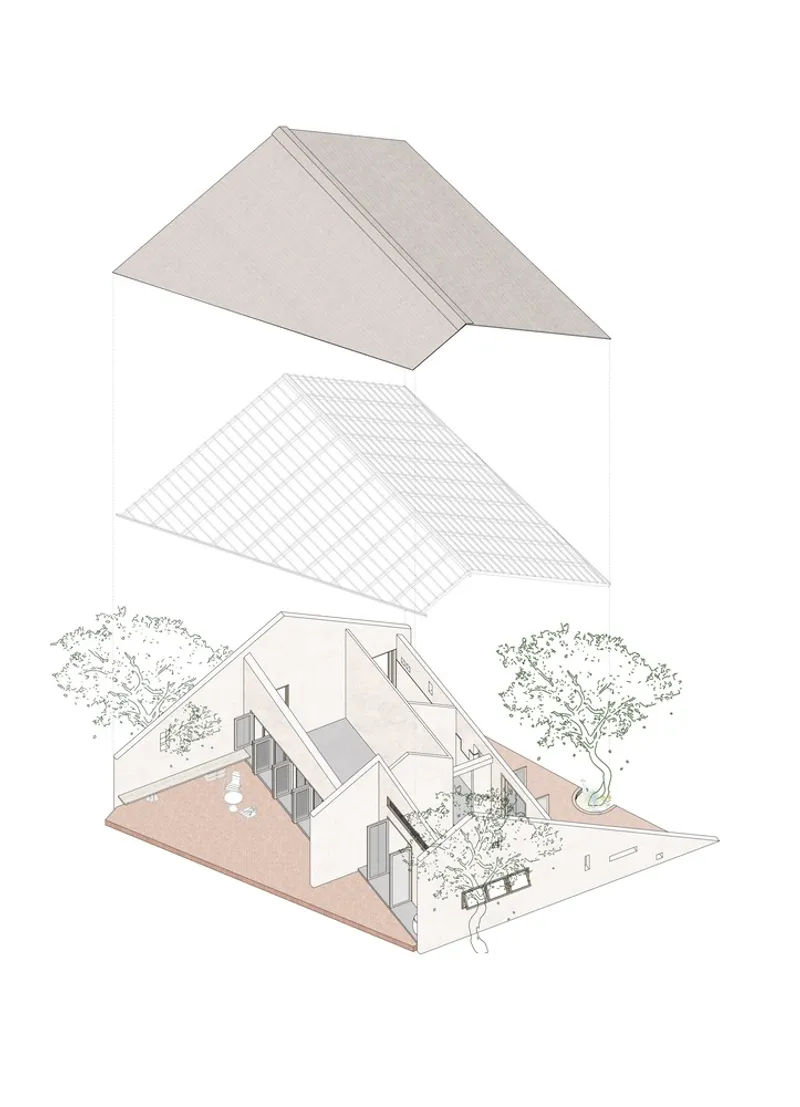
Located in southern Vietnam, the Cashew Garden House integrates seamlessly with the lush tropical landscape of Nam Cát Tiên. The design process began with the primary requirement to protect every existing tree. On-site surveys and a 1:1 scale mock-up were used to refine the layout, ensuring that the construction did not disturb root systems while allowing for functional circulation.
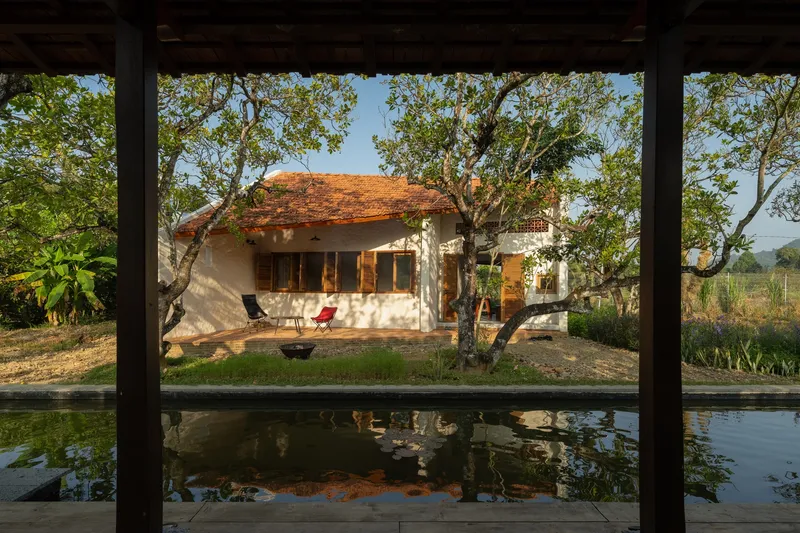
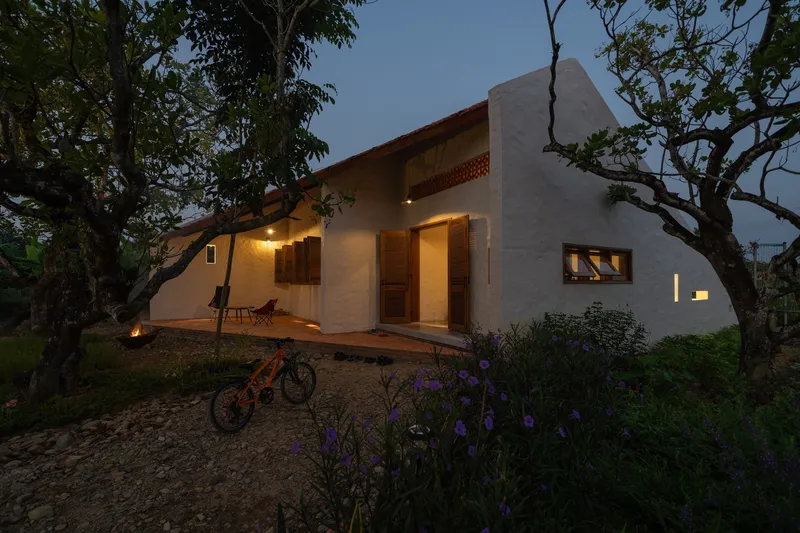
The resulting architectural form consists of sloped roofs, staggered wall heights, and open verandas oriented to the microclimate. Eastern verandas are elevated to welcome the soft morning light, while western facades are shaded by the dense tree canopy to reduce solar heat gain.
Sustainable Features and Climate Response
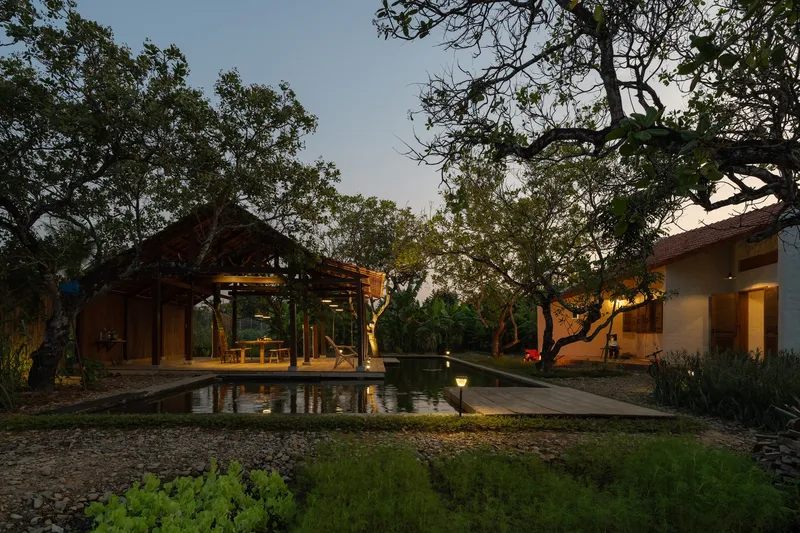
A central pond functions as a natural cooling system, regulating indoor temperatures, enhancing biodiversity, and visually connecting different building volumes. This water element, combined with strategic openings and shaded verandas, creates a naturally ventilated environment that reduces reliance on mechanical cooling systems.
Materiality and Construction Techniques
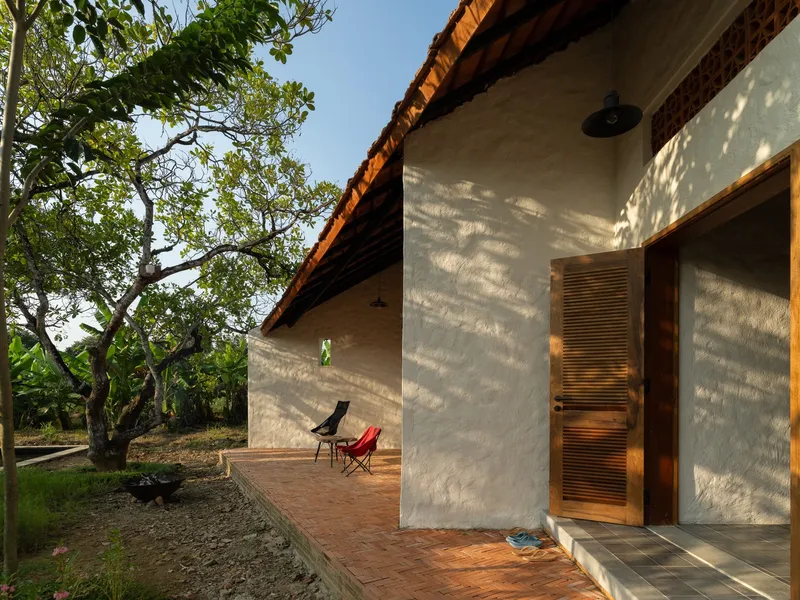
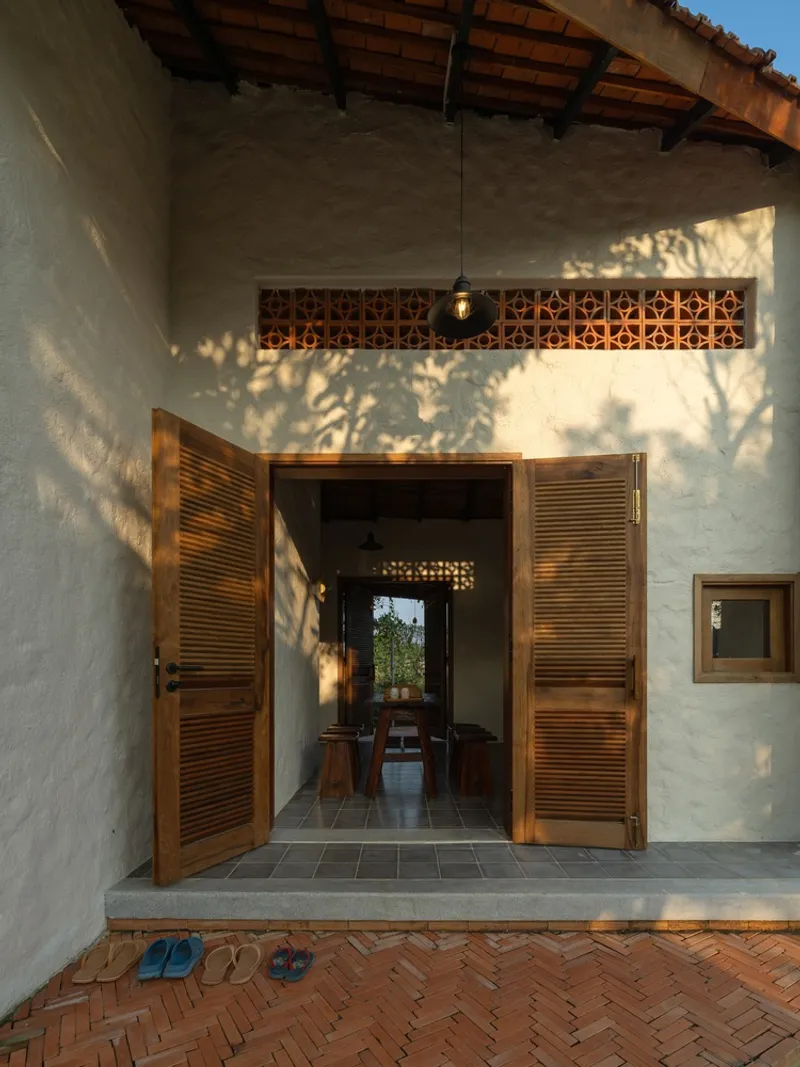
The Cashew Garden House Vietnam highlights the reuse of local materials, including reclaimed wood, clay tiles, unfinished plaster, and natural stone. These choices not only minimize environmental impact but also blend seamlessly with the surrounding landscape. Construction was carried out by local laborers, with physical models replacing conventional drawings to ensure precision and cultural alignment. A master carpenter from Binh Thuan province skillfully crafted the wooden elements, maintaining the authenticity and tactile quality of each reused component.
Interior Spaces and Adaptive Design
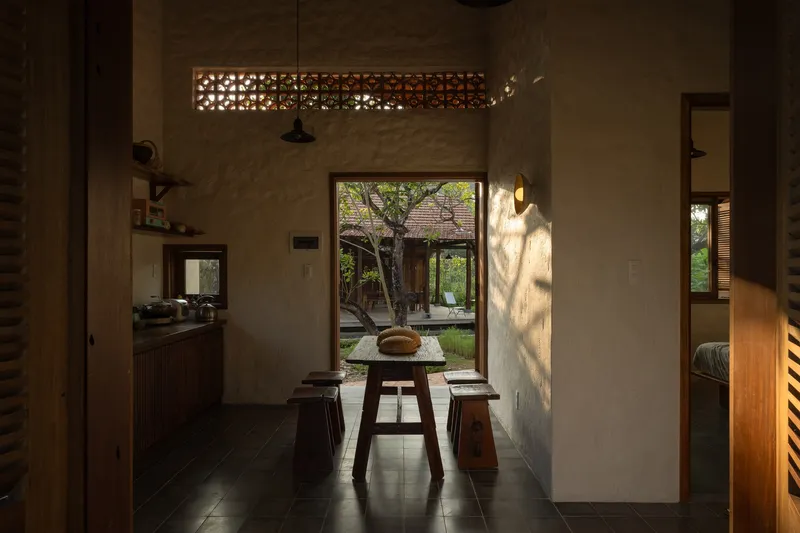
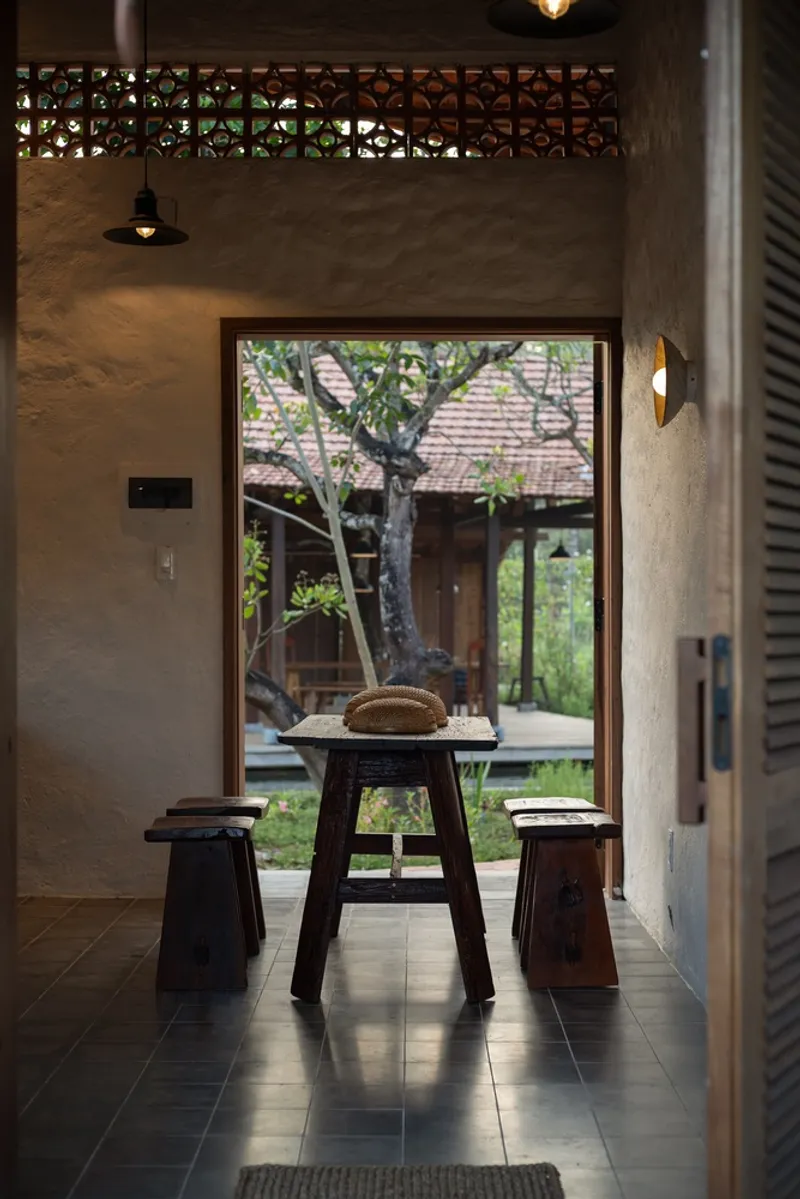
The interiors of the Cashew Garden House are designed for comfort and connection to nature. An existing structural frame was repurposed to create the kitchen and dining area, reducing the need for new materials. Warm wood finishes, exposed beams, and minimalistic detailing emphasize the rustic charm and allow natural light to fill the spaces.
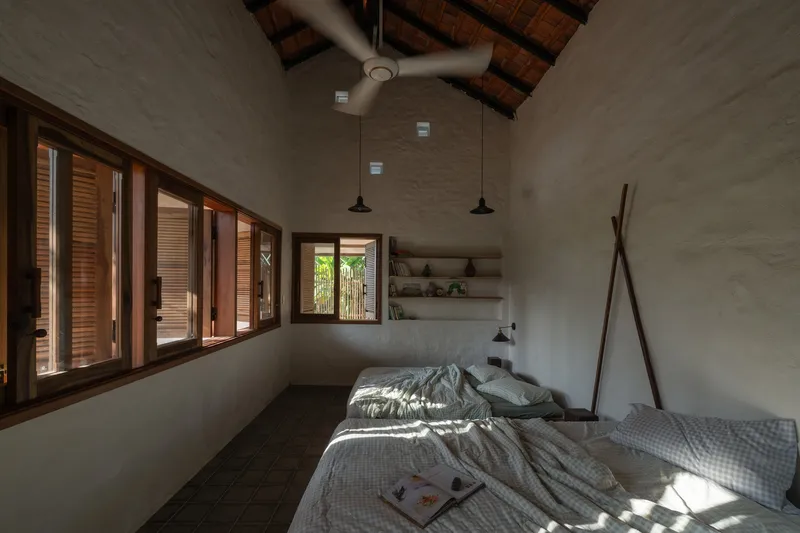
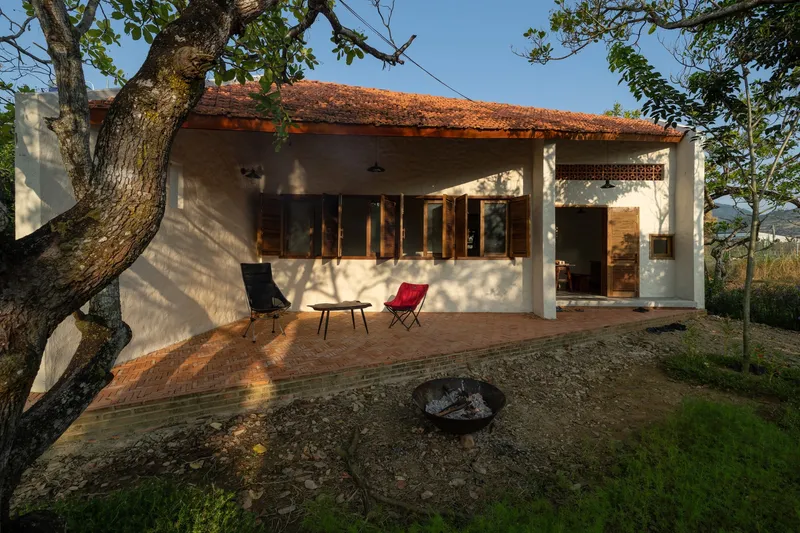
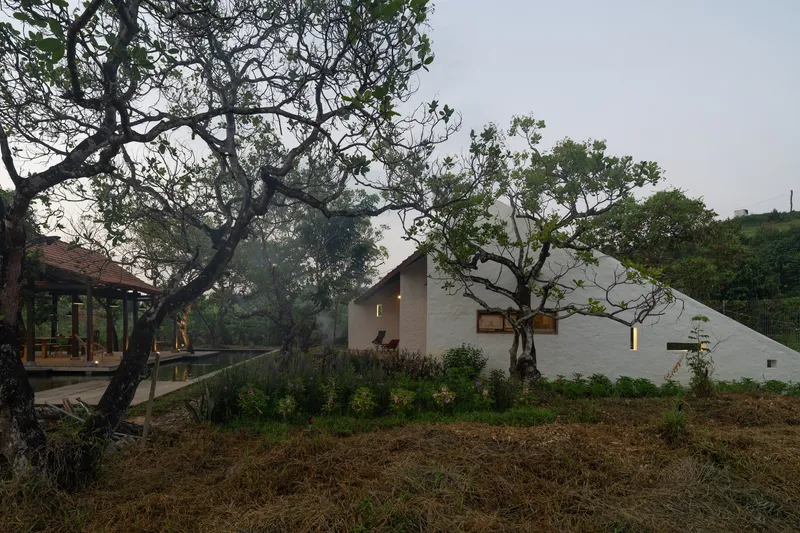
Bedrooms are oriented towards garden views, while open dining and communal areas extend into the verandas, blurring the boundary between indoor and outdoor living.
Post-Occupancy and Living Experience
Six months after completion, the Cashew Garden House Vietnam demonstrates excellent performance. The owner reports a stable indoor climate, minimal insect intrusion, and a heightened sense of connection to the natural surroundings. The garden has flourished, creating a self-sustaining micro-ecosystem that complements the home’s quiet and contemplative lifestyle.
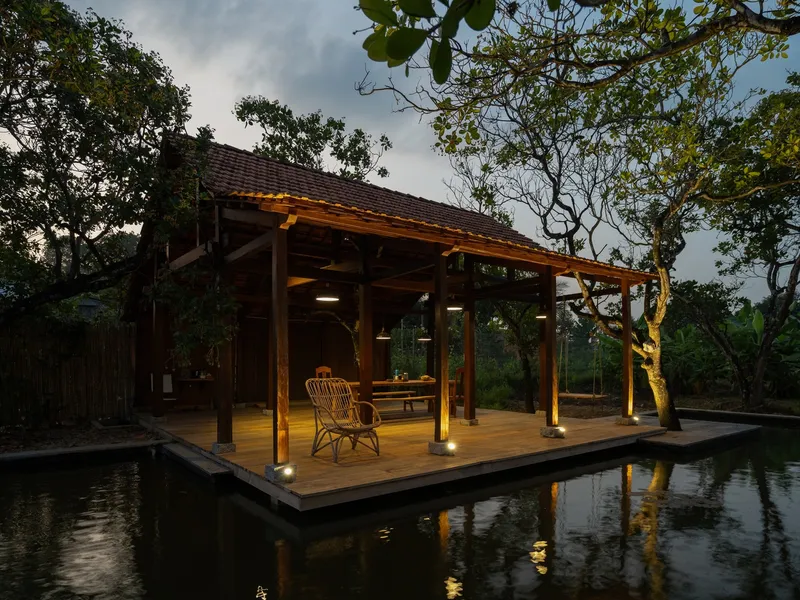
All the photographs are works of Quang Dam




Popular Articles
Popular articles from the community


Riyadh For All: Intergenerational Urban Design for Active Aging in Rabat
Riyadh For All reimagines urban design in Rabat with intergenerational co-living, adaptive courtyards, and Moroccan cultural exchange today.

Co-life: Sustainable Architecture for Age-Friendly Community Living
Co-life reimagines sustainable architecture for seniors through courtyards, rammed earth, shared gardens, and spaces designed for belonging.

Co-Life: Senior Housing Design That Reconnects Older Adults With the City
Co-Life reimagines senior housing design through healing gardens, shared streets, workshops, and a sustainable community across generations.

Play: Fragments of Their World
Familiar architecture becomes modular playground design, creating safe spaces where displaced children can learn, connect, imagine and play.


Similar Reads
You might also enjoy these articles

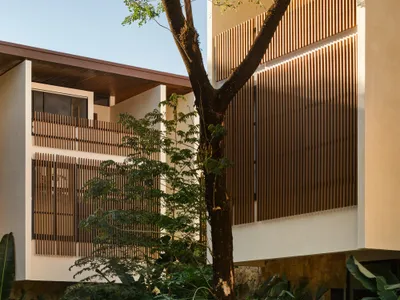
FAMM Arquitectura Organizes Ten Villas Around Courtyards and Jungle in Nosara, Costa Rica
El Molino pairs two elongated volumes with deep overhangs and timber louvers to build a compact coastal community five minutes from the beach.
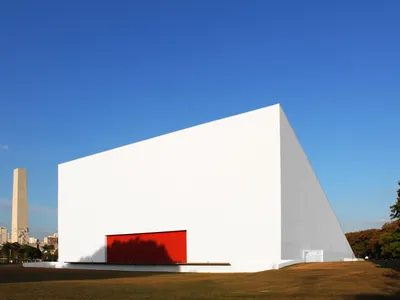
Oscar Niemeyer's Ibirapuera Park Pavilions Define São Paulo's Cultural Identity in Concrete and Curve
A constellation of modernist volumes set within São Paulo's most important urban park, conceived for the city's 400th anniversary in 1954.
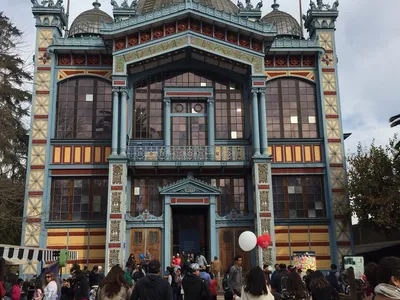
How Henri Picq's 1889 Paris Pavilion Traveled 11,000 Kilometers to Become Santiago's Artequín Museum
A prefabricated iron and glass pavilion built for the Paris Universal Exposition found a second life as a children's art museum in Chile.
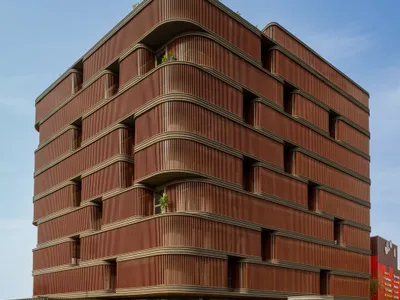
Sanjay Puri Architects Wraps a Jaipur Office Tower in Capsule-Shaped Green Buffers
A nine-level climate-responsive workplace near Jaipur Airport uses stacked planter terraces and aluminium screens to fight 40°C heat.


Explore Architecture Competitions
Discover active competitions in this discipline



Challenge to reimagine the Iron Throne


Photograph architecture without architects


Illustrate the lost glory of Angkor Wat - Render Challenge


Design challenge to reuse E-waste
Comments (0)
Please login or sign up to add comments
No comments yet. Be the first to comment!