

CELLA Ephemeral Architecture by Os Espacialistas – A Sensory Playground of Geometry, Cork, and Spatial Imagination
CELLA is a cork-built ephemeral installation inviting playful interaction, where movable cubes transform space through geometry, touch, imagination, and continuous creative exploration.


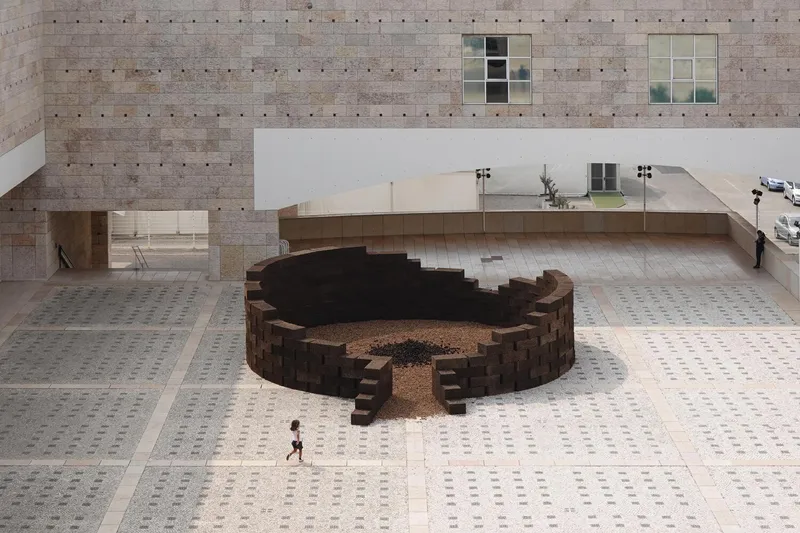
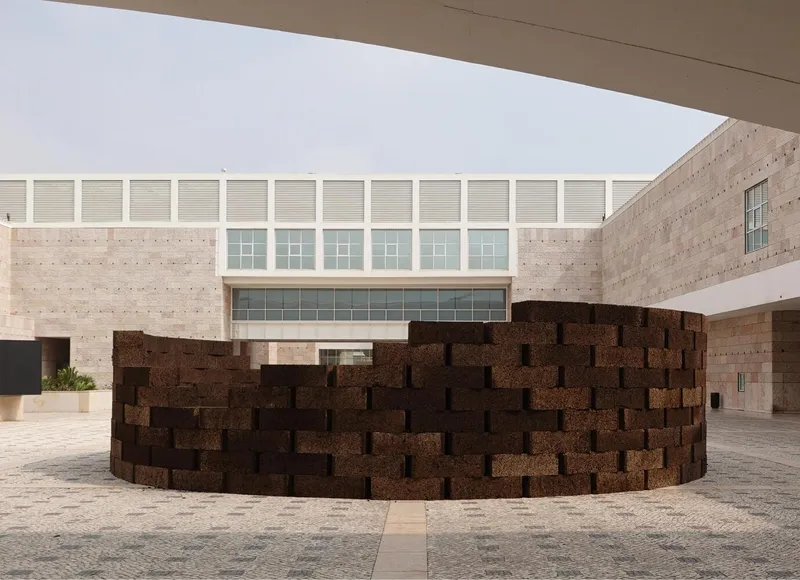
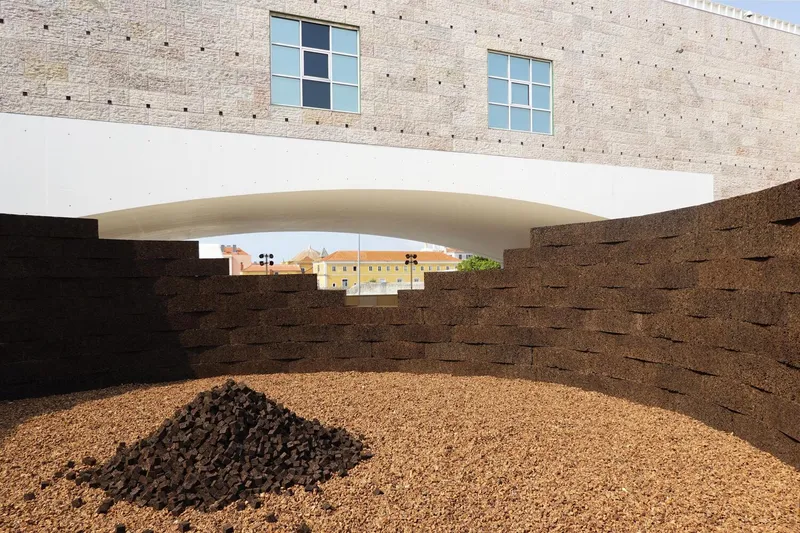
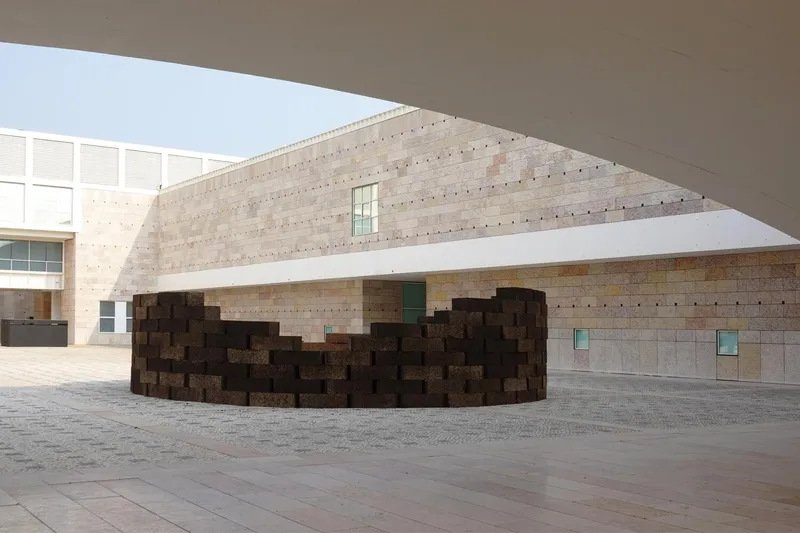
CELLA is an ephemeral architectural installation by Os Espacialistas in Lisbon, Portugal, created in 2024 as a poetic exploration of geometry, materiality, and human interaction. Designed as an immersive environment built from cork and modular brick-like elements, the project invites visitors to engage physically and imaginatively with the space. CELLA blurs the boundaries between sculpture, architecture, and performance, transforming a simple geometric form—the cube—into a catalyst for play, exploration, and sensory discovery.
A Spatial Body Made of Geometry and Cork
Os Espacialistas conceptualize geometry as a form of affection between human beings and nature. In CELLA, this idea becomes tangible through an installation that behaves like a living organism. The project merges three fundamental meanings of “cella”: a body, a space, and a material.
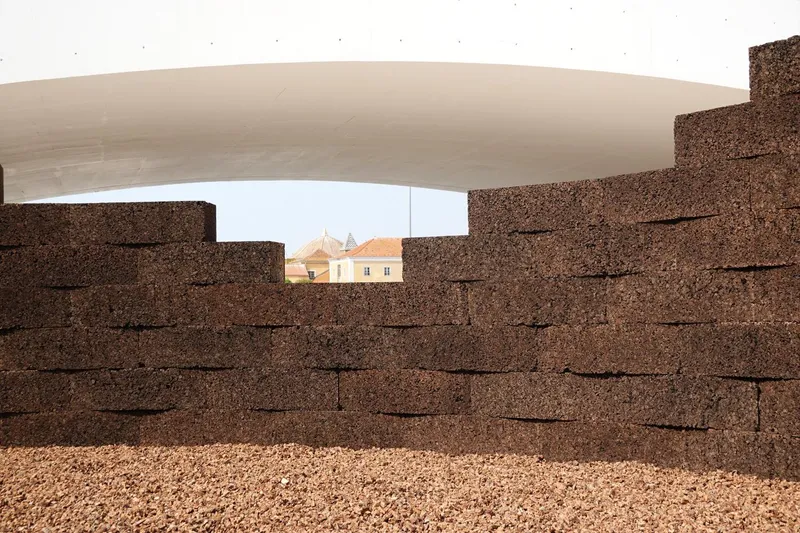
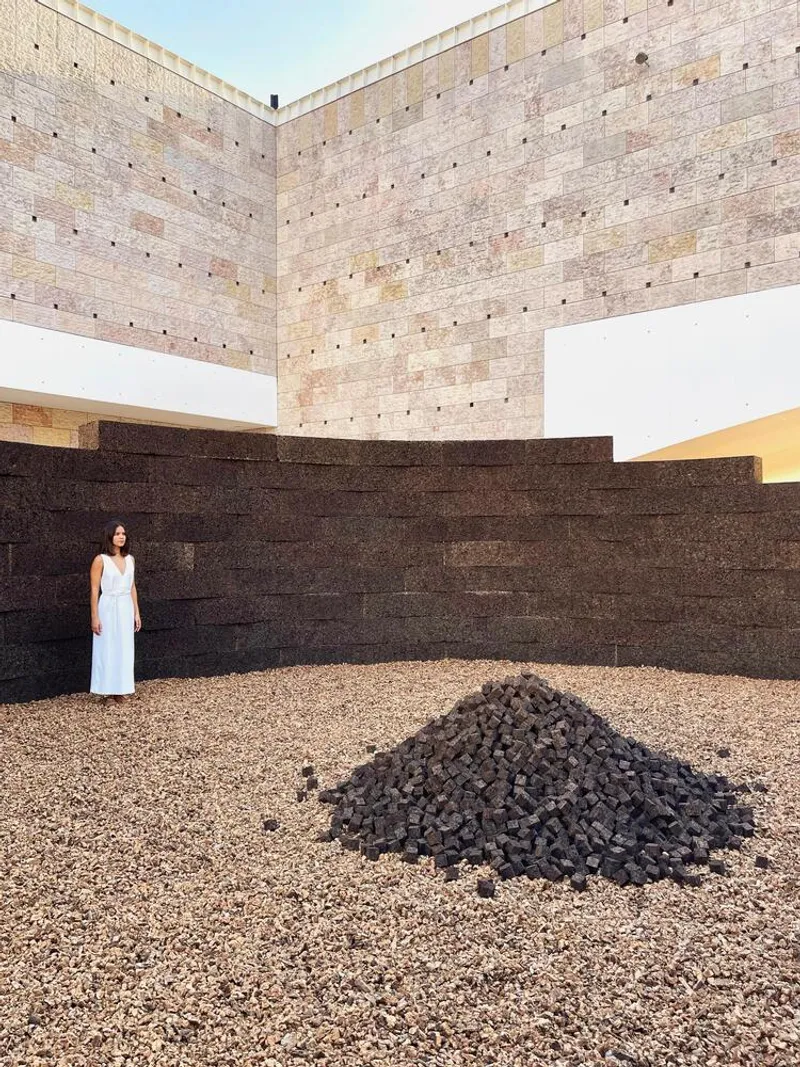
The structure becomes a tactile landscape where walls, surfaces, and ground condition the visitor’s movement. Made primarily from cork—an organic, sustainable, and culturally rooted material in Portugal—the installation forms an architectural anatomy. With its warm texture and soft acoustic qualities, cork reinforces the project’s emphasis on sensory comfort and emotional connection.
A Landscape of Cubes: Movement, Memory, and Play
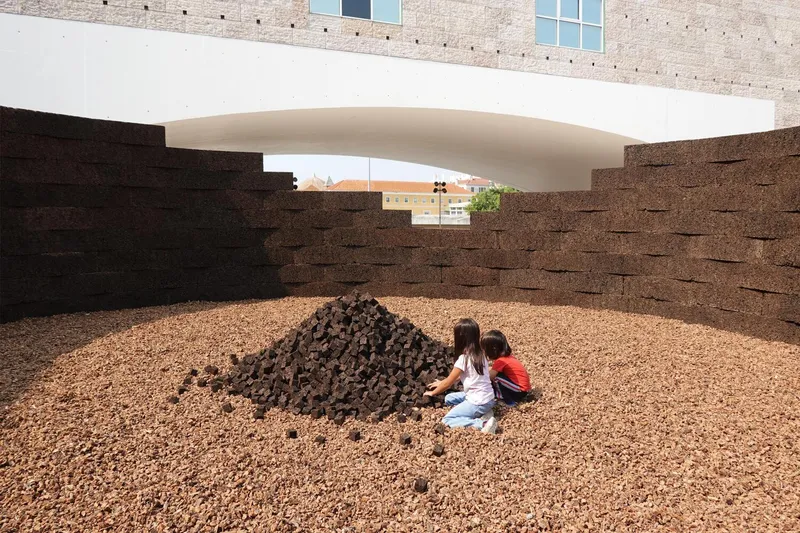
At the heart of CELLA lies a swarm of cubes scattered across the space like seeds awaiting activation. These cubes are intentionally movable, stackable, and rearrangeable, enabling visitors to build, deconstruct, and reconfigure their environment. Os Espacialistas describe the cube as “born from the foot,” suggesting that imagination unfolds through movement.
The cube becomes the smallest unit of creative expression—an element that can divide, mix, associate, choose, build, err, and forget. These actions transform CELLA into a continuous field of experimentation, where space evolves through the interplay between time, body, and environment.
An Immersive Playground for Creative Interaction
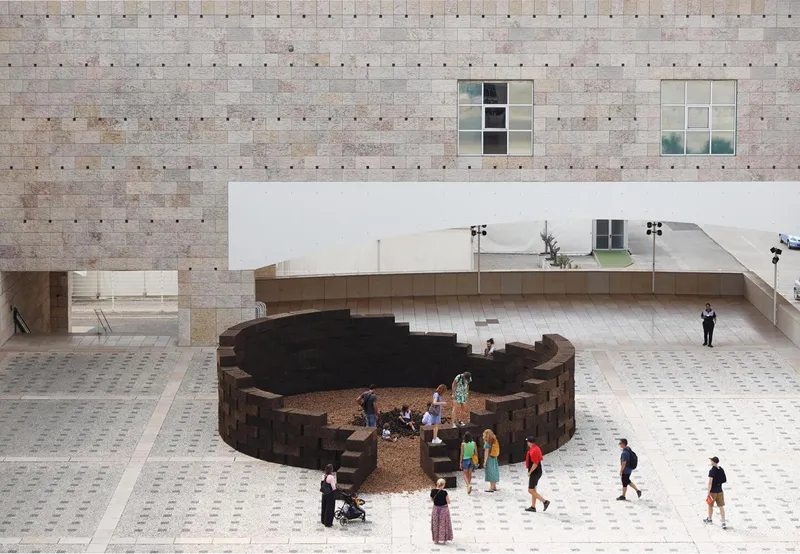
CELLA functions as both a playground and a meditative space. Its ephemeral nature encourages visitors to embrace impermanence, spontaneity, and artistic freedom. As people walk, touch, rebuild, and move through the installation, their bodies become part of the architectural narrative.
The designers describe the experience as one where “the inside is on the outside.” This inversion expresses how personal imagination and collective participation shape the space. The installation becomes an active organism—sculpting those who move through it just as they simultaneously reshape it.
A Space for Wonder, Joy, and Poetic Discovery
Ultimately, CELLA is a celebration of curiosity and creative play. It prompts visitors to release imagery, smile, and rediscover the joy of simple gestures. Through its shifting geometries and tactile materials, the project becomes a living laboratory of imagination, where architecture is not a static object but a dynamic, relational practice.


Popular Articles
Popular articles from the community


David Ortega Stacks a Two-Story Mexico City Penthouse Around a Steel Stair and a Pergola-Shaded Roof Terrace
In Colonia Roma, a 300 m² penthouse uses oak joinery, a planted steel stair and a slatted roof pergola to make a new-build apartment feel like a house.

Jaramillo Van Sluys Arquitectura and Urbanismo Turn a Demolished Registry Lot in Quito into an Orchard Plaza
In Quito's Centro Histórico, a 2,800 m² plaza exposes the San Agustín convent wall and redraws its lost Augustinian orchard in volcanic stone.

longwave studio Reorganizes a 112 m² Tainan Apartment Around the Daily Routines of a Family and Two Cats
In Tainan, Taiwan, birch plywood, rust-red furniture and a freestanding plaster wall link arrival, storage, work and family life in one apartment.

Architekt Andreas Gruber Scatters 23 Dark Timber Chalets Across a South Tyrolean Forest Edge
In Molini di Tures, Amonti Chalets breaks a resort into a hamlet of gabled timber houses, with parking, storage and services pushed into the slope.

Similar Reads
You might also enjoy these articles


Hodi-Mandai Geram
Project Function: Preservation and revitalization of the Intangible heritage and socio-spatial identity of the Hodi by Housing, Cultural Memory Center, Sacred Grove, landscape, local tourism economy


Olio Towers: A Mid-Rise for Performers That Fuses Housing, Rehearsal, and Stage
Located blocks from Houston's Theater District, this modular tower stacks living units around a central performance atrium.

Oasis: Modular Green Housing Carved into Dhaka's Urban Fabric
A shortlisted Plugin Housing entry reclaims unauthorized settlements in Dhaka with stepped concrete volumes, green roofs, and ventilation-driven design.

Black Hole: A Floating Megastructure for the Post-Physical Era
Emiliano Mazzarotto envisions a spherical, self-scaling arena where e-sports, digital hotels, and holographic stadiums replace traditional public space.

Explore Glass Cube Competitions
Discover active competitions in this discipline

Challenge to design a portable theatre

Challenge to design a portable music platform

Challenge to design an open learning module for the elderly

Challenge to reimagine the Iron Throne
Comments (0)
Please login or sign up to add comments
No comments yet. Be the first to comment!