
Château of the Hertford British Hospital Rehabilitation: Adaptive Reuse by Maud Caubet Architectes
Maud Caubet Architectes revitalizes the Château of the Hertford British Hospital through adaptive reuse, blending Neo-Gothic heritage with contemporary sustainable design.


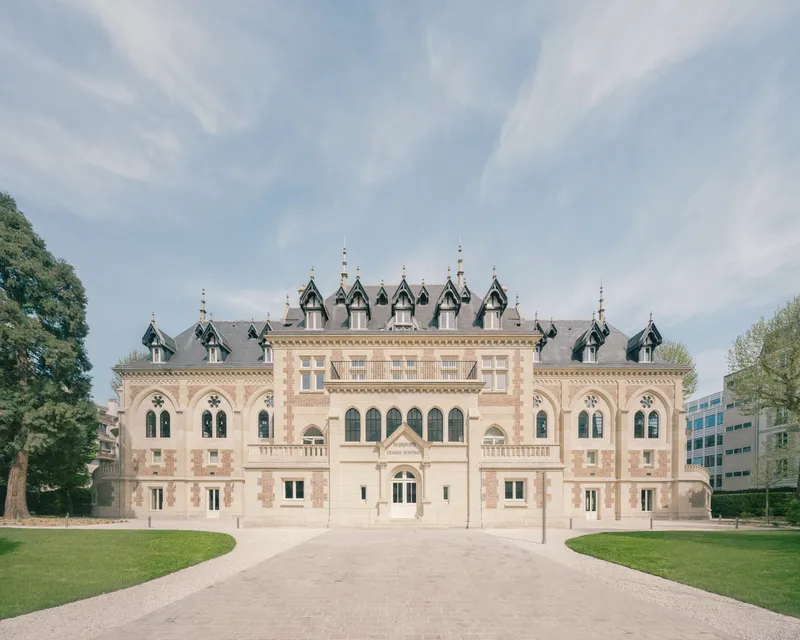
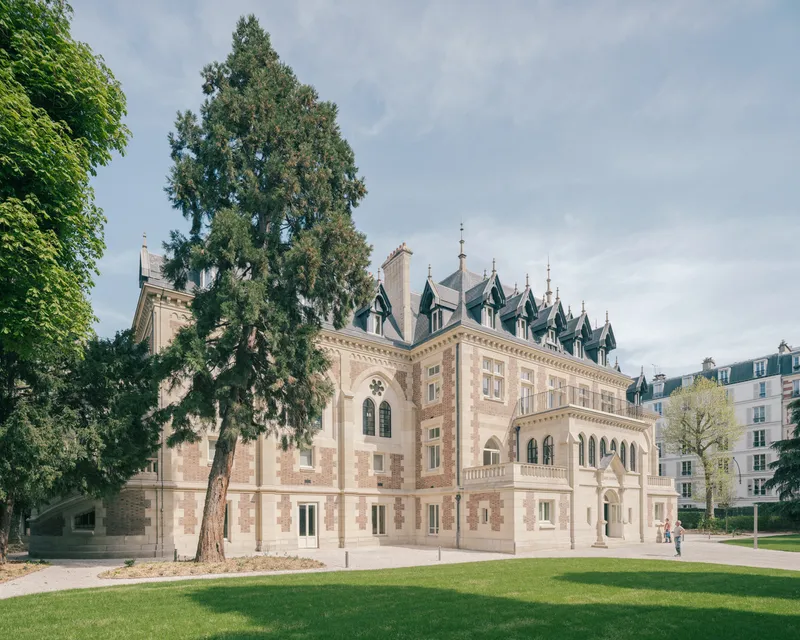
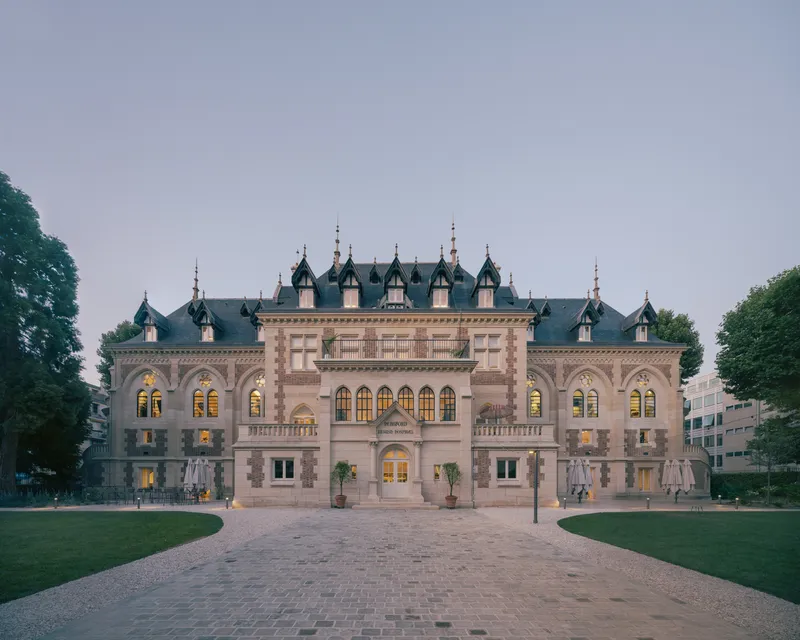
In Levallois-Perret, Greater Paris, the Château of the Hertford British Hospital rehabilitation by Maud Caubet Architectes breathes new life into a Neo-Gothic landmark. Built between 1877 and 1879 by Paul Ernest Sanson, the château once served British patients, with its maternity ward operating until the late 20th century. Now, under the guidance of Maud Caubet Architectes, this historical site has been thoughtfully reimagined into a vibrant and accessible space for contemporary use.
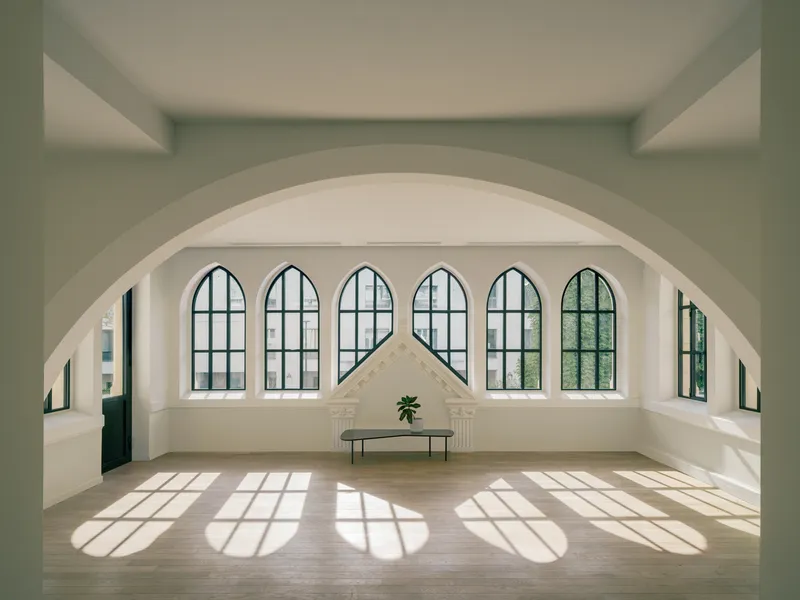
Preserving Heritage Through Adaptive Reuse
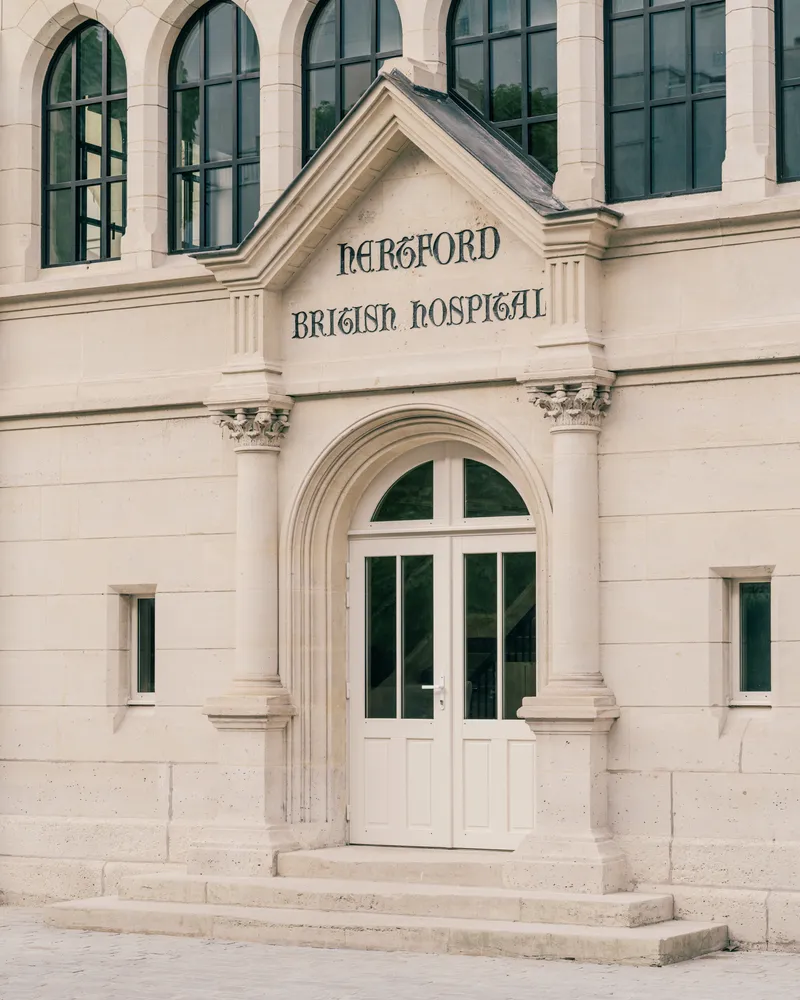
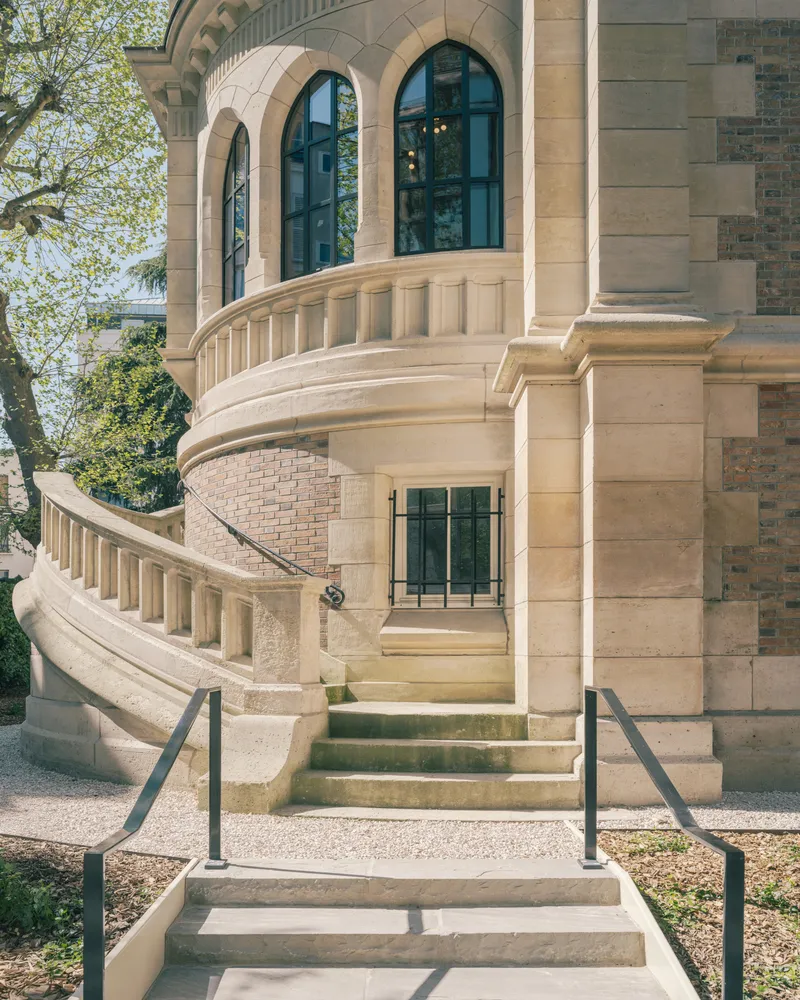
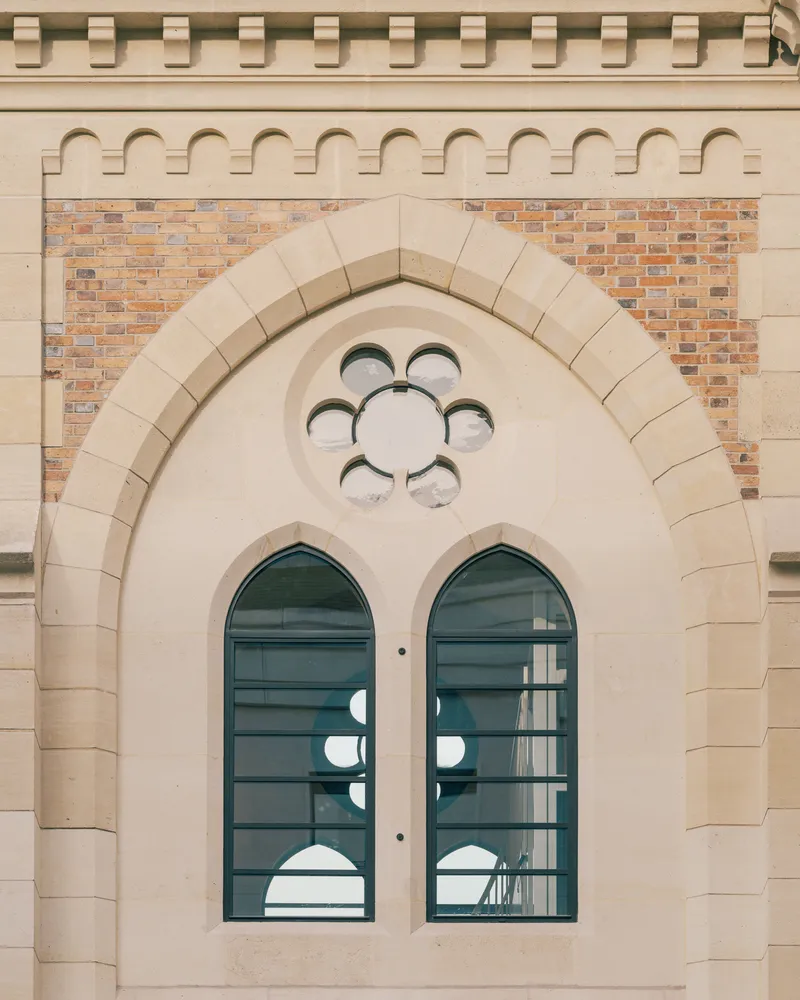
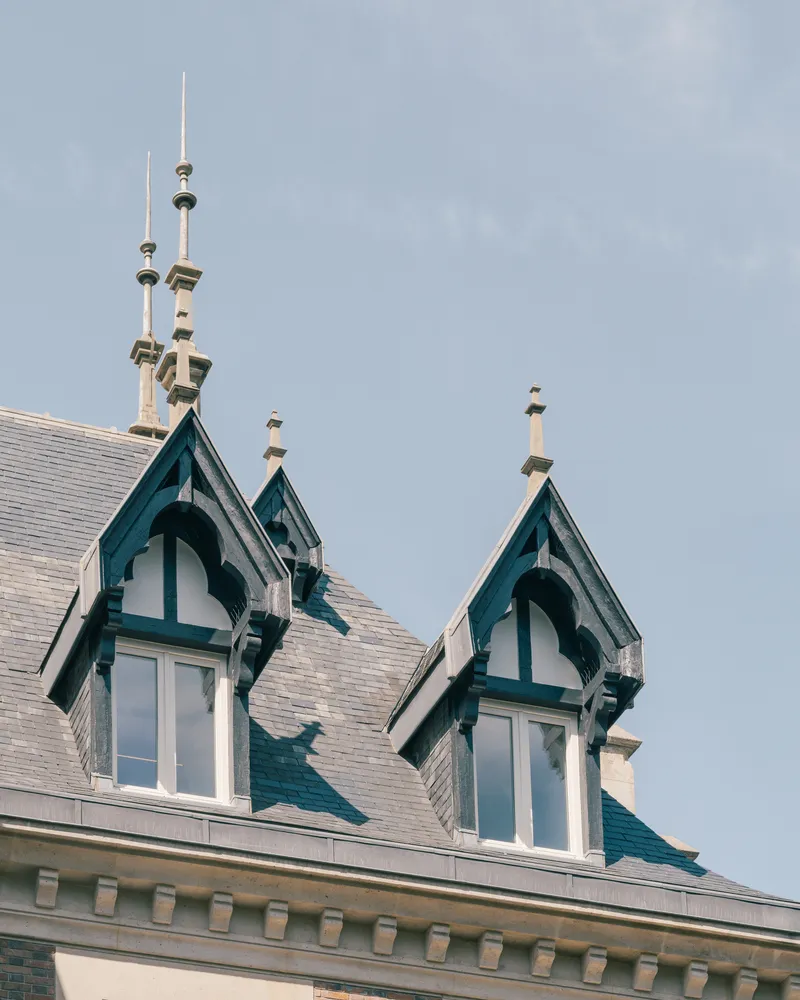
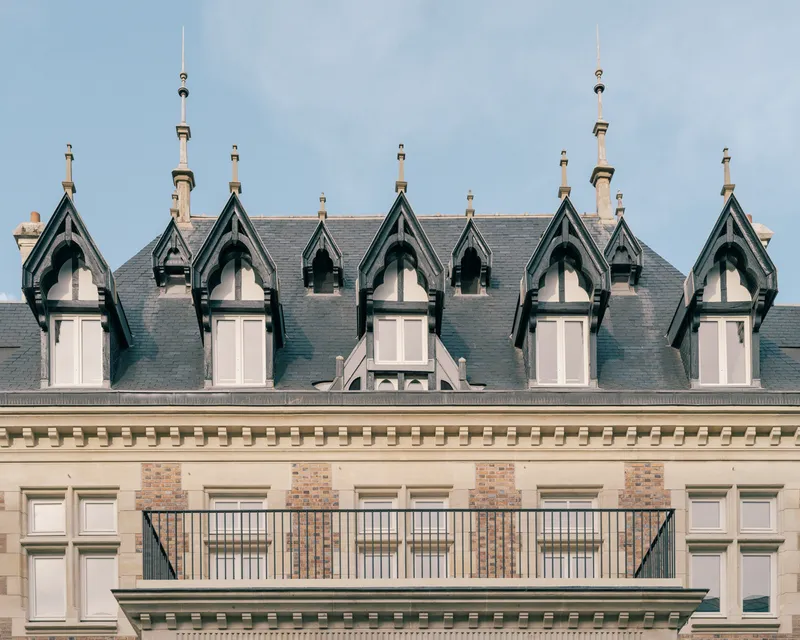
The rehabilitation is rooted in adaptive reuse architecture, balancing preservation with innovation. Extensive historical research, including archival documents, original drawings, and photographic studies, guided the restoration process. Rather than creating a replica of the past, the project highlights key heritage elements while adapting them to modern functionality. The stone and brick façades were carefully restored, PVC windows replaced with historically faithful designs, and the 1879 entrance door reinstated to its original form.
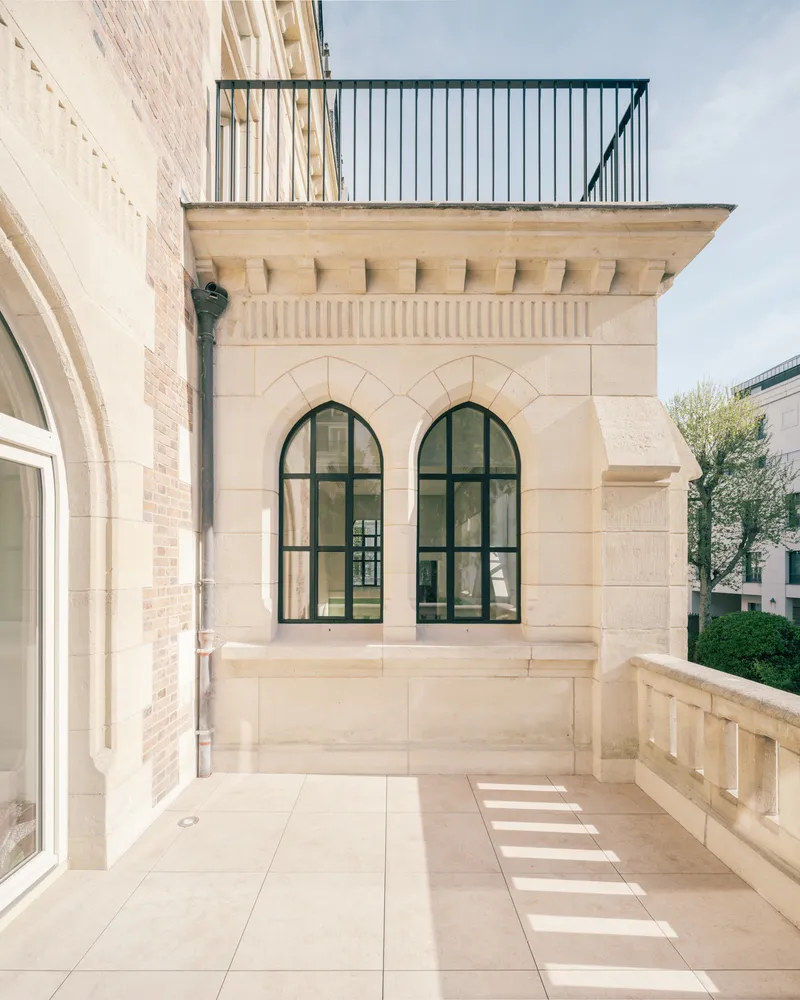
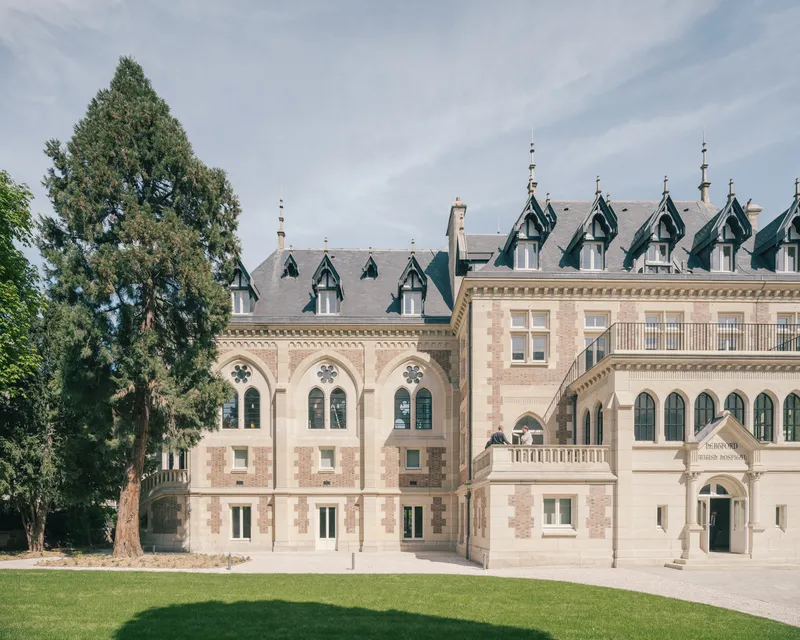
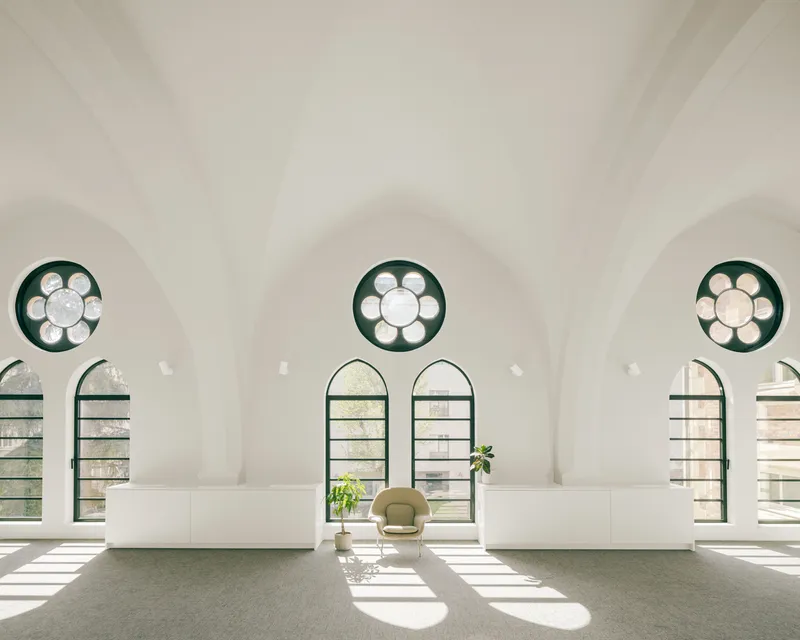
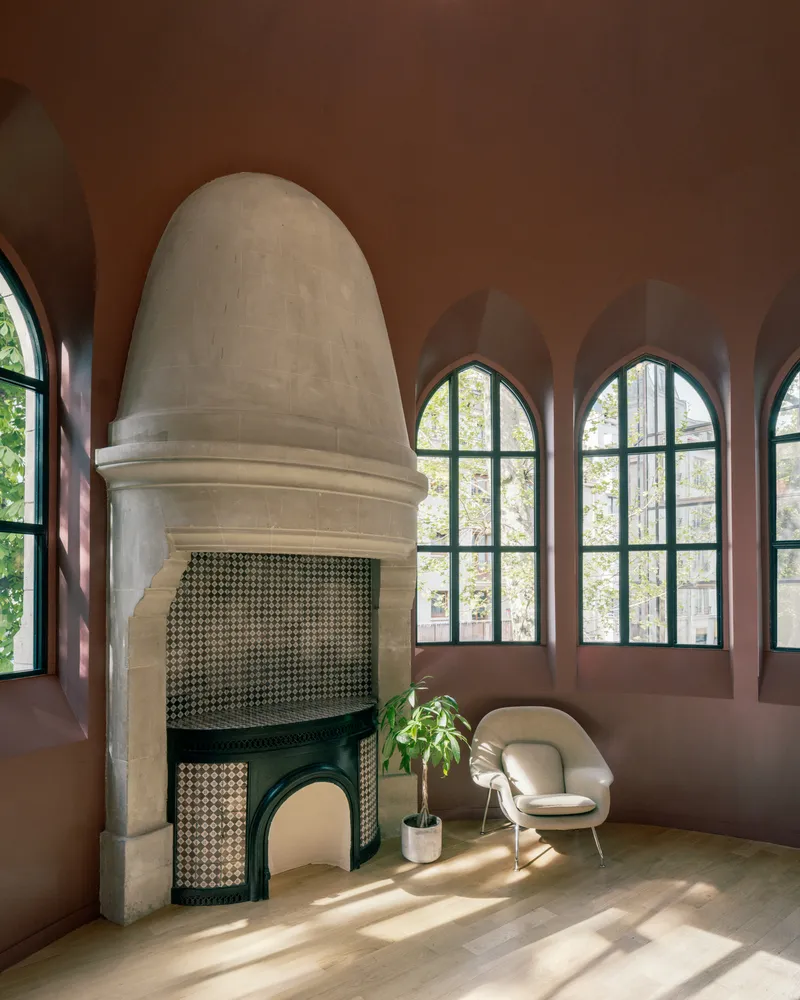
Contemporary Transformation of Interiors
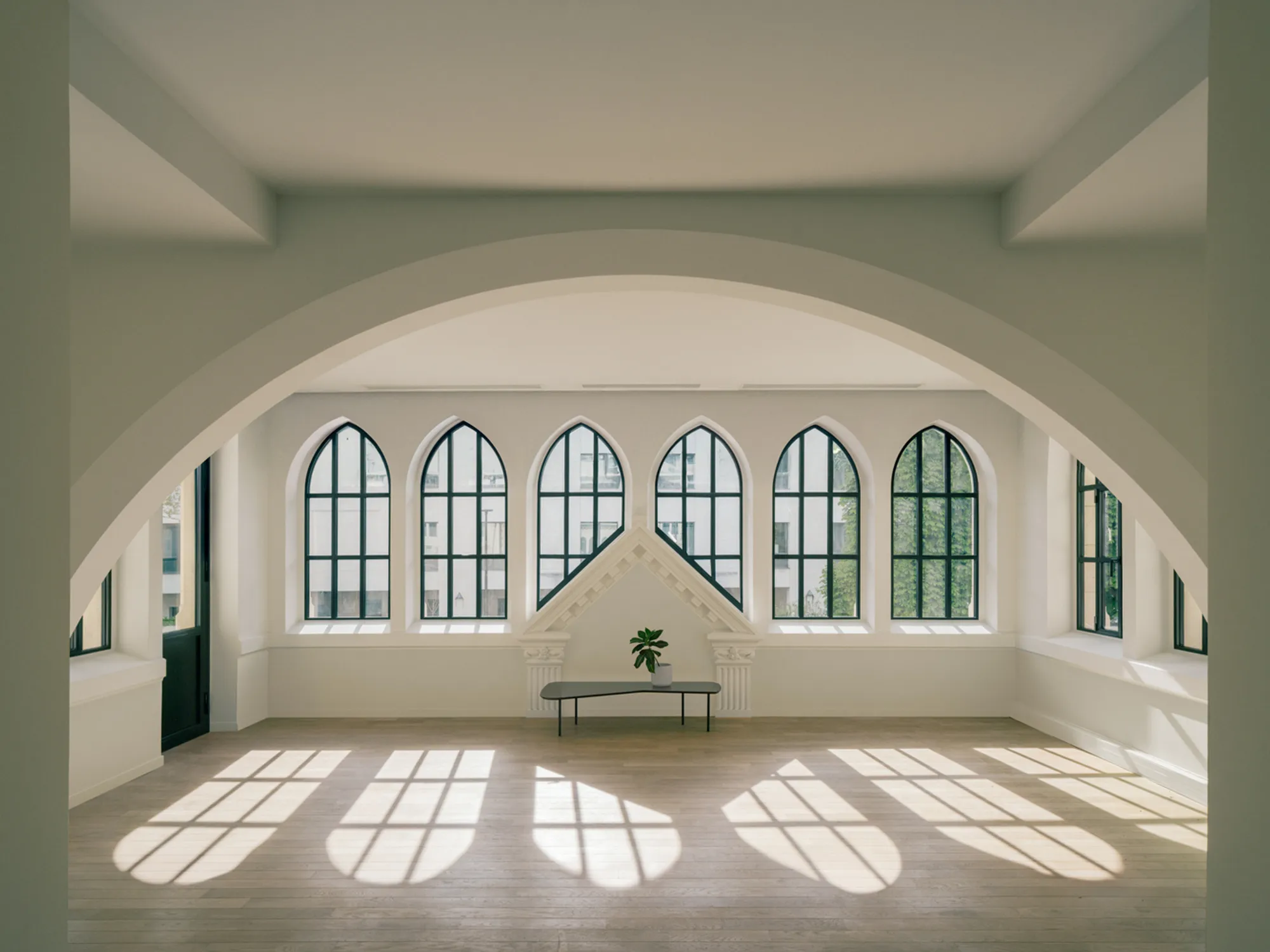
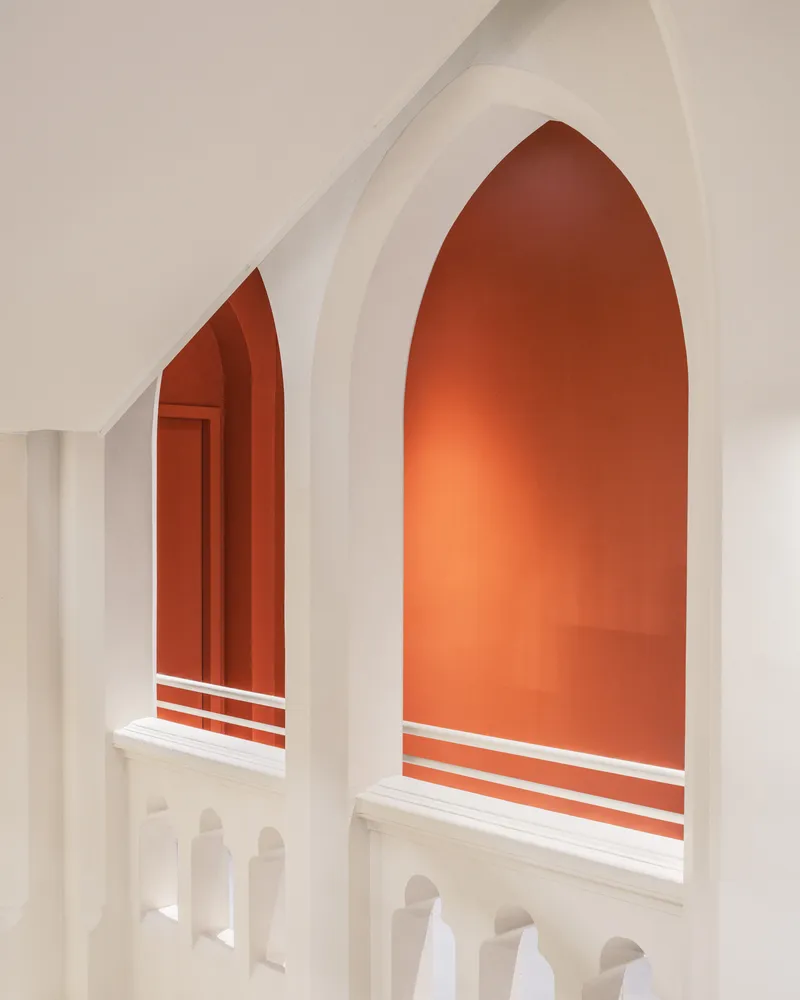
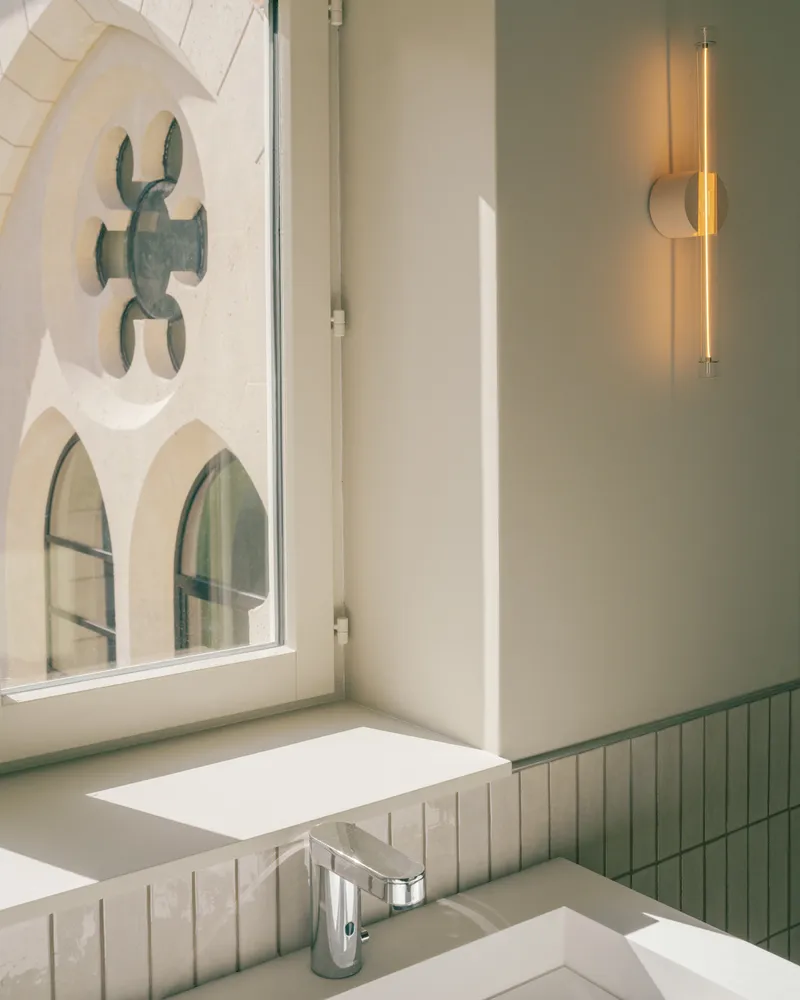
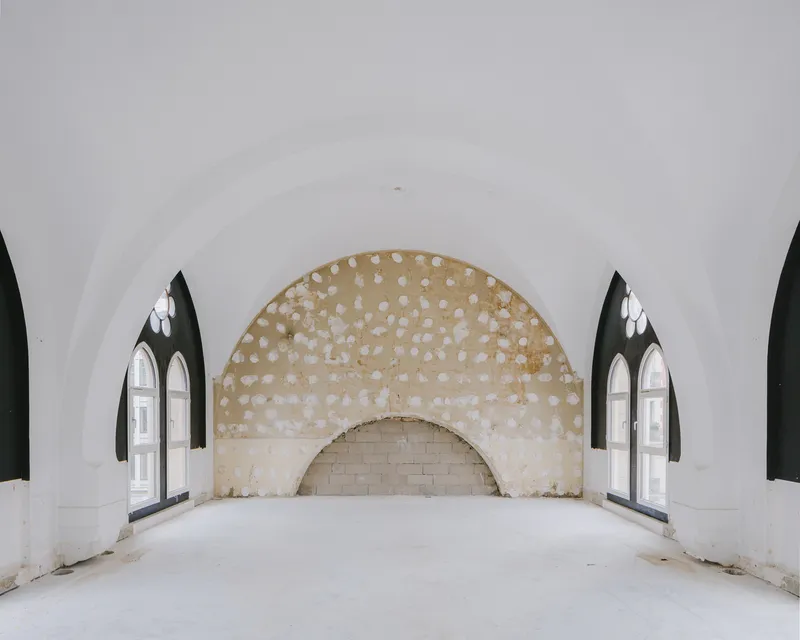
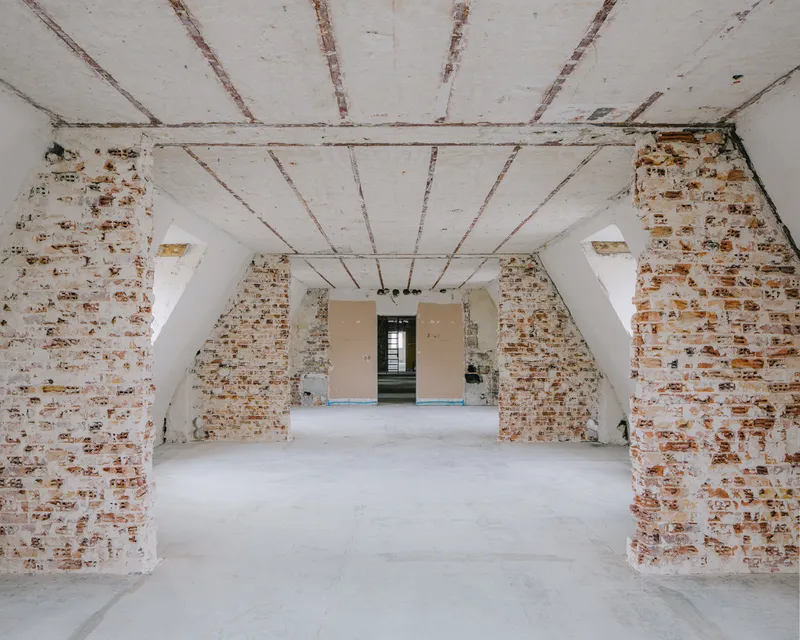
Inside the château, the interiors have undergone a complete reconfiguration. New staircases, a modernized elevator, and discreet accessibility features ensure universal use while preserving historic proportions. Previously unused attic areas are now transformed into dynamic workspaces, offering light-filled, vaulted rooms that celebrate the building’s architectural richness. Ribbed vaults, arches, and moldings are meticulously revealed, honoring the original craftsmanship while meeting the demands of modern work environments.
Sustainability and Energy Performance
Sustainability plays a central role in the rehabilitation. Thermal insulation is introduced internally to protect the façades, while structures are selectively reinforced to ensure long-term stability. Materials are sourced from bio-based and geo-based industries, aligning with ecological responsibility. The château is designed to achieve high energy performance while respecting the integrity of the historic building.
Reinterpreting the Historic Garden
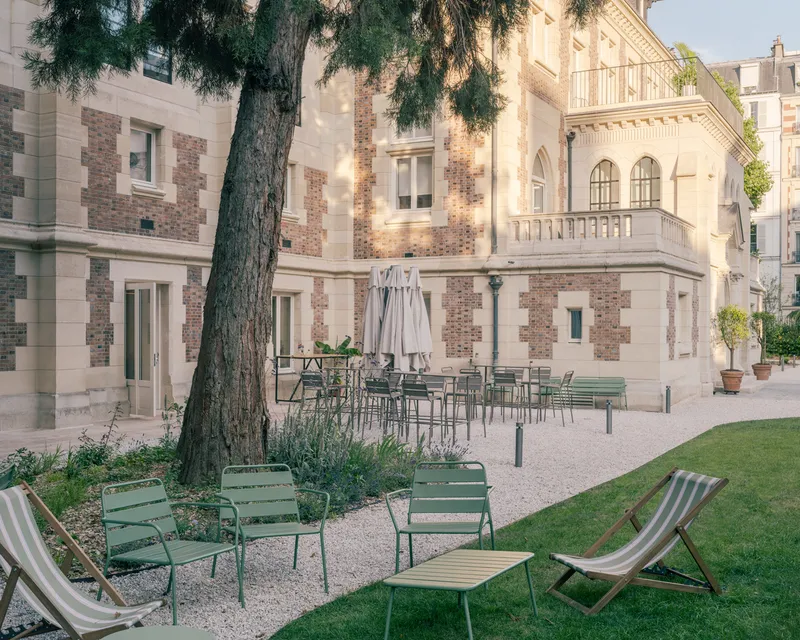
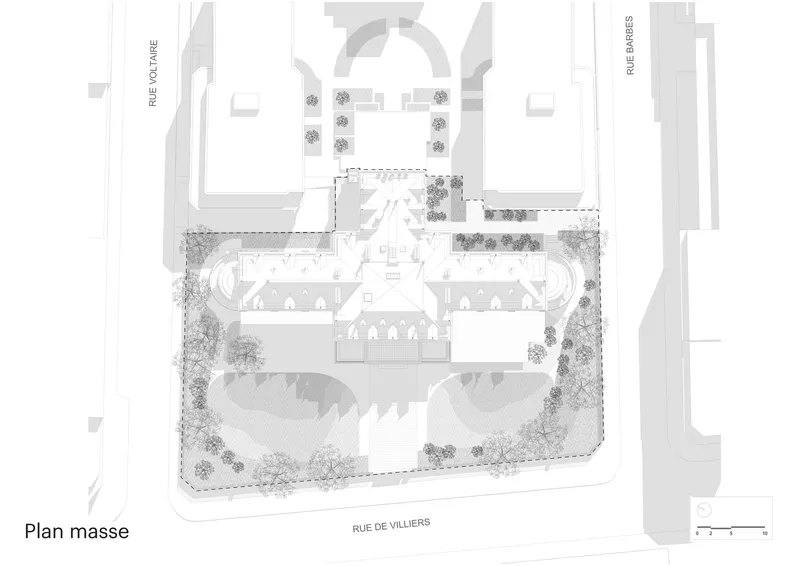
Landscape designer Lynda Harris reimagines the château’s historic English-style garden. Mature trees are preserved, new drought-resistant plantings introduced, and pathways redesigned using permeable materials. Technical service zones are transformed into fully greened areas, creating a peaceful and vibrant environment that enhances the architectural restoration. The garden now offers both tranquility and fluid movement, reconnecting the site with its urban surroundings.
Integration into a Larger Urban Vision
The château’s rehabilitation is part of a broader urban redevelopment of the Hertford British Charitable Fund site. Adjacent office buildings have been harmonized with new façades, and the former maternity ward is converted into residential housing with continuous balconies. This integration ensures that the project not only preserves heritage but also enriches community life, blending historical architecture with modern urban living.
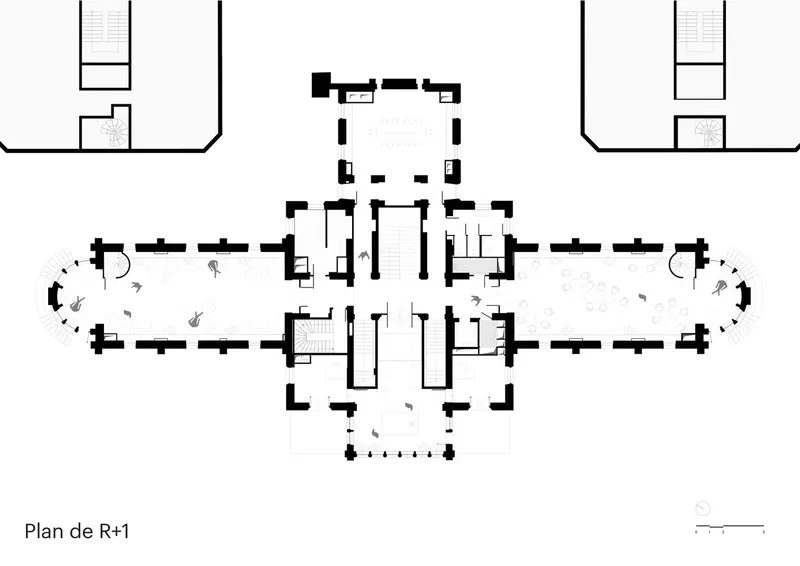
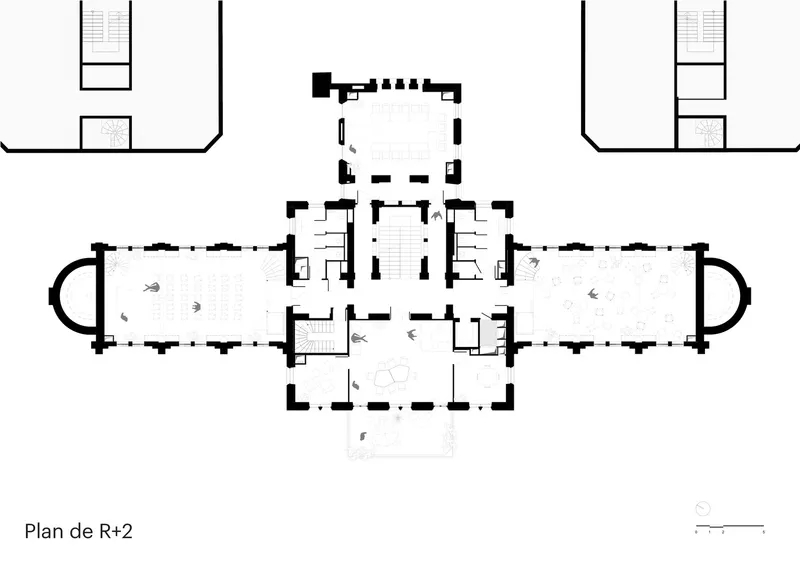
The Château of the Hertford British Hospital rehabilitation by Maud Caubet Architectes is a model of adaptive reuse that respects heritage while embracing contemporary needs. By restoring the château’s architectural identity and reimagining it as a place for work, learning, and community, the project demonstrates how architecture can bridge history and modernity in a sustainable and inspiring way.
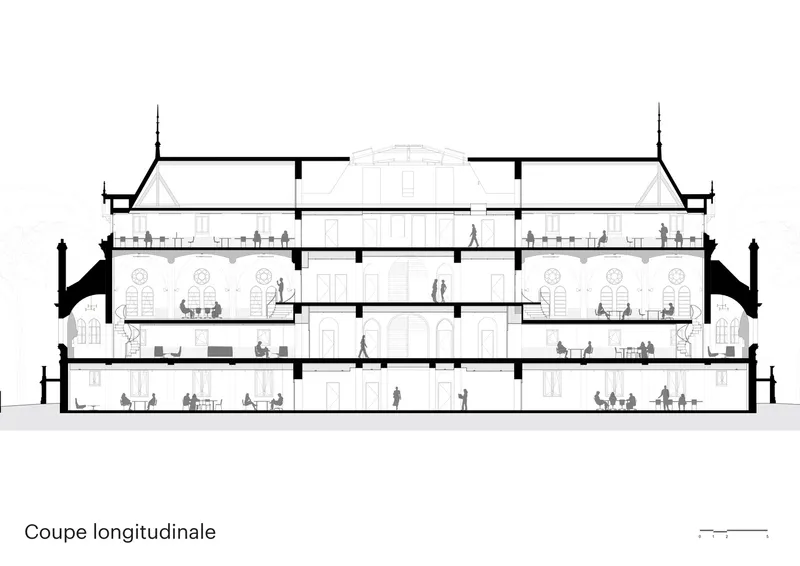
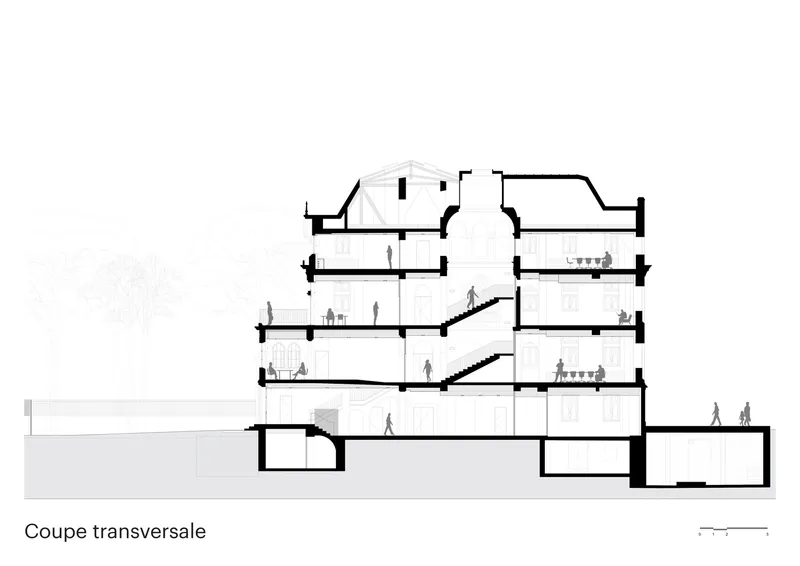
All Photographs are works of Charly Broyez, Laurent Kronental




Popular Articles
Popular articles from the community


Lunar Spiral: Space Architecture Shaped by the Mathematics of the Universe
Lunar Spiral reimagines space architecture through Fibonacci geometry, lunar regolith, levitating habitats, and self-sustaining Moon living.

The Earth Pod: 3D Printed Homes for Resilient Refugee Communities
The Earth Pod reimagines refugee housing through 3D printed homes made from clay, combining resilience, self-sufficiency, and rapid shelter.

Conexión: Biophilic Design Reimagines High-Rise Living in Hong Kong
Conexión reimagines high-rise living in Hong Kong through biophilic design, green facades, shared spaces, daylight, water and nature within.

Hill & Cross Opera: Sculptural Opera House Architecture Shaped by Tallinn’s Landscape and Identity
Hill & Cross Opera reimagines opera house architecture in Tallinn through its sculptural hill, civic plaza, glass wave and a luminous cross.


Similar Reads
You might also enjoy these articles

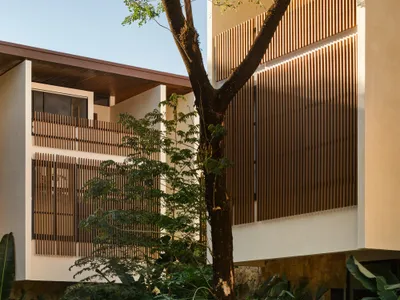
FAMM Arquitectura Organizes Ten Villas Around Courtyards and Jungle in Nosara, Costa Rica
El Molino pairs two elongated volumes with deep overhangs and timber louvers to build a compact coastal community five minutes from the beach.
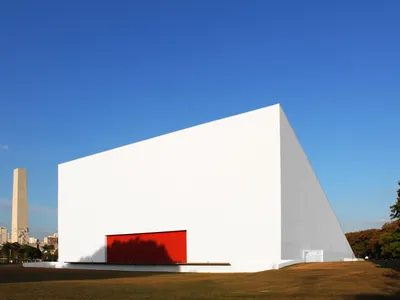
Oscar Niemeyer's Ibirapuera Park Pavilions Define São Paulo's Cultural Identity in Concrete and Curve
A constellation of modernist volumes set within São Paulo's most important urban park, conceived for the city's 400th anniversary in 1954.
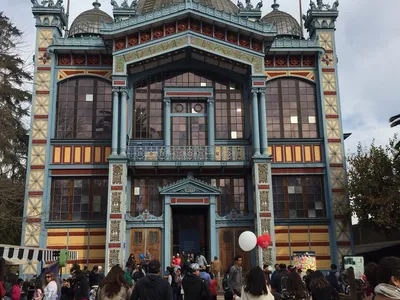
How Henri Picq's 1889 Paris Pavilion Traveled 11,000 Kilometers to Become Santiago's Artequín Museum
A prefabricated iron and glass pavilion built for the Paris Universal Exposition found a second life as a children's art museum in Chile.
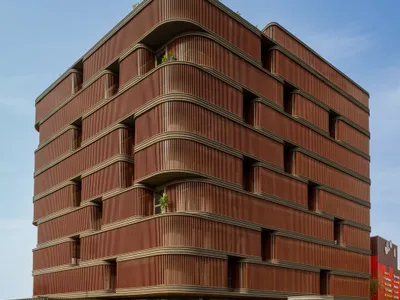
Sanjay Puri Architects Wraps a Jaipur Office Tower in Capsule-Shaped Green Buffers
A nine-level climate-responsive workplace near Jaipur Airport uses stacked planter terraces and aluminium screens to fight 40°C heat.


Explore Architecture Competitions
Discover active competitions in this discipline



Challenge to reimagine the Iron Throne


Photograph architecture without architects


Illustrate the lost glory of Angkor Wat - Render Challenge


Design challenge to reuse E-waste
Comments (0)
Please login or sign up to add comments
No comments yet. Be the first to comment!