
Cheng Yu Tung Building by MICA Architects: A Landmark in Oxford’s Evolving Urban Landscape
The Cheng Yu Tung Building by MICA Architects is a sustainable, mixed-use development in Oxford, integrating education, healthcare, retail, and research.


A Transformative Mixed-Use Development
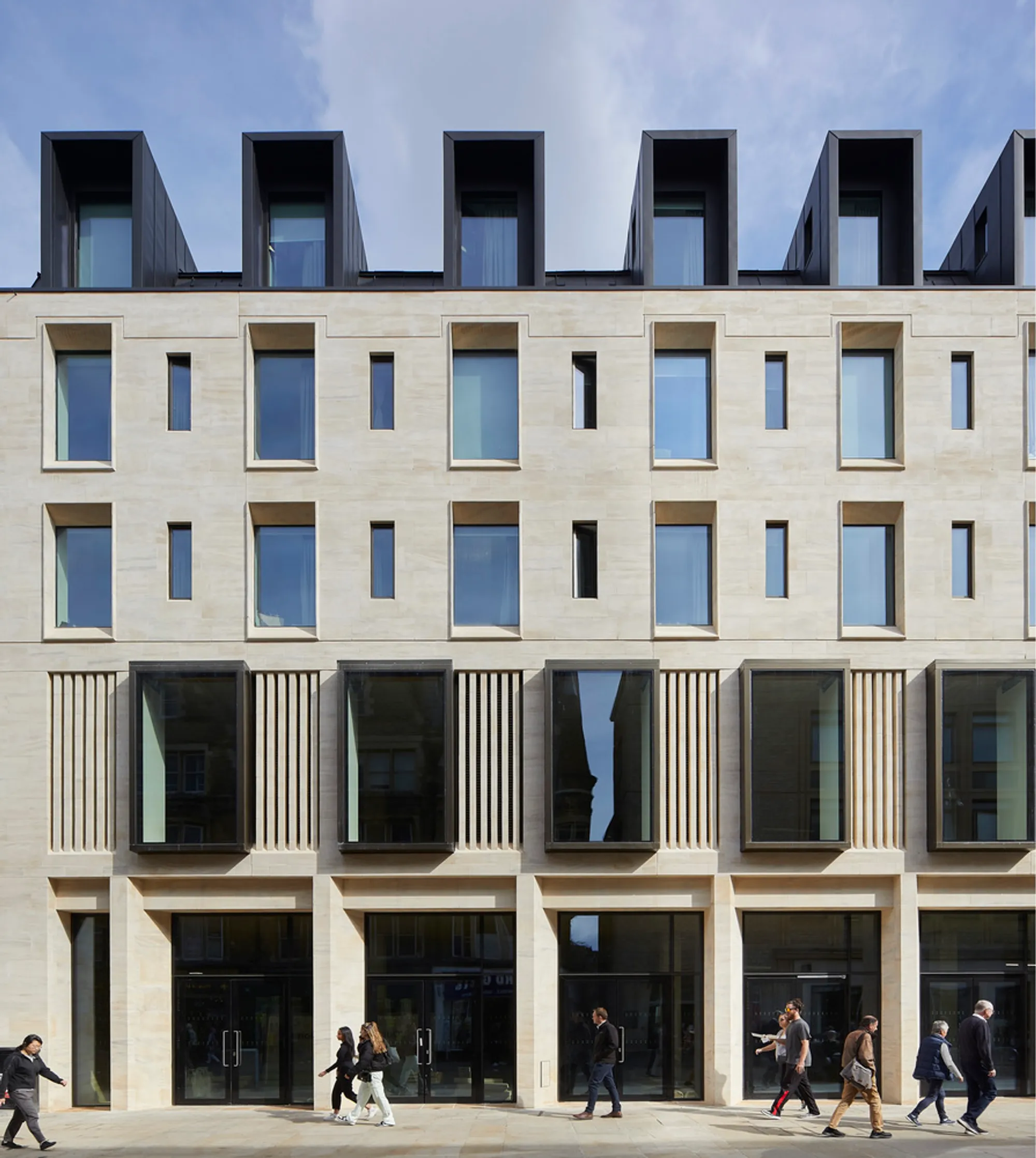
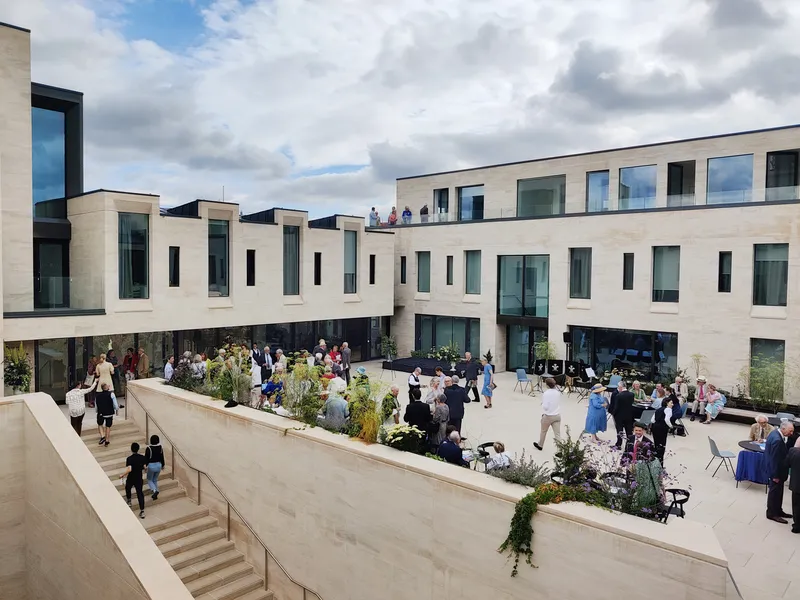
The Cheng Yu Tung Building, designed by MICA Architects, is a significant addition to Jesus College, Oxford. This contemporary mixed-use development integrates teaching, student living, healthcare, retail, and research into a cohesive architectural composition. Positioned within the heart of Oxford, the building redefines urban connectivity, creating a third quad for the Elizabethan college while significantly enhancing accessibility and sustainability.
Blending Historic Context with Contemporary Architecture
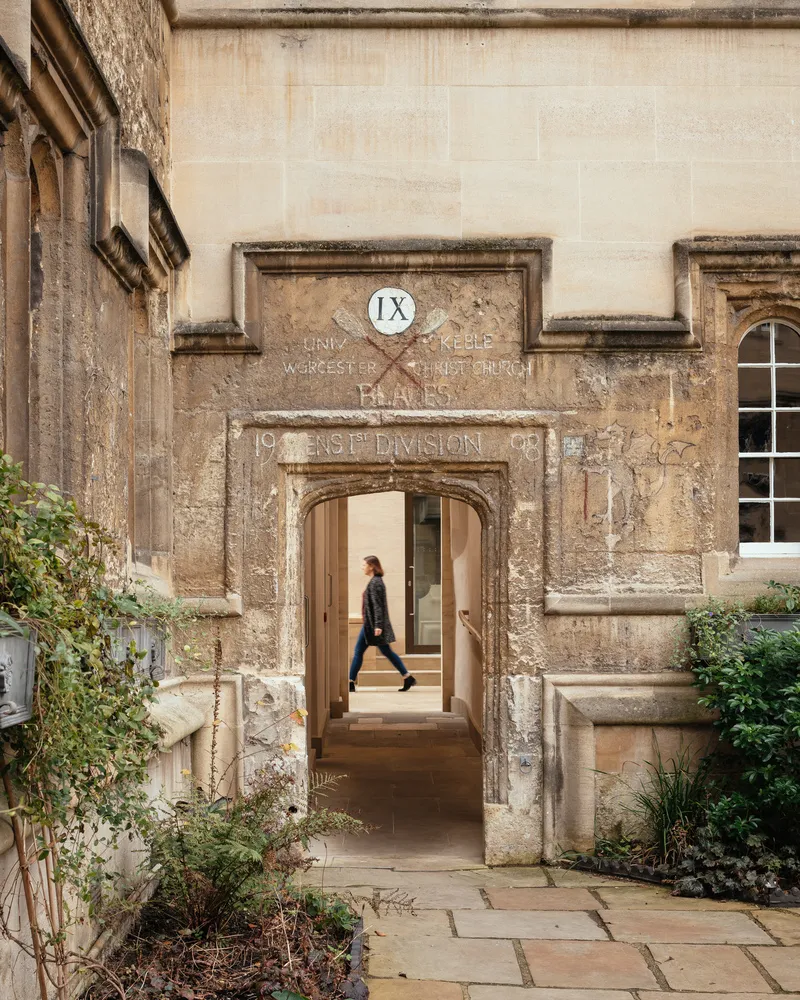
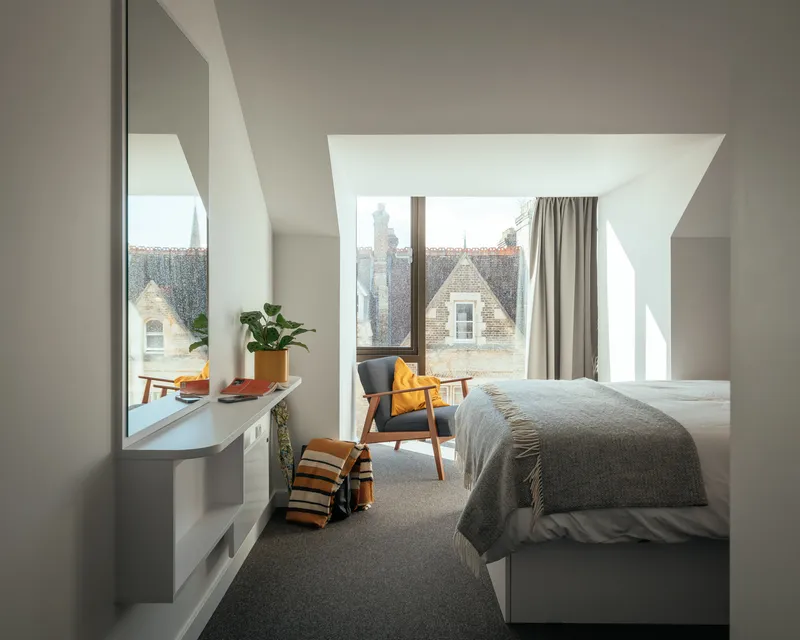
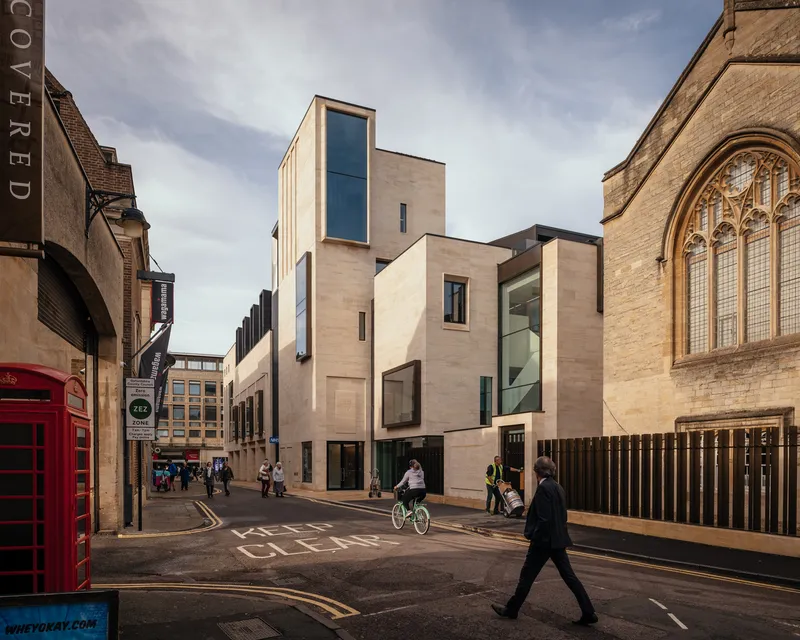
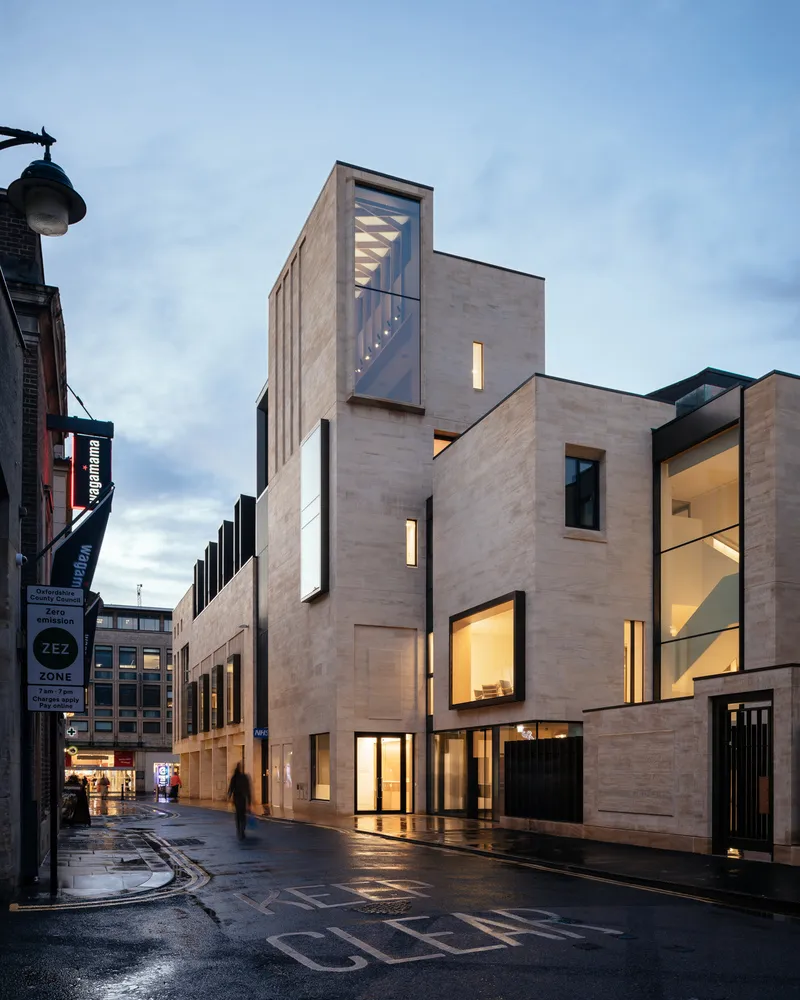
Rooted in the architectural heritage of Jesus College, the Cheng Yu Tung Building respects Oxford’s historic fabric while introducing a bold contemporary design. The exterior features Clipsham Stone, harmonizing with the college’s traditional materials while offering a fresh interpretation of Oxford’s architectural identity. Carefully articulated façades respond to their surroundings, ensuring a seamless transition between historic and modern elements.
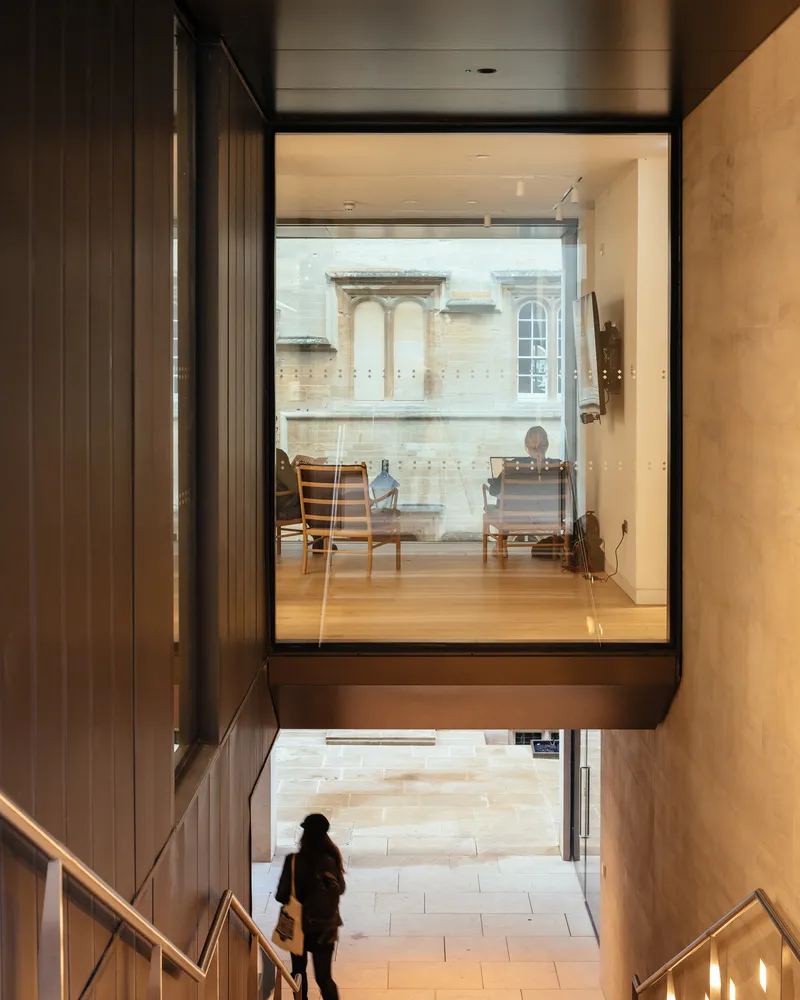
At street level, active frontages and communal spaces invite public engagement. The design incorporates lantern-like structures, fostering transparency and openness—qualities that redefine the traditionally enclosed collegiate environment.
Sustainability and Innovation: Oxford’s First All-Electric Building
Sustainability is at the heart of this project, positioning it as Oxford’s first all-electric building. A concealed photovoltaic array and a ground-source heat pump contribute to on-site energy generation, aligning with Oxford’s stringent environmental regulations.
The adaptive reuse of existing structures significantly reduces the project’s embodied carbon footprint. Retaining concrete slabs, foundations, and basement walls, the design minimizes material waste. The upper levels feature cross-laminated timber (CLT), a carbon-negative material that enhances the building’s environmental credentials.
This commitment to sustainable architecture meets RIBA 2030 carbon targets, integrating standards from BREEAM, WELL, and the Oxford Natural Resources Impact Assessment (NRIA). The façade’s locally sourced natural stone further reduces the building’s carbon impact while ensuring durability.
A Multi-Functional Hub for the College and City
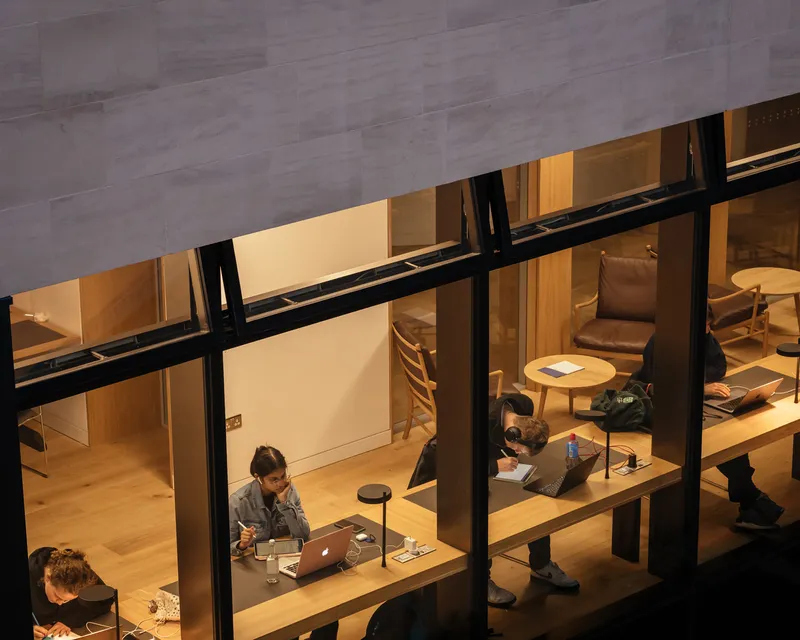
The Cheng Yu Tung Building embodies a rich mix of functions, fostering interaction between academia, healthcare, retail, and social spaces. Key features include:
- Teaching and study spaces
- Dining areas and social hubs
- NHS healthcare facilities
- Retail and commercial outlets
- Faith and wellness spaces
- Common rooms and roof terraces
- Exhibition areas and digital research labs
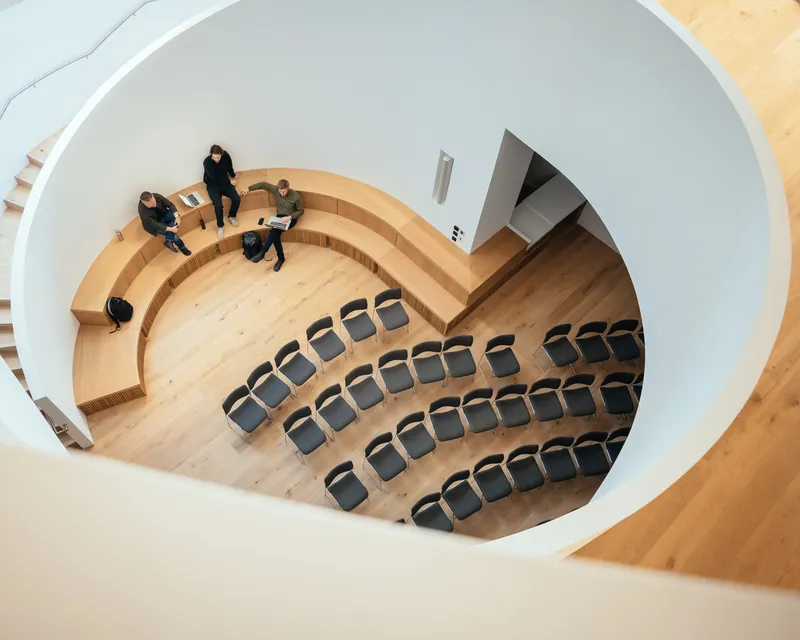
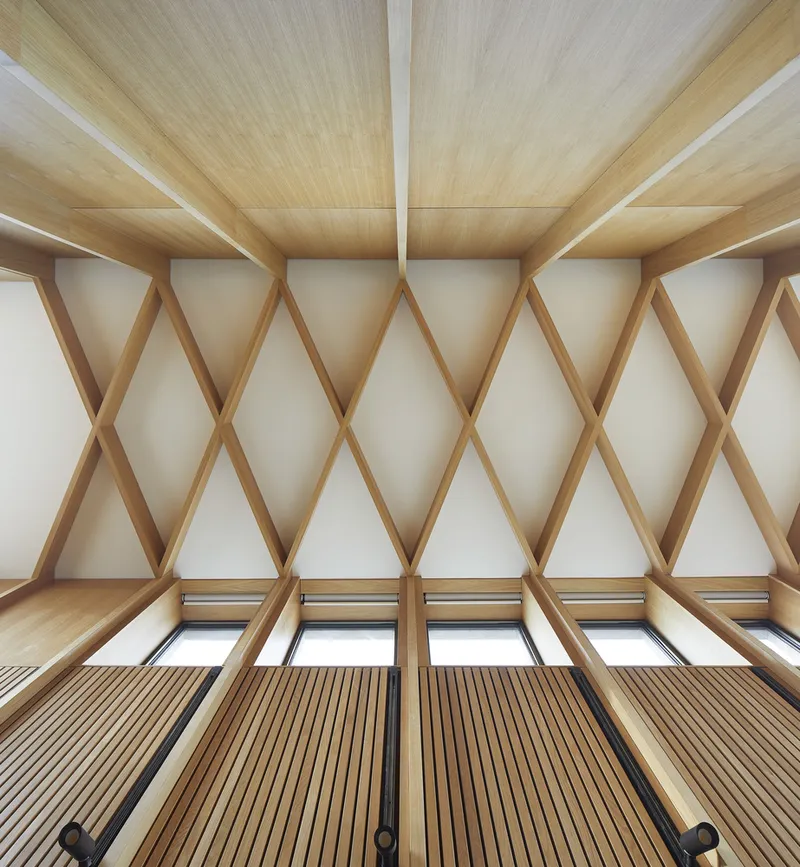
At its core, the tiered forum serves as a central gathering space, designed for interdisciplinary research, immersive visualization, and academic exchange. The gatehouse and tower gallery offer panoramic views of Oxford’s Dreaming Spires, further anchoring the building within its historic context.
A Lasting Impact on Oxford’s Architectural Landscape
The completion of the Cheng Yu Tung Building marks a milestone in Oxford’s urban evolution. It transforms a previously underutilized site into a vibrant, accessible, and sustainable landmark, aligning with the city’s commitment to architectural excellence and environmental responsibility.
The project has received widespread acclaim, reinforcing its role in fostering academic collaboration, economic growth, and urban regeneration. Through its innovative design and sustainability strategies, it sets a new benchmark for modern collegiate architecture.
All Photographs are works of Jim Stephenson, Hufton+Crow



Popular Articles
Popular articles from the community


The Earth Pod: 3D Printed Homes for Resilient Refugee Communities
The Earth Pod reimagines refugee housing through 3D printed homes made from clay, combining resilience, self-sufficiency, and rapid shelter.

Co-life: Sustainable Architecture for Age-Friendly Community Living
Co-life reimagines sustainable architecture for seniors through courtyards, rammed earth, shared gardens, and spaces designed for belonging.

The Musturak Paradise: Senior Living Architecture for a Connected Future in Temara, Morocco
The Musturak Paradise reimagines senior living architecture in Temara via private homes, social spaces, culture, community, and shared care.

Conexión: Biophilic Design Reimagines High-Rise Living in Hong Kong
Conexión reimagines high-rise living in Hong Kong through biophilic design, green facades, shared spaces, daylight, water and nature within.


Similar Reads
You might also enjoy these articles


Hodi-Mandai Geram
Project Function: Preservation and revitalization of the Intangible heritage and socio-spatial identity of the Hodi by Housing, Cultural Memory Center, Sacred Grove, landscape, local tourism economy


Olio Towers: A Mid-Rise for Performers That Fuses Housing, Rehearsal, and Stage
Located blocks from Houston's Theater District, this modular tower stacks living units around a central performance atrium.

Oasis: Modular Green Housing Carved into Dhaka's Urban Fabric
A shortlisted Plugin Housing entry reclaims unauthorized settlements in Dhaka with stepped concrete volumes, green roofs, and ventilation-driven design.

Black Hole: A Floating Megastructure for the Post-Physical Era
Emiliano Mazzarotto envisions a spherical, self-scaling arena where e-sports, digital hotels, and holographic stadiums replace traditional public space.


Explore Landscape Design Competitions
Discover active competitions in this discipline



Challenge to reimagine the Iron Throne


Photograph architecture without architects


Illustrate the lost glory of Angkor Wat - Render Challenge


Design challenge to reuse E-waste
Comments (0)
Please login or sign up to add comments
No comments yet. Be the first to comment!