

cinema and architecture
exploring the complex relationship between reel and real.

Throughout history, storytelling has consistently captivated the human psyche, be it through oral tradition, the written word or the advent of commercial filmmaking in the modern era. Living in the age of tentpole movies, the summer blockbuster and must-see tv in the golden era of television- cinema now more than ever is a bridge between cultures and people across the globe.
Architecture and cinema are intertwined. Both art forms are typically interested in exploring human factors and expressions with the parameters of space, time and region. They can converse fluently with each other and their interactions have resulted in some of the most iconic buildings and cinematic moments we know today. From the sweeping shots of cityscapes to the intimate character interactions in a single room, architecture and cinema have the power to transport audiences to different worlds and create emotional connections that transcend language and culture.
Similarly, architecture as a discipline seeks to emulate the human experience through the built environment. Designers aim to create spaces that cater to the needs of their inhabitants and evoke specific emotions through form, material and spatial configuration. Architecture endeavors to be the imaginative manifestation of the desires and requirements of its occupants. Analyzing a structure can provide significant information about its inhabitants, including their cultural background, gender identity and economic status.
This synergy between architecture and cinema has been utilized in several ways across various genres in a multitude of ways. From the futuristic cities depicted in sci-fi films to the grandiose mansions of period dramas, cinema has been shaped by interactions between itself and the built environment. , the interrelationship between these two disciplines has been apparent, first seen in the works of French filmmaker Georges Méliès who utilized intricate stage designs to create fantastical sets for his films. His use of special effects was also groundbreaking for the time, showcasing the potential of cinema to create immersive worlds that transport audiences to different places and times. This was particularly evident in his film"A Trip to the Moon" (1902), tells the story of a group of astronomers who travel to the moon in a spaceship. His experimentations furthered the scope of storytelling for future filmmakers.
The utilization of architectural elements as a means to express intricate concepts in films originated from investigations into the artistic qualities of cinema during the initial years of the 20th century. Germany's expressionism movement, for instance, employed a striking and non-traditional architectural style to evoke feelings of discomfort and confusion. Emphasizing subjective experiences and emotions while eschewing objective portrayals of the world. Its distinguishing features included atypical structures, vivid hues, and a refusal to adhere to conventional embellishments.
The use of Expressionism in German cinema during the 1920s was greatly impactful. Renowned filmmakers such as Fritz Lang and F.W. Murnau incorporated this artistic style into their movies, crafting surreal settings that accentuated psychological and emotional motifs through exaggeration.
In the early stages of his career, Fritz Lang drew significant inspiration from Expressionism and integrated its techniques extensively into his films. In "Dr. Mabuse, the Gambler" (1922), he employed an Expressionist-inspired set design that accentuated the psychological states of characters through distorted and exaggerated architecture. In the world of film, his 1927 masterpiece "Metropolis" is widely regarded as an iconic showcase of Expressionist architecture. The towering cityscapes and emphasis on the psychological effects of physical space are prime examples of this movement's influence. By emphasizing subjective experiences over traditional design principles, Expressionism paved the way for a more experimental approach to art and design that broke down barriers in creative expression.
The impact of architectural design in evoking emotions and enhancing storytelling was exemplified through the expressionism movement in the cinema, which remains a significant aspect of contemporary films.
Today, a range of architectural styles serves as concise symbols to communicate distinct ideas in media and convey the viewers to diverse historical periods and places. Architectural designs, movements and fashions serve as a valuable wellspring of ideas for filmmakers in terms of creating storylines and constructing worlds. For instance, Art Deco architectural style which was widespread during the 1920s and 1930s has been widely employed by science fiction films and film noir to generate an exceptional futurist ambiance. Paraphrased: The style, additionally found use in a lively and luxurious atmosphere, notably portrayed in the film "The Great Gatsby," which was also set during that era.
Likewise, the Brutalist architecture movement from the mid-20th century has also found its way into movies such as Architect's dream where it served as inspiration for set design. Clockwork Orange and Blade Runner similarly utilized it to showcase a dystopian and oppressive environment. The use of Gothic architecture in horror movies is another example of how architectural styles can be used to provide a particular atmosphere and tone for a movie.
Similarly, the use of modernist architecture in films like "The Fountainhead" and "Playtime" highlights the clean lines and functionalism of this movement, which was prominent during the mid-20th century. In "The Fountainhead" the protagonist, Howard Roark, is an individualistic and uncompromising architect who rejects the conventional architectural styles of his time in favor of modernist architecture. In "Playtime," the modernist architecture of Paris is featured prominently, with director Jacques Tati, showcasing the dehumanizing effects of modernization and urbanization. The use of architectural styles in films not only enhances the visual experience but also adds depth and meaning to the storytelling, providing a rich and complex backdrop for the characters and their actions.
Architecture is oft times used to portray the complexities of societies and the human condition in films, where buildings serve as metaphors for society's values, aspirations, and fears. The built environment is often juxtaposed with the mental and emotional states of the characters, highlighting the contrast between their inner worlds and outer surroundings.
The field of architecture is commonly recognized as a social yet artistic expression. Therefore, it should come as no surprise that the portrayal of architectural works in film and television frequently underscore pertinent societal concerns.
Therefore the portrayal of complex topics such as gender, cultural identity, and power dynamics can be effectively conveyed through the use of architectural styles in visual media. Consequently, the topic of gender and representation is inextricably intertwined with the study of film and architectural history, as it provides insight into the various ways in which architectural styles have evolved over the centuries to reflect society's changing values. The renowned "Staircase Scene" in the movie "Gone with the Wind" unfolds on a lavish staircase situated within Scarlett O'Hara's abode, symbolizing her affluence and prestige. Donning an exquisite gown, Scarlett descends the stairs to be greeted by Rhett Butler, her admirer. Filmed from beneath, this scene accentuates both the magnificence of the staircase and Scarlett's authority and supremacy in that setting. The architecture of the staircase reinforces traditional gender roles, with Scarlett as the beautiful and wealthy woman being looked up to by the male character.
Gendered biases and norms can be reinforced by the design of architecture itself. The traditional gender roles that associate women with caregiving and homemaking have resulted in homes and other domestic spaces being designed to accommodate these roles, which may also include designing kitchens and other household areas specifically for female use. Public spaces such as restrooms are not exempt from this phenomenon either; females often have fewer choices when it comes to selecting restrooms or may end up occupying smaller, less conspicuous spaces.
Thus the impetus may fall upon filmmakers to craft films that can challenge these contemporary societal norms and stereotypes. For instance, "Ironman" is a highly visual and dramatic film, portraying Jeff Bridges as a man forced to relinquish his male identity to overcome his handicap and take on the challenges of everyday life. However, the cinematic story highlights how his feelings of isolation are only compounded by the inflexibility of the law to allow him to live the way he wants to. This story also highlights the negative perceptions held towards people with disabilities, which are based on gender stereotypes and a lack of understanding about the true nature of the disability itself. The narrative showcases the potential of design to confront prevailing societal prejudices and biases, fostering greater cultural sensitivity towards disability and gender parity.
Incorporating the needs of all individuals through architecture and film is a forward-thinking approach that benefits everyone. By acknowledging and embracing diversity, we can positively impact our surroundings and contribute to a better world. Our perception of differences in people plays a significant role in shaping society.
Architects and filmmakers need to recognize the impact their work can have on societal norms and stereotypes, and take responsibility for creating designs and stories that promote inclusivity and diversity.
At present, within mainstream cinema, the critical importance of architecture and set design persists as numerous filmmakers utilize constructed environments to facilitate storytelling objectives. This practice enables them to generate immersive and aesthetically captivating worlds for their narratives to unfold.
Ensuring a constructive influence is the need of the hour and has become increasingly feasible by leveraging the potential of technology and social media. By utilizing these tools to disseminate varied perspectives and narratives, conventional societal norms can be questioned while inclusivity and comprehension are encouraged - leading to empathy within society.

Popular Articles
Popular articles from the community


Opera by the Sea Estonia: Three Shells Dissolving Architecture into Tallinn's Coastline
A winning opera house proposal replaces monumental form with interconnected shells that blur the boundary between building, park and Baltic Sea.

The Amber Palace Opera: A Geological Fiction Surfaces on Tallinn's Baltic Waterfront
Pierre Brillard reimagines a Baltic legend as a public landscape, opera house, and waterfront promenade rooted in Tallinn's coastal identity.

Cloaked Colonization: A Mobile Underwater Habitat That Moves Like a Fish
Micah Abaya's shortlisted EHC Pacific entry reimagines ocean settlement as a dispersed network of self-sustaining architectural organisms.

Singing Woman: Contemporary Architecture Inspired by Estonia’s Voice and the Sea
Singing Woman turns Estonia’s song culture into flowing opera house architecture, blending public life, landscape, sea, and national memory.

Similar Reads
You might also enjoy these articles

Day and Night Park: A Time-Based Urban Newsstand in Beijing
A temporary urban newsstand in Beijing blending travel, light, and reading through poetic colors, compact form, and community-focused design.

Modernist Patio Renovation in El Masnou, Barcelona by Oliver Segura Arquitectura + Cebrià Arquitectura
Modernist patio renovation blending tradition and innovation with a movable pool, leveled floors, and Catalan materials in El Masnou.

Alto Residencial Coop: Cooperative Housing Development in Santiago de Compostela by Carbajo Barrios Arquitectos
A linear cooperative housing complex blending white volumes and perforated metal façades, enhancing community living, natural light, privacy, and urban integration.
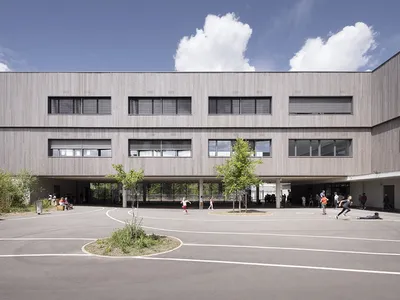
Vil Genis School by BPA ARCHITECTURE – Massy, France
Vil Genis School in Massy, France, features sustainable design, south-facing classrooms, community integration, accessible spaces, and modern educational architecture.

Comments (0)
Please login or sign up to add comments
No comments yet. Be the first to comment!