
Citizen Garden Park: A Transformative Urban Oasis by Práctica Arquitectura in Monterrey, Mexico
Citizen Garden Park in Monterrey transforms a former lot into a lush, flexible urban oasis, blending greenery, social spaces, and civic engagement.


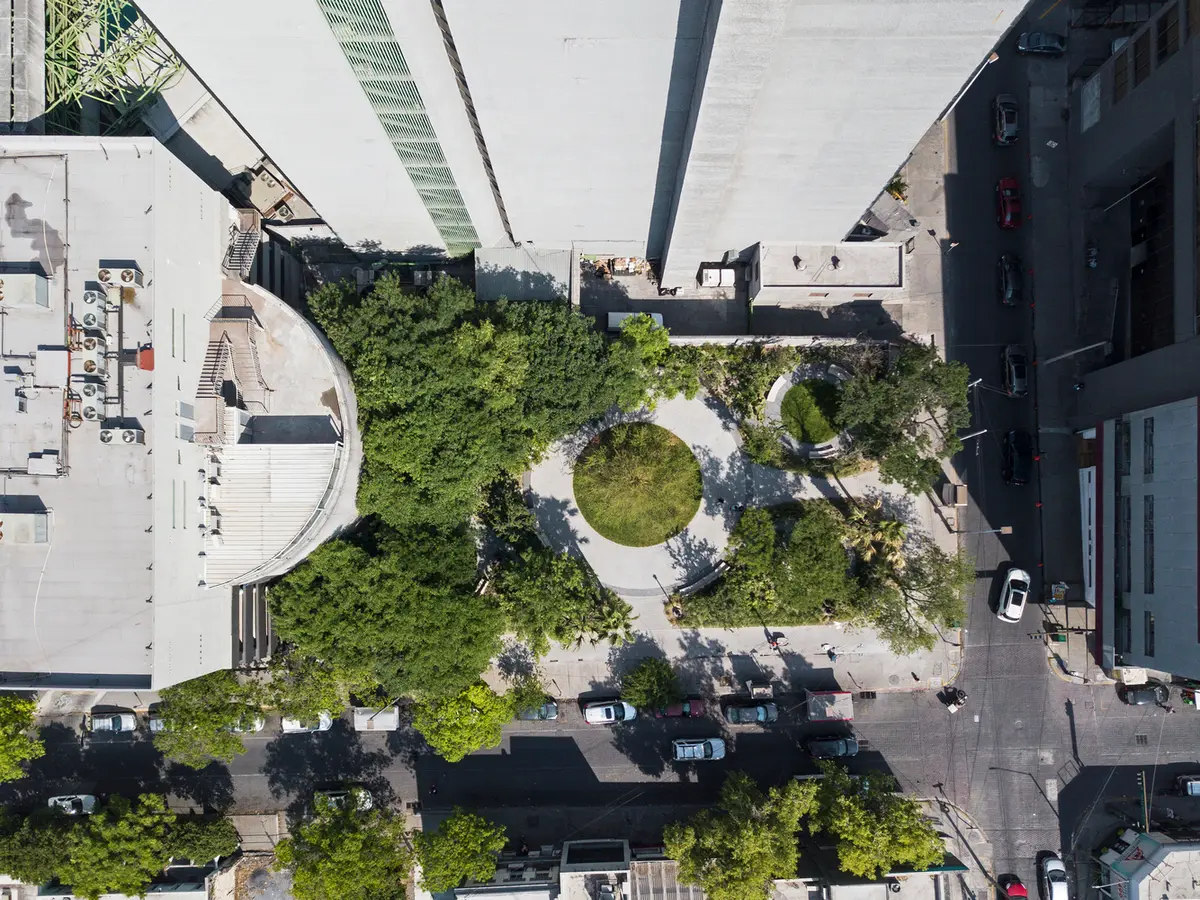
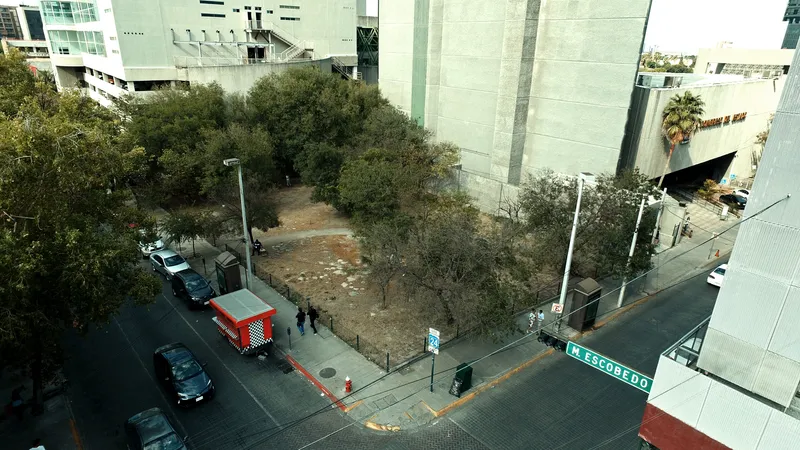
Nestled in the bustling heart of Monterrey, Mexico, Citizen Garden Park is a masterful example of urban regeneration and community-centered design. Conceived by Práctica Arquitectura and led by architect David Martínez Ramos, this 1,300 m² public space transforms a former unused lot—once slated for a parking facility—into a vibrant urban oasis that fosters connection, reflection, and social engagement. Completed in 2018, the project showcases the potential of small-scale interventions to create meaningful civic experiences.
Reimagining Urban Voids
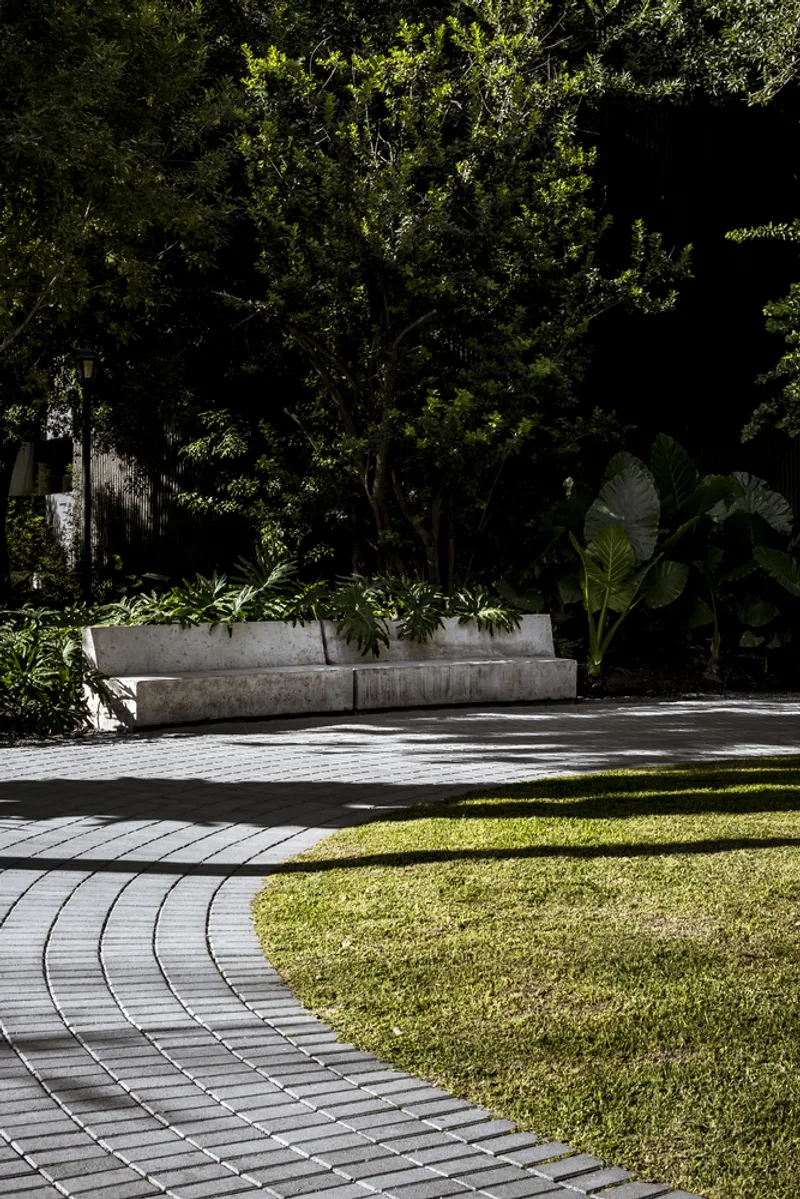
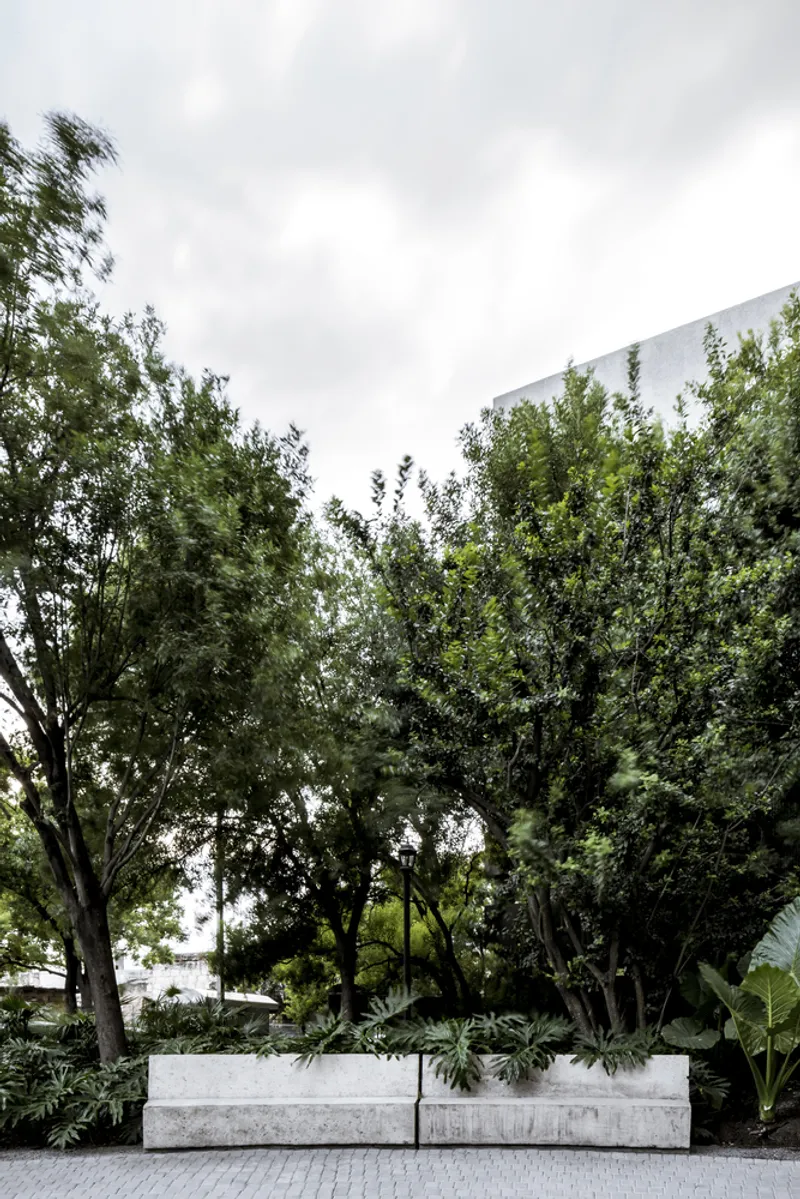
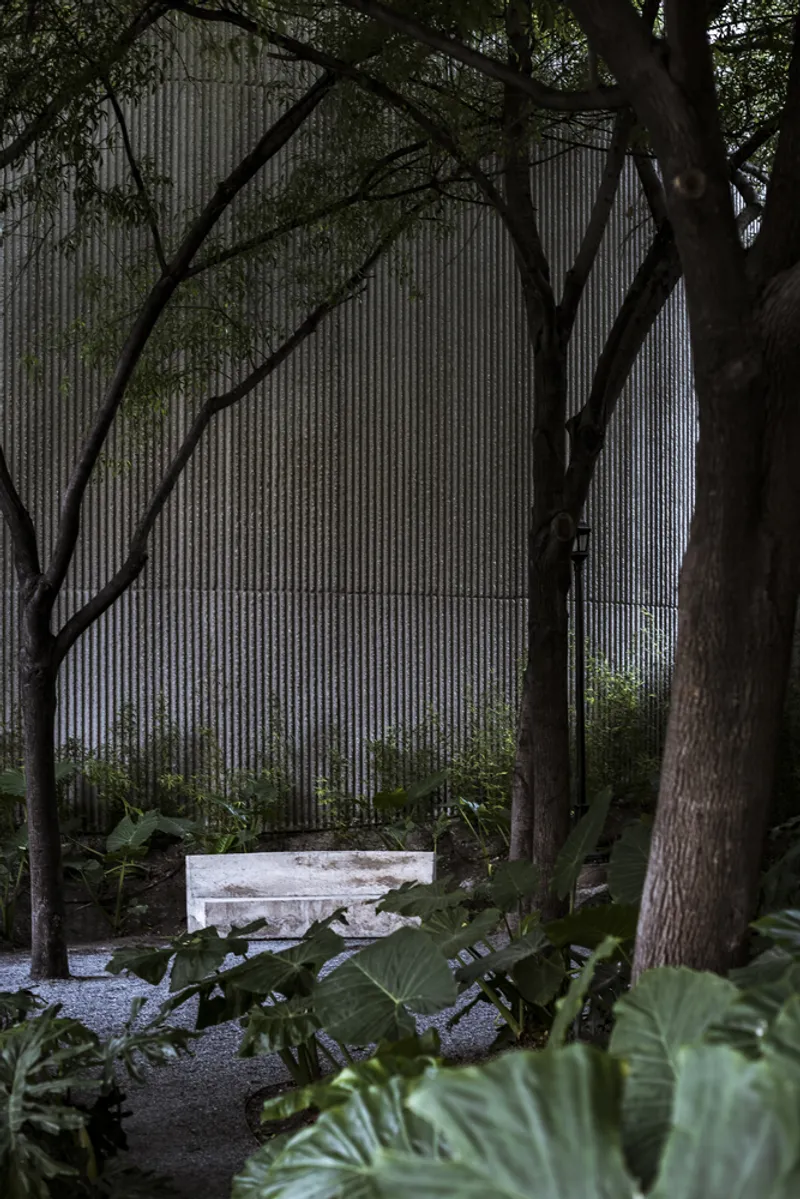
The story of Citizen Garden Park began in 2014 when plans for a public parking lot met strong social opposition. Recognizing the value of the empty plot within Monterrey’s dense urban fabric, the architects preserved most of the existing trees, removing only four that were diseased. By retaining the greenery and utilizing the site’s soil as aggregate for the garden’s custom benches, Práctica Arquitectura transformed a neglected parcel into a dynamic, environmentally conscious public space.
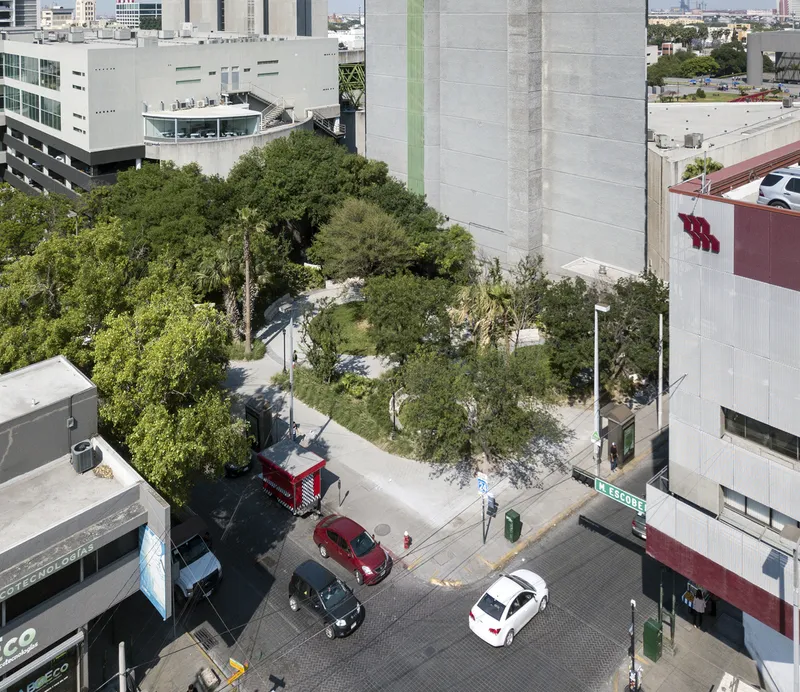
Instead of a conventional boundary-following layout, the garden’s design encourages pedestrians to traverse the lot diagonally. This subtle intervention awakens urban dwellers to new experiences within the city, reinforcing the park as both a shortcut and a contemplative pause amid the city’s verticality. Two service pavilions frame the main entrance, acting as both storage spaces and transitional elements, bridging the towering ten-story buildings nearby to the human-scaled, horizontal expanses of the garden.
A Garden as a Social House
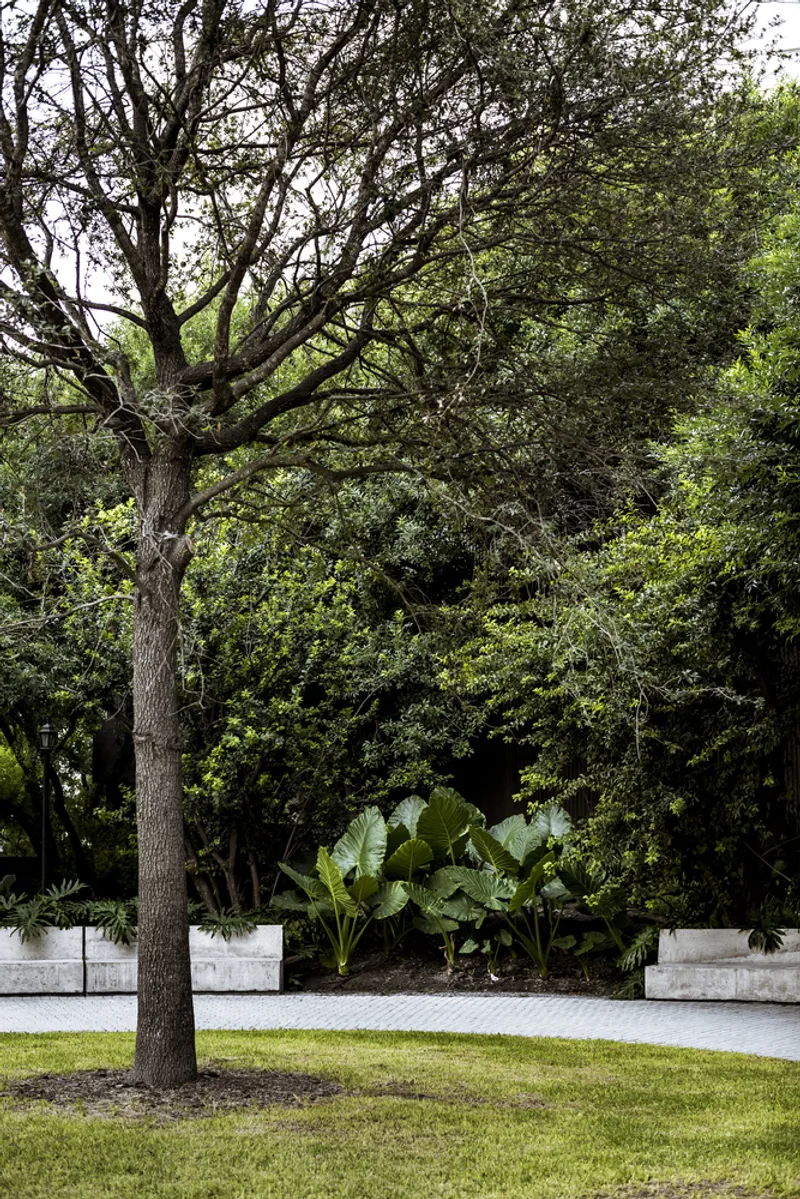
Conceptually, Citizen Garden Park embodies the idea of a “house with a central courtyard.” The park’s large, open central clearing acts as a flexible social hub, adaptable to diverse activities. Four peripheral clearings are connected via winding paths, offering visitors moments of privacy within lush vegetation. The spatial choreography—from expansive central areas to intimate, semi-labyrinthine corners—encourages exploration, contemplation, and discovery.
This layered approach allows the garden to function as a living stage: the landscape reacts to seasonal changes, scents, colors, and textures, creating an evolving experience for its visitors. The park becomes an active participant in the urban life of Monterrey, fostering a sense of belonging and civic identity.

A Forum for Civic Engagement and Memory
Beyond recreation, Citizen Garden Park serves as a civic forum for personal and collective growth. From its inception, the garden was designed as a place to meet, exchange ideas, and cultivate community identity. The project underscores the importance of memory and historical continuity in urban environments: rejecting the past risks detachment from human quality, while carefully designed public spaces anchor cultural and social identity for future generations.
By merging ecological sensitivity, social purpose, and thoughtful design, Citizen Garden Park exemplifies the potential of urban gardens to enhance city life. It is a testament to how architecture can create spaces that are not merely functional but profoundly human—spaces that invite citizens to inhabit, reflect, and remember.


All photographs are works of The Raws, César Bejar


Popular Articles
Popular articles from the community


Cube Design Draws an Ecological Corridor Between Two Shenzhen Hills with the Nankai Building
Beside Shenzhen's container docks, the Nankai Building pairs stacked balconies with a climbing green screen to connect two hillsides across its height.

ETEH Reworks the Shared Spaces of São Domingos School in Brazil Around Timber, Color and Hanging Plants
At São Domingos School in Brazil, 436 m² of hall, refectory and library are recast with timber joinery, a yellow and blue code and trailing greenery.


Aquadapt: An Underwater Habitat That Rewrites Its Rooms by the Hour
Curved modules ring the seabed while one shell shifts from breakfast room to cinema, farm and football pitch as residents' needs change.

FCC Arquitectura Expands a Portuguese Granite House with a Board-Marked Concrete Wing
In Portugal, JV House pairs a cleaned-up whitewashed and granite dwelling with a timber-shuttered concrete extension, courtyards and a garden pool.

Similar Reads
You might also enjoy these articles


Hodi-Mandai Geram
Project Function: Preservation and revitalization of the Intangible heritage and socio-spatial identity of the Hodi by Housing, Cultural Memory Center, Sacred Grove, landscape, local tourism economy


Olio Towers: A Mid-Rise for Performers That Fuses Housing, Rehearsal, and Stage
Located blocks from Houston's Theater District, this modular tower stacks living units around a central performance atrium.

Oasis: Modular Green Housing Carved into Dhaka's Urban Fabric
A shortlisted Plugin Housing entry reclaims unauthorized settlements in Dhaka with stepped concrete volumes, green roofs, and ventilation-driven design.

Black Hole: A Floating Megastructure for the Post-Physical Era
Emiliano Mazzarotto envisions a spherical, self-scaling arena where e-sports, digital hotels, and holographic stadiums replace traditional public space.

Explore Urban Garden Competitions
Discover active competitions in this discipline

Challenge to reimagine the Iron Throne

Photograph architecture without architects

Illustrate the lost glory of Angkor Wat - Render Challenge

Design challenge to reuse E-waste
Comments (0)
Please login or sign up to add comments
No comments yet. Be the first to comment!