
City Dox Housing by XDGA: A Productive Urban Hybrid Along the Brussels Canal
City Dox Housing by XDGA integrates productive spaces and housing in Brussels, creating a flexible, sustainable model for urban hybrid living.


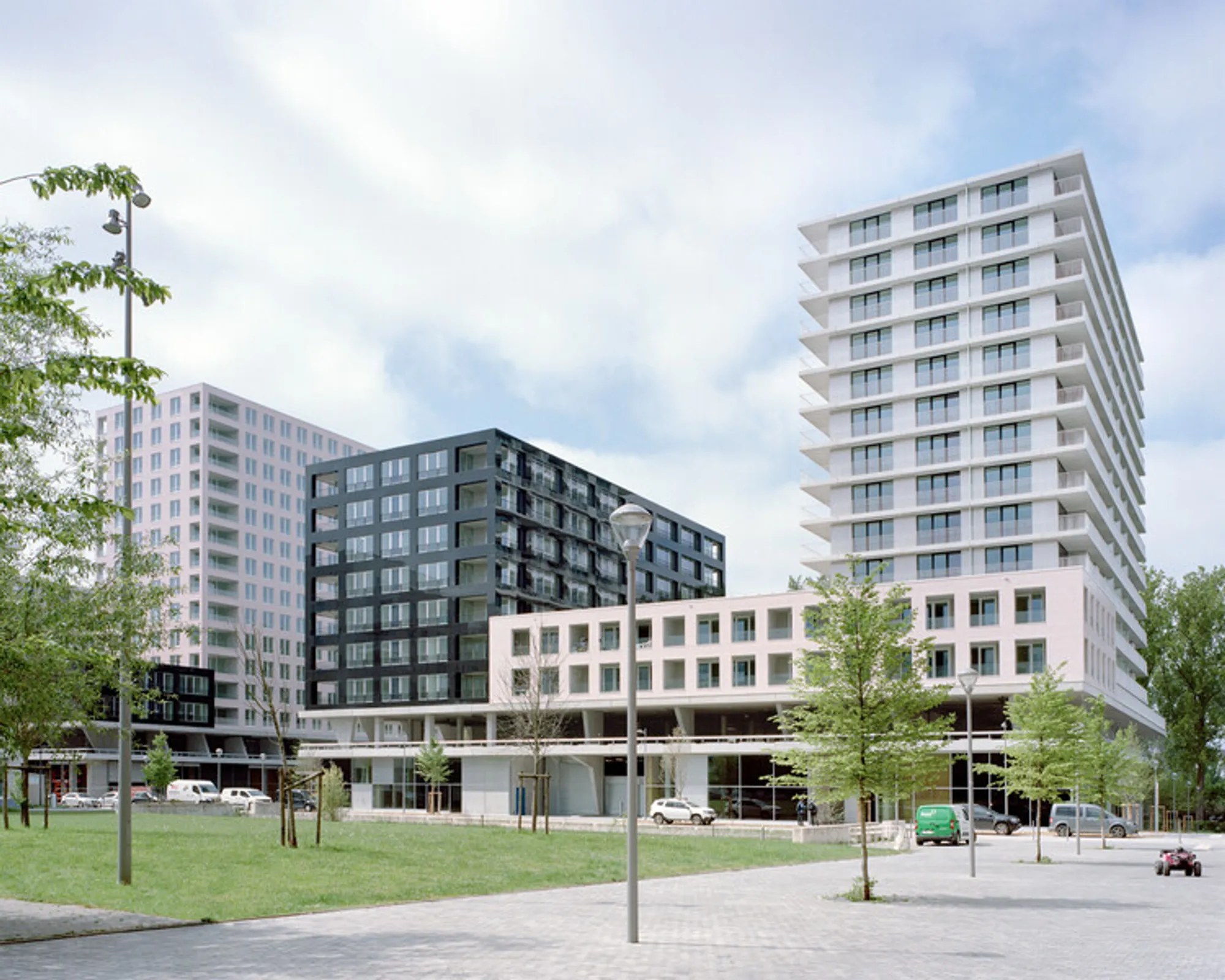
In the evolving district of Anderlecht, along the Brussels Canal, City Dox Housing by XDGA (Xaveer De Geyter Architects) redefines mixed-use living through an innovative urban typology that unites production spaces, housing, and flexible infrastructure. Part of the broader City Dox masterplan, the project is conceived as a prototype for hybrid urban environments, balancing density, adaptability, and coexistence between work and living.
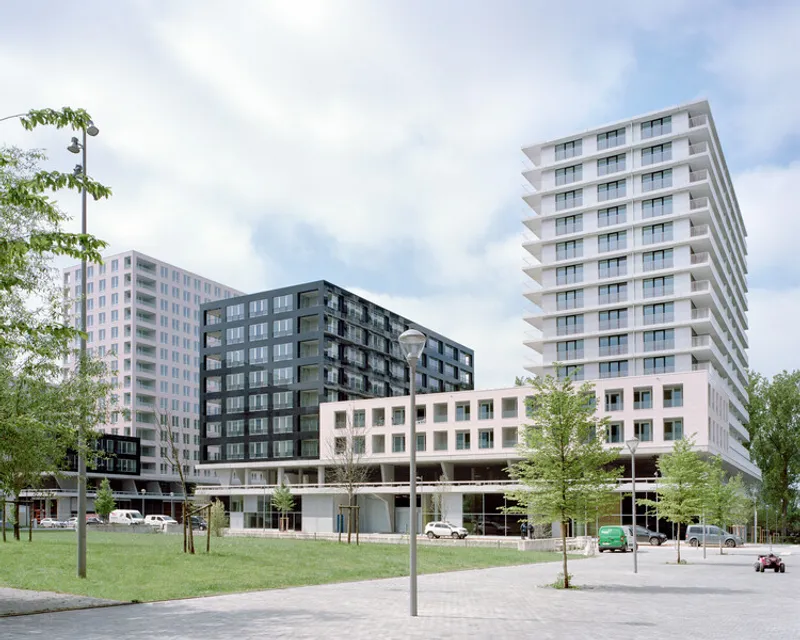
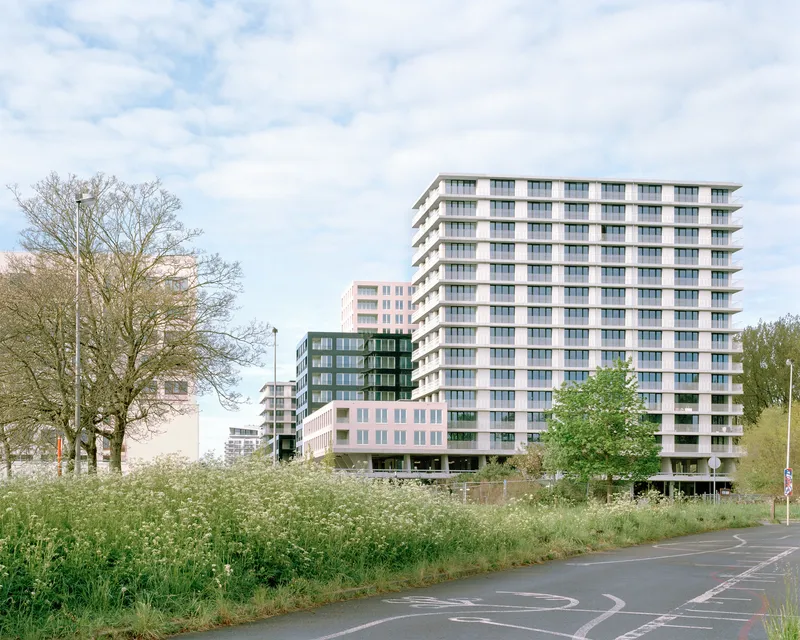
Spanning 25,000 m², this architectural intervention stands where industrial memory meets a renewed urban ambition—bridging the legacy of the city’s productive past with the sustainable, mixed-use communities of the future.
Layered Urban Program: Work Below, Living Above
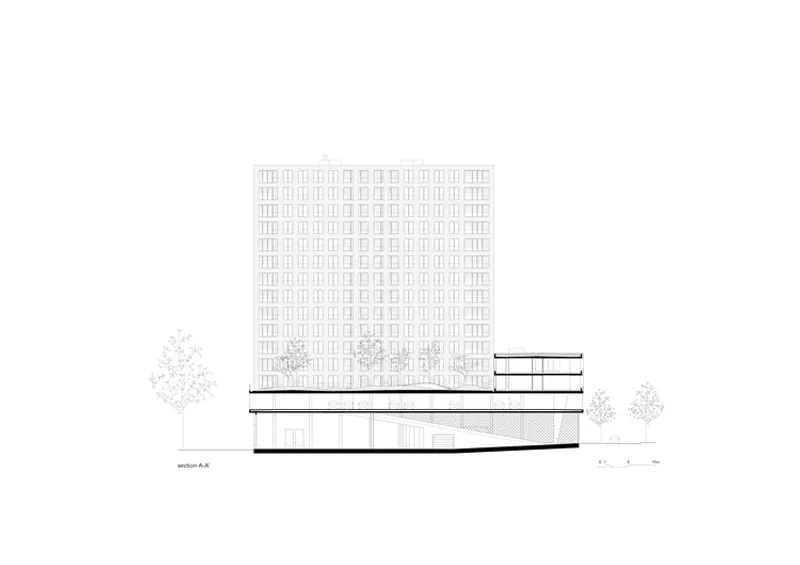
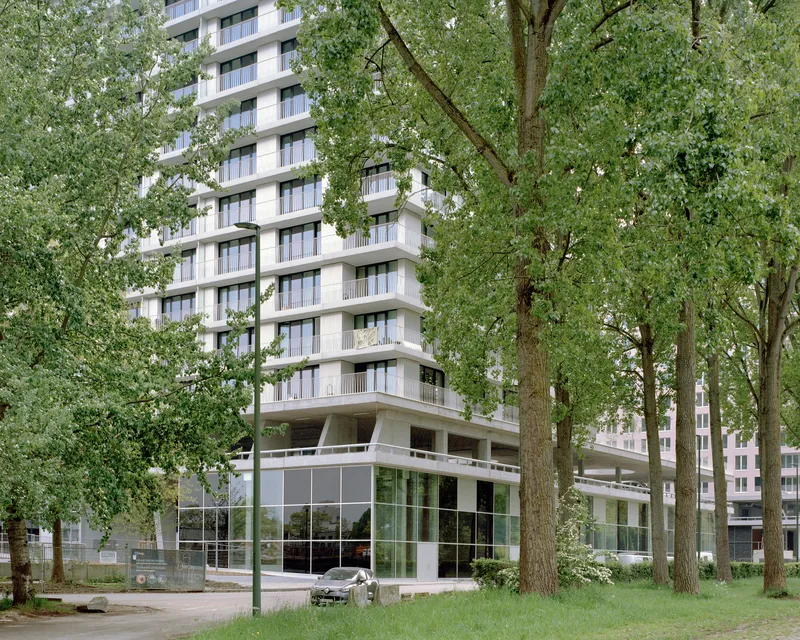
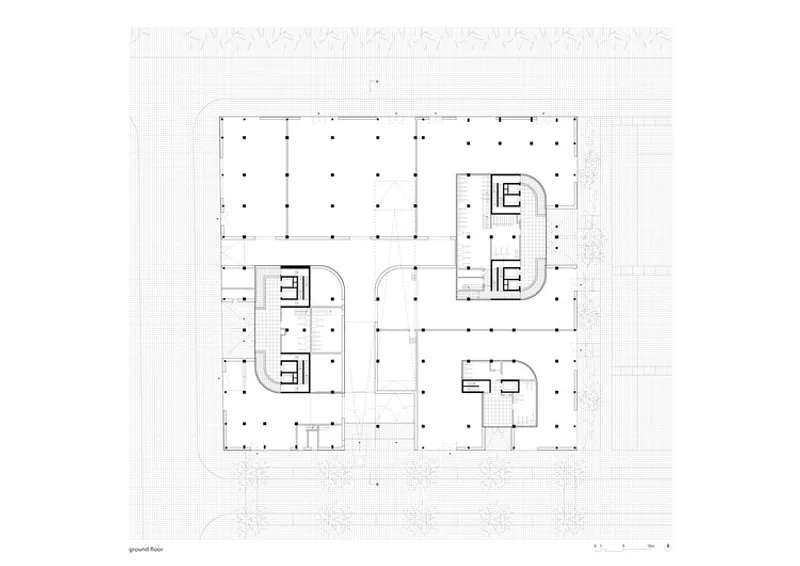
The project’s defining principle lies in its vertical layering of functions. At the base, the ground floor houses productive and commercial spaces, designed to accommodate small industries, workshops, logistics, or community ventures. This reactivation of ground-level productivity reintroduces an urban intensity to a once purely industrial zone—encouraging coexistence rather than separation.
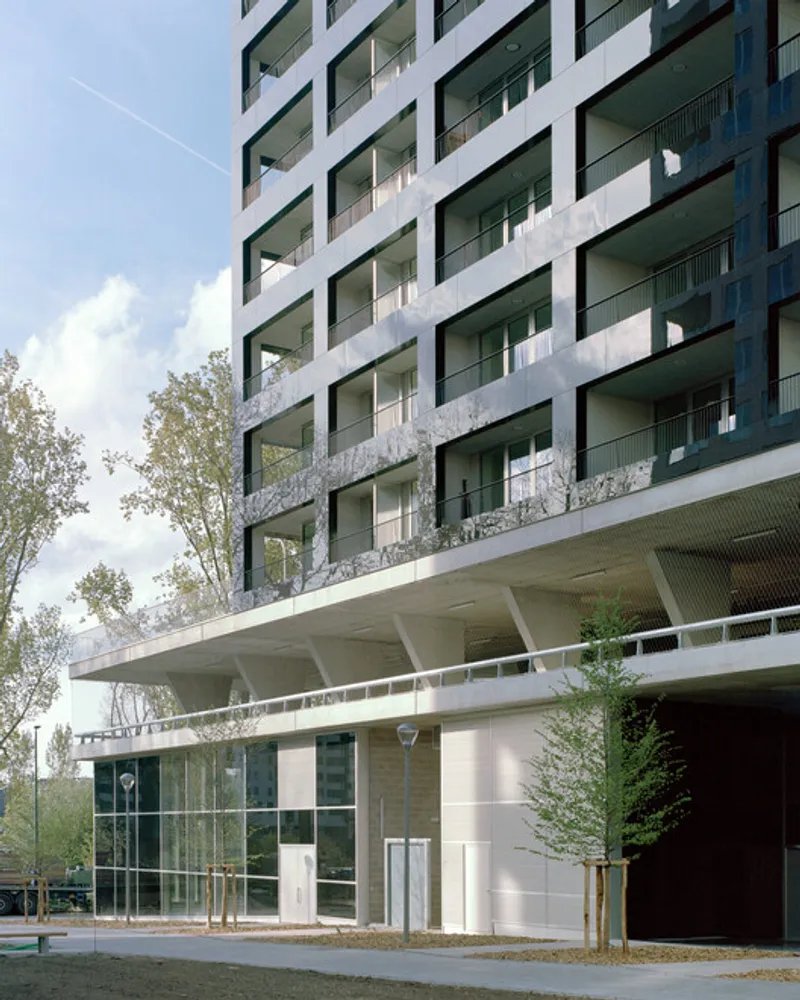
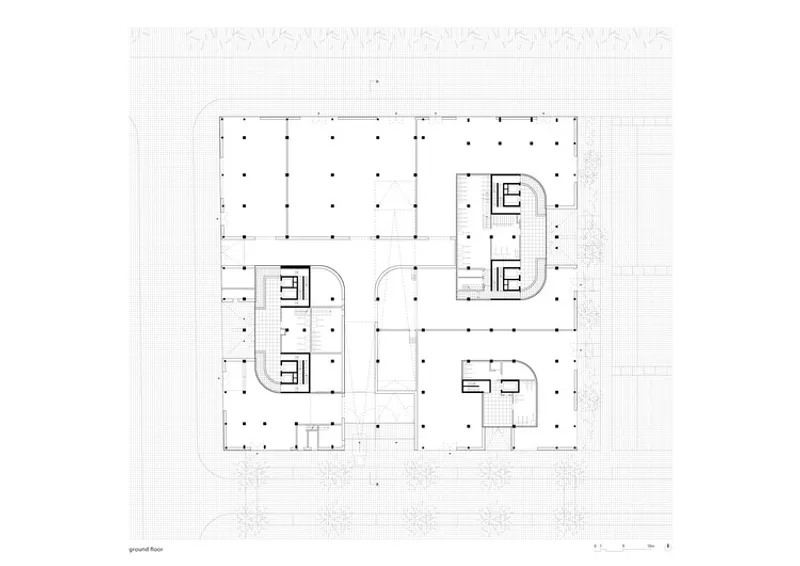
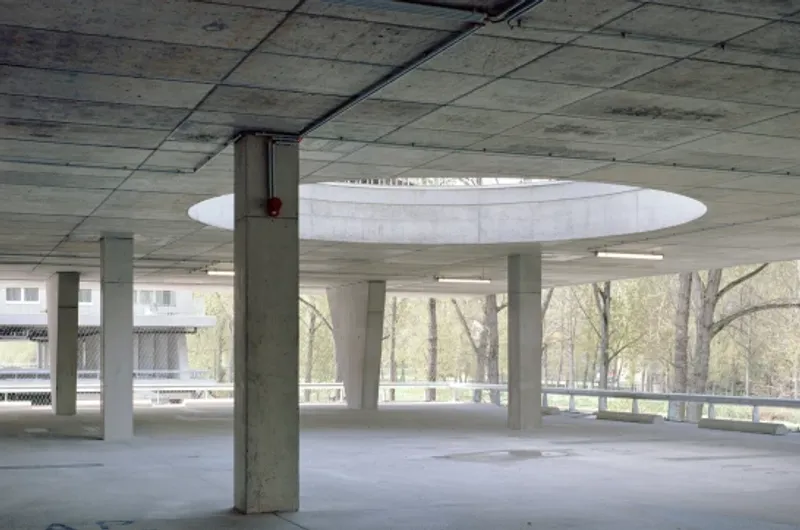
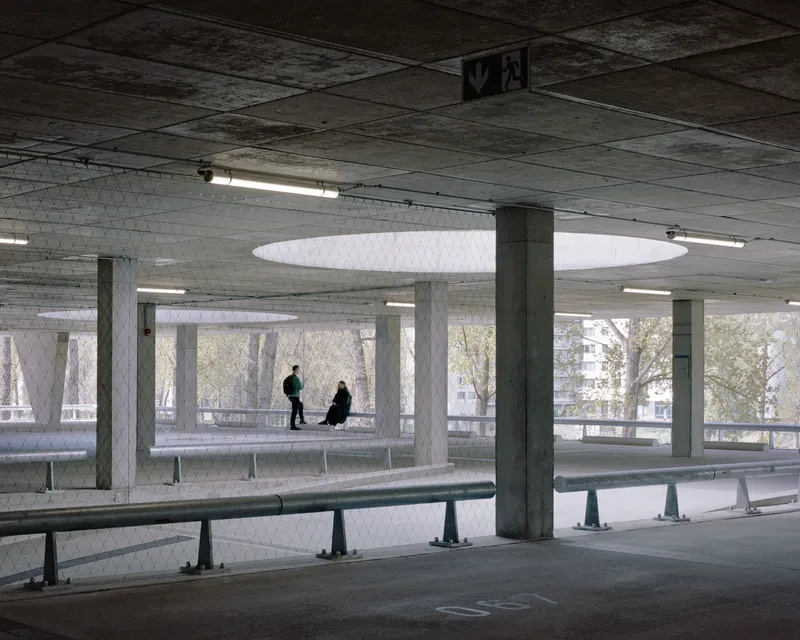
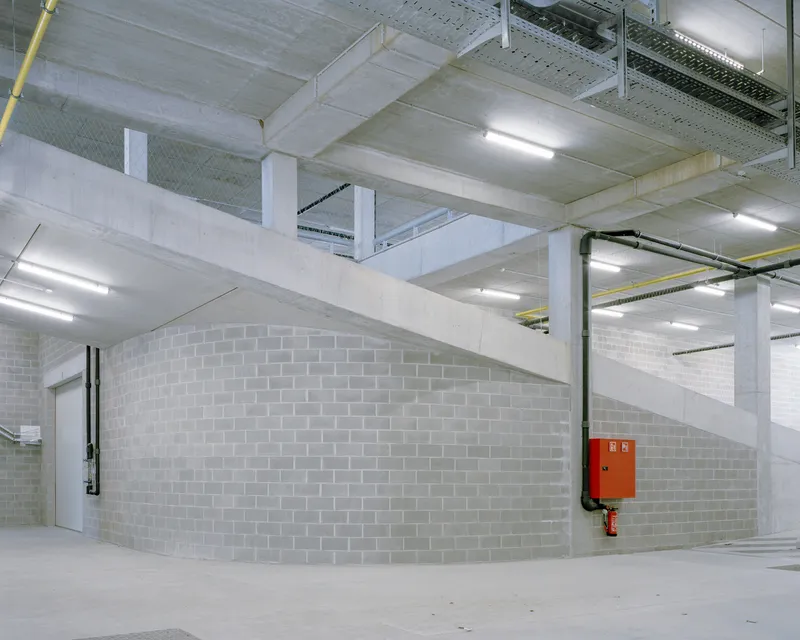
Above it, a layer of parking on the first floor acts as an intermediate “buffer zone” between work and housing. This level serves multiple purposes: it absorbs potential noise or vibration from the workshops below, provides a flexible interface for future programmatic evolution, and, critically, addresses the site’s high groundwater levels along the canal.
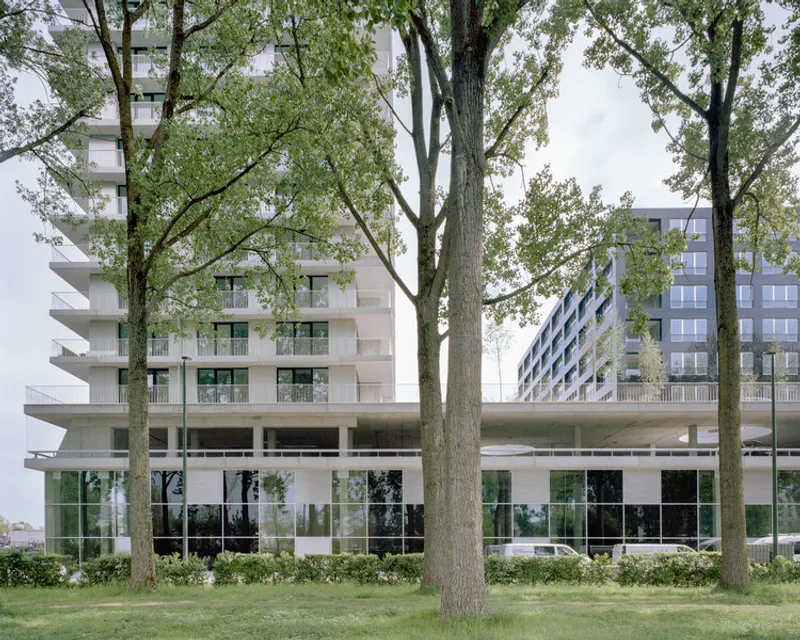
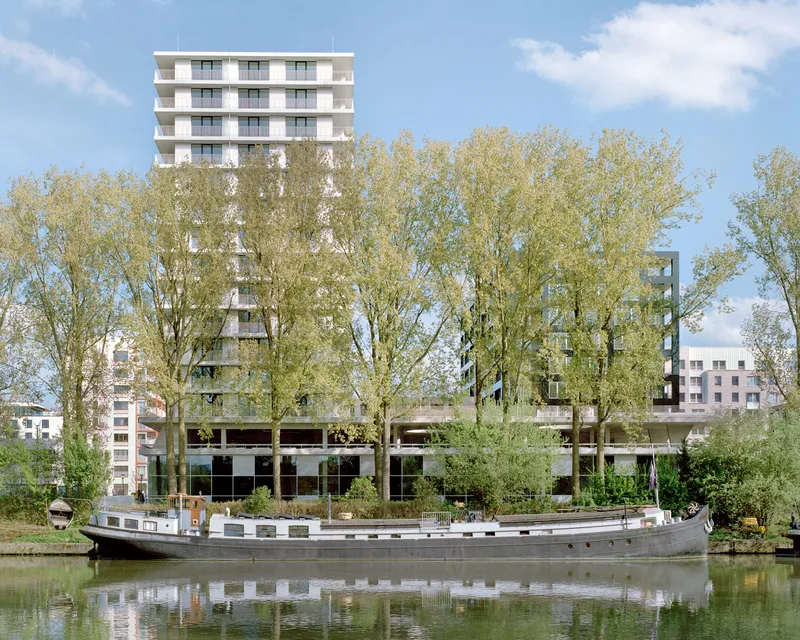
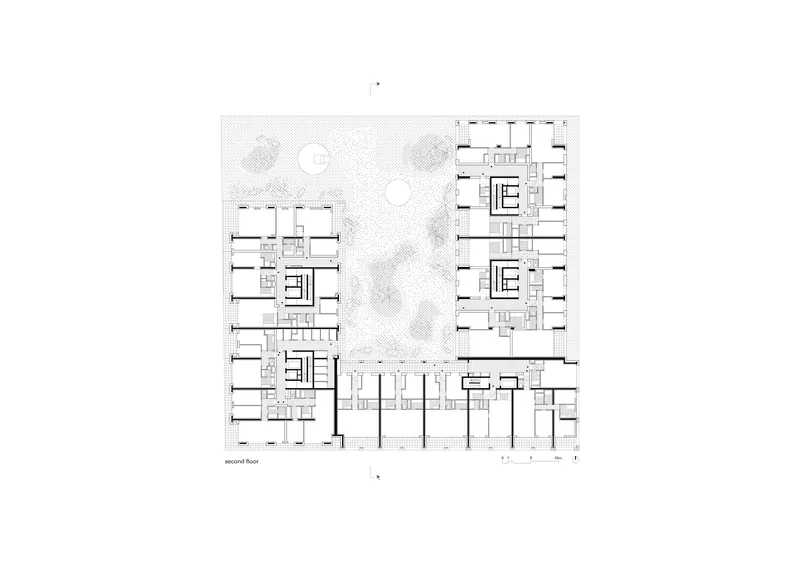
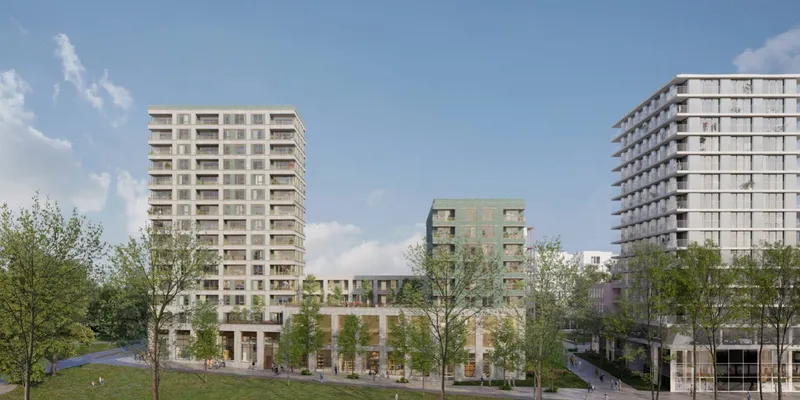
Crowning these layers is the residential volume, organized into three towers that rise as distinct yet connected figures on their shared plinth. A sequence of housing typologies—from compact urban apartments to larger family units—supports social diversity, anchoring the development’s identity as a mixed urban ecosystem rather than a monolithic block.
Architecture as Urban Strategy
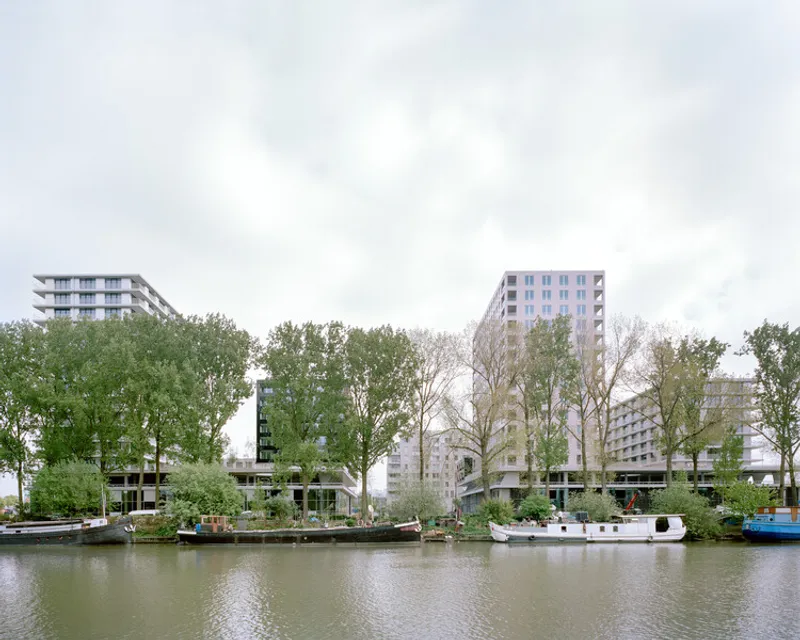
At the macro scale, XDGA designed City Dox Housing as part of a triptych comprising plots 4, 5, and 6. While each parcel retains its distinct architectural character, all three share a coherent volumetric rhythm that reinforces the site’s urban frontage along the canal. This balance—between cohesion and diversity—embodies XDGA’s master planning philosophy, where large urban gestures coexist with architectural individuality.
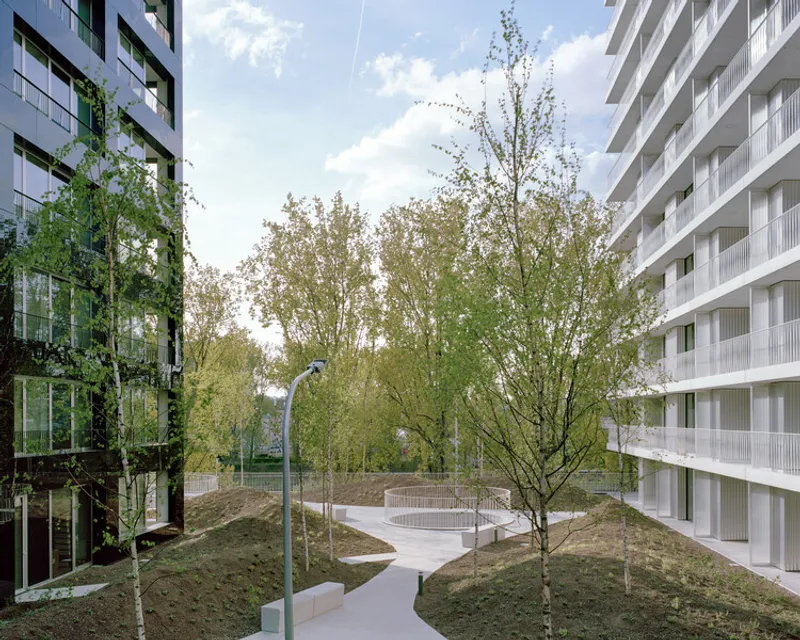
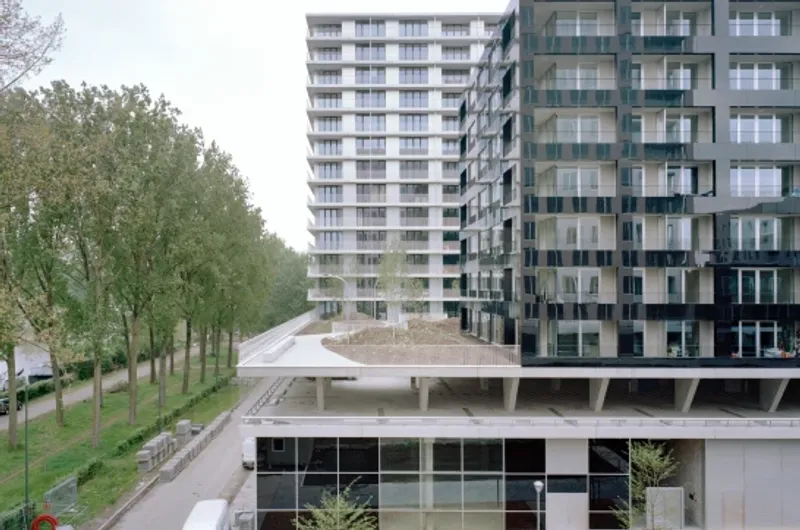
The massing and envelopes were precisely calibrated to align with neighboring structures, ensuring continuity of skyline and urban grid. The plinth unites the three volumes, establishing a strong horizontal datum, while the towers—slightly differentiated by color, articulation, and material treatment—express individuality through facade rhythm and depth. From the water’s edge, their vertical variations create a visual composition reminiscent of an urban archipelago.
Facades: Coherence Through Difference
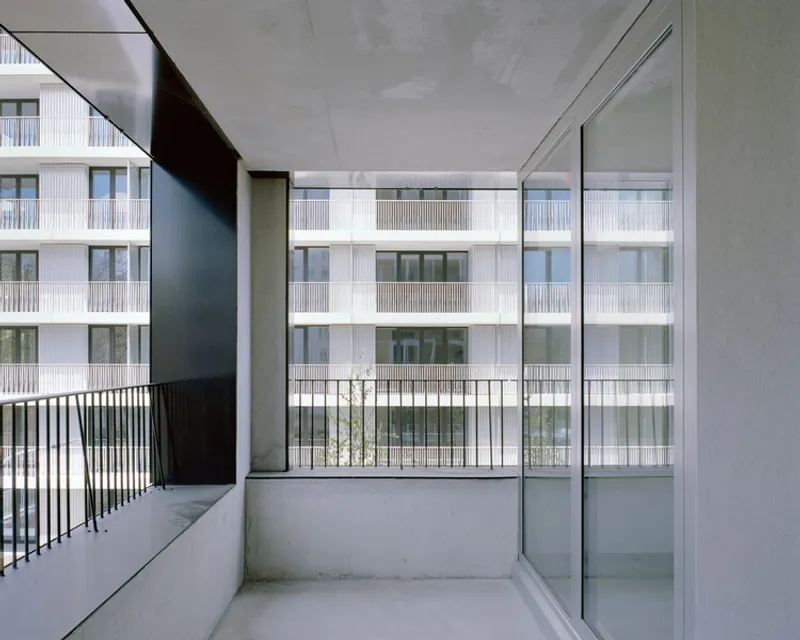
Although developed as part of one project, each tower asserts its own architectural voice through facade modulation and texture. The variation in window dimensions, material palettes, and balcony arrangements contributes to the legibility of individual buildings within a unified framework.
The facade design follows an honest logic of urban expression and functional adaptation, emphasizing repetition, rhythm, and human-scale details. Through subtle differences in tone and pattern, the ensemble reads as many buildings within one system—reflecting the pluralism of the contemporary city itself.
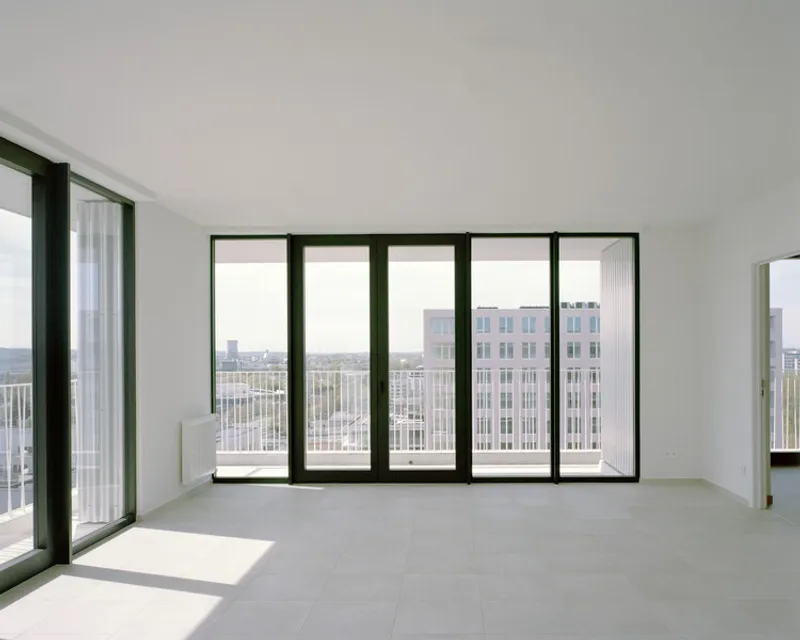
This approach also encourages adaptability: facades incorporate modular systems that could evolve alongside programs and future user needs, reaffirming the project’s long-term resilience.
Living With Infrastructure
The first-floor buffer zone, while performing the functional role of parking, transcends its utilitarian nature. XDGA conceived it as potential spatial capital, capable of supporting new uses over time—co-working, sports facilities, or communal gardens. Its design anticipates the shifting boundaries between private mobility and shared public services.
This foresight, rooted in ecological urbanism, positions City Dox Housing as a flexible architecture of transition. It reflects a contemporary understanding of buildings not as static objects, but as urban organisms in constant evolution—responsive to environmental, social, and infrastructural change.
Productive Ground and Public Realm
At street level, transparency and permeability guide the user experience. Flexible production halls and workshops open directly toward the canal promenade, activating the ground plane with visible, animated public edges. This spatial generosity invites interaction between workers, residents, and passersby, cultivating a micro-economy of coexistence rarely seen in traditional zoning strategies.
Instead of isolating production from living, XDGA integrates it as everyday urban life—a philosophical stance that challenges 20th-century zoning separation. Landscaped pedestrian routes and shared courtyards further reinforce the social and environmental continuity between the building and its context.
Architecture and Adaptability
Structurally, the project is designed for durability and reuse. The reinforced concrete skeleton, wide-span floor plates, and modular grid allow for easy repurposing of internal layouts. The productive base could one day host cultural programs, co-living spaces, or hybrid facilities—demonstrating a framework open to transformation.
Moreover, the building design incorporates circular construction principles: efficient envelope performance, optimized daylighting, natural ventilation systems, and materials chosen for longevity. The result is an urban project that is not only dense and mixed but also climatically and socially responsive.
A Contemporary Model for Brussels’ Urban Renewals
City Dox Housing exemplifies XDGA’s ongoing engagement with metropolitan Brussels—one rooted in analysis, experimentation, and redefinition of urban hybridity. The project builds on the city’s industrial memory, reshaping its canal corridor into a productive urban commons rather than a corridor of dormitory housing.
Through design precision and strategic layering, it delivers a manifesto for 21st-century urban resilience:
- Reclaiming the productive ground floor as a civic stage.
- Designing adaptable infrastructures rather than finite forms.
- Celebrating difference within coherence, and coherence within difference.
In doing so, XDGA contributes to a renewed architectural urbanism—one that merges function, structure, and imagination to envision Brussels as both a city of work and dwelling.
All the photographs are works of Maxime Delvaux



Popular Articles
Popular articles from the community


Co-life: Sustainable Architecture for Age-Friendly Community Living
Co-life reimagines sustainable architecture for seniors through courtyards, rammed earth, shared gardens, and spaces designed for belonging.
AL-JANNAH: Sustainable Architecture and Permaculture for Afghan Widows
AL-JANNAH uses sustainable architecture and permaculture to create resilient oasis of housing, learning, work and renewal for Afghan widows.

Co-Life: Senior Housing Design That Reconnects Older Adults With the City
Co-Life reimagines senior housing design through healing gardens, shared streets, workshops, and a sustainable community across generations.

The Musturak Paradise: Senior Living Architecture for a Connected Future in Temara, Morocco
The Musturak Paradise reimagines senior living architecture in Temara via private homes, social spaces, culture, community, and shared care.


Similar Reads
You might also enjoy these articles


Hodi-Mandai Geram
Project Function: Preservation and revitalization of the Intangible heritage and socio-spatial identity of the Hodi by Housing, Cultural Memory Center, Sacred Grove, landscape, local tourism economy


Olio Towers: A Mid-Rise for Performers That Fuses Housing, Rehearsal, and Stage
Located blocks from Houston's Theater District, this modular tower stacks living units around a central performance atrium.

Oasis: Modular Green Housing Carved into Dhaka's Urban Fabric
A shortlisted Plugin Housing entry reclaims unauthorized settlements in Dhaka with stepped concrete volumes, green roofs, and ventilation-driven design.

Black Hole: A Floating Megastructure for the Post-Physical Era
Emiliano Mazzarotto envisions a spherical, self-scaling arena where e-sports, digital hotels, and holographic stadiums replace traditional public space.


Explore Mixed-Use Competitions
Discover active competitions in this discipline



Challenge to reimagine the Iron Throne


Photograph architecture without architects


Illustrate the lost glory of Angkor Wat - Render Challenge


Design challenge to reuse E-waste
Comments (0)
Please login or sign up to add comments
No comments yet. Be the first to comment!