

Cloud House by ROOM+ Design & Build: A New Paradigm in Co-Living Architecture in Vietnam
An innovative co-living residence in Ho Chi Minh City that redefines affordable urban housing through design, community, and spatial poetry.


In the dense heart of Ho Chi Minh City, where affordability clashes with the desire for quality urban living, ROOM+ Design & Build presents a remarkable architectural response: Cloud House. This boutique co-living development reimagines how young professionals and couples can live comfortably, sustainably, and communally in a city where space is a luxury and the rental market is increasingly unaffordable.
Redefining Urban Living Through Co-Living Architecture
The urban housing crisis in Vietnam has reached critical levels, particularly for younger generations. Traditional tube-houses are often subdivided into cramped, poorly lit, and poorly ventilated rental units that offer little comfort or aesthetic value. Cloud House tackles this issue by offering a thoughtfully designed co-living solution that balances affordability, privacy, and shared community experience.
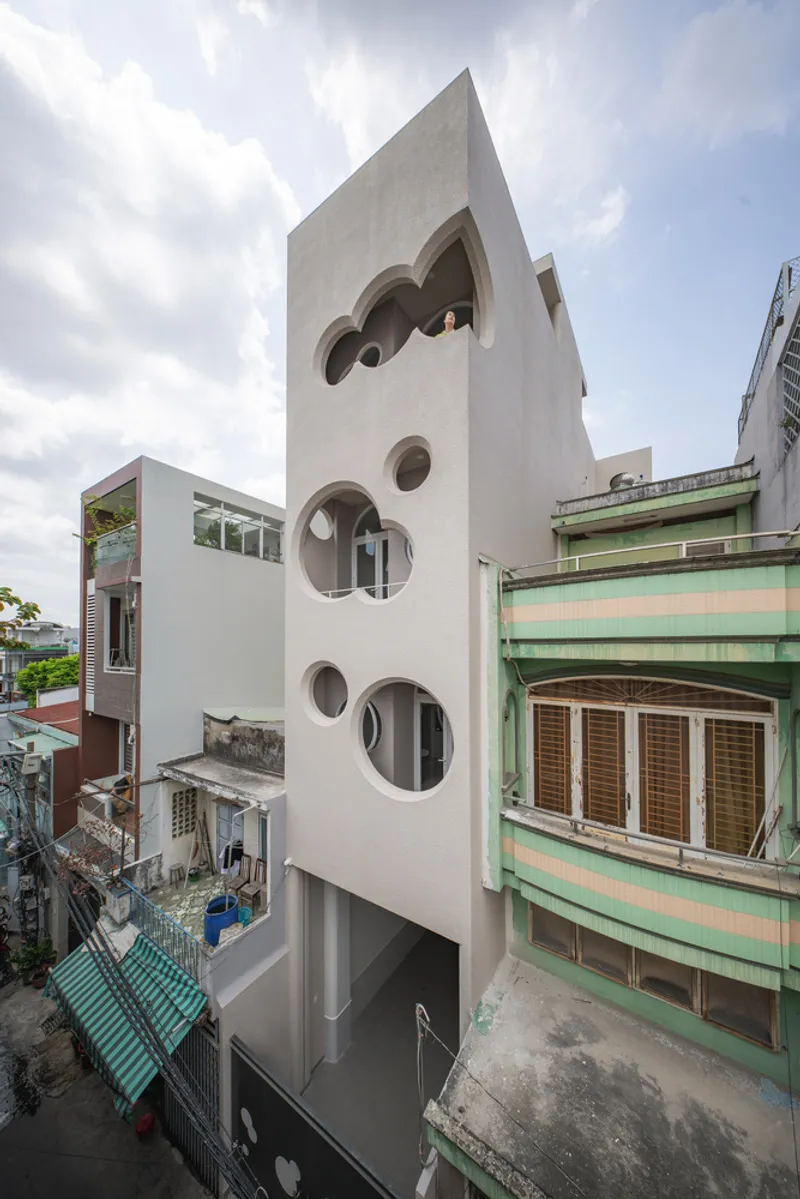
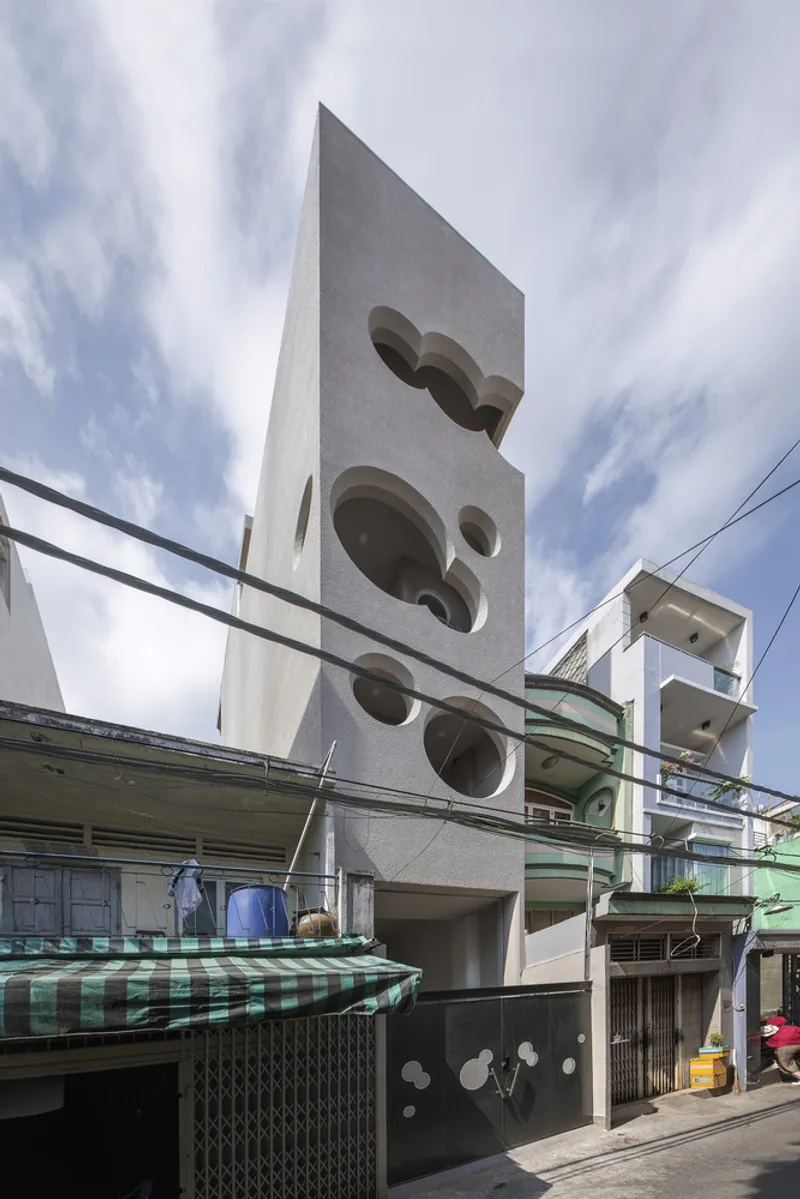
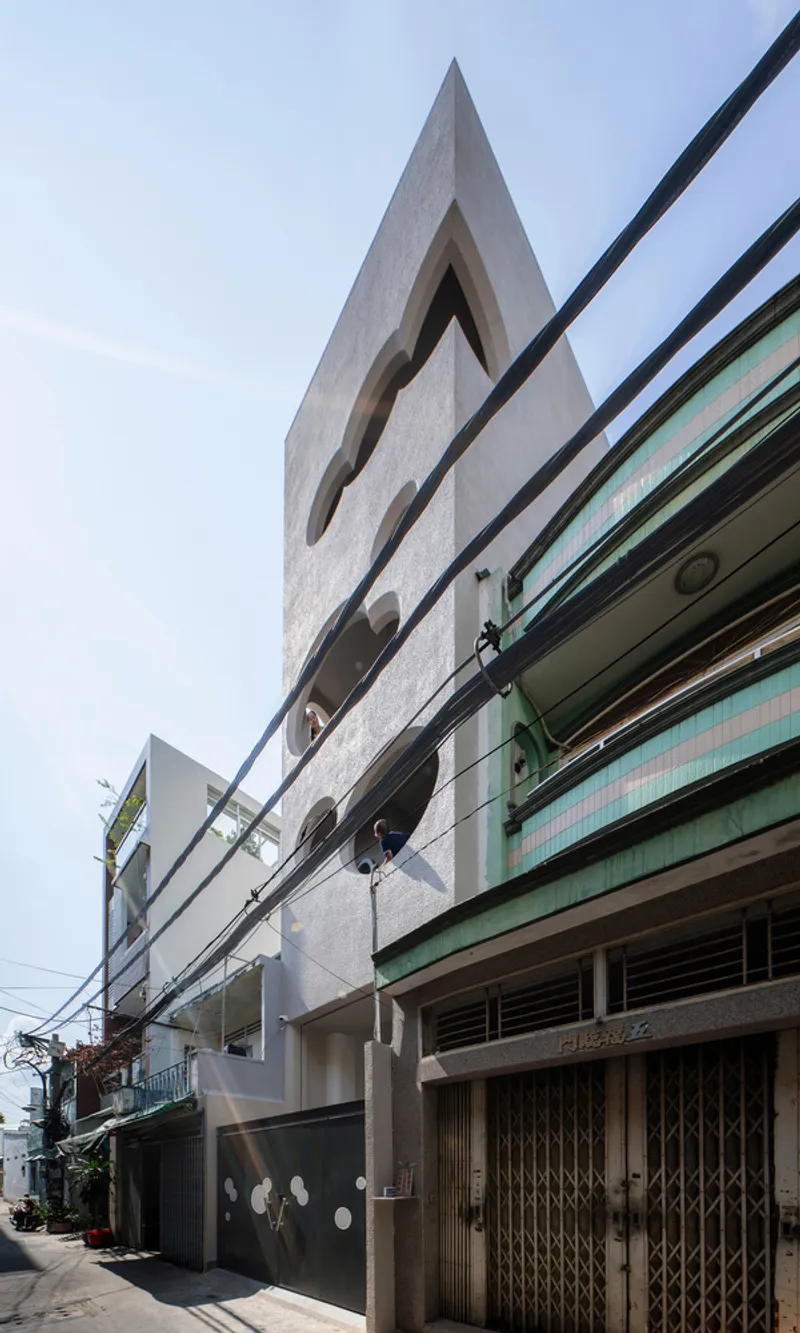
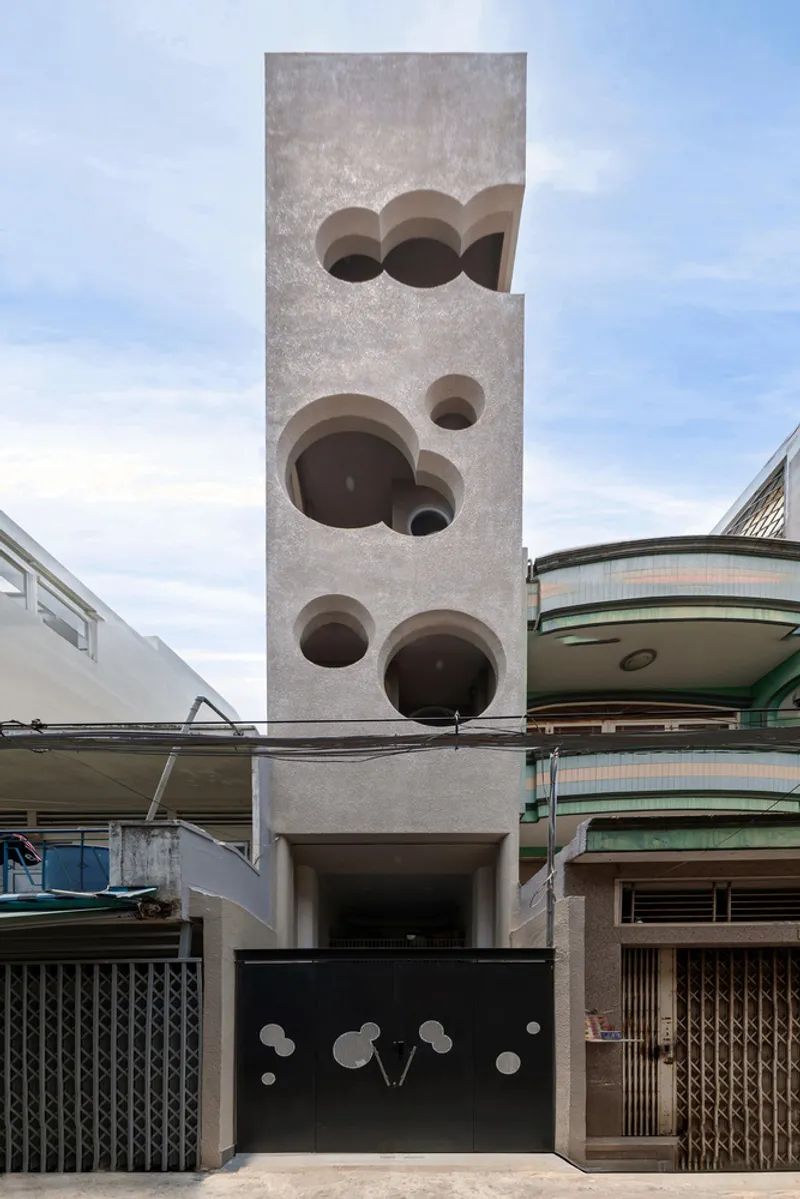
On a compact 70 square-meter plot located in a narrow 4-meter alley, the building’s design maximizes utility while maintaining architectural elegance. Surrounded by varied townhouses in terms of scale and form, Cloud House stands out as an innovative intervention in high-density Vietnamese urbanism.
Maximizing Compact Space with Loft-Style Suites
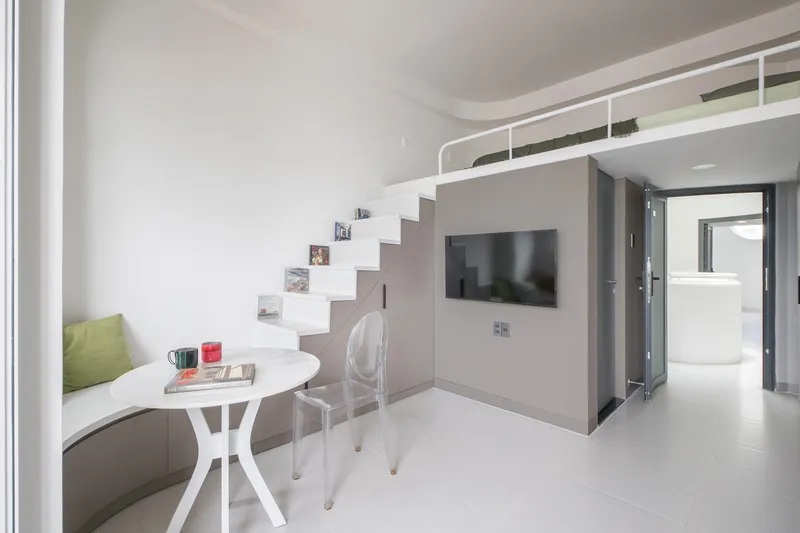
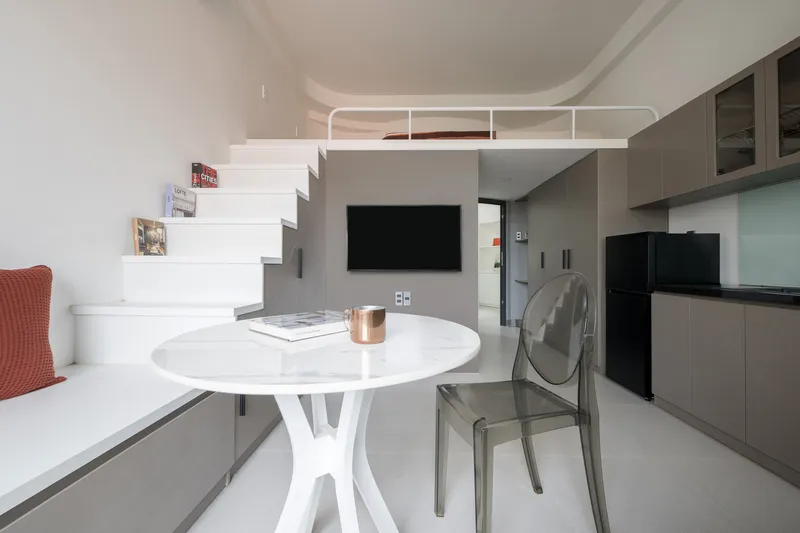
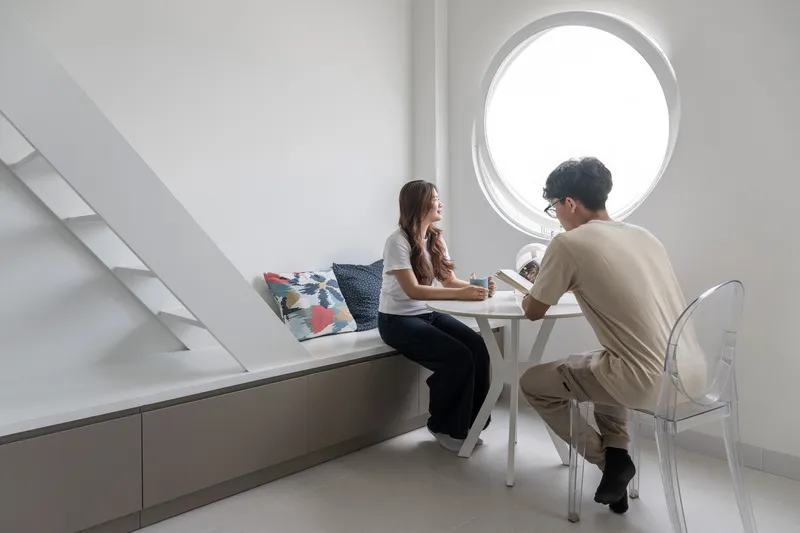
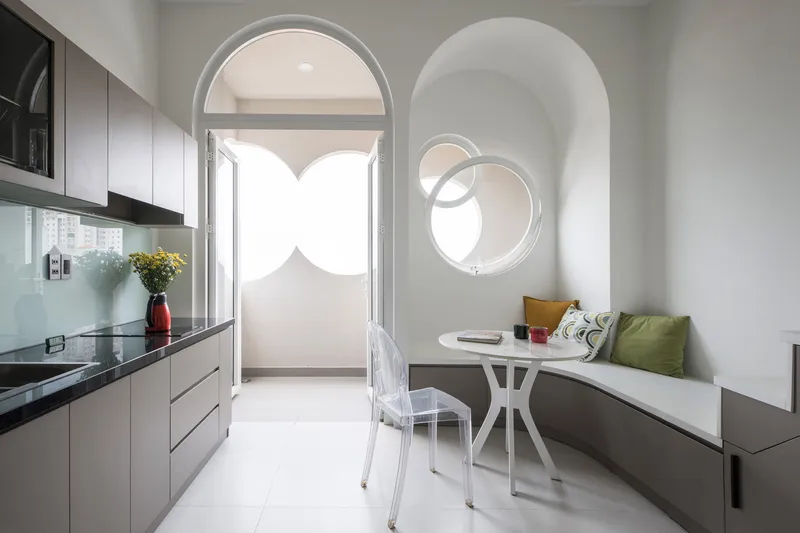
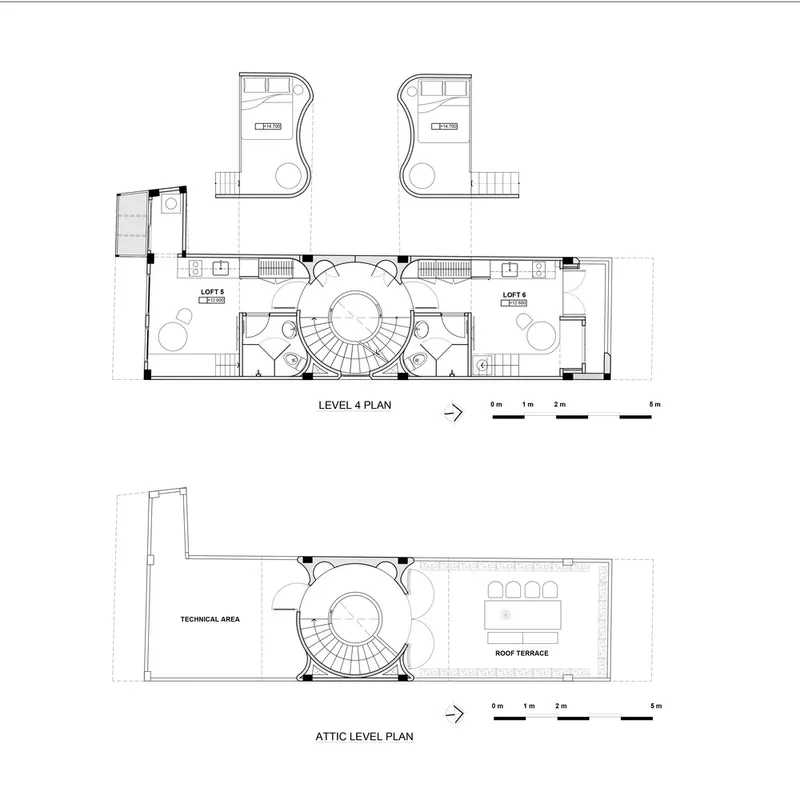
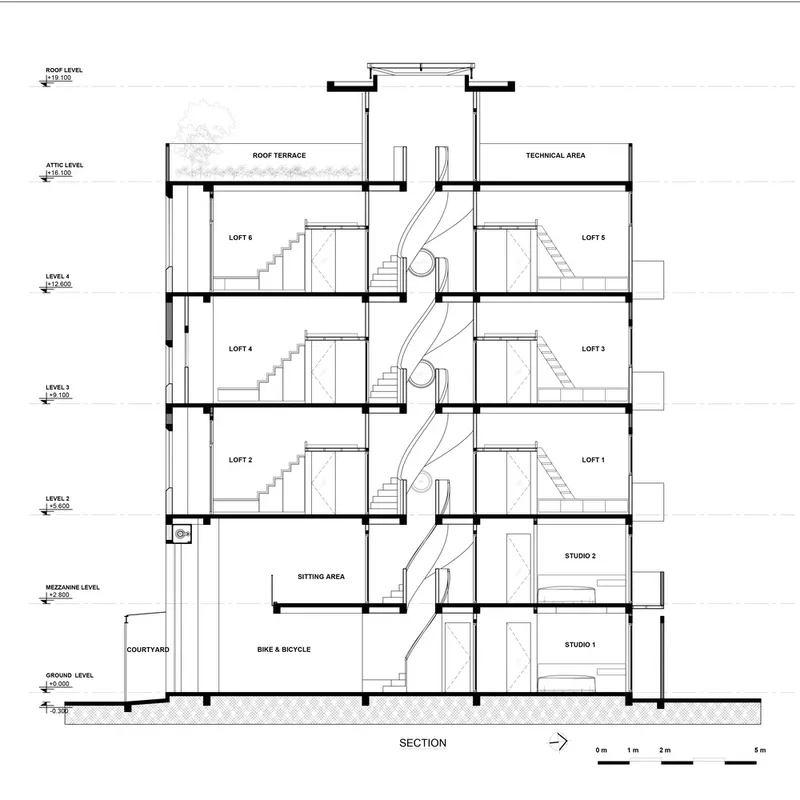
Cloud House accommodates six loft-style suites and two standard studios, all carefully arranged to make optimal use of the site’s limited footprint. With a 3.5-meter floor-to-ceiling height, each rental unit features a lofted sleeping area placed above the entry and bathroom zone. This layout offers a sense of vertical spaciousness while maintaining a cozy, private atmosphere for the occupants.
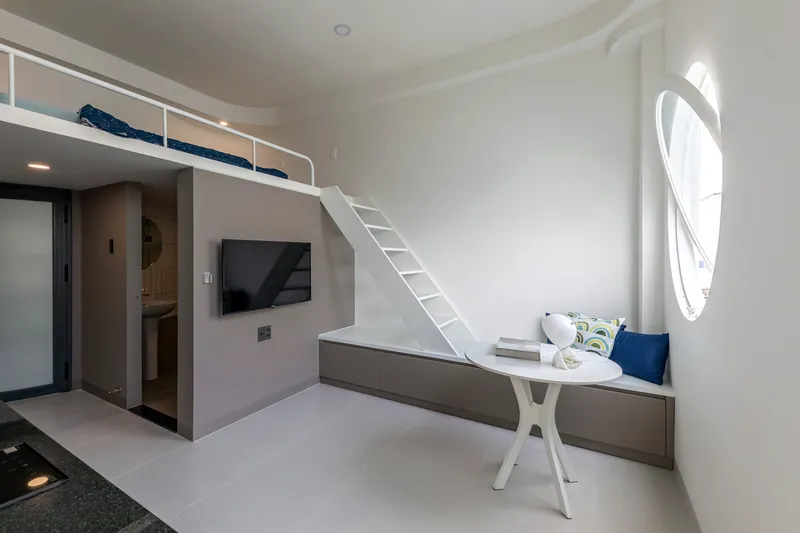
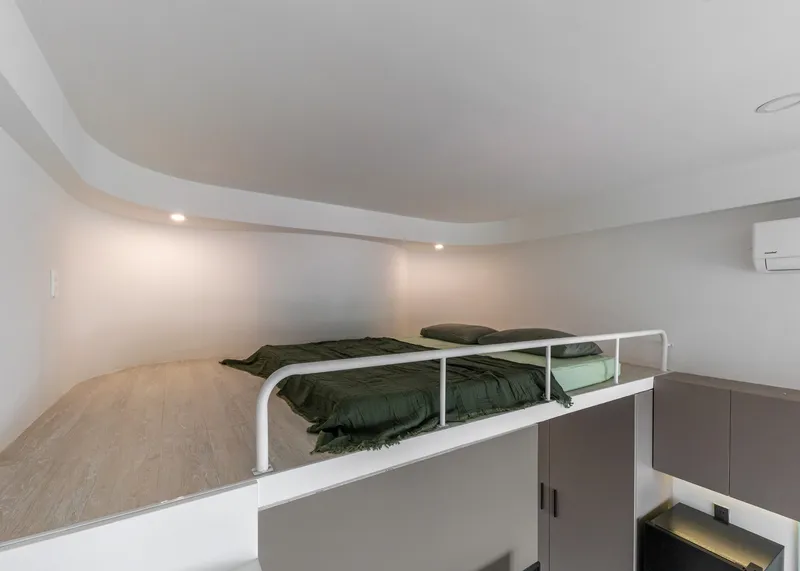
Interior finishes follow a minimalist aesthetic, emphasizing a neutral palette and functionality. Multi-purpose furniture is seamlessly integrated into the architecture, including seating benches, wardrobes, and storage solutions that are built into the framework. Staircases made from wood and lightweight steel-framed floors with cement boards add to the modular efficiency of each unit.
Building Community Through Shared Spaces
A defining characteristic of co-living architecture is its emphasis on communal interaction. Cloud House incorporates several semi-public spaces that foster a sense of community while enhancing convenience. A ground-level courtyard and half of the main floor are designated for bicycle and motorbike parking, catering to the practical needs of urban dwellers.
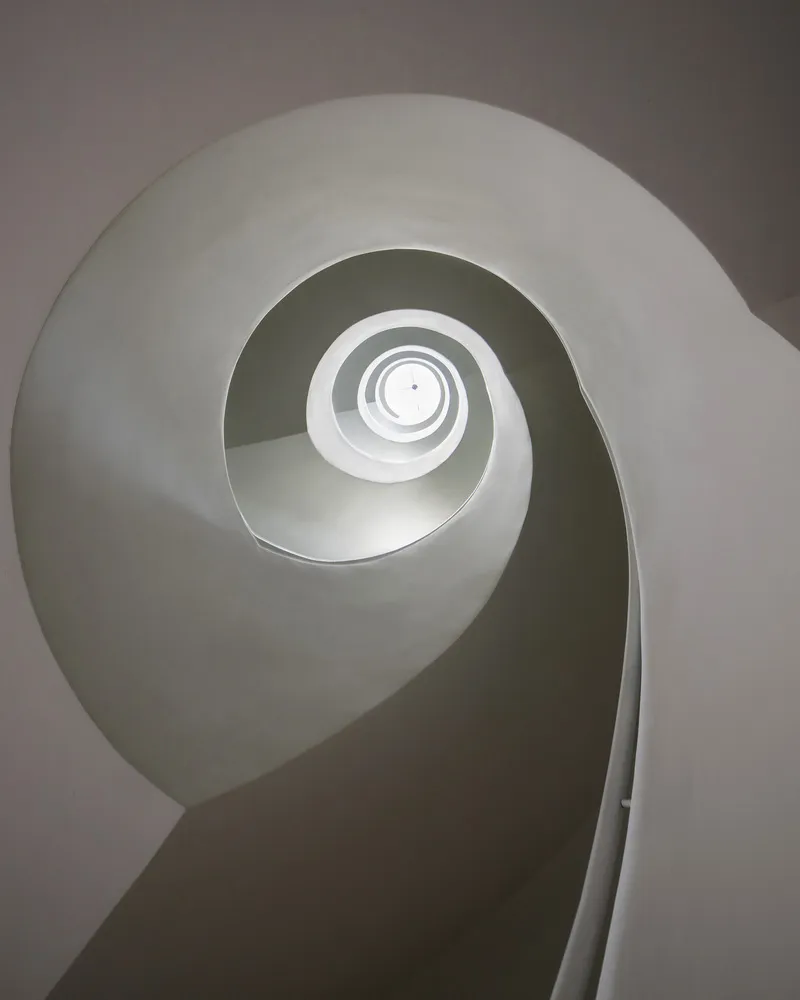
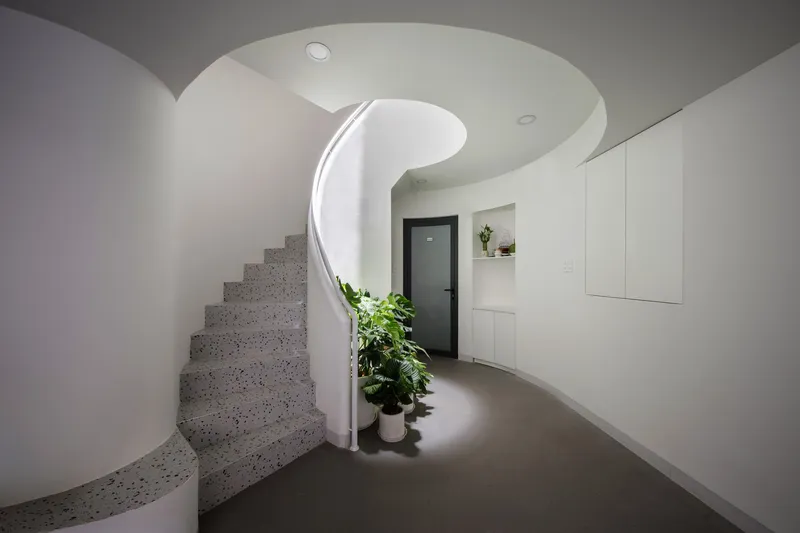
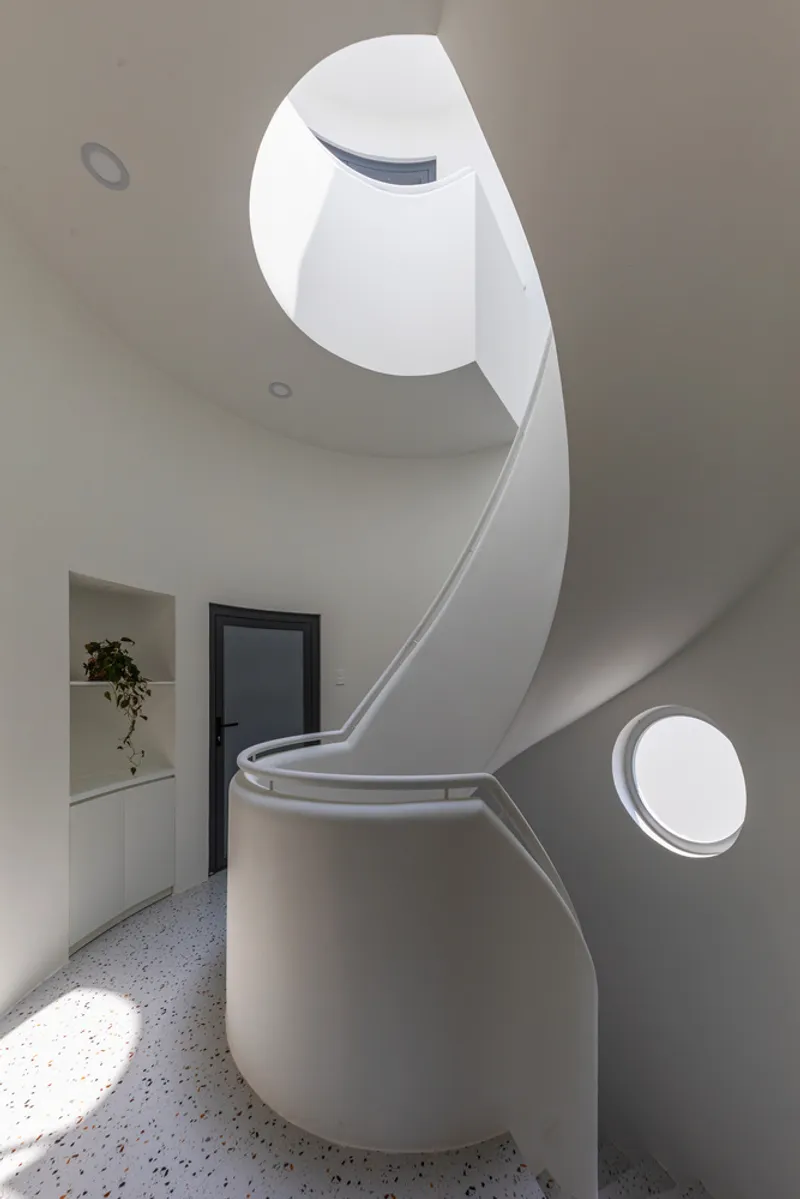
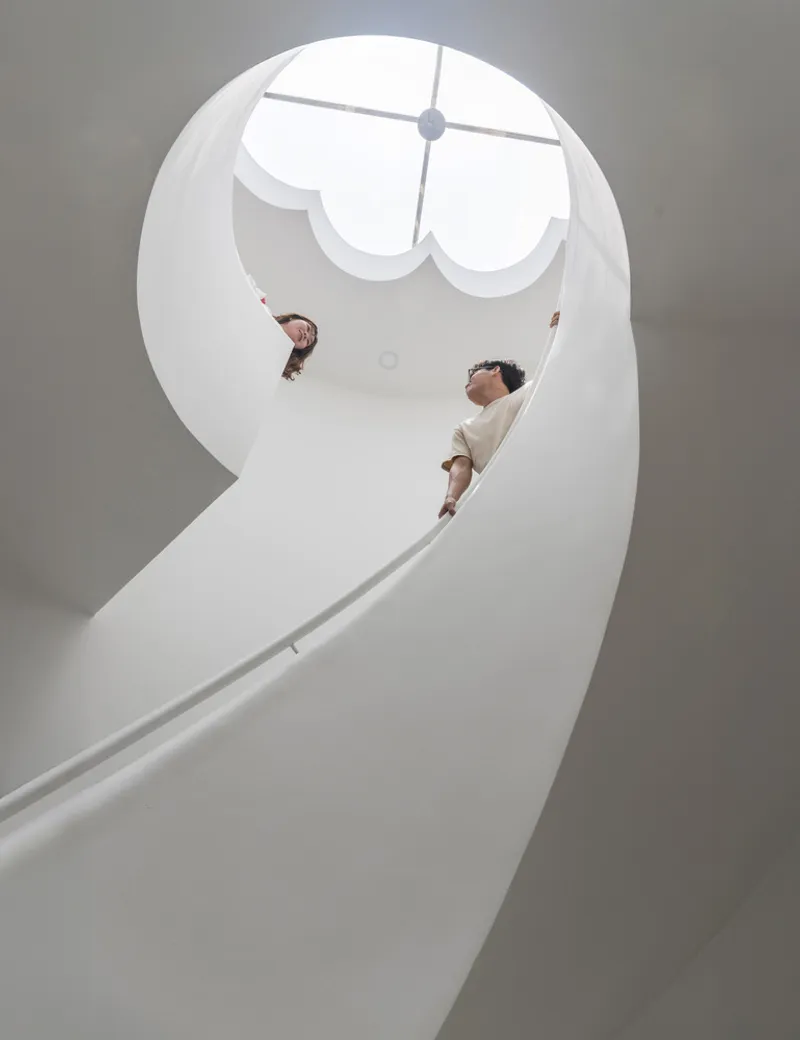
At the heart of the building, a sculptural spiral staircase provides both circulation and a space for informal encounters, adding architectural drama and fostering interaction. Communal areas, including a mezzanine-level sitting space and a rooftop terrace, serve as shared amenities that promote relaxation and socialization. These well-considered communal zones give the house a unique identity as a shared home rather than a transient rental facility.
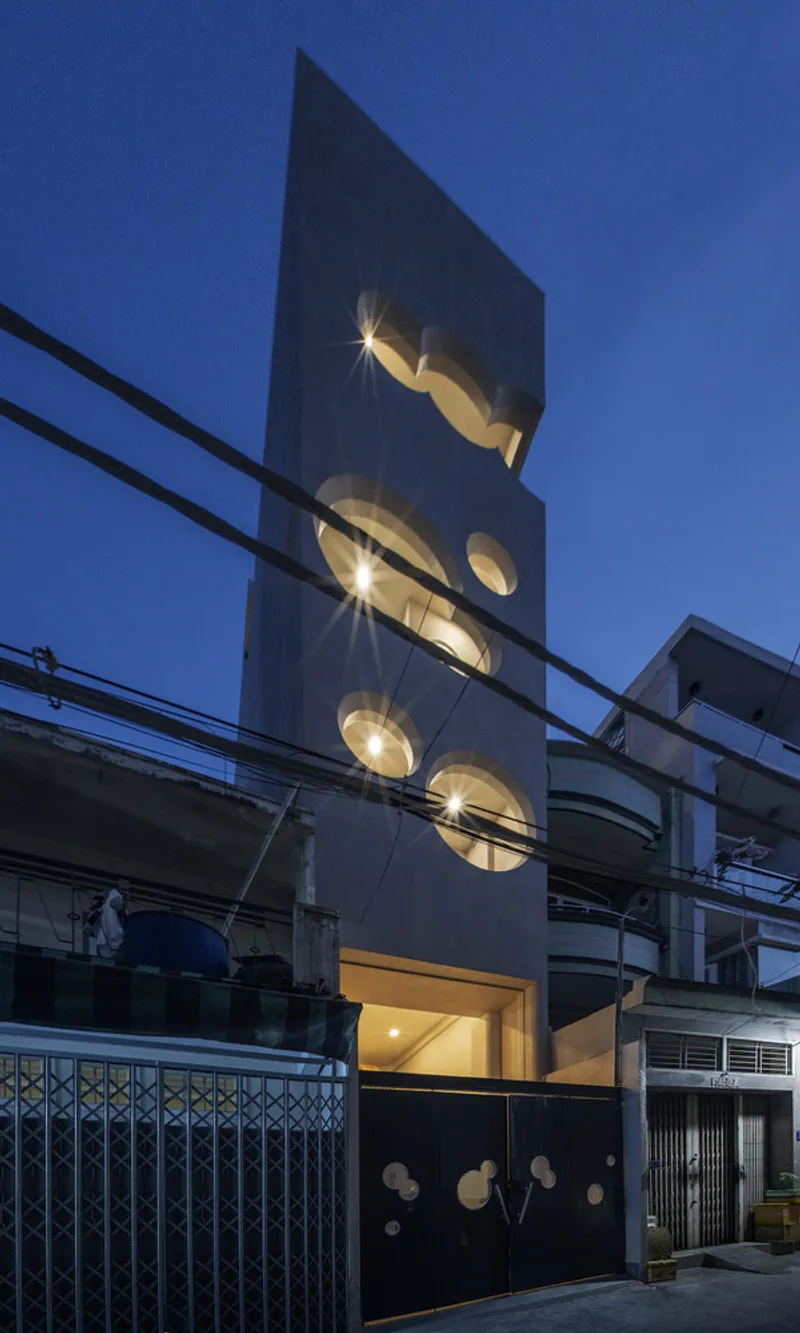
Architecture Inspired by Nature and Imagination
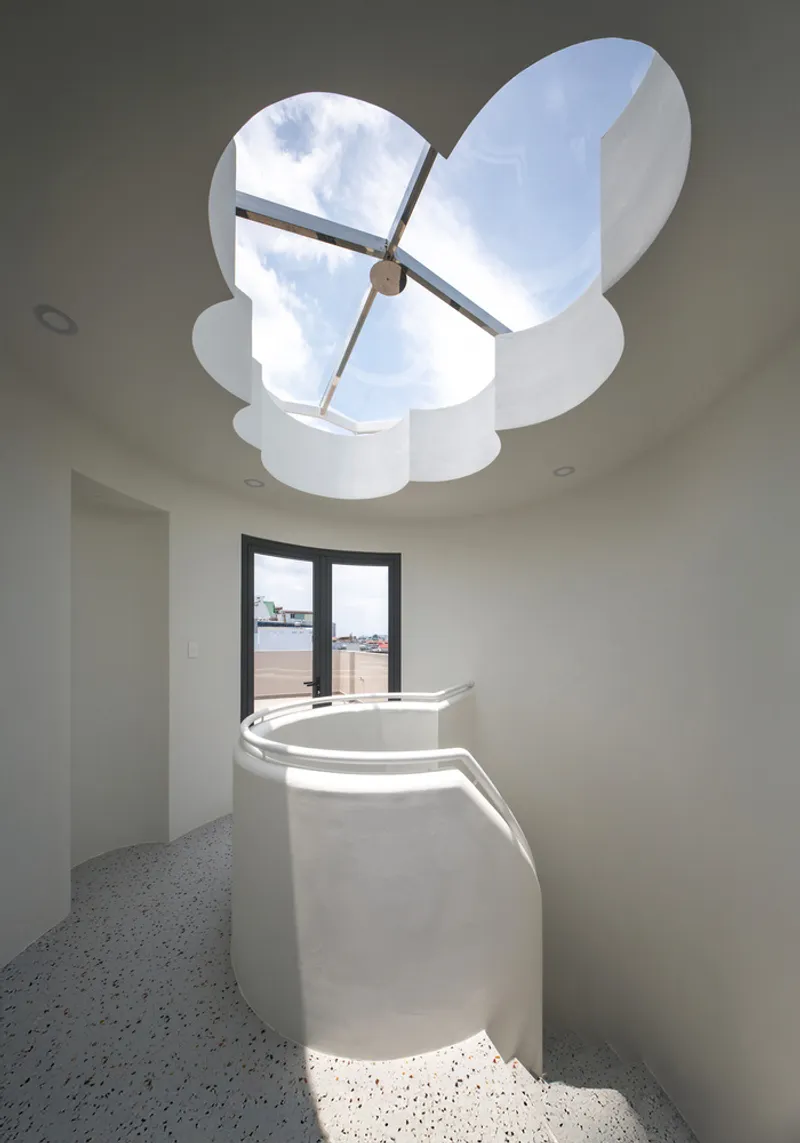
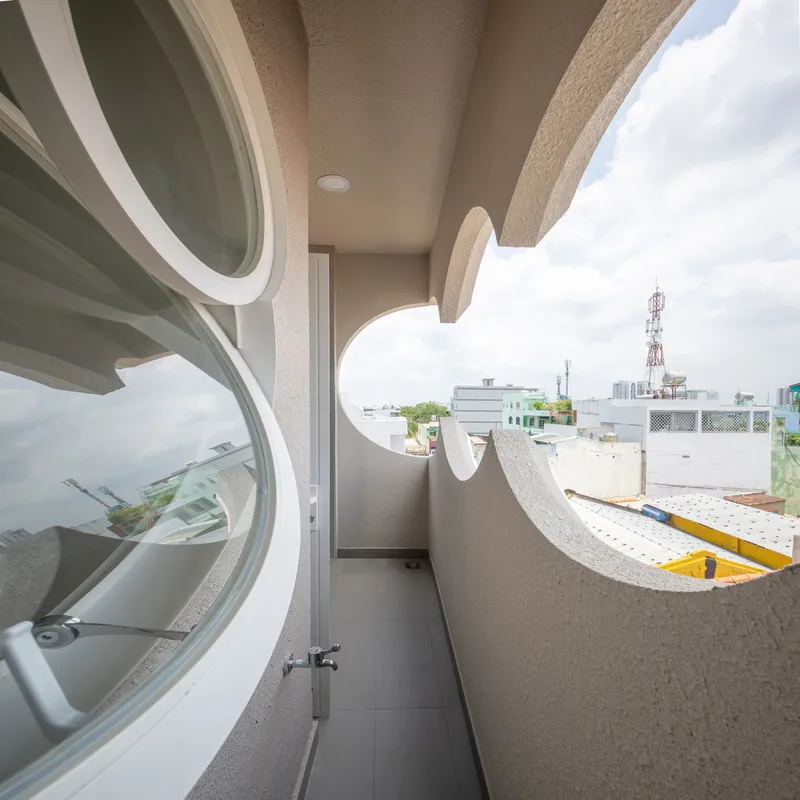
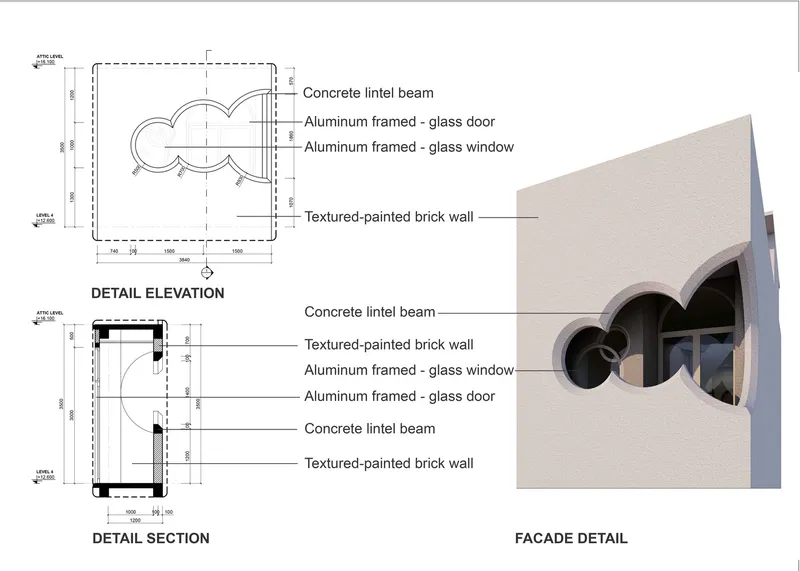
The name Cloud House is not merely poetic—it reflects the visual and experiential motifs embedded in the building’s architecture. Circular and cloud-shaped windows on the front and rear facades allow light and air to pass through freely, creating an ever-changing interior landscape of shadows and highlights. These forms, paired with a rooftop skylight, deliver natural ventilation and daylight while protecting the privacy of residents.
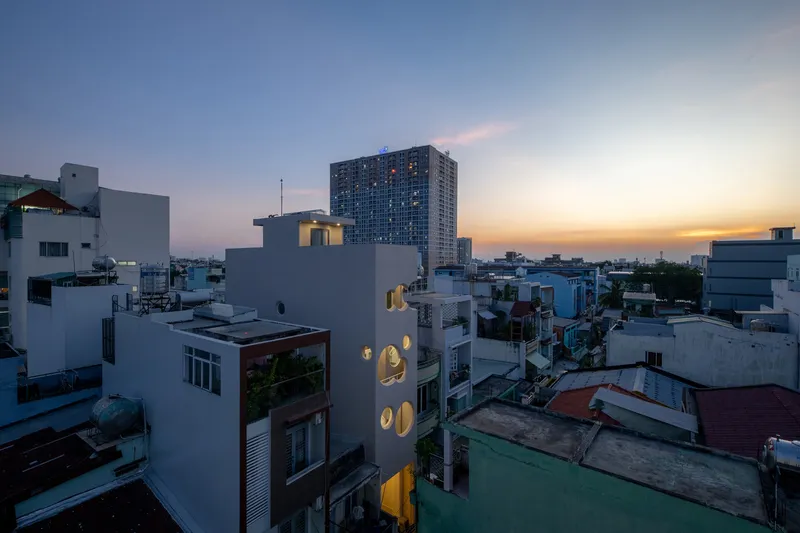
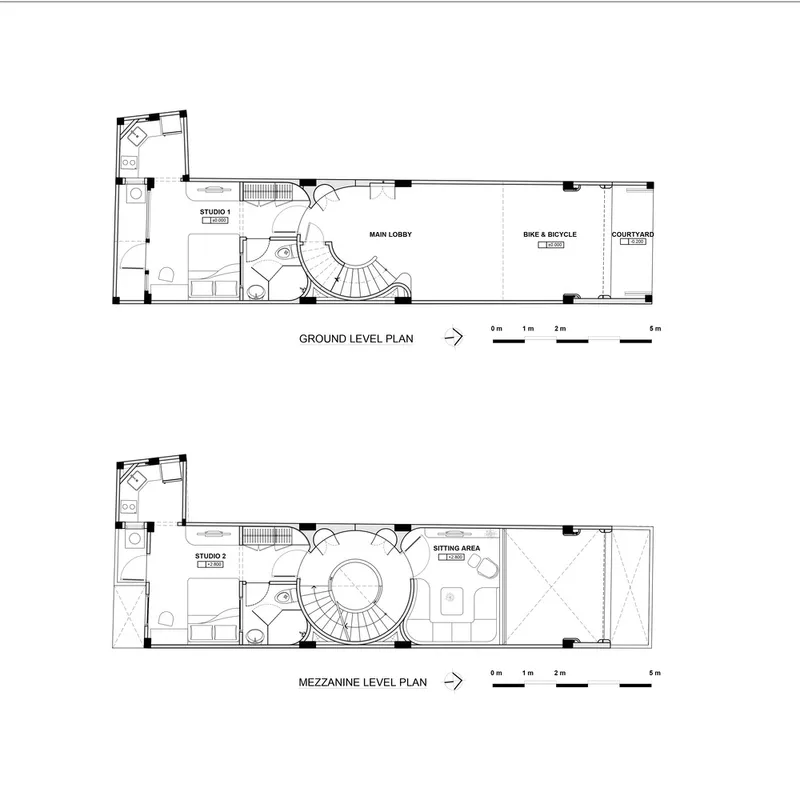
This delicate balance between openness and enclosure draws inspiration from nature and introduces a dreamlike quality into the everyday urban experience. The curvilinear shapes and the tactile materials generate a sense of organic serenity, making each corner of Cloud House feel intimate yet connected to a larger narrative of urban renewal and spatial imagination.
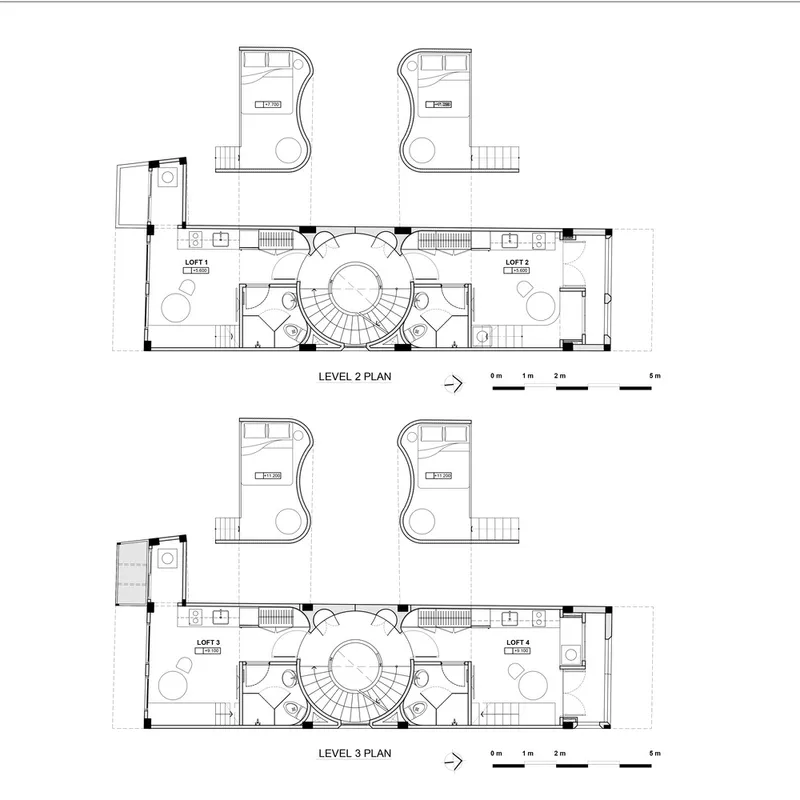
A Vision for Affordable and Inspirational Urban Housing
Cloud House exemplifies how co-living architecture in Vietnam can go beyond functionality to embrace beauty, community, and sustainability. By responding to urgent socio-economic realities with creativity and care, ROOM+ Design & Build offers a new urban prototype—one that redefines rental housing not as a compromise, but as an opportunity to innovate.
As Vietnamese cities continue to grow and densify, projects like Cloud House stand as beacons for future architects and developers. They demonstrate that small sites, when handled thoughtfully, can yield large impacts—transforming lives, building communities, and shaping more humane cities.
All the photographs are works of Sonmeo Nguyen Art Studio


Popular Articles
Popular articles from the community


Extended Shell: Retrofitting Kolkata's Balconies as Living Urban Thresholds
A modular retrofit system recovers the social and environmental intelligence of Kolkata's historic verandas for contemporary Park Street residents.

Manzana Morphosis: Stretching Barcelona's Grid into a Living Landscape for 2050
A radical reworking of the Eixample manzana turns density into a tool for generous public space, vertical ecology, and environmental performance.

Opera on the Sea: Driftwood Logic Shapes a Timber Opera House on Estonia's Coast
Trevor Orgill's opera house translates the entangled drift of floating timber into a civic building where wood, water, and music converge.

The Amber Palace Opera: A Geological Fiction Surfaces on Tallinn's Baltic Waterfront
Pierre Brillard reimagines a Baltic legend as a public landscape, opera house, and waterfront promenade rooted in Tallinn's coastal identity.

Similar Reads
You might also enjoy these articles

FAMM Arquitectura Organizes Ten Villas Around Courtyards and Jungle in Nosara, Costa Rica
El Molino pairs two elongated volumes with deep overhangs and timber louvers to build a compact coastal community five minutes from the beach.
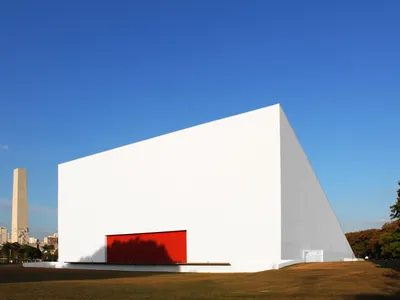
Oscar Niemeyer's Ibirapuera Park Pavilions Define São Paulo's Cultural Identity in Concrete and Curve
A constellation of modernist volumes set within São Paulo's most important urban park, conceived for the city's 400th anniversary in 1954.
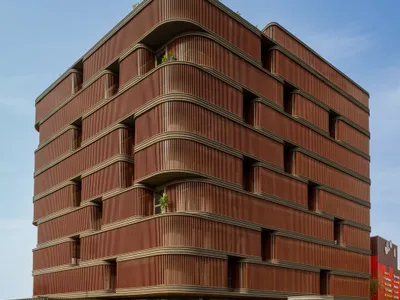
Sanjay Puri Architects Wraps a Jaipur Office Tower in Capsule-Shaped Green Buffers
A nine-level climate-responsive workplace near Jaipur Airport uses stacked planter terraces and aluminium screens to fight 40°C heat.
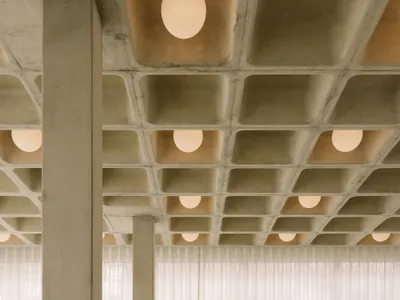
RHO Converts a Berlin Spree-Side Industrial Courtyard into Enkime's 1,000 m² Agency Headquarters
A social media agency's new home in Charlottenburg trades glossy branding for concrete waffle ceilings, glazed tile, and sheer curtains.

Explore Co-Living Competitions
Discover active competitions in this discipline

Challenge to reimagine the Iron Throne

Photograph architecture without architects

Illustrate the lost glory of Angkor Wat - Render Challenge

Design challenge to reuse E-waste
Comments (0)
Please login or sign up to add comments
No comments yet. Be the first to comment!