
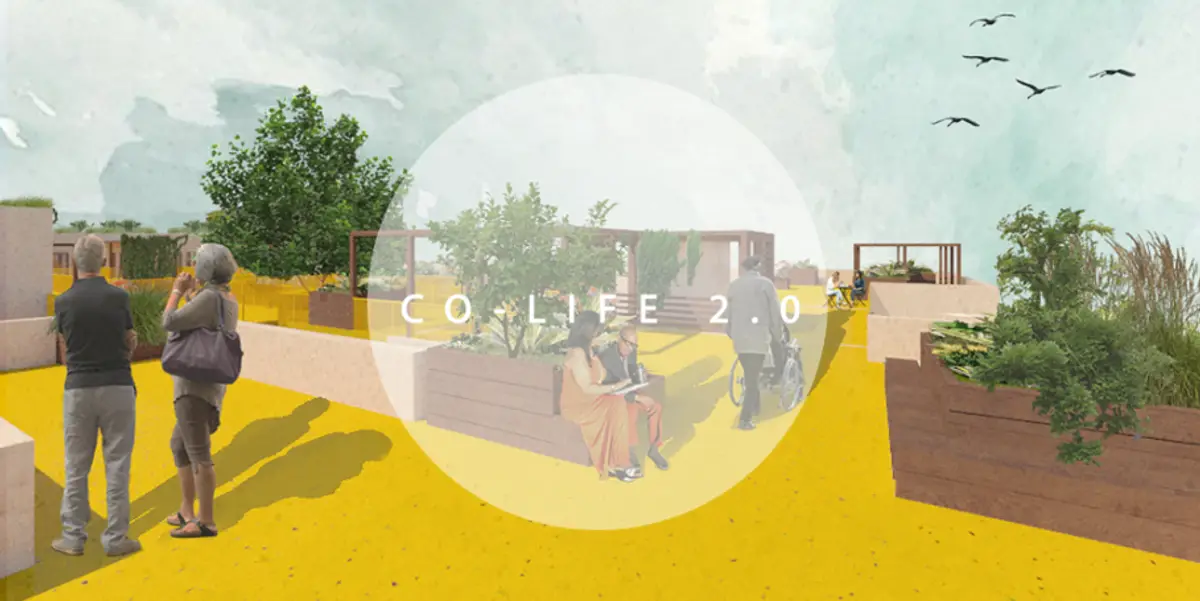
Co-2.0
CAPE TOWN ,HIGHBURY

THREATS
1. Intercultural conflicts, professing different values in everyday life.
2. Unemployment (27.7%) of the South African population.
3. Day zero - total drought, restrictions in water consumption, battles for water.
4. Property and social inequality.
5. The fall of 55 thousand small and medium-sized enterprises - the effects of the covida epidemic.
6. Constant repression due to skin color, people valuing it.
7. Creation of guarded and closed housing estates, which are surrounded by walls on all sides for safety reasons.
8. Stacks of rubbish littering the streets.
No waste management - poorer South African citizens collect and sell rubbish.
9. The immigration of Afrikaners deepens the economic problems in the country.
10. Difficult situation related to the pandemic, 2% of inhabitants are vaccinated.
WHAT CAN WE DO WITH IT?
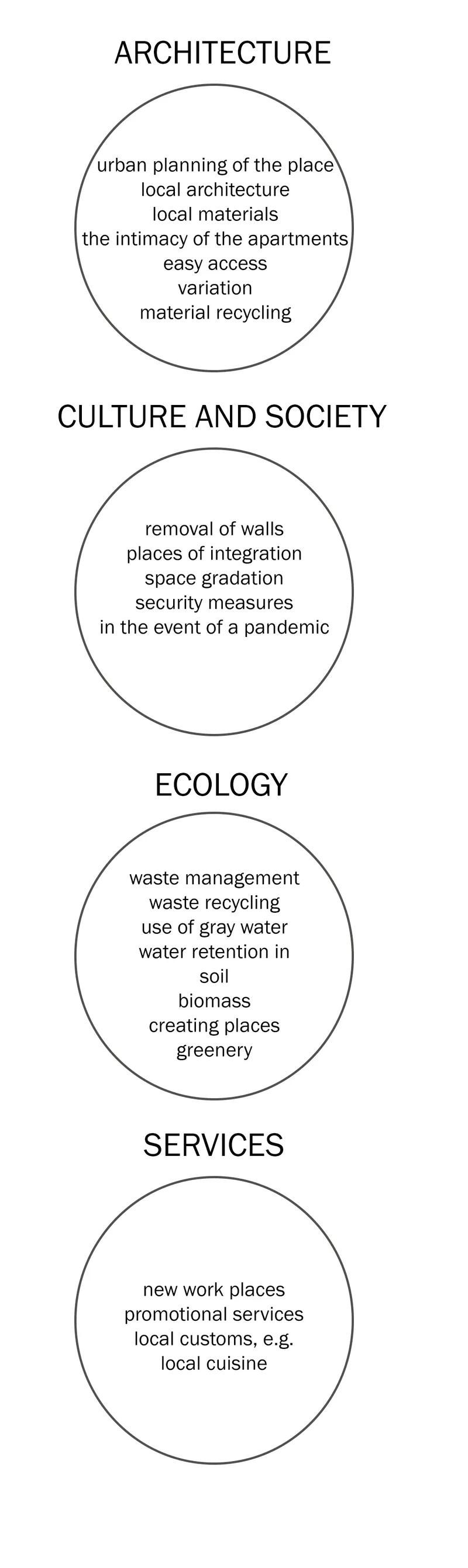
A.inclusive architecture with an emphasis on emphasizing the culture of
South Africa, through, for example:
- properly formed urban planning of the place, which will allow
feel at home,
- use of local materials and respect for local architecture,
- places of integration of people of different nationalities, no divisions,
- easy access to housing and ensuring intimacy,
B. creating new jobs-services.
C. storage of rainwater, its reuse.
D.creating various variants of apartments that seemingly look similar,
but they have different utility spaces, these apartments are situated in
one neighborhood, next to each other.
E. relying on agriculture and biomass, which is essential
an energy source that has favorable conditions for development in South Africa.
F. creating private, semi-private and public spaces using
town planning, not walls.
G. garbage segregation, creating workshops where people would learn
reuse them, collection point for specific rubbish
using waste in architecture, e.g. plastic bricks,
H. Creating communication spaces in buildings that
would allow free communication between apartments without necessity
neighbor meetings, personal small green spaces, for comfort
mental health during isolation.
USABLES ZONES:
1. residential buildings
2. medical cluster: physiotherapist,expert
3. trade: local goods store
4. services: local waste-to-meal replacement
5. covered common places:
shared kitchen, meeting place
neighborhood, art workshops,
recycling and upcycling workshops, space to relax.
6.partially covered common places:
small amphitheater, stage.
7.uncovered common places:
walking paths, park greenery, mini orchard, greenery
semi-private - cultivated, private greenery - home gardens,
green roofs.
8. operation of the complex: water retention.
9. building administration
THREATS
1. Intercultural conflicts, professing different values in everyday life.
2. Unemployment (27.7%) of the South African population.
3. Day zero - total drought, restrictions in water consumption, battles for water.
4. Property and social inequality.
5. The fall of 55 thousand small and medium-sized enterprises - the effects of the covida epidemic.
6. Constant repression due to skin color, people valuing it.
7. Creation of guarded and closed housing estates, which are surrounded by walls on all sides for safety reasons.
8. Stacks of rubbish littering the streets.
No waste management - poorer South African citizens collect and sell rubbish.
9. The immigration of Afrikaners deepens the economic problems in the country.
10. Difficult situation related to the pandemic, 2% of inhabitants are vaccinated.
WHAT CAN WE DO WITH IT?
A.inclusive architecture with an emphasis on emphasizing the culture of
South Africa, through, for example:
- properly formed urban planning of the place, which will allow
feel at home,
- use of local materials and respect for local architecture,
- places of integration of people of different nationalities, no divisions,
- easy access to housing and ensuring intimacy,
B. creating new jobs-services.
C. storage of rainwater, its reuse.
D.creating various variants of apartments that seemingly look similar,
but they have different utility spaces, these apartments are situated in
one neighborhood, next to each other.
E. relying on agriculture and biomass, which is essential
an energy source that has favorable conditions for development in South Africa.
F. creating private, semi-private and public spaces using
town planning, not walls.
G. garbage segregation, creating workshops where people would learn
reuse them, collection point for specific rubbish
using waste in architecture, e.g. plastic bricks,
H. Creating communication spaces in buildings that
would allow free communication between apartments without necessity
neighbor meetings, personal small green spaces, for comfort
mental health during isolation.
USABLES ZONES:
1. residential buildings
2. medical cluster: physiotherapist,expert
3. trade: local goods store
4. services: local waste-to-meal replacement
5. covered common places:
shared kitchen, meeting place
neighborhood, art workshops,
recycling and upcycling workshops, space to relax.
6.partially covered common places:
small amphitheater, stage.
7.uncovered common places:
walking paths, park greenery, mini orchard, greenery
semi-private - cultivated, private greenery - home gardens,
green roofs.
8. operation of the complex: water retention.
9. building administration
The design process started with finding out about the problems in South Africa. The main problem included in our project was the topic of waste management. For this reason, we decided to use them as a building material for our buildings and at the same time create an action encouraging residents to collect and recycle plastic. We designed a diner that offers a hot meal in exchange for a bag of plastic packaging. We will transfer this plastic to the production of plastic bricks.
Another problem we considered was the issue of residents' safety. We noticed that estates are usually fenced with a wall, to avoid such separation, we decided to use urban planning and designed the building in the shape of the letter "o". All the necessary functions are contained inside the atrium, and additional private space is provided by the U-shaped architecture of the building. In the center of the complex, there is the main communication route that leads us to the staircases, thanks to which we can go to the upper floor. On the upper level, each apartment has a balcony or terrace. We have designed three types of apartments, for two, four and five or six people. Each apartment has a shared kitchen and hall and a private part consisting of a living room, bathroom and bedroom. Each of the apartments is adapted for disabled people.
An important element of the building are terraces that can be used to get to the apartments on the upper floors, and at the same time they create additional above-ground walking routes. Importantly, they provide additional shading on lower levels. They are equipped with green pots, pergolas, benches and hives. The essence of the assumption was also to create a green enclave that would change the microclimate inside the estate. This was due to the design of retention waters and a large number of plants.
The shape of the building consists of two levels adapted to the shape of the terrain, and the difference in levels results from the differences in the height of the terrain. We designed the walls with the use of plastic bricks, which insulate the building well, while the load-bearing elements are made of wooden beams. The façade of the building was designed of sand stone.
The design process started with finding out about the problems in South Africa. The main problem included in our project was the topic of waste management. For this reason, we decided to use them as a building material for our buildings and at the same time create an action encouraging residents to collect and recycle plastic. We designed a diner that offers a hot meal in exchange for a bag of plastic packaging. We will transfer this plastic to the production of plastic bricks.
Another problem we considered was the issue of residents' safety. We noticed that estates are usually fenced with a wall, to avoid such separation, we decided to use urban planning and designed the building in the shape of the letter "o". All the necessary functions are contained inside the atrium, and additional private space is provided by the U-shaped architecture of the building. In the center of the complex, there is the main communication route that leads us to the staircases, thanks to which we can go to the upper floor. On the upper level, each apartment has a balcony or terrace. We have designed three types of apartments, for two, four and five or six people. Each apartment has a shared kitchen and hall and a private part consisting of a living room, bathroom and bedroom. Each of the apartments is adapted for disabled people.
An important element of the building are terraces that can be used to get to the apartments on the upper floors, and at the same time they create additional above-ground walking routes. Importantly, they provide additional shading on lower levels. They are equipped with green pots, pergolas, benches and hives. The essence of the assumption was also to create a green enclave that would change the microclimate inside the estate. This was due to the design of retention waters and a large number of plants.
The shape of the building consists of two levels adapted to the shape of the terrain, and the difference in levels results from the differences in the height of the terrain. We designed the walls with the use of plastic bricks, which insulate the building well, while the load-bearing elements are made of wooden beams. The façade of the building was designed of sand stone.

Popular Articles
Popular articles from the community

Faces of the Soviet Avant-Garde: Turning Moscow's Street Names into an Open-Air Museum
A network of sculptural installations across a Moscow residential district transforms forgotten architect names into spatial encounters with cultural memor

Singing Woman: An Opera House That Performs Before the Curtain Rises
Ovidiu Cristian Pavel's conceptual opera house translates Estonia's choral identity into a sculpted waterfront landmark facing the Baltic Sea.
Temporary Home for Dogs: A Reversed Zoo Rethinks Animal Shelter Architecture
In Bucharest, a sinuous corridor and freed landscape flip the logic of containment, designing a shelter that works to make itself unnecessary.
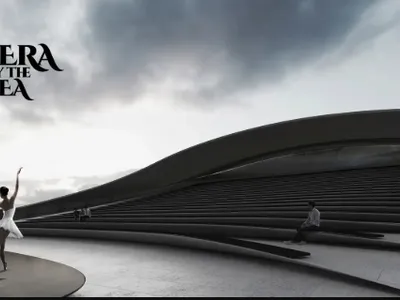
Opera by the Sea Estonia: Three Shells Dissolving Architecture into Tallinn's Coastline
A winning opera house proposal replaces monumental form with interconnected shells that blur the boundary between building, park and Baltic Sea.

Similar Reads
You might also enjoy these articles

Play: Fragments of Their World: Remembered Architecture Rebuilt as a Modular Playground for Refugee Camps
Tom Gardner abstracts domes, arches and towers from the homelands of displaced families into a kit of child-scaled play parts for camp settlements.
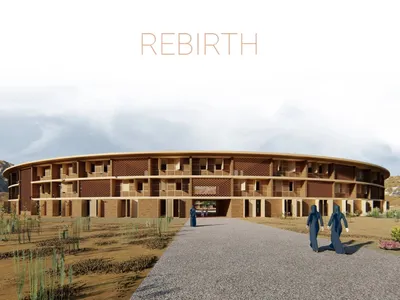
REBIRTH: A Circular Settlement Where Afghan Widows and Their Children Rebuild Life Together
A shortlisted Resile entry turns the circle into a protective ring of timber and brick, gathering homes, classrooms and gardens around a shared landscape.
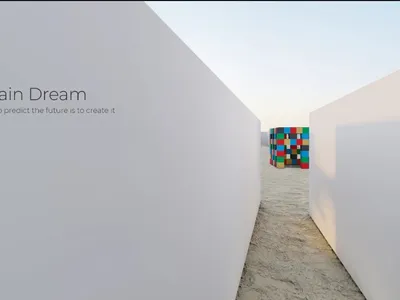
The Main Dream: A Recycled Plastic Kit That Lets Refugee Children Build Their Own Playground
Thirty-centimetre interlocking cubes that connect on three axes turn play into construction, letting children author the spaces they occupy.

Lunar Spiral: A Fibonacci-Driven Moon Settlement Rising from Shackleton Crater
Golden-spiral geometry organises buried infrastructure and orbiting habitable spheres into a lunar base designed to grow as life on the Moon expands.

Explore Town & Country Planning Competitions
Discover active competitions in this discipline


Challenge to reimagine the Iron Throne

Photograph architecture without architects

Illustrate the lost glory of Angkor Wat - Render Challenge

Design challenge to reuse E-waste
Comments (0)
Please login or sign up to add comments
No comments yet. Be the first to comment!