
How designers recognized the needs of the older generation with a focus on housing and social protection?
Co-living for elderly. Co-Life - Result Story


Population aging - an increase in the proportion of older people in a population.
As one of the most significant social changes of the 21st century, it is predicted to impact all sectors including labor and financial markets, housing, health care, and social protection.
By 2050, the global population aged 60 years or over is expected to double reaching 2.1 billion. Increased life expectancy and decreased fertility rates mean that older populations in developing regions are growing at higher rates when compared to those in developed regions. Estimations project that by 2050, 79 percent of the world’s older population will be living in developing regions.
Even though an increase in longevity indicates an increase in the standard of living, population aging comes with its own pros and cons.
While worldwide estimates of older populations living on their own vary, there has been a significant increase in this percentage, along with a decrease in the percentage of the older generation wanting to co-reside with their children or extended family.
On the flip side, studies have also shown an increase in social and health concerns with regard to the older population. With a focus on the psychological wellbeing of the older population who live independently, showing the negative effects of social isolation and neglect of self-care needs.
In light of this, how can we as designers recognize the needs of the older generation, with a focus on housing and social protection? How can they be addressed? How can we navigate these changes?
Understanding the need to create a mutually supportive community, in which elderly individuals can live independently, and be cherished for their individual capacity means that we are well on our way to question existing social structures.
The jury for the competition consisted of esteemed designers, professionals, and academicians from around the world. The Lead Jurors for the competitions were as follows:
Guillem Carrera, Chief architect, GUILLEM CARRERA arquitecte, Spain
Gerrit Schilder jr., Principal Architect, SchilderScholte architecture+, Netherlands

Some of the Best of competition projects are:
Winning Project: A Rabat Co-(mmunity)
By: Lesley McIntyre

Description: A celebration of aging, culture, and wellbeing The architecture of home - to enhance and support life; inclusive of age, dignity, and independence, is crucial for a thriving and empathetic community. This proposal presents a design pattern for a communal living space where age is a mindset and the elderly can live with dignity and independence.
------------------
Runner - Up: The street of life—co-living for elderly
By: Fu Zheng, XueLu ZHANG & Bin Chen

Description: “The street is the container of city life and the free space with practical significance.” In this design, we tend to create a community centered on the elderly. We extract some urban space elements (such as shops, squares, terraces, etc.) from the city Temara...
-----------------------
Honorable Mention: Habitation - Vegetation
By: Ava Emamifard, Taraneh Mireskandari & Alireza Bagheri
Description: Food is a great unifier across every culture and is unique to every country. Focusing on food as an age-independent mutual interest, a platform was designed where food and skill-oriented activities are provided; seniors can make use of their cultural habits and skills towards maintaining their independence, dignity as well as a balanced social life.
-----------------------
Honorable Mention: CO-LIFE
By: Marina Ivanova & Marimor Ya
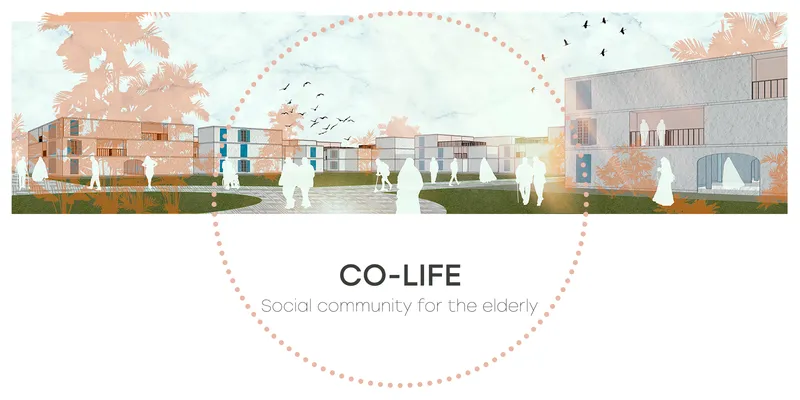
Description: Social community for the elderly
-----------------------
Honorable Mention: Co-life
By: Nina Lipowska
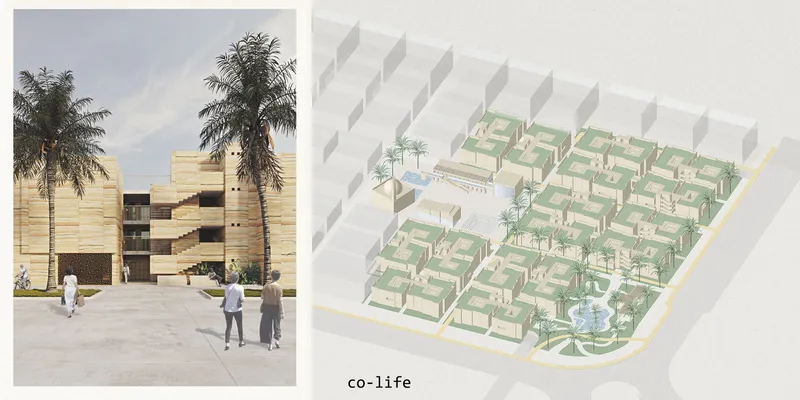
Description: House is more than a place to live, it is a place to gather with friends and families, make memories and build communities. It makes people feel safe and needed, and then they can call this house a home.
-----------------------
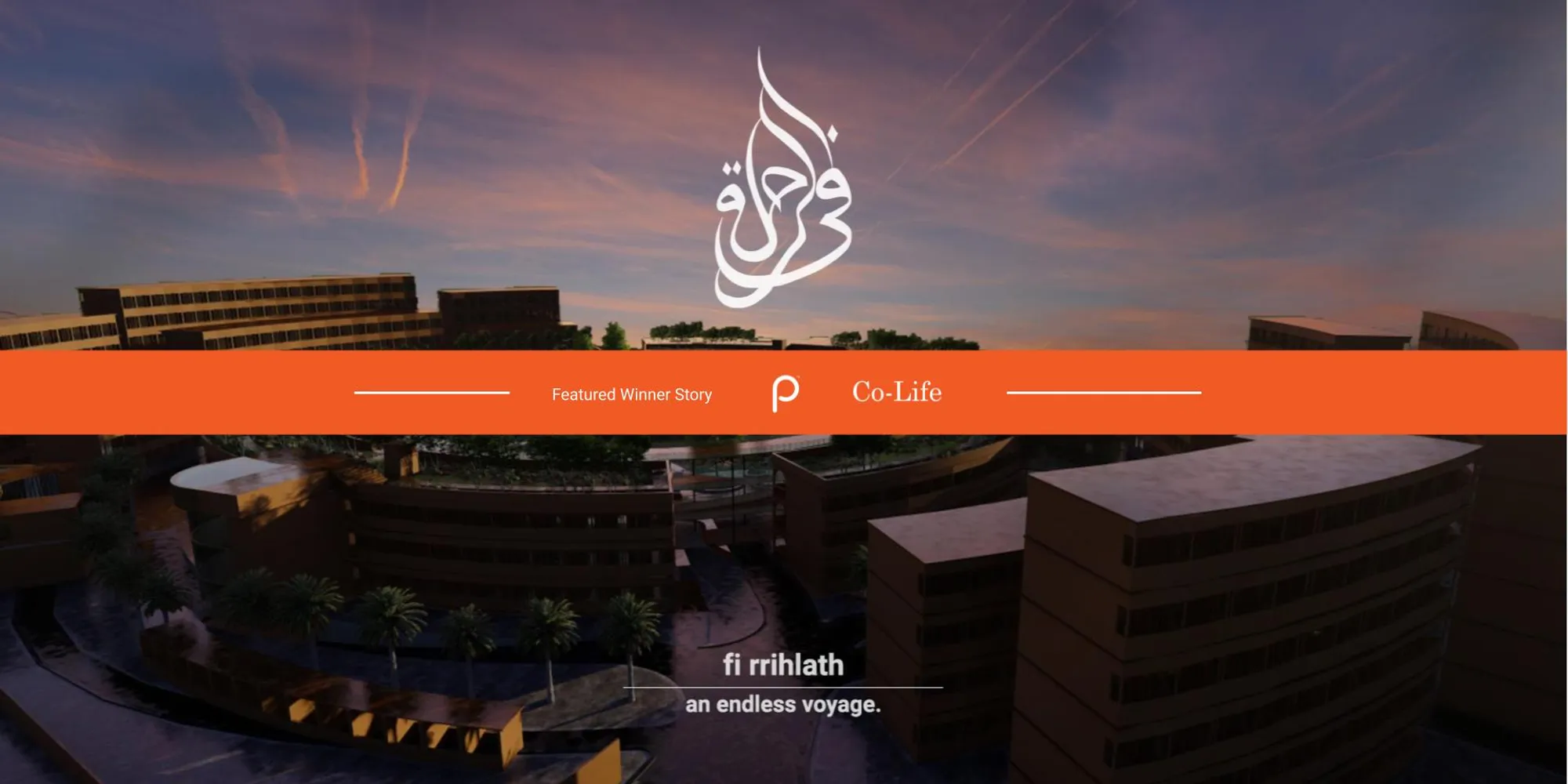
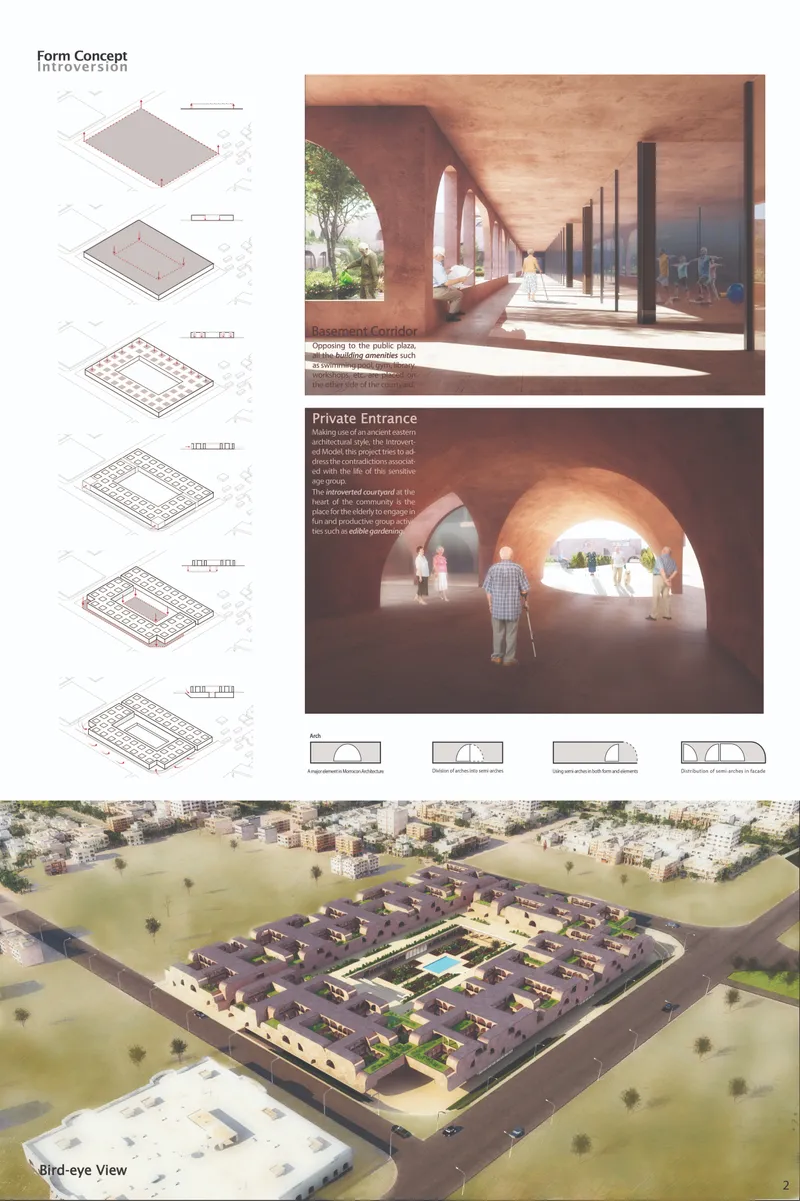
People Choice: fi rrihlath
By: Ashwin Pradeep, Albin Mathew, Susan Kurien & Sagarika Sreenivas
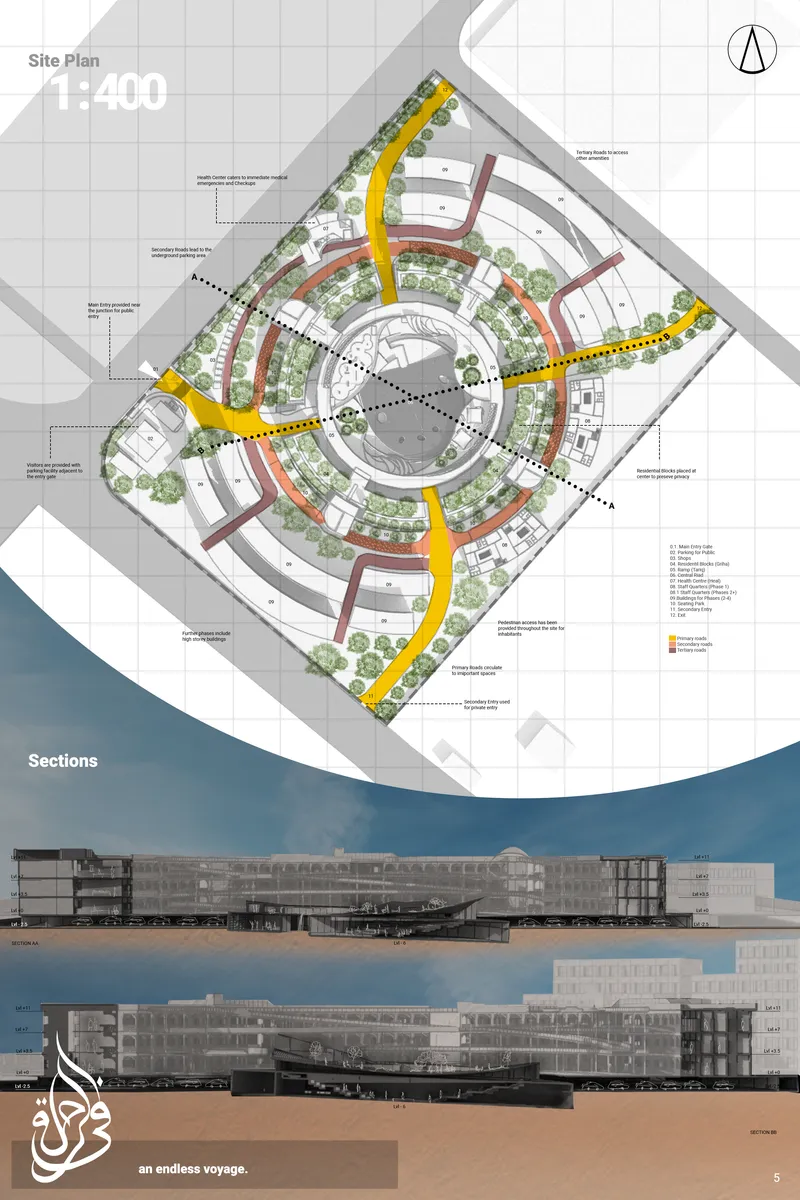
Description: في رحلة - In a journey - A safe and enjoyable abode for the elderly that is both independent and assisted, with convenient senior-friendly spaces, supporting medical and other healthcare facilities. The design aims to reinvigorate the mundane lifestyle, by introducing exciting spaces that are to be explored.
-----------------------
Editor’s Choice: Co-life
By: Hang Zhou

Description: The project aims to improve housing conditions for elderly people. The project addresses aspects of overcoming social exclusion, creating a favorable atmosphere and a comfortable environment for the elderly.
--------------------
Editor’s Choice: Riyadh For All
By: Ariel Bintang & Ketki Mahadik
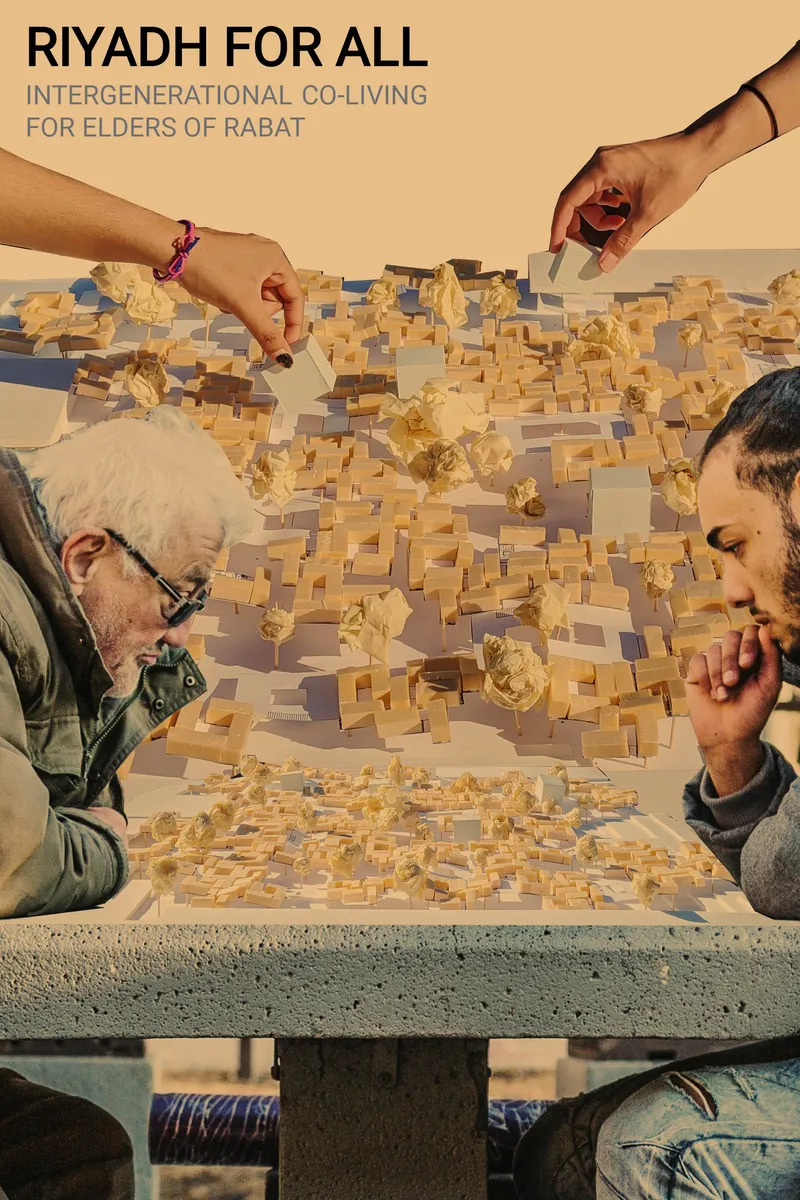
Description: Intergenerational Co-Living for Elders of Rabat. Our design aims to establish an Active Aging environment by considering a gerontological approach in co-living design. This was implemented through the intergenerational 85-15 model which enriches the culture and society at large.
--------------------
Editor’s Choice: GREEN MOSAIC
By: Misak Terzibasiyan
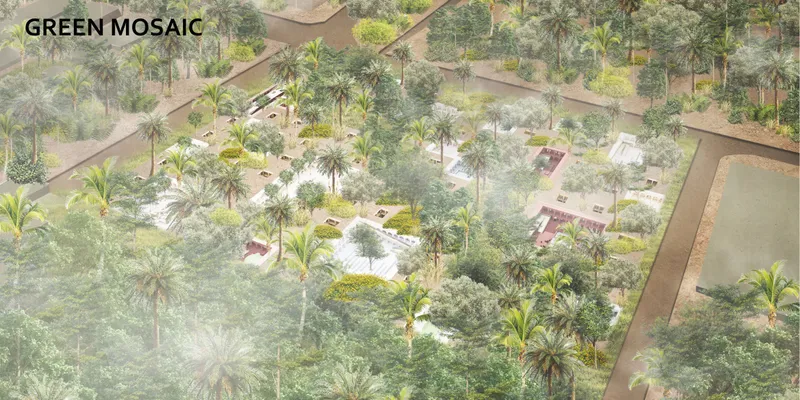
Description: Standing at the end of the first quarter of the twenty-first century, we observe the increasing number of elderly people in developing areas, as well as a higher average life expectancy. While noticing the already visible process of aging of the society, we are facing the challenge of creating a new quality of the living environment for seniors.
--------------------
Editor’s Choice: NEW MEMORY
By: Meryem
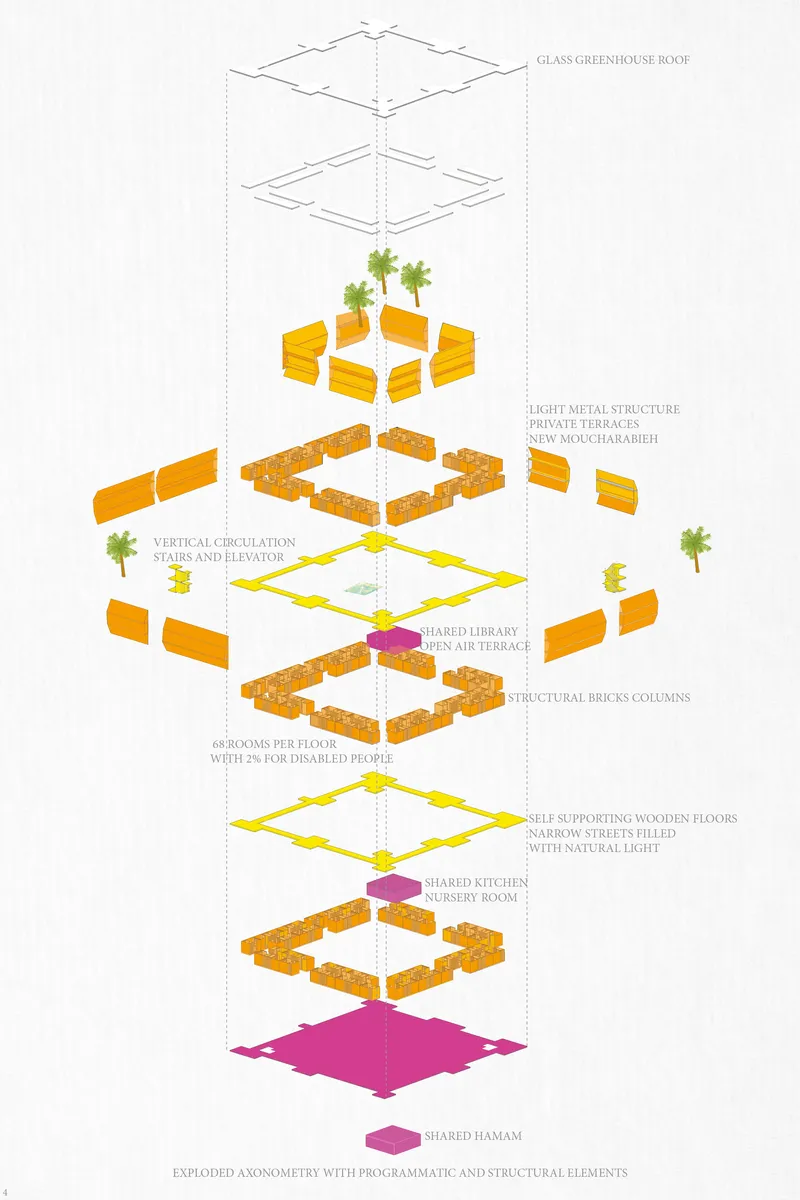
Description: New memory is an urban and architectural project that explores ways to stimulate memory throughout space. The relationship between space and memory is multifaceted and is a key question to ensure independence, freedom and autonomy. Furthermore, New memory redefines our social perception of our elders where space serves as a receptacle for transmission.
--------------------
Editor’s Choice: MILLEFIORI
By: Anna Sangalova, Dmitry Batanov, Алиса Смирнова & Андрей Мачуш
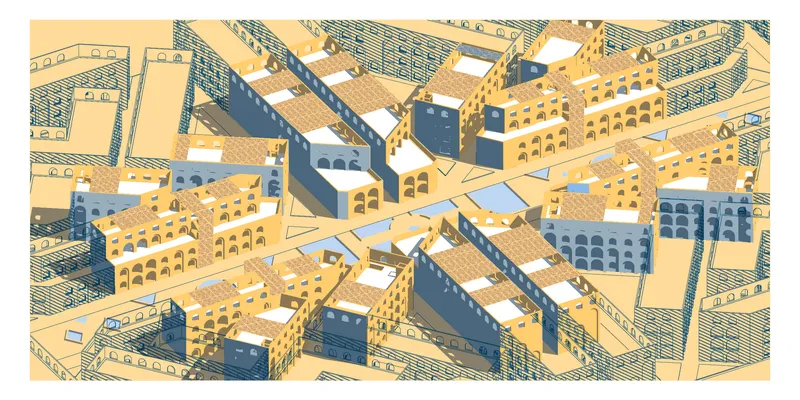
Description: In the modern world, there is an acute problem of resettlement of elderly citizens. Large cities are often aggressive towards the older generation: the high pace of life, housing prices, air pollution, loneliness. Millefiori is the solution to these problems.
--------------------
Editor’s Choice: Co-Life
By: Kamilla Mukhamedzianova
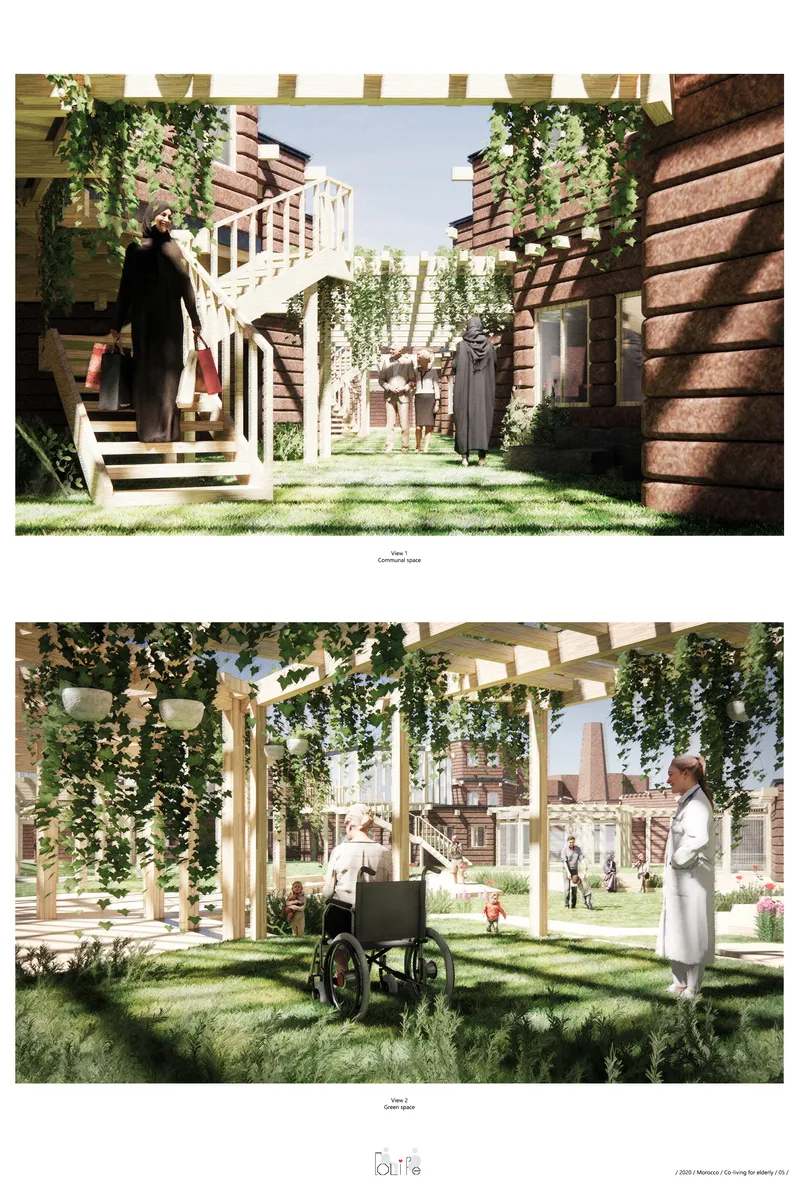
Description: ‘Healing garden’, public square, market street, and intergenerational workshops could bring older people into the urban mix and reduce the level of social isolation. The applications of sustainable principles aim to reduce the building’s ecological footprint and deliver a self-sufficient (zero carbon) community.
Discover the design brief here: https://uni.xyz/competitions/co-life/info/about
Discover the full results here: https://uni.xyz/competitions/co-life/entries
Follow us on social media: Facebook | Instagram | LinkedIn | Twitter | Youtube
Discover other design competitions to participate here: https://uni.xyz/competitions


Popular Articles
Popular articles from the community

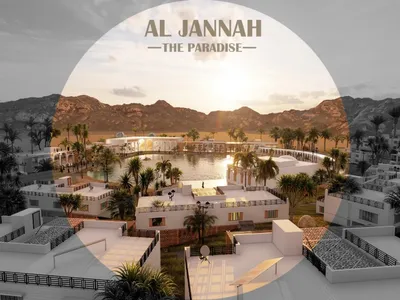
AL-JANNAH: Sustainable Architecture and Permaculture for Afghan Widows
AL-JANNAH uses sustainable architecture and permaculture to create resilient oasis of housing, learning, work and renewal for Afghan widows.

Co-Life: Senior Housing Design That Reconnects Older Adults With the City
Co-Life reimagines senior housing design through healing gardens, shared streets, workshops, and a sustainable community across generations.

Conexión: Biophilic Design Reimagines High-Rise Living in Hong Kong
Conexión reimagines high-rise living in Hong Kong through biophilic design, green facades, shared spaces, daylight, water and nature within.

The Musturak Paradise: Senior Living Architecture for a Connected Future in Temara, Morocco
The Musturak Paradise reimagines senior living architecture in Temara via private homes, social spaces, culture, community, and shared care.

Similar Reads
You might also enjoy these articles
The Musturak Paradise: Senior Living Architecture for a Connected Future in Temara, Morocco
The Musturak Paradise reimagines senior living architecture in Temara via private homes, social spaces, culture, community, and shared care.

The Leaf Center: Cultural Center Architecture for Social Integration in Amsterdam
Cultural center architecture becomes a bridge at The Leaf Center, connecting international students with Amsterdam through art and exchange.
Conexión: Biophilic Design Reimagines High-Rise Living in Hong Kong
Conexión reimagines high-rise living in Hong Kong through biophilic design, green facades, shared spaces, daylight, water and nature within.

Wander to Wonder: Modular Playground Design for Children in Kutupalong Refugee Camp
Wander to Wonder uses modular playground design to create flexible, imaginative play spaces for children in Kutupalong refugee camp.

Comments (0)
Please login or sign up to add comments
No comments yet. Be the first to comment!