
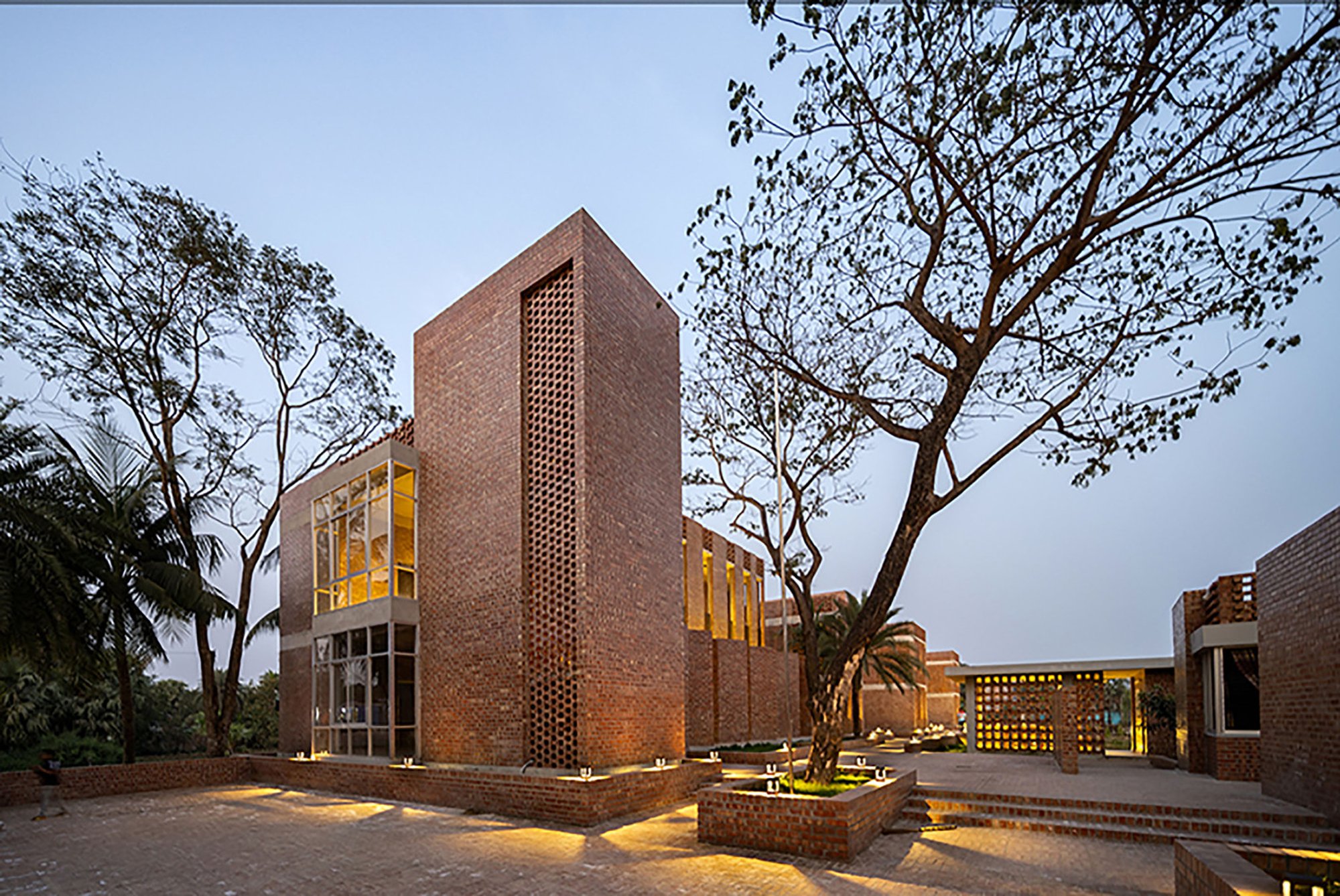
CODEC Training Centre – Kuakata by Community Development Centre (CODEC)
A climate-resilient training center in coastal Bangladesh promoting community education, sustainable design, and environmental stewardship through locally crafted brick architecture.

A Coastal Learning Hub Rooted in Resilience and Community
The CODEC Training Centre in Kuakata, designed by CODEC Design Studio, is a landmark project dedicated to fostering skill development, environmental education, and community empowerment for Bangladesh’s vulnerable coastal populations. Nestled near fishing settlements and ecological zones, the center plays a crucial role in enhancing local capacities for sustainable tourism, coastal resource management, and disaster preparedness.
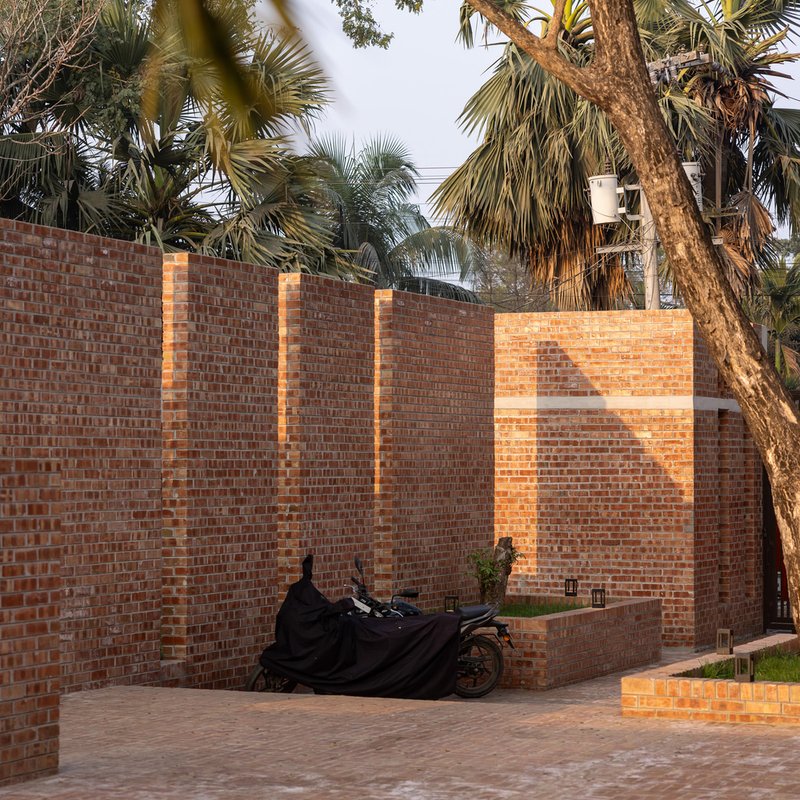
Developed through a carefully phased construction process, the project embodies the organization’s long-standing mission: to integrate architecture, education, and community engagement. By involving local contractors and laborers, CODEC ensured that the building process itself became a form of participatory learning—transferring skills, strengthening livelihoods, and promoting a sense of ownership within the community.
Architecture for Climate Resilience
Located in one of the most climate-sensitive regions of Bangladesh, the architectural approach prioritizes resilience and adaptability. Kuakata’s exposure to cyclones, tidal surges, and saline intrusion informed a design strategy that is both robust and environmentally responsive.
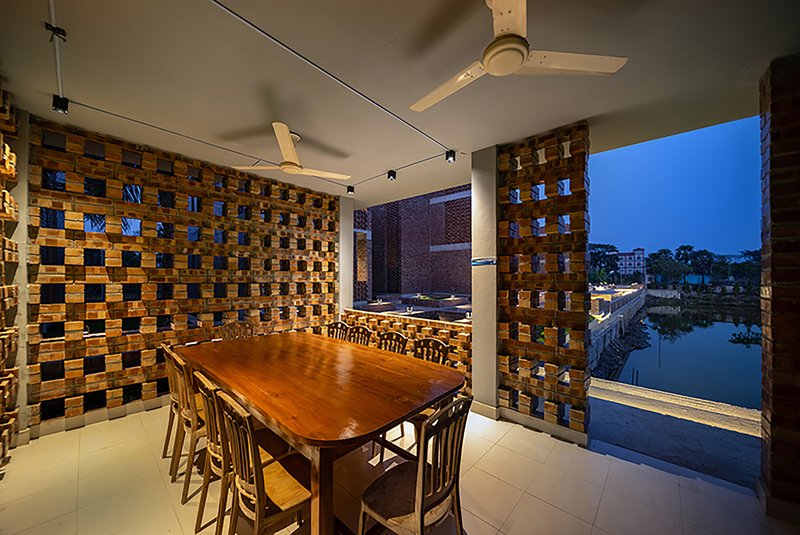
The structures are elevated above ground level to mitigate flood risks during monsoon and cyclone seasons. Passive design principles minimize reliance on mechanical cooling systems, while the thoughtful orientation and layout enhance thermal comfort year-round. A linear water body on the southern side acts as both a freshwater reservoir and a natural cooling element, preconditioning southern breezes before they enter the interiors.
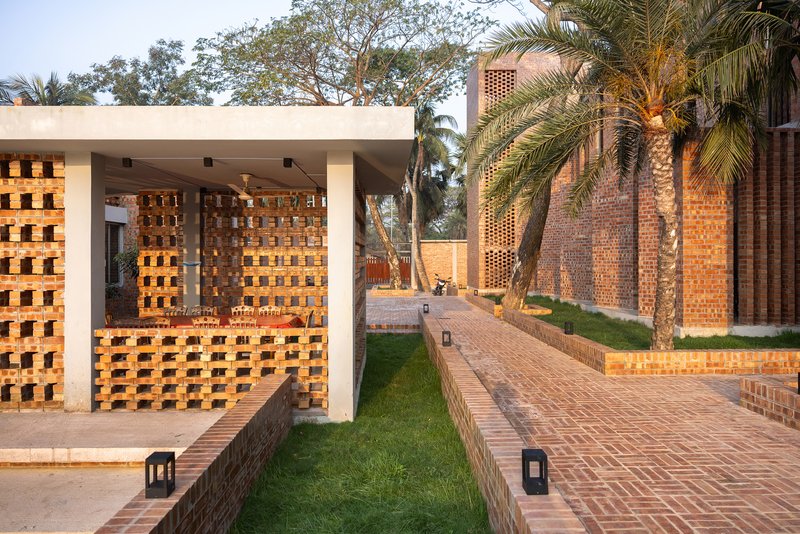
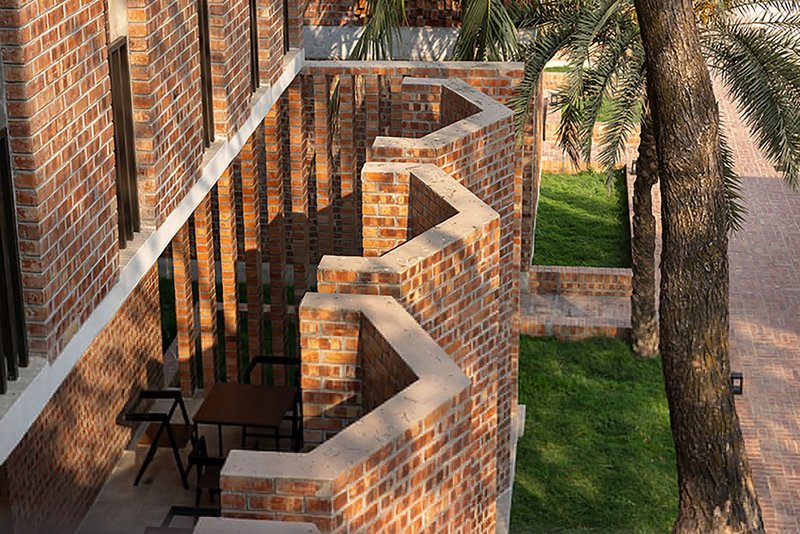
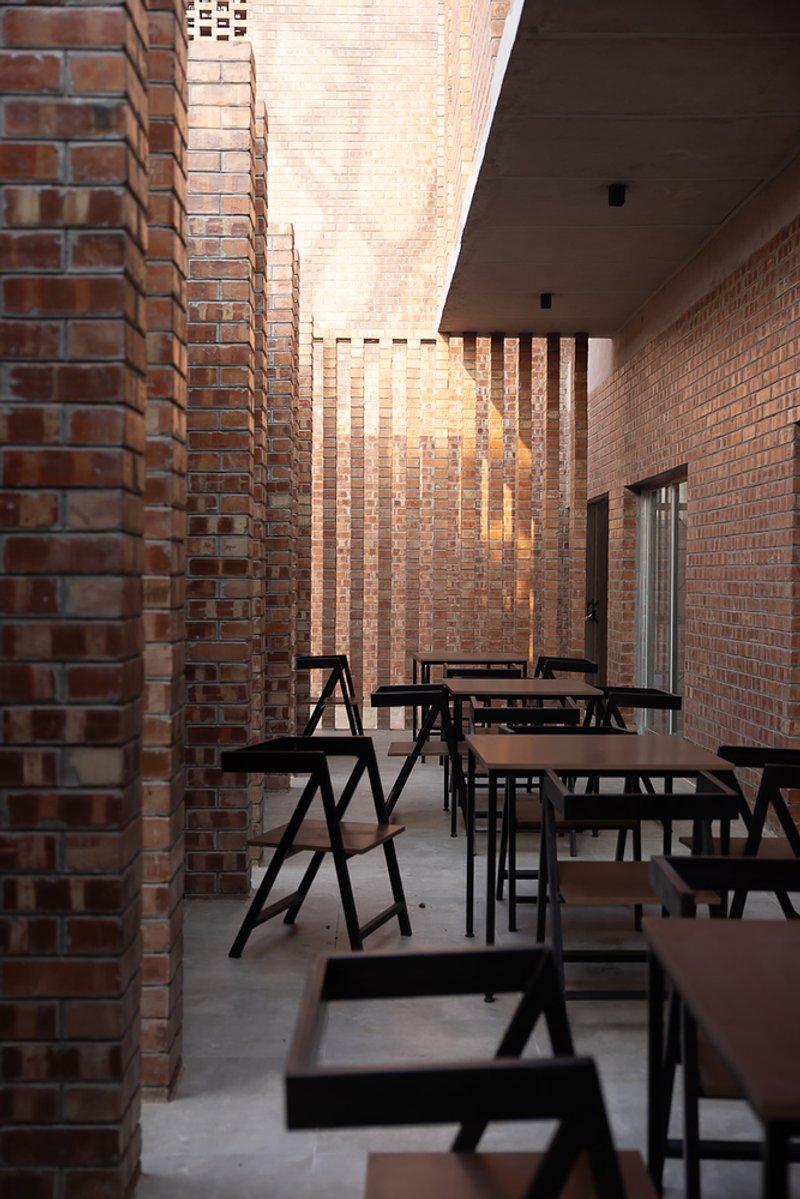
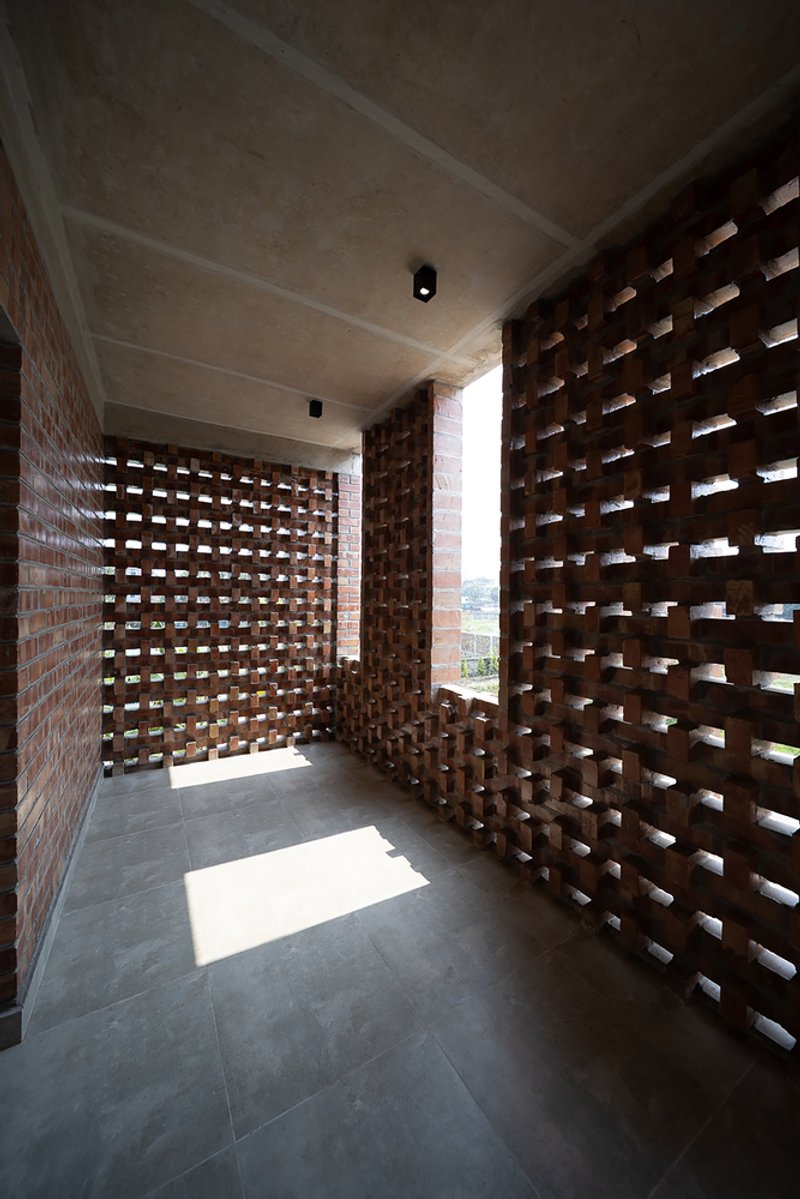
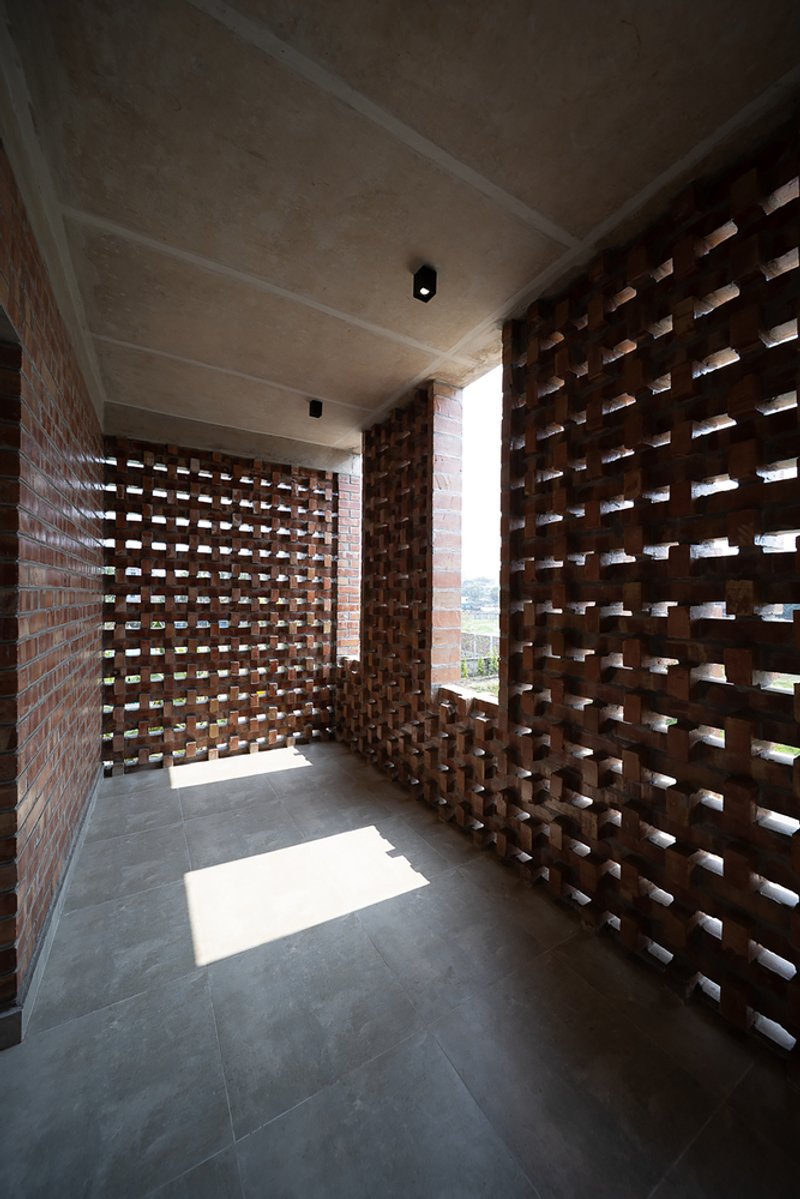
Jali brick screens—an emblem of vernacular South Asian architecture—filter sunlight, ensure cross-ventilation, and create a play of light and shadow that reduces heat gain while enriching spatial quality. Structurally, the building combines locally produced brick load-bearing walls with reinforced concrete slabs and beams, balancing traditional craftsmanship with contemporary durability suitable for cyclone-prone environments.
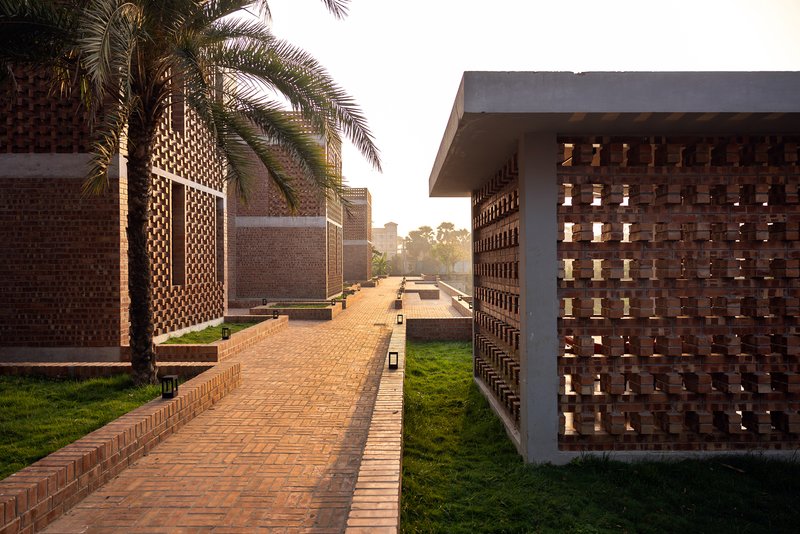
Sustainable Materiality and Ecological Responsibility
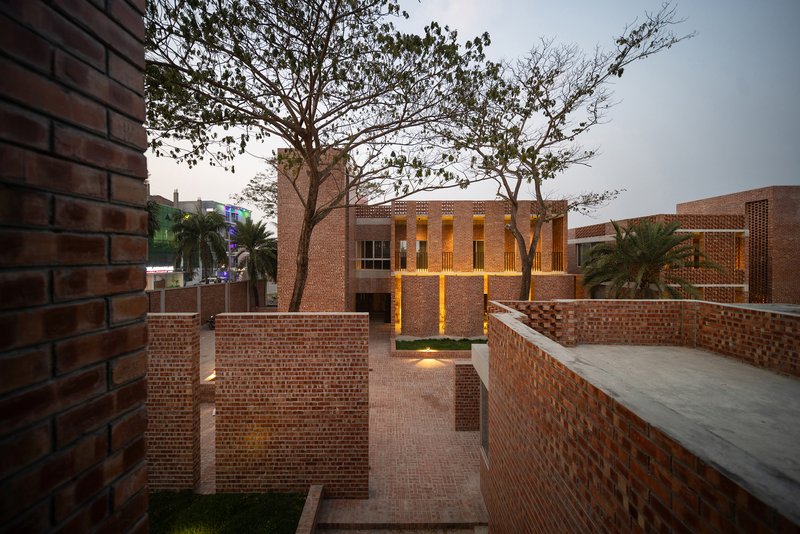
The material palette reflects a deliberate commitment to sustainability and cultural continuity. Locally manufactured bricks reinforce regional construction traditions while reducing the project’s carbon footprint through minimized transport. The inclusion of solar panels, rainwater harvesting systems, and natural ventilation strategies positions the training center as a model for low-energy, self-sufficient architecture in rural Bangladesh.
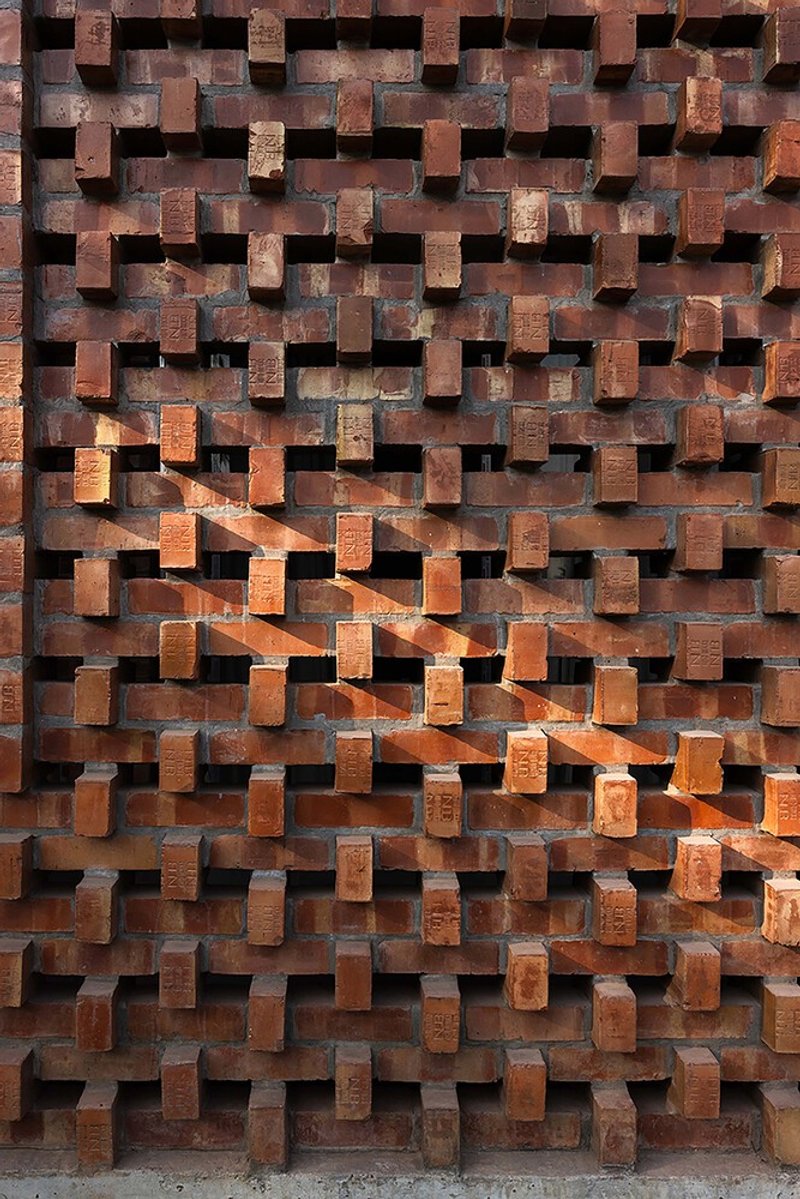
Every material choice—from brick texture to the exposed concrete structure—embodies an aesthetic of honesty and permanence, resonating with the surrounding coastal landscape and the resilient spirit of the people it serves.
Spatial Design and Human-Centered Learning
The interior program is designed to support diverse training and residential functions. Classrooms, seminar halls, and administrative zones are complemented by accommodation facilities for trainees and facilitators, encouraging longer, more immersive programs. A dining hall emphasizes locally sourced ingredients, while courtyards, shaded corridors, and landscaped open spaces create informal zones for interaction, rest, and reflection.
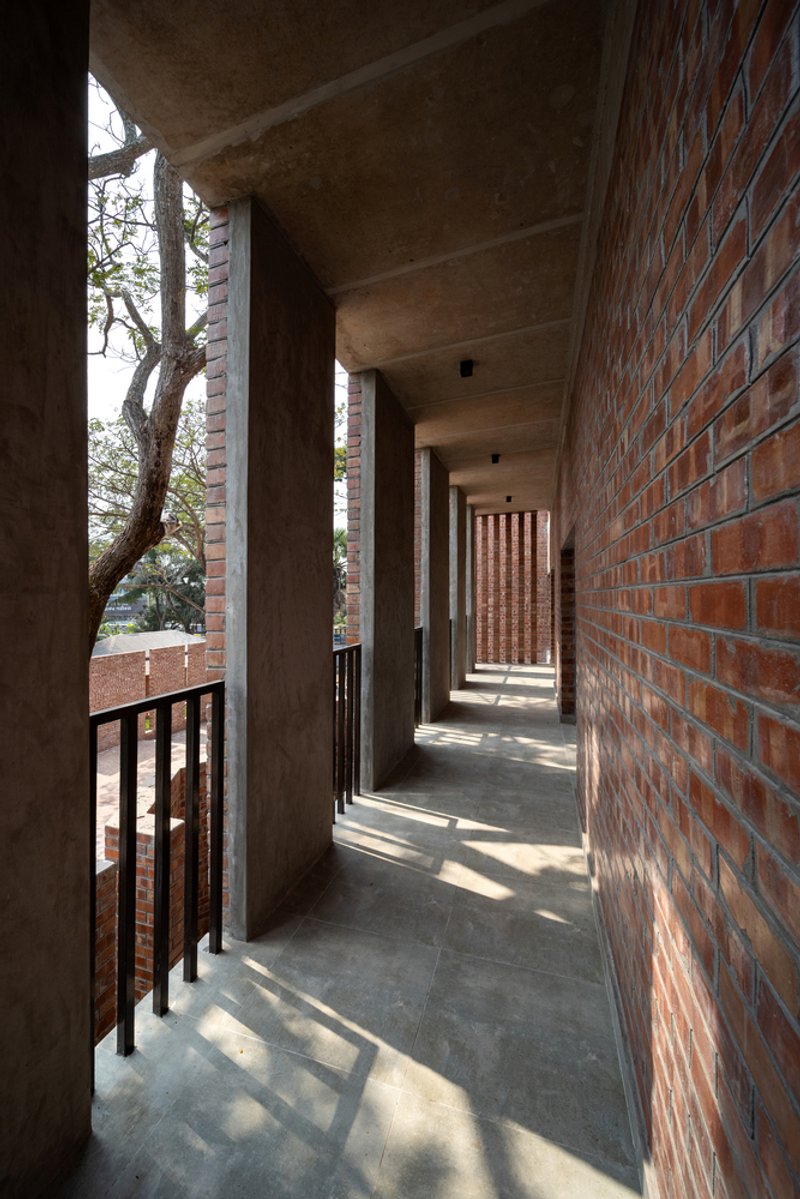
These in-between spaces are integral to the design—encouraging social engagement and reinforcing the sense of community that underpins the institution’s mission.
Integrating Learning with the Coastal Context
Beyond serving as a static educational facility, the CODEC Training Centre operates as a platform for experiential learning. Its proximity to the coastline allows programs to integrate field-based activities, connecting participants directly to the environmental and cultural dynamics of the region. Whether studying coastal erosion, sustainable fishing, or eco-tourism practices, trainees engage with real-world issues through hands-on experiences.
This immersive educational model deepens local awareness and strengthens the region’s collective ability to respond to climate challenges through knowledge and collaboration.
A Model for Sustainable Development in Bangladesh
Ultimately, the Kuakata Training Centre stands as a symbol of hope and resilience. By merging climate-sensitive architecture, community participation, and environmental stewardship, it transcends the conventional definition of an educational building. It becomes a living framework for empowerment—a place where learning, sustainability, and architecture converge to shape a more equitable and adaptive future.
As Bangladesh continues to confront the realities of climate change, projects like the CODEC Training Centre offer a replicable blueprint for resilient development, demonstrating how architecture can act as both a protective shelter and a catalyst for transformation.
All photographs are works of Asif Salman



Popular Articles
Popular articles from the community

ure LLC Builds a Timber-Framed Suburban Office That Doubles as a Community Living Room in Hiroshima
KItoNOKO wraps sawtooth roofs and corrugated metal around an exposed timber frame to give a commercial district a new civic anchor.
MAKER architecten Rewire a 1972 Brutalist Dormitory on the VUB Campus as a Living Lab
A modular renovation strategy in Belgium breathes new life into Willy Van Der Meeren's modernist student housing without erasing its concrete bones.
Guangzhou's Twin Towers Interiors Move Like Water
DuShe Architectural Design shapes the lobbies of a massive Guangzhou transit hub with undulating ceilings and deep geological materiality.
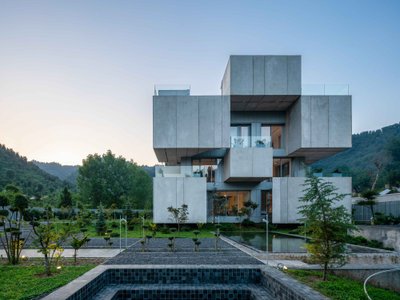
Bood Design Bureau Splits a Gilan Residence in Two to Let the Forest In
Double Side House negotiates privacy and openness through interlocking concrete volumes and planted courtyards in northern Iran's humid Caspian lowlands.


Similar Reads
You might also enjoy these articles

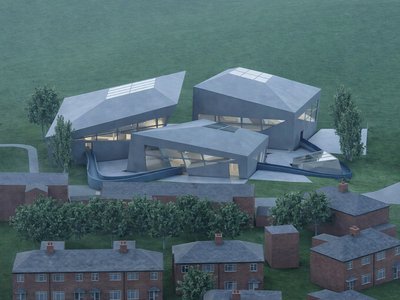
Filtering Space: A Gradual Spatial Experience
From urban intensity to spatial calm.


The Ken Roberts Memorial Delineation Competition (Krob)
As the most senior architectural drawing competition currently in operation anywhere in the world, it draws hundreds of entries each year, awarding the very best submissions in a series of medium-based categories.

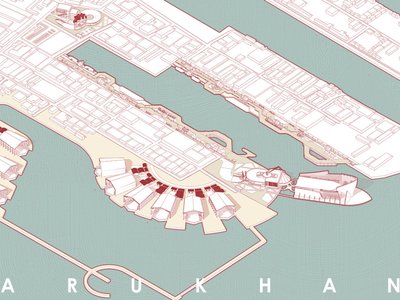
Waterfront Redevelopment and Urban Revitalization in Mumbai: Forging a New Dawn for Darukhana
A transformative waterfront redevelopment project reimagining Darukhana’s shipbreaking heritage into an inclusive urban future.
OUT-OF-MAP: A Call for Postcards on Feminist Narratives of Public Space
Rhizoma Design and Research Lab invites artists, designers, architects, researchers, and students to reflect on how feminist perspectives can reshape public space. Selected works will be exhibited in Barcelona, October 2026. Submissions open until 15 April 2026.


Explore Architecture Competitions
Discover active competitions in this discipline




The International Standard for Design Portfolios


The Global Benchmark for Architecture Dissertation Awards


The Global Benchmark for Graduation Excellence


Challenge to design public laboratory
Comments (0)
Please login or sign up to add comments
No comments yet. Be the first to comment!