
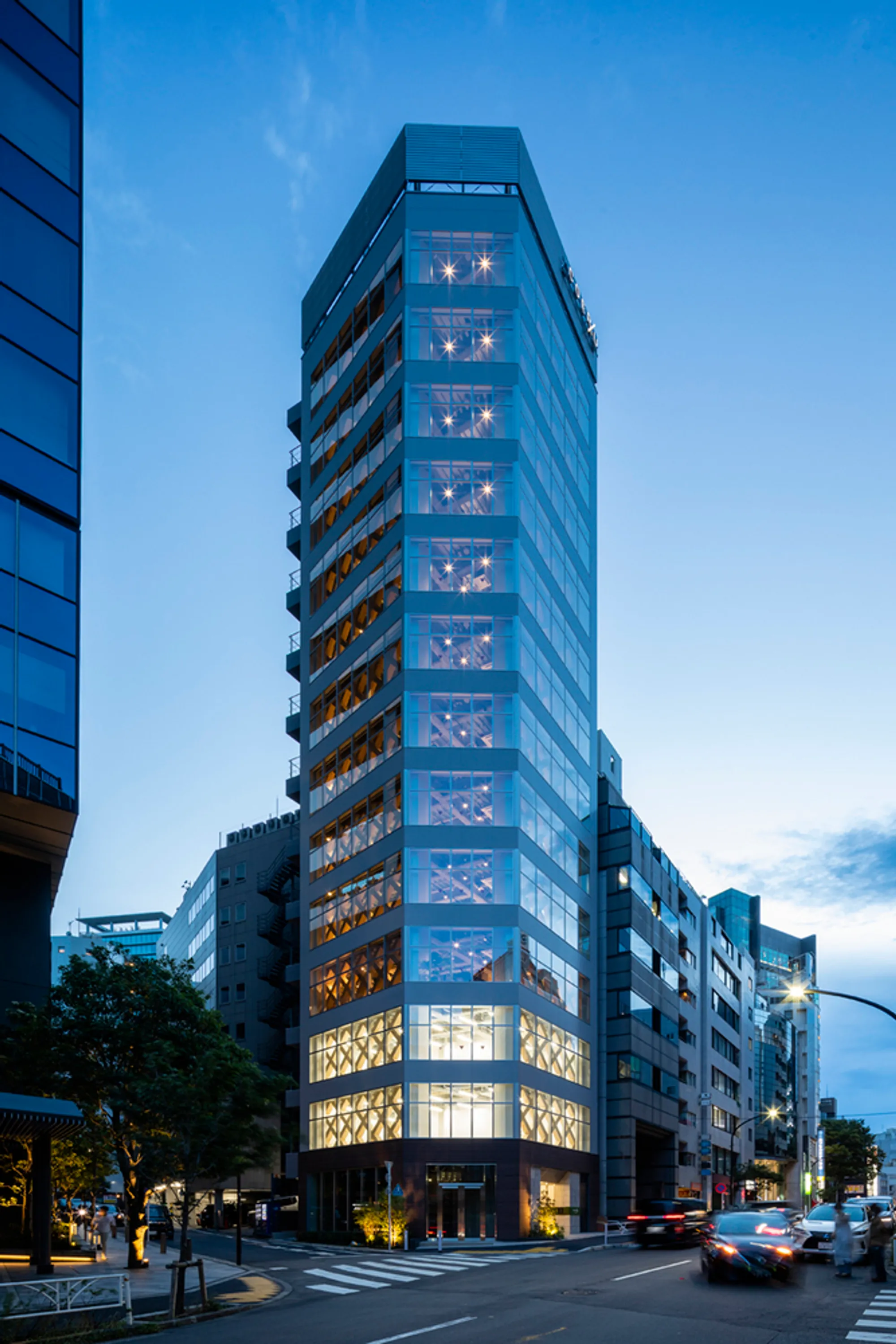
Coeru Shibuya Offices and Commercial Building
Timber-steel hybrid building in Shibuya combining sustainability, seismic resilience, and urban design with visible wood lattice façades and RE100 energy.


Timber-Steel Hybrid Innovation in Urban Architecture
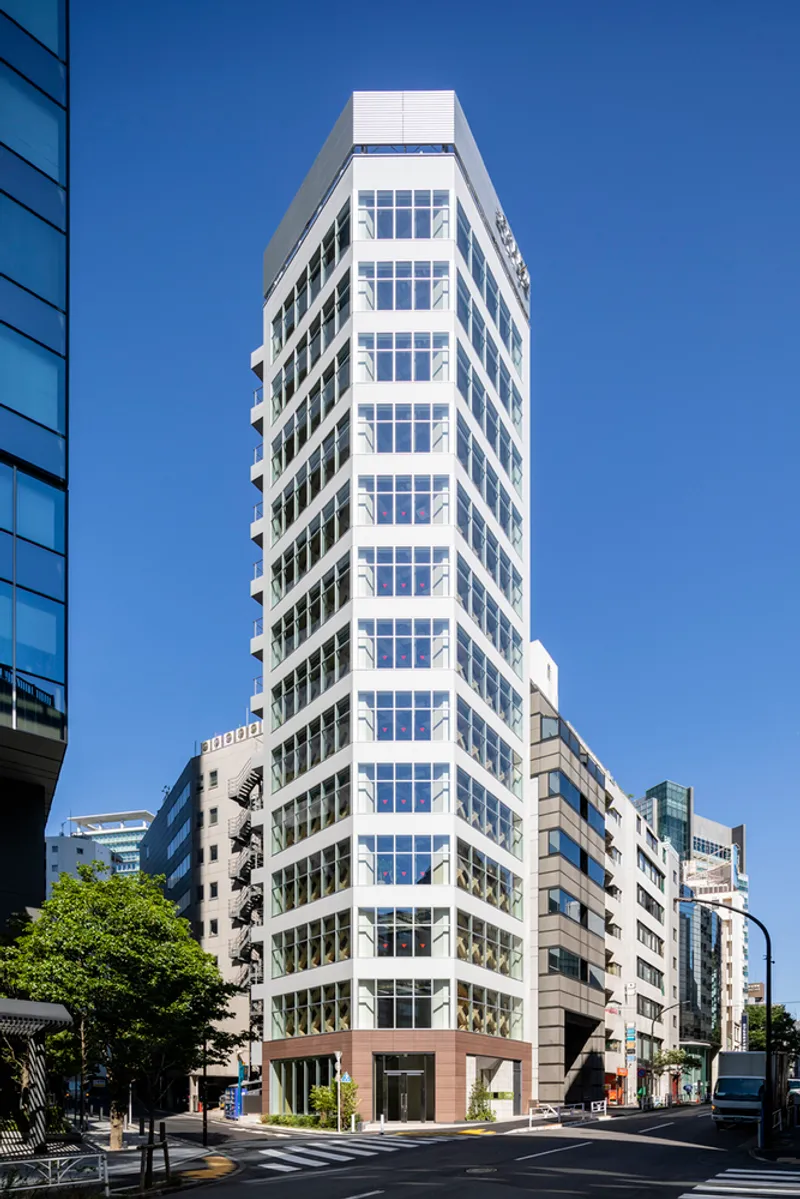
In the heart of Tokyo’s vibrant Shibuya district, Coeru Shibuya stands as a pioneering hybrid structure that bridges sustainable construction with high-performance architecture. Designed by Maeda Corporation in collaboration with structural engineers Holzstr, the building showcases a groundbreaking Timber-Steel Hybrid system—a structural solution that combines the resilience of steel with the warmth and sustainability of timber.
Structural System: “Mokkou-Kumiko” Lattice Bracing
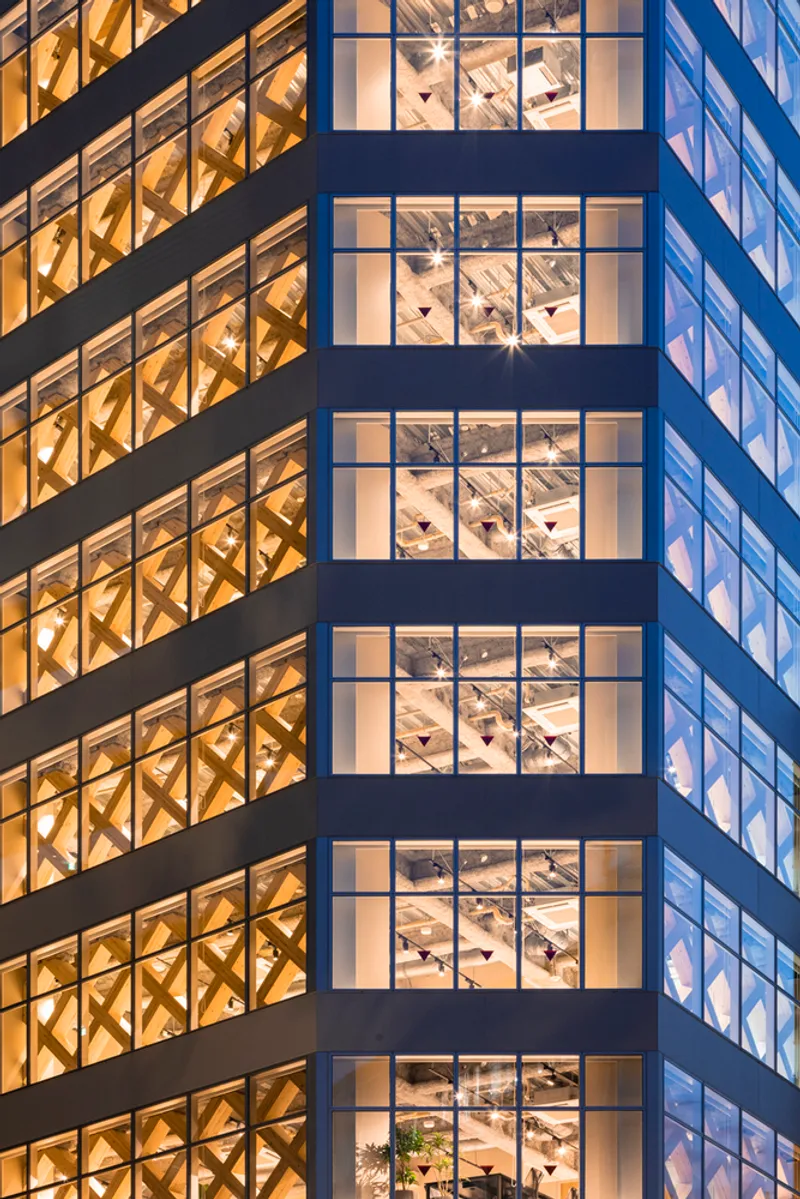
At the core of the building’s identity is the Mokkou-Kumiko brace—a lattice system where exposed red pine wraps around internal steel plates. This hybrid technique maximizes the compressive strength of timber and the tensile durability of steel, forming a structure with enhanced seismic resistance, ideal for Japan’s earthquake-prone landscape.
Applied visibly across two main façades, this system breaks architectural norms by integrating natural materials into high-rise construction without compromising structural integrity. The result is a tactile, visually engaging presence on the Shibuya streetscape—an urban façade that blurs boundaries between commercial and office typologies.
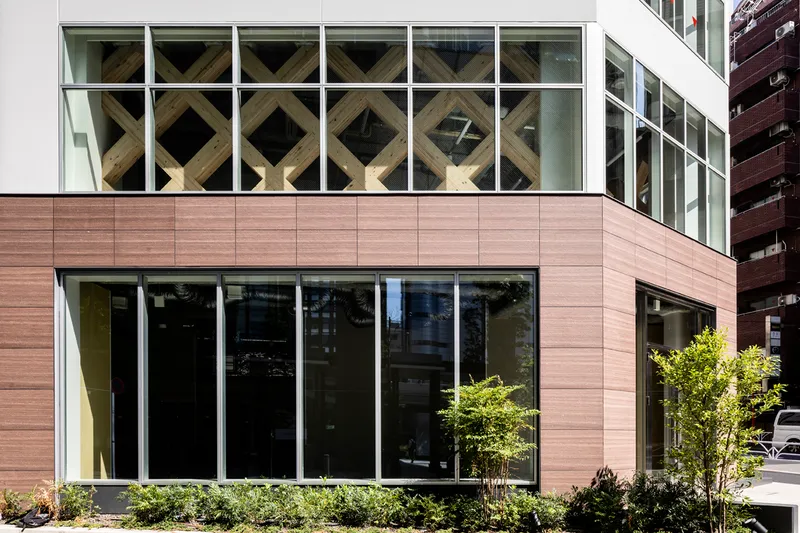
Seamless Integration of Timber and Steel
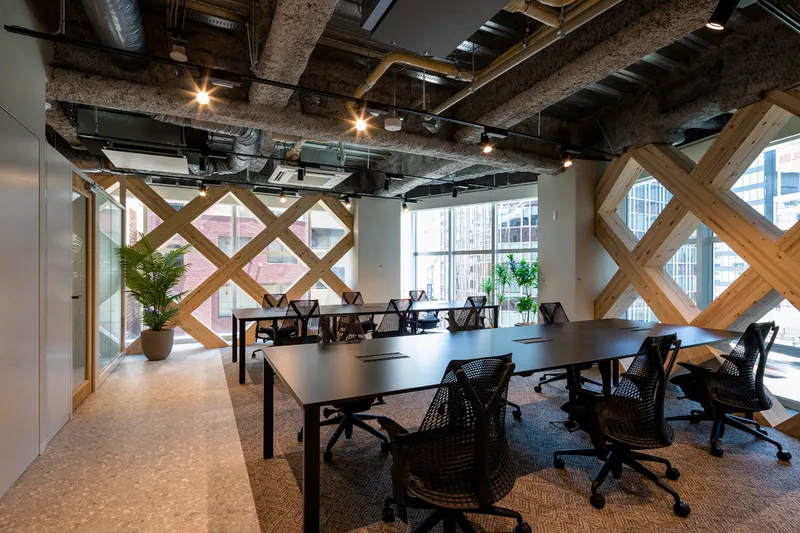
Internally, the timber-wrapped beams conceal all mechanical connections—there are no exposed bolts or gusset plates, offering a seamless visual of natural wood surfaces. The beams not only provide aesthetic value but also serve a critical fire-resistant function, wherein the outer timber layer carbonizes to shield the steel core, preserving the structure’s integrity.
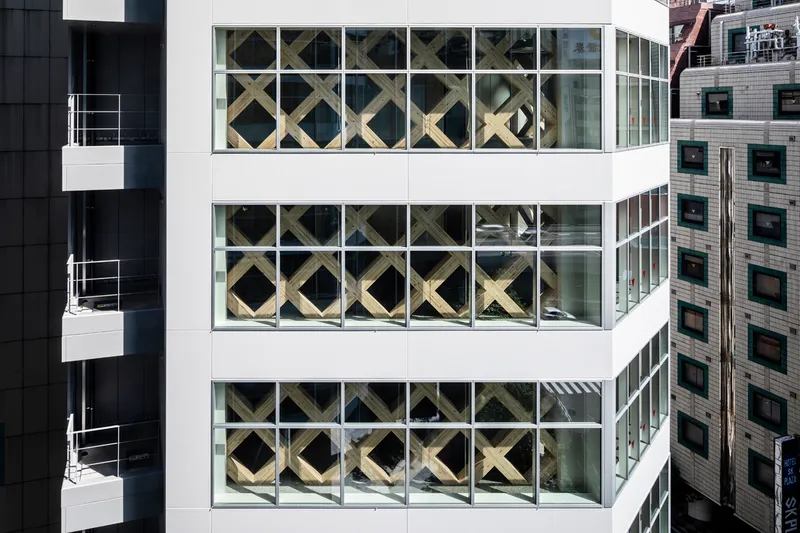
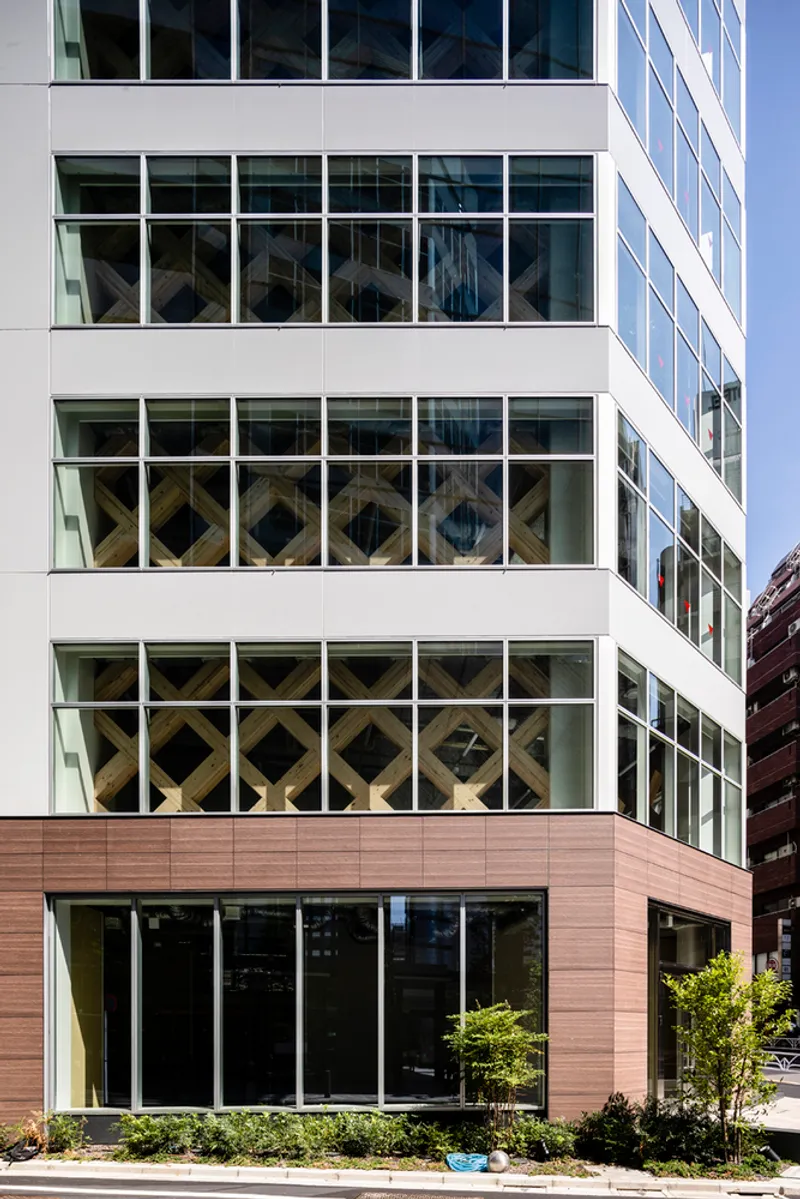
This hybrid solution extends to floors above the 10th level, where timber-steel composite beams are structurally equivalent to standard steel yet offer environmental and visual benefits. This adaptive engineering aligns with the building’s overall sustainability objectives.
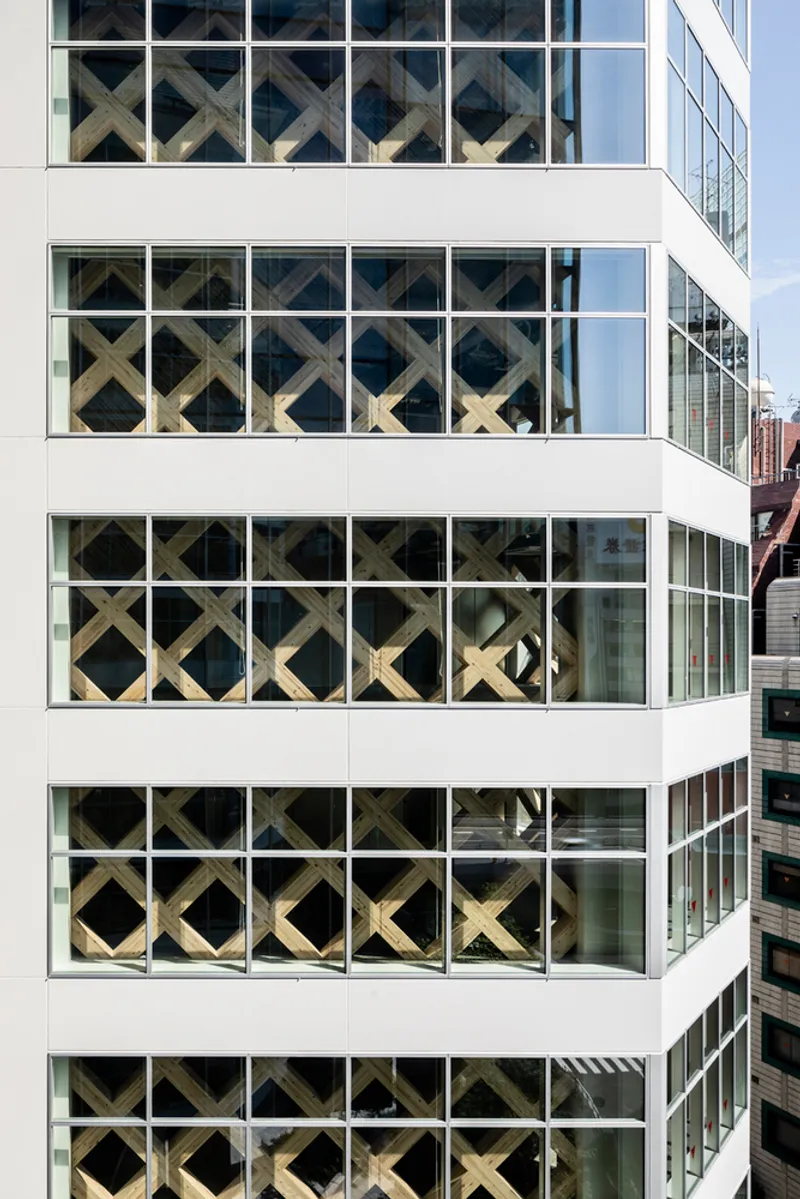
Sustainability as a Central Design Driver
Coeru Shibuya is more than a showcase of hybrid materials—it’s a symbol of urban ecological responsibility. The building operates on renewable energy, aligning with the RE100 initiative, a global benchmark aiming for 100% renewable electricity in corporate operations.
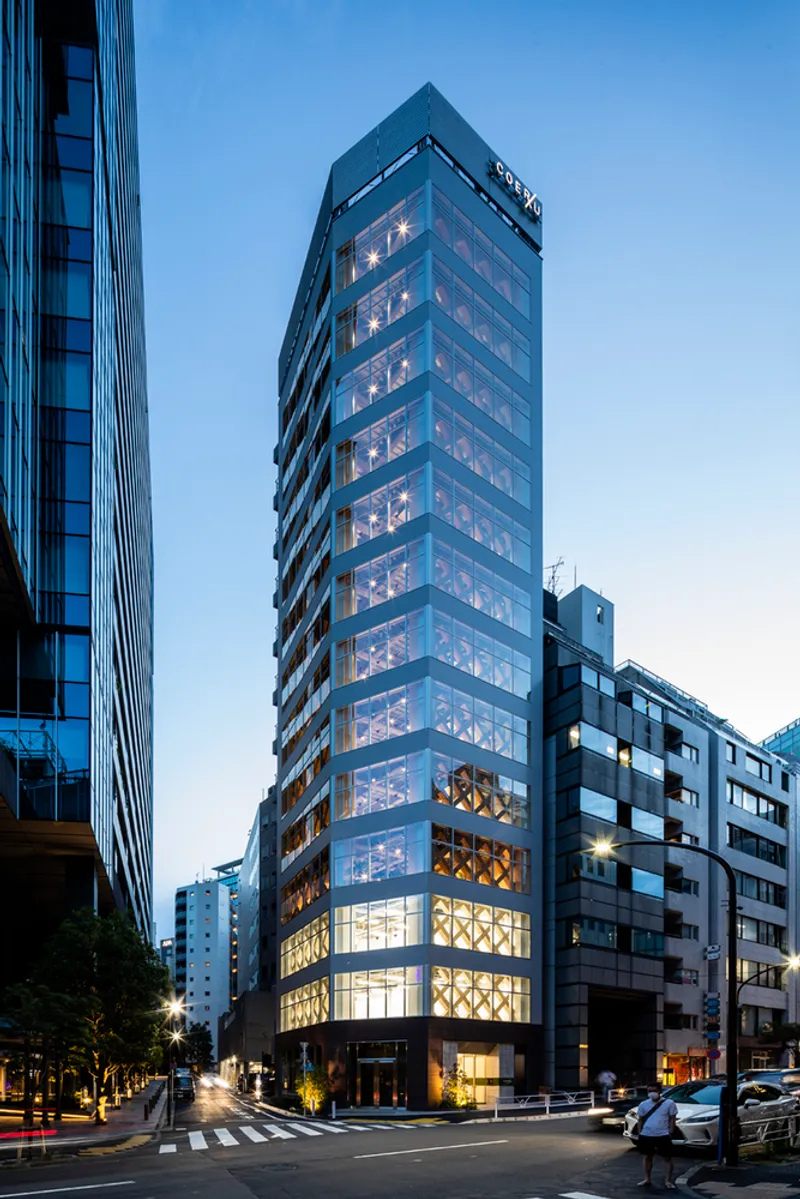
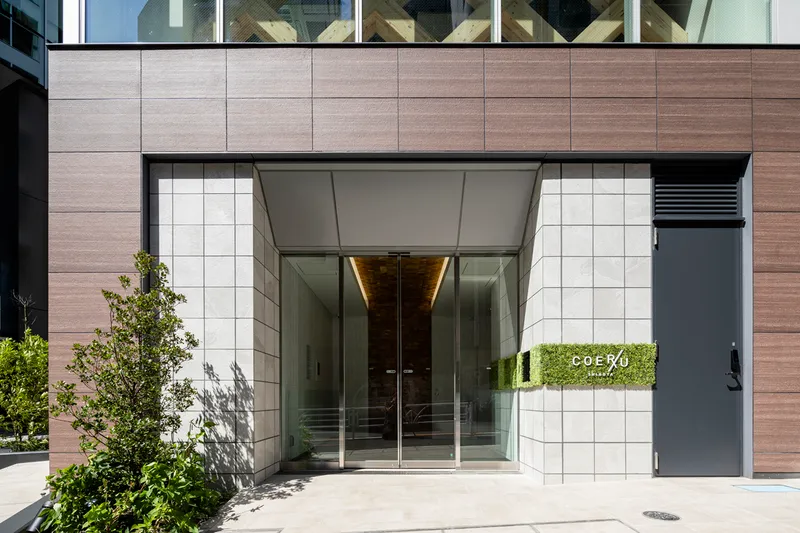
Every decision, from structural system to energy sourcing, reflects the project’s commitment to green building standards, material efficiency, and urban environmental consciousness—all within a compact site in one of Tokyo’s most bustling districts.
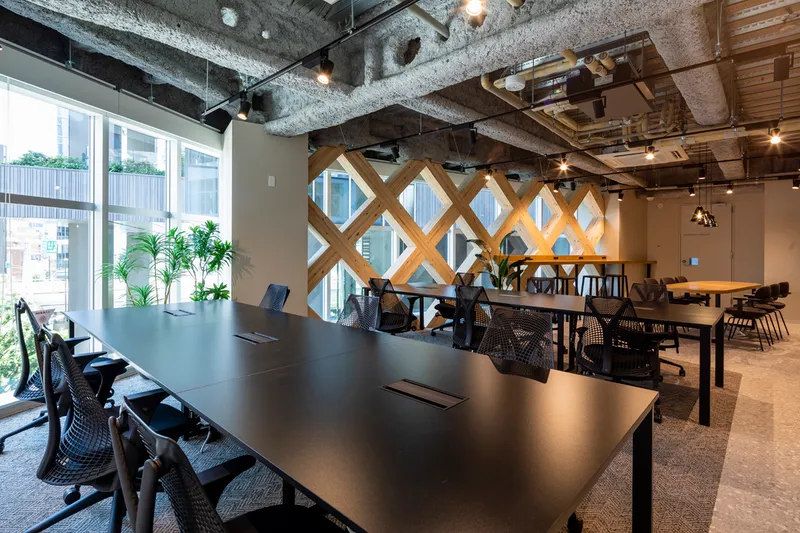
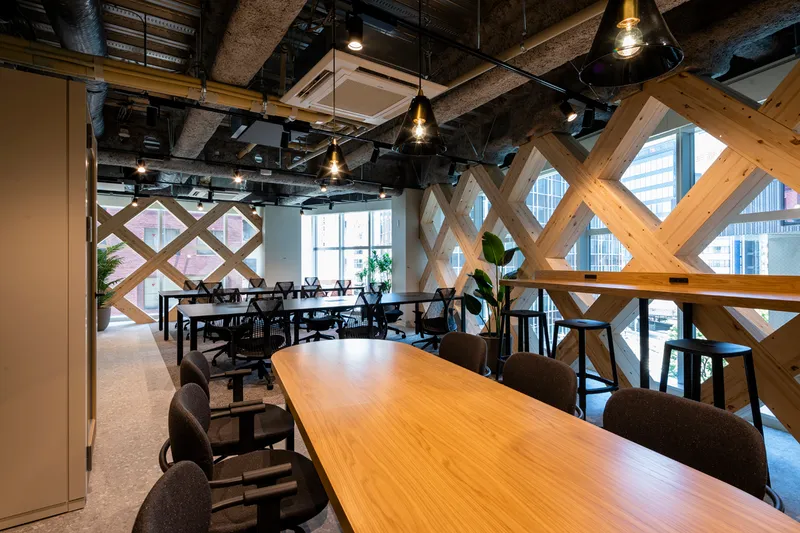
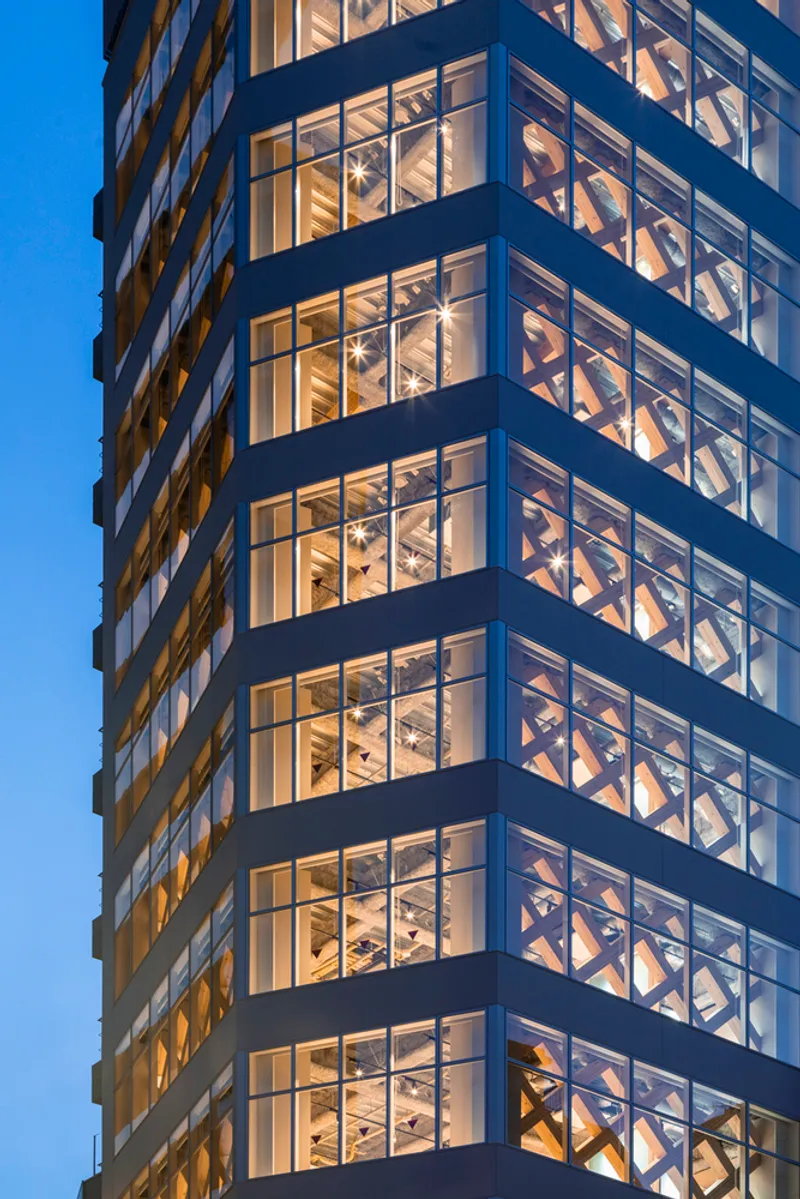
All the photographs are works of Naohiro Ogura




Popular Articles
Popular articles from the community


The Ocean Hive: Sustainable Architecture for a Self-Sufficient Civilization at Sea
The Ocean Hive imagines sustainable architecture at sea, where modular habitats, algae, wave power and ocean waste sustain a growing colony.

Riyadh For All: Intergenerational Urban Design for Active Aging in Rabat
Riyadh For All reimagines urban design in Rabat with intergenerational co-living, adaptive courtyards, and Moroccan cultural exchange today.

The Earth Pod: 3D Printed Homes for Resilient Refugee Communities
The Earth Pod reimagines refugee housing through 3D printed homes made from clay, combining resilience, self-sufficiency, and rapid shelter.

Co-life: Sustainable Architecture for Age-Friendly Community Living
Co-life reimagines sustainable architecture for seniors through courtyards, rammed earth, shared gardens, and spaces designed for belonging.

Similar Reads
You might also enjoy these articles


Hodi-Mandai Geram
Project Function: Preservation and revitalization of the Intangible heritage and socio-spatial identity of the Hodi by Housing, Cultural Memory Center, Sacred Grove, landscape, local tourism economy


Olio Towers: A Mid-Rise for Performers That Fuses Housing, Rehearsal, and Stage
Located blocks from Houston's Theater District, this modular tower stacks living units around a central performance atrium.

Oasis: Modular Green Housing Carved into Dhaka's Urban Fabric
A shortlisted Plugin Housing entry reclaims unauthorized settlements in Dhaka with stepped concrete volumes, green roofs, and ventilation-driven design.

Black Hole: A Floating Megastructure for the Post-Physical Era
Emiliano Mazzarotto envisions a spherical, self-scaling arena where e-sports, digital hotels, and holographic stadiums replace traditional public space.


Explore Commercial Buildings Competitions
Discover active competitions in this discipline



Challenge to reimagine the Iron Throne


Photograph architecture without architects


Illustrate the lost glory of Angkor Wat - Render Challenge


Design challenge to reuse E-waste
Comments (0)
Please login or sign up to add comments
No comments yet. Be the first to comment!