
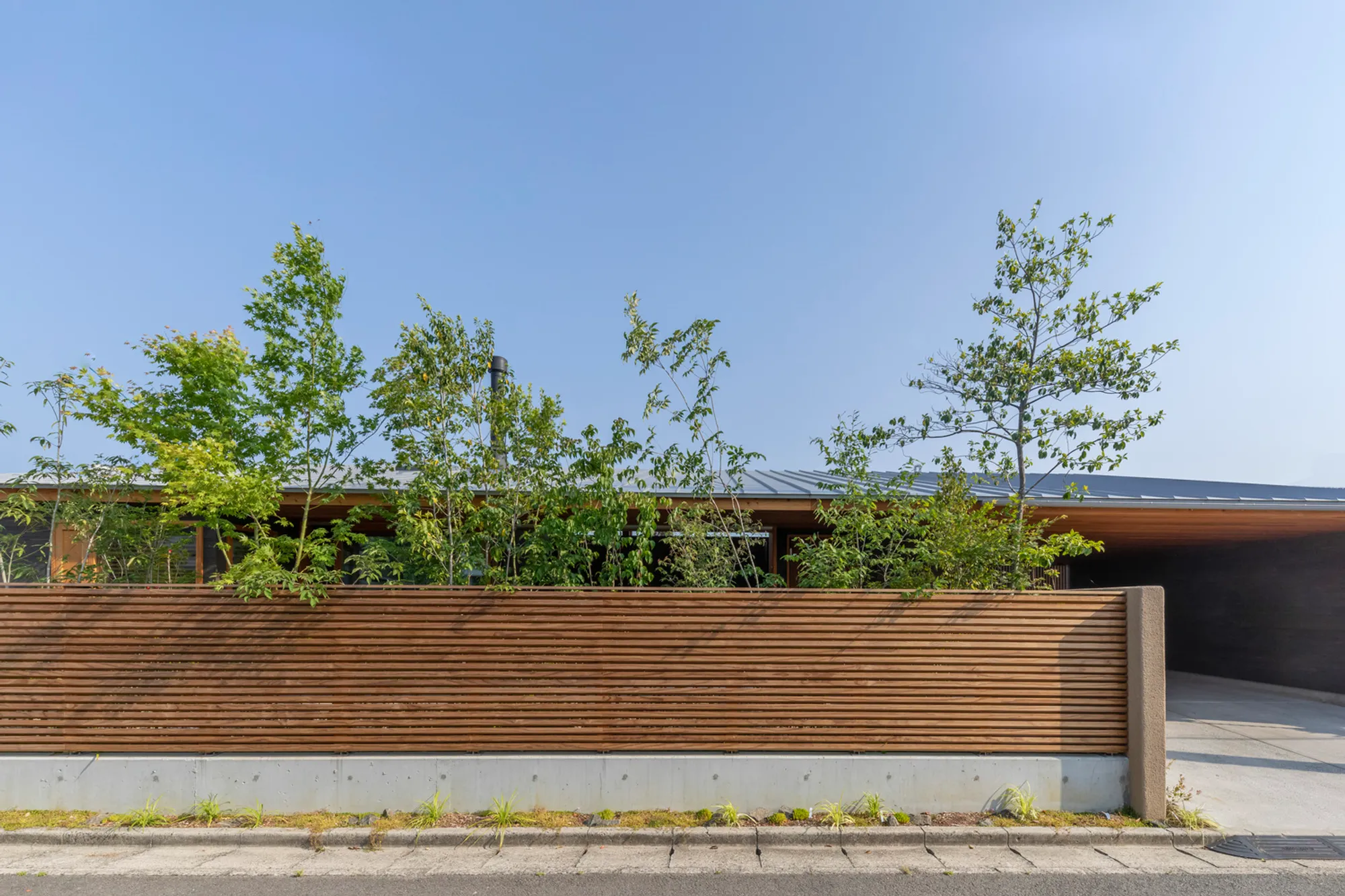
Compact Minimalist House Design: A Case Study of the House in Torinoki
This article explores the design and philosophy behind the compact minimalist House in Torinoki, blending functionality and serene aesthetics.


Compact Minimalist Living
In the era of sustainable living and mindful consumption, compact minimalist house designs are gaining traction as a practical and aesthetic solution for modern lifestyles. Among the standout examples is the House in Torinoki, designed by Taichi Nishishita Architect & Associates. Located in Iyo, Japan, this 77-square-meter home epitomizes the art of blending minimalism with functionality, all while fostering an intimate connection with nature and its inhabitants.

The Vision Behind the House in Torinoki
The House in Torinoki was envisioned as a serene retreat for the architect’s aging parents. Its design philosophy focuses on creating a sense of depth and security, akin to the comforting embrace of a cave. Despite its small size, the house achieves a spacious ambiance through innovative spatial arrangements and a seamless connection between indoor and outdoor spaces.
Key Elements of Compact Minimalist House Design
1. Strategic Use of Space
One of the defining features of this minimalist home is its thoughtful layout:
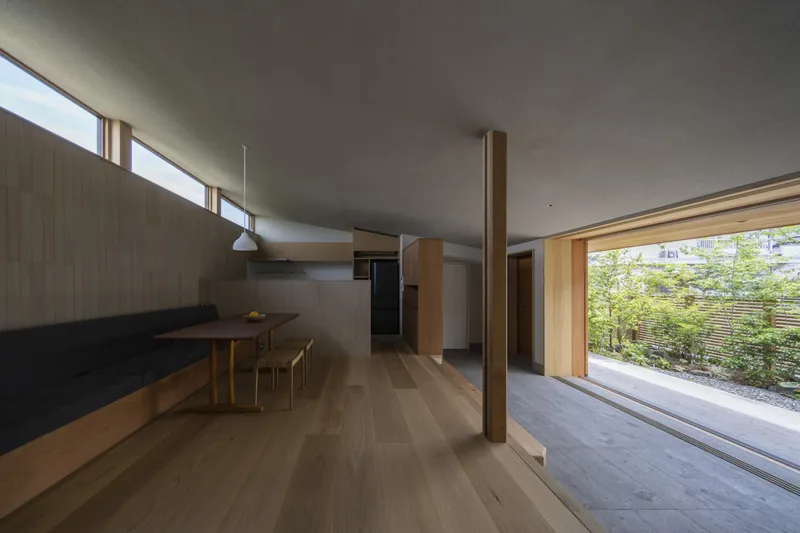
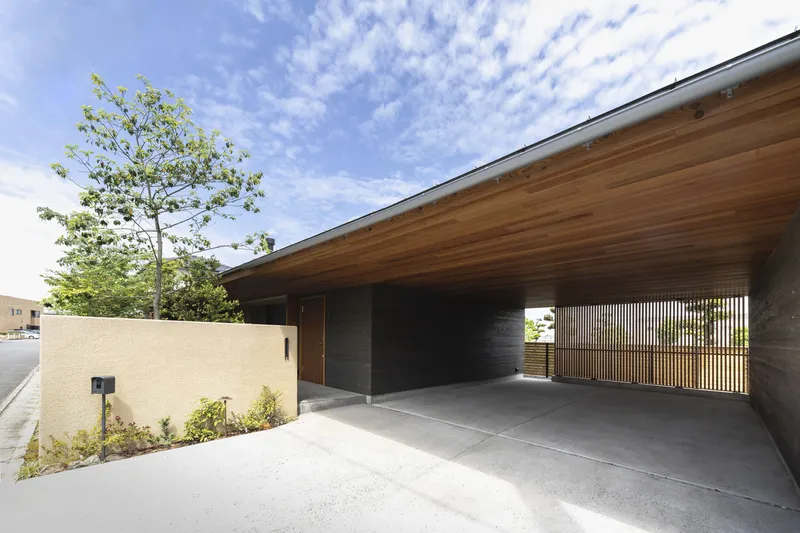
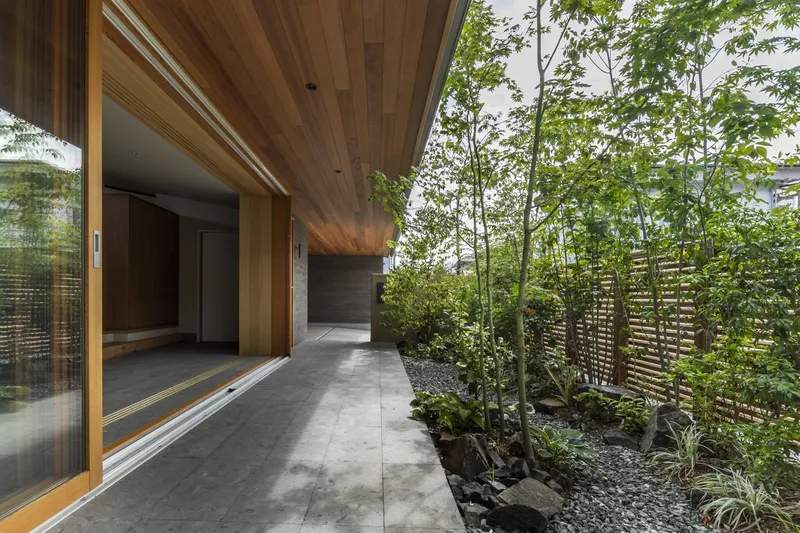
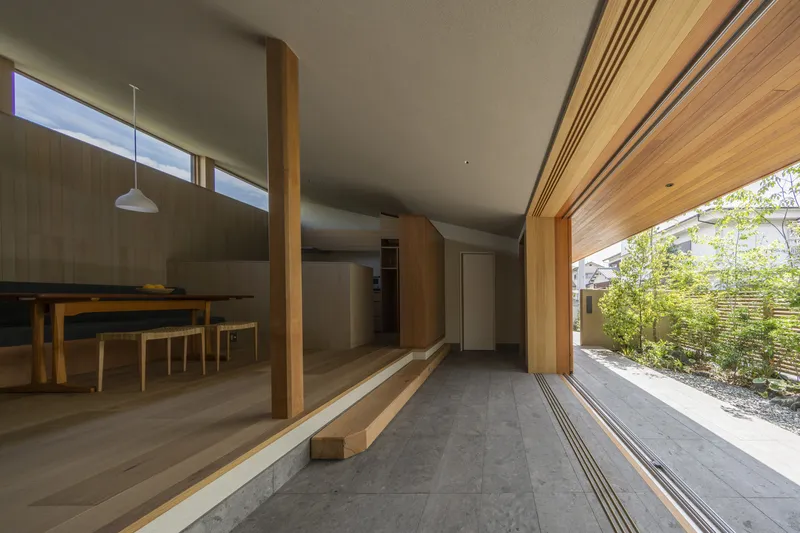
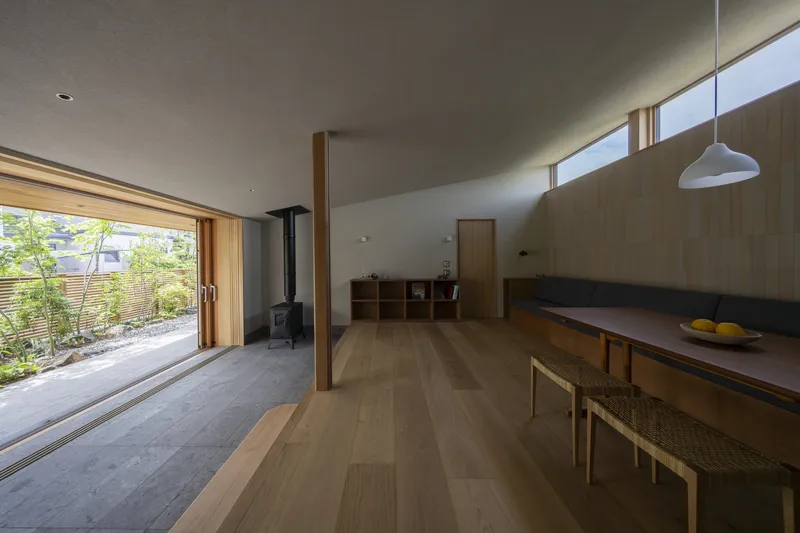
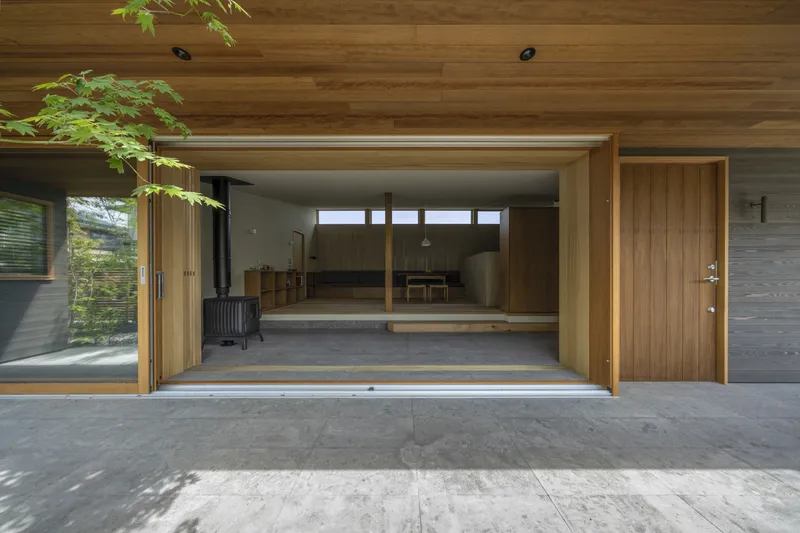
- The large roof unifies the garden, earthen floor, and living-dining-kitchen (LDK) area, creating a cohesive and open environment.
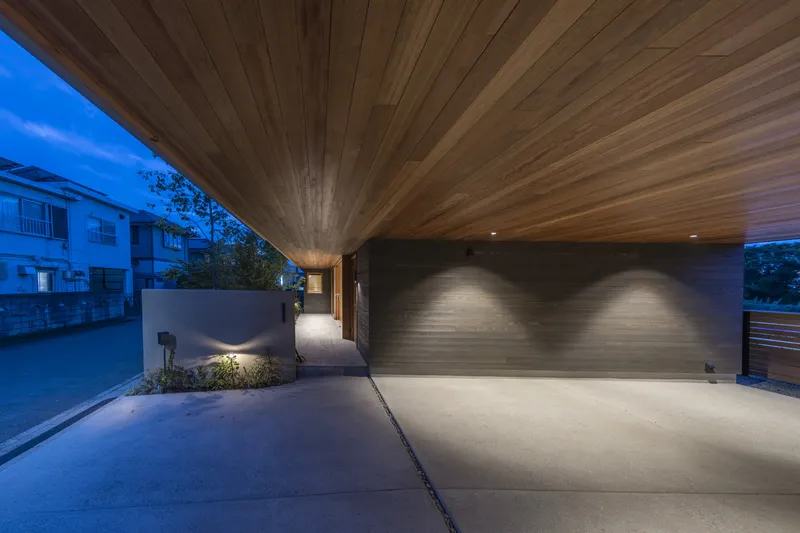
- The integration of a built-in garage and covered eaves ensures a practical flow, making daily life more convenient and spacious.
2. Connection with Nature
Nature plays a pivotal role in the House in Torinoki:
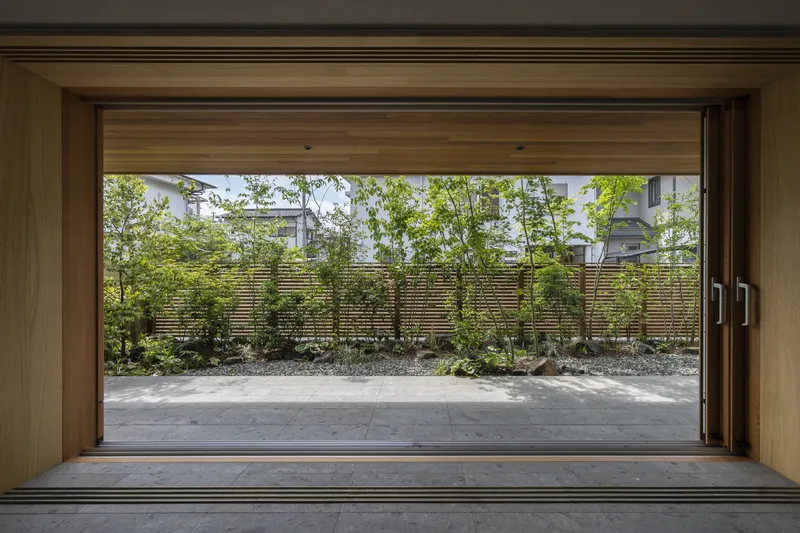
- Framed views of greenery and the northern sky bring the outside world into the home, creating dynamic interactions between light, shadows, and surfaces.
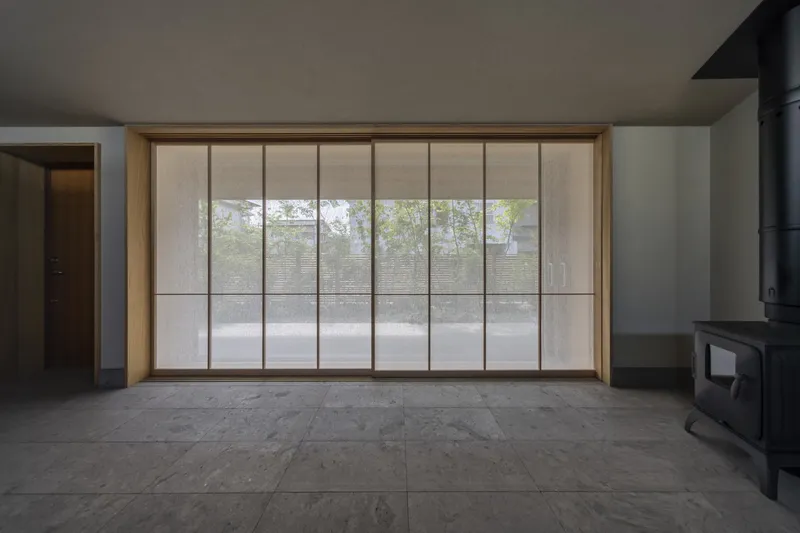
- Seasonal changes are celebrated through features like large windows that invite the low winter sun or the fresh green reflections of summer.
3. Materials that Evoke Warmth
The material palette is an ode to rustic and tactile beauty:
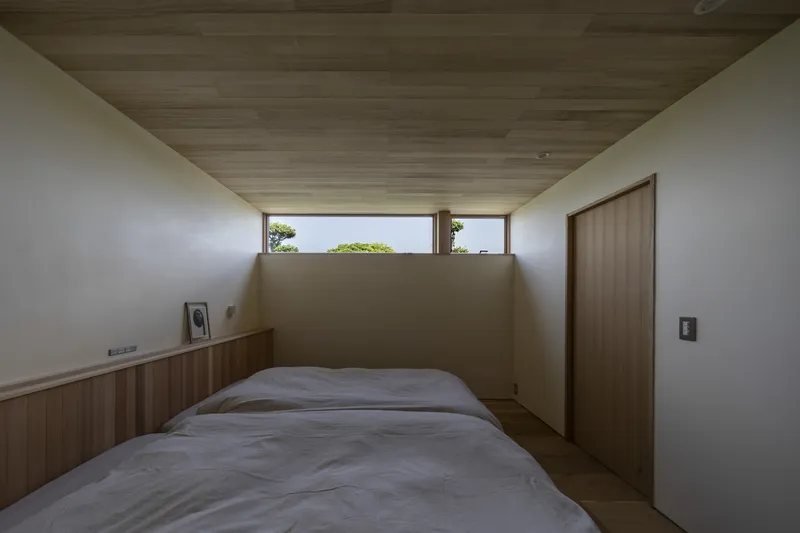
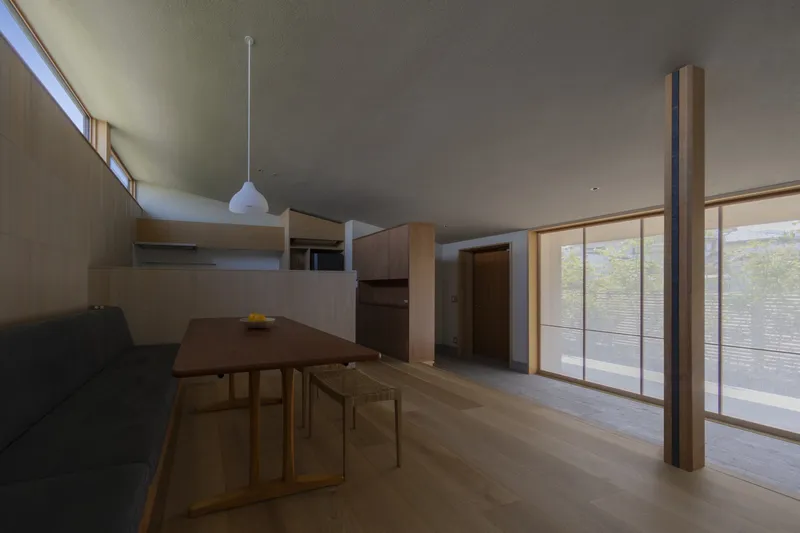
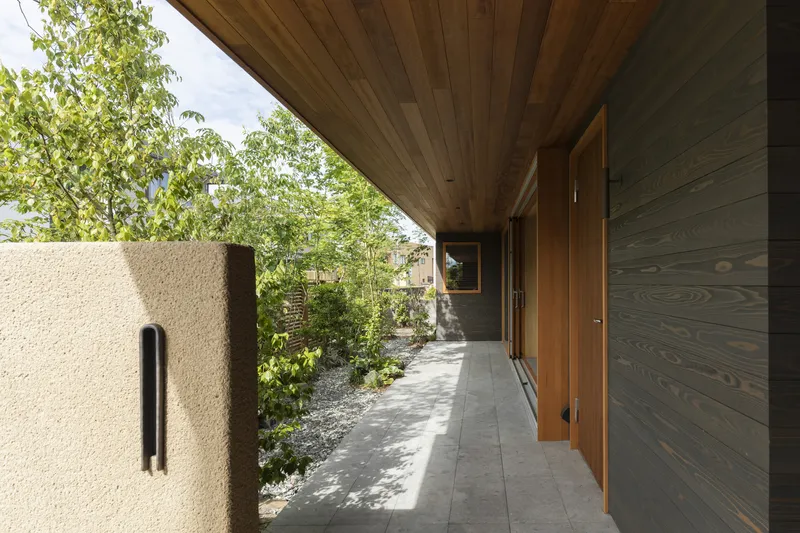
- Natural materials such as wood and an earthen floor lend the home a warm and timeless appeal.
- Every element, from the ceilings to the walls, is designed to age gracefully, mirroring the life journey of its residents.
4. Sustainable and Practical Design
Minimalism is not just about aesthetics; it’s about embracing a quality-over-quantity philosophy:
- The compact floor area promotes energy efficiency.
- A focus on durable, touchable materials ensures longevity and reduces waste.
Design Highlights of the House in Torinoki
Living Spaces That Feel Spacious
Although the house measures only 77 square meters, its thoughtful design ensures that it never feels cramped:
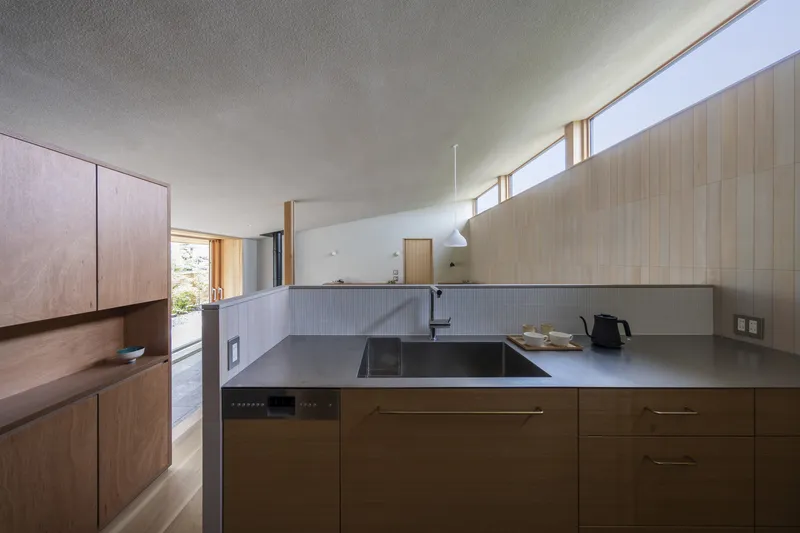
- The open-plan LDK is flooded with natural light, creating a sense of airiness.
- A cohesive visual connection between rooms and the garden expands the perceived space.

A Harmonious Blend of Form and Function
The design caters to the practical needs of an aging couple while maintaining aesthetic integrity:
- Features such as a spacious car parking area and easy access to entrances make daily routines seamless.
- Rustic textures provide sensory engagement, turning the house into a living, breathing entity.
Lessons from the House in Torinoki
1. Designing for Aging in Place
This minimalist house is more than just a home; it’s a thoughtful response to the changing needs of its inhabitants:
- Wide pathways, accessible features, and durable materials ensure comfort and longevity for the aging residents.
2. Embracing Everyday Beauty
The House in Torinoki reminds us that beauty lies in the ordinary:
- Simple joys, like the shimmer of water droplets or the sound of a wood stove, are amplified through the home’s intimate design.
3. Minimalism with a Soul
By focusing on human-scale design and natural materials, this house avoids the sterility often associated with minimalism. Instead, it exudes warmth and invites its residents to connect deeply with their surroundings.
Why Compact Minimalist House Design is the Future
The House in Torinoki serves as a model for the growing movement toward compact and sustainable living. Such homes are ideal for:
- Reducing environmental impact.
- Offering high-quality living experiences in small footprints.
- Celebrating the beauty of simplicity and intentionality in design.
Finding Joy in Small Spaces
The House in Torinoki is a celebration of compact minimalist house design done right. Through careful attention to materials, space, and the needs of its residents, it transforms a small area into a sanctuary of warmth, security, and beauty. As the world moves toward more sustainable lifestyles, designs like this highlight the immense potential of minimalism in creating homes that are both functional and soulful.
For anyone seeking inspiration in small-scale living, the House in Torinoki is proof that less truly can be more.




Popular Articles
Popular articles from the community


Co-life: Sustainable Architecture for Age-Friendly Community Living
Co-life reimagines sustainable architecture for seniors through courtyards, rammed earth, shared gardens, and spaces designed for belonging.

Lunar Spiral: Space Architecture Shaped by the Mathematics of the Universe
Lunar Spiral reimagines space architecture through Fibonacci geometry, lunar regolith, levitating habitats, and self-sustaining Moon living.

The Earth Pod: 3D Printed Homes for Resilient Refugee Communities
The Earth Pod reimagines refugee housing through 3D printed homes made from clay, combining resilience, self-sufficiency, and rapid shelter.

Hill & Cross Opera: Sculptural Opera House Architecture Shaped by Tallinn’s Landscape and Identity
Hill & Cross Opera reimagines opera house architecture in Tallinn through its sculptural hill, civic plaza, glass wave and a luminous cross.


Similar Reads
You might also enjoy these articles


Hodi-Mandai Geram
Project Function: Preservation and revitalization of the Intangible heritage and socio-spatial identity of the Hodi by Housing, Cultural Memory Center, Sacred Grove, landscape, local tourism economy


Olio Towers: A Mid-Rise for Performers That Fuses Housing, Rehearsal, and Stage
Located blocks from Houston's Theater District, this modular tower stacks living units around a central performance atrium.

Oasis: Modular Green Housing Carved into Dhaka's Urban Fabric
A shortlisted Plugin Housing entry reclaims unauthorized settlements in Dhaka with stepped concrete volumes, green roofs, and ventilation-driven design.

Black Hole: A Floating Megastructure for the Post-Physical Era
Emiliano Mazzarotto envisions a spherical, self-scaling arena where e-sports, digital hotels, and holographic stadiums replace traditional public space.


Explore Tiny House Competitions
Discover active competitions in this discipline



Challenge to reimagine the Iron Throne


Photograph architecture without architects


Illustrate the lost glory of Angkor Wat - Render Challenge


Design challenge to reuse E-waste
Comments (0)
Please login or sign up to add comments
No comments yet. Be the first to comment!