
Compact Wooden House Design: Twist House by HAGISO in Tokyo
Twist House by HAGISO showcases compact wooden house design, using spatial rotation to enhance natural light, ventilation, and urban livability.


Innovative Small-Scale Architecture in the Heart of Tokyo
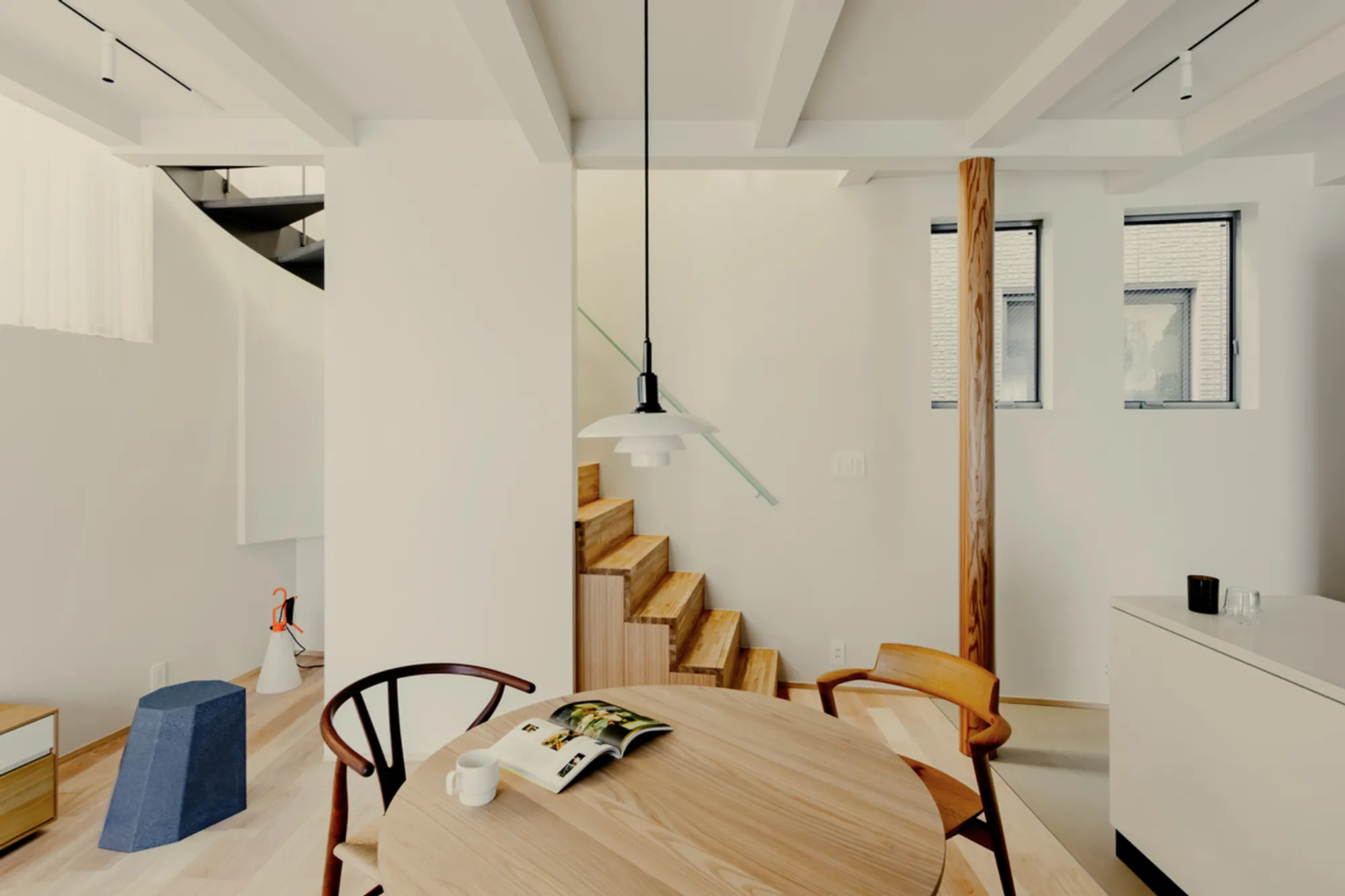
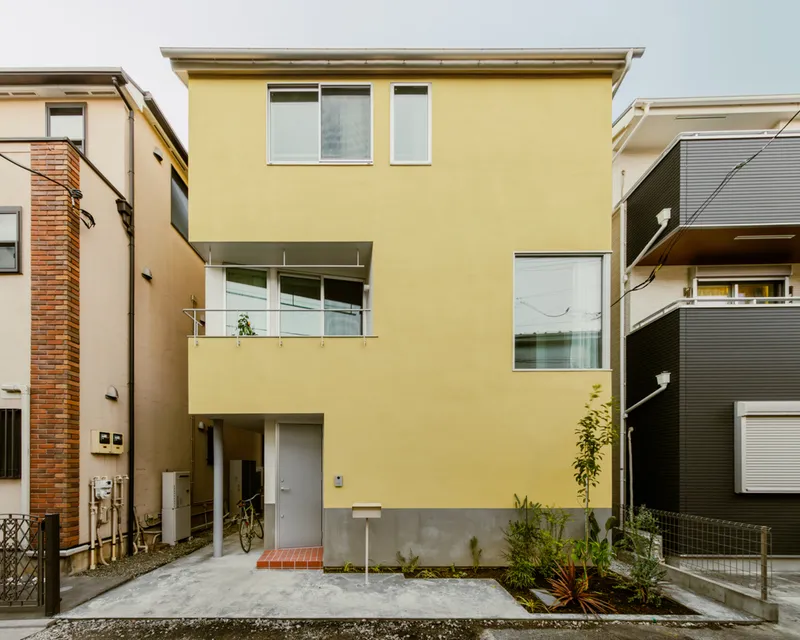
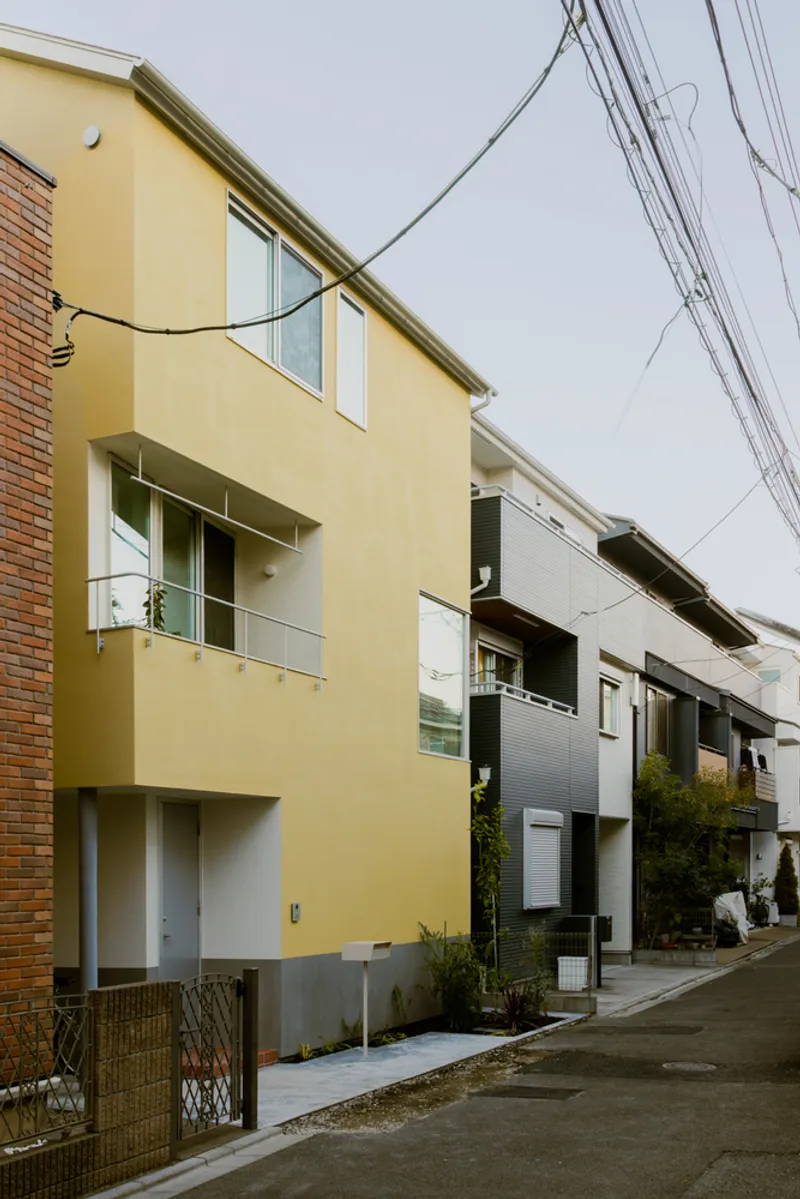
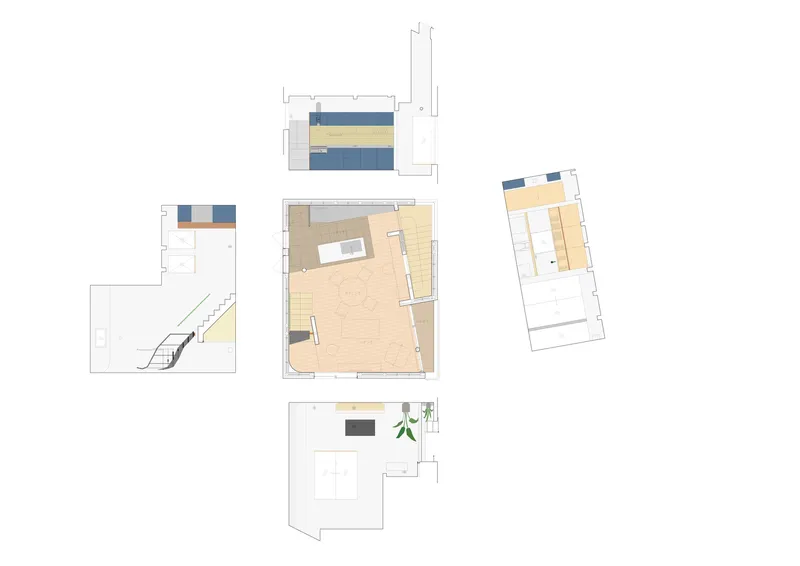
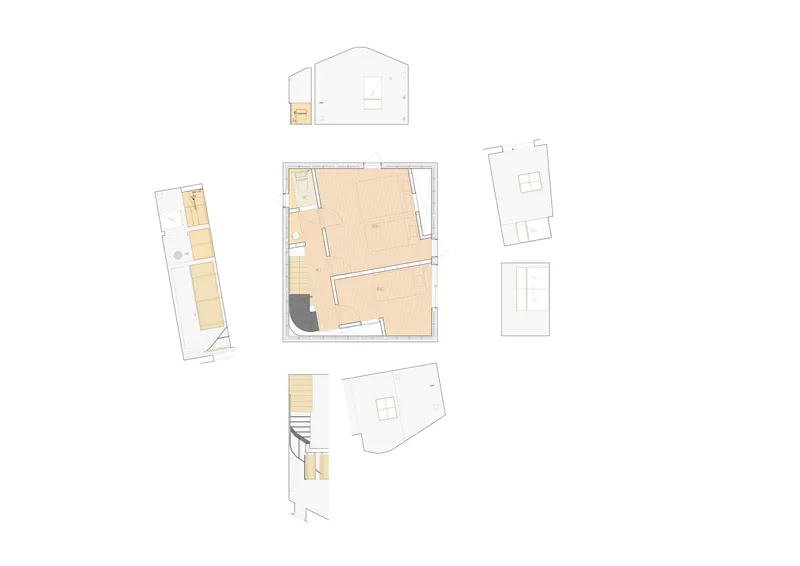
Twist House by HAGISO is a compelling example of compact wooden house design, redefining urban living in the dense residential fabric of Yanaka, Tokyo. This neighborhood, known for its historical shrines and temples, presents a unique architectural context where traditional aesthetics meet contemporary spatial challenges. Designed within a quasi-fire prevention district, the house employs a subtle yet transformative 10° rotation to enhance spatial perception, natural lighting, and ventilation while maintaining a compact footprint of just 99 m².
Architectural Concept: A Deliberate Twist for Spatial Expansion
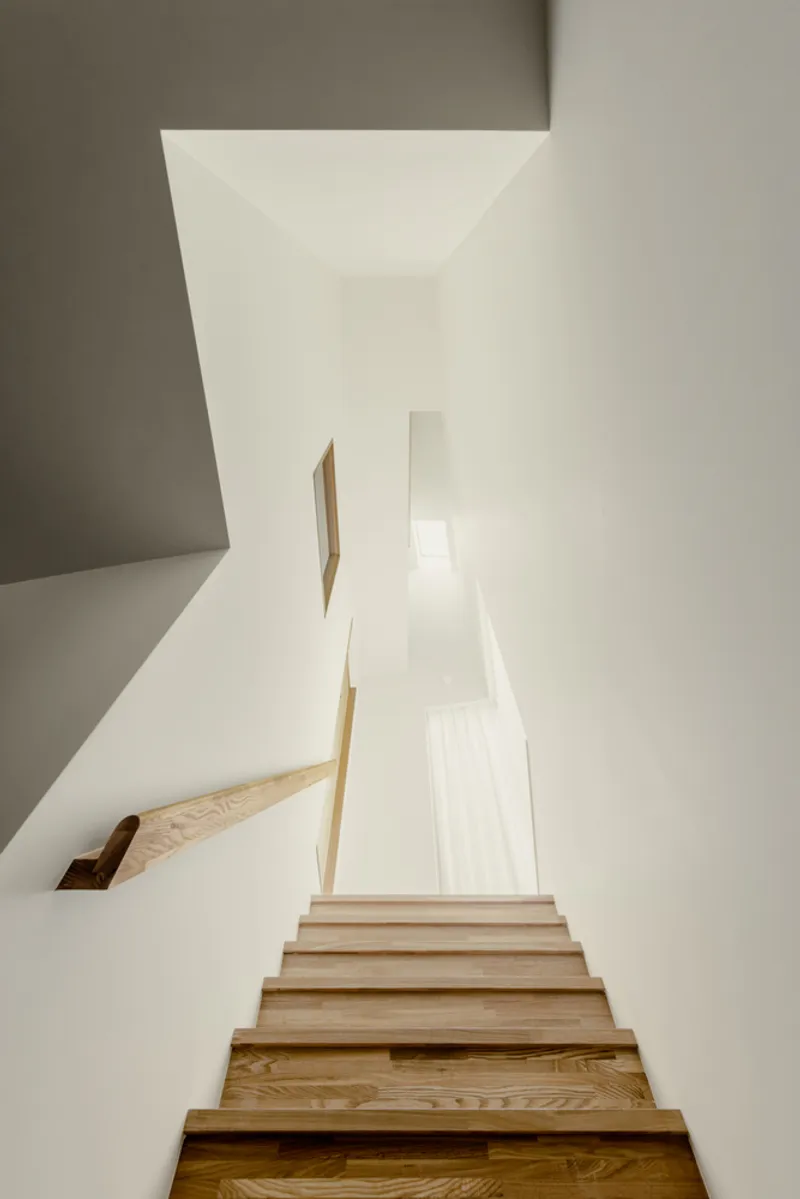
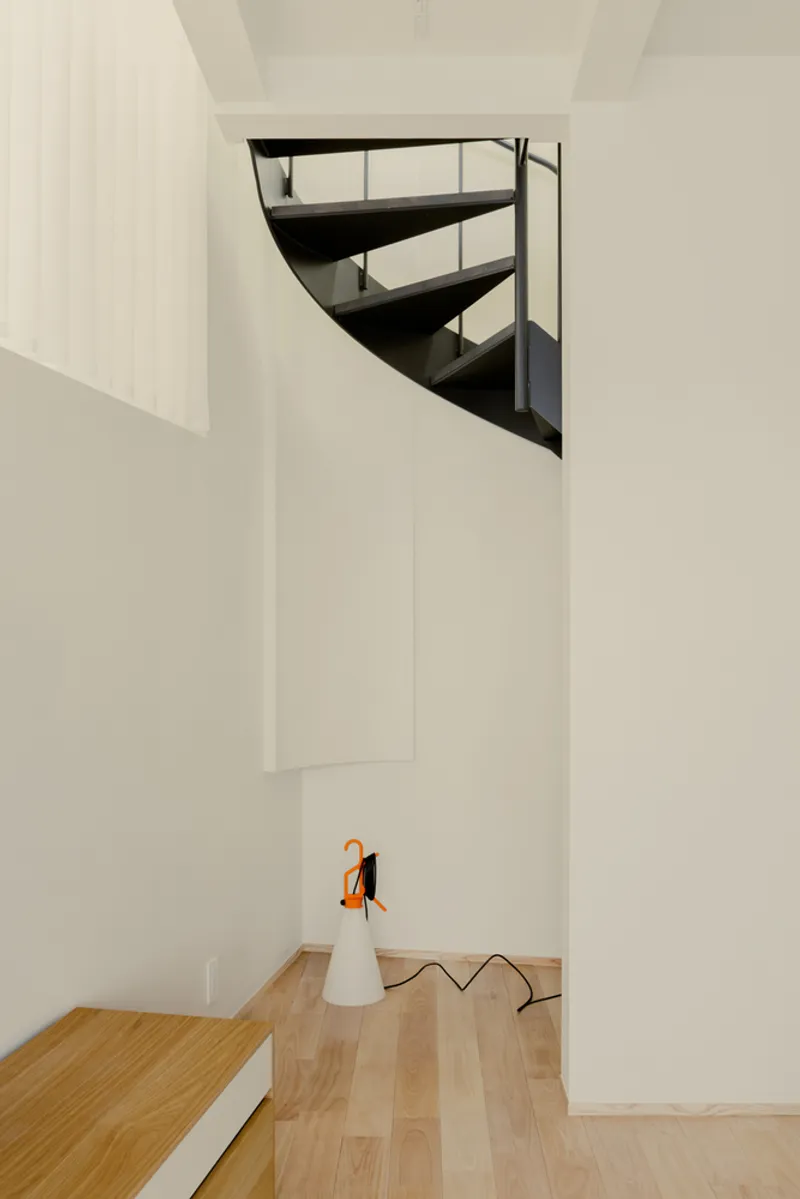
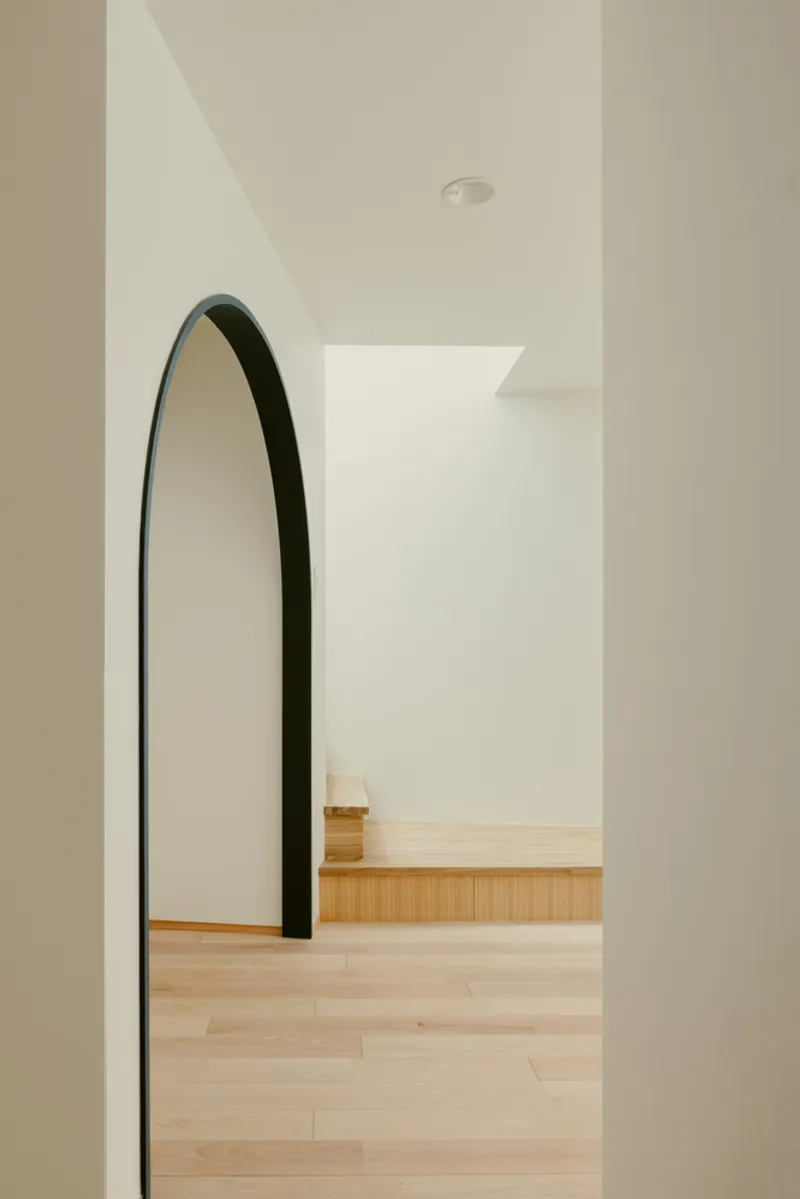
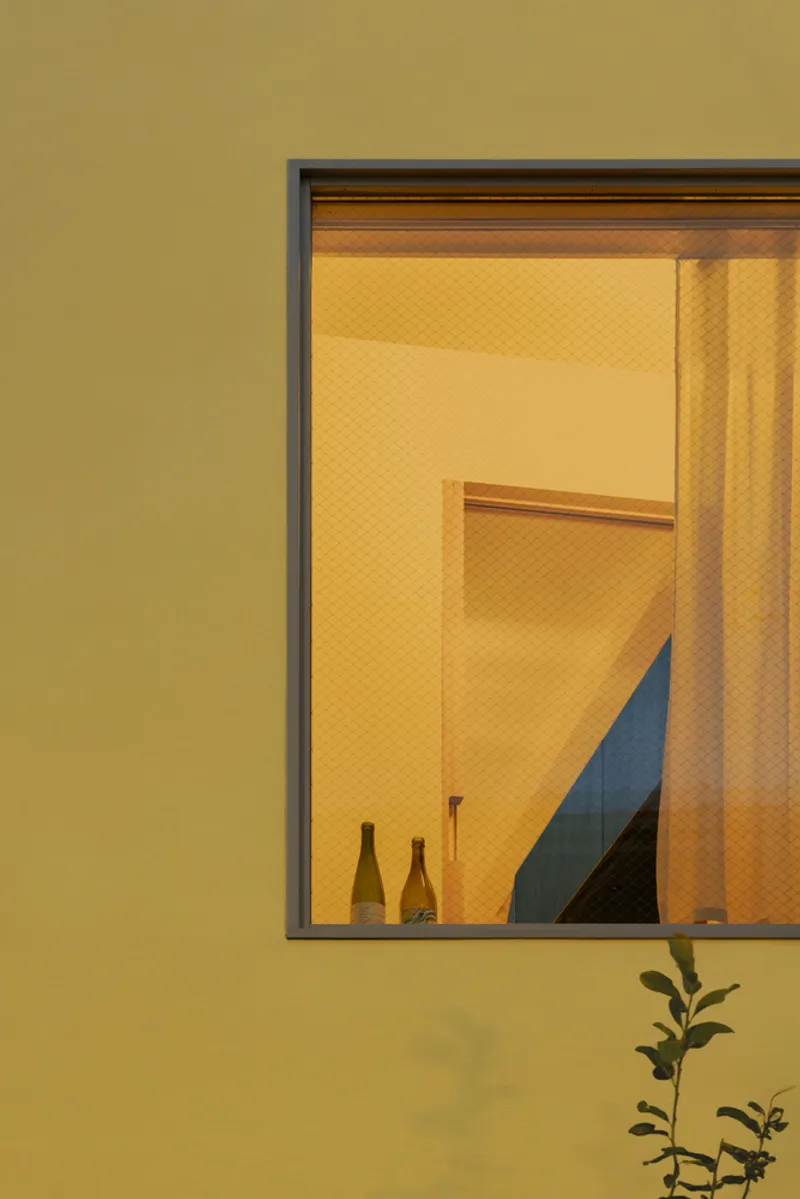
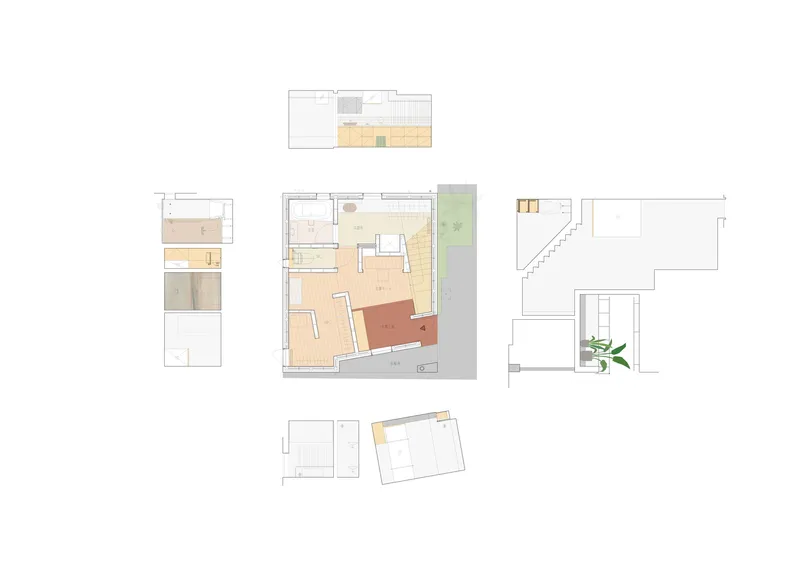
At first glance, Twist House appears as a simple rectangular structure, aligning harmoniously with its neighbors in terms of scale and form. However, the defining feature of the design lies within—a nested wall that is rotated by 10°. This subtle rotation generates triangular voids at the corners, creating dynamic spatial experiences that extend beyond the conventional limitations of a small-scale home. These voids serve multiple functions, acting as staircases, balconies, and light wells that seamlessly integrate the indoor and outdoor environments.
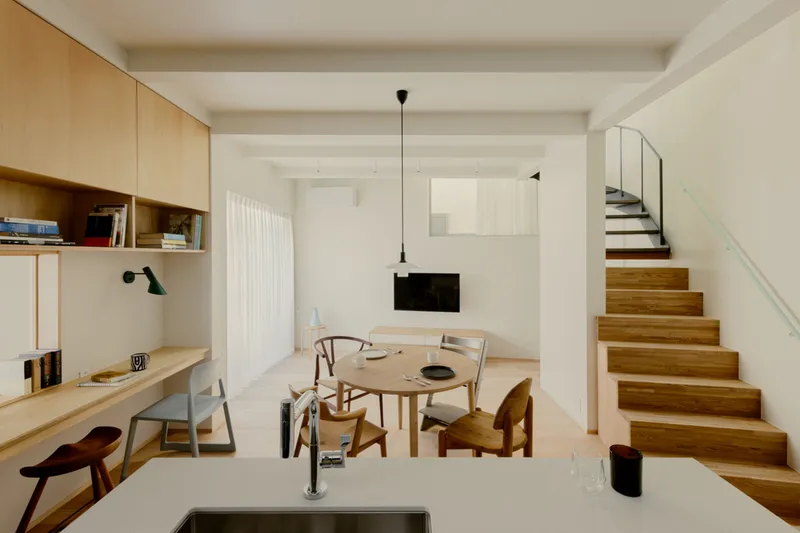
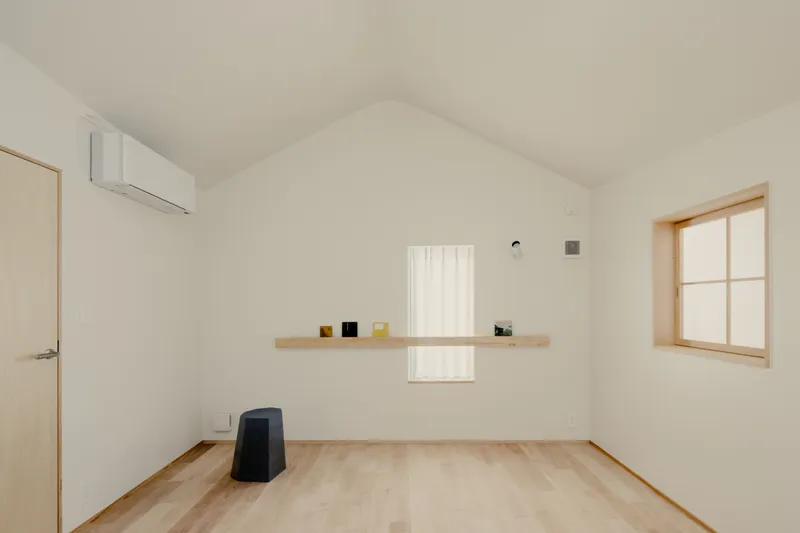
By introducing a slight shift within the rigid constraints of the urban site, the design mitigates the feeling of enclosure, allowing the house to breathe within its dense surroundings. These triangular spaces function as buffer zones, blurring the boundaries between the private interior and the public exterior while enhancing both brightness and privacy.
Materiality and Light: The Role of Wood in Compact Living
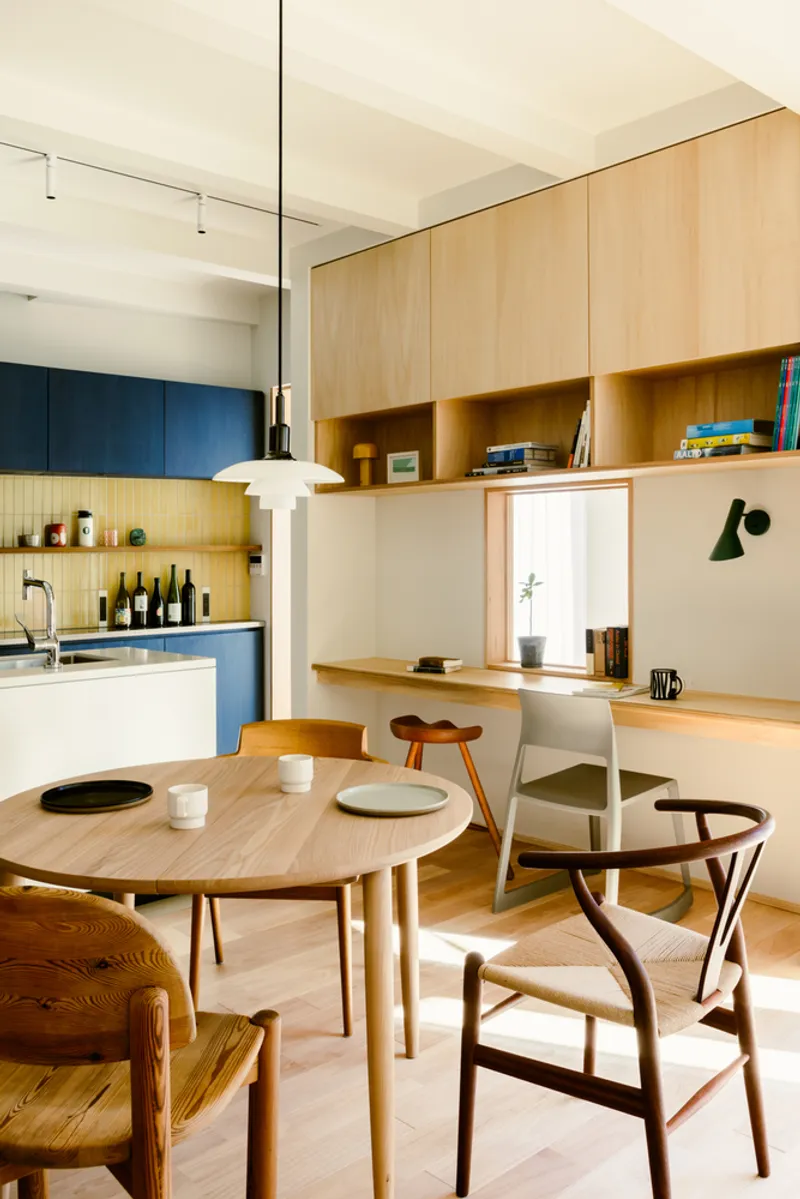
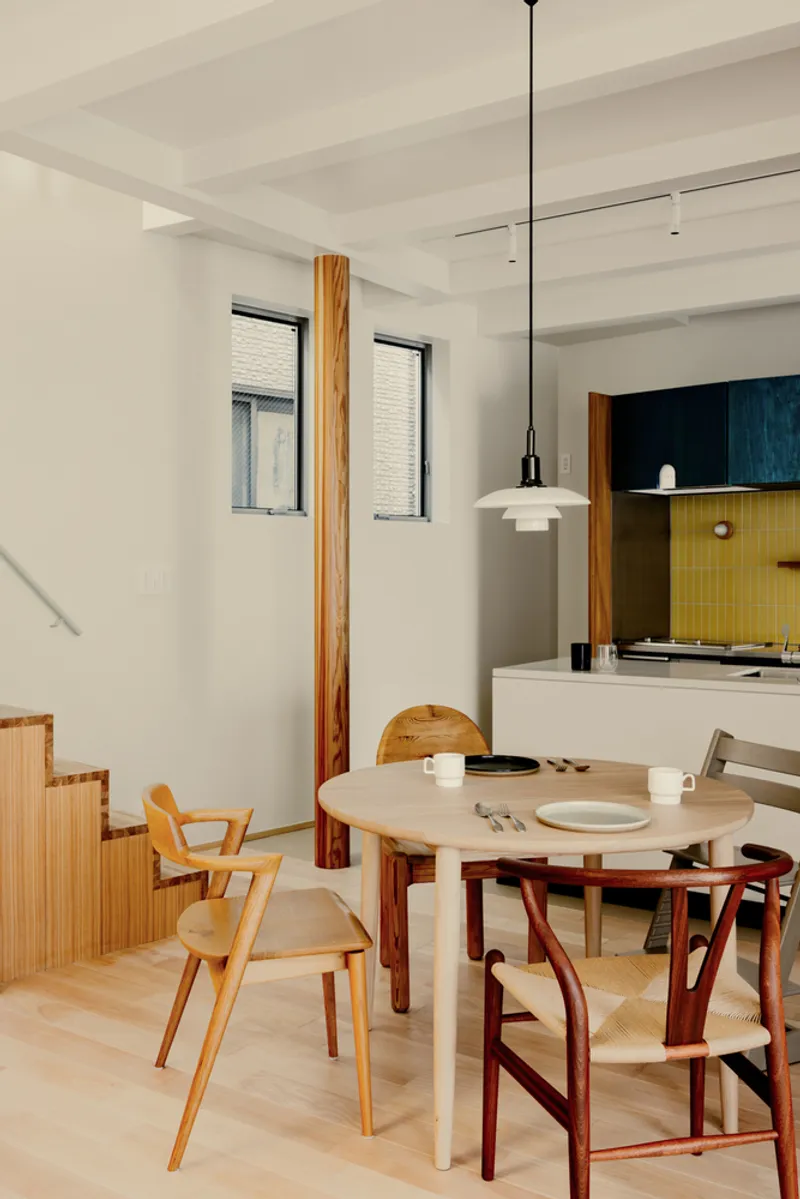
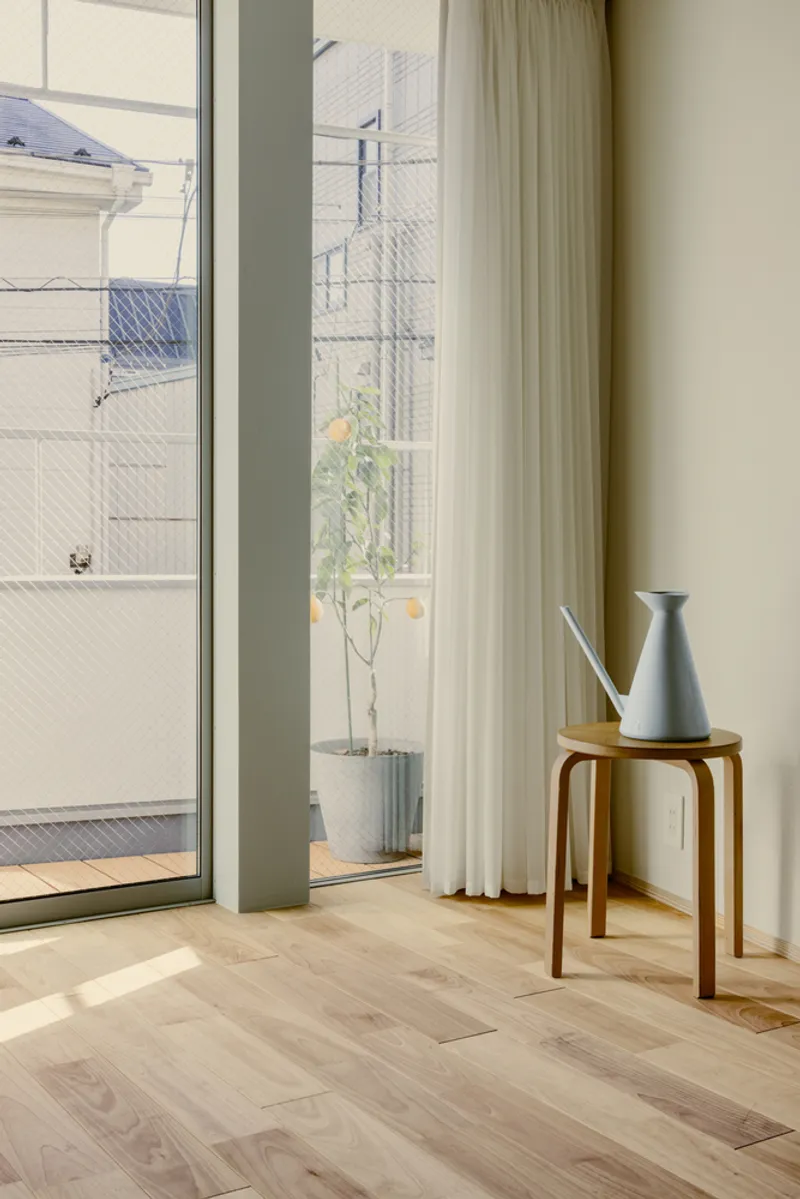
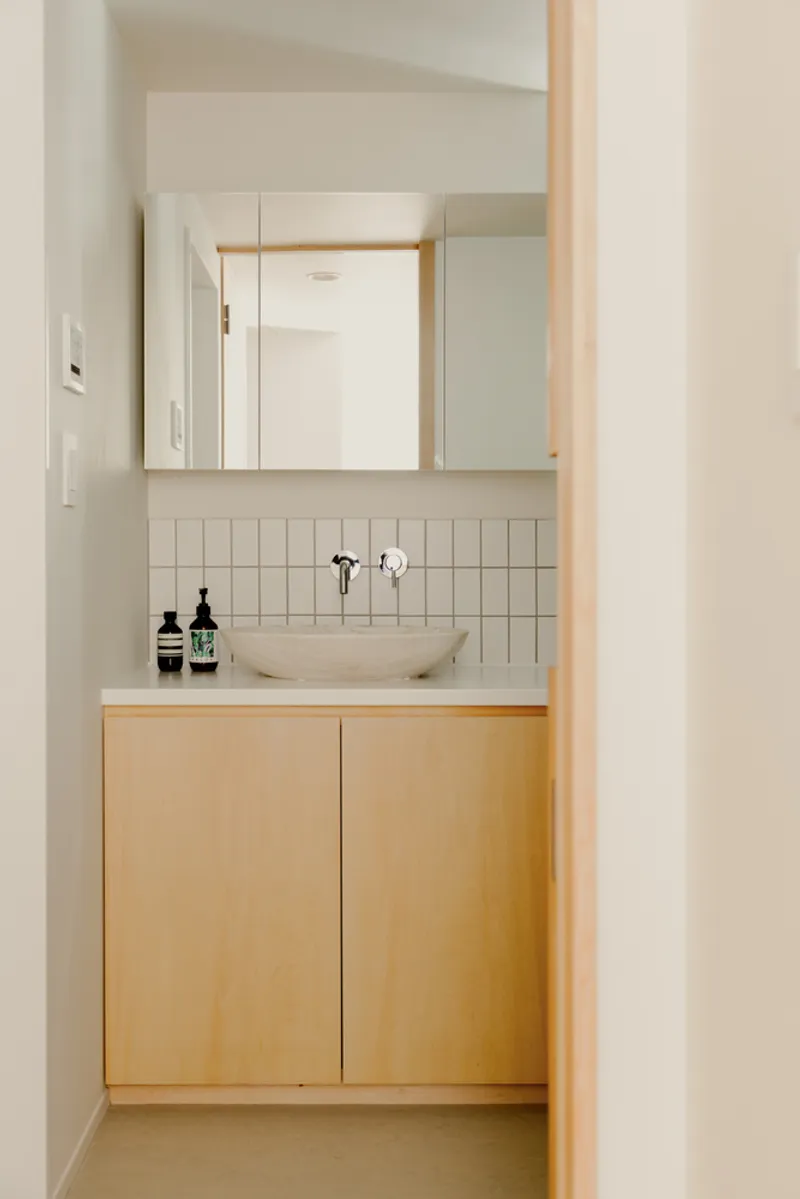
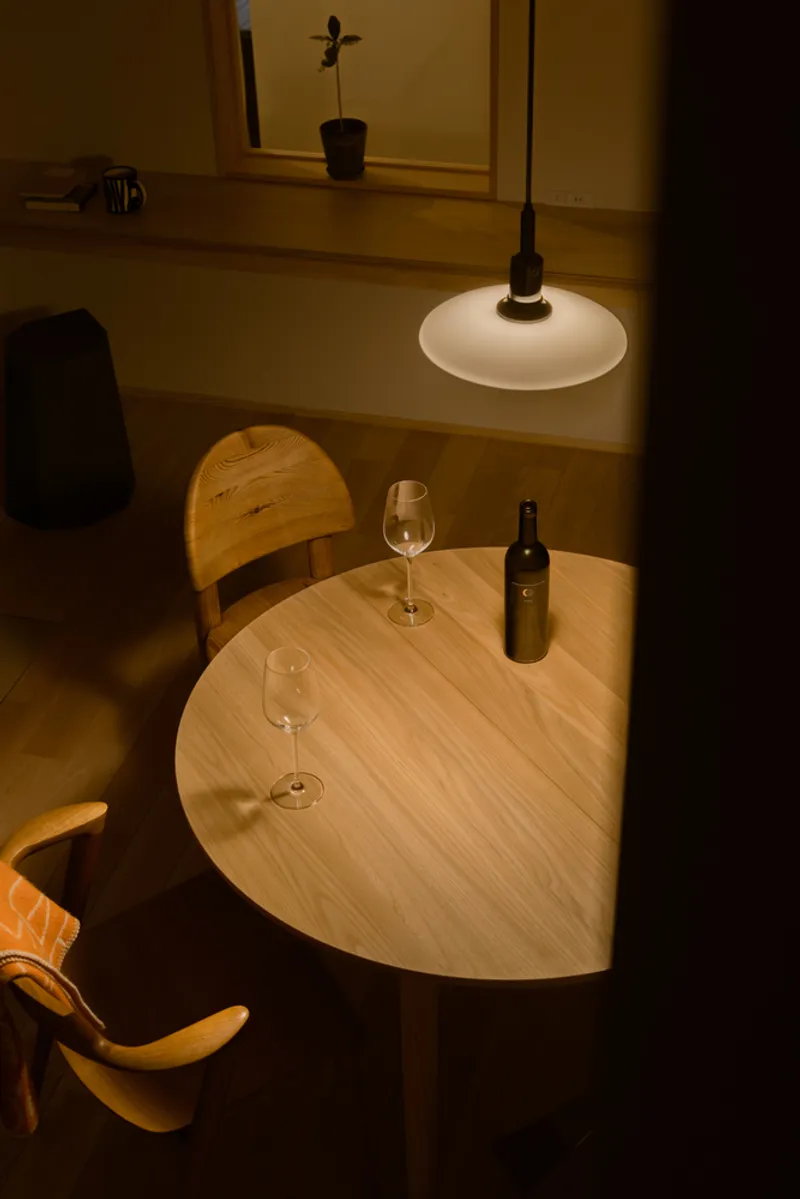
A defining element of Twist House is its use of natural wood, which brings warmth and texture to the compact interior. The wooden structure not only complements the historical character of Yanaka but also reinforces the house’s connection to traditional Japanese architecture. Throughout the home, wooden surfaces interact with shifting daylight, creating a sense of fluidity and openness that contradicts the home’s modest footprint.
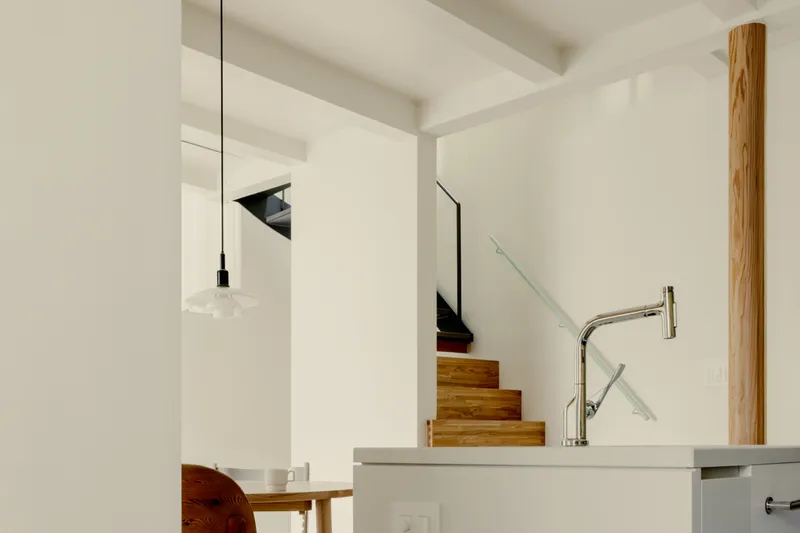
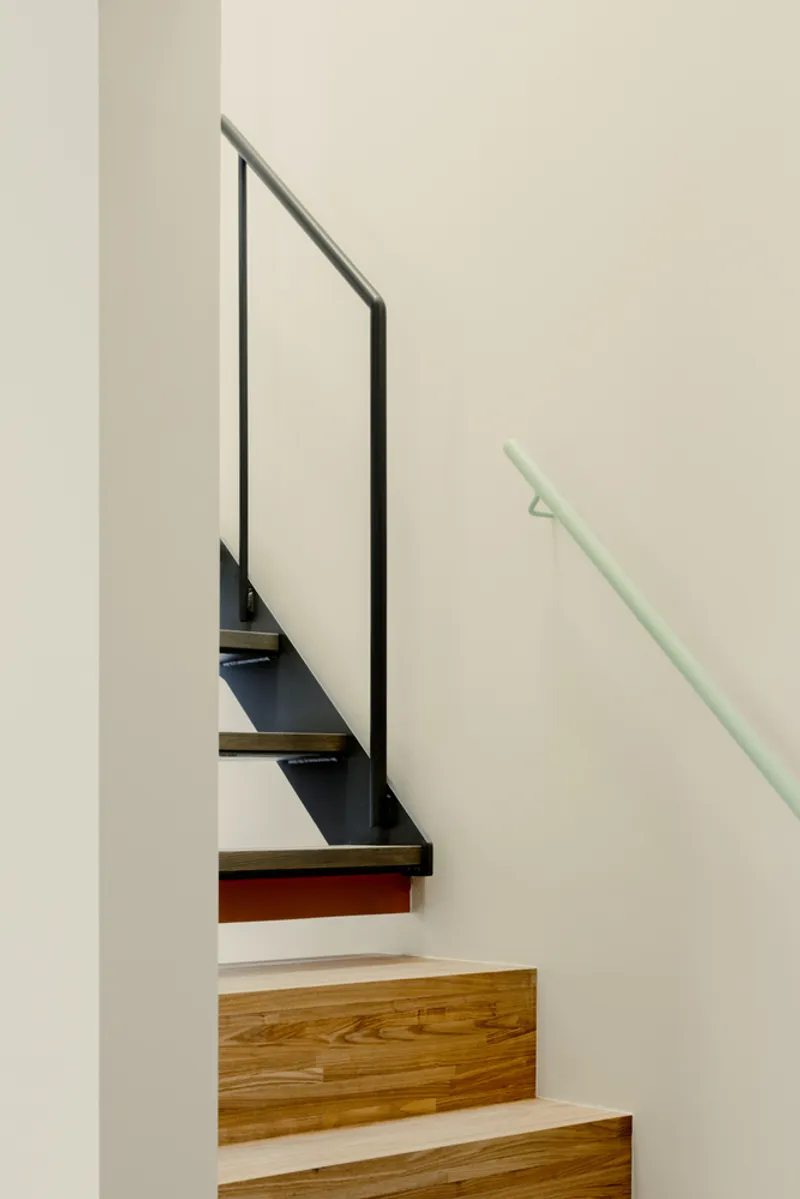
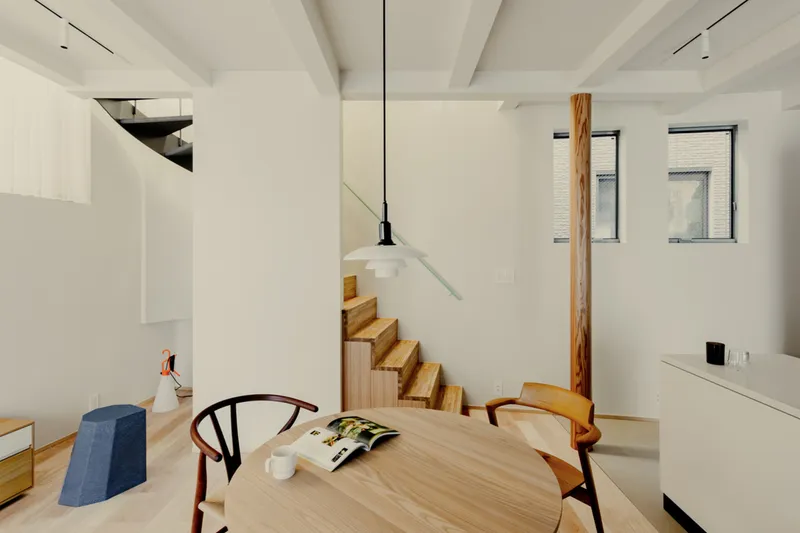
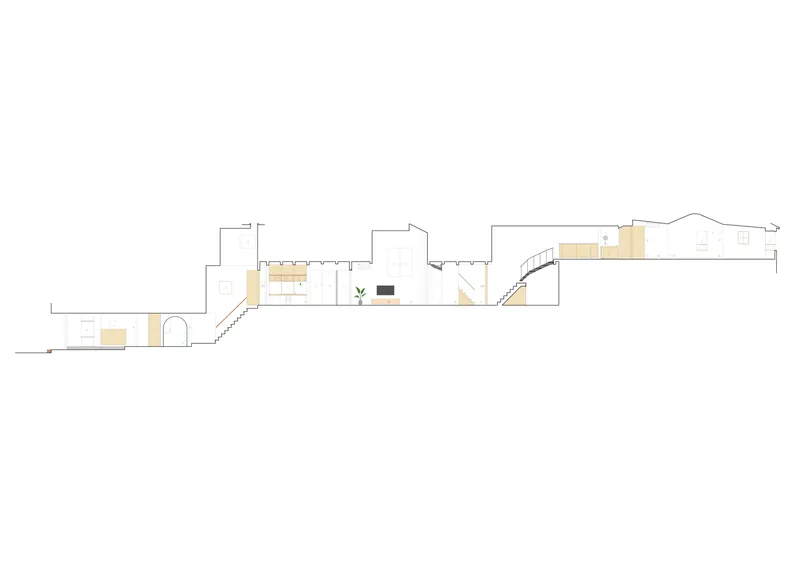
The staircase, a central architectural feature, gradually widens as it ascends through the three-story structure. This gradual expansion allows light to filter through the levels, transforming vertical circulation into an engaging experience. The contrast between shadowed lower floors and brighter upper levels introduces a rhythmic transition, enhancing the perception of space despite the home’s compact dimensions.
Passive Design Strategies for Sustainable Urban Living
Beyond its visual and spatial qualities, Twist House integrates passive design strategies to maximize comfort and efficiency. The triangular voids function as ventilation shafts, promoting natural airflow and reducing the need for mechanical cooling. Large openings framed by the rotated walls capture daylight, minimizing reliance on artificial lighting and enhancing the home’s overall energy efficiency.
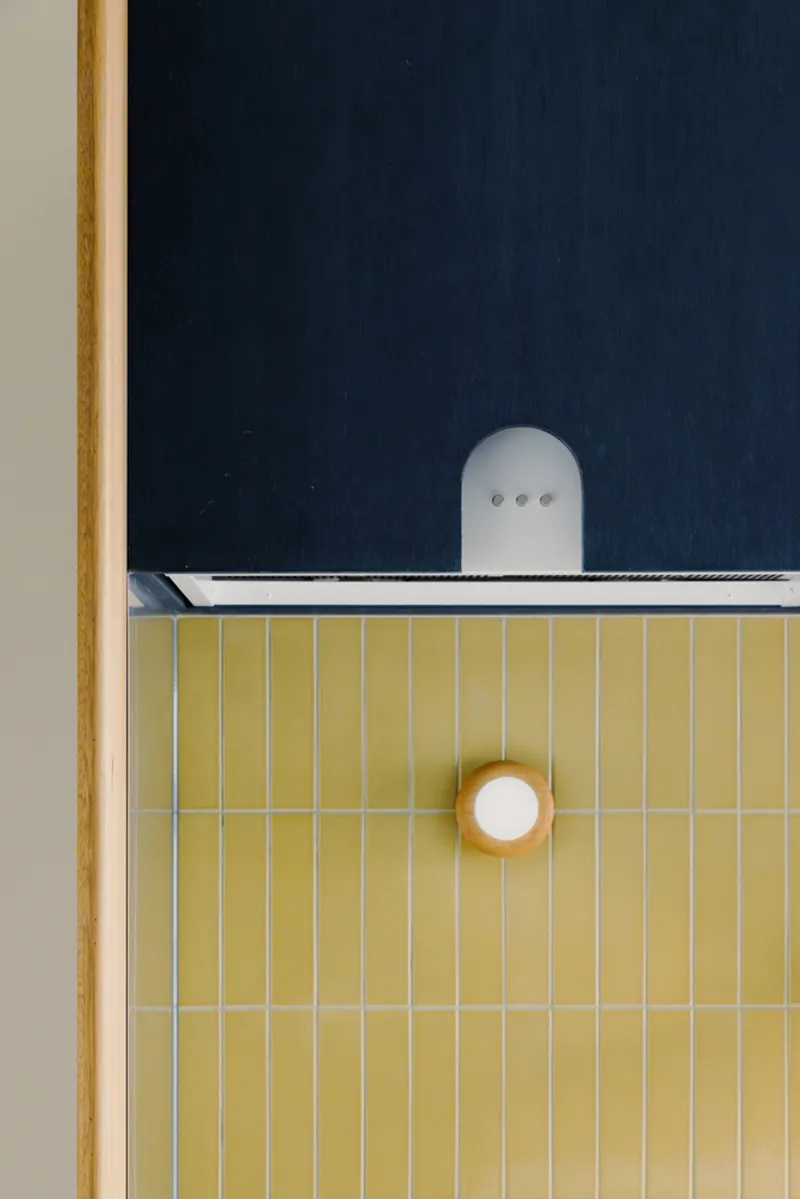
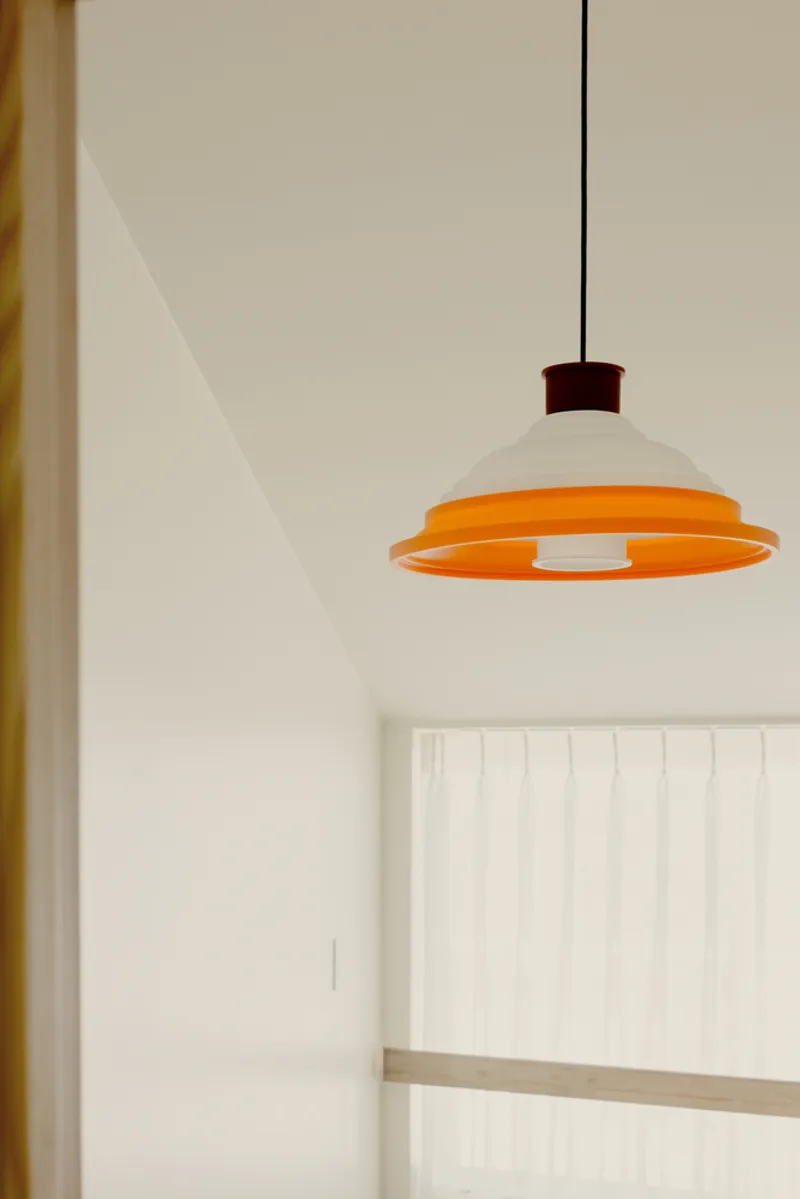
By adopting a compact wooden house design approach, the architects address the challenges of urban living while embracing sustainability. The use of timber not only provides aesthetic warmth but also contributes to a lower carbon footprint compared to conventional concrete construction. The efficient use of space, combined with natural ventilation and lighting strategies, exemplifies how thoughtful design can make small-scale urban housing both functional and inviting.
A New Perspective on Compact Wooden House Design
Twist House by HAGISO redefines the potential of compact wooden house design in high-density urban settings. By employing a subtle rotation, the project demonstrates how spatial perception, lighting, and ventilation can be optimized within a small footprint. This innovative approach not only enhances livability but also sets a new precedent for adaptable, sustainable, and contextually responsive architecture in Tokyo’s ever-evolving urban landscape.
All Photographs are works of Keishin Horikoshi / SS




Popular Articles
Popular articles from the community


Co-life: Sustainable Architecture for Age-Friendly Community Living
Co-life reimagines sustainable architecture for seniors through courtyards, rammed earth, shared gardens, and spaces designed for belonging.

The Earth Pod: 3D Printed Homes for Resilient Refugee Communities
The Earth Pod reimagines refugee housing through 3D printed homes made from clay, combining resilience, self-sufficiency, and rapid shelter.

The Musturak Paradise: Senior Living Architecture for a Connected Future in Temara, Morocco
The Musturak Paradise reimagines senior living architecture in Temara via private homes, social spaces, culture, community, and shared care.

Co-Life: Senior Housing Design That Reconnects Older Adults With the City
Co-Life reimagines senior housing design through healing gardens, shared streets, workshops, and a sustainable community across generations.


Similar Reads
You might also enjoy these articles


Hodi-Mandai Geram
Project Function: Preservation and revitalization of the Intangible heritage and socio-spatial identity of the Hodi by Housing, Cultural Memory Center, Sacred Grove, landscape, local tourism economy


Olio Towers: A Mid-Rise for Performers That Fuses Housing, Rehearsal, and Stage
Located blocks from Houston's Theater District, this modular tower stacks living units around a central performance atrium.

Oasis: Modular Green Housing Carved into Dhaka's Urban Fabric
A shortlisted Plugin Housing entry reclaims unauthorized settlements in Dhaka with stepped concrete volumes, green roofs, and ventilation-driven design.

Black Hole: A Floating Megastructure for the Post-Physical Era
Emiliano Mazzarotto envisions a spherical, self-scaling arena where e-sports, digital hotels, and holographic stadiums replace traditional public space.


Explore Tiny House Competitions
Discover active competitions in this discipline



Challenge to reimagine the Iron Throne


Photograph architecture without architects


Illustrate the lost glory of Angkor Wat - Render Challenge


Design challenge to reuse E-waste
Comments (0)
Please login or sign up to add comments
No comments yet. Be the first to comment!