
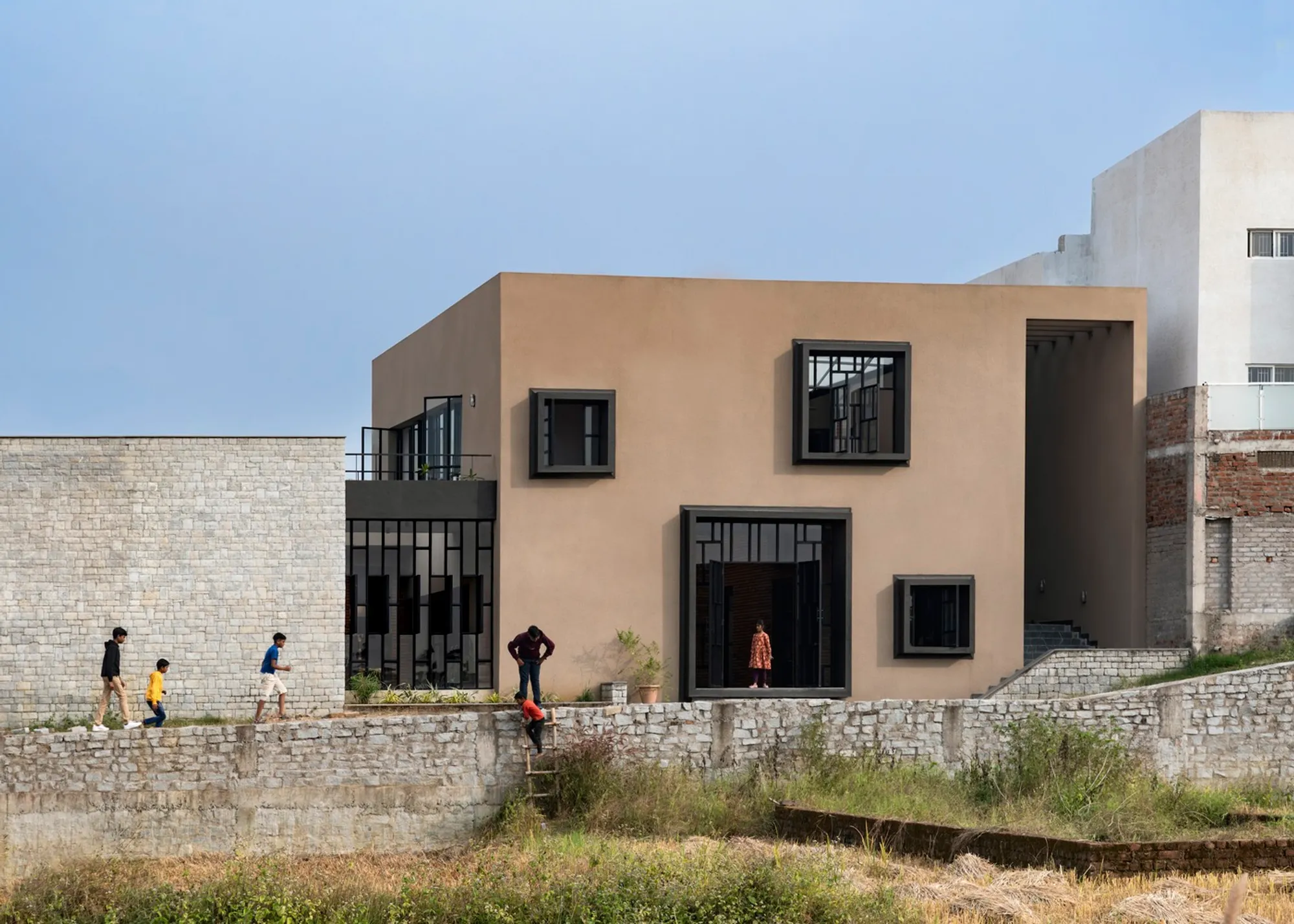
Compos Mentis Healthcare Architecture: Redefining Mental Health Facilities in Ranchi
Compos Mentis in Ranchi redefines psychiatric care with humane, biophilic design, sustainable materials, inclusive spaces, and cost-effective mental healthcare architecture.


Architects: SPACEMAGUS
Mental healthcare architecture in India has long been shaped by colonial-era asylums, particularly in Ranchi, home to two historic institutions, CIP and RINPAS. These facilities, with their fortress-like exteriors and cell-style interiors, often alienated patients and reinforced societal stigma surrounding psychiatric conditions. While private outpatient clinics have slowly emerged, inpatient psychiatric care has remained largely government-dominated, limited by high costs and social bias.
Enter Compos Mentis, a transformative psychiatric facility designed by SPACEMAGUS, located on the tranquil outskirts of Ranchi. Spanning 239 square meters, this innovative healthcare architecture prioritizes compassion, inclusivity, and social equity in mental health. Rather than perpetuating fear and isolation, Compos Mentis reimagines inpatient care with human-centered, accessible spaces that foster healing and dignity.
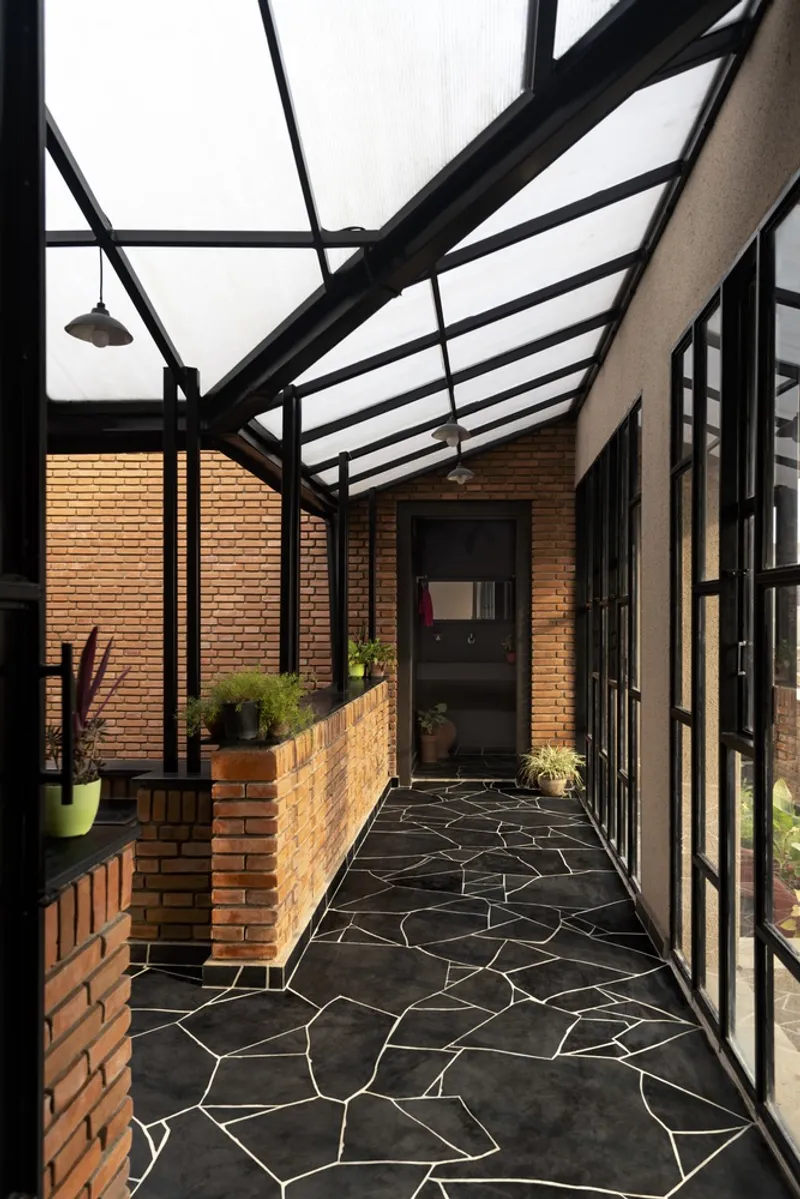
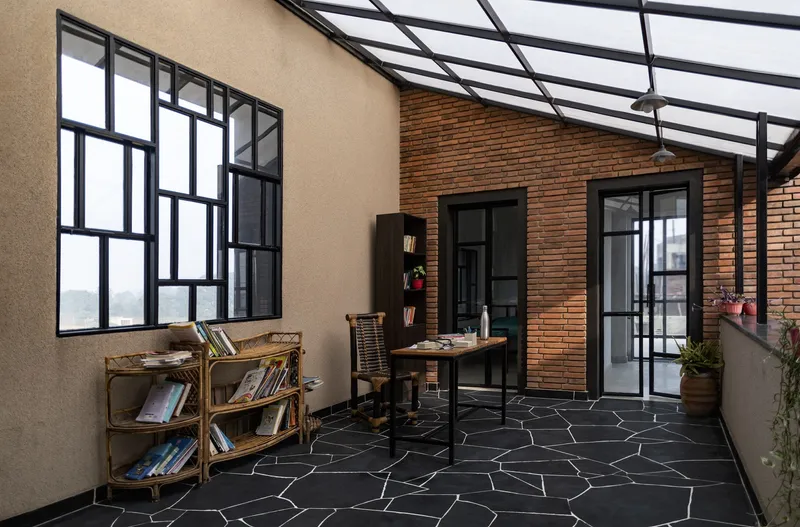
A Patient-Centric Approach to Mental Health
Compos Mentis accommodates a variety of functional spaces, including a consultation chamber, a welcoming waiting hall, a short-stay ward for six patients, an escorts’ dormitory, and an on-site pharmacy. The facility specifically addresses the needs of miners and industrial workers, who constitute approximately 75% of the patient load. Many face challenging working conditions, psychiatric disorders, and substance abuse, making a humane and supportive environment critical for recovery.
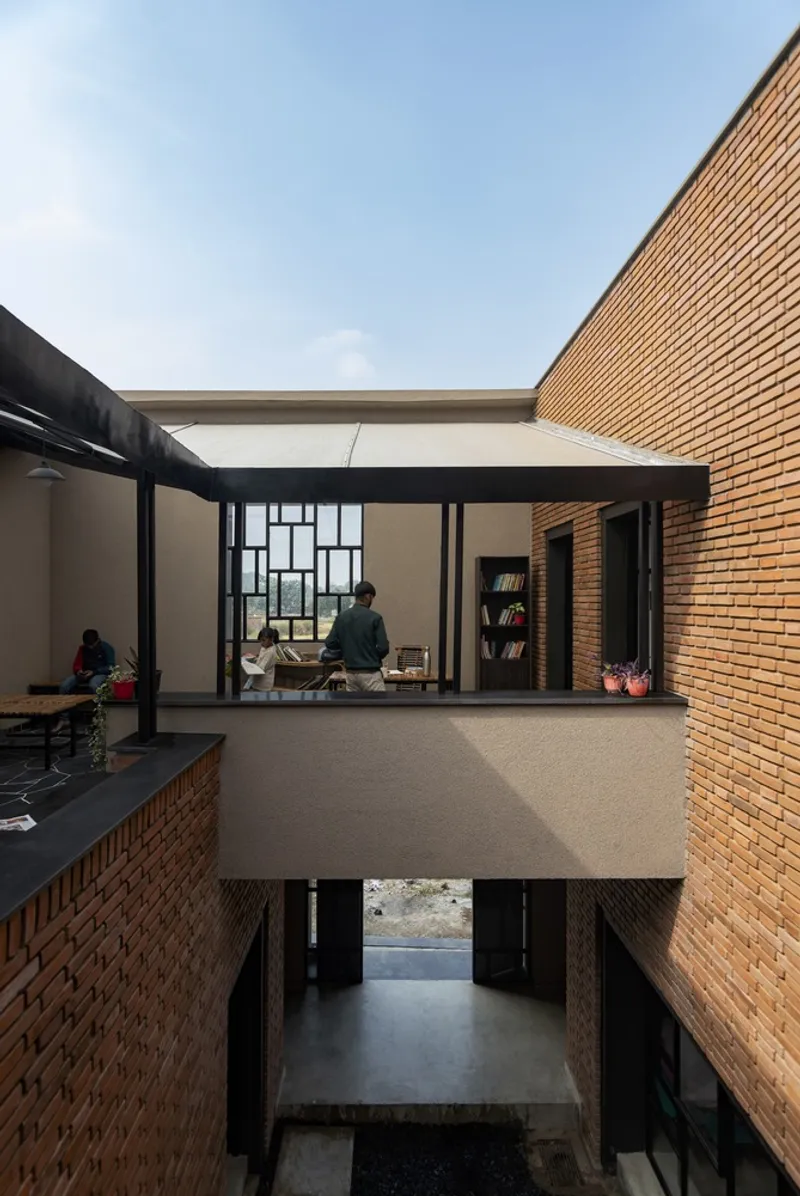
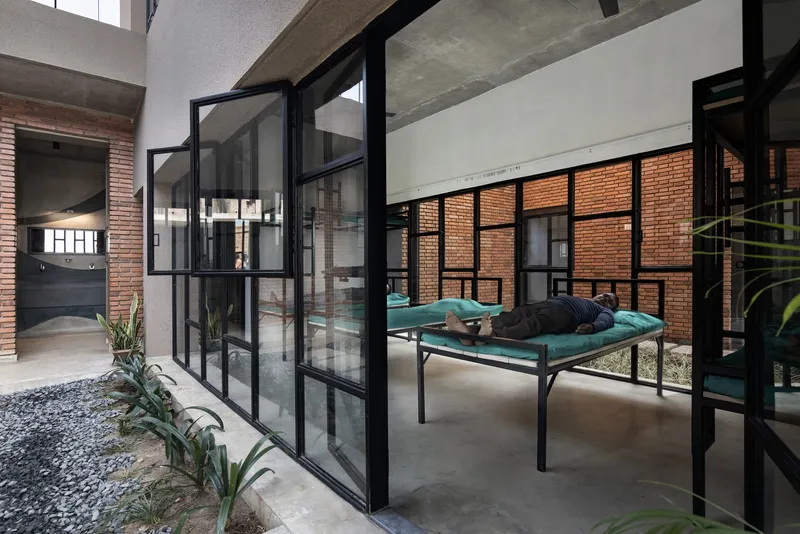
Biophilic Design for Healing
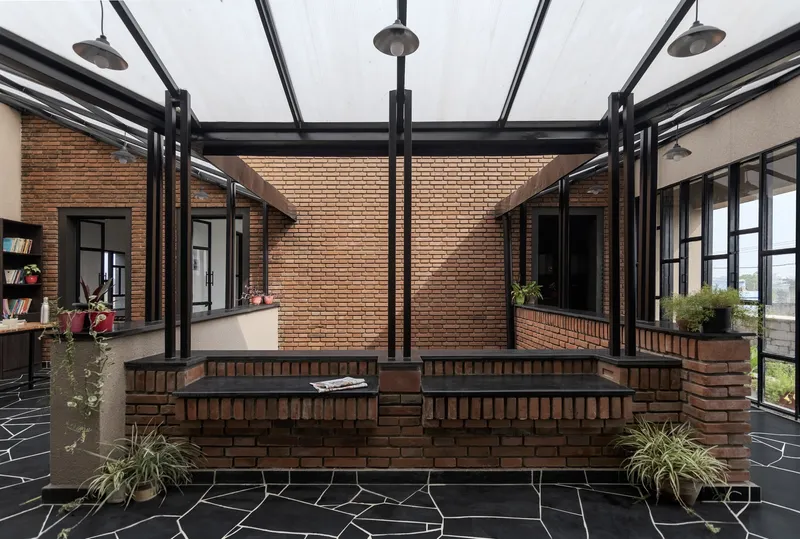
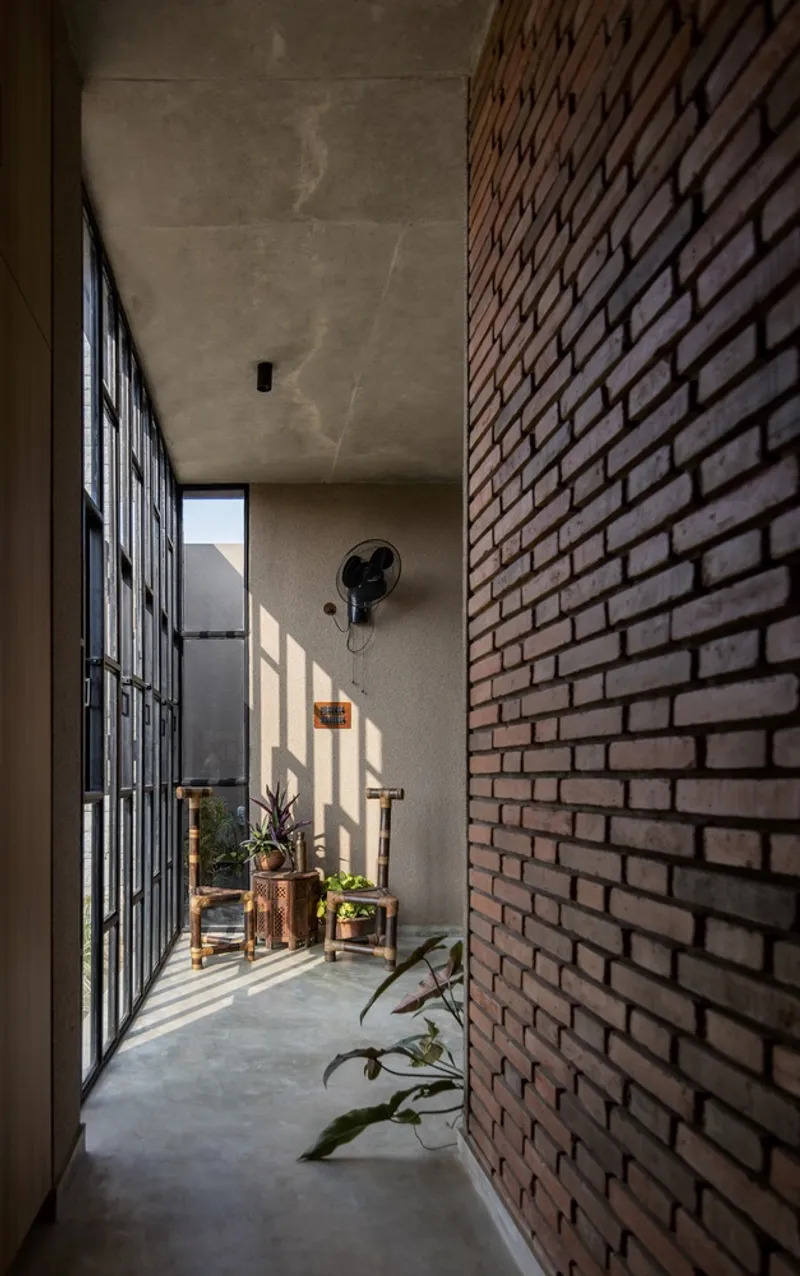
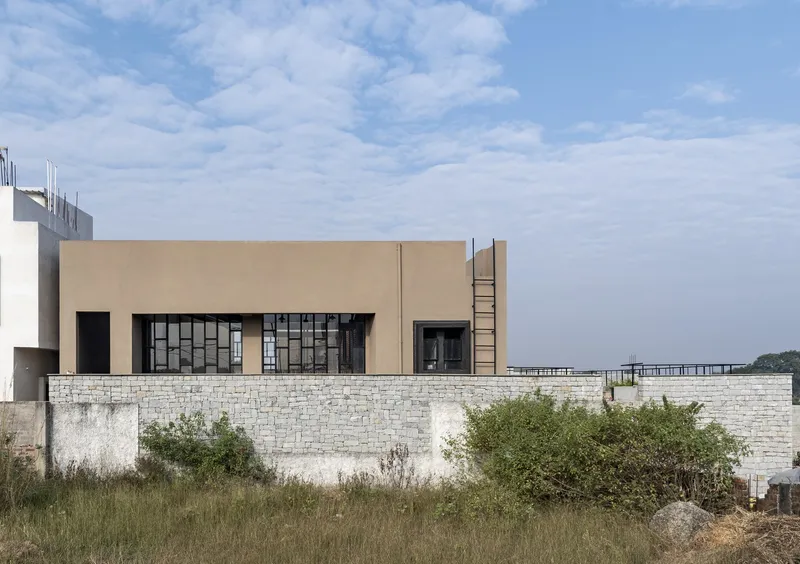
The architecture of Compos Mentis integrates biophilic design principles, blurring the boundary between indoors and outdoors. Courtyards, large windows, and open terraces provide abundant natural light, fresh air, and greenery, creating a therapeutic environment. Tactile materials, earthy textures, and familiar architectural forms help patients feel grounded, reducing stress and promoting psychological wellbeing. Large glazings connect indoor spaces with courtyards, maintaining privacy while ensuring internal visibility for patient care and monitoring.
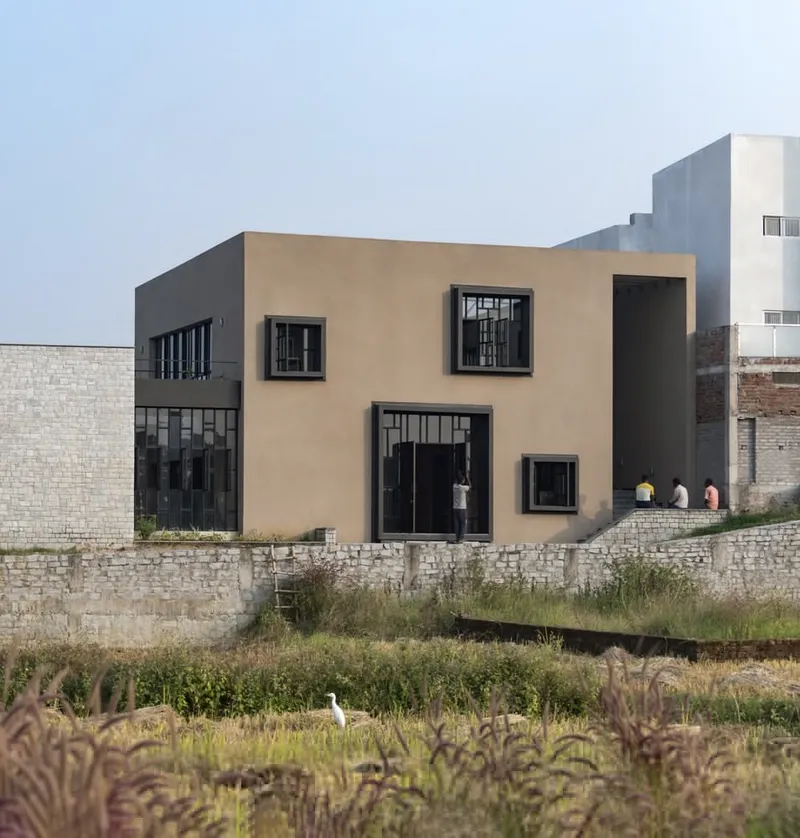
The unassuming architectural form, featuring soft earthy hues and natural textures, resonates with the surrounding neighborhood, combating social ostracization and fostering mental health awareness and acceptance.

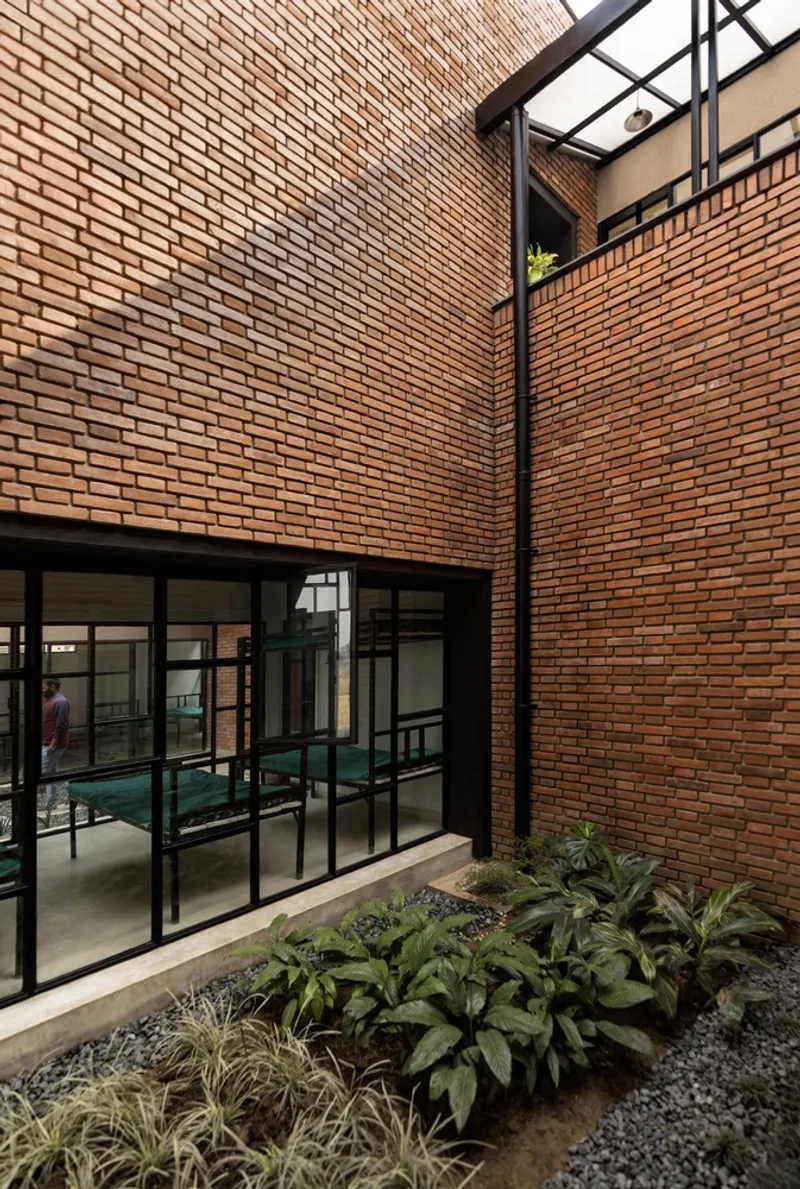
Integrating Traditional Craft with Modern Construction
Built on contoured terrain, Compos Mentis combines traditional building techniques with modern construction methods. The design draws inspiration from indigenous courtyard layouts and uses locally sourced stone, brick, and cement, complemented by steel, glass, and polycarbonate in a hybrid structural system. Skilled local masons played an integral role, helping preserve traditional crafts and support local livelihoods while contributing to a sustainable building culture.
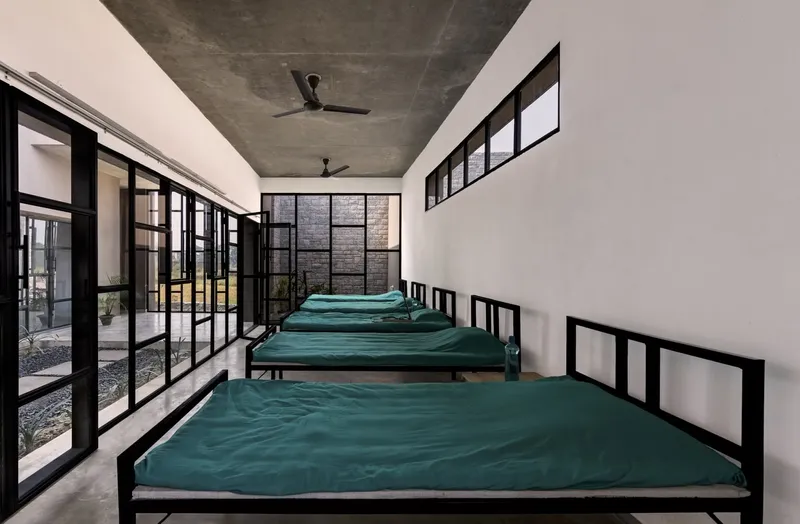
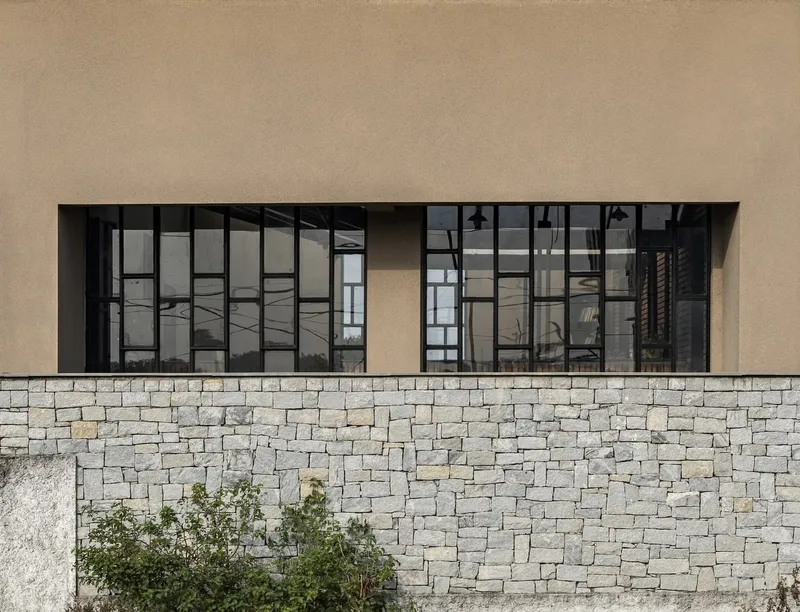
Sustainable and Cost-Effective Design
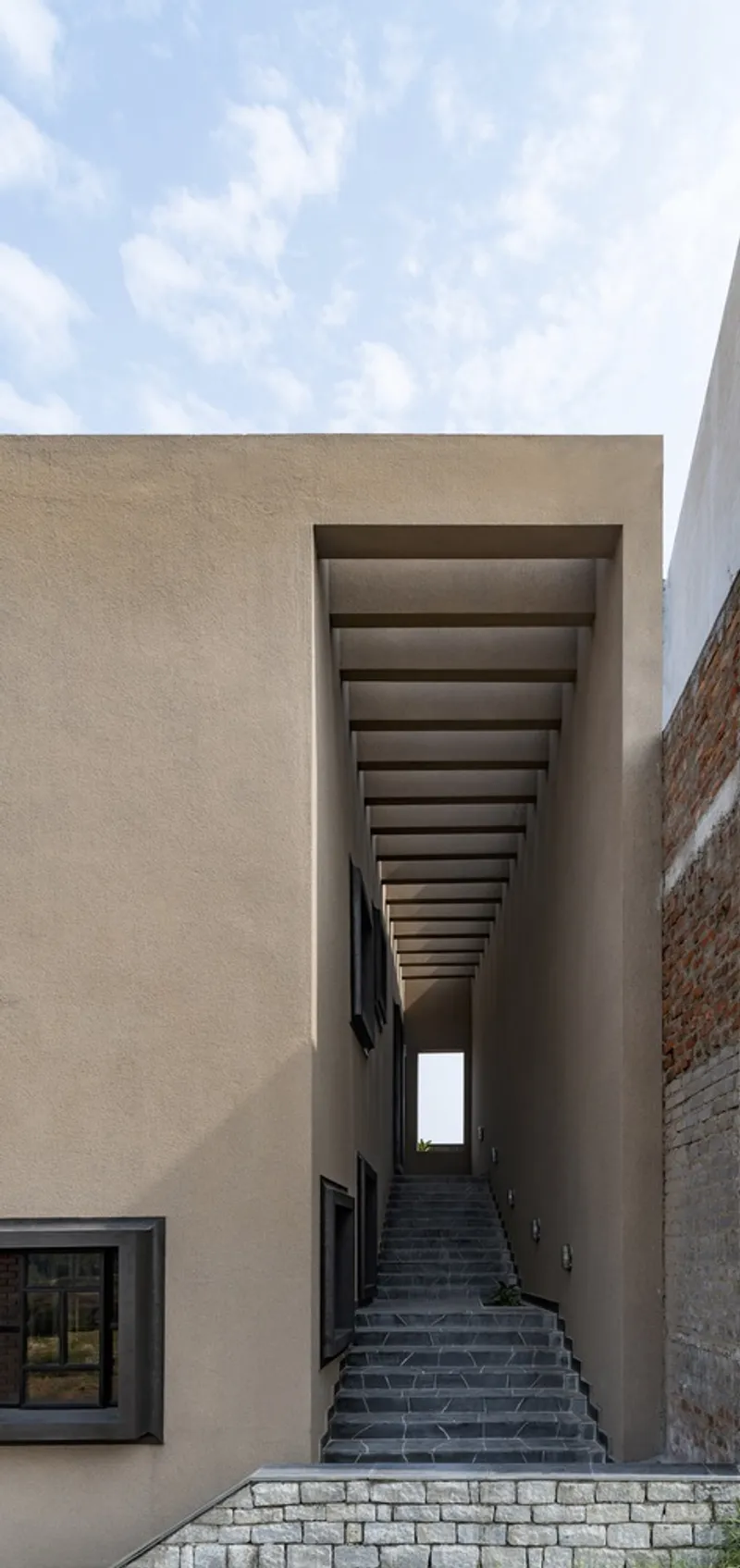
Sustainability is central to the Compos Mentis philosophy. The facility employs passive solar strategies suitable for Ranchi’s hot-dry climate. Material sourcing within a 160-kilometer radius reduces embodied energy, while courtyard ventilation, light wells, and shading minimize artificial cooling and lighting needs. The building’s design also reduces thermal gain by strategically placing staircases, passages, and service areas as solar buffers.
All photographs are works of Samya Ghatak




Popular Articles
Popular articles from the community


The Earth Pod: 3D Printed Homes for Resilient Refugee Communities
The Earth Pod reimagines refugee housing through 3D printed homes made from clay, combining resilience, self-sufficiency, and rapid shelter.

Co-Life: Senior Housing Design That Reconnects Older Adults With the City
Co-Life reimagines senior housing design through healing gardens, shared streets, workshops, and a sustainable community across generations.

The Ocean Hive: Sustainable Architecture for a Self-Sufficient Civilization at Sea
The Ocean Hive imagines sustainable architecture at sea, where modular habitats, algae, wave power and ocean waste sustain a growing colony.

AL-JANNAH: Sustainable Architecture and Permaculture for Afghan Widows
AL-JANNAH uses sustainable architecture and permaculture to create resilient oasis of housing, learning, work and renewal for Afghan widows.


Similar Reads
You might also enjoy these articles


Hodi-Mandai Geram
Project Function: Preservation and revitalization of the Intangible heritage and socio-spatial identity of the Hodi by Housing, Cultural Memory Center, Sacred Grove, landscape, local tourism economy


Olio Towers: A Mid-Rise for Performers That Fuses Housing, Rehearsal, and Stage
Located blocks from Houston's Theater District, this modular tower stacks living units around a central performance atrium.

Oasis: Modular Green Housing Carved into Dhaka's Urban Fabric
A shortlisted Plugin Housing entry reclaims unauthorized settlements in Dhaka with stepped concrete volumes, green roofs, and ventilation-driven design.

Black Hole: A Floating Megastructure for the Post-Physical Era
Emiliano Mazzarotto envisions a spherical, self-scaling arena where e-sports, digital hotels, and holographic stadiums replace traditional public space.


Explore Sustainable Design Competitions
Discover active competitions in this discipline



Challenge to reimagine the Iron Throne


Photograph architecture without architects


Illustrate the lost glory of Angkor Wat - Render Challenge


Design challenge to reuse E-waste
Comments (0)
Please login or sign up to add comments
No comments yet. Be the first to comment!