
Concrete Observatory Architecture in China: Red Village Observatory by TAG
A rugged concrete observatory that blends architecture, light, and landscape in a poetic reinterpretation of a rural Chinese village.


A Sculptural Planetarium Inspired by Village Topography and Sunlight
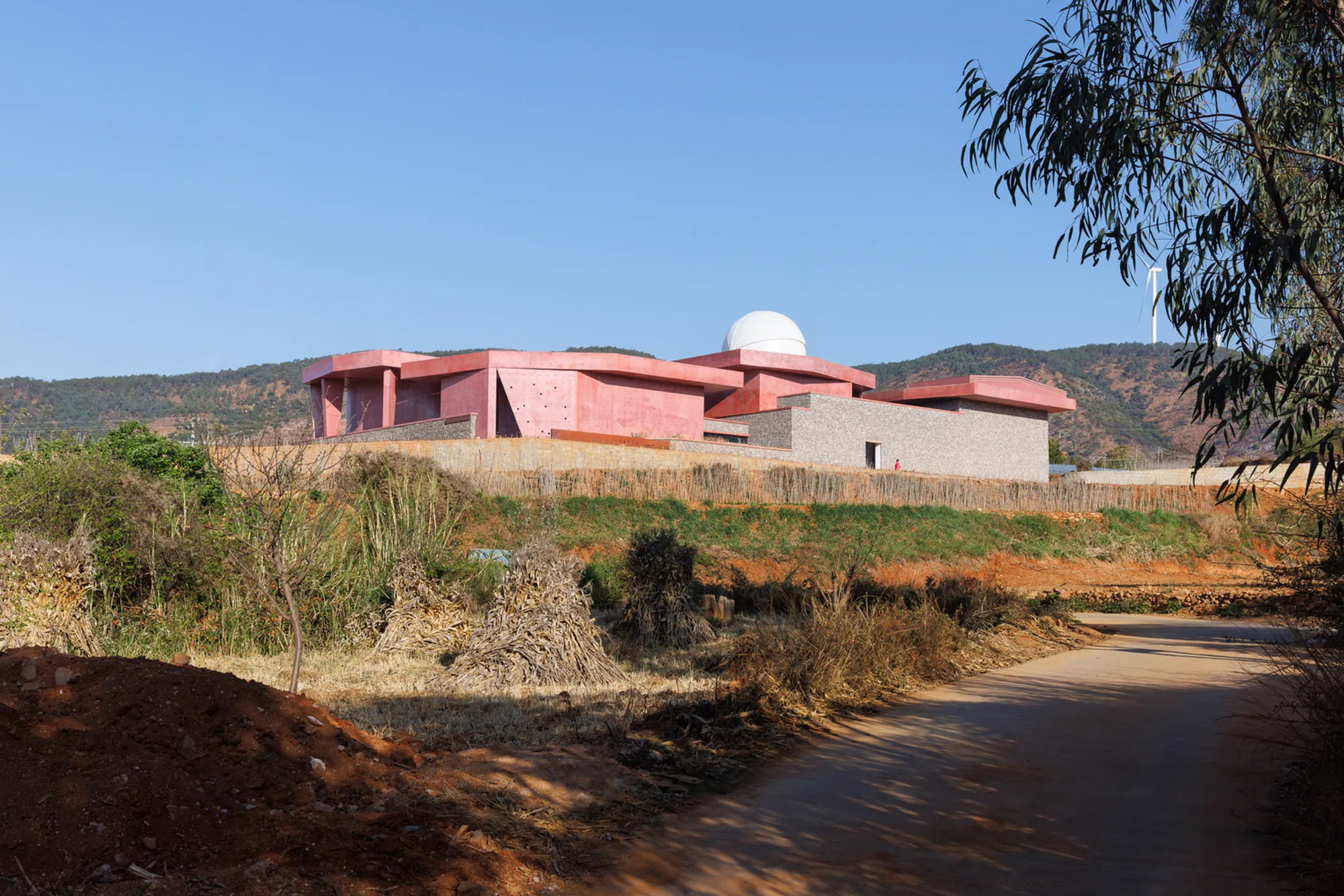
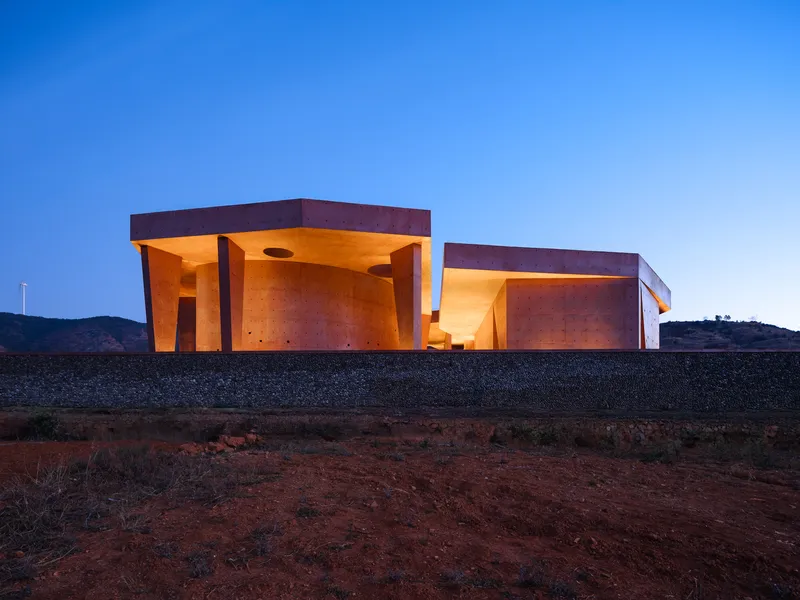
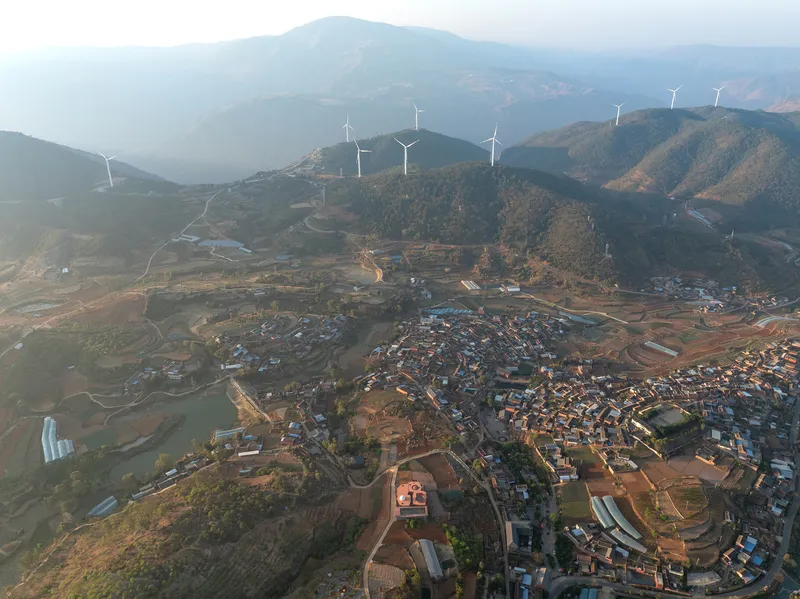
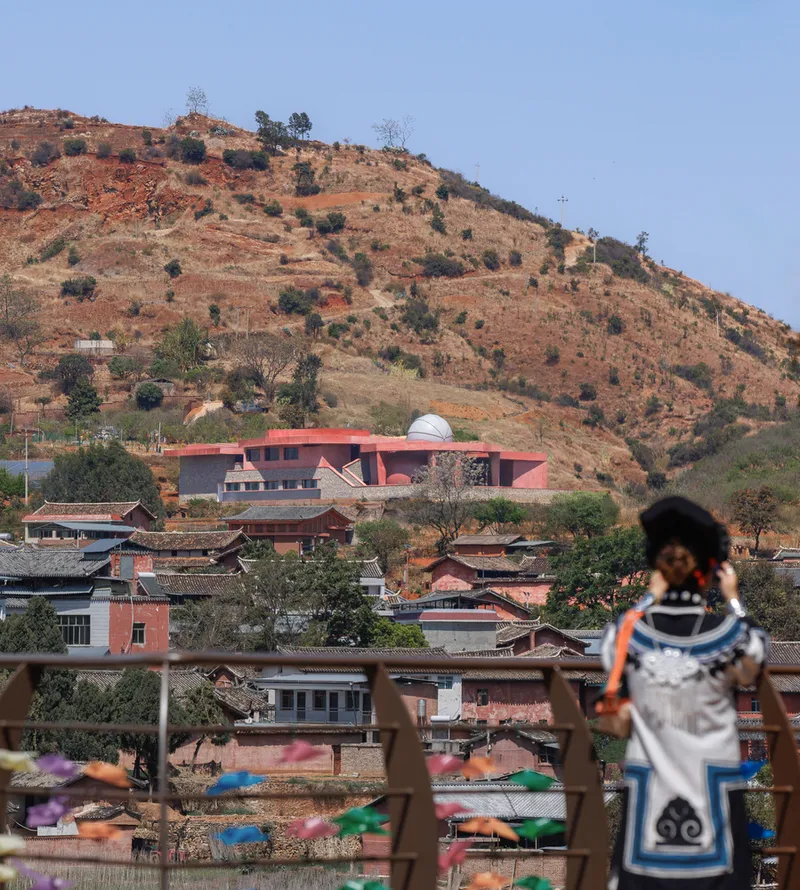
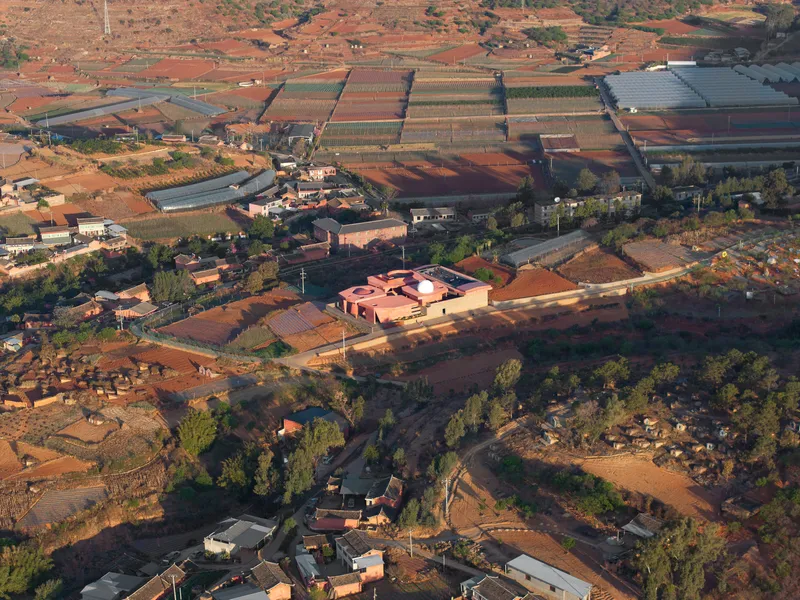
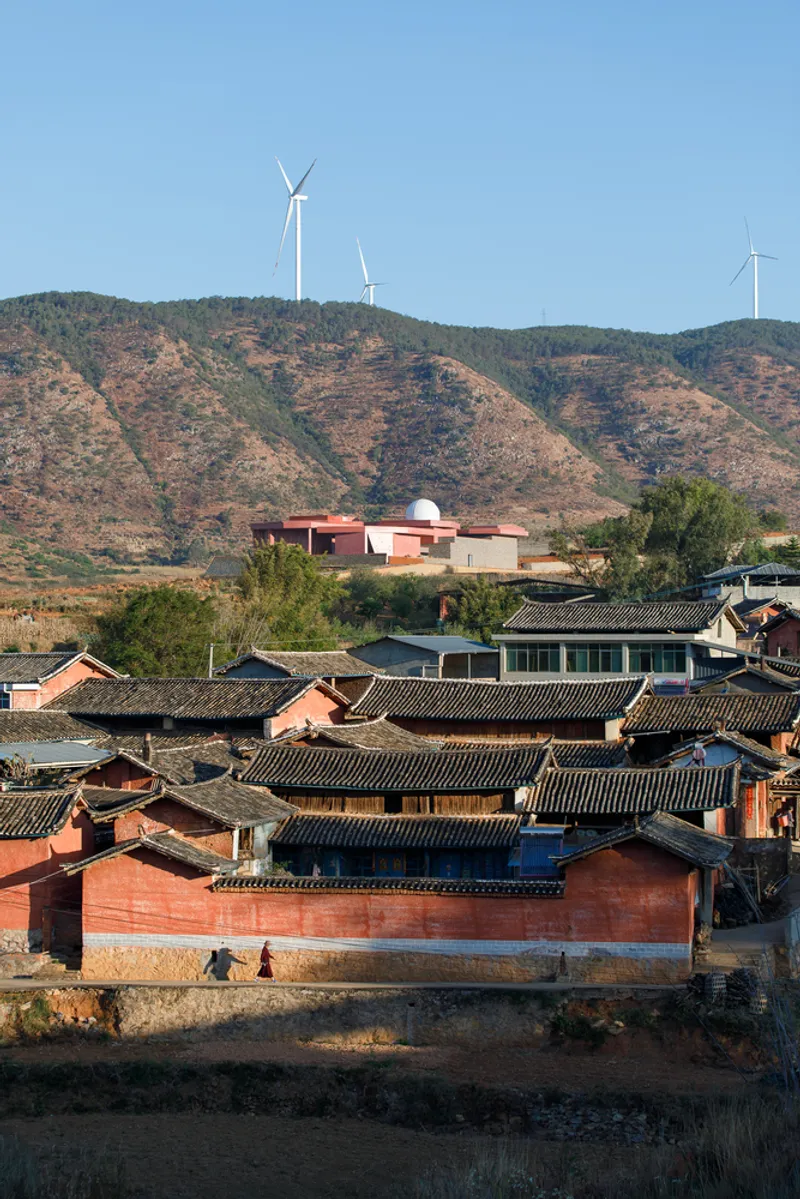
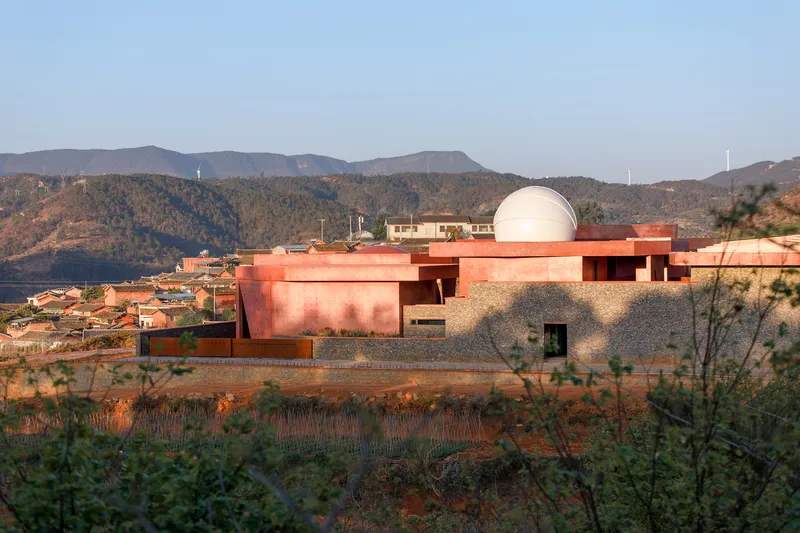
Set against the mountainous backdrop of Yishala Village in Panzhihua, China, the Red Village Observatory by TAG (Wang Yanze and Wu Guanzhong) emerges as a poetic response to the local terrain and village vernacular. Built in 2024, this 1,350 m² planetarium redefines concrete observatory architecture through its rugged materiality, stepped organization, and a deep connection to light, place, and tradition.

Translating Village Topography into Architecture
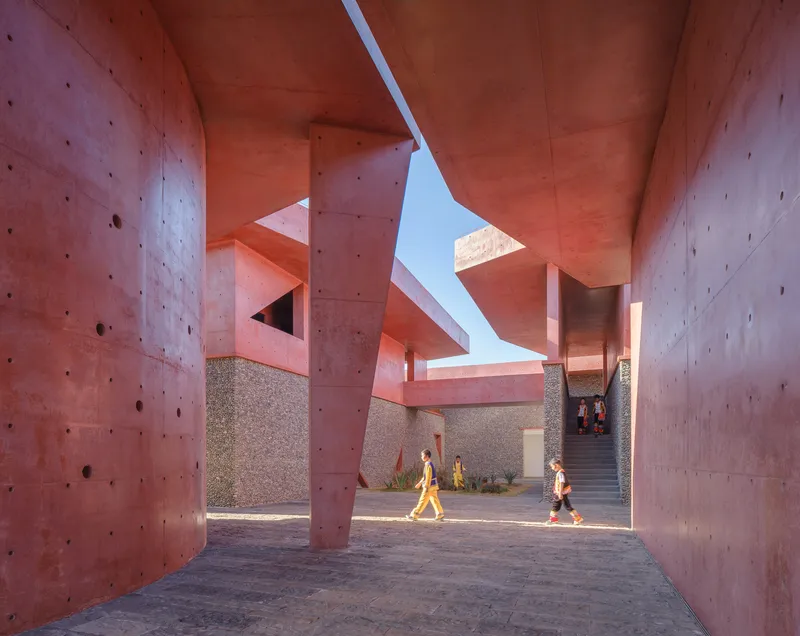
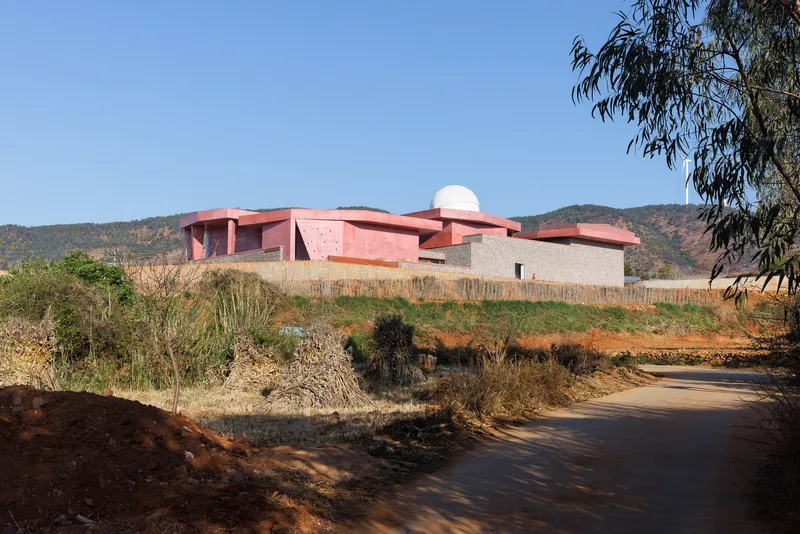
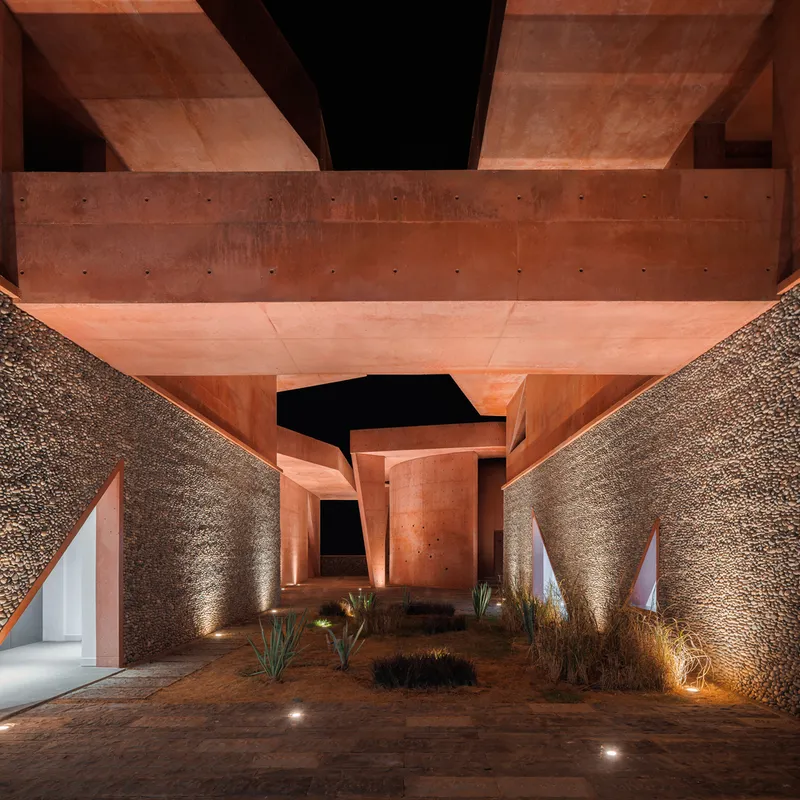
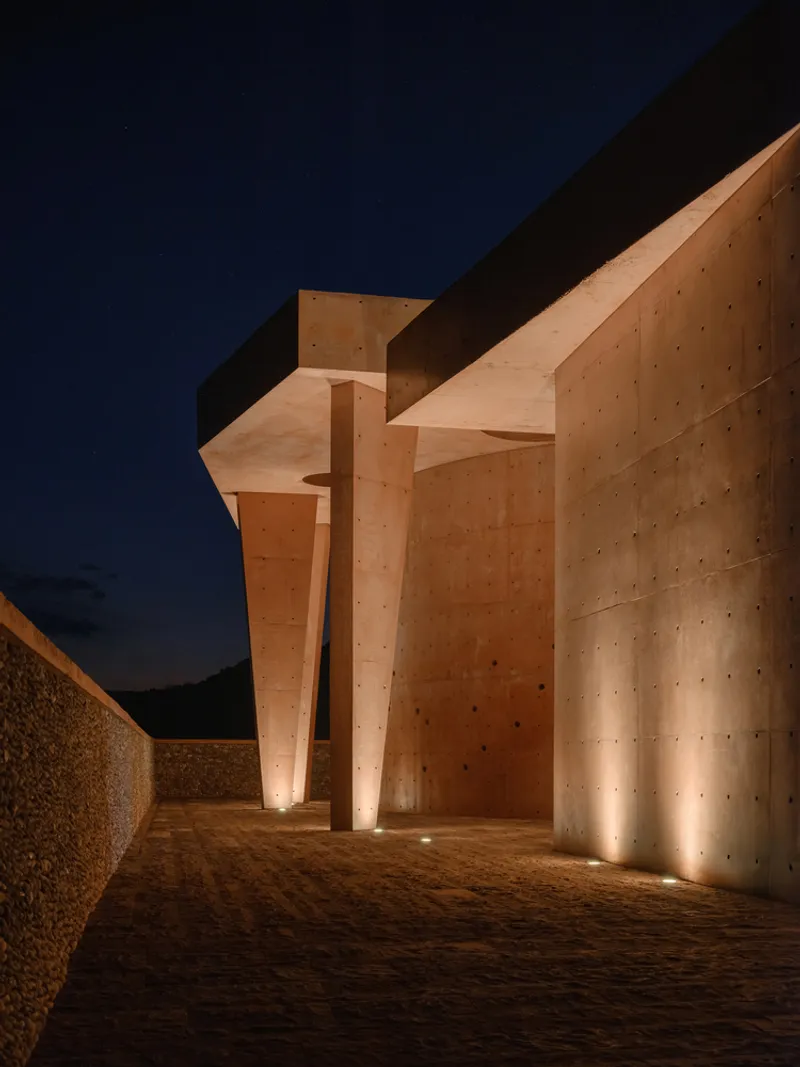
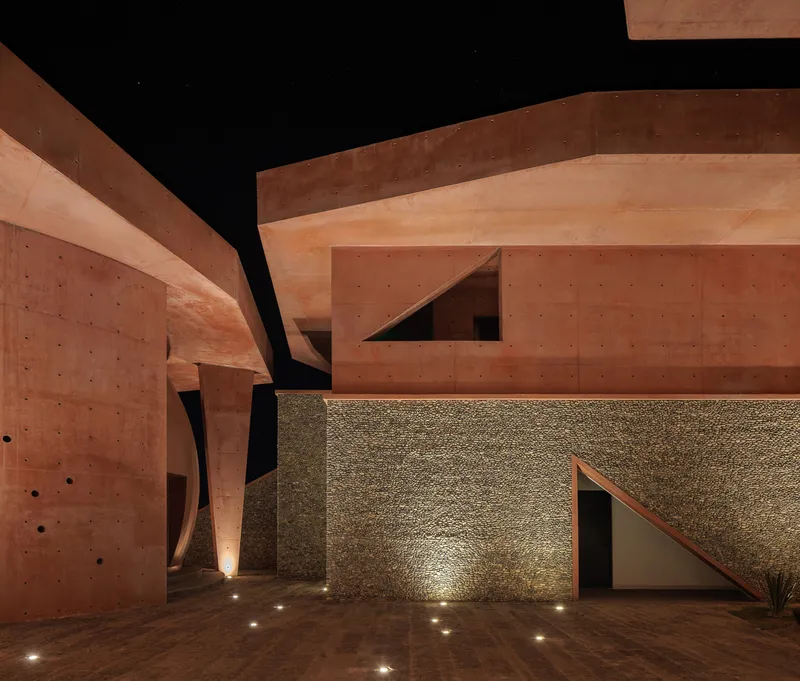
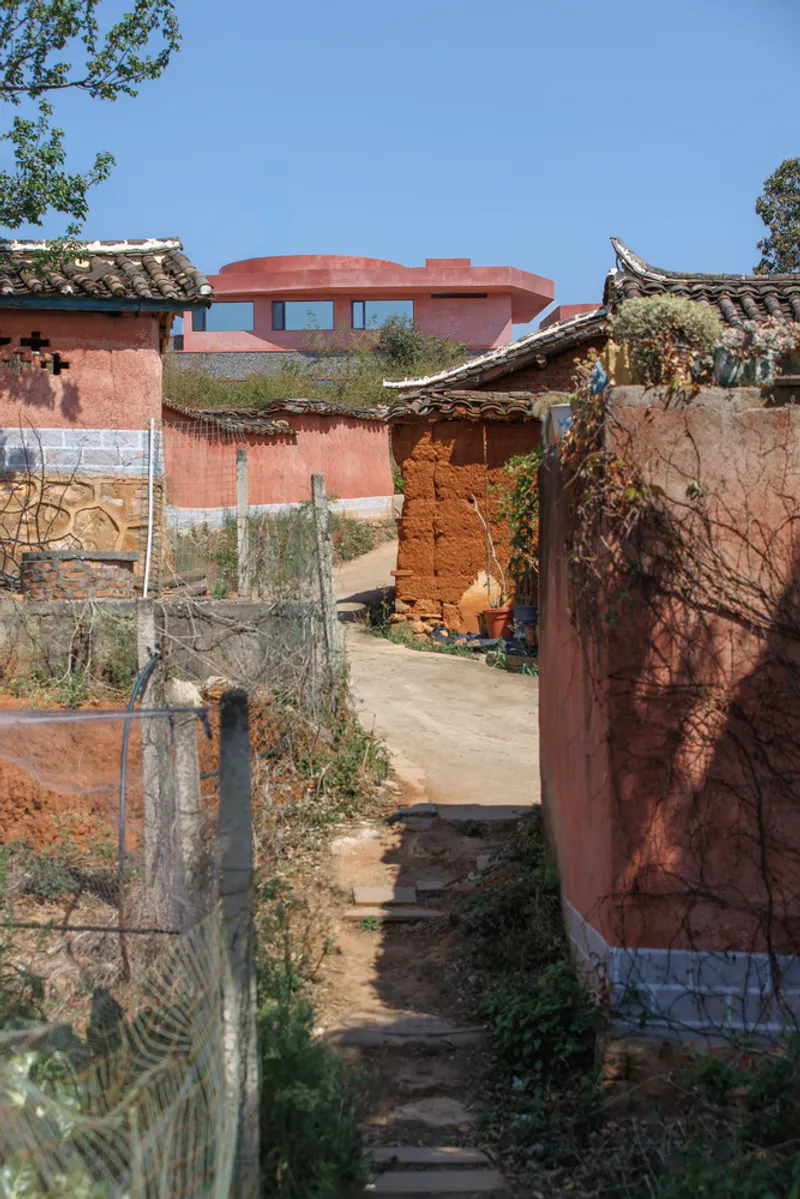
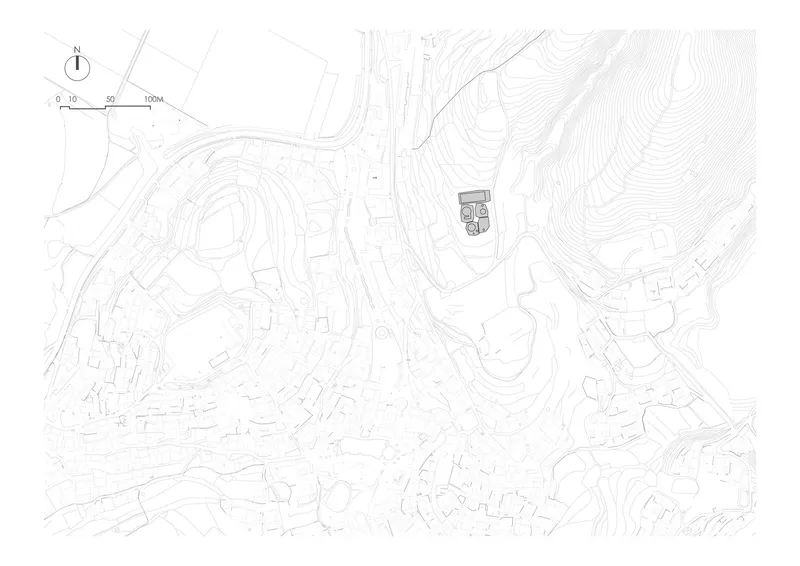
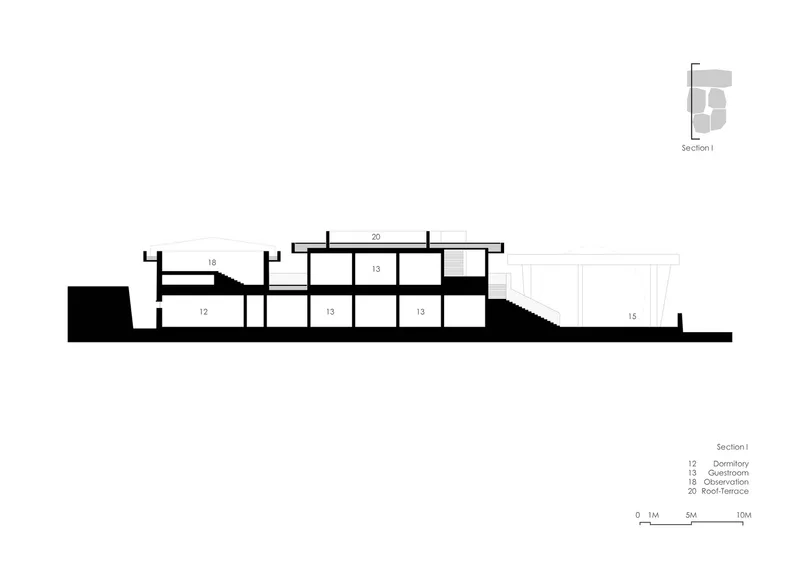
The village of Yishala is defined by cobblestone terraced fields and courtyard houses woven into the contours of the surrounding mountains. TAG drew directly from this environment, compressing auxiliary spaces and using stepped platforms to mirror the topographic differences. Instead of a singular monumental structure, the observatory unfolds as a constellation of smaller, staggered volumes linked by corridors, staircases, and bridges. This fragmented configuration evokes the narrow alleys and rhythmic voids of the village while creating a dynamic spatial journey for visitors.

Embracing the Imperfect Beauty of Raw Concrete
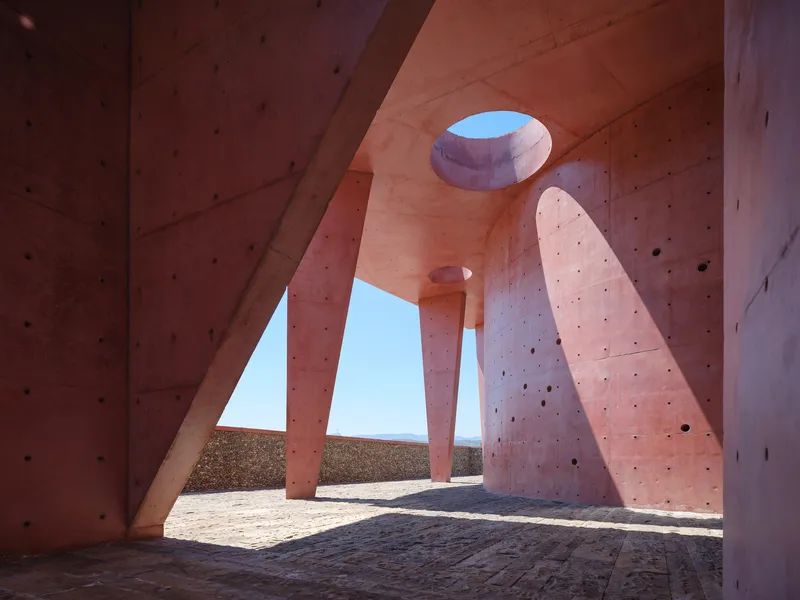
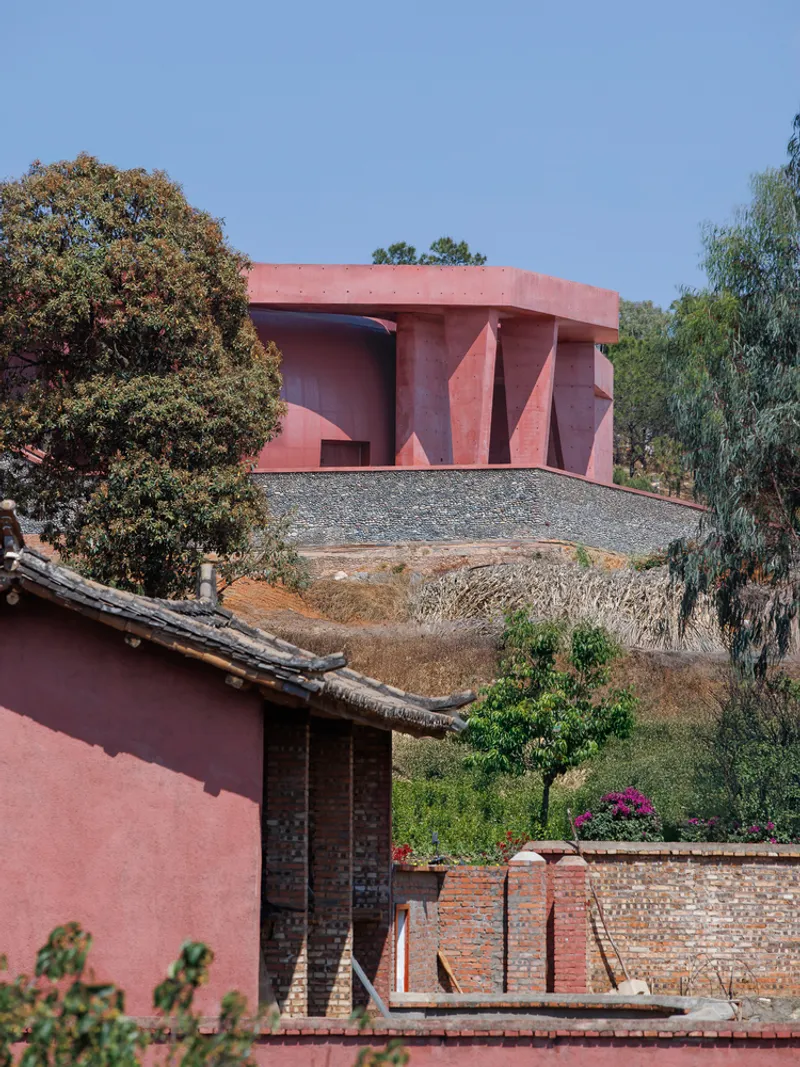
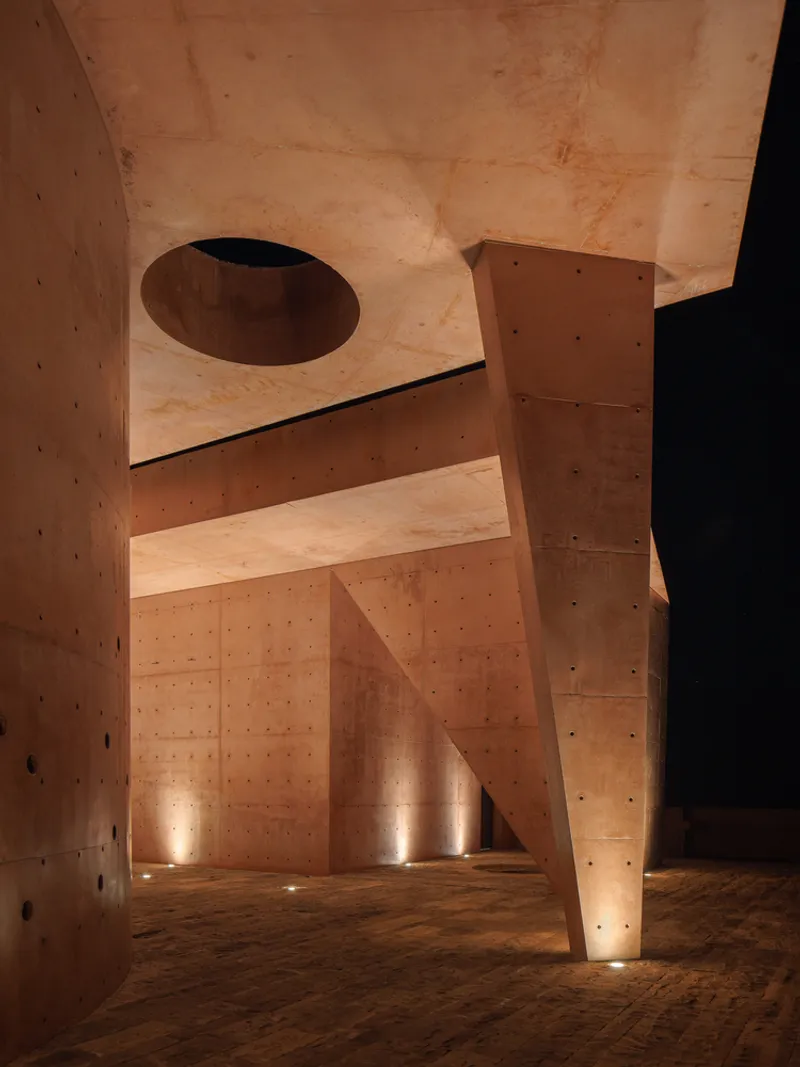
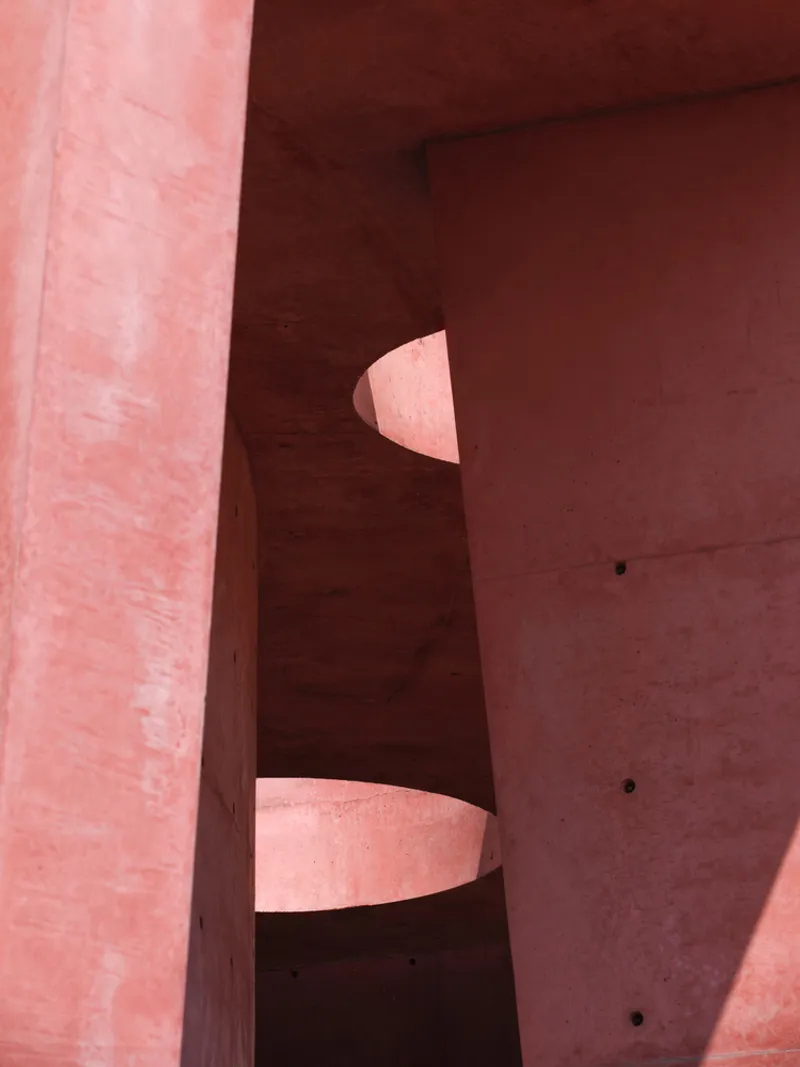
TAG’s decision to work with raw red concrete was driven both by aesthetic sensibility and practical constraints. Without the budget for professional subcontractors, the local construction team embraced the material's natural imperfections—color variation, uneven joints, and surface flaws were left untouched. The result is a raw, elemental surface that feels inseparable from the reddish soil of the Panxi Valley. This tactile honesty challenges the pursuit of overly polished finishes, instead celebrating a material expression that is rugged, unrefined, and deeply rooted in place.


Light as an Architectural Material
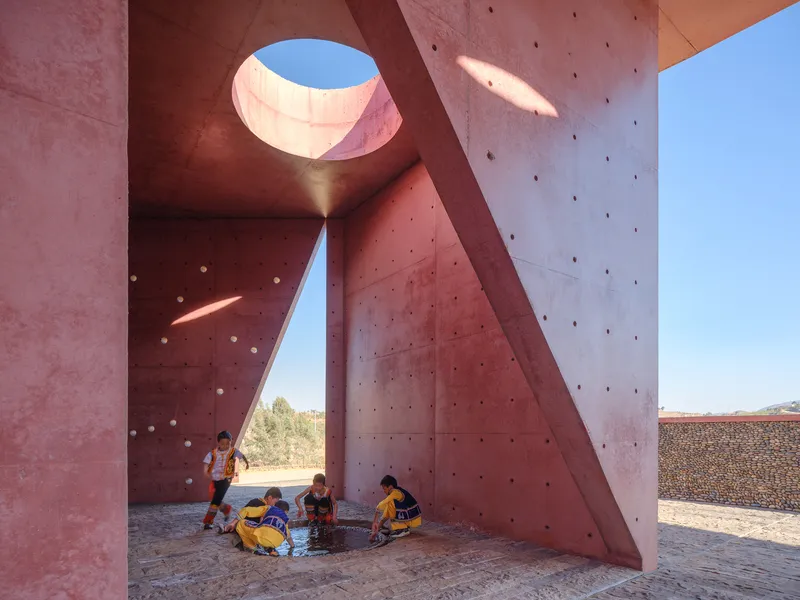
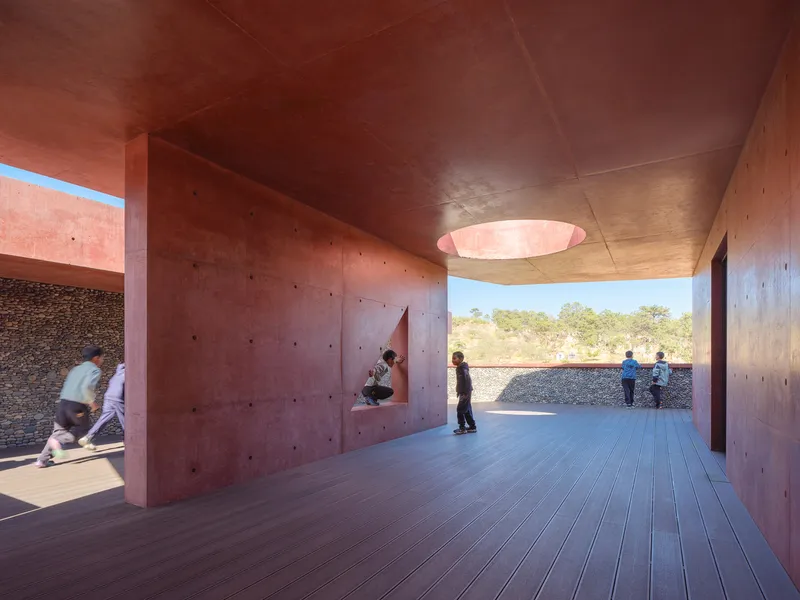
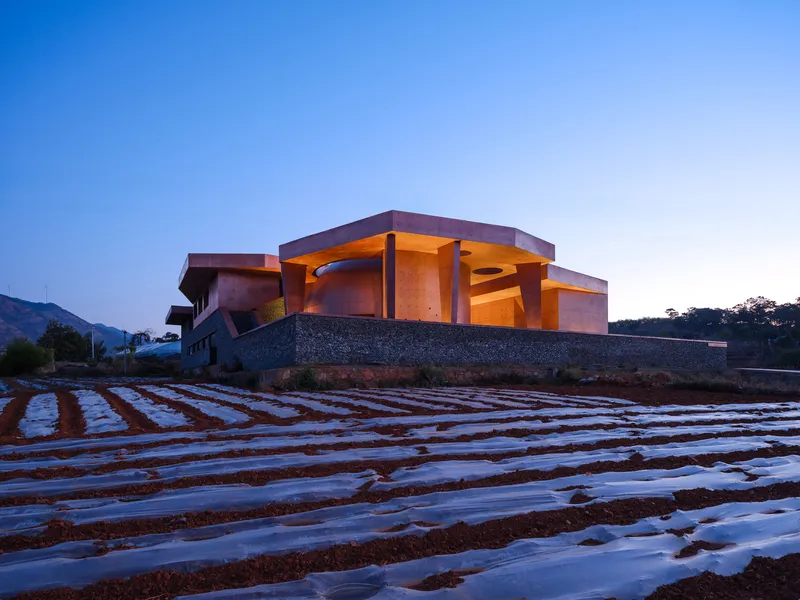
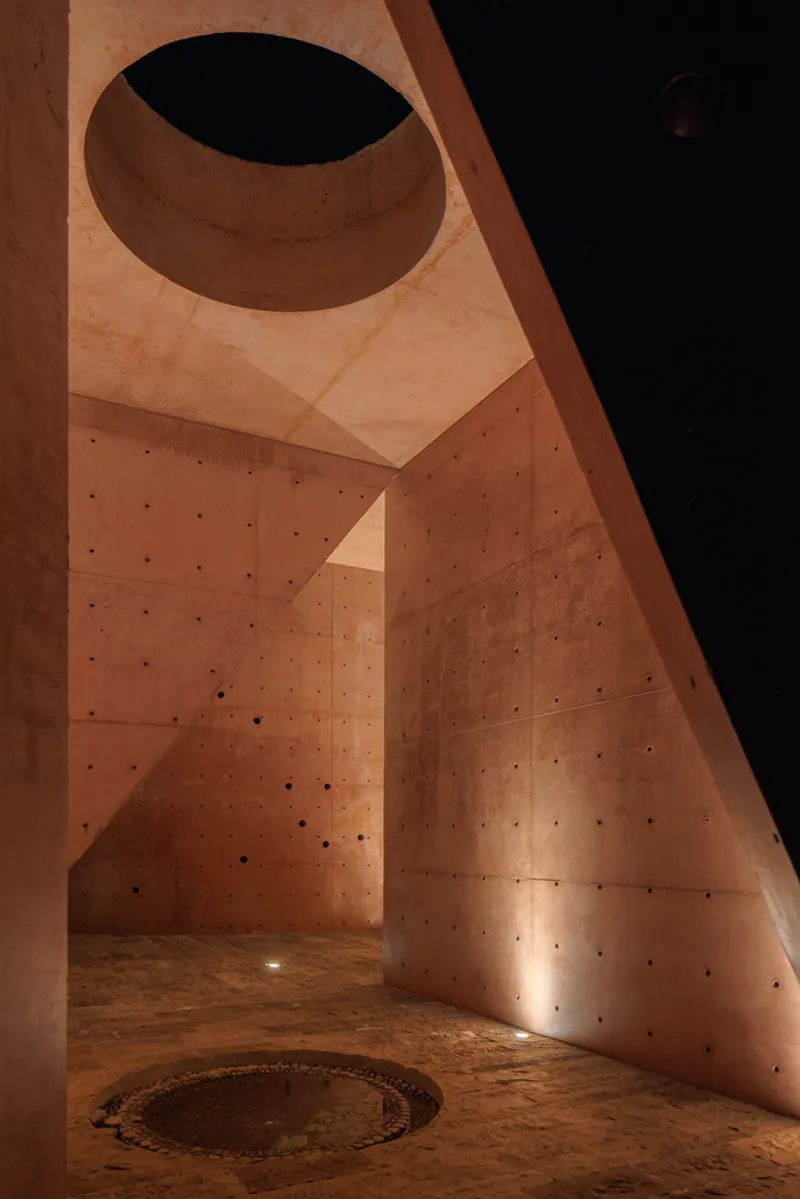
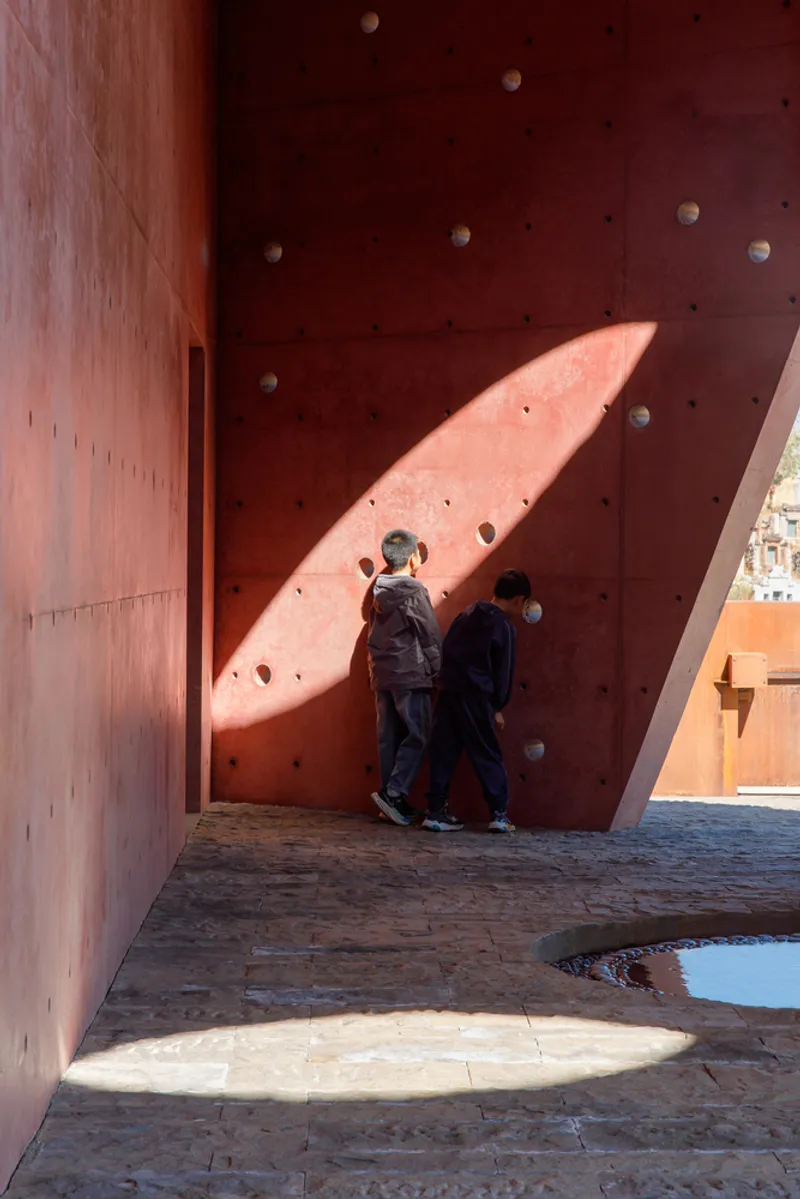
The design treats sunlight not just as illumination, but as a material element. The roofs are misaligned and separated, allowing light to cascade through carefully calculated gaps. These beams and shadows animate the raw concrete walls throughout the day, drawing attention to the architecture’s angular geometry. The effect is most profound in the early morning, when sunlight passes through a full-height opening and filters through small circular perforations, casting ephemeral spots of light that dance across the eastern wall.
Semi-Outdoor Spaces and Spatial Openness
In keeping with the mild climate and rural context, much of the observatory consists of semi-outdoor spaces. Windows are replaced with intentional openings that frame views of the Daliang Mountains or allow light to pour inside. These voids, irregular in shape, emphasize that they are not simply windows but sculptural perforations, reinforcing the building’s tactile and visual openness. A striking example is the entrance hall, where a large, open tear in the wall reveals the sunrise and the village landscape beyond.
A Planetarium Rooted in Landscape and Culture
The Red Village Observatory transcends the function of a traditional planetarium. It is not merely a space for celestial observation, but a cultural installation that weaves architecture into the natural and human fabric of its environment. Its massing mimics the rhythm of traditional courtyards, its material echoes the red soil of the valley, and its shifting shadows embody the passage of time. In every detail, the building is an ode to the land, the light, and the stories of Yishala.
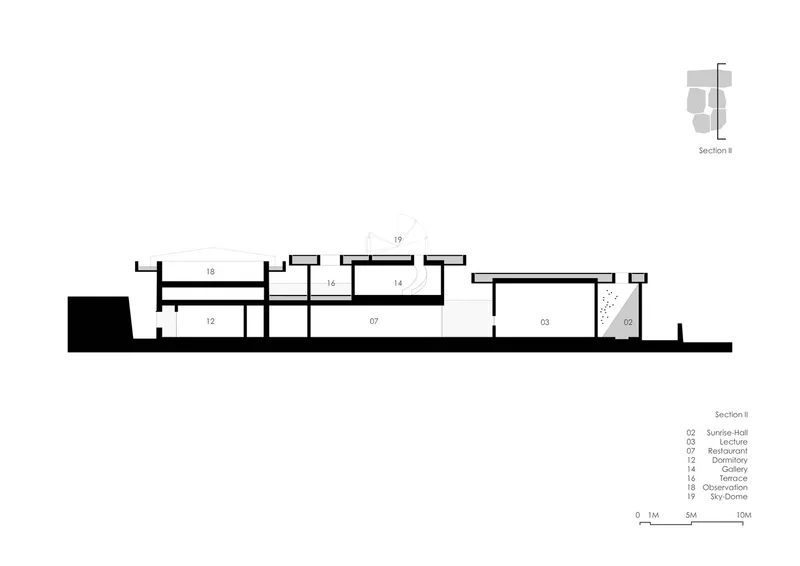
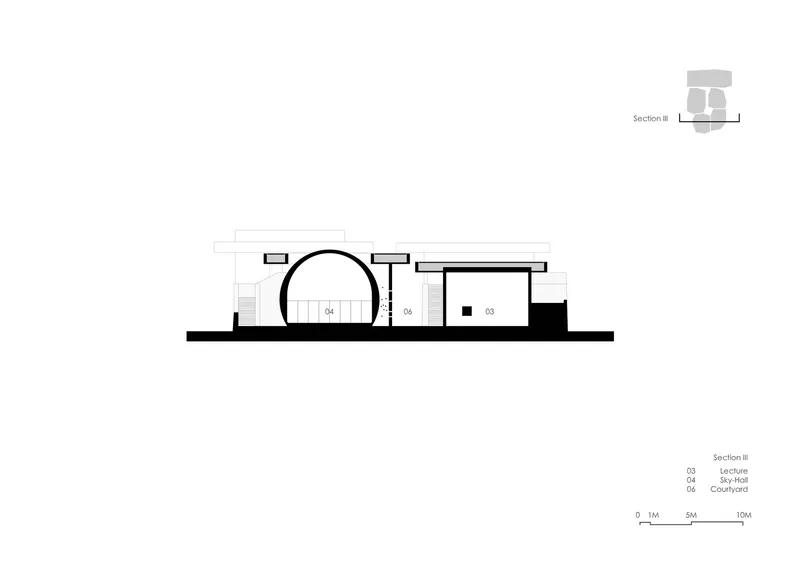
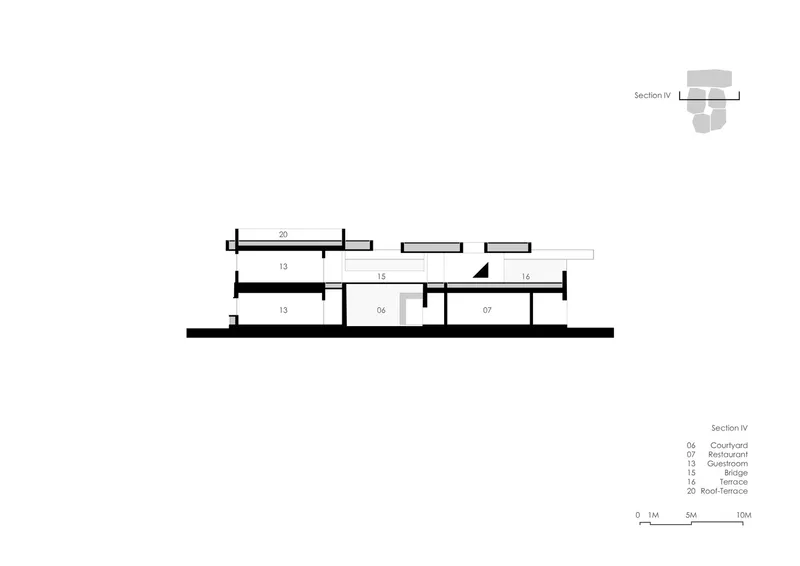

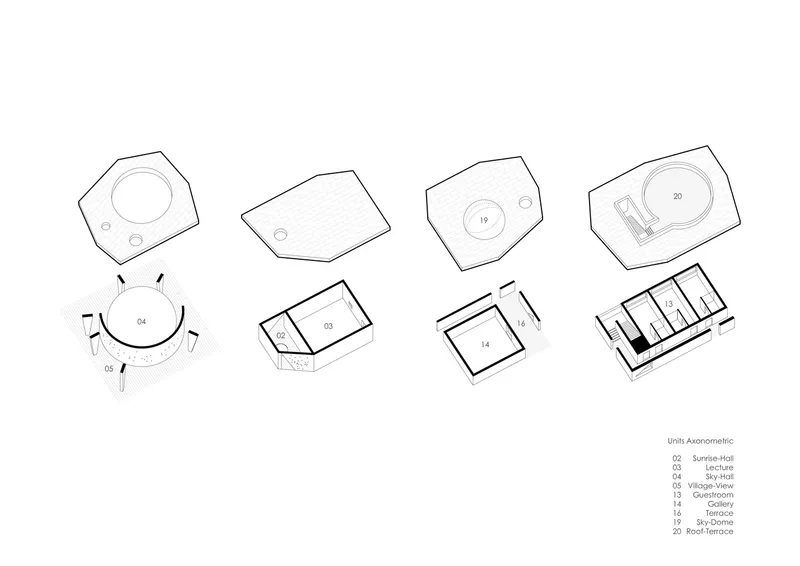
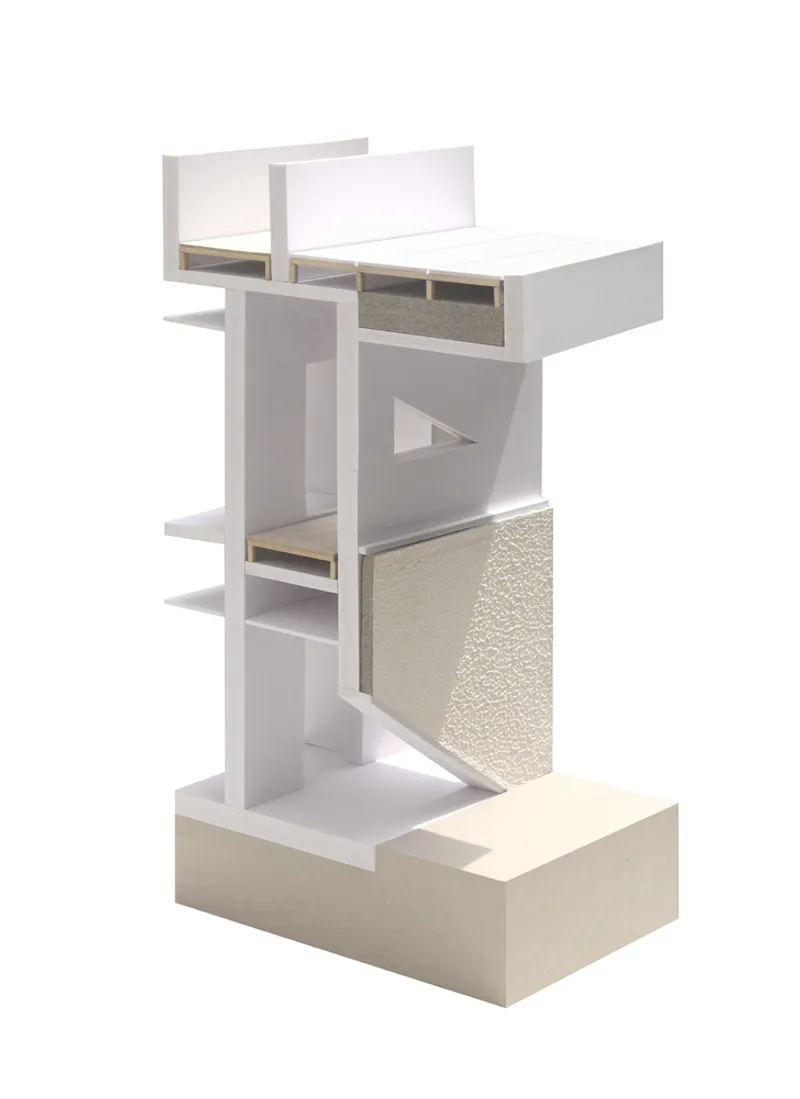
All photographs are works of Trace Image




Popular Articles
Popular articles from the community

EW PARK: Sustainable Architecture Reimagines the Future of Urban Parking
EW PARK reimagines city parking as a modular wooden tower combining automation, solar energy, electric mobility, and adaptable urban design.

The Ocean Hive: Sustainable Architecture for a Self-Sufficient Civilization at Sea
The Ocean Hive imagines sustainable architecture at sea, where modular habitats, algae, wave power and ocean waste sustain a growing colony.

Co-life: Sustainable Architecture for Age-Friendly Community Living
Co-life reimagines sustainable architecture for seniors through courtyards, rammed earth, shared gardens, and spaces designed for belonging.

Riyadh For All: Intergenerational Urban Design for Active Aging in Rabat
Riyadh For All reimagines urban design in Rabat with intergenerational co-living, adaptive courtyards, and Moroccan cultural exchange today.


Similar Reads
You might also enjoy these articles


Hodi-Mandai Geram
Project Function: Preservation and revitalization of the Intangible heritage and socio-spatial identity of the Hodi by Housing, Cultural Memory Center, Sacred Grove, landscape, local tourism economy


Olio Towers: A Mid-Rise for Performers That Fuses Housing, Rehearsal, and Stage
Located blocks from Houston's Theater District, this modular tower stacks living units around a central performance atrium.

Oasis: Modular Green Housing Carved into Dhaka's Urban Fabric
A shortlisted Plugin Housing entry reclaims unauthorized settlements in Dhaka with stepped concrete volumes, green roofs, and ventilation-driven design.

Black Hole: A Floating Megastructure for the Post-Physical Era
Emiliano Mazzarotto envisions a spherical, self-scaling arena where e-sports, digital hotels, and holographic stadiums replace traditional public space.


Explore Chinese Small Scale Architecture Competitions
Discover active competitions in this discipline



Challenge to reimagine the Iron Throne


Photograph architecture without architects


Illustrate the lost glory of Angkor Wat - Render Challenge


Design challenge to reuse E-waste
Comments (0)
Please login or sign up to add comments
No comments yet. Be the first to comment!