

Concrete Pavilion Architecture in Rural Landscapes: A Fusion of Functionality and Symbolism
The article explores LIN Architects' Concrete Pavilion, a rural pumping station blending functionality, cultural symbolism, and modern design.


Nestled in the countryside outside Eryuan Botou Village in Yunnan, China, the Concrete Pavilion by LIN Architects is an exemplary model of how architecture can harmonize with nature while addressing the needs of the community. With its sculptural concrete form and thoughtful design, this 50-square-meter pumping station serves as both a utilitarian structure and a symbol of cultural integration.

The Essence of Concrete Pavilion Architecture
A Dialogue with the Environment
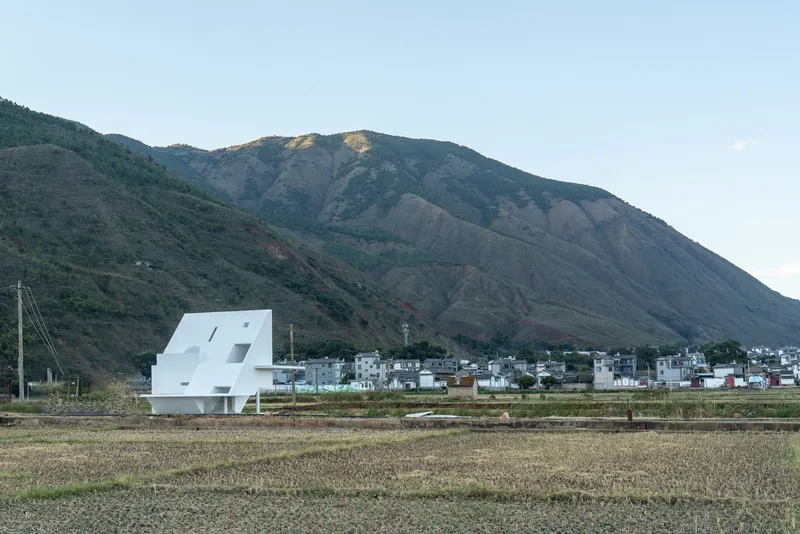
Situated amidst rolling mountains and rice paddies, the Concrete Pavilion is designed to blend seamlessly into its surroundings. The landscape, filled with vibrant sounds of chirping frogs and rustling rice stalks, sets the tone for a building that celebrates both uninterrupted views and fragmented fieldscapes.
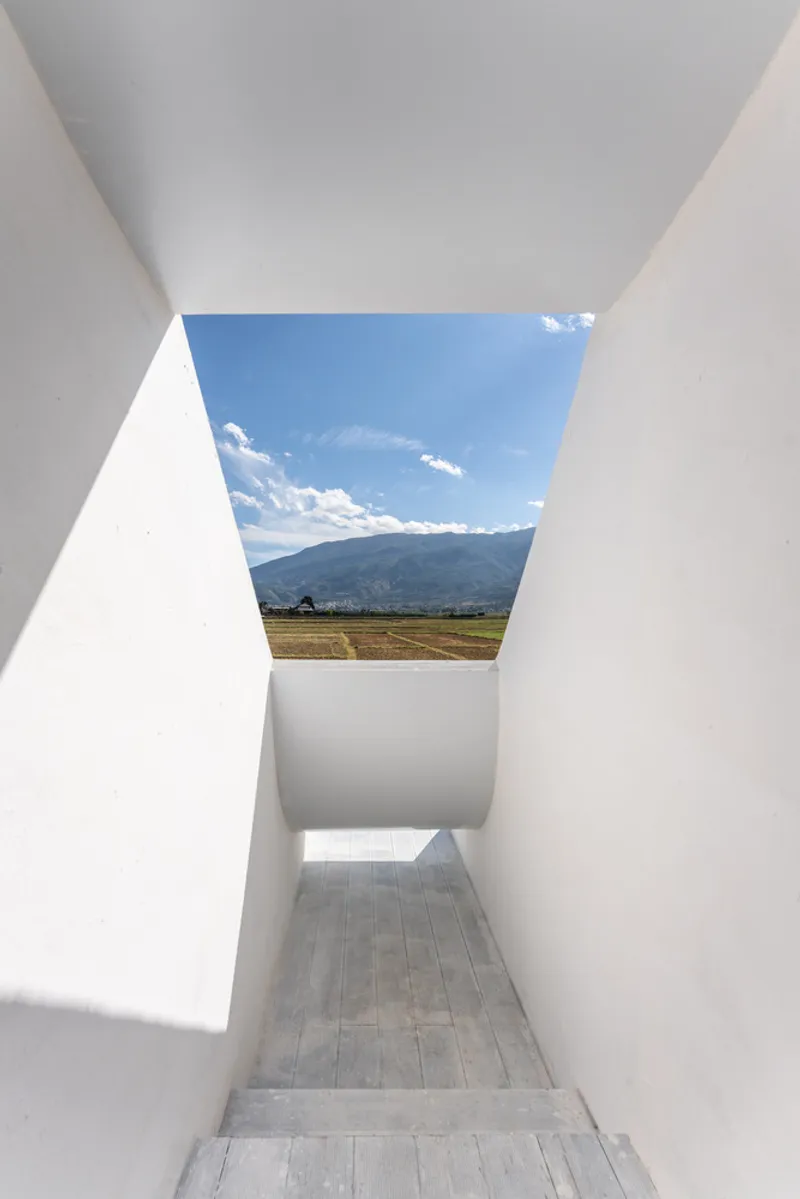
The pavilion's location offers a dual perspective—providing expansive views of the lush fields while simultaneously emphasizing the segmented agricultural patterns from an elevated vantage point.
Symbolism Through Design
Cultural and Spatial Identity
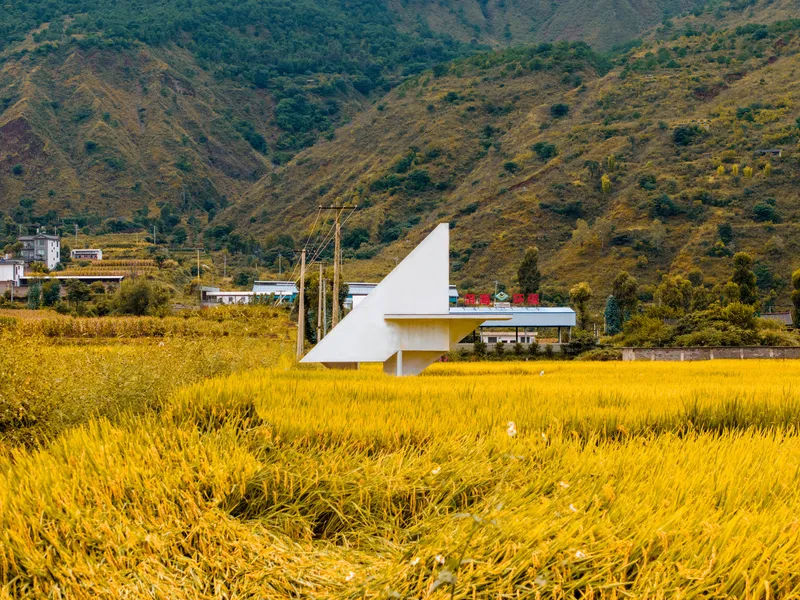
The Concrete Pavilion reinterprets traditional rural elements, transforming them into abstracted architectural forms. Its sloping roofs, shadow walls, and uniquely placed windows mirror the vernacular architecture of surrounding villages. These elements symbolize a dialogue between past and present, offering a sense of continuity for locals while engaging visitors with its striking modernity.
This reinterpretation goes beyond aesthetics. The pavilion serves as a landmark, guiding villagers and tourists alike with its iconic silhouette, whether during morning farm routines or evening returns.


Key Elements of the Design
Innovative Form and Structure
Sloping Roofs and Platforms
The pavilion's design incorporates familiar architectural motifs—sloping roofs and raised platforms—that create a dynamic interaction between form and function. These elements provide vantage points for observation, adding layers of experiential engagement with the surrounding landscape.
Skylights and Broken Staircases
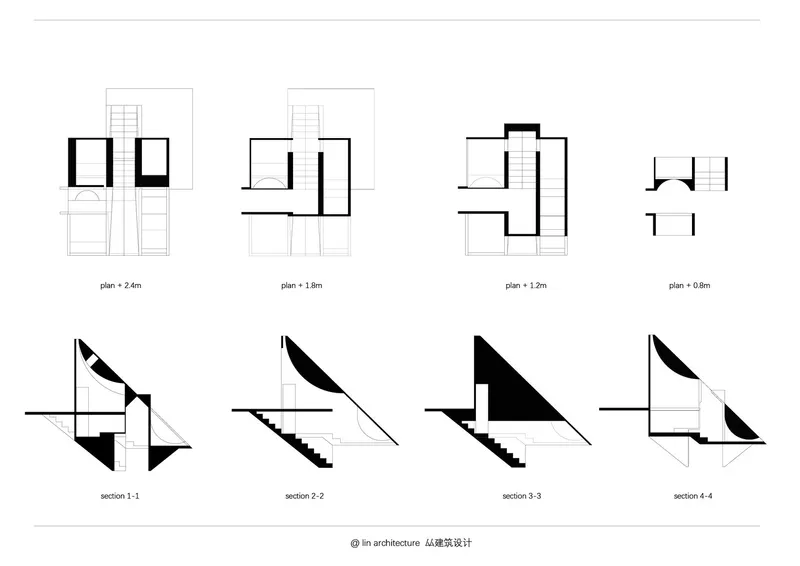
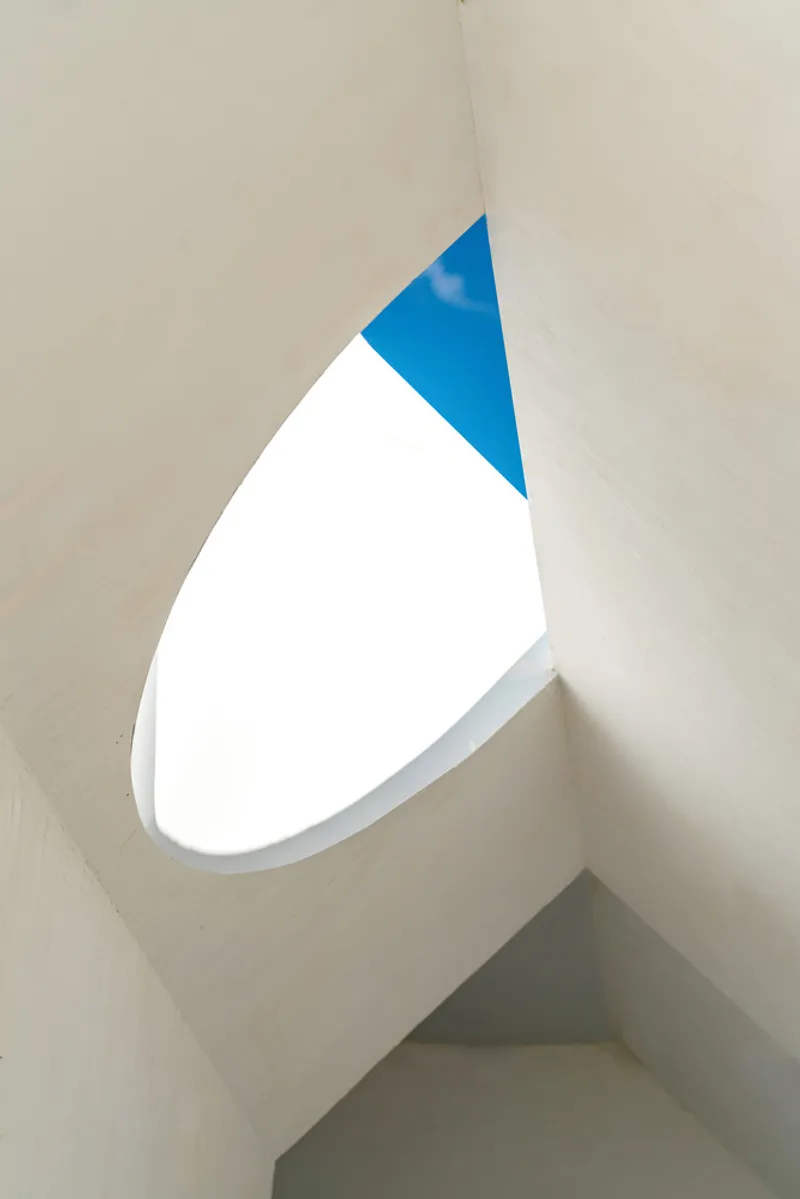
The use of unconventional features like skylights with narrow slits and broken staircases challenges traditional spatial configurations. These elements create fragmented interiors, encouraging exploration and offering constantly shifting perspectives of the space.

Materiality and Interaction with Nature
Concrete as a Canvas
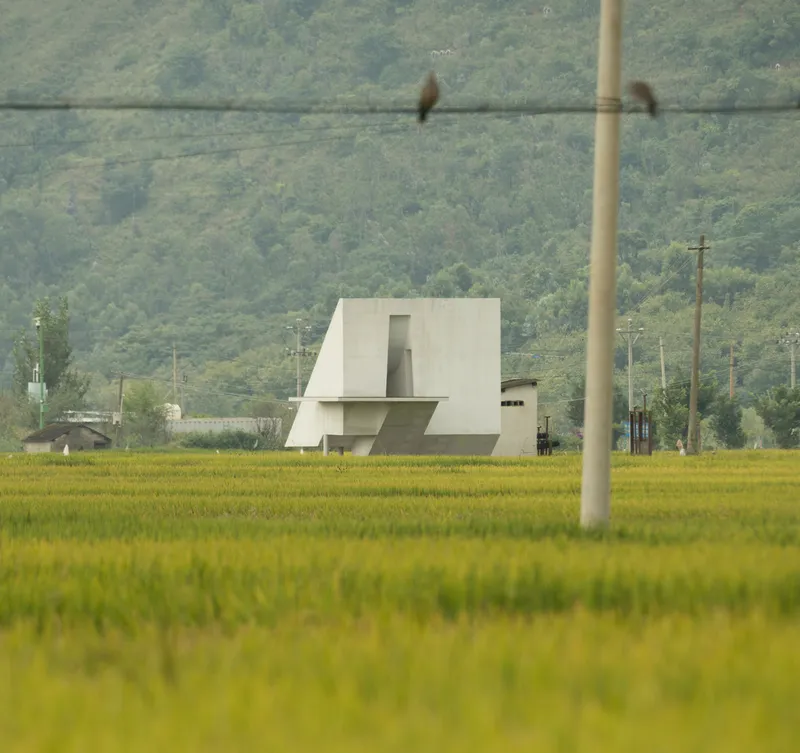
The building’s concrete skin interacts beautifully with the elements. On sunny days, its texture becomes pronounced, casting intricate shadows, while during rainfall, the surface transforms into a reflective canvas. The use of concrete panels ensures durability while also creating an organic connection with the ever-changing seasons in Yunnan’s fields.
Steel Structure for Flexibility
The pavilion’s steel framework, consisting of three layers, allows for the creation of diverse spatial configurations. This flexibility ensures the building meets both practical needs for water and electricity pumping and aesthetic aspirations.


Beyond Architecture: Engaging the Rural Community
The Concrete Pavilion goes beyond its functional role as a pumping station. It serves as a space for community interaction, a landmark of rural renewal, and a gateway for visitors to experience the agrarian landscape in a novel way.
By integrating traditional symbols with modern design principles, the pavilion reflects the evolving identity of Eryuan Botou Village. Its design not only celebrates the beauty of rural life but also introduces a new narrative for rural architecture, blending utility with art.


Experiencing the Space
Exterior: A Static Guide
The pavilion’s exterior is a study in minimalism and symbolism. Its clean lines and geometric shapes stand out against the organic forms of the fields, making it a recognizable and memorable landmark.
Interior: A Fragmented Journey
Inside, the design becomes more complex. The fragmented spaces invite visitors to explore and engage with the structure dynamically. From staircases that lead to unexpected vistas to skylights that frame the sky, the interior is a sensory experience, offering fresh perspectives at every turn.


The Significance of Concrete Pavilion Architecture
The Concrete Pavilion by LIN Architects exemplifies how architecture can be both functional and symbolic. By reinterpreting rural design elements and incorporating innovative spatial concepts, the pavilion creates a meaningful dialogue between tradition and modernity, community and individuality, nature and structure.
In the evolving narrative of rural architecture, the Concrete Pavilion stands as a beacon of what is possible—a harmonious blend of utility, beauty, and cultural resonance.


All photographs are work of zhuo hongduo, chen zhitong


Popular Articles
Popular articles from the community


Architekt Andreas Gruber Scatters 23 Dark Timber Chalets Across a South Tyrolean Forest Edge
In Molini di Tures, Amonti Chalets breaks a resort into a hamlet of gabled timber houses, with parking, storage and services pushed into the slope.

David Macias Steps a Doorless Stone and Plaster House Down a Tropical Colombian Hillside
In the humid hills of Colombia, Threshold House replaces the front door with an open void and terraces its 850 m² down the slope instead of fighting it.

longwave studio Reorganizes a 112 m² Tainan Apartment Around the Daily Routines of a Family and Two Cats
In Tainan, Taiwan, birch plywood, rust-red furniture and a freestanding plaster wall link arrival, storage, work and family life in one apartment.

Juan García Correa, John González and Claudia Rueda Sink a Circular Amphitheater into a Manizales Engineering Building
On the La Nubia campus in Manizales, Colombia, the S1 Building folds labs and offices into a hillside of ramped lawns that double as a campus route.

Similar Reads
You might also enjoy these articles


Hodi-Mandai Geram
Project Function: Preservation and revitalization of the Intangible heritage and socio-spatial identity of the Hodi by Housing, Cultural Memory Center, Sacred Grove, landscape, local tourism economy


Olio Towers: A Mid-Rise for Performers That Fuses Housing, Rehearsal, and Stage
Located blocks from Houston's Theater District, this modular tower stacks living units around a central performance atrium.

Oasis: Modular Green Housing Carved into Dhaka's Urban Fabric
A shortlisted Plugin Housing entry reclaims unauthorized settlements in Dhaka with stepped concrete volumes, green roofs, and ventilation-driven design.

Black Hole: A Floating Megastructure for the Post-Physical Era
Emiliano Mazzarotto envisions a spherical, self-scaling arena where e-sports, digital hotels, and holographic stadiums replace traditional public space.

Explore Landscape Design Competitions
Discover active competitions in this discipline

Challenge to reimagine the Iron Throne

Photograph architecture without architects

Illustrate the lost glory of Angkor Wat - Render Challenge

Design challenge to reuse E-waste
Comments (0)
Please login or sign up to add comments
No comments yet. Be the first to comment!