
Contemporary Apartment Living: A New Era at AER Pasaje Apartments
AER Pasaje Apartments blend modern design with urban integration, offering personalized living spaces in Buenos Aires.


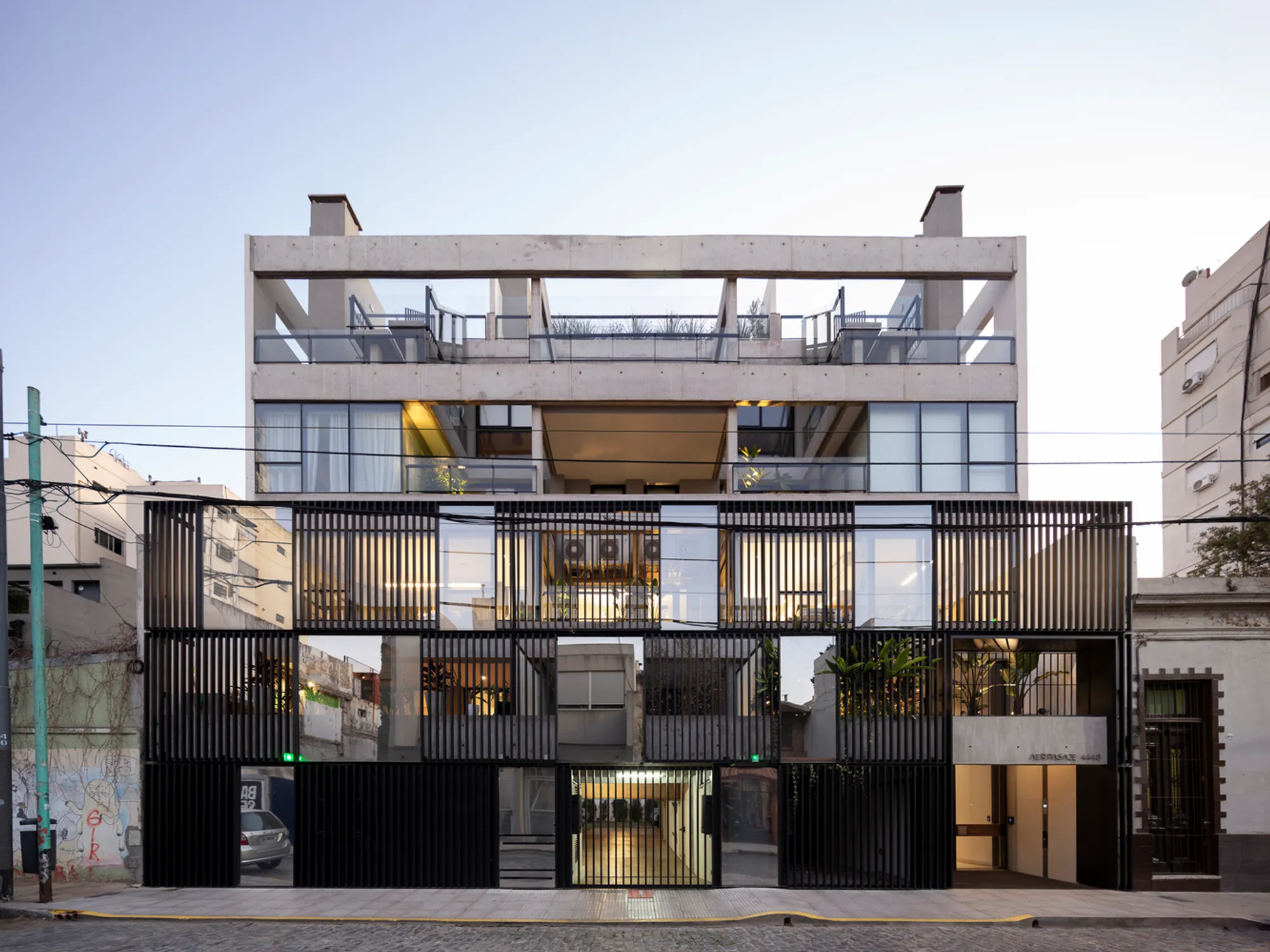
In the heart of Buenos Aires' vibrant Palermo neighborhood, AER Pasaje Apartments by Cubero Rubio represents a new era in contemporary apartment living. This medium-density residential building merges the individuality and freedom of neighborhood-scale living with modern collective habitation, setting a new benchmark for urban residential design.
Design Philosophy
Urban Integration with a Personal Touch
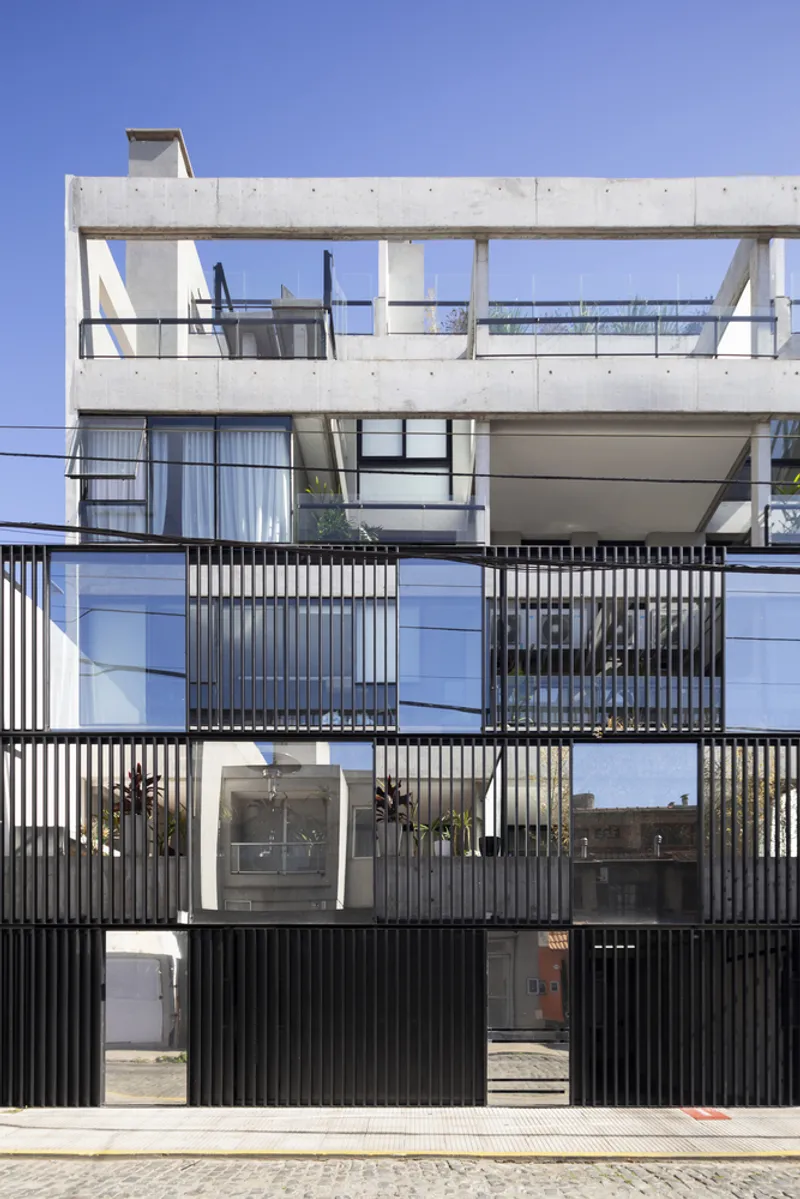
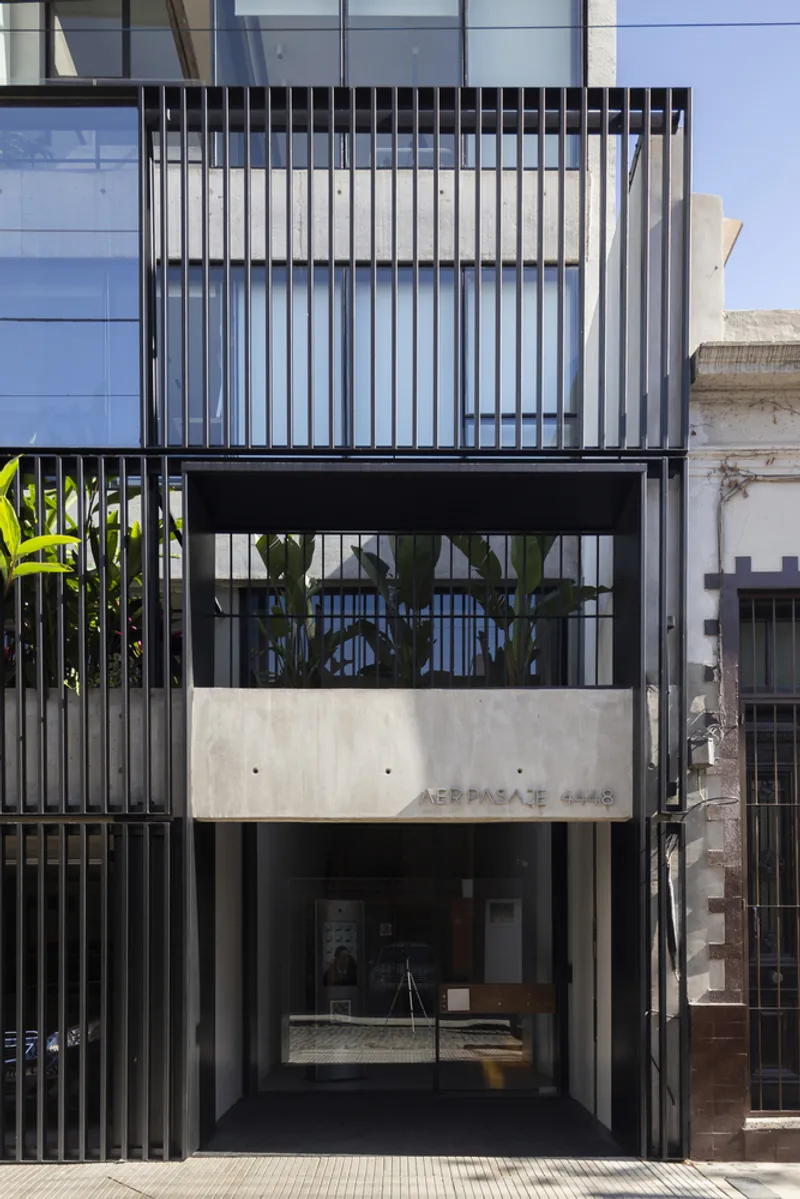
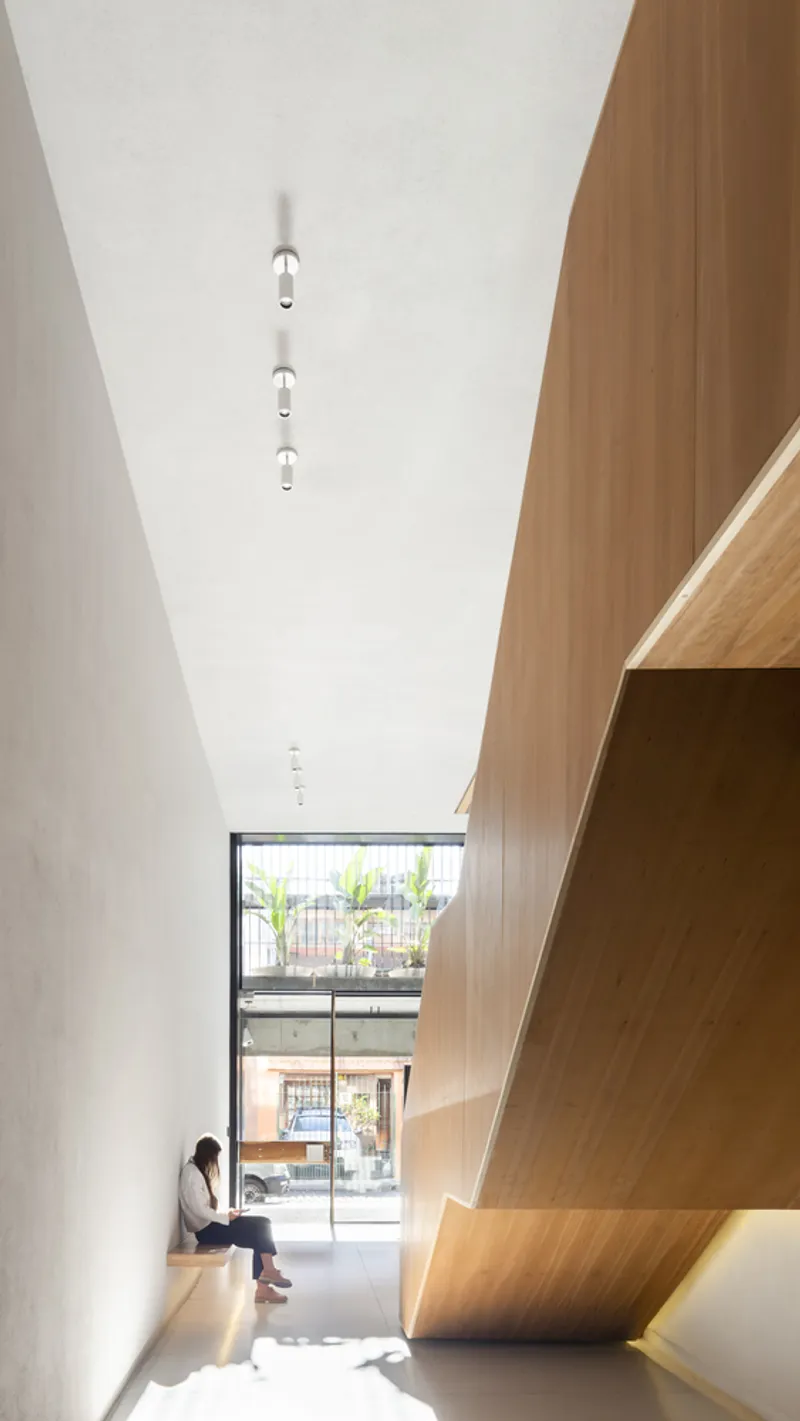
AER Pasaje Apartments stands out for its thoughtful integration into the urban landscape, offering a seamless transition from the bustling city life to tranquil personal spaces. The architects have skillfully navigated the challenge of maintaining the spatiality and scale characteristic of the Palermo passageway, ensuring the new structure complements its surroundings while introducing a modern living solution.
A Facade that Converses with the City
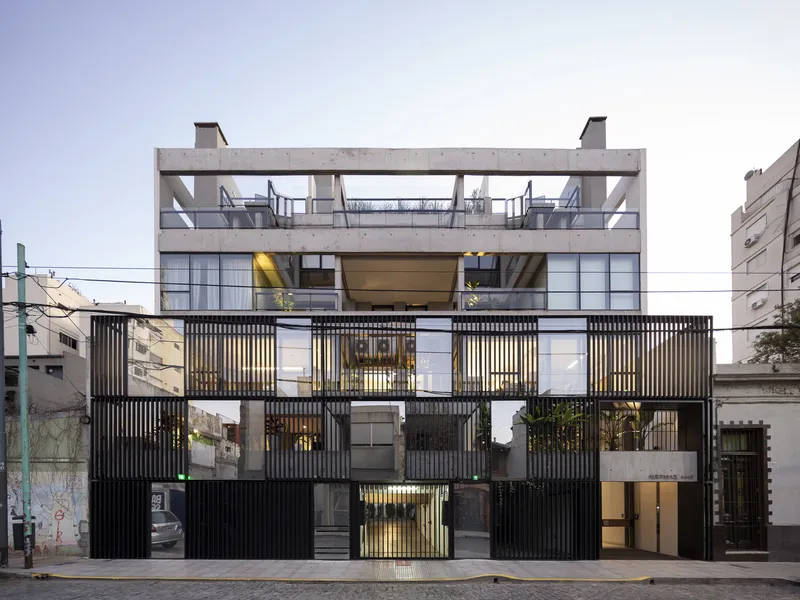
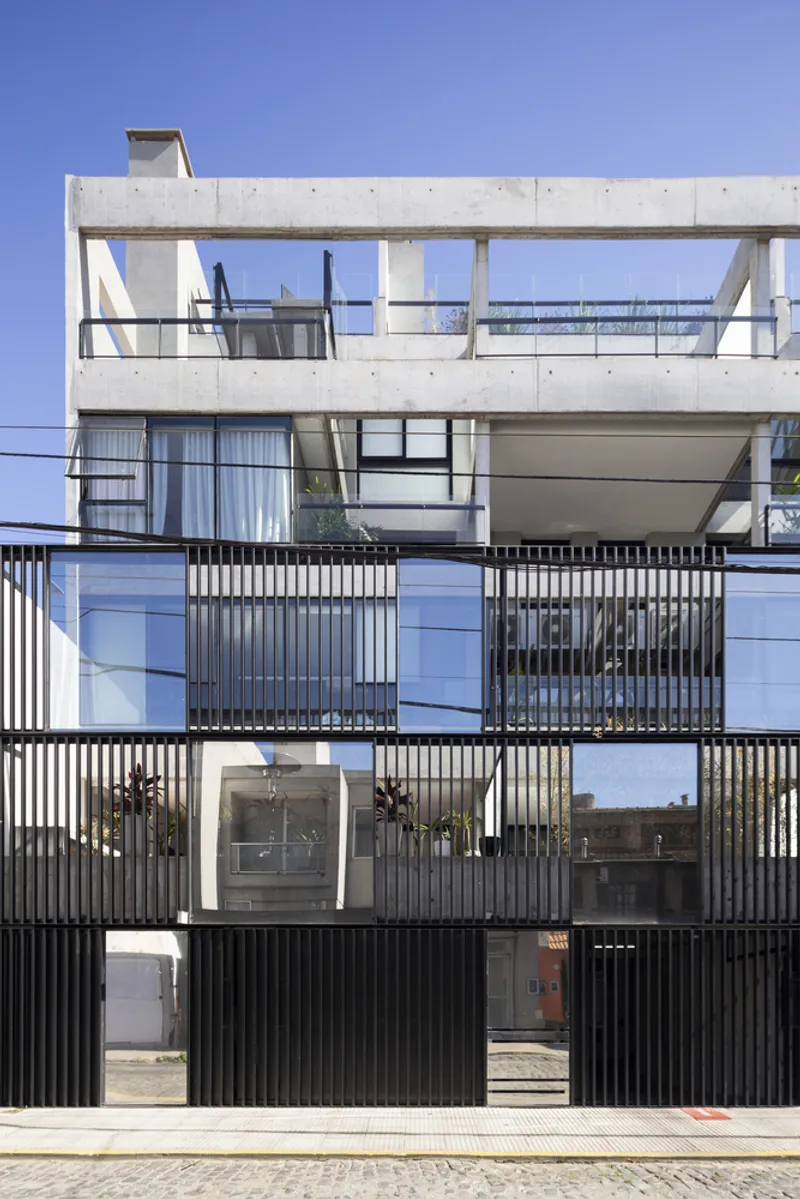
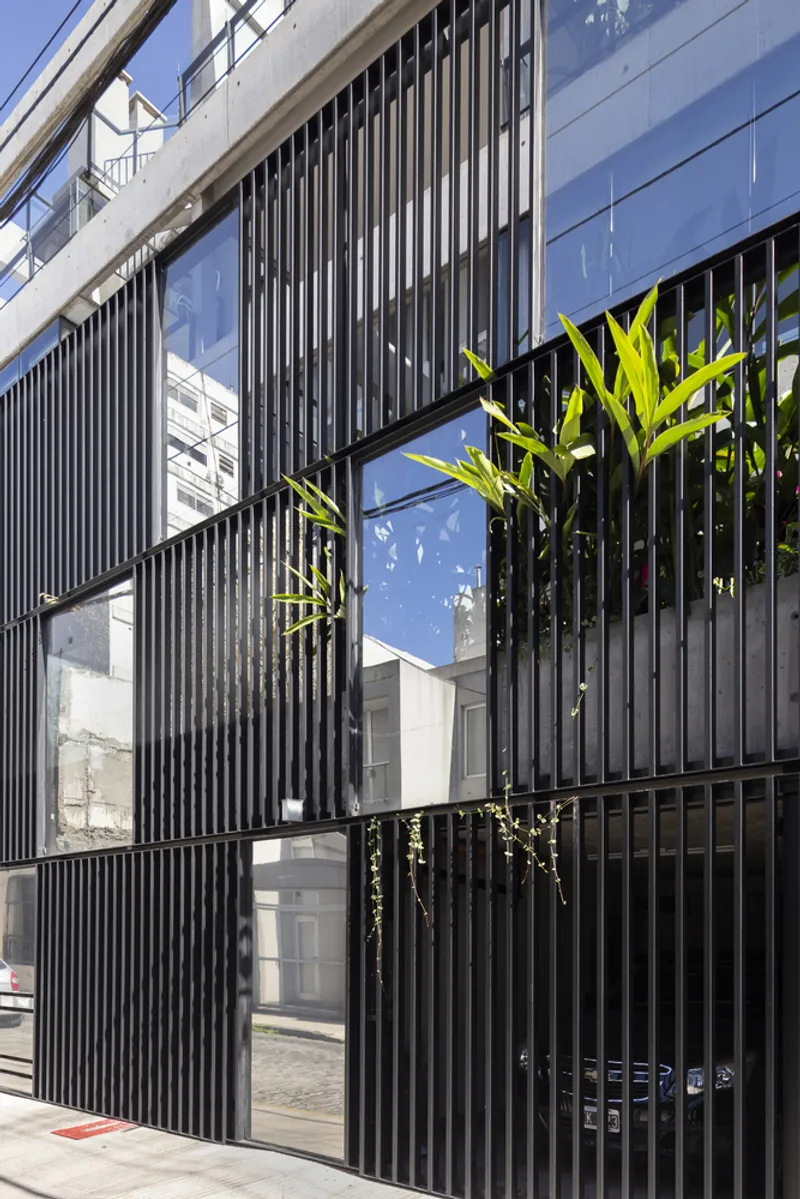
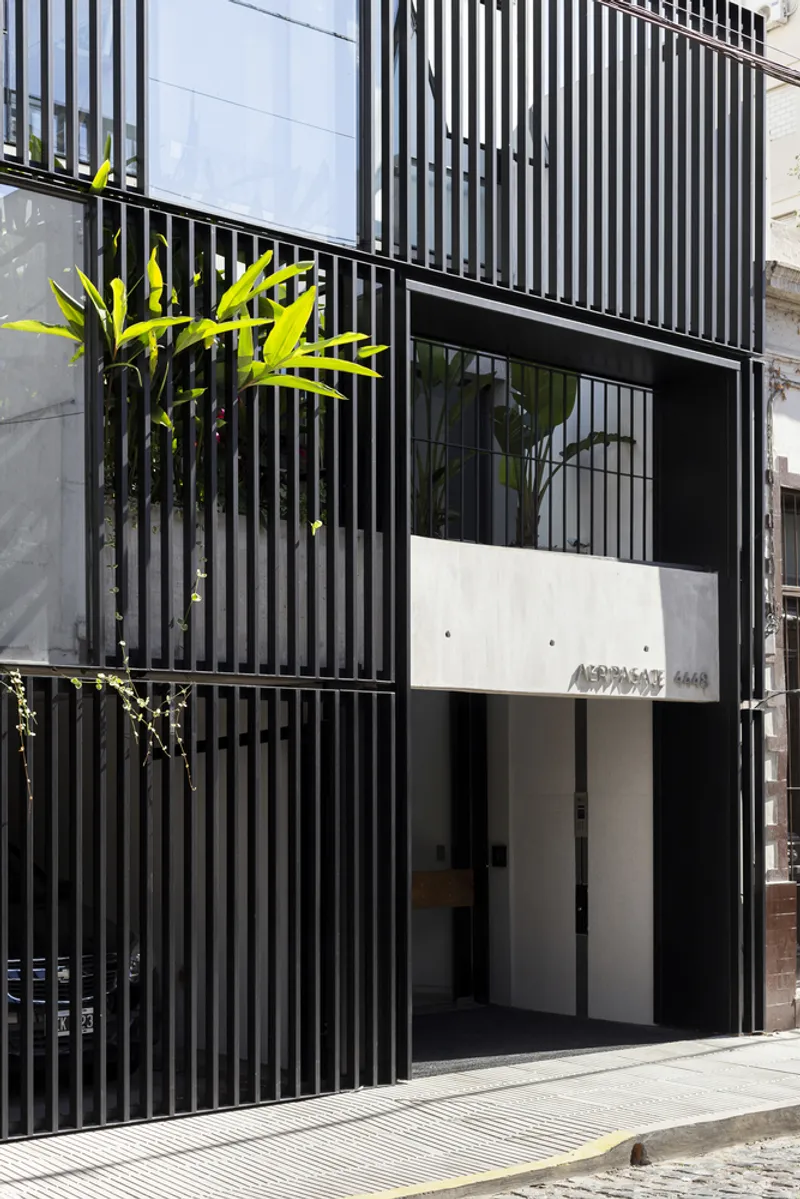
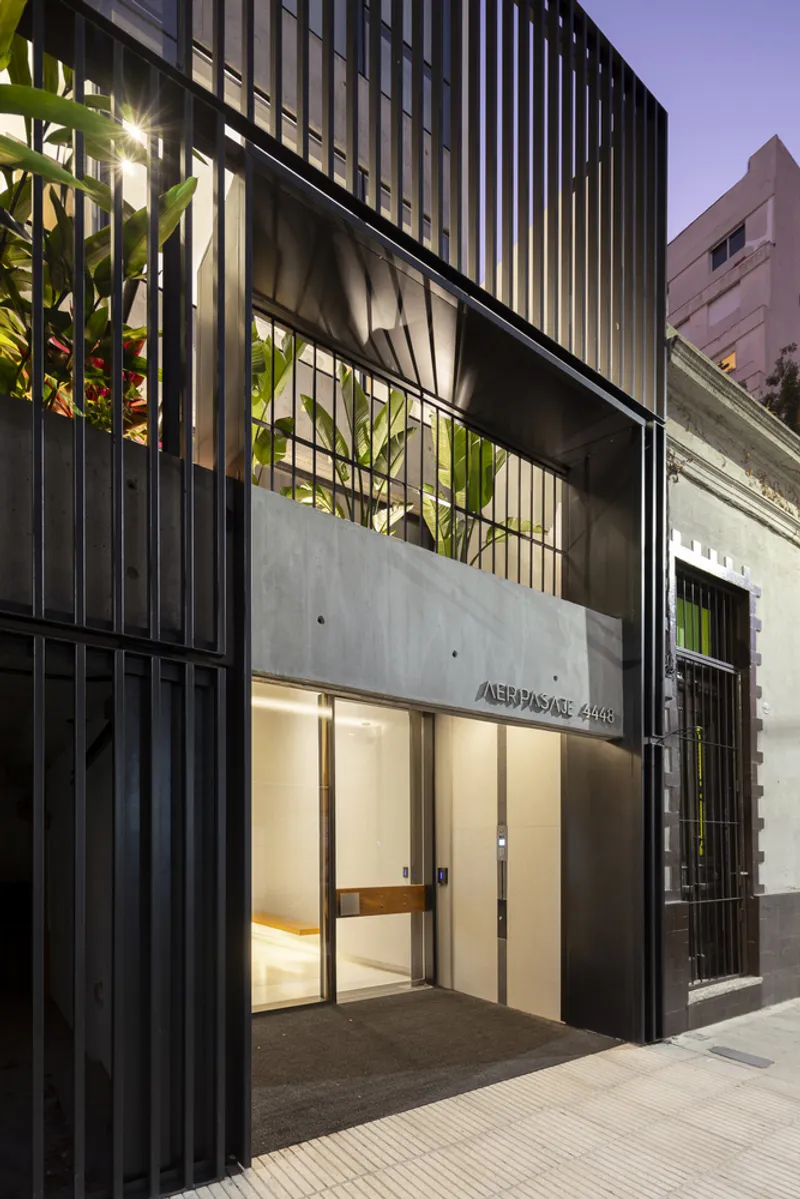
The main facade of AER Pasaje Apartments is a contemporary interpretation of the neighborhood's architectural language. It respects the spatial dynamics of the passageway, featuring horizontal cornices and vertical openings that dialogue with the urban fabric. This approach not only enhances the building's aesthetic appeal but also reinforces its connection to the community.
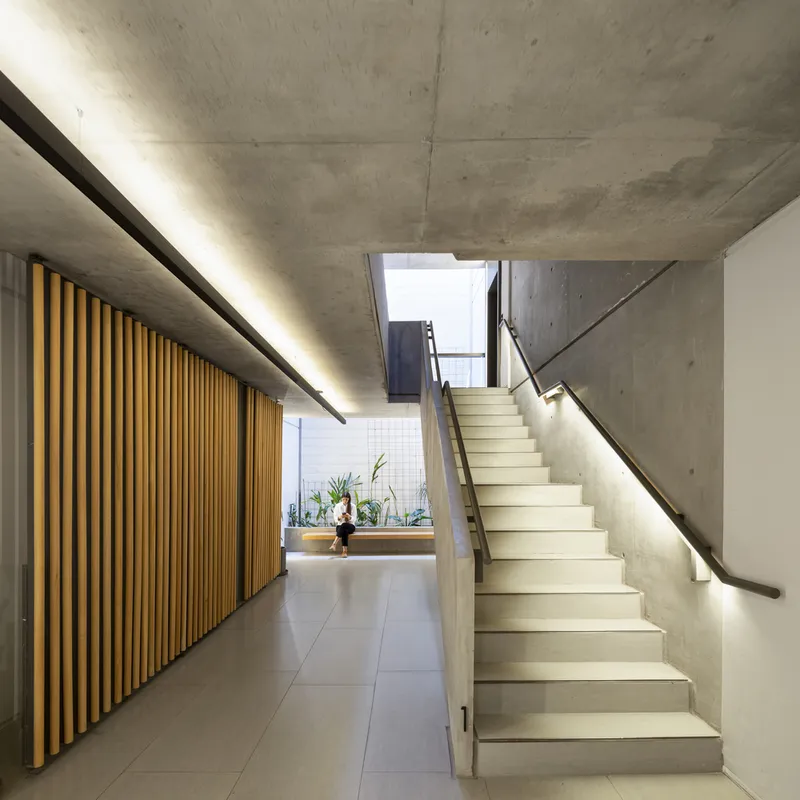
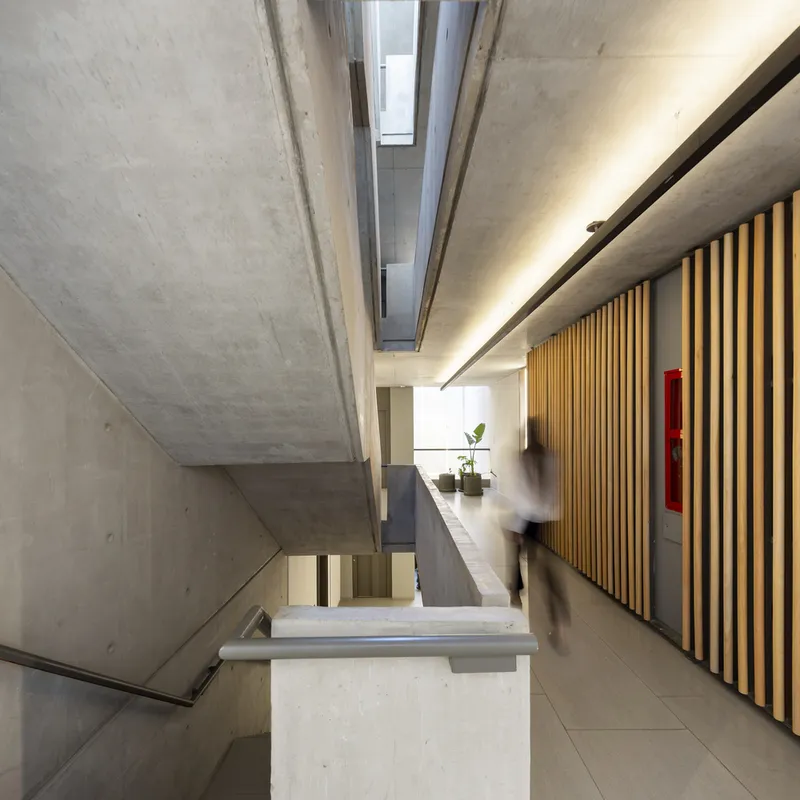
Features of AER Pasaje Apartments
Diverse and Personalized Living Spaces
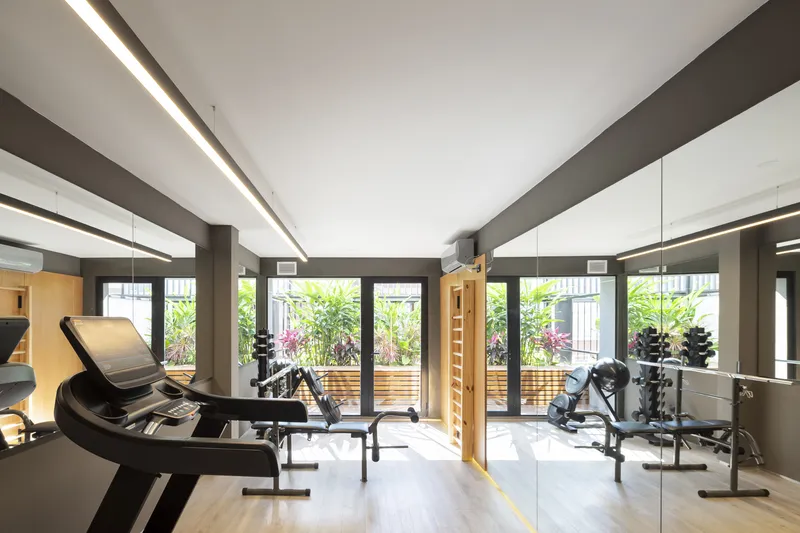
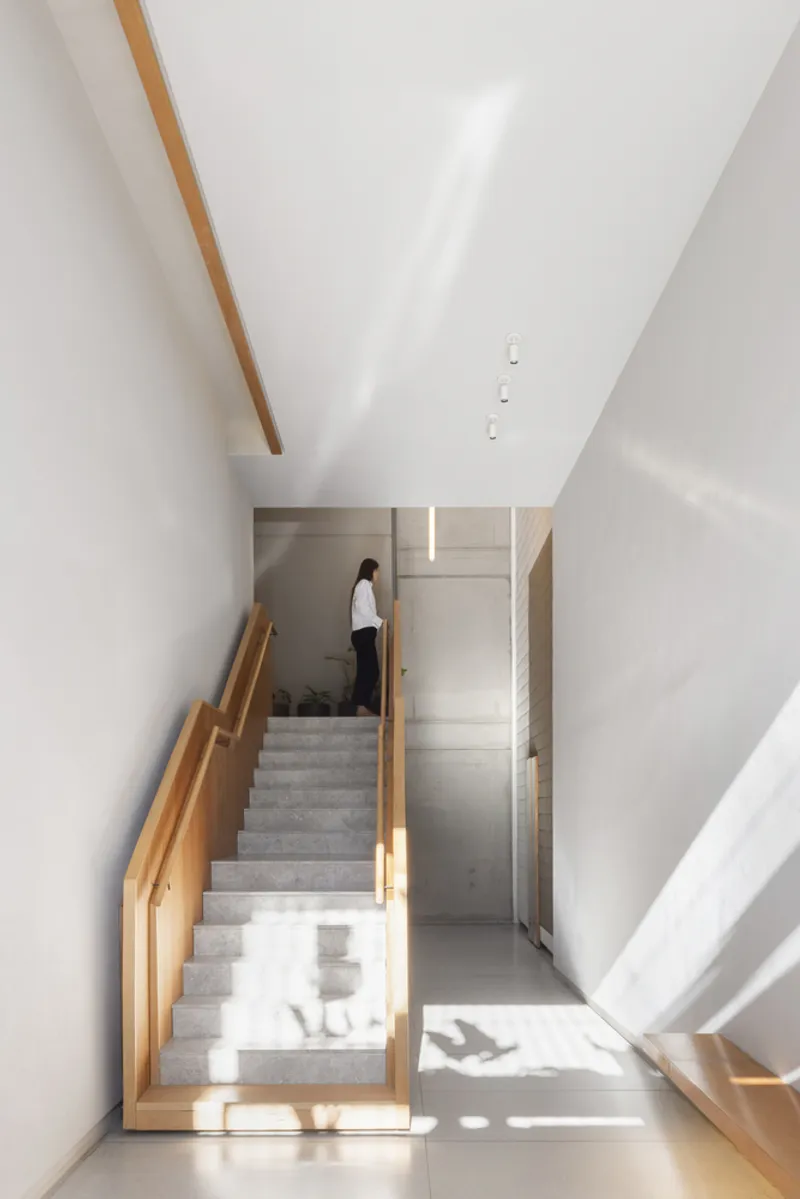
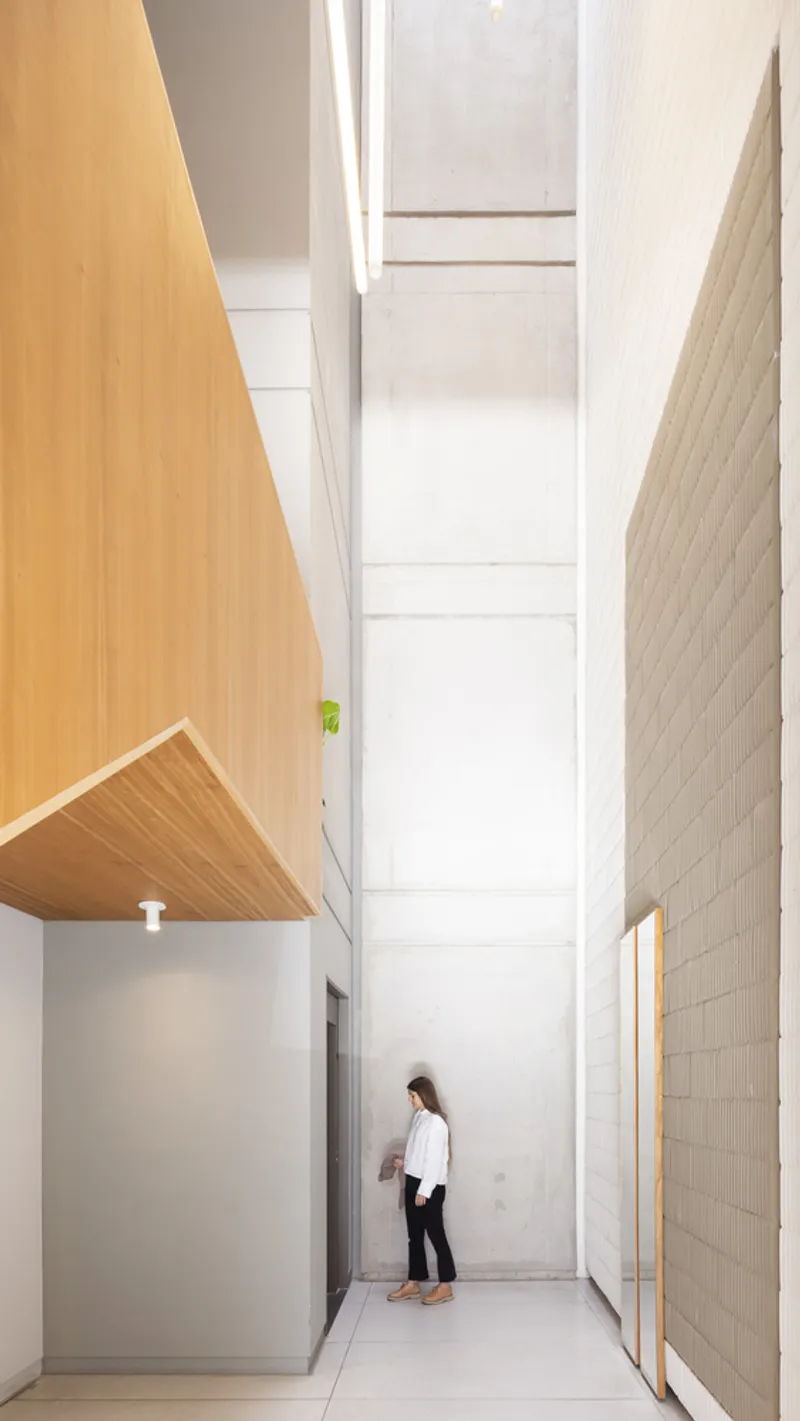
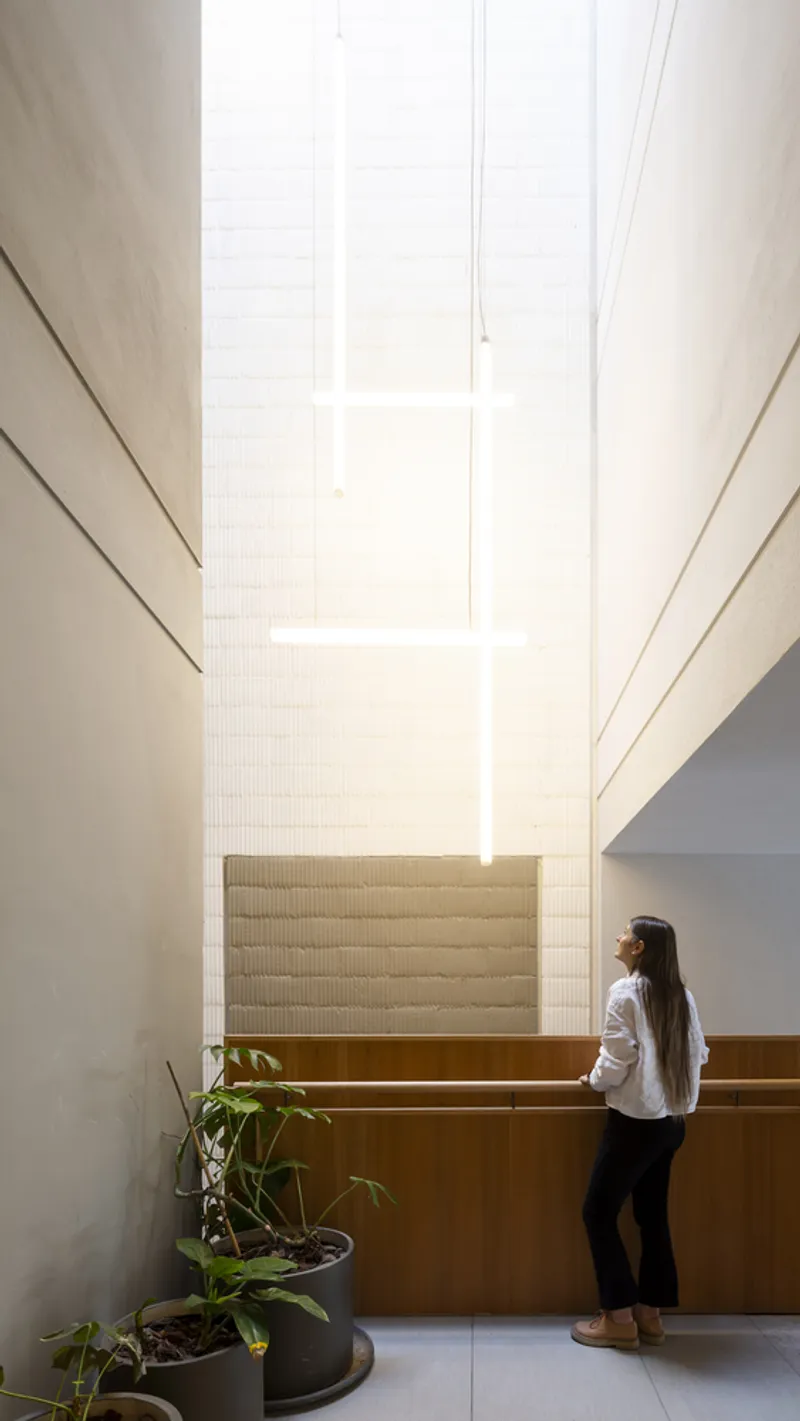
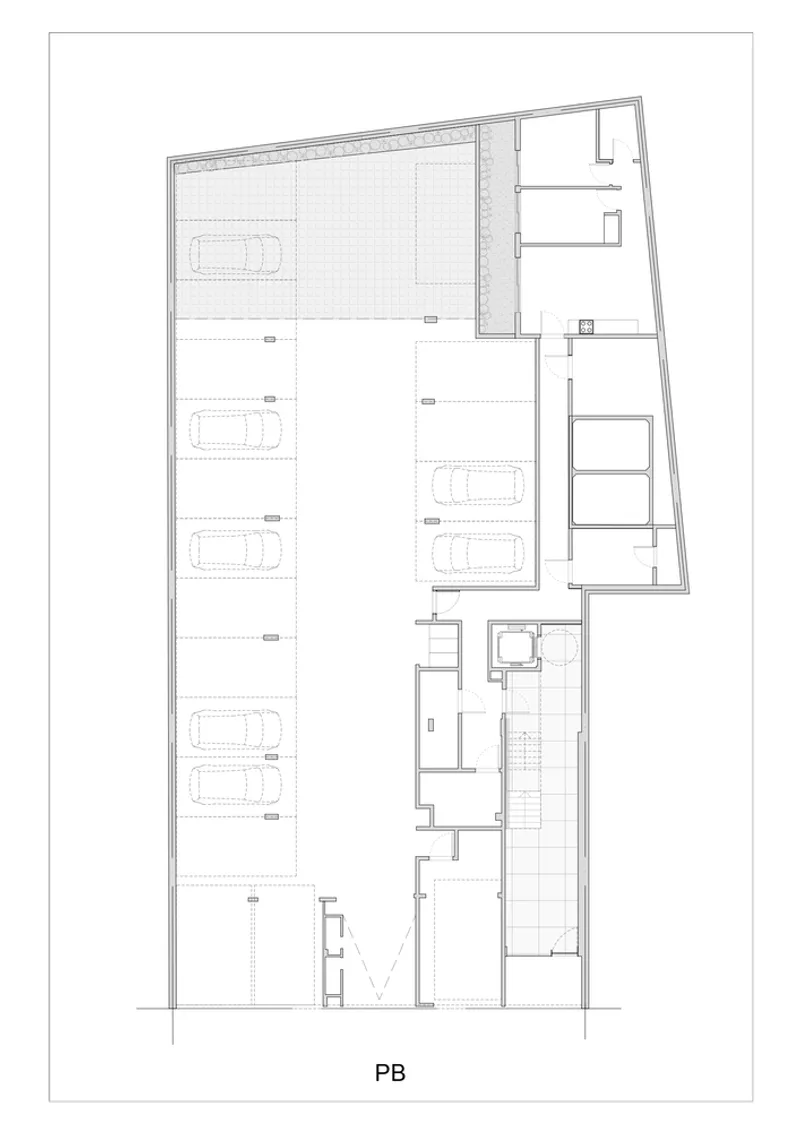
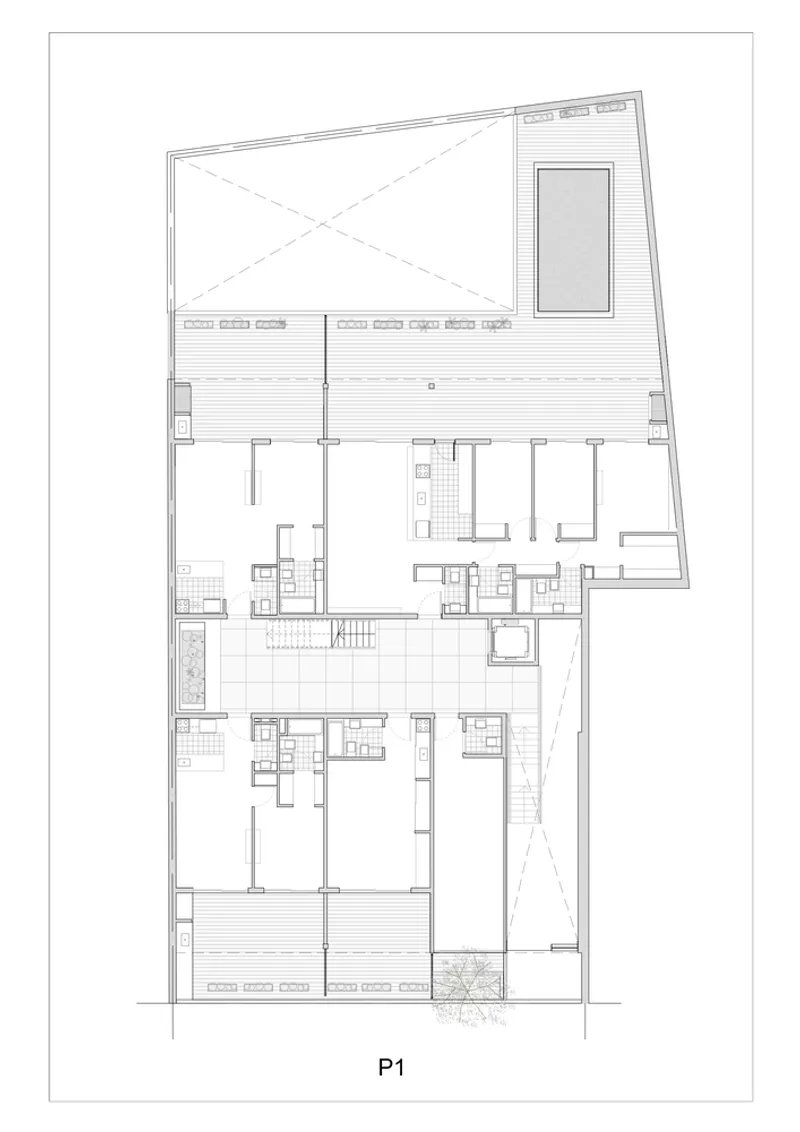
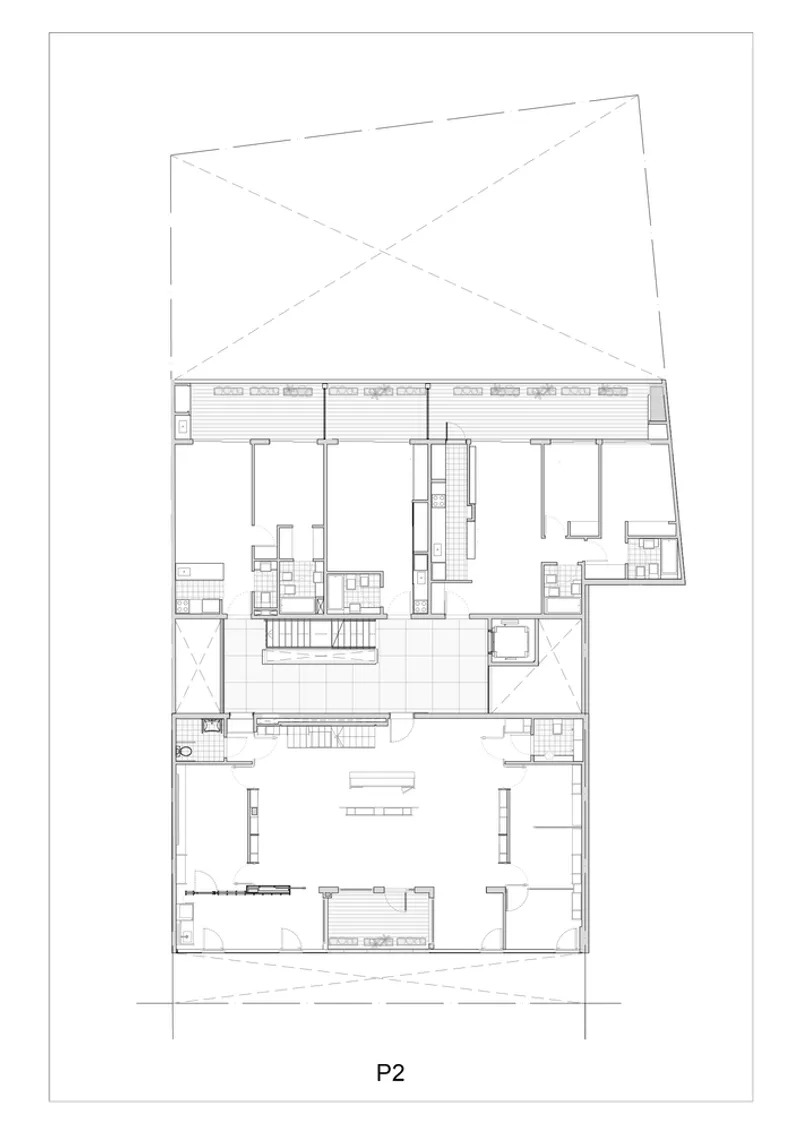
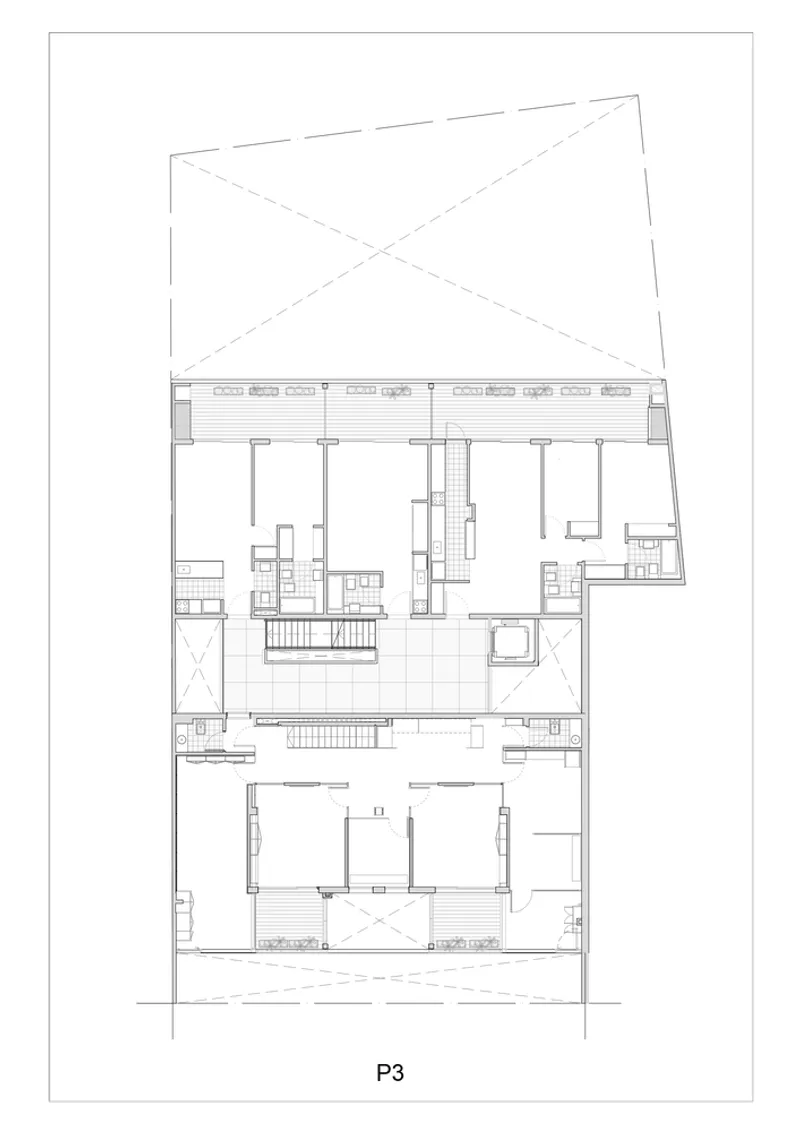
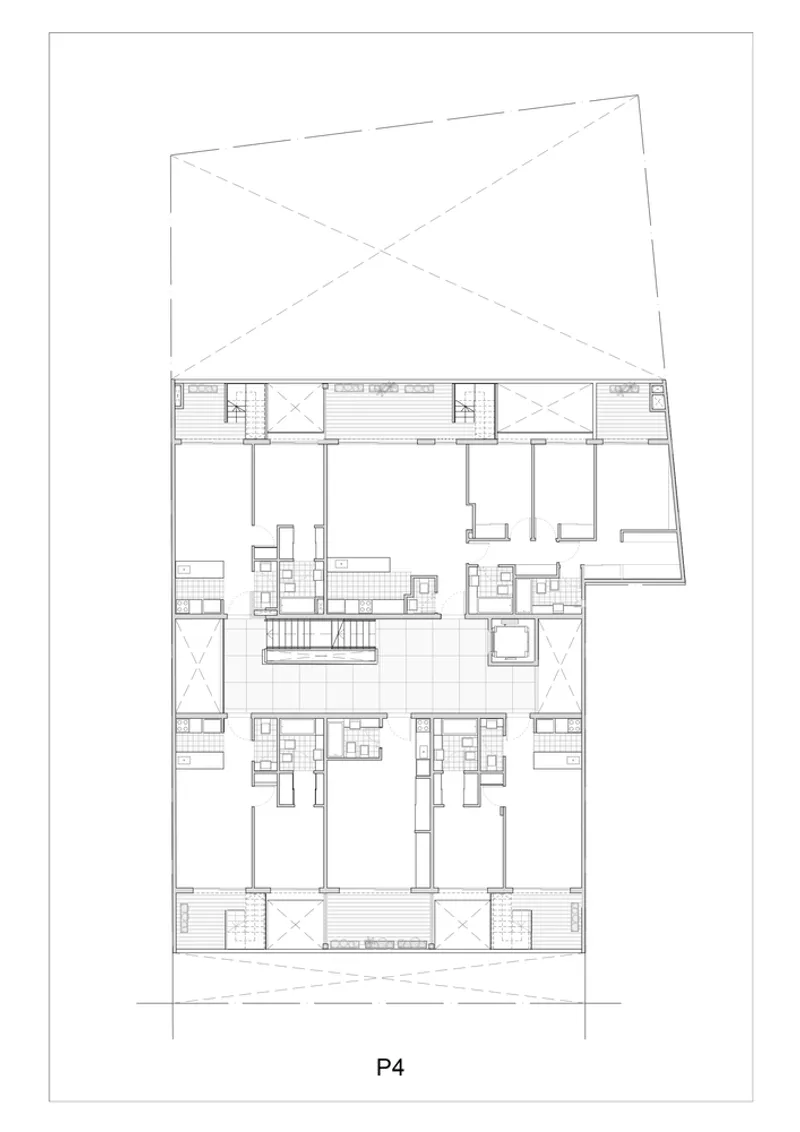
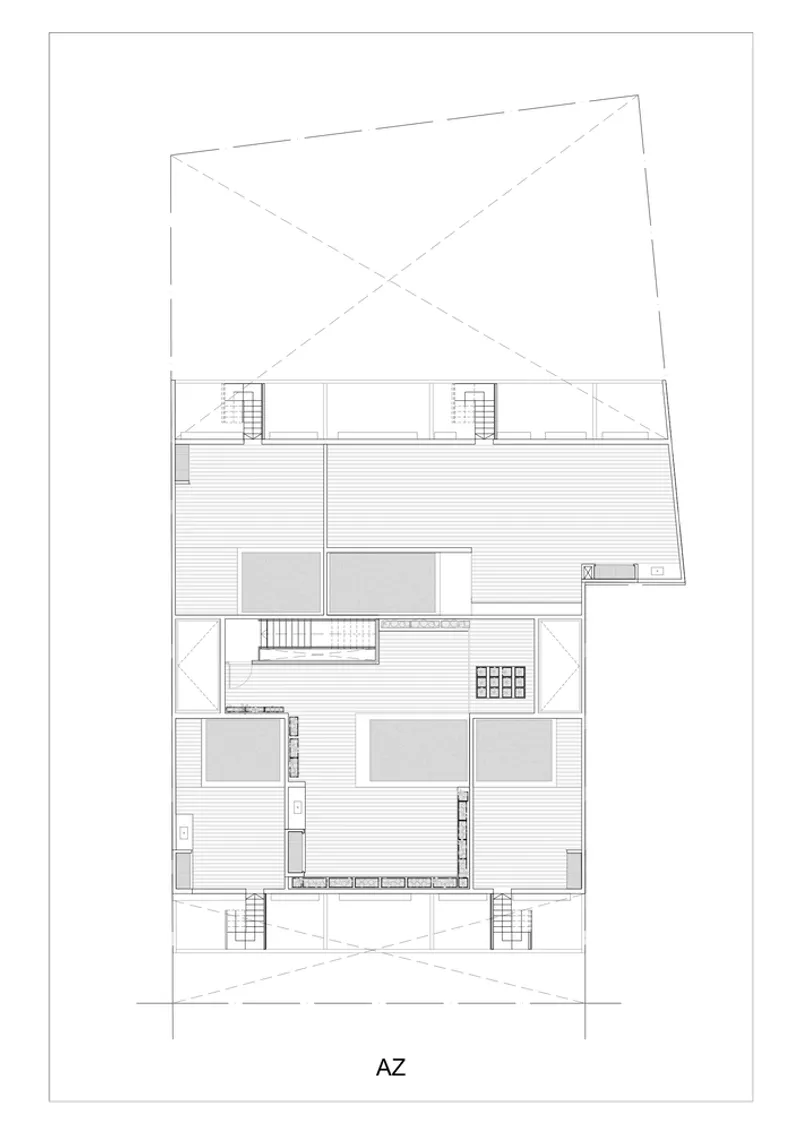
The building houses 17 personalized units, ranging from 1 to 4 rooms, each designed with the residents' comfort and preferences in mind. The inclusion of a gym for common use and both communal and private terraces underscores the project's commitment to providing quality living spaces that cater to modern lifestyles.
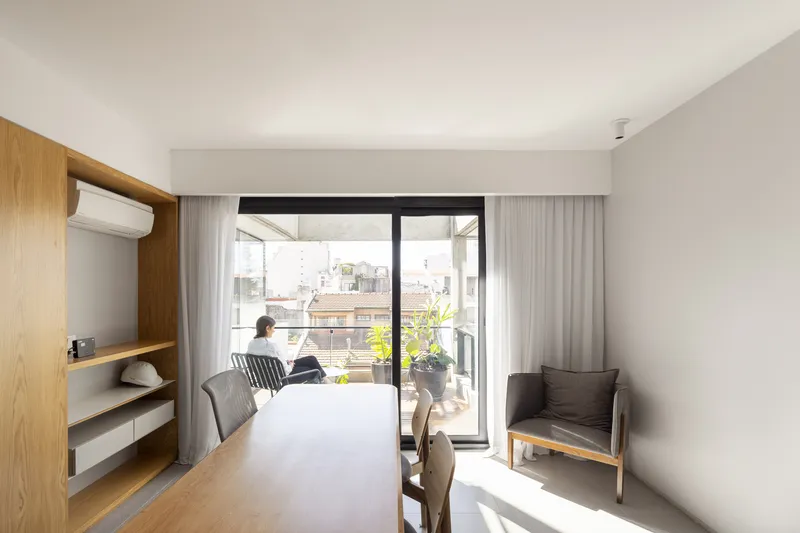
Balconies and Terraces: Extending the Living Space
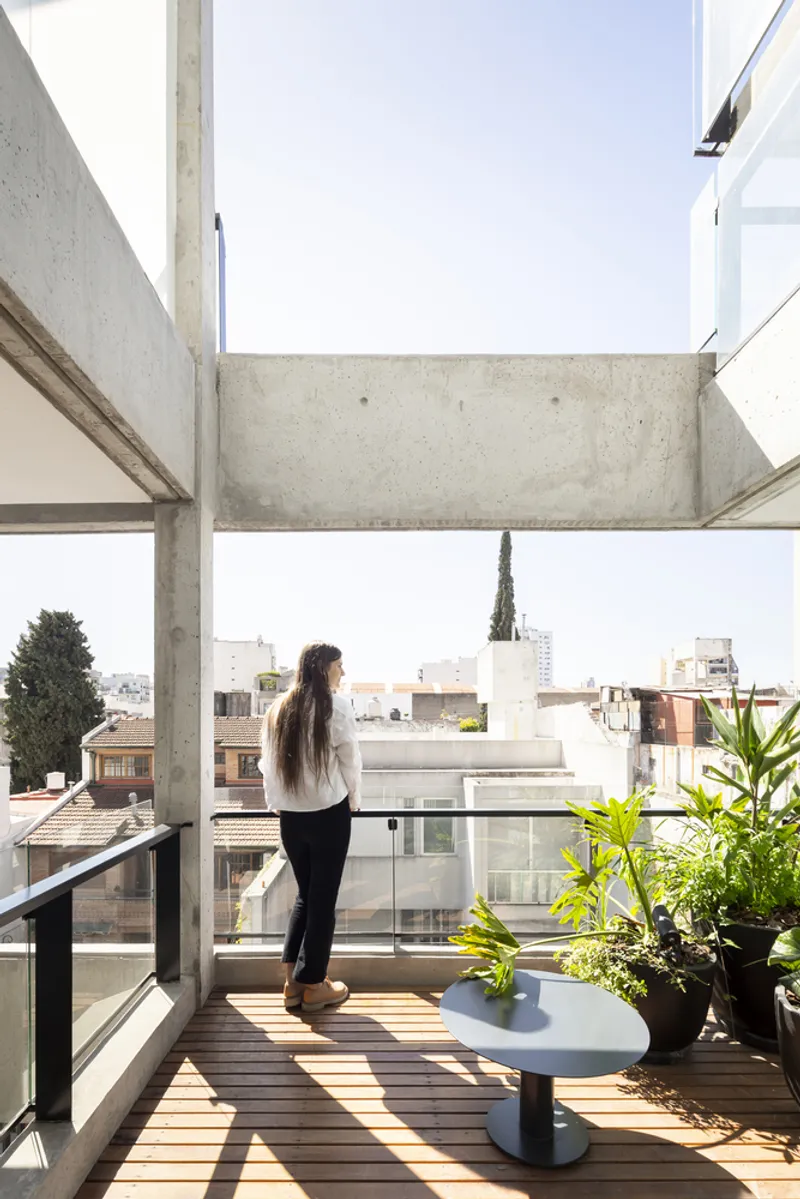
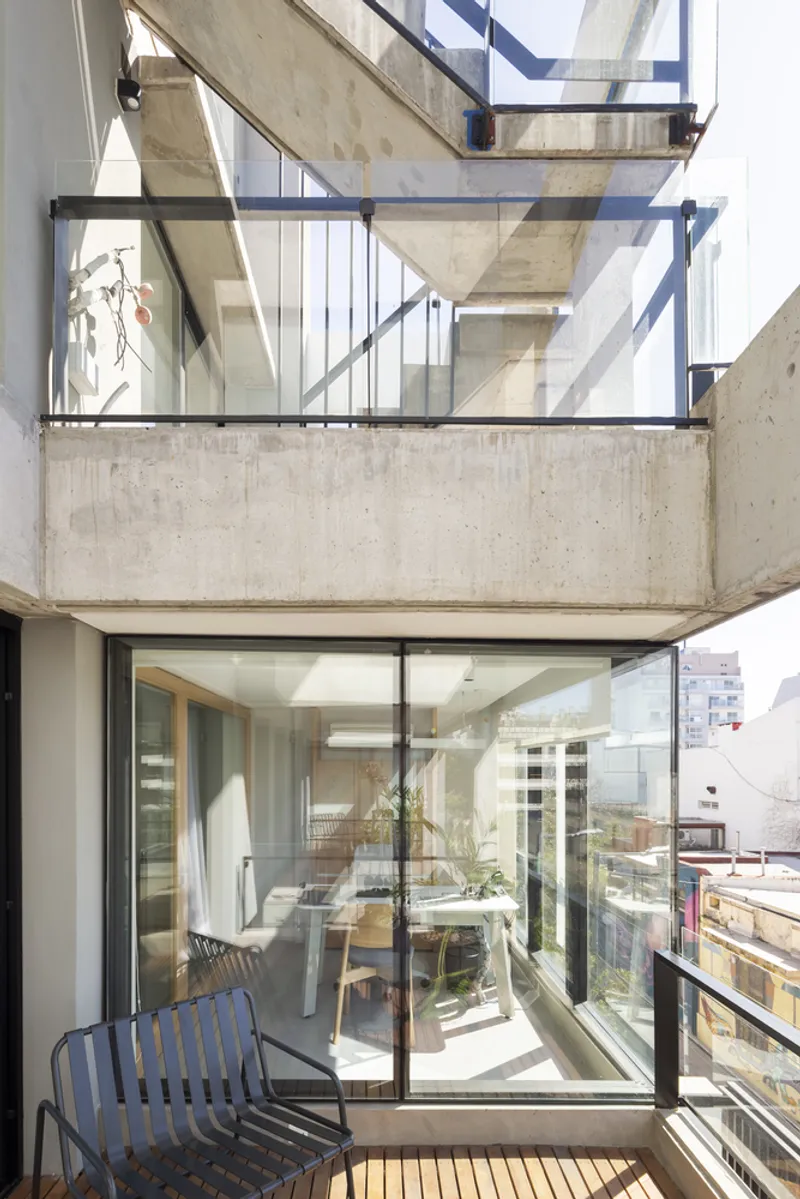
One of the hallmark features of the apartments is their balconies and terraces. With generous proportions and constructed using contemporary materials, these spaces act as extensions of the interior, blurring the boundaries between indoor and outdoor living. They not only enhance the aesthetic and functional aspects of the apartments but also contribute to the residents' quality of life by offering private outdoor areas.
AER Pasaje Apartments by Cubero Rubio marks a significant evolution in contemporary apartment living. Through its architectural excellence, integration with the urban landscape, and focus on personalized living spaces, it offers a unique living experience in Buenos Aires. This project exemplifies how modern residential buildings can contribute positively to the fabric of the city while providing residents with comfortable, stylish, and functional homes.
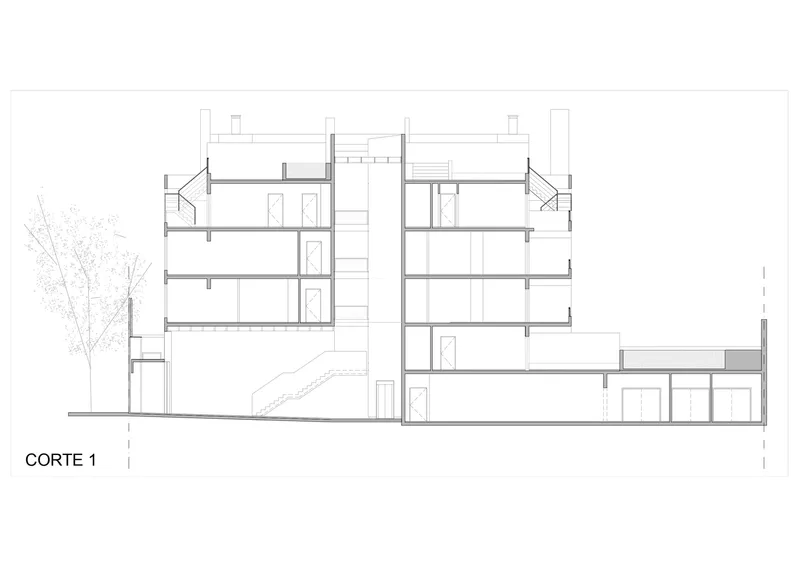
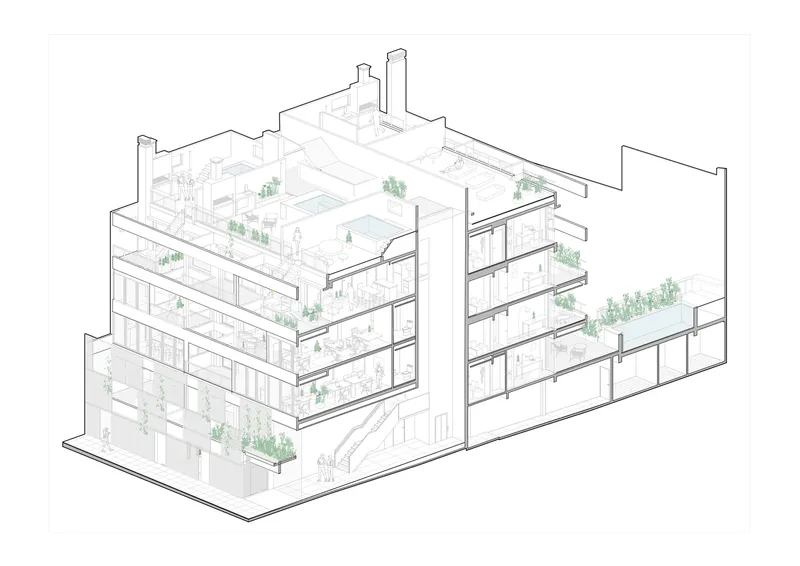
All Photographs are the work of Ramiro Sosa




Popular Articles
Popular articles from the community


Co-Life: Senior Housing Design That Reconnects Older Adults With the City
Co-Life reimagines senior housing design through healing gardens, shared streets, workshops, and a sustainable community across generations.

The Earth Pod: 3D Printed Homes for Resilient Refugee Communities
The Earth Pod reimagines refugee housing through 3D printed homes made from clay, combining resilience, self-sufficiency, and rapid shelter.

Co-life: Sustainable Architecture for Age-Friendly Community Living
Co-life reimagines sustainable architecture for seniors through courtyards, rammed earth, shared gardens, and spaces designed for belonging.

Lunar Spiral: Space Architecture Shaped by the Mathematics of the Universe
Lunar Spiral reimagines space architecture through Fibonacci geometry, lunar regolith, levitating habitats, and self-sustaining Moon living.


Similar Reads
You might also enjoy these articles


Hodi-Mandai Geram
Project Function: Preservation and revitalization of the Intangible heritage and socio-spatial identity of the Hodi by Housing, Cultural Memory Center, Sacred Grove, landscape, local tourism economy


Olio Towers: A Mid-Rise for Performers That Fuses Housing, Rehearsal, and Stage
Located blocks from Houston's Theater District, this modular tower stacks living units around a central performance atrium.

Oasis: Modular Green Housing Carved into Dhaka's Urban Fabric
A shortlisted Plugin Housing entry reclaims unauthorized settlements in Dhaka with stepped concrete volumes, green roofs, and ventilation-driven design.

Black Hole: A Floating Megastructure for the Post-Physical Era
Emiliano Mazzarotto envisions a spherical, self-scaling arena where e-sports, digital hotels, and holographic stadiums replace traditional public space.


Explore Apartment Competitions
Discover active competitions in this discipline



Challenge to reimagine the Iron Throne


Photograph architecture without architects


Illustrate the lost glory of Angkor Wat - Render Challenge


Design challenge to reuse E-waste
Comments (0)
Please login or sign up to add comments
No comments yet. Be the first to comment!