
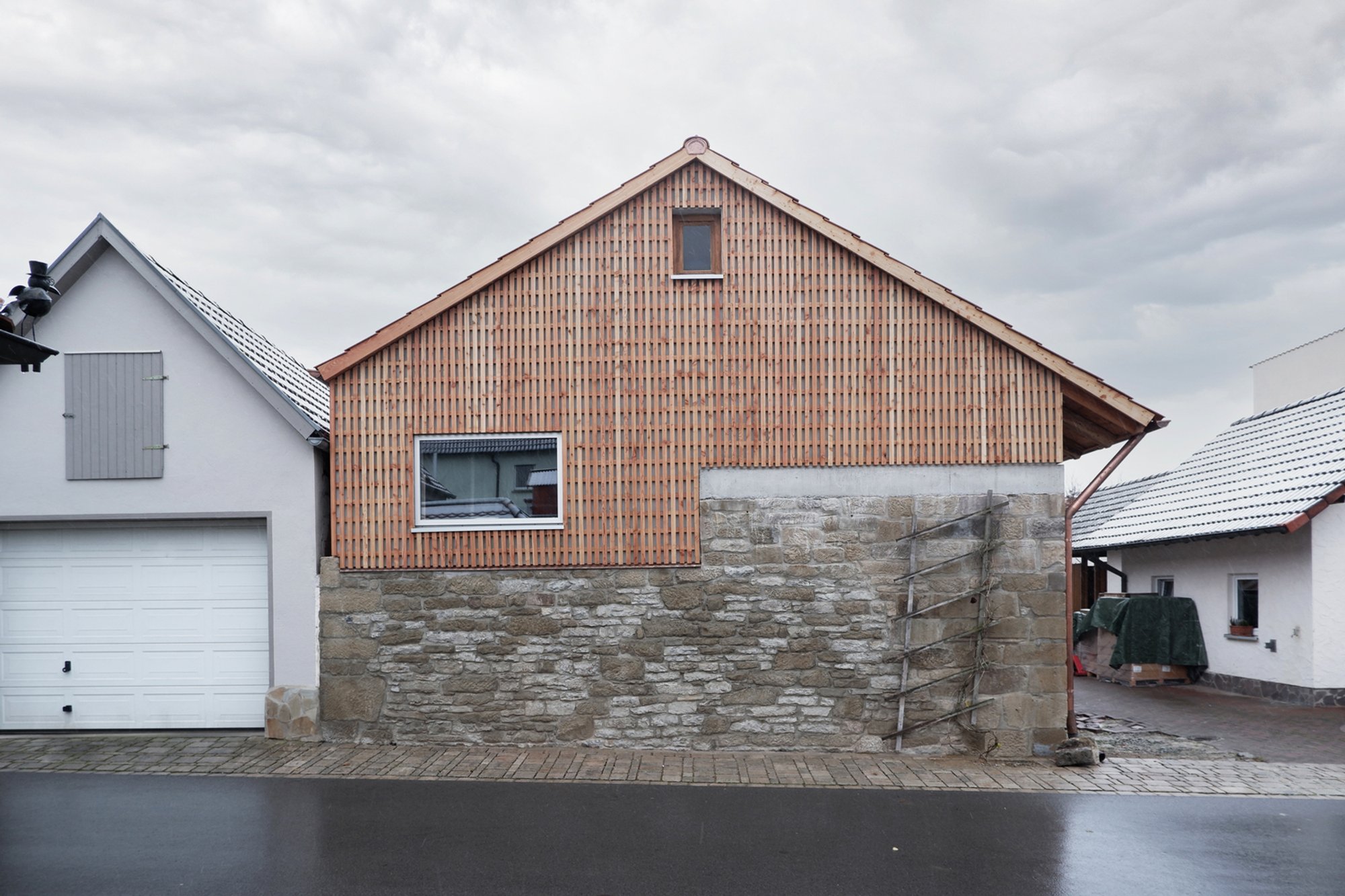
Conversion of a Franconian Farmhouse by André Rieß
Adaptive reuse of a Franconian farmhouse by André Rieß, blending historic preservation, sustainable materials, and contemporary design into a multifunctional rural space.

Located in the heart of Rödelmaier, Franconia, this project by architect André Rieß reimagines a traditional farmhouse dating back to around 1900. After years of vacancy and structural decline, the building has been thoughtfully restored and converted into a multi-purpose hall with an adjoining bedroom and barrier-free bathroom. The design balances heritage preservation with contemporary functionality, ensuring the farmhouse retains its historic character while meeting modern needs.
Respecting Local Context and Tradition
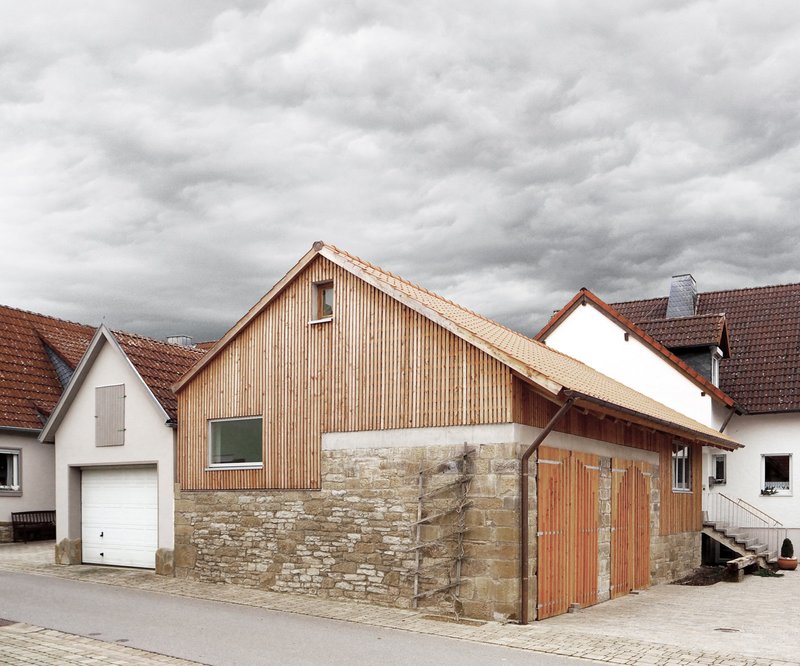
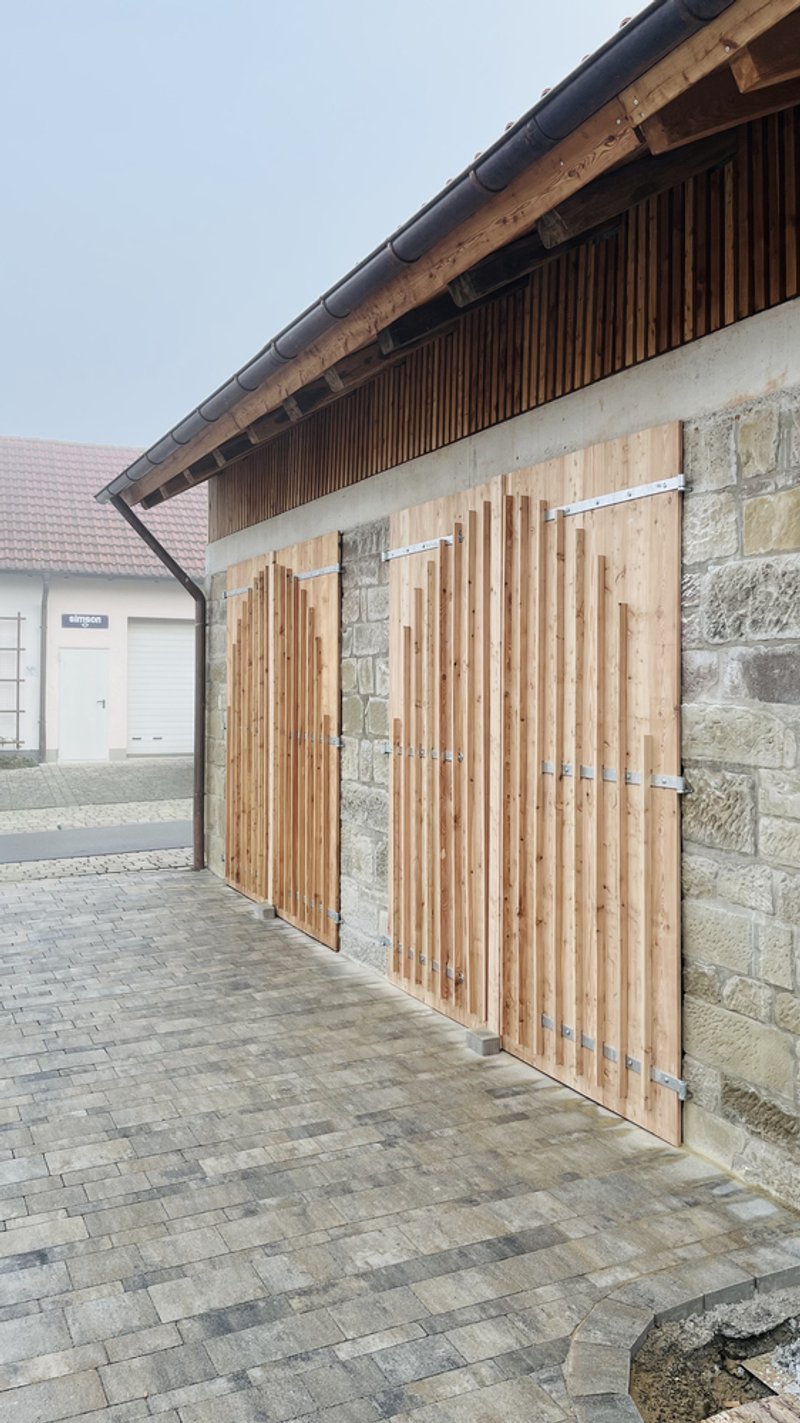
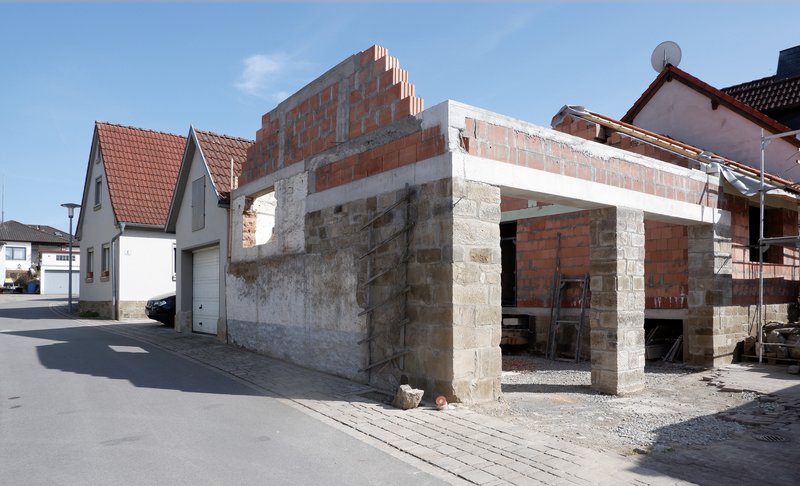
The architectural approach draws inspiration from Franconian vernacular architecture, with façades that reinterpret regional building traditions in a contemporary architectural language. The cubature integrates seamlessly into the village streetscape, while its minimalist details and archaic form give the farmhouse a new creative identity. All existing exterior wall alignments were preserved, maintaining continuity with the surrounding built environment.
Materiality and Structural Transformation
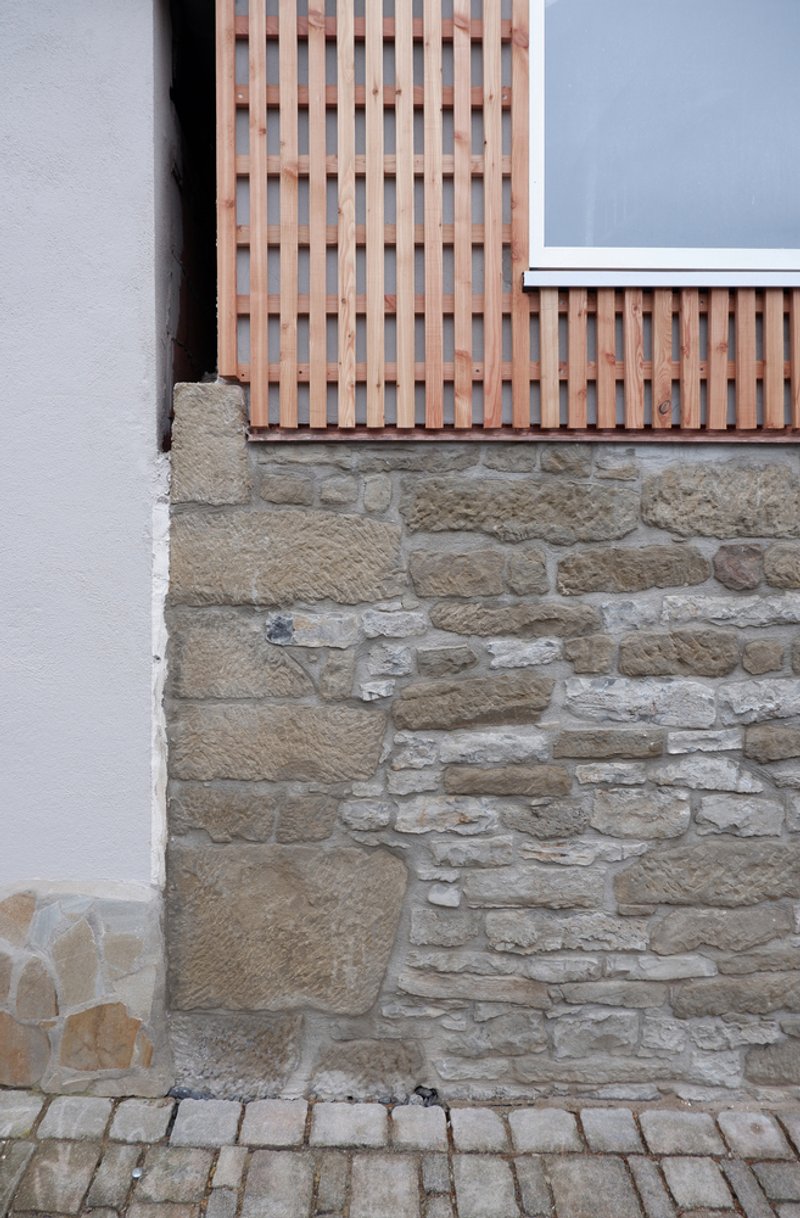
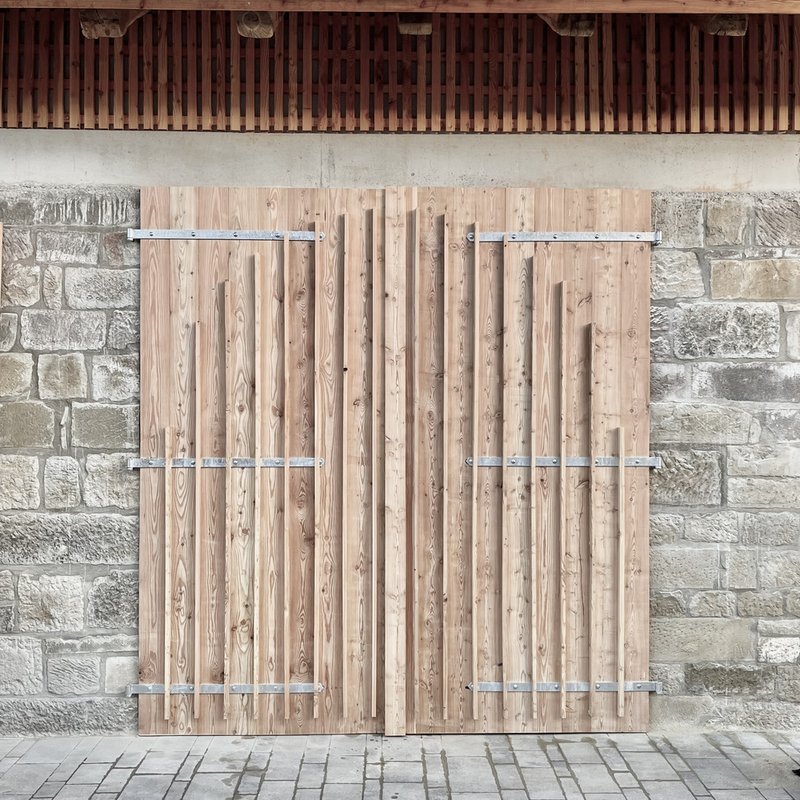
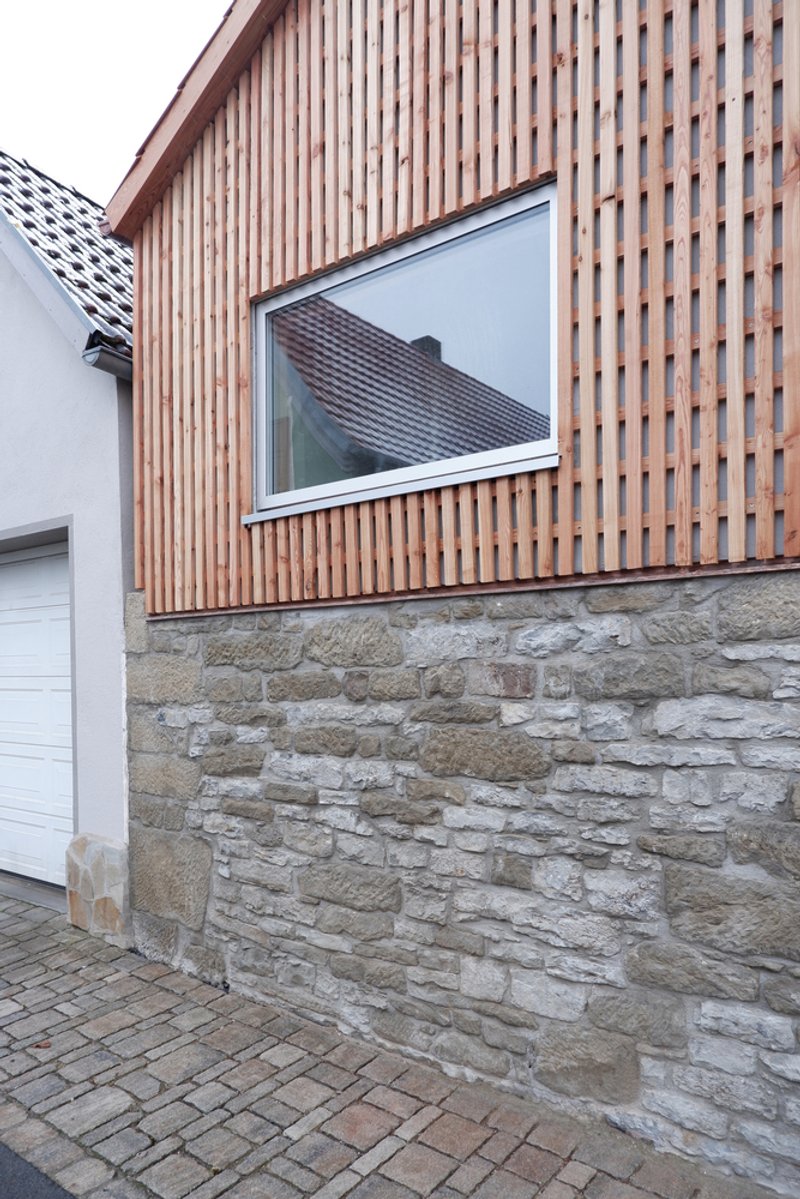
At the ground level, the original sandstone wall was exposed to serve as the building’s foundation, symbolizing continuity with the past. This base is complemented by double-skin masonry and larch wood lathing, meticulously crafted with hidden screw connections for a refined, seamless façade.
The roof structure underwent careful adaptation: the pitch was reduced to 30 degrees, enabling the reuse of the existing oak roof beams, which were shortened due to structural damage. The roof was completed with natural red hollow interlocking tiles, echoing the traditional Franconian gutter tiles.
Interior Renewal and Spatial Experience
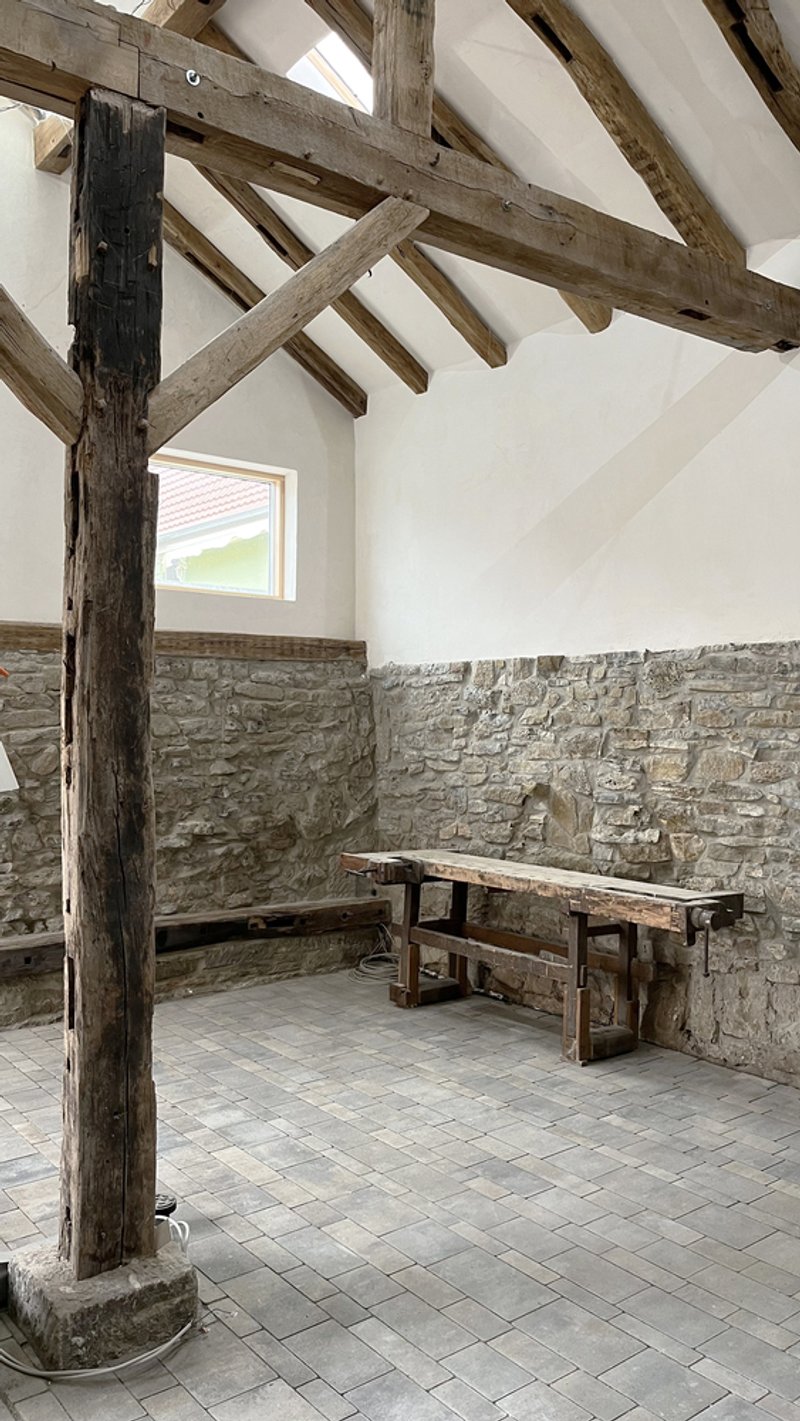
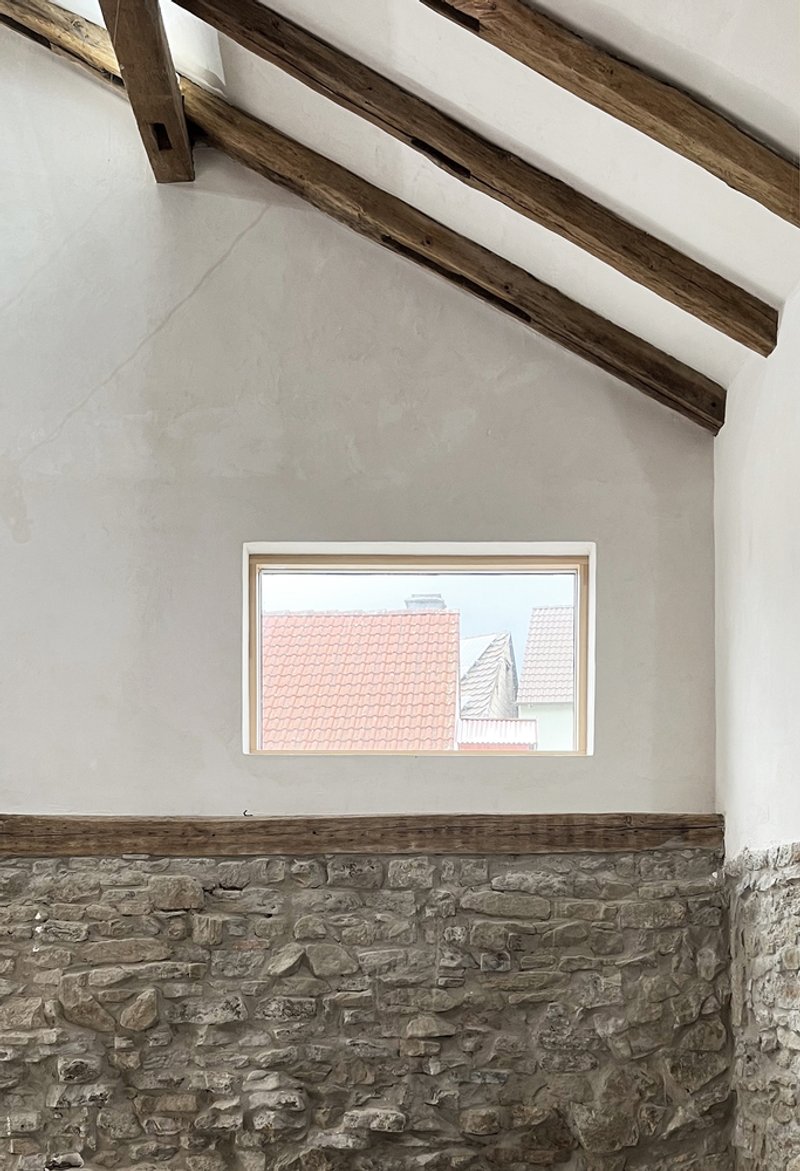
Inside, the farmhouse was completely restructured to create clear functional divisions. A single-flight staircase organizes the building, separating the open hall from the private bedroom and bathroom. The hall showcases visible quarry stone walls, topped with masonry finished in natural lime plaster, enhancing both the aesthetic and indoor climate through natural moisture regulation.
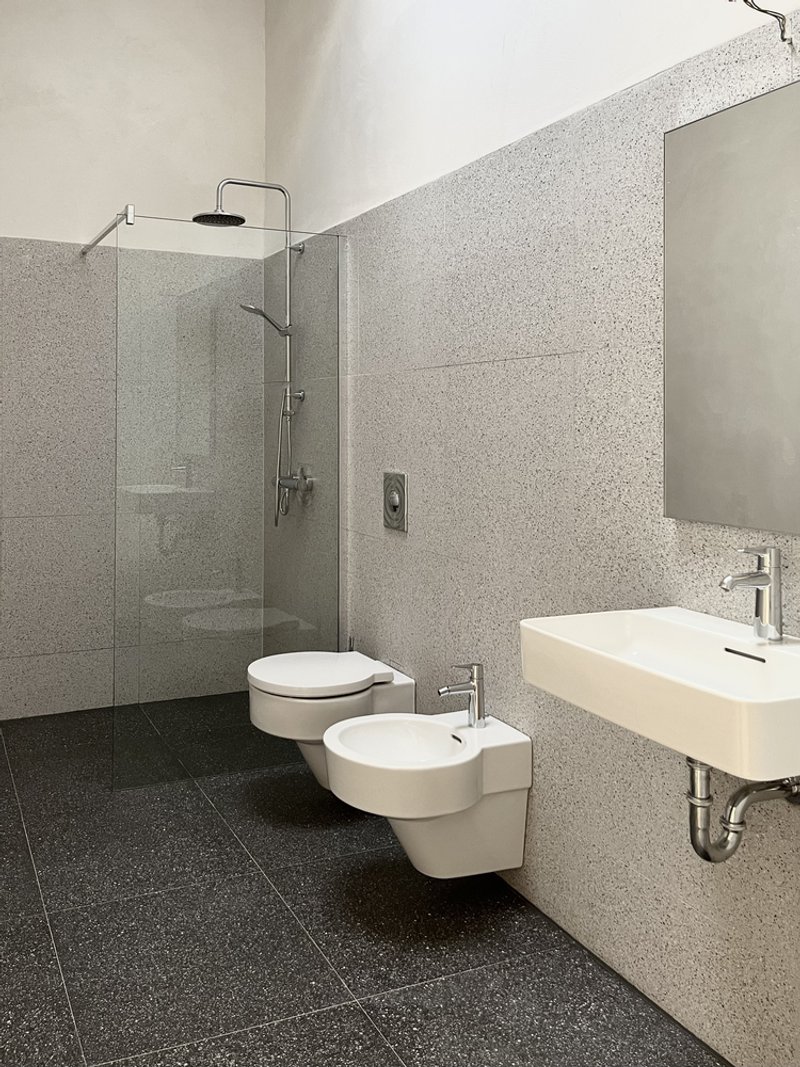
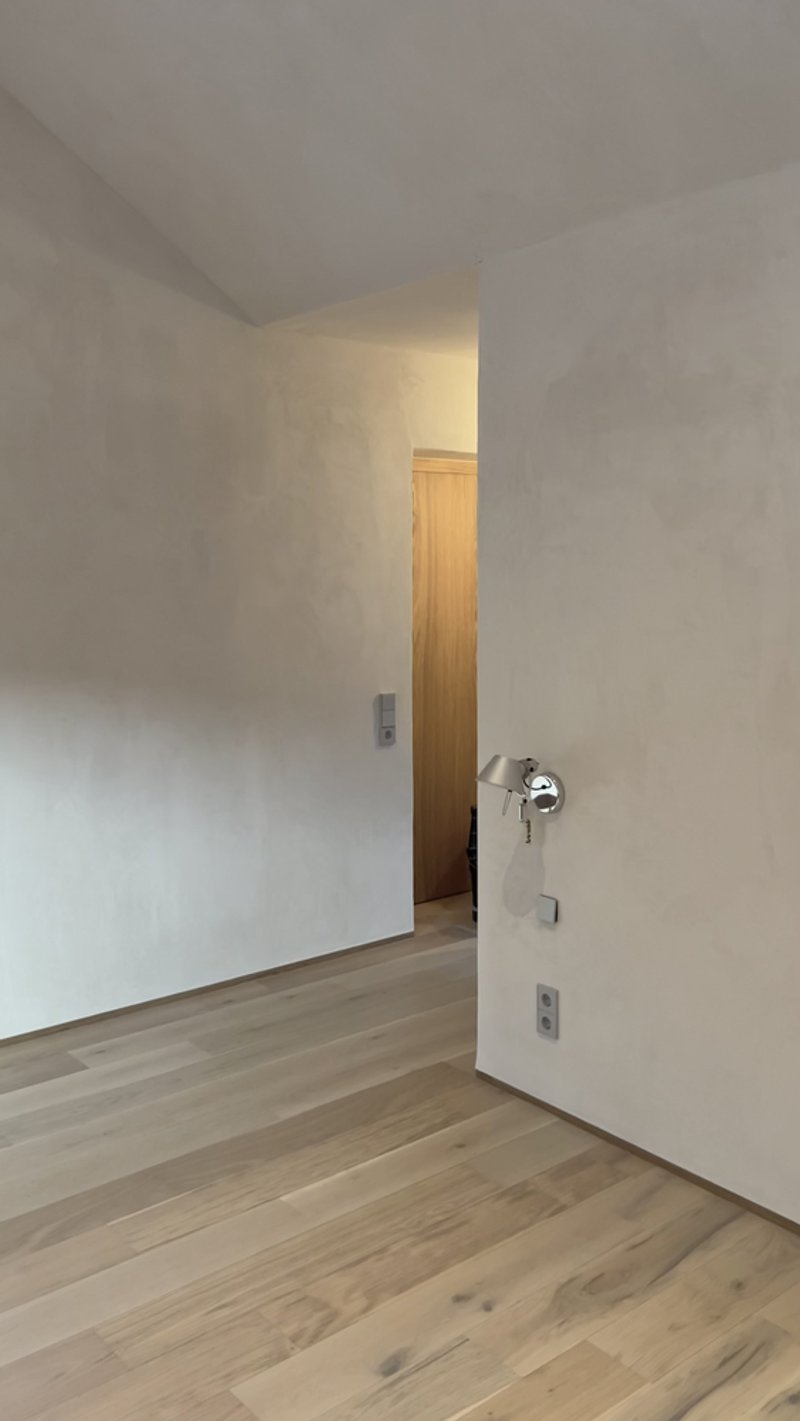
The roof beams and wooden joints remain exposed, celebrating traditional craftsmanship while narrating the building’s layered history. The private areas continue the natural material palette: walls and ceilings plastered with lime, oak parquet flooring in the bedroom, and Italian terrazzo tiles in the bathroom, balancing rustic warmth with timeless elegance.
Architectural Significance
The project demonstrates how adaptive reuse of heritage buildings can enrich rural communities. By blending sustainability, historical preservation, and modern comfort, André Rieß ensures that the farmhouse is not only revitalized but also remains a functional, vibrant part of village life. The restrained use of new materials highlights the authentic textures of reclaimed elements, allowing the building’s history to remain visible and celebrated.



Popular Articles
Popular articles from the community

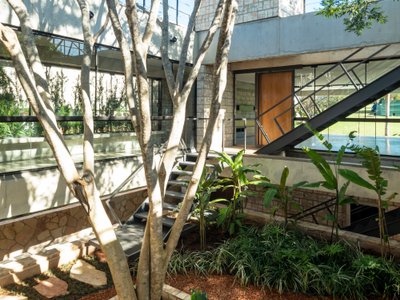
OMCM arquitectos Builds a Summer House in Paraguay from Quarry Waste Blocks and Three Sacred Trees
In the young hillside neighborhood of Altos, a 696-square-meter concrete volume hovers on six pillars around three preserved native Yvyraju trees.
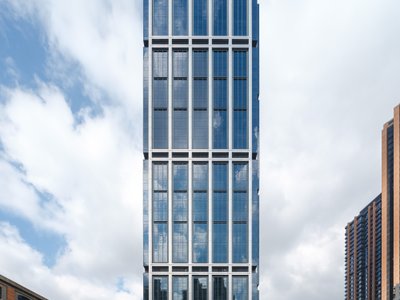
Foster + Partners Wraps a 200-Meter Shanghai Tower in Stainless Steel and Industrial Memory
The Suhe Centre Office Tower anchors a regenerated waterfront district in Shanghai with an all-steel structure that nods to local warehouse heritage.
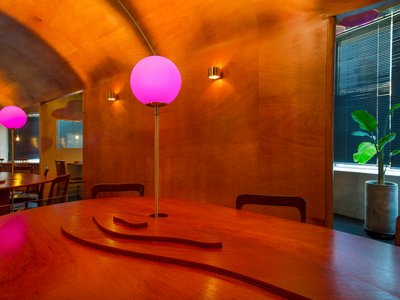
Indiesalon Carves a Plywood Cave into a Seoul Bistro's Second Floor
Munhwa Bistro's second Seongsu branch wraps diners in a laminated timber vault laced with colored light and mirror illusions.
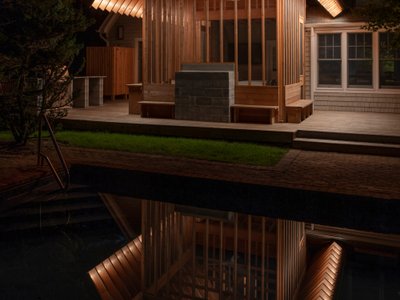
BLDUS Turns a 250-Square-Foot Screened Porch into a Pine Forest Temple in East Hampton
A gabled cedar pavilion mimics the rhythm of surrounding pines, anchoring a 1990s wooded home to its hollow in Long Island.


Similar Reads
You might also enjoy these articles

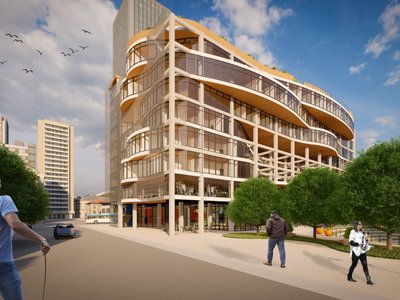
Olio Towers: A Mid-Rise for Performers That Fuses Housing, Rehearsal, and Stage
Located blocks from Houston's Theater District, this modular tower stacks living units around a central performance atrium.
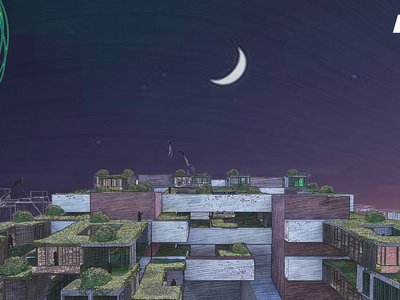
Oasis: Modular Green Housing Carved into Dhaka's Urban Fabric
A shortlisted Plugin Housing entry reclaims unauthorized settlements in Dhaka with stepped concrete volumes, green roofs, and ventilation-driven design.

Black Hole: A Floating Megastructure for the Post-Physical Era
Emiliano Mazzarotto envisions a spherical, self-scaling arena where e-sports, digital hotels, and holographic stadiums replace traditional public space.
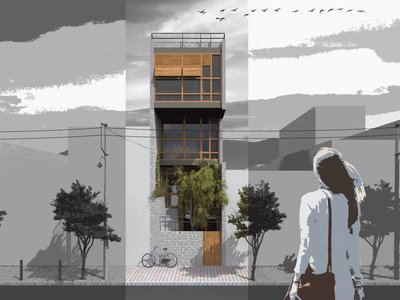
Compact & Sustainable Living in Piraeus: A Four-Level Family Home Built Around Light and Air
A narrow townhouse in one of Greece's densest port cities uses a central atrium and passive strategies to house three generations under one roof.


Explore Architecture Competitions
Discover active competitions in this discipline




The International Standard for Design Portfolios


The Global Benchmark for Architecture Dissertation Awards


The Global Benchmark for Graduation Excellence


Challenge to reimagine the Iron Throne
Comments (0)
Please login or sign up to add comments
No comments yet. Be the first to comment!