
CoralCatalyst: A Marine Research Lab Revolutionizing Coral Reef Rehabilitation
Innovative marine research lab CoralCatalyst revitalizes vulnerable coral reefs through advanced fragmentation and mobile technology.


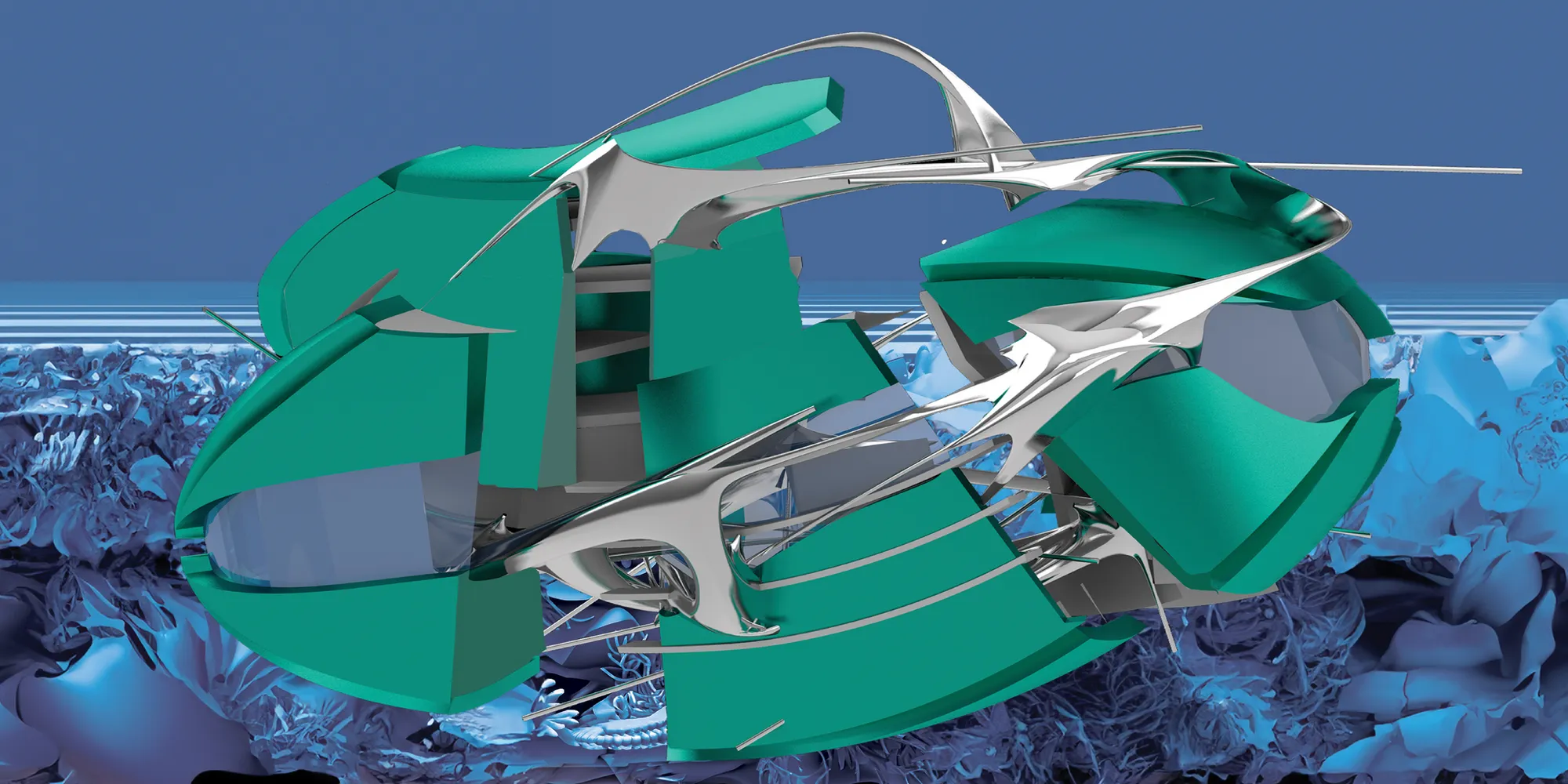
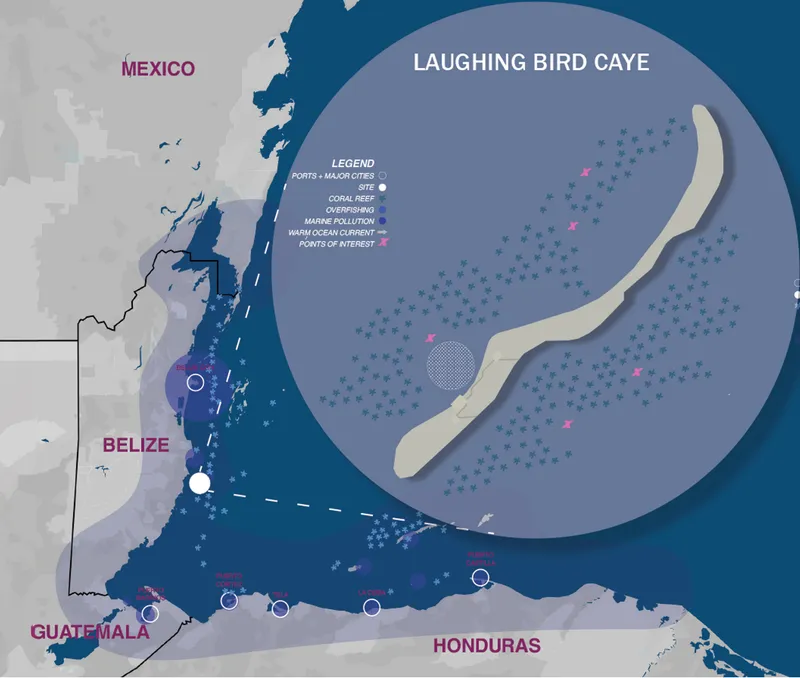
CoralCatalyst is an innovative marine research lab designed by Anissa Velasco, which has been shortlisted in the At Sea competition. The project is dedicated to the rehabilitation of vulnerable coral reef systems through a process of fragmentation, both metaphorically and physically. Located off the coast of Palencia, Belize, specifically in the Laughing Bird Caye National Park, CoralCatalyst addresses the environmental and socio-economic challenges posed by the degradation of coral reefs. The lab's primary focus is on the MesoAmerican Reef (MAR), aiming to revitalize coral ecosystems and promote sustainable marine practices.
Rehabilitating Coral Reefs
CoralCatalyst's mission is to rehabilitate all vulnerable coral reefs, particularly in the Laughing Bird Caye National Park. This marine research lab contributes significantly to the regeneration of coral ecosystems within the MesoAmerican Reef. The innovative approach involves a fragmentation process, strategically placing healthy coral fragments among weaker areas to catalyze reef development. This method not only helps in reviving the coral but also creates a flourishing habitat for marine life.
Mobile Research Lab
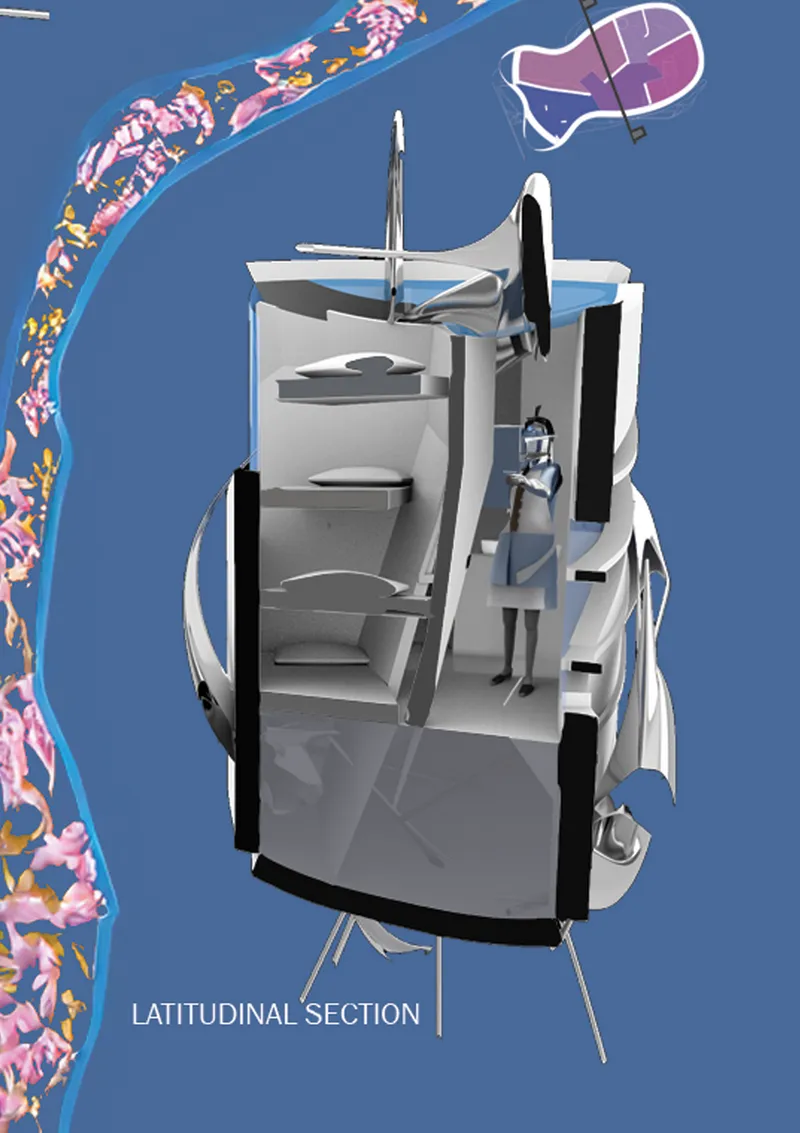
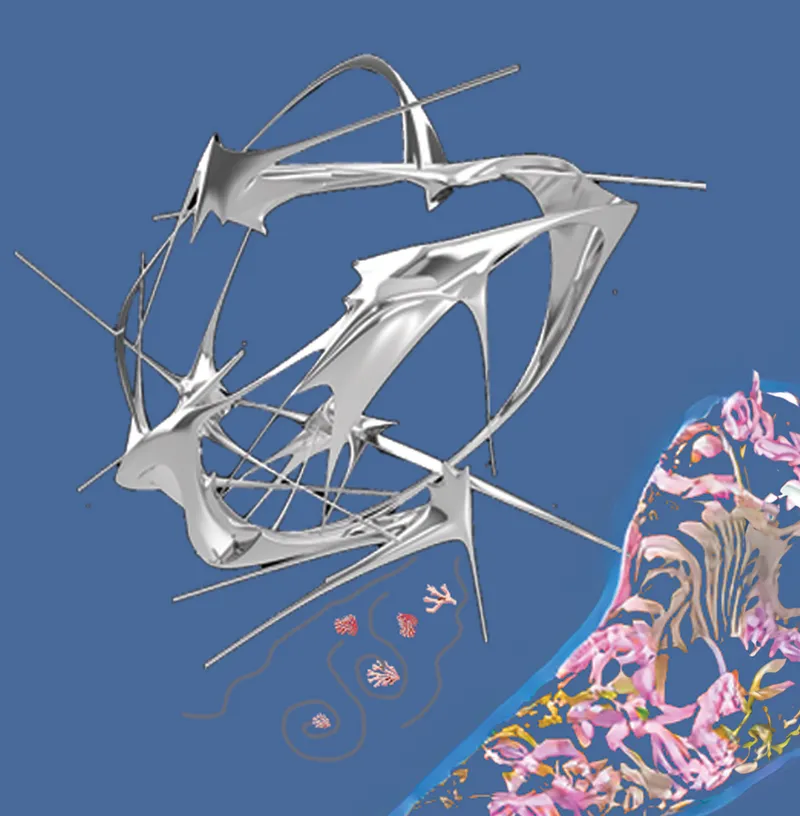
One of the standout features of CoralCatalyst is its mobility. The lab is equipped with elastic flexible pipes that guide a water filtration system, actively collecting water contaminated from ballast discharge during transit. This addresses marine pollution concerns while simultaneously distributing nutrients through the same pipes. This self-sufficient, mobile system ensures that the lab can move to different locations, offering a versatile approach to coral rehabilitation.
Addressing Marine Pollution
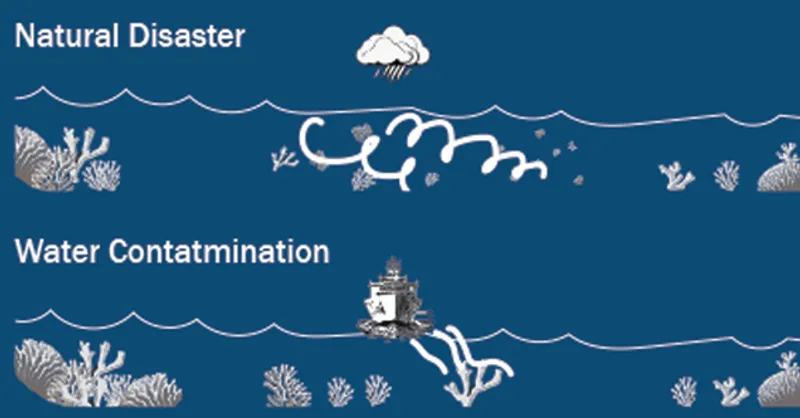
The water filtration system on CoralCatalyst is designed to combat marine pollution, particularly from ballast water, which often contains invasive species and diseases. The system collects and filters this contaminated water, ensuring that it does not further harm the coral reefs. The lab's ability to address this issue while on the move makes it a pioneering solution in marine architecture.
Design and Functionality
Fragmentation Process
The fragmentation process involves taking pieces of living, healthy coral and placing them in areas with weak and brittle coral. This approach serves as a catalyst for reef development, with the fragmented coral promoting the growth of new, healthy coral structures. This method is already being employed by organizations such as Fragments of Hope, with significant success in the Laughing Bird Caye National Park.
Elastic Pipes for Water Filtration and Nutrient Distribution
The lab's elastic pipes are a crucial component of its functionality. These pipes not only collect contaminated water but also distribute nutrients to the coral reefs. The nutrient blend, known as Reef Chili, includes a mix of zooplankton, copepods, rotifers, phytoplankton, daphnia, spirulina, and neutrally buoyant marine-derived nutritive powder. This ensures that the coral receives the necessary nutrients to thrive and grow.
Dynamic Design
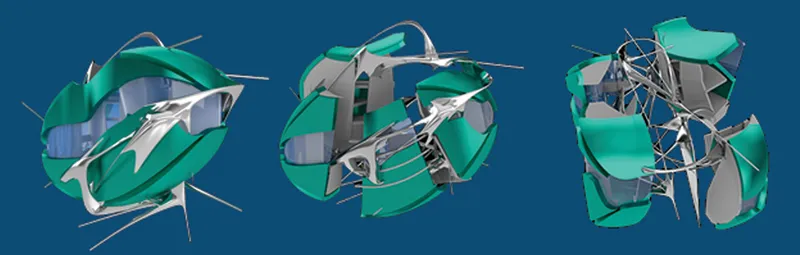
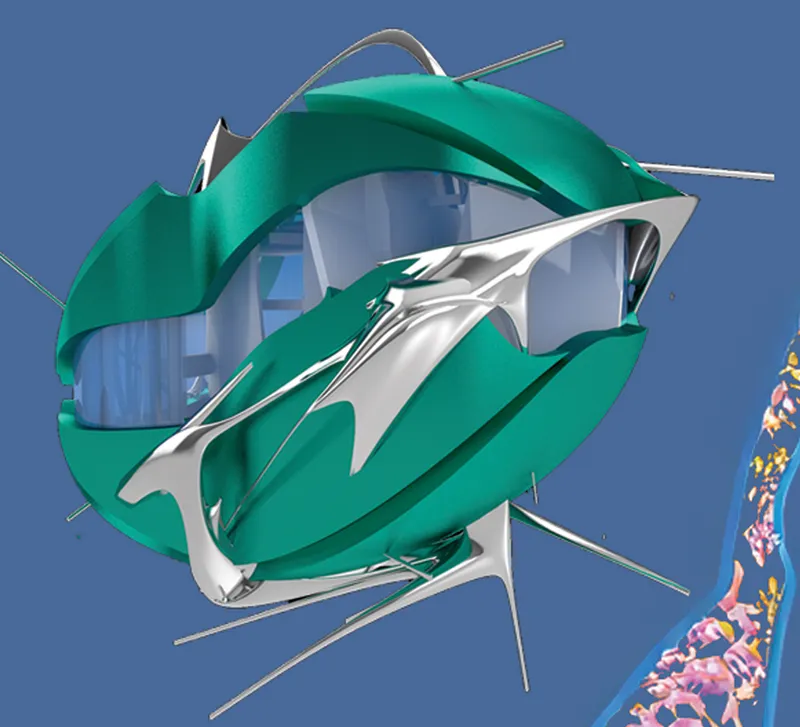
CoralCatalyst's design incorporates organic curvature to reduce hydrodynamic drag, emphasizing the form of a fish. This design not only enhances the lab's mobility but also aligns with the natural environment it operates in. The lab can expand and contract, allowing researchers to attend to various tasks in both mobile and static states. When docked, the lab can extend into its designated program, providing a conducive environment for researchers and volunteers.
Educational Potential
Beyond its primary function as a research lab, CoralCatalyst has the potential to serve as an educational platform. The lab can evolve into an interactive space for future researchers and volunteers, offering opportunities for scuba diving and hands-on experience in coral reef rehabilitation. The observation room can be used to display the life cycle of coral, showcasing the transformation from weak and dying coral to a thriving ecosystem.
Impact on Local Communities
The CoralCatalyst project also addresses the socio-economic aspects of coral reef rehabilitation. In Palencia, Belize, more than half of the population is involved in activities related to the Caribbean Sea, such as fishing and tourism. By revitalizing the coral reefs, CoralCatalyst contributes to the sustainability of these industries, ensuring that local communities can continue to thrive.
CoralCatalyst represents a groundbreaking approach to marine architecture and coral reef rehabilitation. Through its innovative design and mobile capabilities, the lab addresses critical issues such as marine pollution and coral degradation. By promoting sustainable practices and providing educational opportunities, CoralCatalyst sets a precedent for future marine research labs. Its impact on both the environment and local communities highlights the importance of integrating innovative solutions in the fight to preserve our oceans' biodiversity.




Popular Articles
Popular articles from the community


Hill & Cross Opera: Sculptural Opera House Architecture Shaped by Tallinn’s Landscape and Identity
Hill & Cross Opera reimagines opera house architecture in Tallinn through its sculptural hill, civic plaza, glass wave and a luminous cross.

Riyadh For All: Intergenerational Urban Design for Active Aging in Rabat
Riyadh For All reimagines urban design in Rabat with intergenerational co-living, adaptive courtyards, and Moroccan cultural exchange today.

The Earth Pod: 3D Printed Homes for Resilient Refugee Communities
The Earth Pod reimagines refugee housing through 3D printed homes made from clay, combining resilience, self-sufficiency, and rapid shelter.
EW PARK: Sustainable Architecture Reimagines the Future of Urban Parking
EW PARK reimagines city parking as a modular wooden tower combining automation, solar energy, electric mobility, and adaptable urban design.

Similar Reads
You might also enjoy these articles

Day and Night Park: A Time-Based Urban Newsstand in Beijing
A temporary urban newsstand in Beijing blending travel, light, and reading through poetic colors, compact form, and community-focused design.

Modernist Patio Renovation in El Masnou, Barcelona by Oliver Segura Arquitectura + Cebrià Arquitectura
Modernist patio renovation blending tradition and innovation with a movable pool, leveled floors, and Catalan materials in El Masnou.
Alto Residencial Coop: Cooperative Housing Development in Santiago de Compostela by Carbajo Barrios Arquitectos
A linear cooperative housing complex blending white volumes and perforated metal façades, enhancing community living, natural light, privacy, and urban integration.
Vil Genis School by BPA ARCHITECTURE – Massy, France
Vil Genis School in Massy, France, features sustainable design, south-facing classrooms, community integration, accessible spaces, and modern educational architecture.

Explore Conceptual Architecture Competitions
Discover active competitions in this discipline



Challenge to reimagine the Iron Throne


Photograph architecture without architects


Illustrate the lost glory of Angkor Wat - Render Challenge


Design challenge to reuse E-waste
Comments (0)
Please login or sign up to add comments
No comments yet. Be the first to comment!