
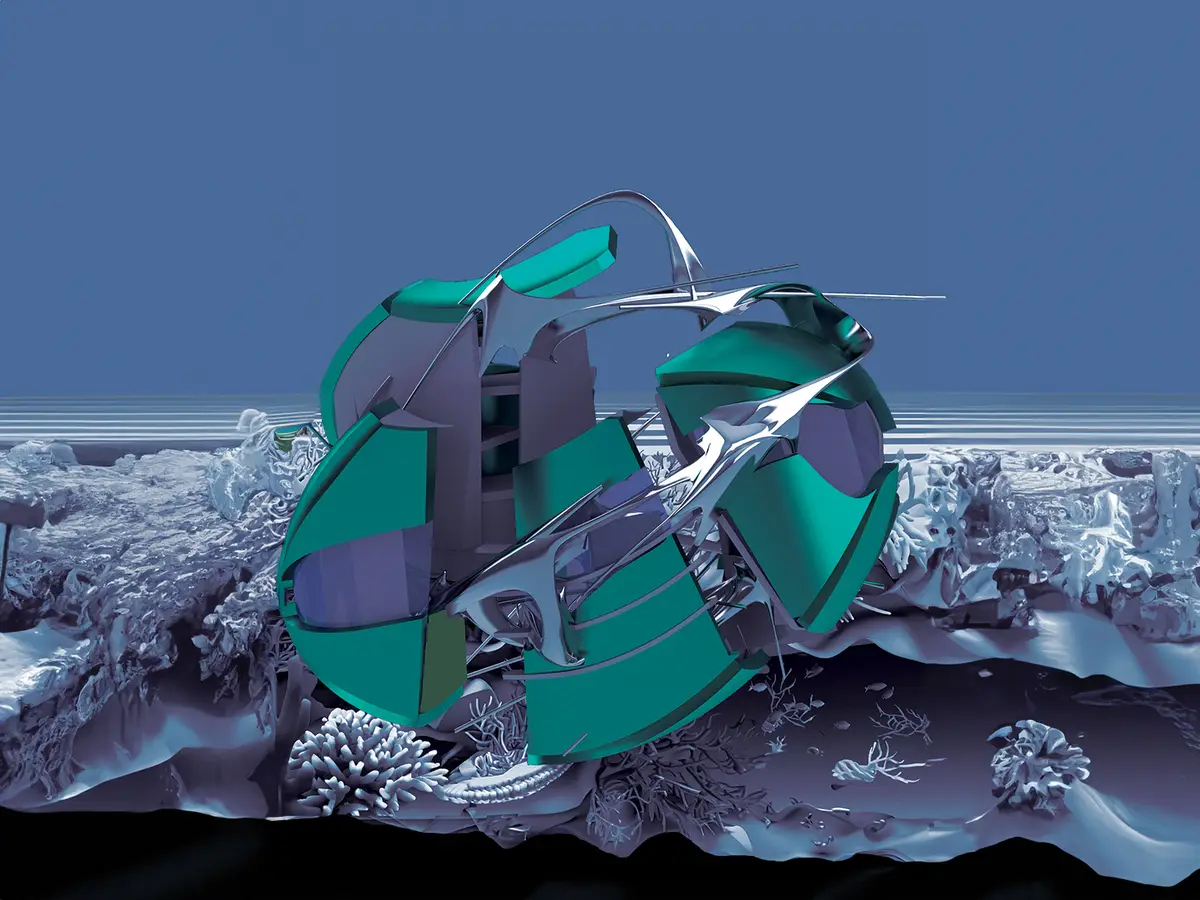
CoralCatalyst Fragment
CoralCatalyst: Fragment to Whole

CoralCatalyst marine research lab that prioritizes the rehabilitation of vulnerable coral reef systems, based on the Yucatan Peninsula off the coast of Palencia, Belize. The project specifically focuses on Laughing Bird Caye National Park. It addresses the environmental and socio-economic aspects that follow with direct connections with the ocean as well as aquatic life. More than half of the population in Palencia work directly or indirectly with the Caribbean Sea whether it be fishing or tourism. Human interference over the years has depleted the wildlife aquatic ecosystem and their resources. From trawling, which occurs through mal fishing practices that involve large heavy nets dragging at the sea bed damaging coral. Ballast water which is stored water that can include invasive species or disease are transmitted and transported through commercial and tourism ships tanks as they dump the water into these Coral Reef ecosystems. Other external factors affect the destruction of the MesoAmerican Coral Reef (MAR) such as natural disasters like hurricanes. Hurricane Iris in 2001, heavily depleted coral off the island of Laughing Bird Caye. Volunteer efforts went into restoring the damaged areas and rehabilitating what was lost. Research by Fragments of Hope is taking place in the national park with permitted scuba divers being able to revitalize the coral reef through the process of fragmentation. The fragmentation process is taking pieces of living healthy coral, extracting and placing them where the weak and brittle coral reside. As a result the fragmented coral serves as a catalyst to coral reef development.
CoralCatalyst will explore both the shallow ends and depths of the coral off the island of Laughing Bird Caye in partnership with Fragments of Hope with ongoing research occurring. The main goal is to attract more fish to create an attractive flourishing habitat and environment, coexisting with coral reefs. With this mobile research lab the ultimate goal is to set a precedent for ways to rehabilitate the damaged coral reef ecosystems. In its mobile state, elastic flexible pipes guide the self-sufficient lab with a water filtration system that when in motion collects water contaminated from ballast water. While in transit nutrient distribution from the same pipes occurs releasing Reef Chili. A dry blend of zooplankton, copepods, rotifers, phytoplankton, daphnia, spirulina, and neutrally buoyant marine-derived nutritive powder. Recycling motion to highlight the self sufficient laboratory. For researchers being able to attend to all parts of the laboratory in both mobile and static states to experience the spaces. When in a static state the lab can expand into fragments into its designated program for the lifestyle of the researchers. When docked into its environment a diver well retracts from an extension of the lab that allows researchers to be immersed and easily accessible. Has potential to be evolved into an education space for future researchers or volunteers to scuba dive into the reefs.
Without coral, there is no fish. In terms of form; the CoralCatalyst organic curvature helps reduce hydrodynamic drag as well as emphasizing the parti of a fish. The concept is to expand the ongoing research of Fragments of Hope and encourage further development and study for how the coral reef ecosystems adapt over time. Evolving the technique of fragmentation to slice and reposition just as the research being implemented translated into design. The language of branching through pipe connections repositioning in a gestural form. Expanding into different zones establishes a hierarchy of all connecting programs connected to the central laboratory. The lifestyle of the researchers will be composed of retractable furniture such as beds and desks to allow available mobility.
CoralCatalyst goals is to thrive around the Mesoamerican reef and make its pave of the master plan of regenerating coral and end the cycle of being integrated to the seabed fabric. End cycle being to serve as a physical catalyst for future coral to thrive on the mobile laboratory elastic pipes and home for future ecosystems. With its practice of self sufficiency it can work as a way of education for ethical tourism. Additional space in the observation room to be interactive with education for the ongoing fragmentation process. Displaying the life cycle of what the mobile laboratory addresses from weak mostly dead coral, to regeneration of reconstructing a flourishing living ecosystem.

Popular Articles
Popular articles from the community


Singing Woman: An Opera House That Performs Before the Curtain Rises
Ovidiu Cristian Pavel's conceptual opera house translates Estonia's choral identity into a sculpted waterfront landmark facing the Baltic Sea.


Cube Design Draws an Ecological Corridor Between Two Shenzhen Hills with the Nankai Building
Beside Shenzhen's container docks, the Nankai Building pairs stacked balconies with a climbing green screen to connect two hillsides across its height.

David Ortega Stacks a Two-Story Mexico City Penthouse Around a Steel Stair and a Pergola-Shaded Roof Terrace
In Colonia Roma, a 300 m² penthouse uses oak joinery, a planted steel stair and a slatted roof pergola to make a new-build apartment feel like a house.

FCC Arquitectura Expands a Portuguese Granite House with a Board-Marked Concrete Wing
In Portugal, JV House pairs a cleaned-up whitewashed and granite dwelling with a timber-shuttered concrete extension, courtyards and a garden pool.

Similar Reads
You might also enjoy these articles

The Rhythm of Seasons
A Farmers' Market Connecting Nature and the City

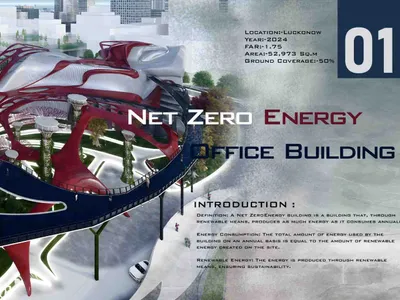
More Than a Building-Designing a Living System
More Than a Building-Designing a Living System
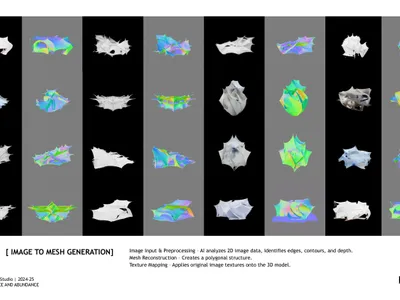
Base Beyond
DESERT COMPOUND ARID: TOURISM OF ABSENCE AND ABUNDANCE

Explore Conceptual Architecture Competitions
Discover active competitions in this discipline


Challenge to reimagine the Iron Throne

Photograph architecture without architects

Illustrate the lost glory of Angkor Wat - Render Challenge

Design challenge to reuse E-waste
Comments (0)
Please login or sign up to add comments
No comments yet. Be the first to comment!