
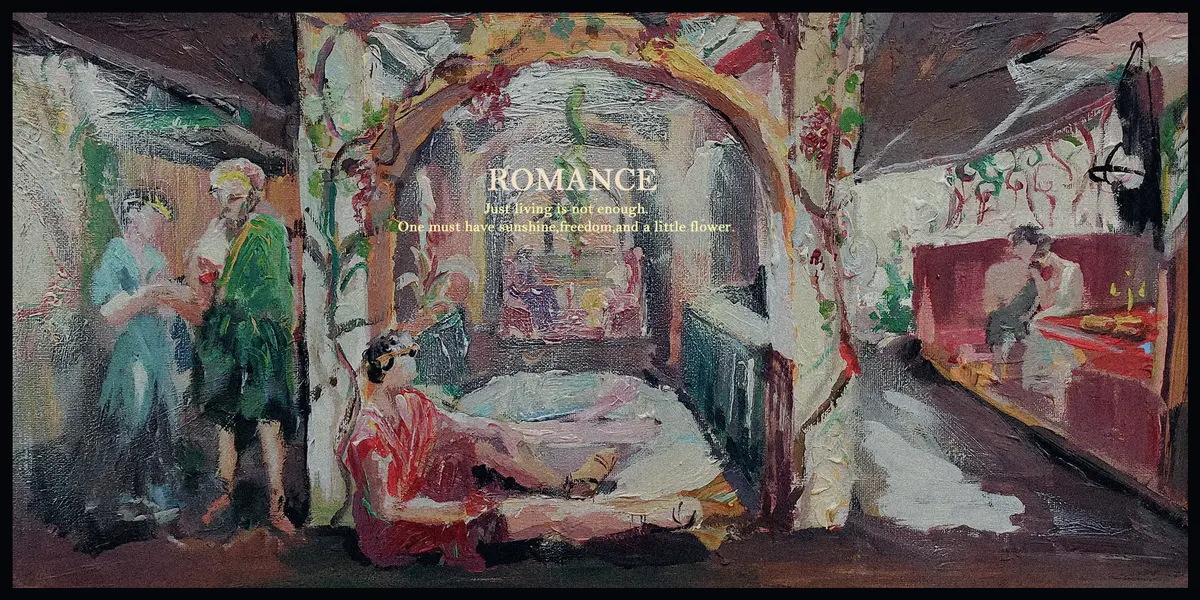
Creating a restaurant full of Roman architecture
A restaurant design full of Roman style

The scale of Romanesque architecture was huge, but can we apply it creatively to an interior space?
The earliest Roman buildings in Denmark date from the 11th to 12th centuries AD, a period that combines some features of Byzantine and early Gothic architecture. In addition, as far as the city of Aarhus is concerned, there are many buildings with Roman architectural culture. Most of them are architectural styles based on early Christian culture, so this has also become the foundation that cannot be ignored at the beginning of our architectural design.
Can we extract the essence of the theme to create a place that is acceptable to current visitors?
In terms of large space strategy, our building uses two square blocks with modern architectural language to enclose the main indoor dining space in the center. The main indoor dining space contains some features of the small Danish church space in the 11th century, such as cylindrical Exterior with conical roof. In the interior, the space layout enclosed by a three-dimensional cross is adopted, which is presented in the form of a plane on the second floor and a vertical cross in the vertical space.
The restaurant courtyard uses modern architectural techniques to create a series of elements extracted from Roman architecture, such as columns, corridors, sculptures, and stone engraved walls.
In the interior lighting of the building, we use more natural lighting, which is more reminiscent of the interior lighting of ancient Roman buildings. In ancient Rome, the lighting of churches was dominated by a single top light, reflecting a sense of sanctity. While we adopted the top sky light in the building, we arranged skylights around the building to disperse each dining area to provide soft indoor lighting while reducing seriousness.
On the southwest side of the first floor, near the street, we designed a small semi-outdoor theater, which adds humor to the building and vitality to the street. This design also reflects the daily activities of the Romans in the past.
If you want visitors to experience a comfortable dining space, a spacious outdoor dining area is obviously essential. A large number of vegetation arrangements, ponds that create an atmosphere, alleviate the seriousness brought by the building volume, characteristic table and chair designs, landscape sculptures The design allows people to be brought into this painting with Roman culture at the moment of entering the restaurant, enjoying the visual experience of ancient and modern interweaving.
From the first floor to the third floor, different levels of privacy areas are created for the guests, as well as different dining cultural experiences.
What elements or principles of Romanesque style can be blended into contemporary environments seamlessly?
From the Roman style elements, we can extract the beam-column system, arch structure, lintel, fountain structure, etc. as the basis and decoration of the architectural space, providing diners with an intuitive restaurant cultural experience, but the essence of Roman architectural culture is not only these appearances, but also in the The Roman church buildings in the 11th century were mostly built in the countryside far from the city. Whether it is space, building materials, or people, they all reflect a simple and quiet living state. History changes, and a comfortable life is what people care about. Today, Quiet and quaint surroundings are also precious. Entering here to unload the burden, enjoy the food, and enjoy the life is the true meaning of the restaurant. At the beautiful moment of dining, When you look around the porches and vines with classic colors, the witty sculptures, and the lively customers, you will easily integrate into it, and the cozy environment will make your soul truly liberate at this moment.


Popular Articles
Popular articles from the community


LT2A and OPEN Architectes Thread a Brick and Glass High School Through a Wooded Belgian Campus
In Braine-l'Alleud, a 3,000 m² wing for Collège Cardinal Mercier pairs pale brick with a glazed colonnade, deferring to a small chapel and a dense wood.


Aquadapt: An Underwater Habitat That Rewrites Its Rooms by the Hour
Curved modules ring the seabed while one shell shifts from breakfast room to cinema, farm and football pitch as residents' needs change.

Juan García Correa, John González and Claudia Rueda Sink a Circular Amphitheater into a Manizales Engineering Building
On the La Nubia campus in Manizales, Colombia, the S1 Building folds labs and offices into a hillside of ramped lawns that double as a campus route.

The Amber Palace Opera: A Geological Fiction Surfaces on Tallinn's Baltic Waterfront
Pierre Brillard reimagines a Baltic legend as a public landscape, opera house, and waterfront promenade rooted in Tallinn's coastal identity.

Similar Reads
You might also enjoy these articles

The Rhythm of Seasons
A Farmers' Market Connecting Nature and the City

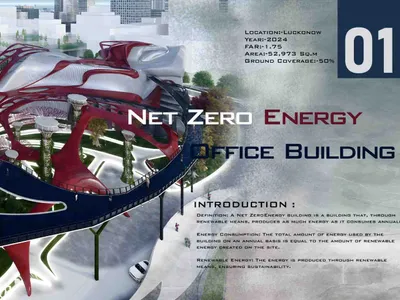
More Than a Building-Designing a Living System
More Than a Building-Designing a Living System
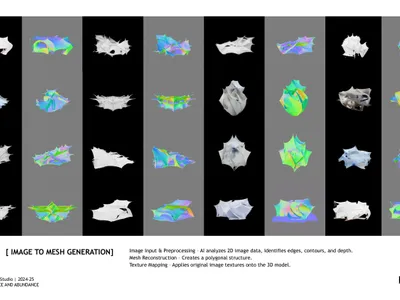
Base Beyond
DESERT COMPOUND ARID: TOURISM OF ABSENCE AND ABUNDANCE

Explore Romanian Architecture Competitions
Discover active competitions in this discipline


Challenge to reimagine the Iron Throne

Photograph architecture without architects

Illustrate the lost glory of Angkor Wat - Render Challenge

Bring back Drive In's
Comments (0)
Please login or sign up to add comments
No comments yet. Be the first to comment!