
Defining Modern Coastal Homes in Spain: The House in Port de la Selva by Marià Castelló Martínez and José Antonio Molina
Explore the House in Port de la Selva, a stunning example of modern coastal homes in Spain, blending nature with architecture.


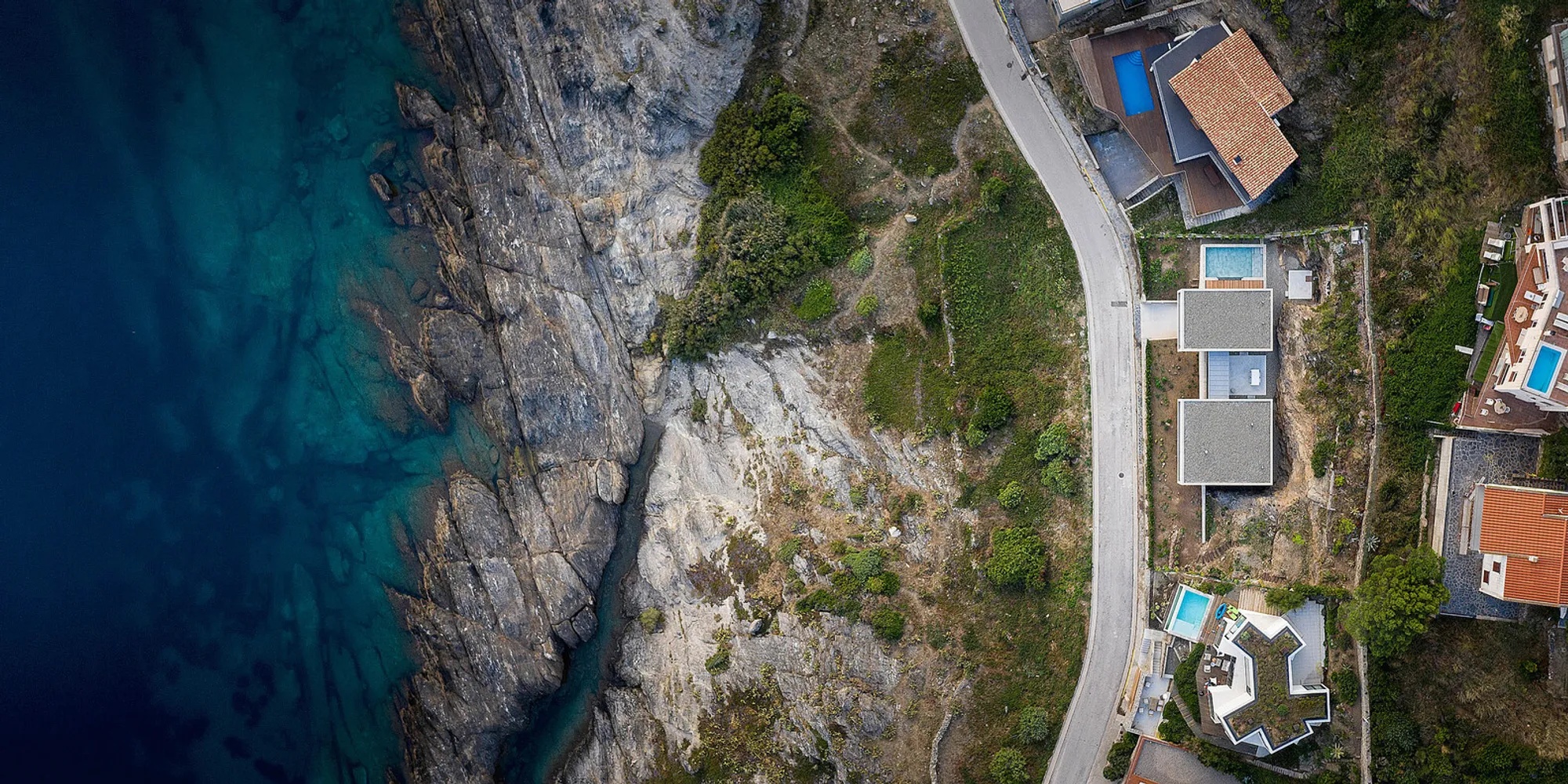
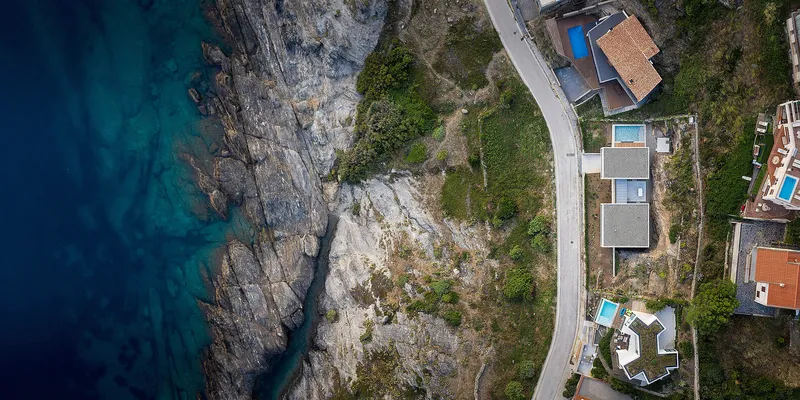
Nestled on the rugged slopes of Puig Gros in the scenic village of Port de la Selva on Spain's Costa Brava, the House in Port de la Selva stands as a paragon of modern coastal homes. Designed by architects Marià Castelló Martínez and José Antonio Molina, this residence masterfully integrates contemporary architecture with the dramatic natural landscape.



Architectural Concept and Integration with Nature
Strategic Placement and Natural Integration
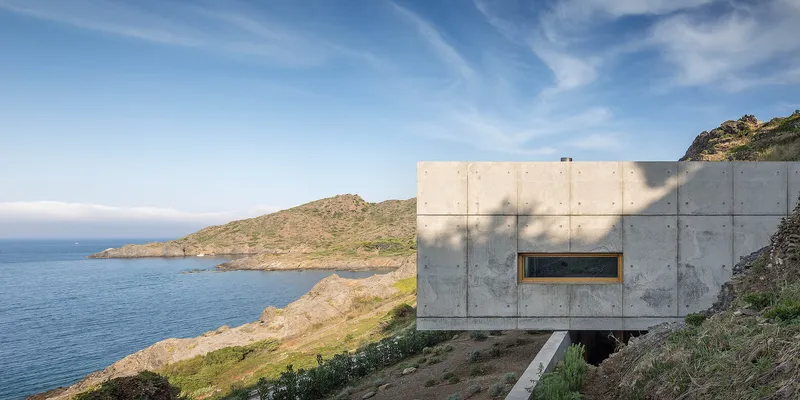
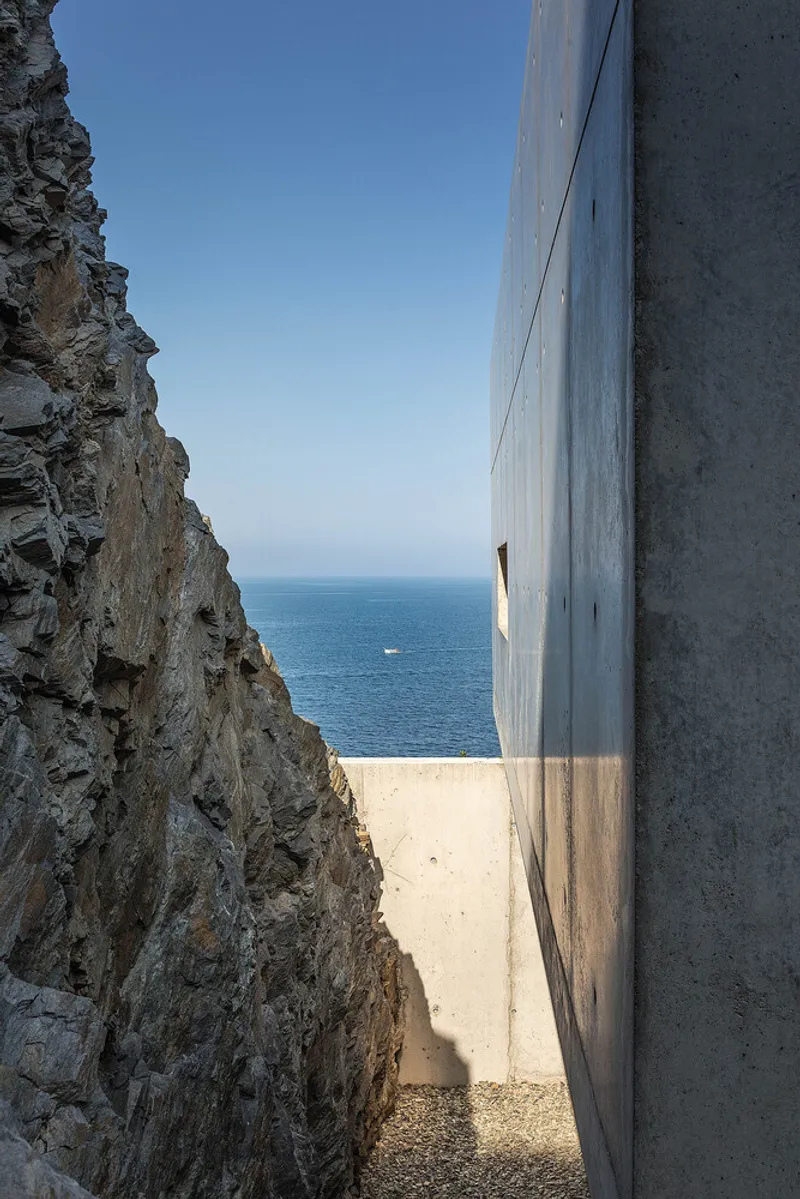
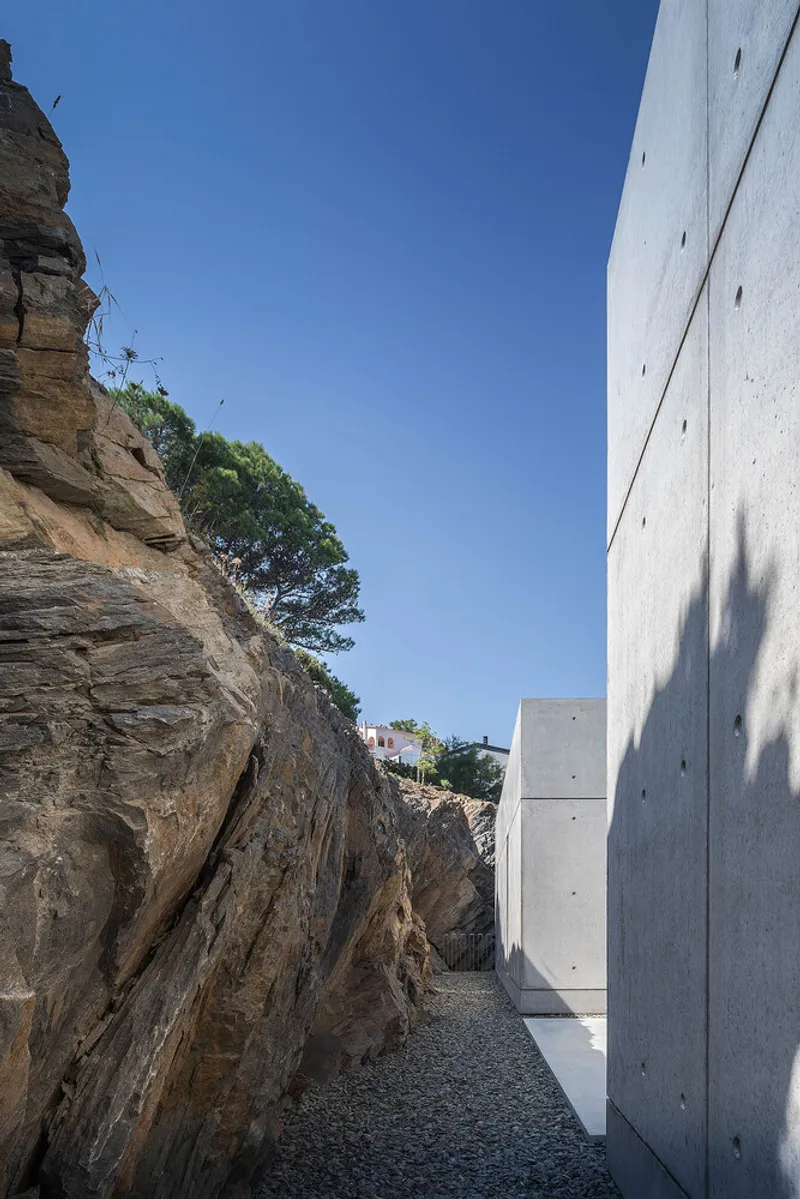
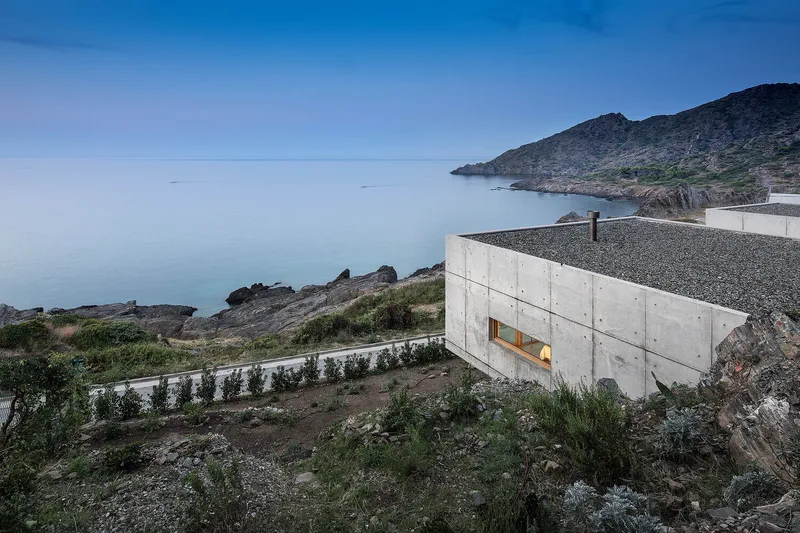
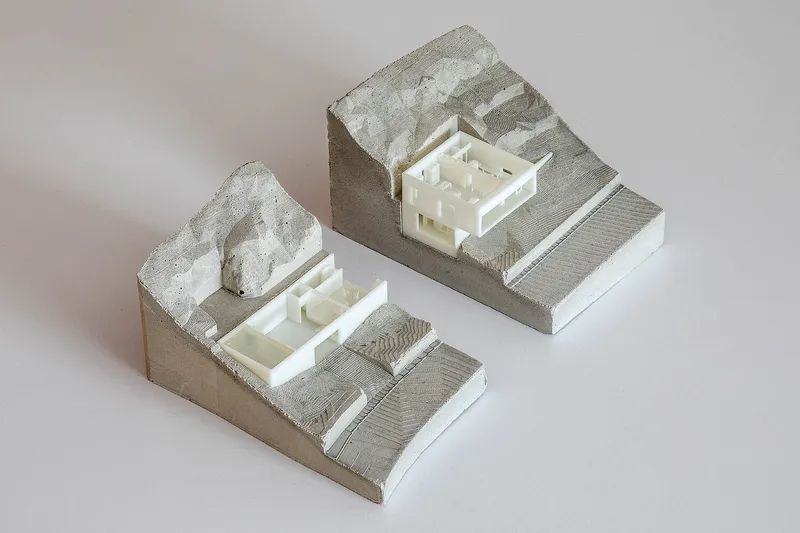
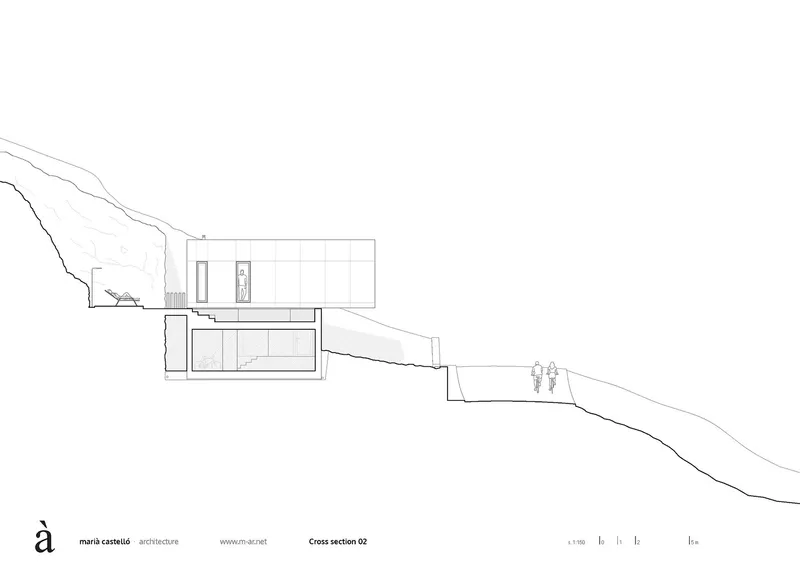
The House in Port de la Selva is carefully sited to capitalize on its steep location, offering expansive views of the Mediterranean Sea while protecting against the region’s strong Tramuntana winds. The home’s design respects the existing topography and the volcanic "pòrfit" rock that characterizes the area, embedding the structure into the bedrock to minimize its environmental impact.





Design Approach and Sustainability
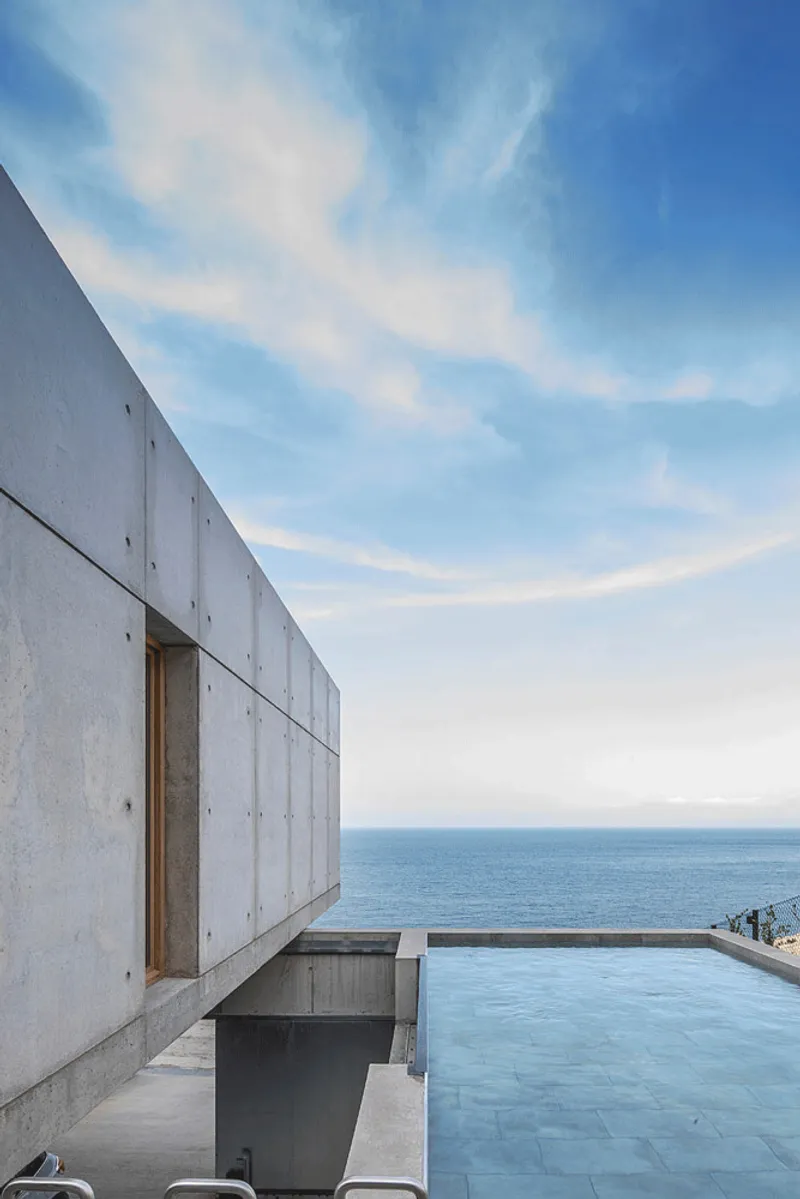
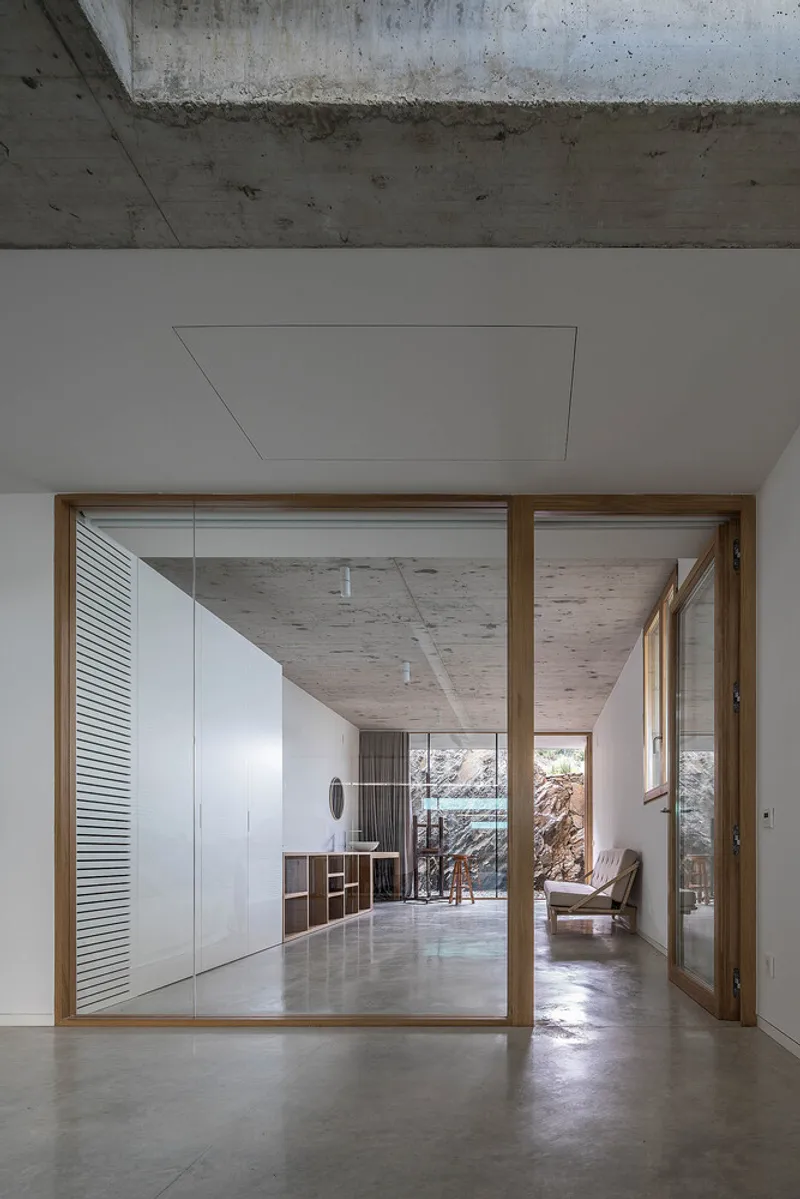
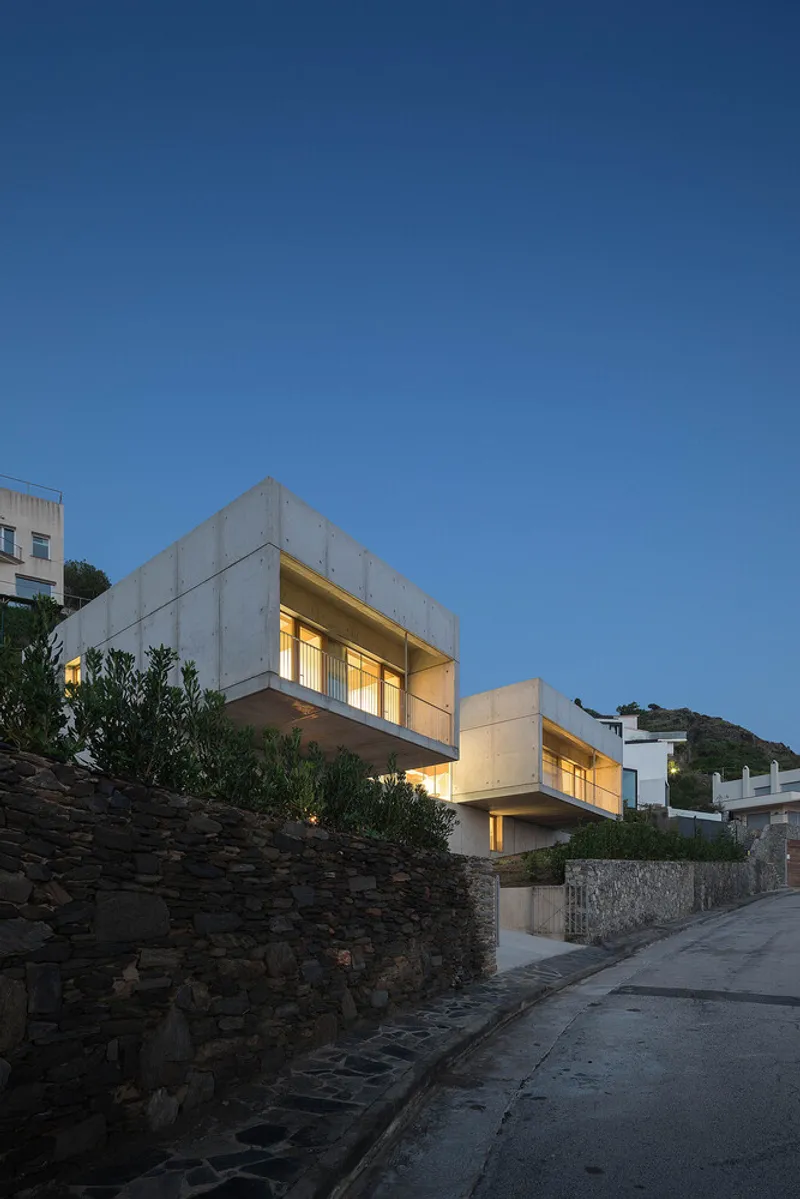
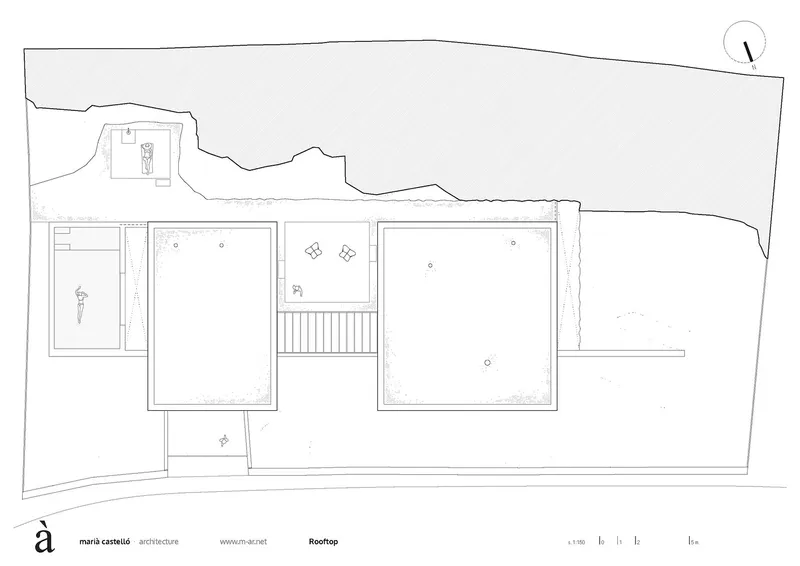
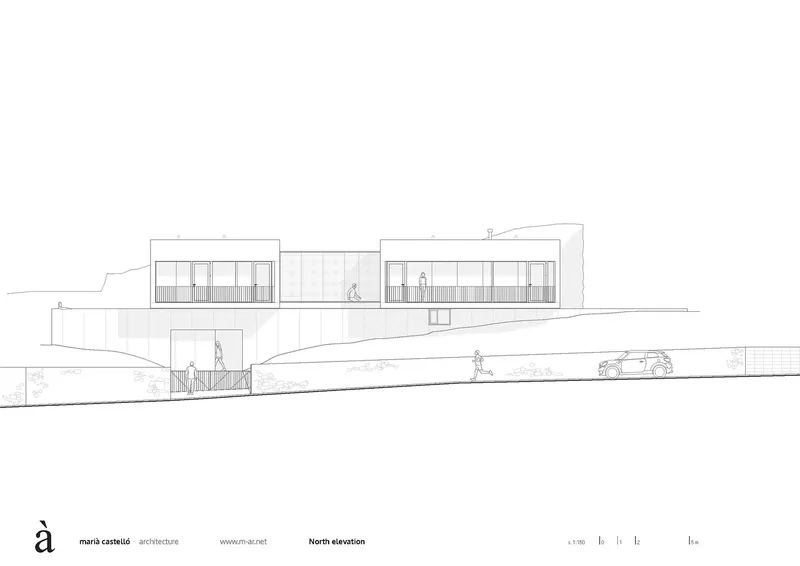
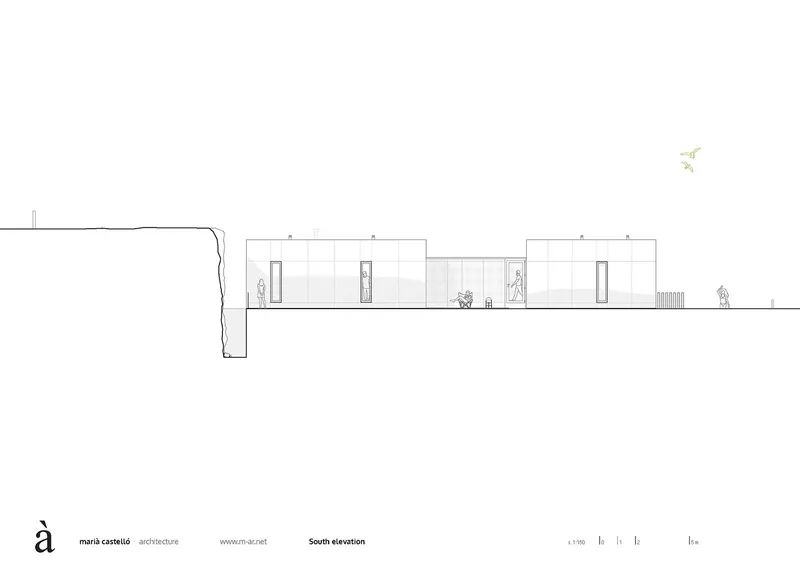
The architectural strategy involves a clear division between public and private spaces within two main levels, with the lower level embedded into the rock and the upper level comprising two distinct volumes. This configuration reduces the building's visual impact and enhances its integration into the natural landscape, making it a standout example of sustainable design among modern coastal homes in Spain.


Key Architectural Features
Use of Materials and Structural Innovation
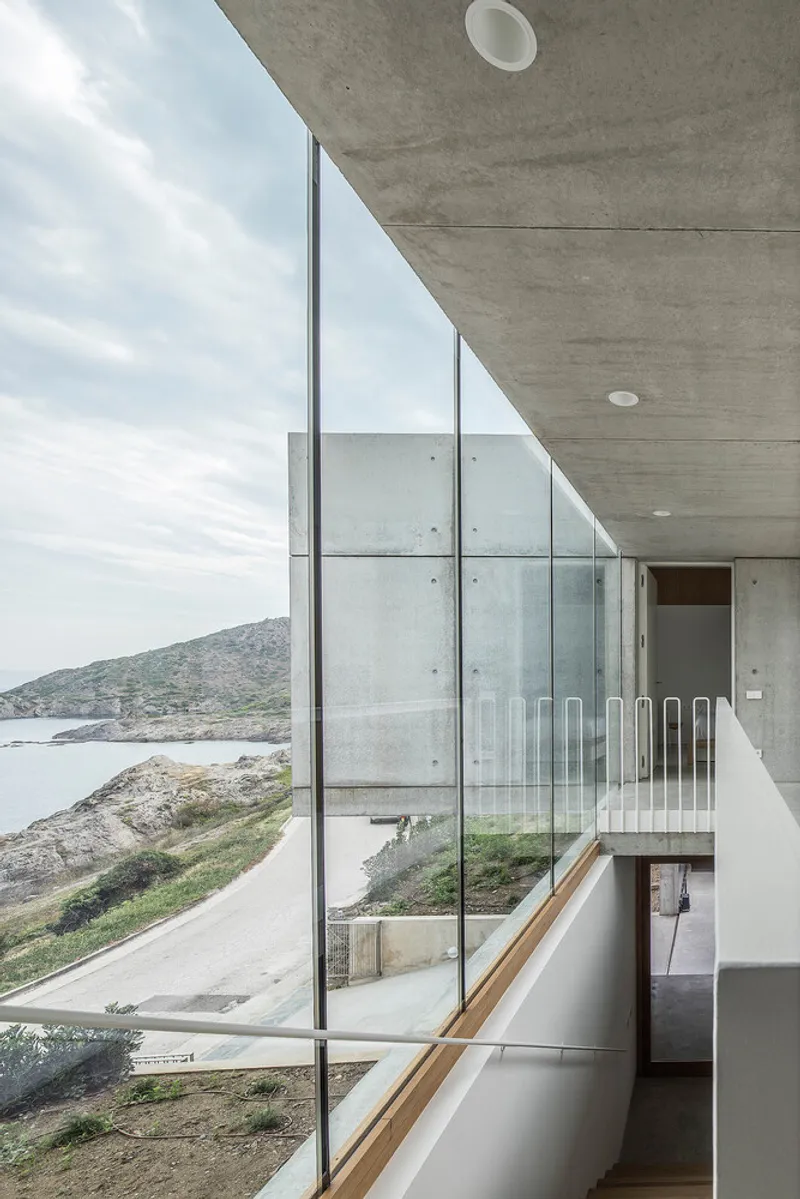
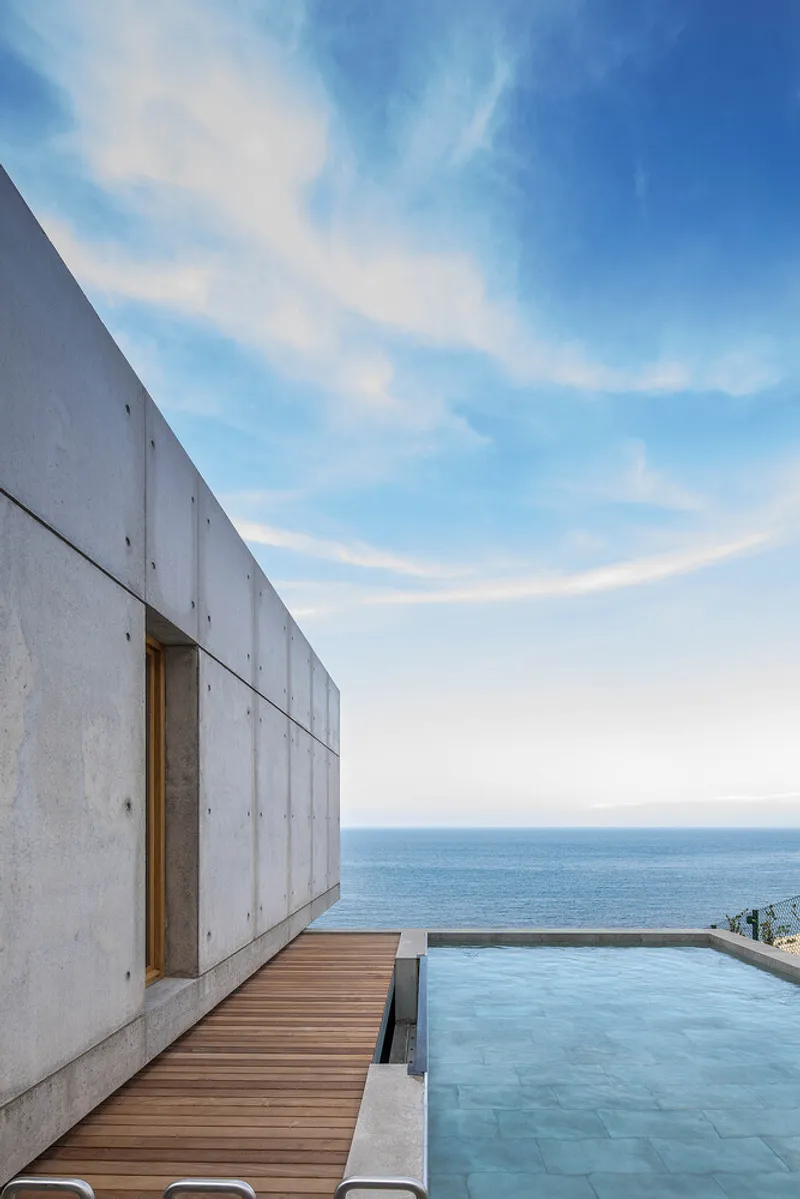
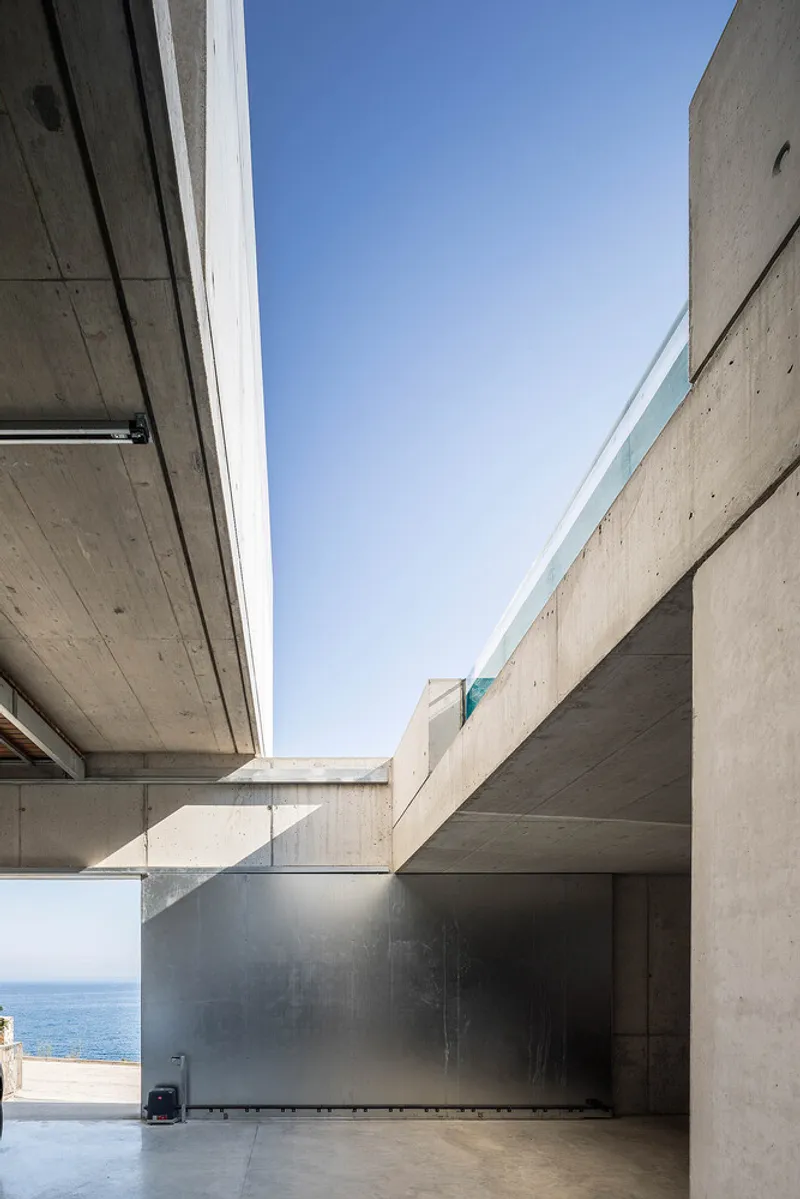
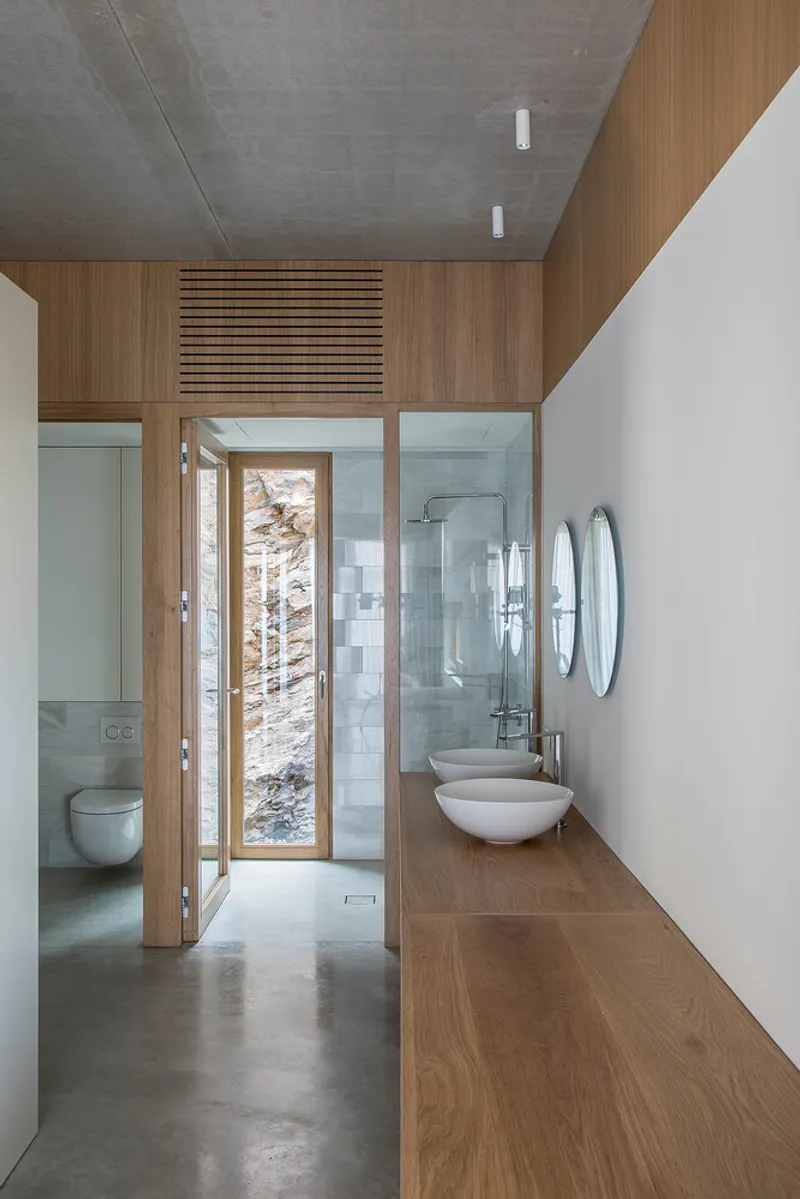
Concrete is the primary material used both externally and internally, chosen for its durability and minimal maintenance needs, crucial in the harsh marine environment. The house also features "pòrfit" gravel from the site excavation, used on roofs and patios, blending the structure further into its surroundings. Oak wood is used for exterior carpentry and some interior finishes, providing warmth and a tactile contrast to the concrete.



Maximizing Views and Outdoor Living
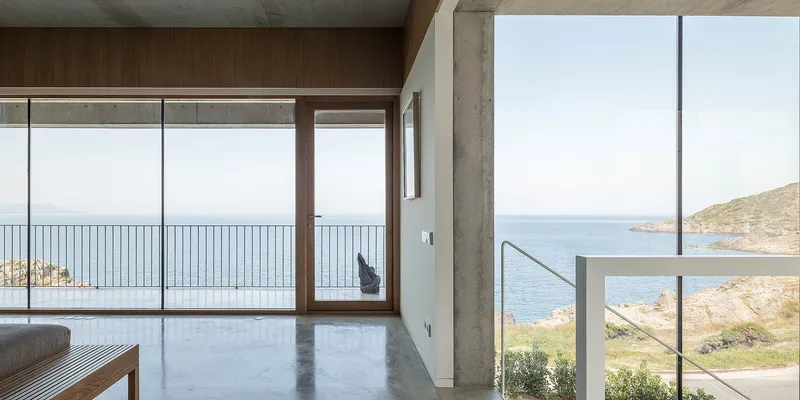
The design emphasizes panoramic sea views with large glass openings and multiple outdoor patios, which allow residents to enjoy outdoor living shielded from the wind. These spaces are strategically placed to create a seamless indoor-outdoor living experience, typical of modern coastal homes in Spain.




Impact on Local Architecture and the Environment
Enhancing Local Architectural Heritage
The House in Port de la Selva contributes to the local architectural narrative by combining traditional materials and techniques with modern design principles. It respects the historic and environmental context of its location, offering a contemporary interpretation of regional architecture.



Sustainable Architectural Practices
The project’s sustainability is exemplified by its integration with the natural landscape, use of local materials, and minimal alteration of the site. These practices not only ensure the building's longevity but also maintain the ecological balance of the coastal area.





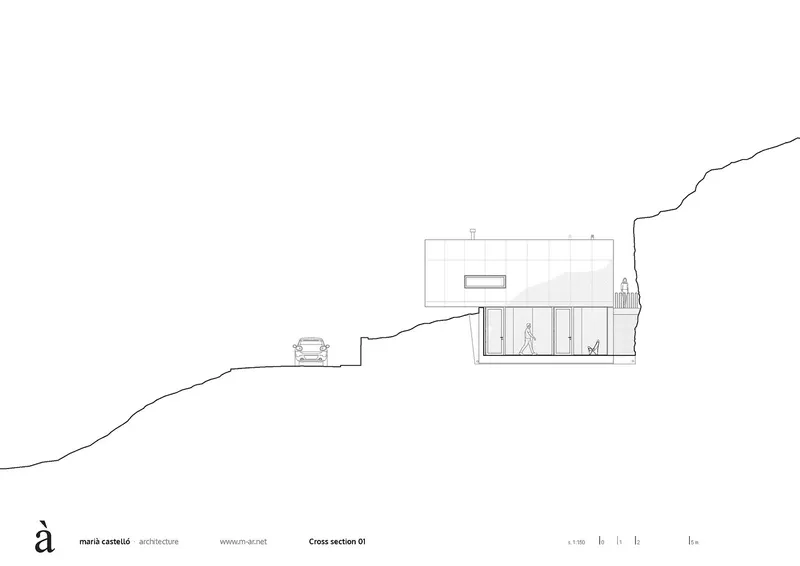
The House in Port de la Selva by Marià Castelló Martínez and José Antonio Molina is a prime example of modern coastal homes in Spain, demonstrating how contemporary architecture can coexist harmoniously with challenging natural environments. This residence not only provides a comfortable and aesthetic living space but also represents a respectful and innovative approach to building in sensitive coastal areas.


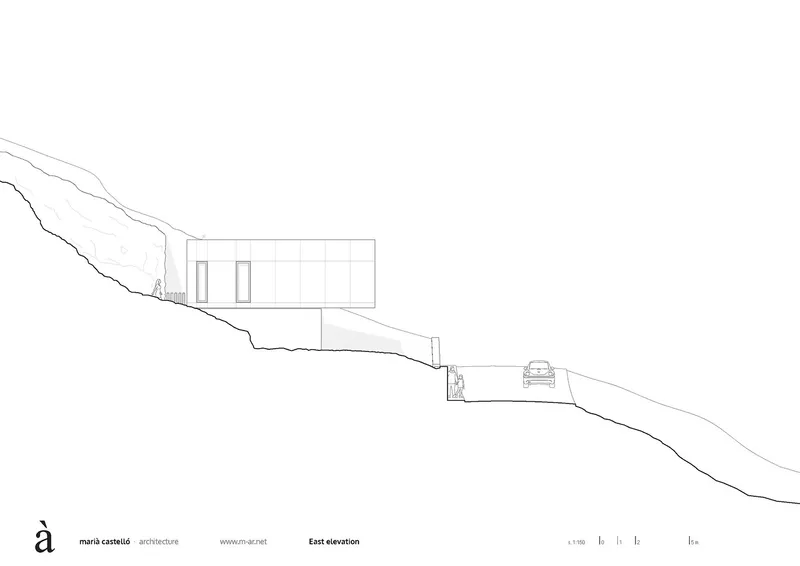


All photographs are work of Marià Castelló




Popular Articles
Popular articles from the community


The Musturak Paradise: Senior Living Architecture for a Connected Future in Temara, Morocco
The Musturak Paradise reimagines senior living architecture in Temara via private homes, social spaces, culture, community, and shared care.

Conexión: Biophilic Design Reimagines High-Rise Living in Hong Kong
Conexión reimagines high-rise living in Hong Kong through biophilic design, green facades, shared spaces, daylight, water and nature within.
EW PARK: Sustainable Architecture Reimagines the Future of Urban Parking
EW PARK reimagines city parking as a modular wooden tower combining automation, solar energy, electric mobility, and adaptable urban design.

Co-life: Sustainable Architecture for Age-Friendly Community Living
Co-life reimagines sustainable architecture for seniors through courtyards, rammed earth, shared gardens, and spaces designed for belonging.


Similar Reads
You might also enjoy these articles


Hodi-Mandai Geram
Project Function: Preservation and revitalization of the Intangible heritage and socio-spatial identity of the Hodi by Housing, Cultural Memory Center, Sacred Grove, landscape, local tourism economy


Olio Towers: A Mid-Rise for Performers That Fuses Housing, Rehearsal, and Stage
Located blocks from Houston's Theater District, this modular tower stacks living units around a central performance atrium.

Oasis: Modular Green Housing Carved into Dhaka's Urban Fabric
A shortlisted Plugin Housing entry reclaims unauthorized settlements in Dhaka with stepped concrete volumes, green roofs, and ventilation-driven design.

Black Hole: A Floating Megastructure for the Post-Physical Era
Emiliano Mazzarotto envisions a spherical, self-scaling arena where e-sports, digital hotels, and holographic stadiums replace traditional public space.


Explore Architecture Competitions
Discover active competitions in this discipline



Challenge to reimagine the Iron Throne


Photograph architecture without architects


Illustrate the lost glory of Angkor Wat - Render Challenge


Design challenge to reuse E-waste
Comments (0)
Please login or sign up to add comments
No comments yet. Be the first to comment!