
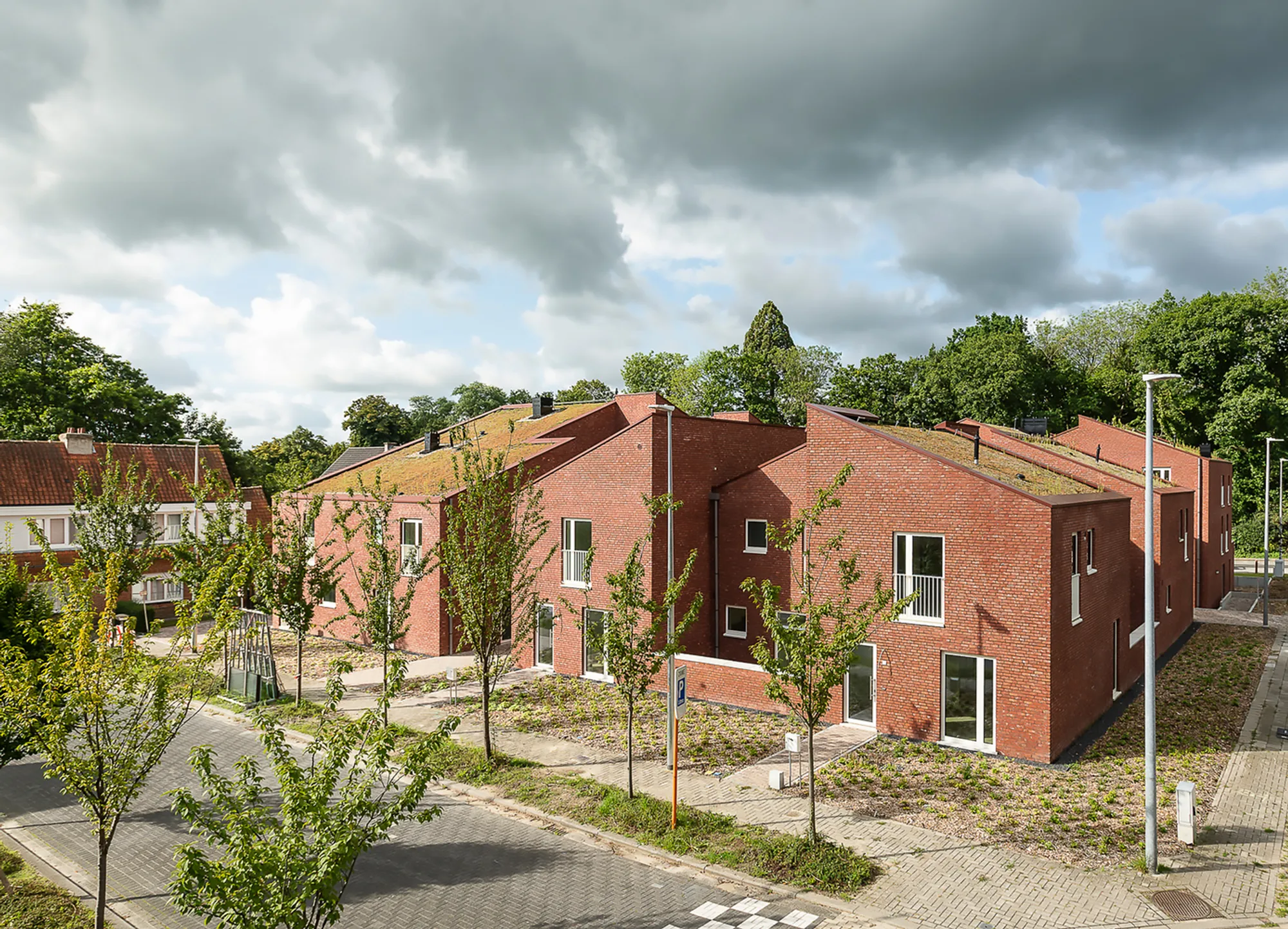
Dendermondse Volkswoningen Social Housing in Waasmunster by A2D Architects
Compact Belgian social housing organized around a green courtyard, combining sustainable design, diverse apartments, accessibility, and community-focused residential architecture.


The Dendermondse Volkswoningen Housing project in Waasmunster, Belgium, designed by A2D architects, represents a thoughtful approach to contemporary social housing architecture. Completed in 2021, this residential development demonstrates how carefully planned architecture can combine density, sustainability, and community-focused living environments within a compact urban site.
Located close to the city center of Waasmunster, the project delivers 25 high-quality social housing units within a total built area of approximately 1,830 square meters. The design integrates apartments, duplex units, and ground-level houses, forming a diverse residential program that responds to different living needs while promoting inclusivity and accessibility.
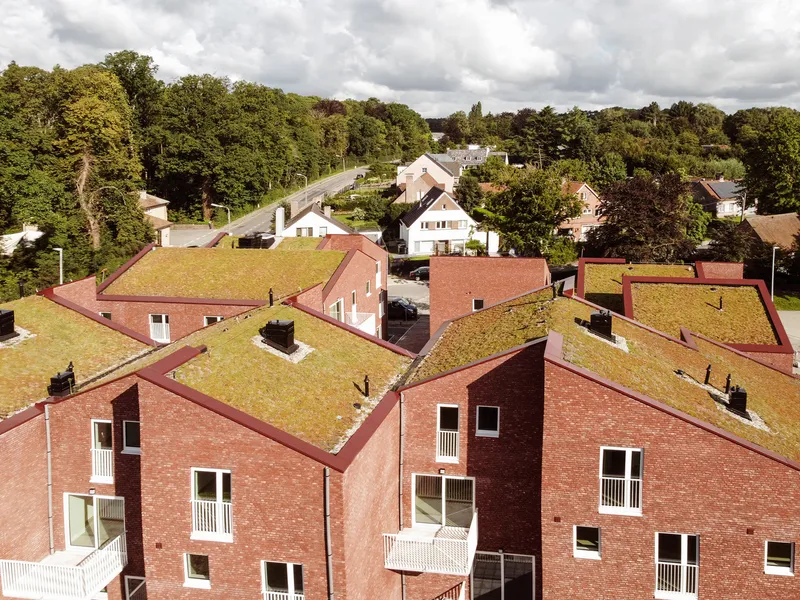
Through its architectural organization, material selection, and landscape design, the development explores innovative strategies for affordable housing, sustainable urban design, and social interaction within residential architecture.
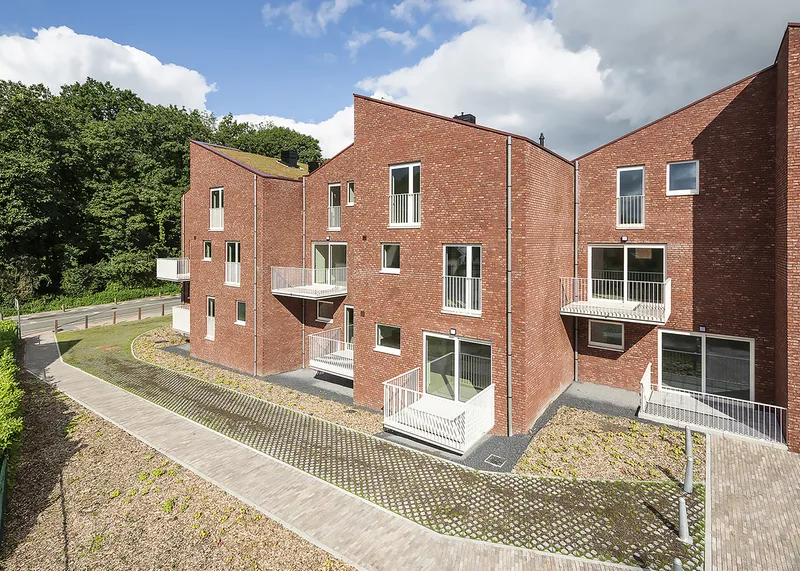
Architectural Concept: Three Interconnected Residential Volumes
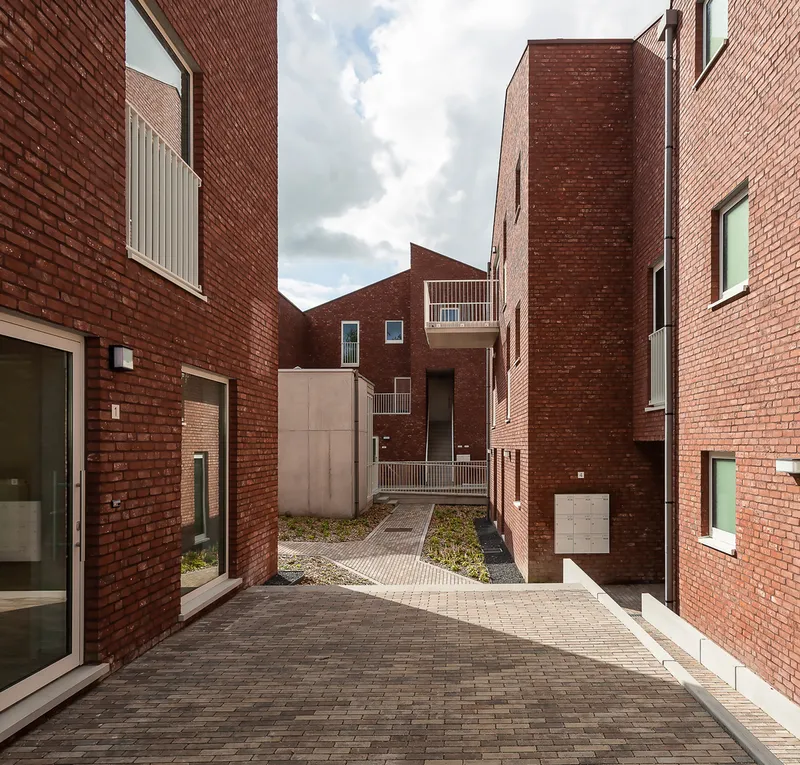
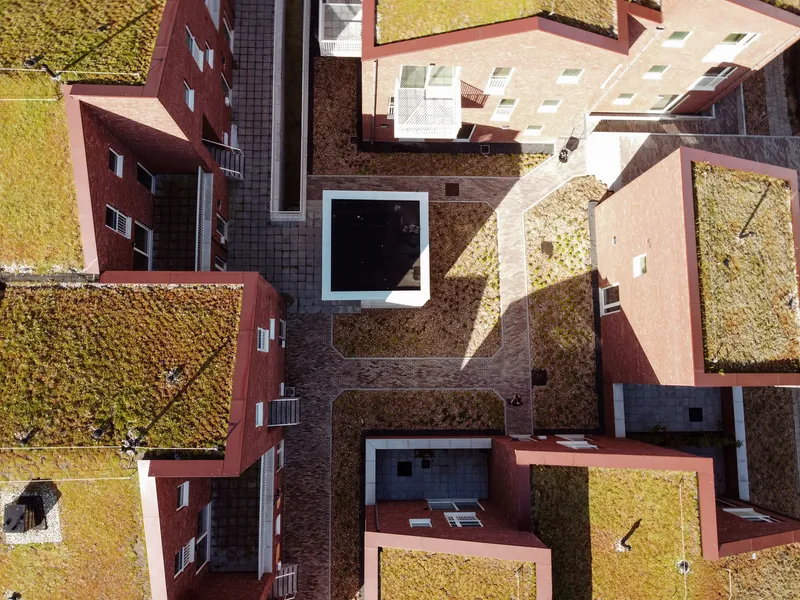
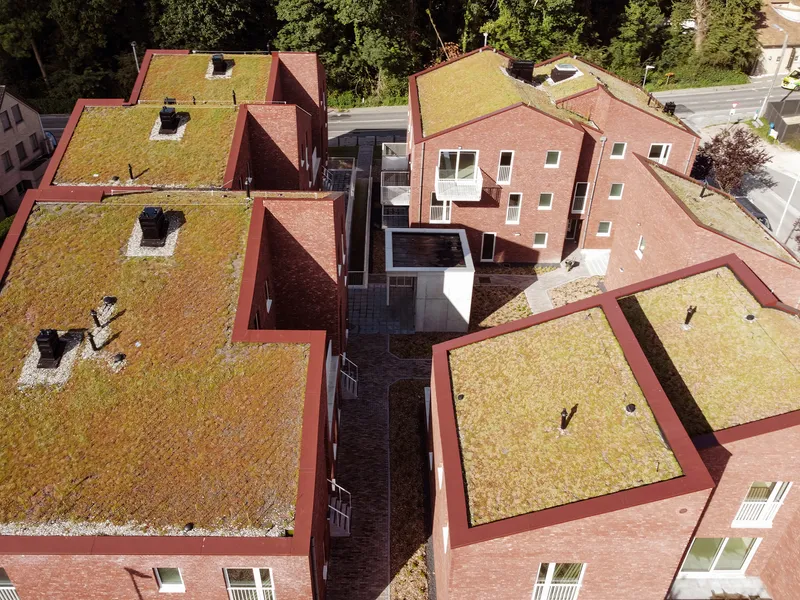
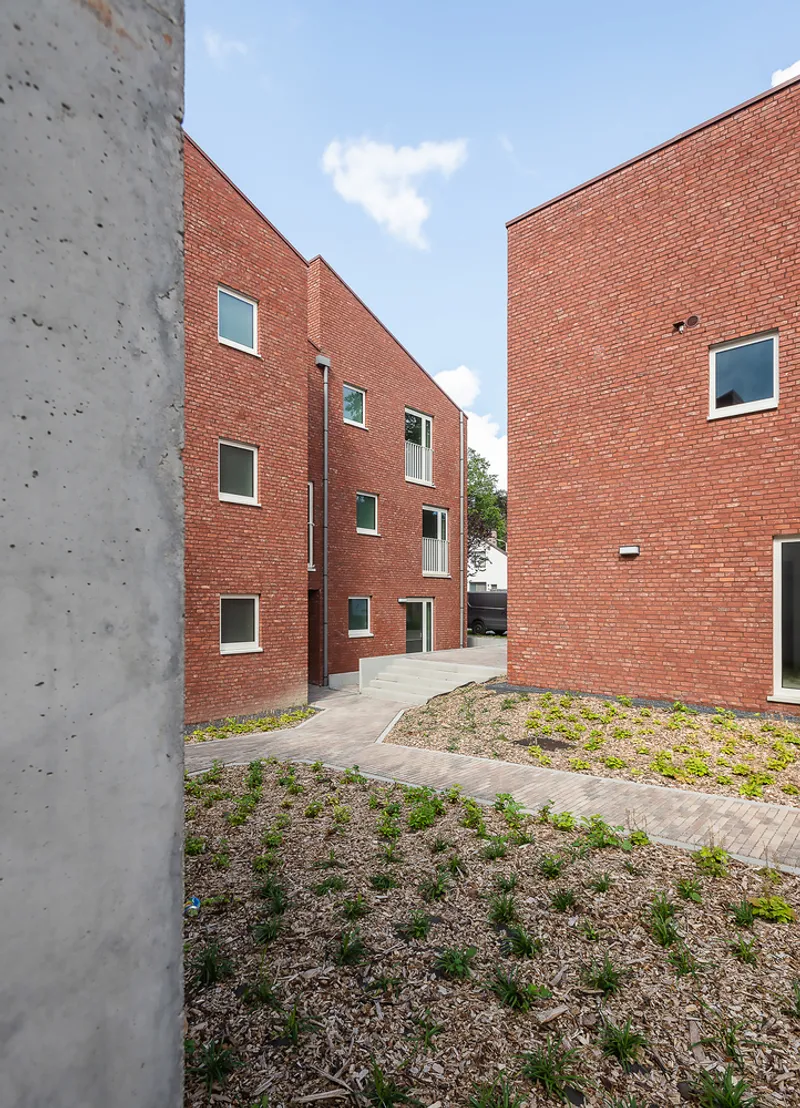
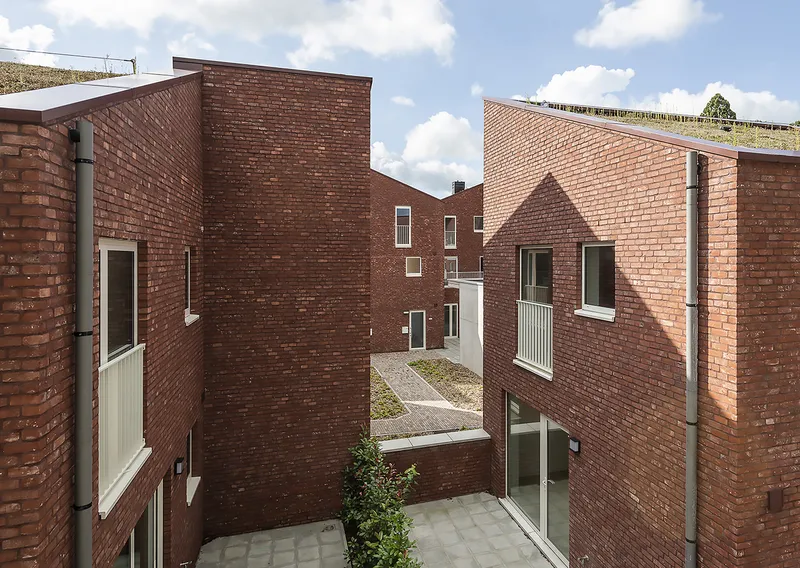
The architectural composition of the project is defined by three intertwined residential volumes. These volumes are carefully arranged around a shared green courtyard, creating a vibrant communal heart for the housing complex.
This central courtyard functions as a collective outdoor space, encouraging residents to interact, relax, and connect with nature. By placing greenery at the core of the development, the architects reinforce the concept of community living within social housing projects.
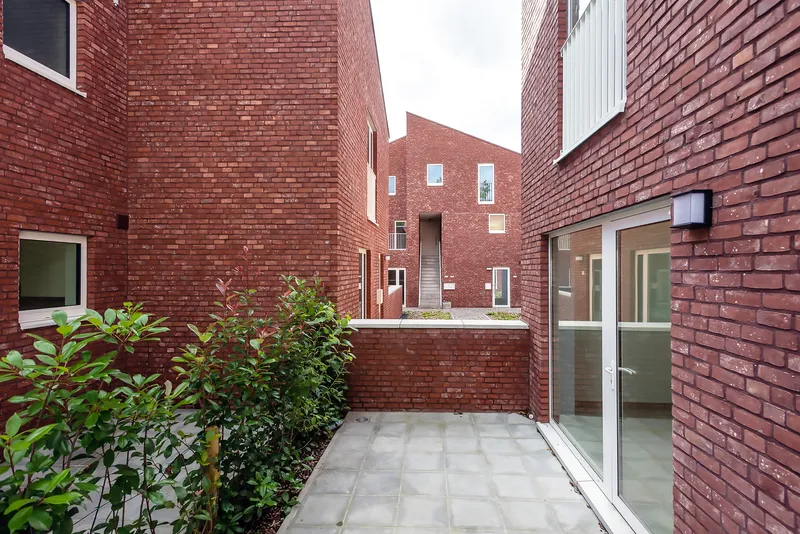
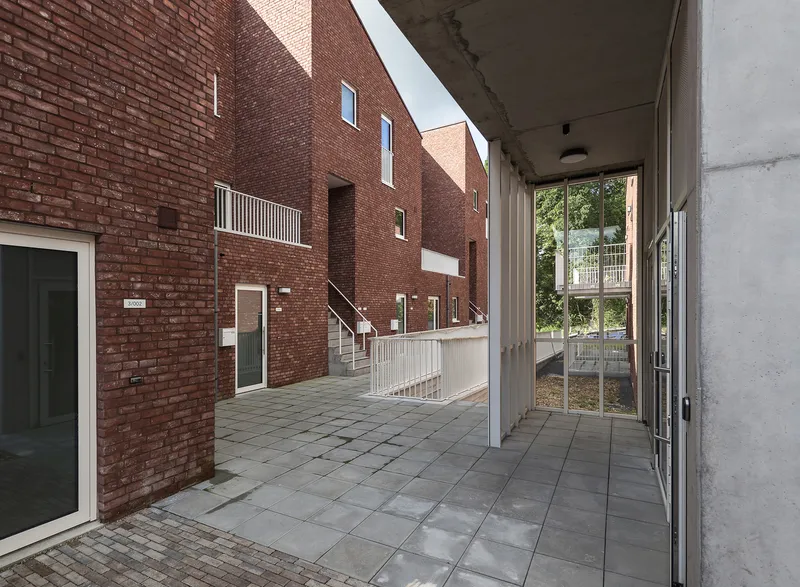
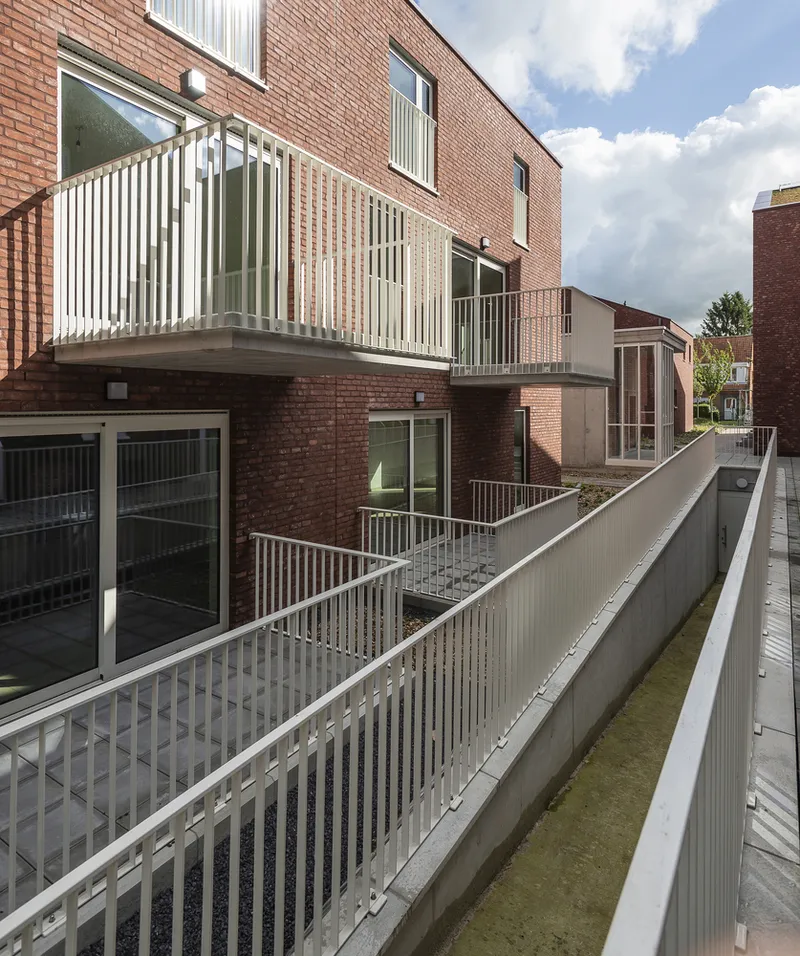
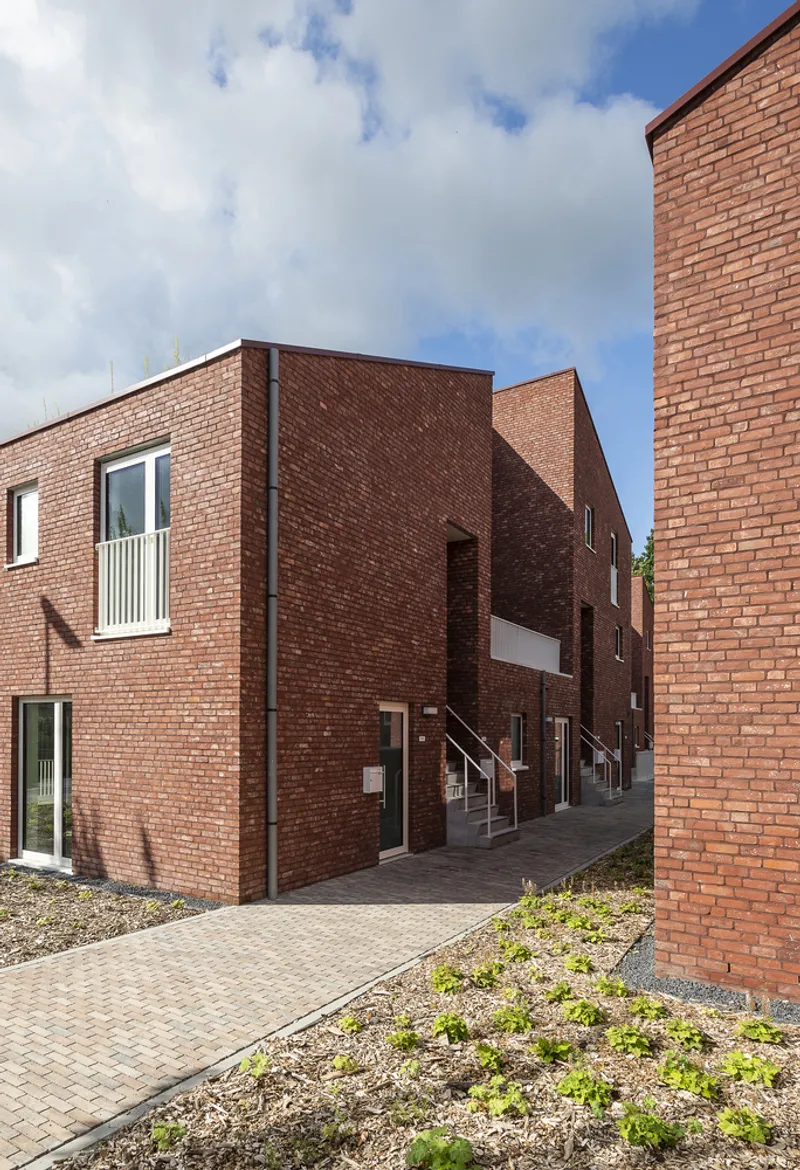
Circulation throughout the site is organized through a series of paths, footbridges, and external staircases. These elements not only connect the different housing units but also animate the shared outdoor spaces. The circulation network creates visual activity and encourages casual encounters between residents, strengthening the project's social cohesion and neighborhood identity.
Balancing Density with Spatial Quality
One of the key architectural challenges in urban social housing design is balancing residential density with spatial quality. In the Dendermondse Volkswoningen project, A2D architects achieved this balance through careful spatial planning.
Although the buildings are compact and dense, the design maintains generous transitional spaces between private interiors and shared outdoor areas. These in-between zones include terraces, circulation galleries, and landscaped areas that provide both privacy and opportunities for interaction.
This layered spatial arrangement creates a comfortable living environment where residents benefit from both private domestic spaces and accessible communal environments.
Sustainable Design and Environmental Strategies
Sustainability plays a significant role in the overall design strategy of the housing complex. The architects adopted several environmentally conscious measures to ensure the project contributes positively to its surroundings.
The efficient use of the site area minimizes land consumption while maximizing housing capacity. Durable building materials were selected to ensure long-term performance with minimal maintenance, which is particularly important for social housing developments.
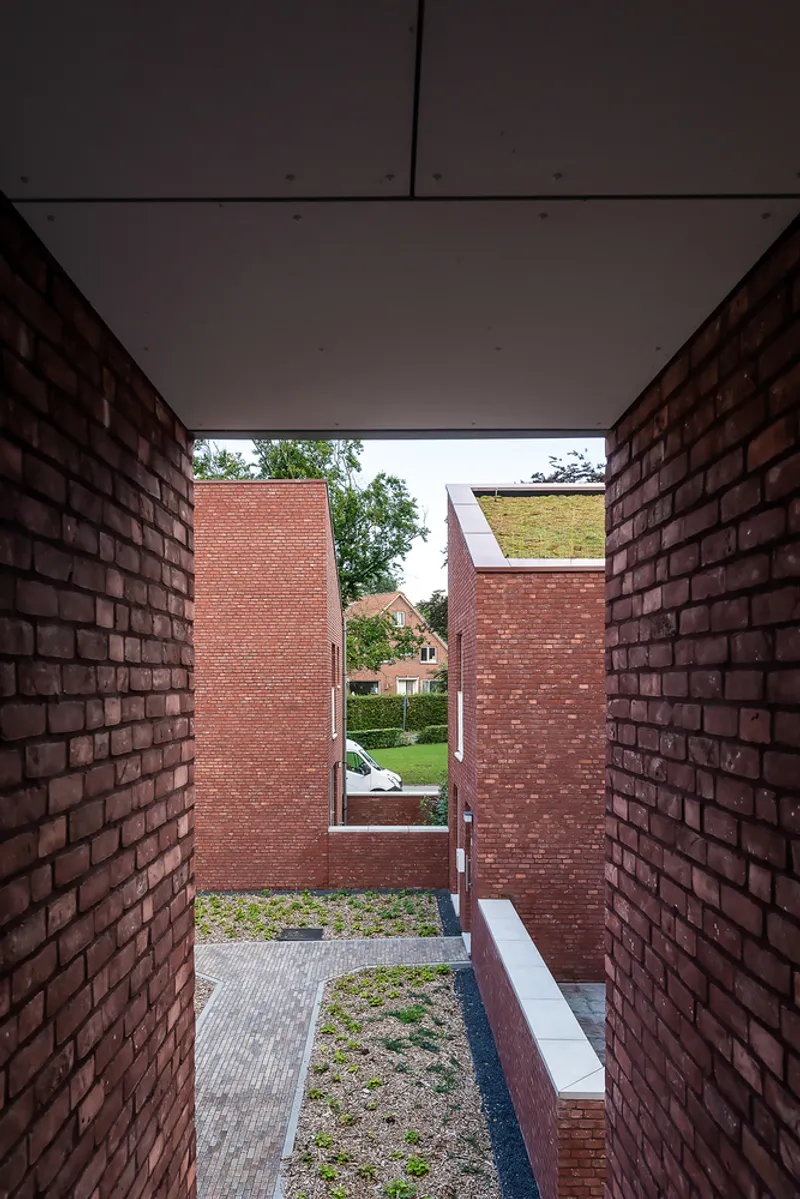
The roofs of the residential volumes are designed as fully integrated green roofs. These vegetated roofs help delay rainwater runoff, reducing pressure on the local sewer system during heavy rainfall. In addition, the green roofs contribute to improved thermal insulation and urban biodiversity.
Landscape interventions also aim to enhance the local flora and fauna, creating a healthier microenvironment within the residential site.
Housing Diversity and Accessibility
The project includes twenty-five social housing units, distributed across the three residential volumes. These units consist of a mix of four ground-level houses and twenty-one apartments and duplex homes.
This variety of housing typologies ensures that the development can accommodate different household structures, from individuals and couples to families.
Accessibility was an essential consideration during the planning phase. Seven apartments are specifically adapted for residents with reduced mobility, ensuring inclusive living opportunities within the housing complex.
The residential program is complemented by practical support spaces, including basement storage areas and a large bicycle shed. Both facilities are easily accessible via a ramp and external lift, ensuring convenience for all residents.
Interestingly, the ramp leading to the basement level is also designed to introduce natural light and ventilation into the underground space. This architectural feature transforms a functional circulation element into an aesthetically pleasing design solution.
Materiality and Architectural Identity
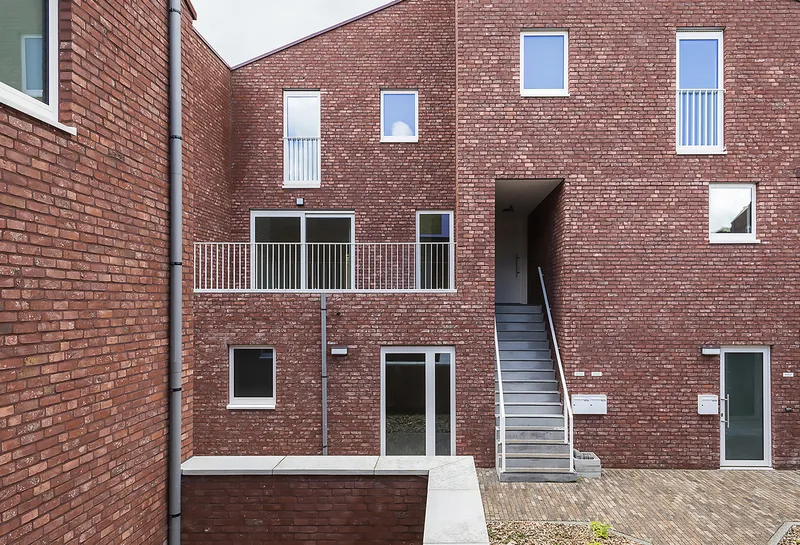
The visual identity of the housing complex is defined by a clear and robust material palette. The buildings are clad in red face brick, a material commonly used in Belgian architecture and well suited to the local context.
The red brick facades provide durability while giving the buildings a warm and timeless architectural character. To contrast with the brick surfaces, the windows and openings are framed with white aluminum profiles, creating a clean and modern expression.
The facade composition also plays an important role in ensuring privacy and comfort. The design integrates a combination of internal and external terraces, allowing residents to enjoy private outdoor spaces while maintaining a comfortable distance from neighboring units.
High Performance Comfort and Building Technology
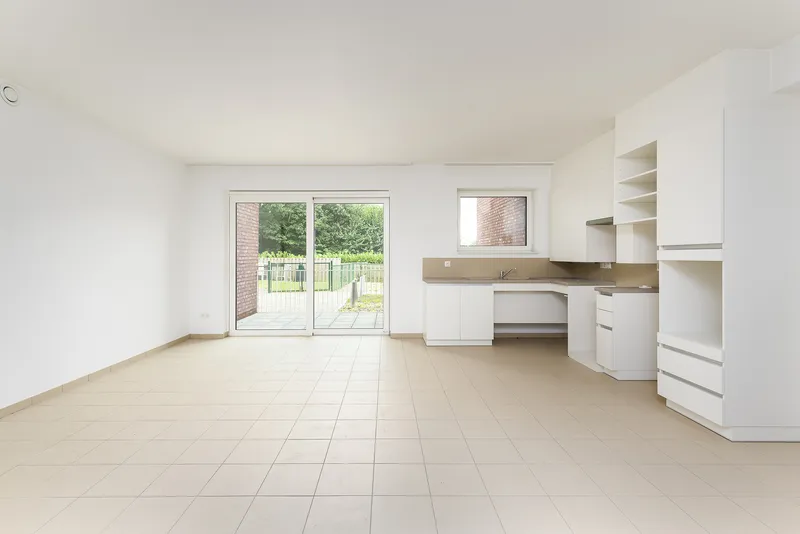
Beyond aesthetics and spatial planning, the project incorporates advanced building technologies to improve residential comfort.
Each housing unit is equipped with modern ventilation systems, efficient heating, and cooling technologies, ensuring a comfortable indoor climate throughout the year.
Acoustic performance was another major design priority. The architects carefully addressed sound insulation between units to achieve high acoustic standards, ensuring quiet and peaceful interior environments for residents.
These technical solutions contribute significantly to the livability and long-term performance of the housing complex.
Integration of Nature and Community
Despite the relatively compact footprint of the development, the project successfully integrates green spaces and natural elements into the overall design.
The central courtyard, green roofs, and landscaped surroundings work together to create a pleasant residential atmosphere. These elements also play a crucial role in softening the transition between public urban space and private residential interiors.
By combining landscape architecture, thoughtful circulation design, and sustainable building strategies, the project fosters a strong sense of belonging and community among residents.
A Model for Contemporary Social Housing
The Dendermondse Volkswoningen Housing project by A2D architects demonstrates how well-designed social housing can provide high-quality living environments while addressing urban density and sustainability challenges.
Through its integration of green infrastructure, accessible housing units, durable materials, and socially engaging outdoor spaces, the development offers a meaningful contribution to contemporary European social housing design.
The project shows that affordable housing architecture can go beyond basic functionality to create vibrant communities where residents enjoy comfort, privacy, and opportunities for social interaction.
All photographs are works of
Jelle Vans Photography


Popular Articles
Popular articles from the community


Co-Life: Senior Housing Design That Reconnects Older Adults With the City
Co-Life reimagines senior housing design through healing gardens, shared streets, workshops, and a sustainable community across generations.

The Ocean Hive: Sustainable Architecture for a Self-Sufficient Civilization at Sea
The Ocean Hive imagines sustainable architecture at sea, where modular habitats, algae, wave power and ocean waste sustain a growing colony.

Hill & Cross Opera: Sculptural Opera House Architecture Shaped by Tallinn’s Landscape and Identity
Hill & Cross Opera reimagines opera house architecture in Tallinn through its sculptural hill, civic plaza, glass wave and a luminous cross.

The Earth Pod: 3D Printed Homes for Resilient Refugee Communities
The Earth Pod reimagines refugee housing through 3D printed homes made from clay, combining resilience, self-sufficiency, and rapid shelter.

Similar Reads
You might also enjoy these articles

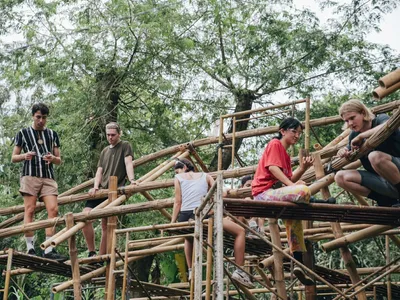
Bamboo Housing Challenge 2026: Design Affordable, Sustainable Homes Using Bamboo
An international design competition by Bamboo U and IBUKU inviting architects and designers to reimagine affordable housing using bamboo — with the winning design built full-scale in Bali.

Computational Design & Education: Beegraphy Design Awards Introduces 7th Category (Featuring Jiyun's Innovative Approach)
Dive into Beegraphy’s 7th Design Awards category, where computational design meets education to create immersive, interactive learning tools, inspired by Jiyun’s work.
From Parametric Lighting to Urban Furniture: Join the 2nd Workshop in Beegraphy’s Computational Design Series
Dive into Cutting-Edge Design Techniques and Practical Applications with Industry Experts

Last Call: Unleash Your Architectural Genius in SHAK's Kindergarten Design Competition
Urgent call for architects to join SHAK's kindergarten design competition before the looming deadline
Explore Sustainable Design Competitions
Discover active competitions in this discipline



Challenge to reimagine the Iron Throne


Photograph architecture without architects


Illustrate the lost glory of Angkor Wat - Render Challenge


Design challenge to reuse E-waste
Comments (0)
Please login or sign up to add comments
No comments yet. Be the first to comment!