
Digital House by Julian Krüger and Benjamin Kemper: A Parametric Prototype for the Future of Sustainable Architecture in Germany
Digital House by Krüger and Kemper: a sustainable, tool-free, CNC-milled modular home featuring recycled materials and parametric design innovation.


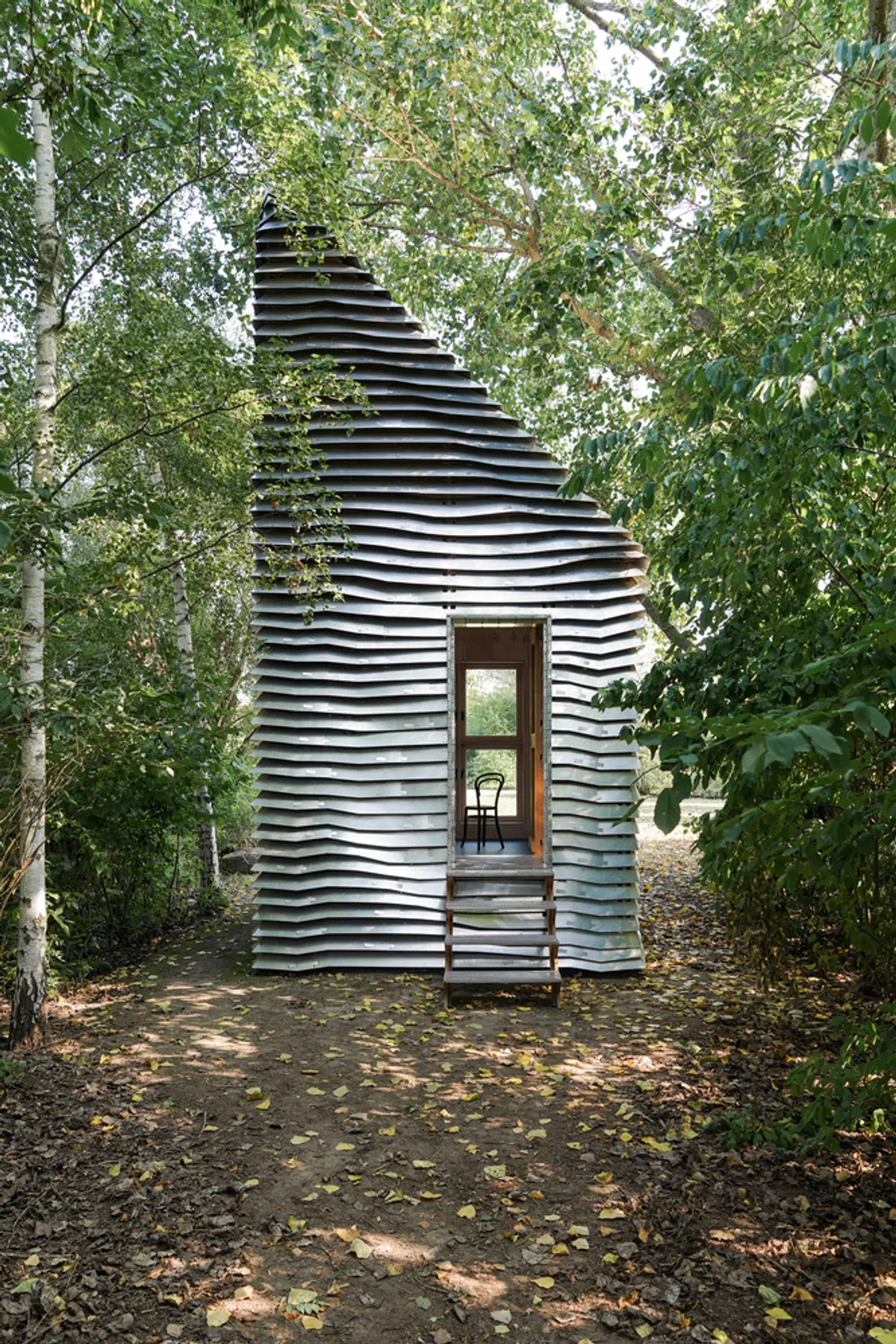
In the heart of Wismar, a historic Hanseatic city in Northern Germany, the Digital House emerges as a beacon of innovation, sustainability, and architectural ingenuity. Designed and built by architects Julian Krüger (Munich University of Applied Sciences) and Benjamin Kemper (Wismar University of Applied Sciences), this 16-square-meter prototype challenges conventional building methods by adopting fully digital design and fabrication techniques. Assembled entirely without tools, the project reimagines the potential of parametric architecture, eco-conscious construction, and plug-in modular systems.
Tool-Free Assembly Meets Parametric Innovation
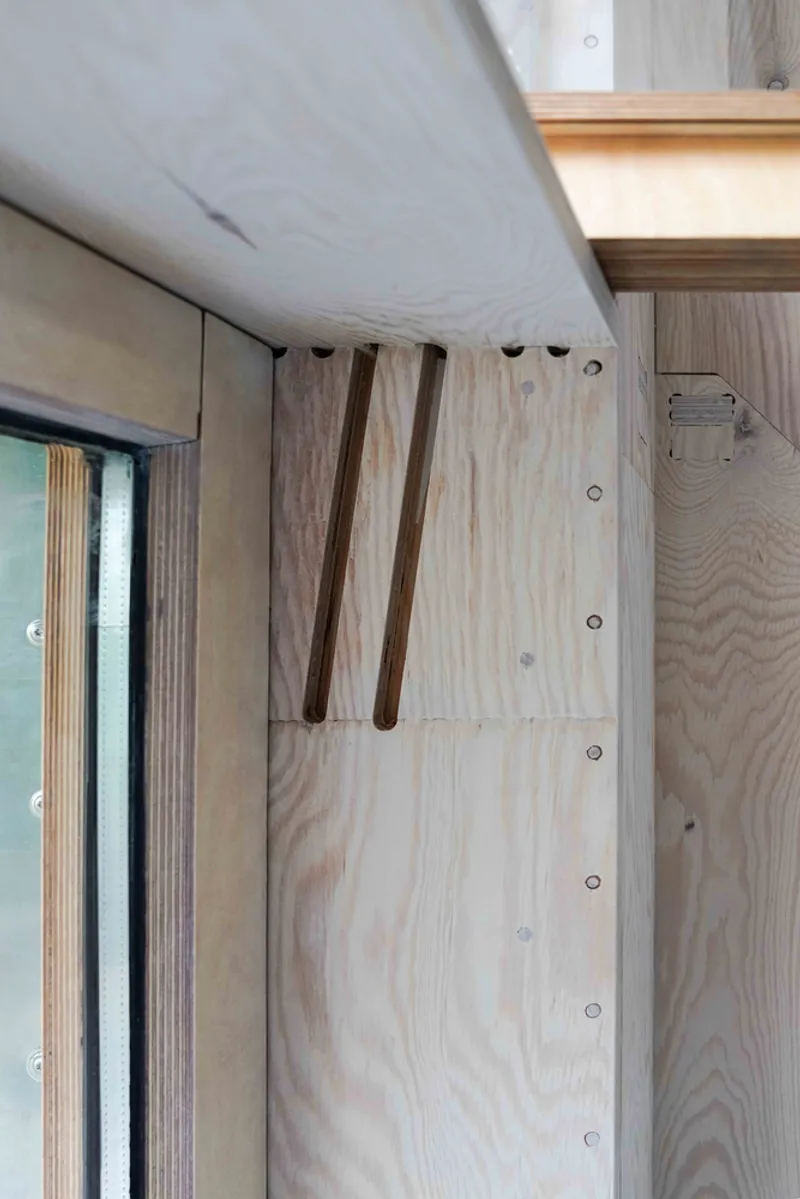
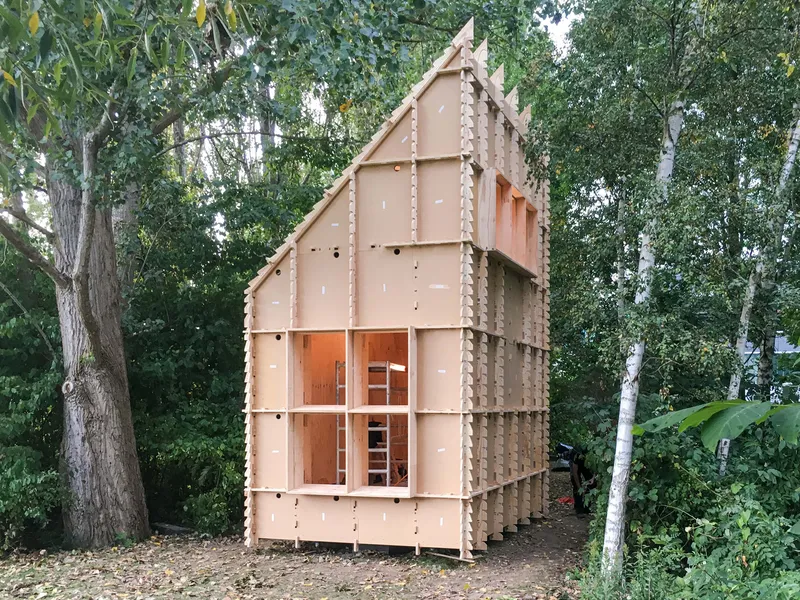
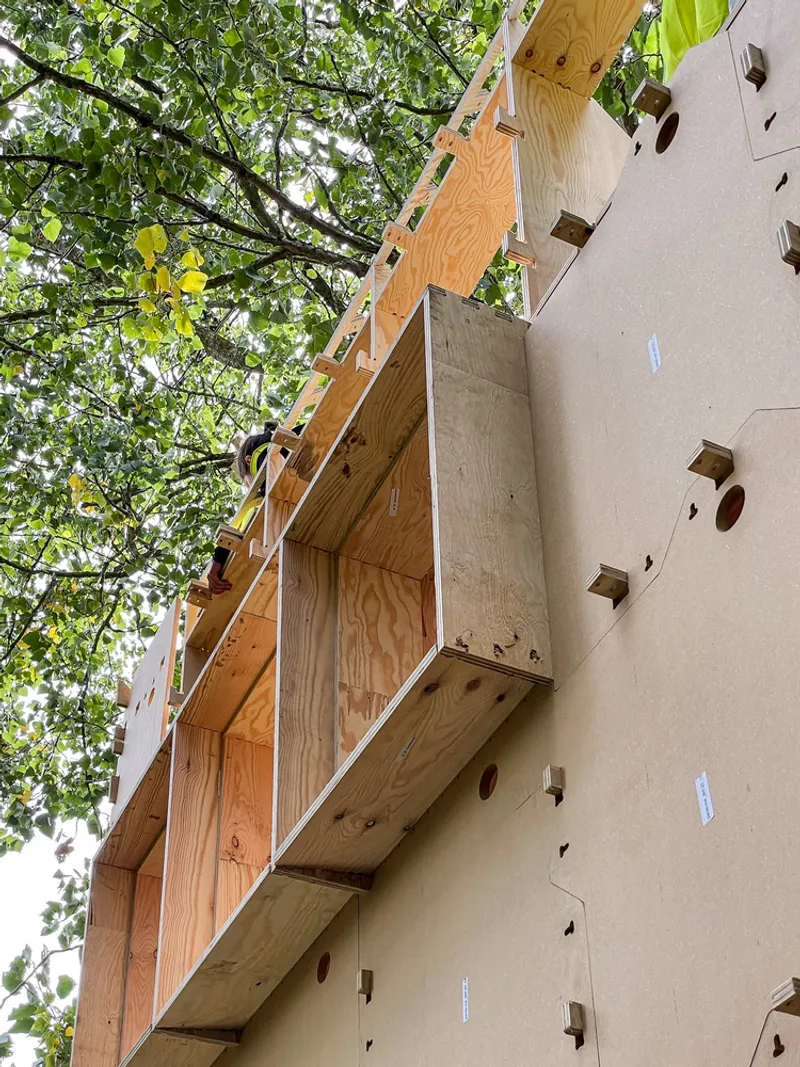
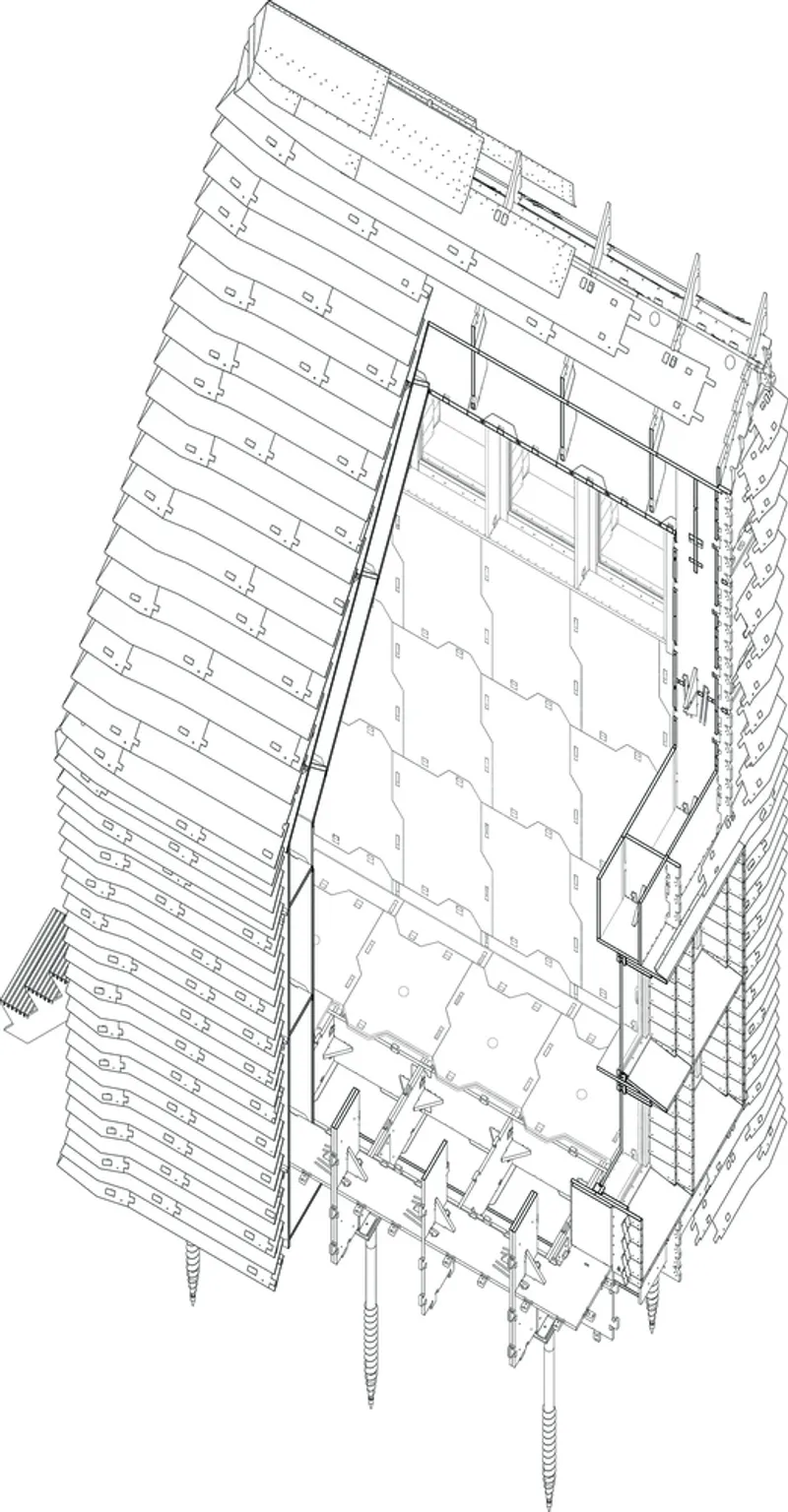
At just 3.3 × 4.9 meters in footprint and rising to 6.5 meters high, the Digital House may be compact, but it encapsulates a transformative construction method. Conceived as a digitally fabricated, plug-in system, the building is CNC-milled from 24mm plywood, allowing two individuals to assemble the structure without screws, nails, or additional hardware. This innovative assembly method not only streamlines construction but also enhances disassembly and reusability, reinforcing the project's dedication to circular design and low-impact architecture.
A Sustainable Envelope: Recycled Aluminum and Eco-Friendly Wood
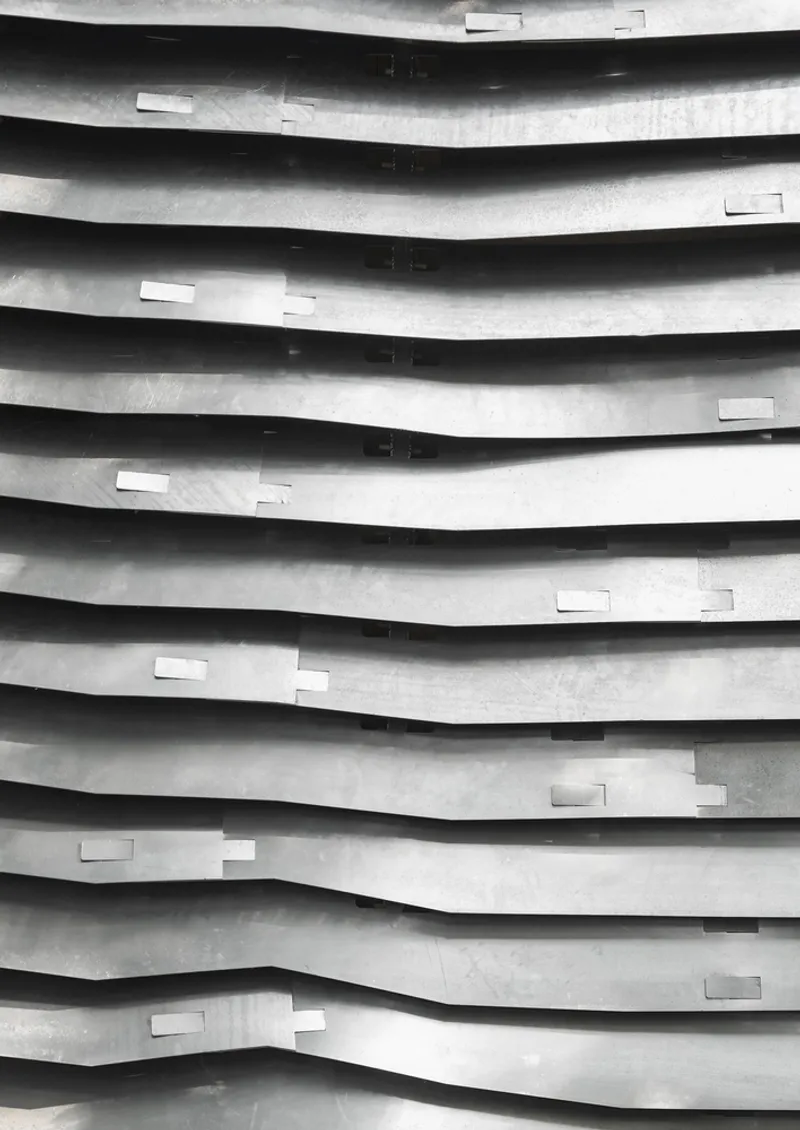
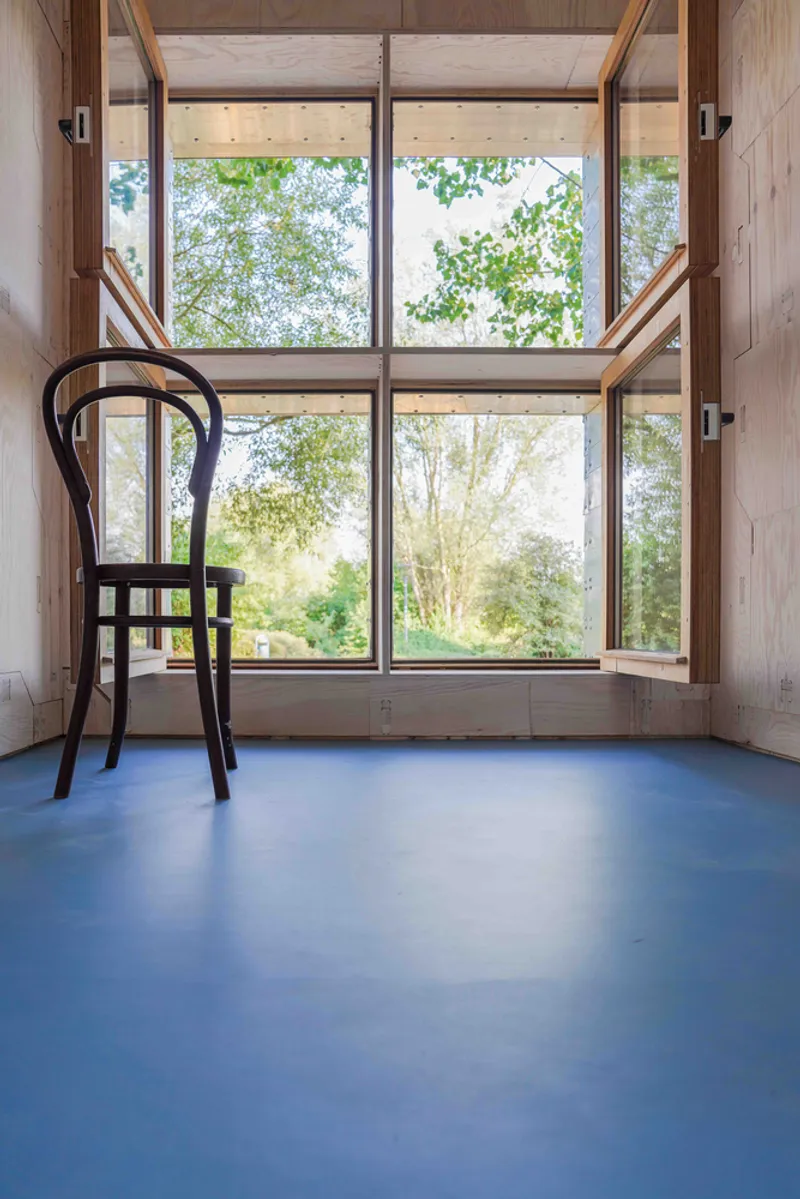
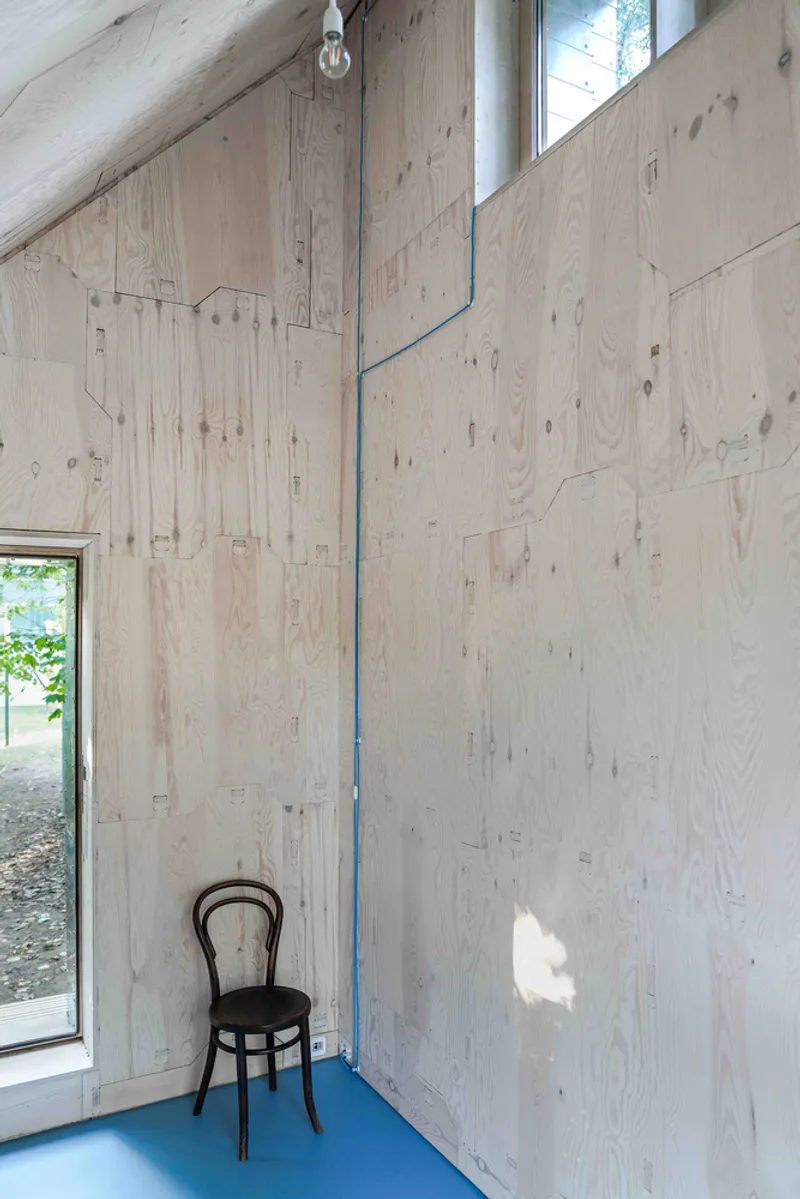
The exterior façade is a masterclass in parametric customization and sustainable material use. Composed of laser-cut, recycled aluminum sheets, the cladding envelopes the house in horizontal bands that tighten around window openings and elegantly fan out over solid surfaces. Each sheet is fabricated with integrated fastening mechanisms, eliminating waste and simplifying installation. Inside, plywood paneling creates a warm, minimal interior, while wood fiber insulation and vapor-permeable wood fiberboard support breathable, energy-efficient living.
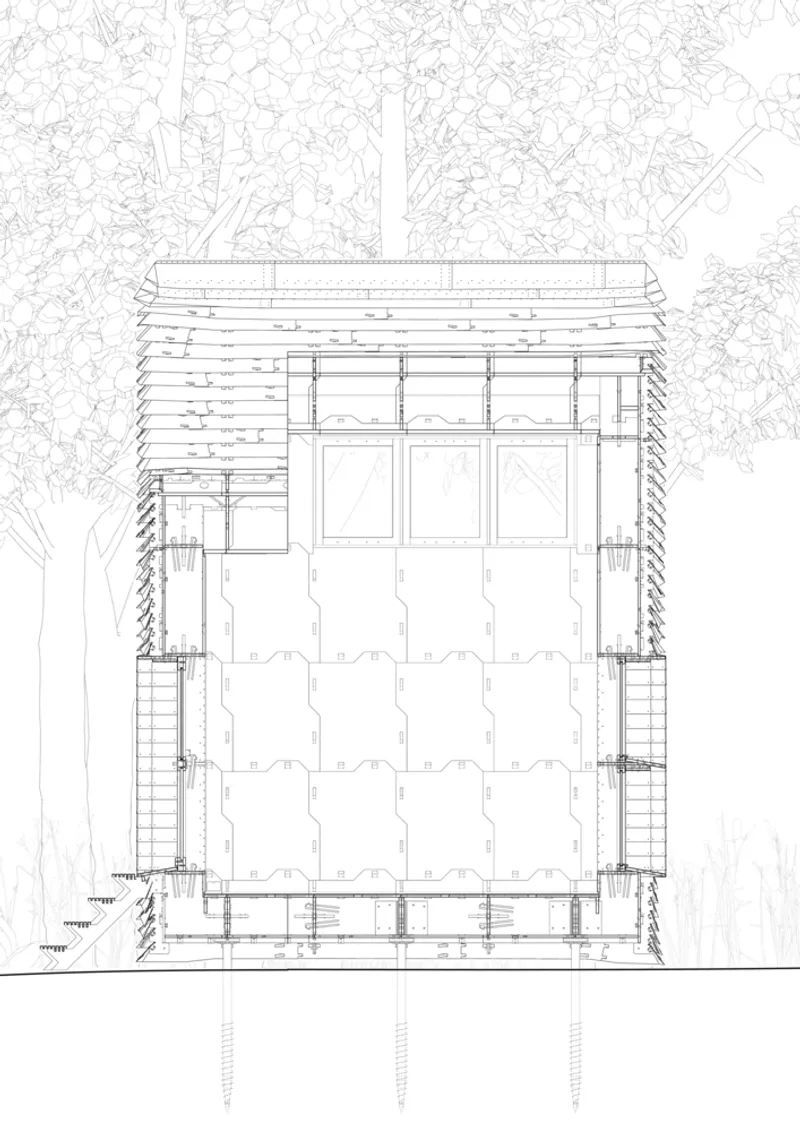
Mounted on six screw foundations, the building requires no concrete or heavy groundwork—allowing it to be installed and removed with minimal site impact. This makes the Digital House an ideal candidate for temporary architecture, off-grid dwellings, and urban infill applications.
Customized Design Through Digital Tools
The most forward-thinking aspect of the Digital House lies in its software-driven adaptability. Its parametric design system allows future users to customize not only the shape and size but also the window placement, roof pitch, and floor plan configuration through a digital interface. This level of user-defined customization could pave the way for mass personalization in architecture, enabling tailored, low-cost housing solutions adaptable to a variety of site conditions and user needs.
Seamless Integration of Design, Fabrication, and Assembly
By eliminating the boundaries between design, production, and construction, Krüger and Kemper demonstrate a fully integrated workflow. The use of CNC milling and laser cutting ensures that every part is digitally optimized for precision and efficiency. This seamless chain—from parametric planning to off-site manufacturing and on-site assembly—marks a decisive shift toward Industry 4.0 in architecture.
All Photographs are works of Julian Krüger, Benjamin Kemper


Popular Articles
Popular articles from the community


Extended Shell: Retrofitting Kolkata's Balconies as Living Urban Thresholds
A modular retrofit system recovers the social and environmental intelligence of Kolkata's historic verandas for contemporary Park Street residents.

Opera on the Sea: Driftwood Logic Shapes a Timber Opera House on Estonia's Coast
Trevor Orgill's opera house translates the entangled drift of floating timber into a civic building where wood, water, and music converge.

The Amber Palace Opera: A Geological Fiction Surfaces on Tallinn's Baltic Waterfront
Pierre Brillard reimagines a Baltic legend as a public landscape, opera house, and waterfront promenade rooted in Tallinn's coastal identity.
Faces of the Soviet Avant-Garde: Turning Moscow's Street Names into an Open-Air Museum
A network of sculptural installations across a Moscow residential district transforms forgotten architect names into spatial encounters with cultural memor

Similar Reads
You might also enjoy these articles


Hodi-Mandai Geram
Project Function: Preservation and revitalization of the Intangible heritage and socio-spatial identity of the Hodi by Housing, Cultural Memory Center, Sacred Grove, landscape, local tourism economy


Olio Towers: A Mid-Rise for Performers That Fuses Housing, Rehearsal, and Stage
Located blocks from Houston's Theater District, this modular tower stacks living units around a central performance atrium.

Oasis: Modular Green Housing Carved into Dhaka's Urban Fabric
A shortlisted Plugin Housing entry reclaims unauthorized settlements in Dhaka with stepped concrete volumes, green roofs, and ventilation-driven design.

Black Hole: A Floating Megastructure for the Post-Physical Era
Emiliano Mazzarotto envisions a spherical, self-scaling arena where e-sports, digital hotels, and holographic stadiums replace traditional public space.

Explore New Bauhaus Competitions
Discover active competitions in this discipline

Challenge to design a portable theatre

Challenge to design a portable music platform

Challenge to design an open learning module for the elderly

Challenge to reimagine the Iron Throne
Comments (0)
Please login or sign up to add comments
No comments yet. Be the first to comment!