
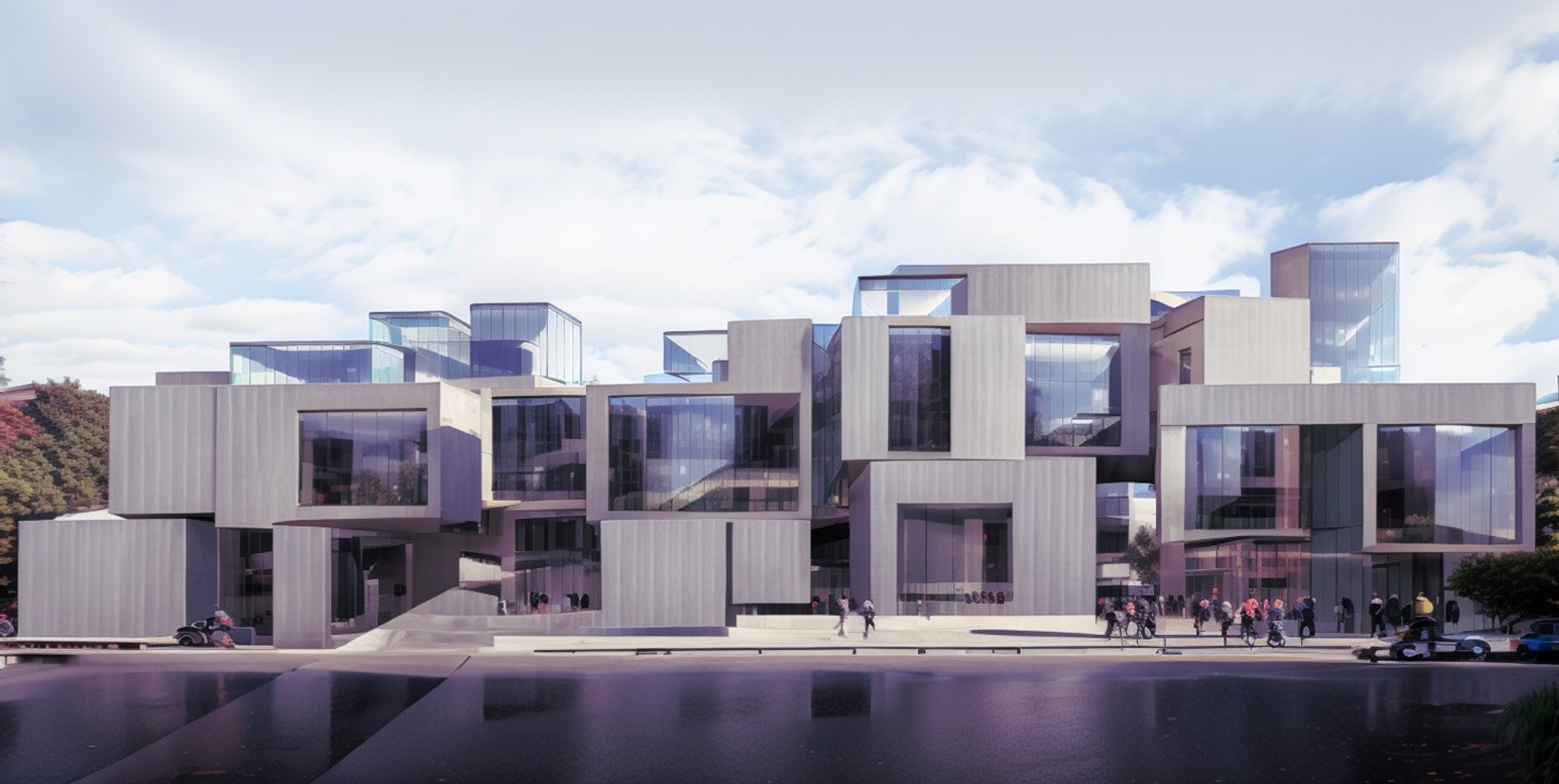
DISSOLVE: Reimagining the School as a Fluid Landscape of Learning
Breaking down boundaries and embracing individualization in education.

The "Dissolve" project, conceived by Biray Akkuş, Ceren Özeren, and Doga Akalin, challenges the conventional typology of school buildings and the standardized education systems they often embody. Shortlisted in the Play ON School competition, "Dissolve" proposes a radical departure from rigid classrooms and corridors, instead envisioning a fluid, interconnected landscape that empowers individual learning and encourages student agency.
Challenging the Typological School
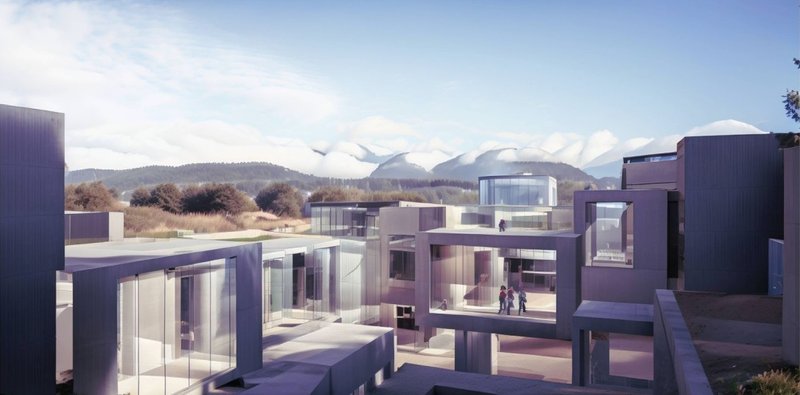
The design team's research revealed a pervasive trend of standardized school structures and educational approaches. Classrooms arranged around corridors, with spaces and actions clearly defined, had become the norm, limiting the potential for personalized learning experiences. "Dissolve" confronts this typology, advocating for an educational environment that caters to the unique needs and desires of individual students.
Dissolving Boundaries, Creating Connections
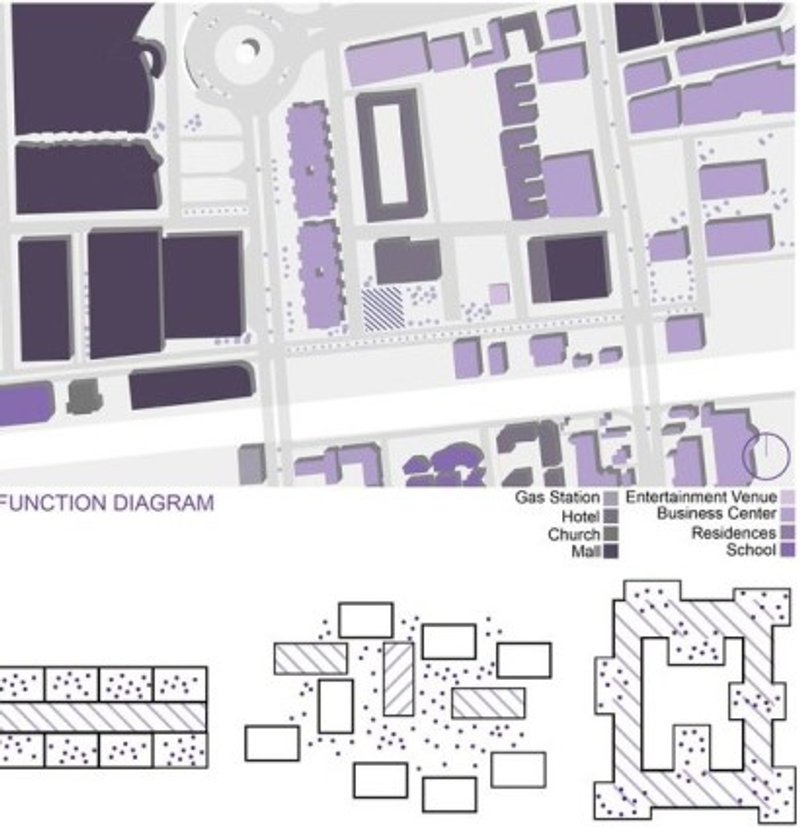
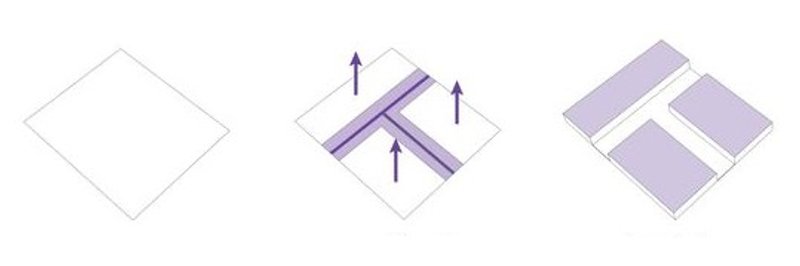
At the core of the project lies the concept of "dissolving" boundaries between spaces. The design features a series of interlocking, undefined spaces that flow seamlessly into one another, encouraging students to move freely and explore different learning opportunities. This fluidity allows for spontaneous interactions, peer-to-peer learning, and a sense of community.
Individualized Learning Pathways
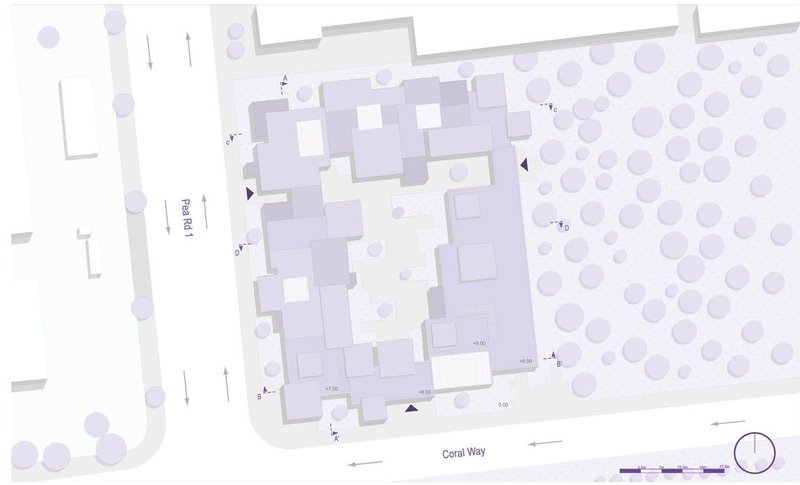
"Dissolve" prioritizes student agency by offering a diverse range of spaces tailored to different learning styles and needs. Students are empowered to choose their learning environments, moving between quiet study areas, collaborative workspaces, hands-on labs, and outdoor learning zones. This flexibility promotes self-directed learning and fosters a sense of ownership over the educational experience.
Contextual Integration and Security
The design responds to the contextual challenges of the site, including limited green space and security concerns. The building's facades are largely impermeable, with student circulation confined to inner courtyards, ensuring safety and creating a sense of enclosure. A permeable glass facade connects the conference hall to a wooded area, establishing a visual link to nature and encouraging community use of the space.
Circulation as a Dynamic Experience
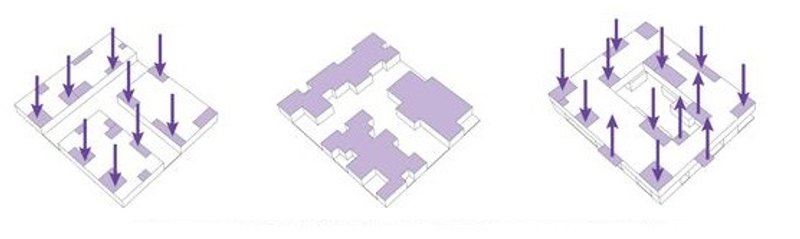
The circulation system is conceived as an integral part of the learning landscape. The interlocking and dissolving of spaces extends to the roof coverings, creating a dynamic and multi-level experience. This approach blurs the boundaries between indoors and outdoors, encouraging exploration and movement throughout the building.
Dissolution as a Visual Language
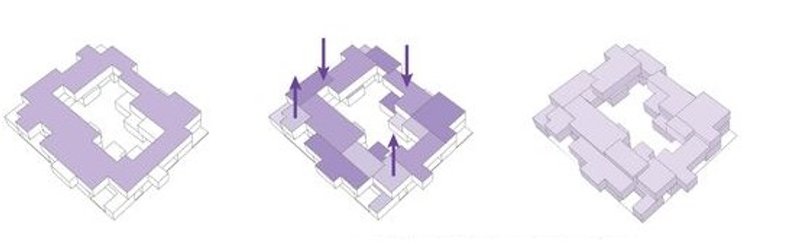
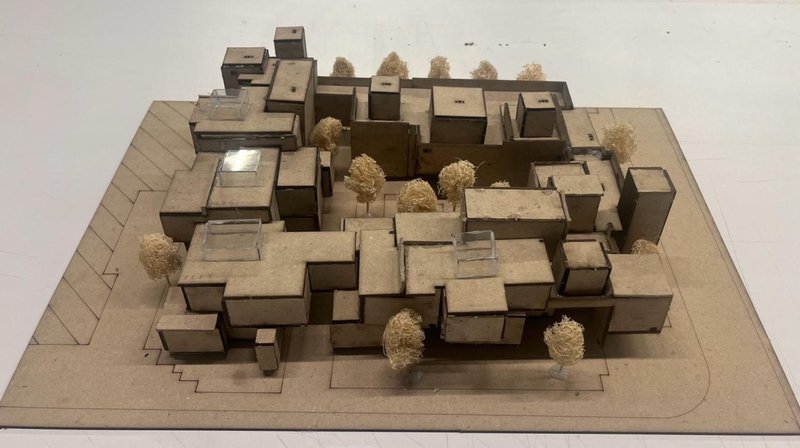
The concept of "dissolution" is reflected in the building's visual language. The facade features a series of dissolved elements that break down the massing, creating a sense of fragmentation and visual interest. These elements also serve as interactive components for children, transforming into tables, chairs, steps, and doors, further blurring the line between architecture and play.
A Transformative Approach to Education
"Dissolve" represents a transformative approach to educational architecture, breaking free from the constraints of traditional school design and embracing a more fluid, student-centered model. By dissolving boundaries, promoting individualization, and creating a dynamic learning landscape, the project empowers students to become active participants in their own education, fostering a love of learning and preparing them for the challenges of the future.



Popular Articles
Popular articles from the community

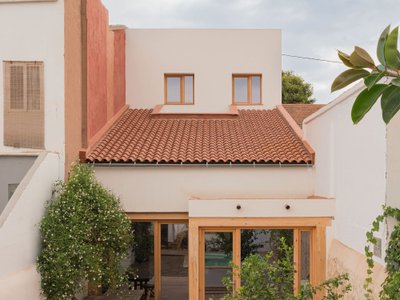
Paco Oria Estudio Rebuilds a 1949 Valencian Town House Around Timber, Terracotta, and a New Interior Patio
In Godella, Spain, a semi-detached house from the postwar era is stripped to its party walls and rebuilt with wood and ceramics.
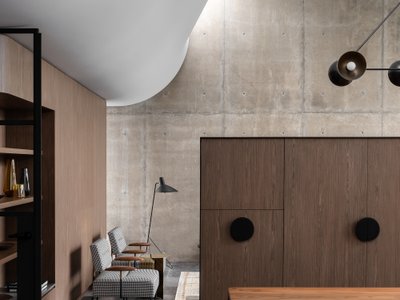
Studio Gram Unfurls a Concrete Curve Through an Adelaide Queen Anne Villa
In Rose Park, a billowing concrete threshold stitches a century-old house to a sun-chasing pavilion organized around an existing pool.
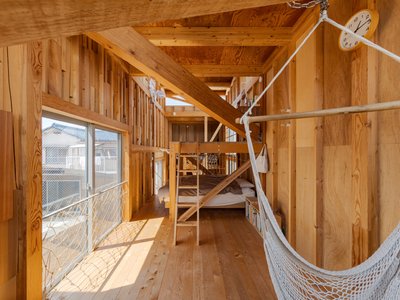
1-1 Architects Builds a Nagoya House and Office from Decades of Stockpiled Timber
A 69-square-meter tower in dense residential Nagoya transforms surplus lumber into a home and workplace for a construction company.
boq architekti Fits a Gabled Family House onto a Tiny Moravian Hillside Plot with No Room for a Garden
A 115 square meter home in South Moravia trades a garden for a rooftop terrace and a fully glazed facade facing the village below.


Similar Reads
You might also enjoy these articles

317studio Turns an 87 m² Classroom into a Forest Clearing for Scouts in New Taipei City
A rope canopy, student-made specimens, and campfire geometry replace rows of desks in this Scouting classroom in Xizhi District.
24 7 Arquitetura Builds a Timber Pavilion as a Family's First Act on a 5,000 m² Brazilian Plot
In Jaguariúna, a prefabricated glulam house nestles among mature trees as the opening move of a larger residential masterplan.
1+1>2 Architects Build a School from 900 Blocks of Hmong Stone on Vietnam's Rocky Plateau
On a barren valley in Ha Giang province, a community quarried its own stone to raise a kindergarten and primary school rooted in Hmong identity.
100A Associates Builds a Volcanic Stone Retreat on Jeju Island Rooted in Ritual and Restraint
Watarstay [Wa:Tar] in Bongseong-ri channels Jeju's basalt, reed, and hemp into a 150 m² hospitality space shaped by contemplation.


Explore Conceptual Architecture Competitions
Discover active competitions in this discipline




The Global Benchmark for Architecture Dissertation Awards


Challenge to design public laboratory
Comments (0)
Please login or sign up to add comments
No comments yet. Be the first to comment!