
Double House by W Architects in Akita, Japan: Innovative Dual-Structure Living
Double House in Akita, Japan features a functional tower and spacious summer house, blending efficiency, relaxation, modern design, and natural surroundings.


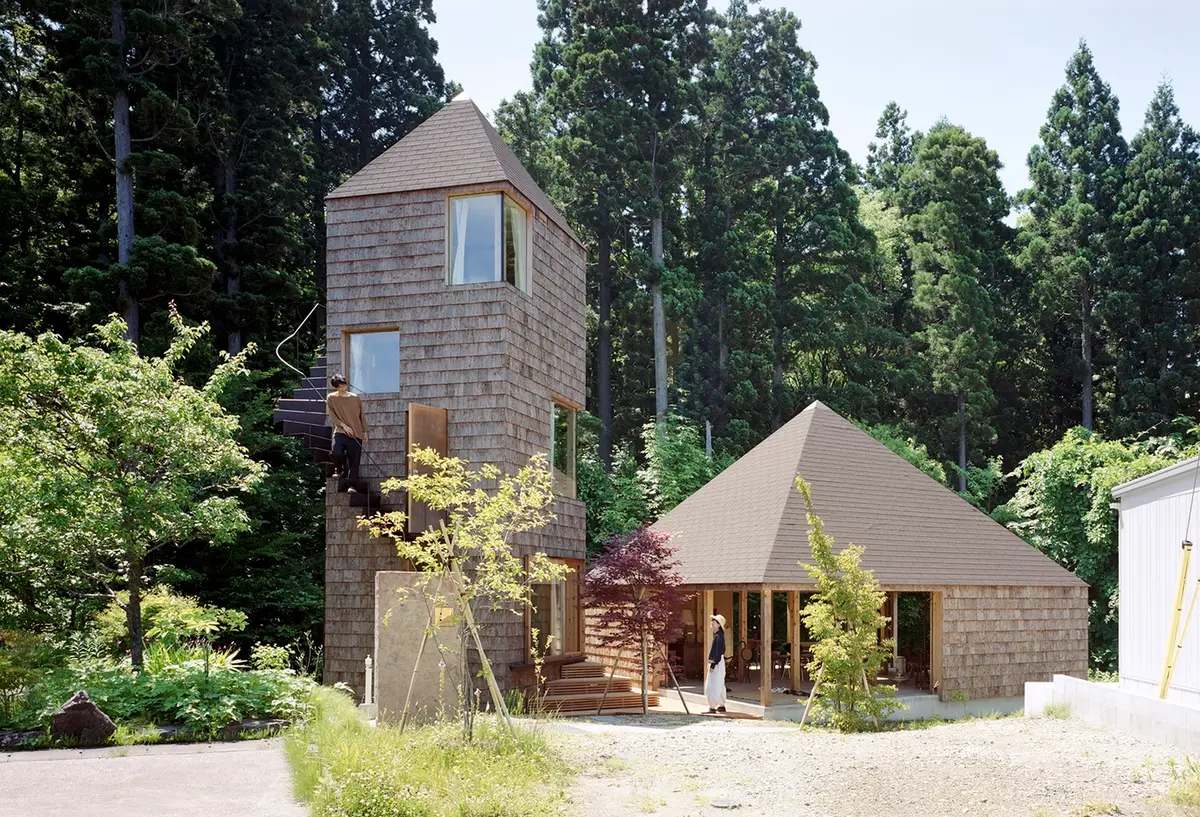
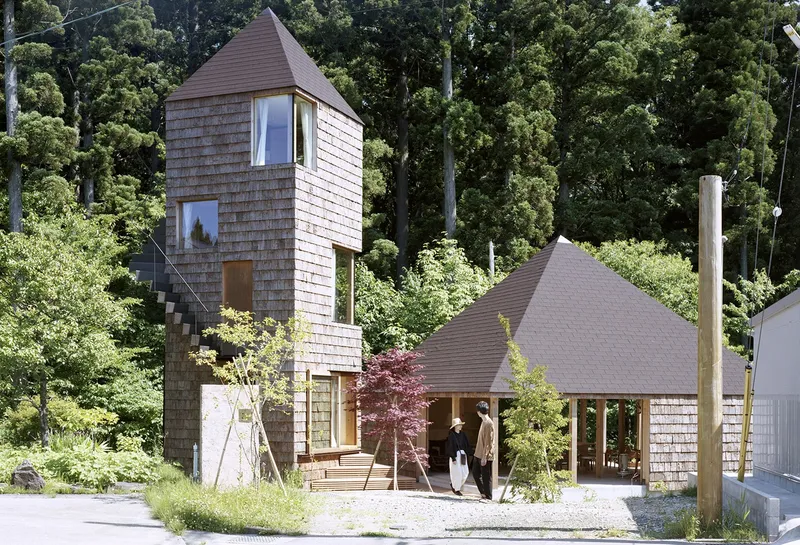
The Double House in Akita, Japan, designed by W Architects, presents a bold and inventive approach to residential architecture. This unique home consists of two distinct structures: a functional “tower” and a leisurely “summer house.” Together, they create a harmonious living environment that balances efficiency, comfort, and interaction with nature.
Dual Architecture Concept: Tower Meets Summer House
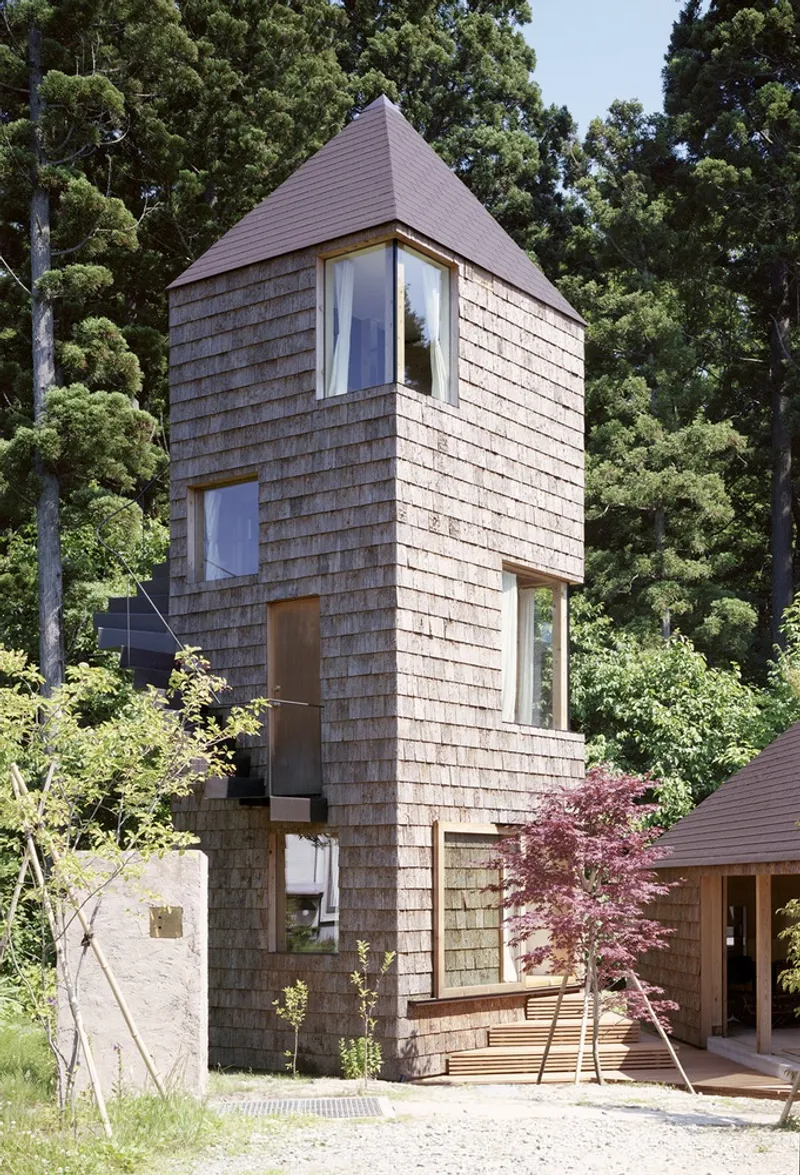
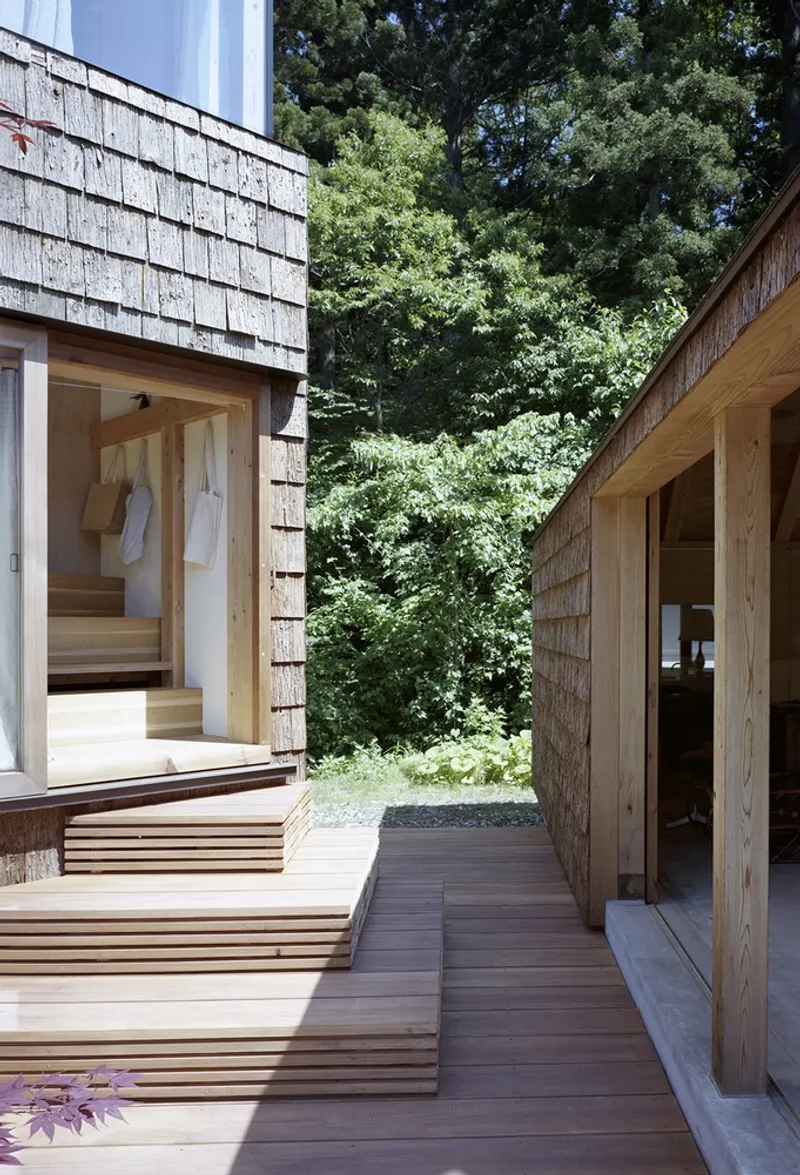
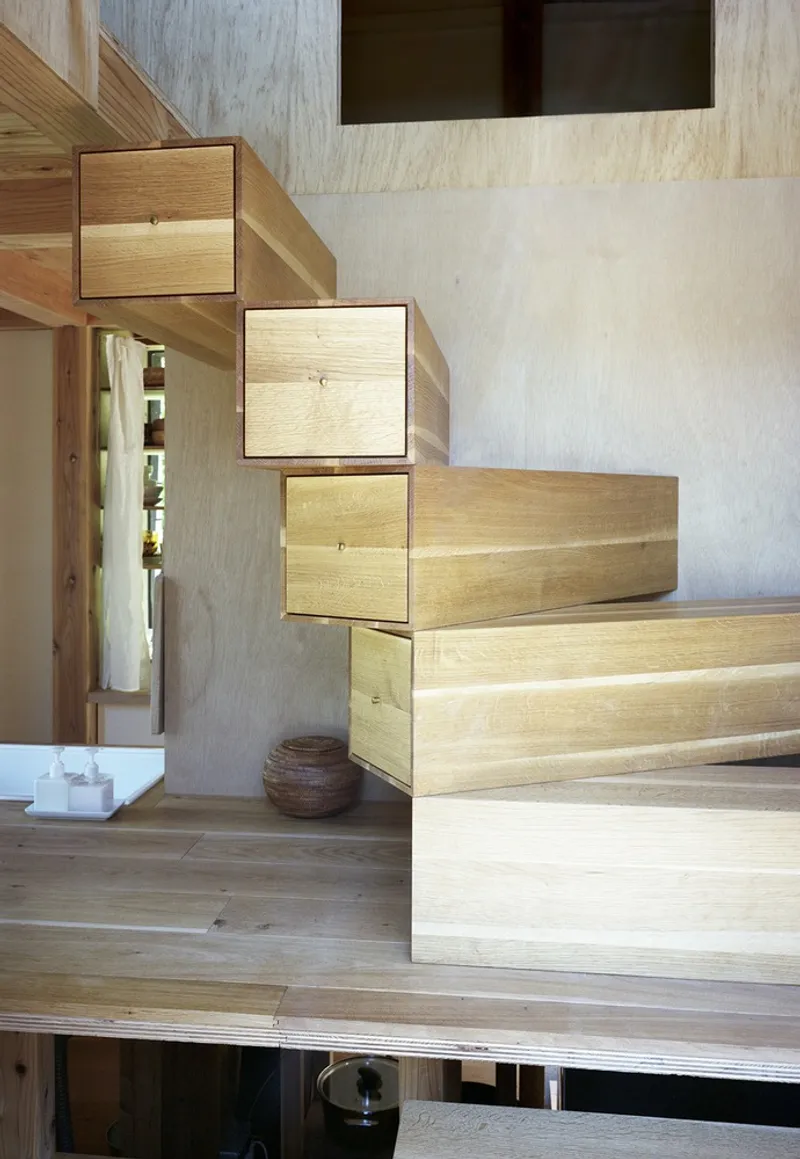
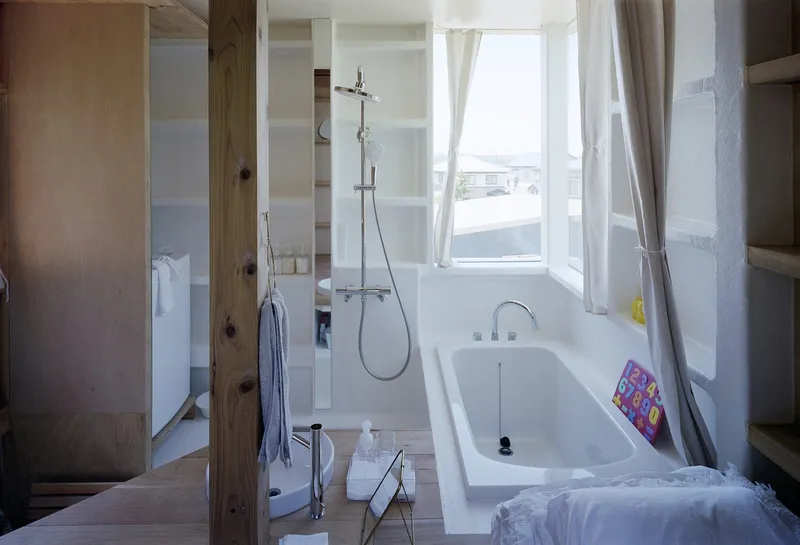
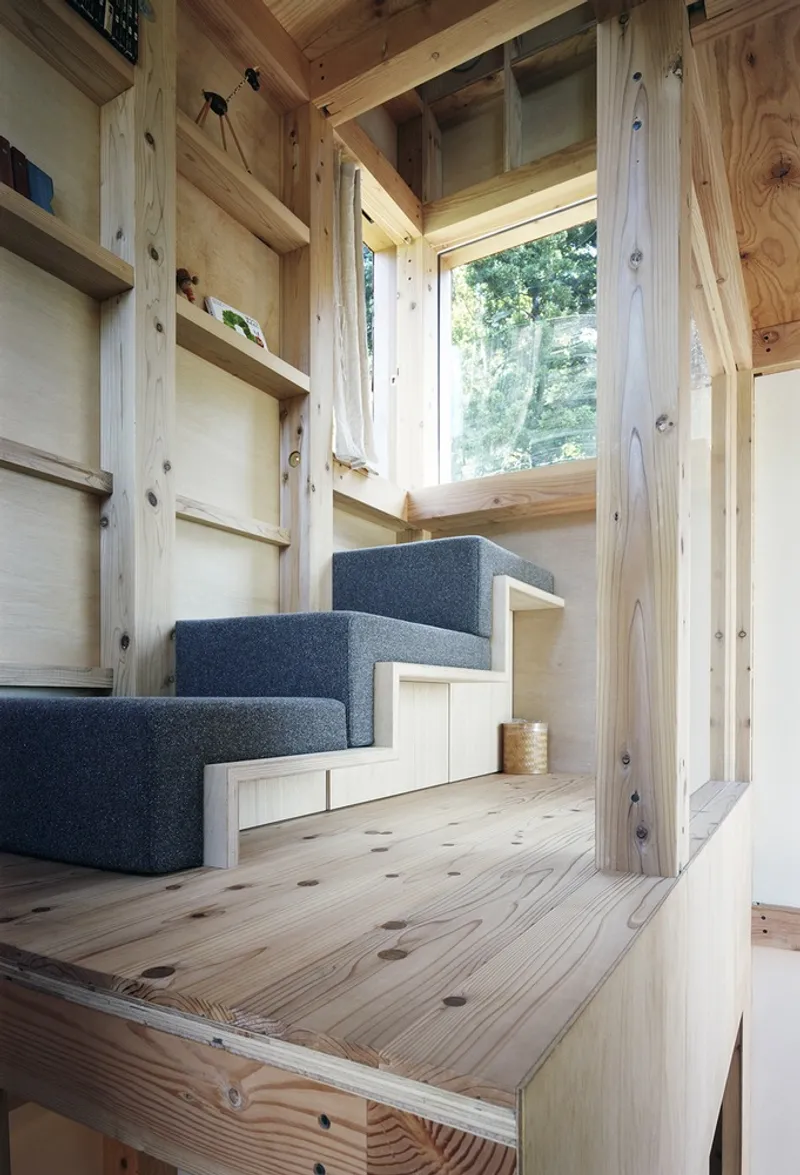
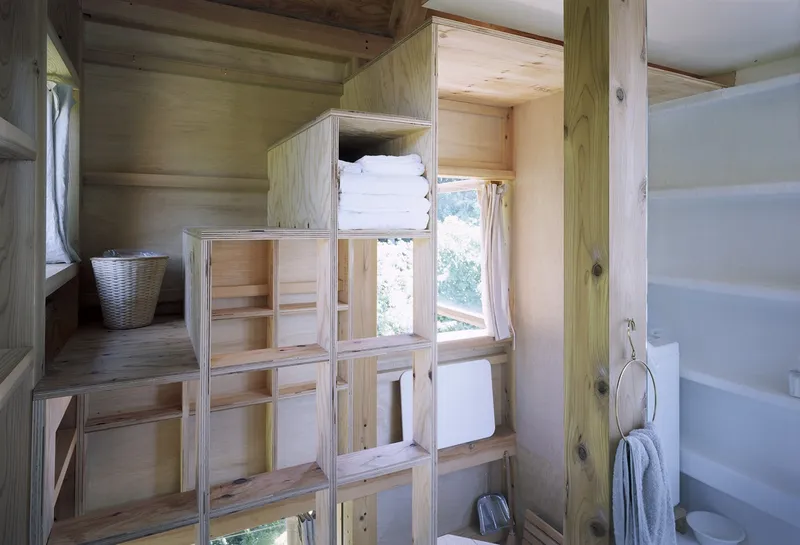
The tower serves as the core of the home’s functionality. Compact yet highly efficient, this nine-story structure condenses essential furniture and living elements into a vertically organized sequence. Every level is meticulously designed using anthropometric research, allowing benches, tables, closets, shelves, sofas, and sinks to double as both furniture and circulation routes. Residents climb to the sleeping area atop the tower by stepping on these integrated elements, making full use of vertical space while maintaining comfort and convenience.
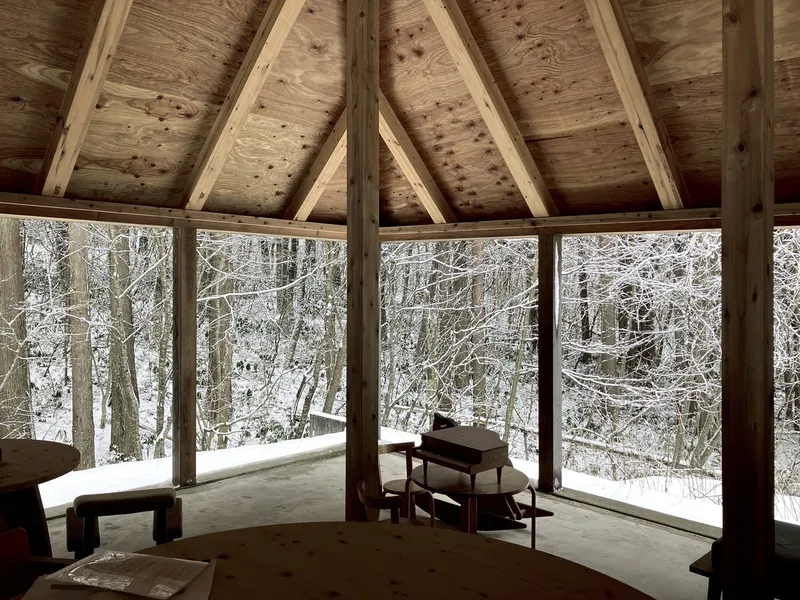
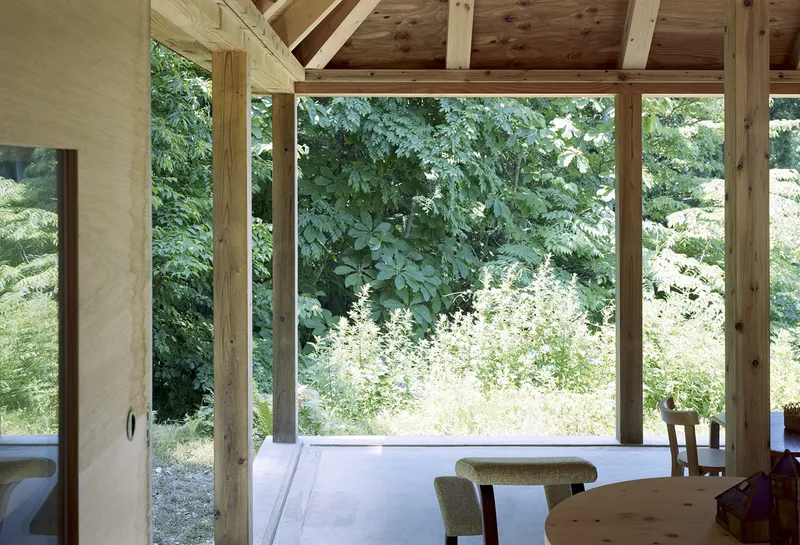
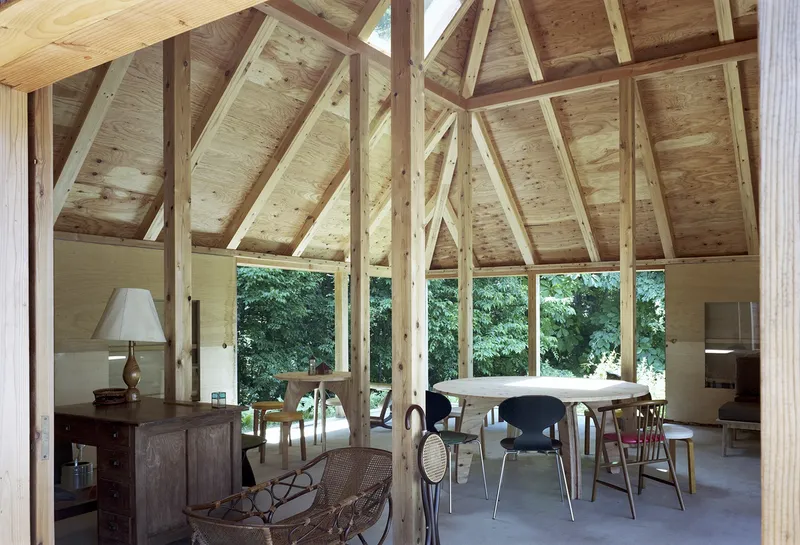
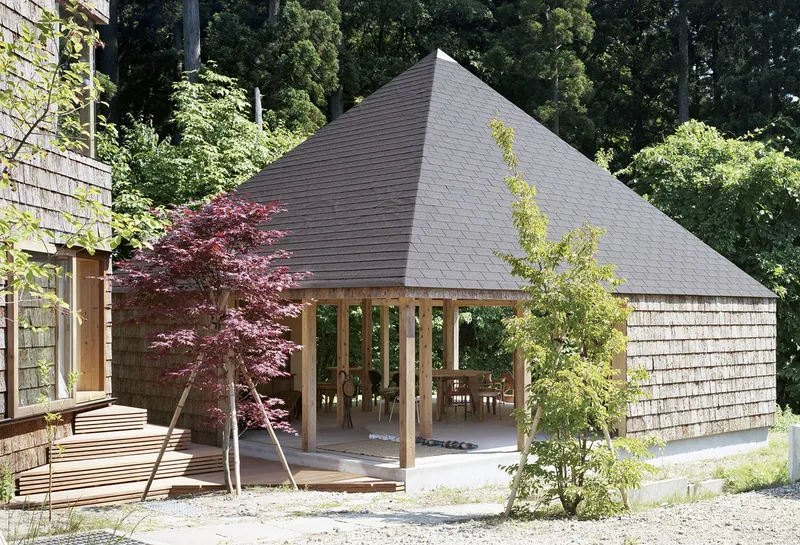
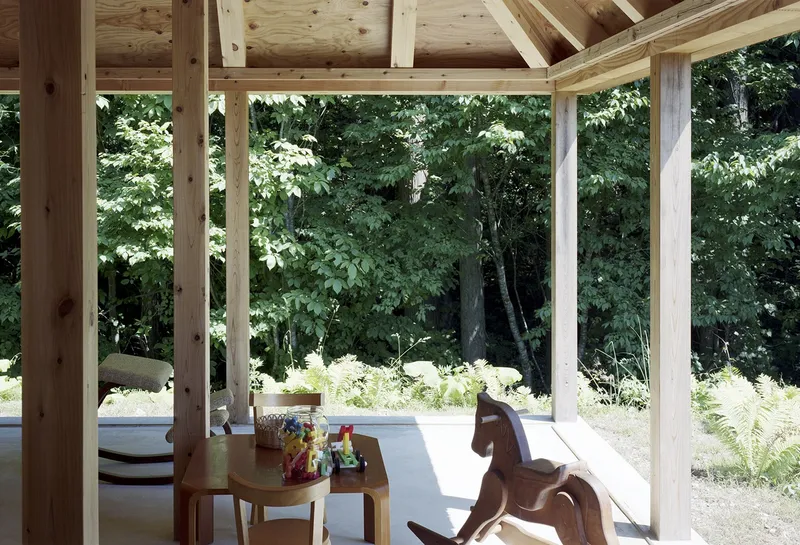
In contrast, the summer house embodies relaxation and spaciousness. With 570 square feet, it occupies approximately 70% of the 807-square-foot property. This semi-enclosed structure prioritizes openness, blending indoor and outdoor experiences. By opening half of its perimeter, the summer house encourages natural airflow and sunlight while providing a serene retreat where residents can unwind, surrounded by swaying leaves and seasonal changes.
Design Philosophy: Efficiency and Comfort on a Budget
W Architects adopted an unconventional design strategy to maximize space and cost-efficiency. Smaller areas in the tower were minimized without sacrificing functionality, while larger areas in the summer house were expanded to create a sense of openness. This approach allowed the project to achieve both extreme efficiency and generous comfort within a limited budget.
The dual-structure concept reflects a thoughtful balance between practicality and leisure, merging dense functionality with freeform relaxation. The tower ensures all everyday needs are met, while the summer house offers a flexible, calming environment reminiscent of a vacation home.
Materials and Aesthetic Approach
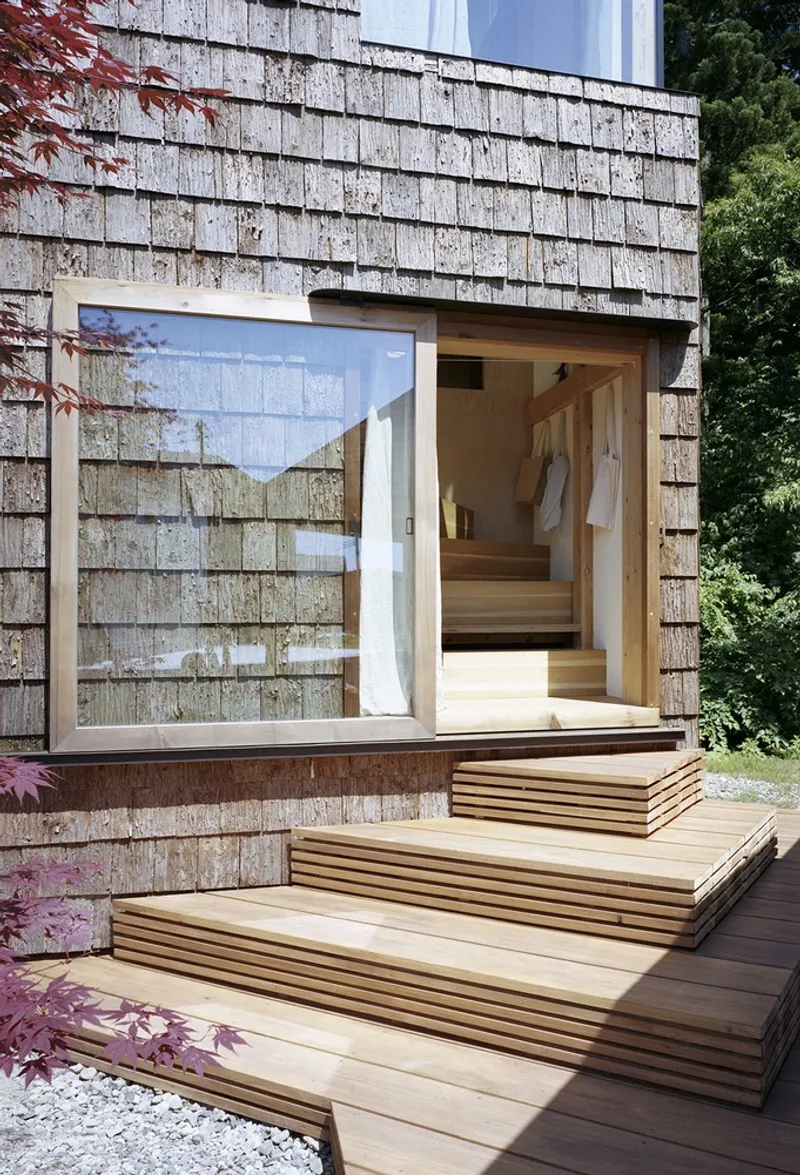
The house combines brick facades, large windows, and exposed beams, resulting in a timeless, modern aesthetic. The tower’s compact design contrasts with the summer house’s openness, creating an architectural dialogue between vertical efficiency and horizontal relaxation. Together, the two structures complement each other, demonstrating W Architects’ innovative approach to spatial design.
Spatial Experience
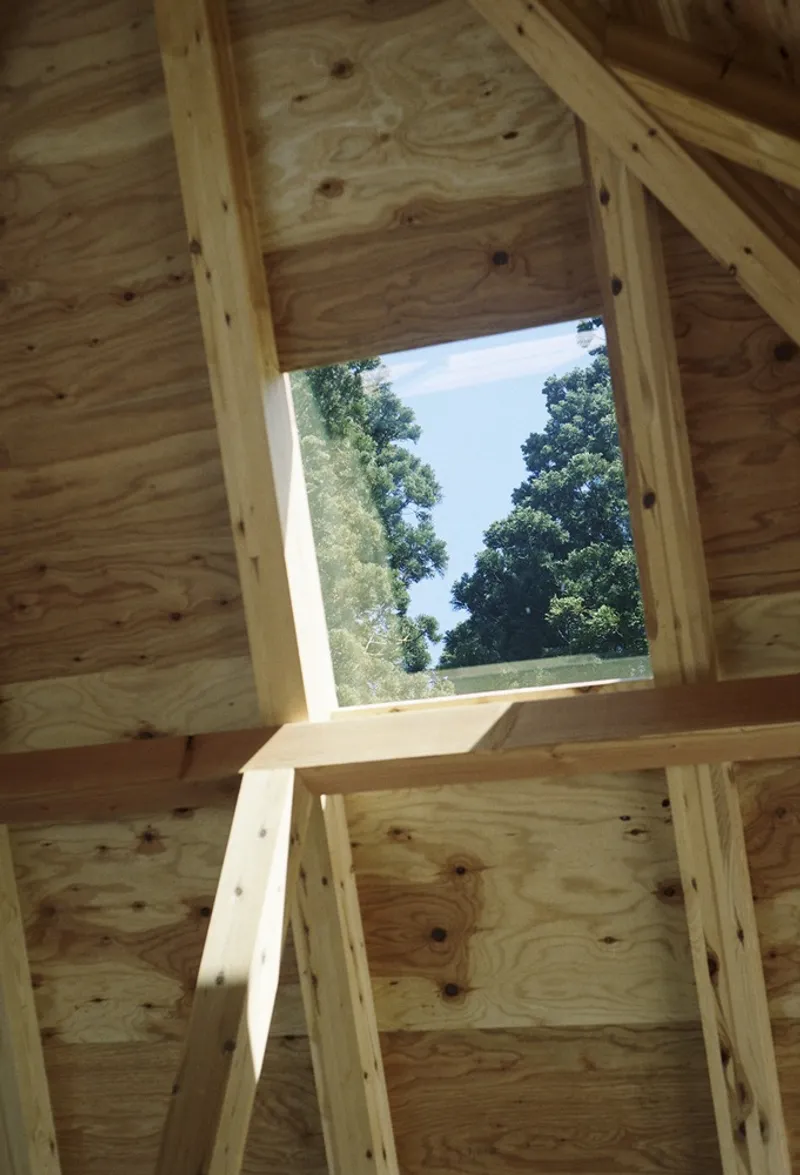
Inside, the tower’s interiors are highly organized, with multi-functional furniture seamlessly integrated into the building’s structure. The summer house, in contrast, offers fluid spaces for relaxation, entertainment, or contemplation. Large windows and open perimeters allow natural light and greenery to penetrate the interior, reinforcing a strong connection between indoor living and the natural surroundings.
The Double House by W Architects is a pioneering example of modern residential design that maximizes limited space without compromising comfort or style. By separating functionality and leisure into two complementary structures, the project redefines the concept of compact living in Japan, balancing efficiency, openness, and harmony with nature.

All photographs are works of Yurika Kono


Popular Articles
Popular articles from the community


graciastudio Turns a Viewless Tijuana Lot Inward Around a Courtyard of Concrete, Timber and Trees
In Tijuana, Jorge Gracia's GA2 House stacks a timber-clad private floor over exposed concrete and replaces a missing view with a planted interior patio.

David Ortega Stacks a Two-Story Mexico City Penthouse Around a Steel Stair and a Pergola-Shaded Roof Terrace
In Colonia Roma, a 300 m² penthouse uses oak joinery, a planted steel stair and a slatted roof pergola to make a new-build apartment feel like a house.

ETEH Reworks the Shared Spaces of São Domingos School in Brazil Around Timber, Color and Hanging Plants
At São Domingos School in Brazil, 436 m² of hall, refectory and library are recast with timber joinery, a yellow and blue code and trailing greenery.


Manzana Morphosis: Stretching Barcelona's Grid into a Living Landscape for 2050
A radical reworking of the Eixample manzana turns density into a tool for generous public space, vertical ecology, and environmental performance.

Similar Reads
You might also enjoy these articles


Hodi-Mandai Geram
Project Function: Preservation and revitalization of the Intangible heritage and socio-spatial identity of the Hodi by Housing, Cultural Memory Center, Sacred Grove, landscape, local tourism economy


Olio Towers: A Mid-Rise for Performers That Fuses Housing, Rehearsal, and Stage
Located blocks from Houston's Theater District, this modular tower stacks living units around a central performance atrium.

Oasis: Modular Green Housing Carved into Dhaka's Urban Fabric
A shortlisted Plugin Housing entry reclaims unauthorized settlements in Dhaka with stepped concrete volumes, green roofs, and ventilation-driven design.

Black Hole: A Floating Megastructure for the Post-Physical Era
Emiliano Mazzarotto envisions a spherical, self-scaling arena where e-sports, digital hotels, and holographic stadiums replace traditional public space.

Explore 2X1 Architects Competitions
Discover active competitions in this discipline

Challenge to reimagine the Iron Throne

Photograph architecture without architects

Illustrate the lost glory of Angkor Wat - Render Challenge

Design challenge to reuse E-waste
Comments (0)
Please login or sign up to add comments
No comments yet. Be the first to comment!