
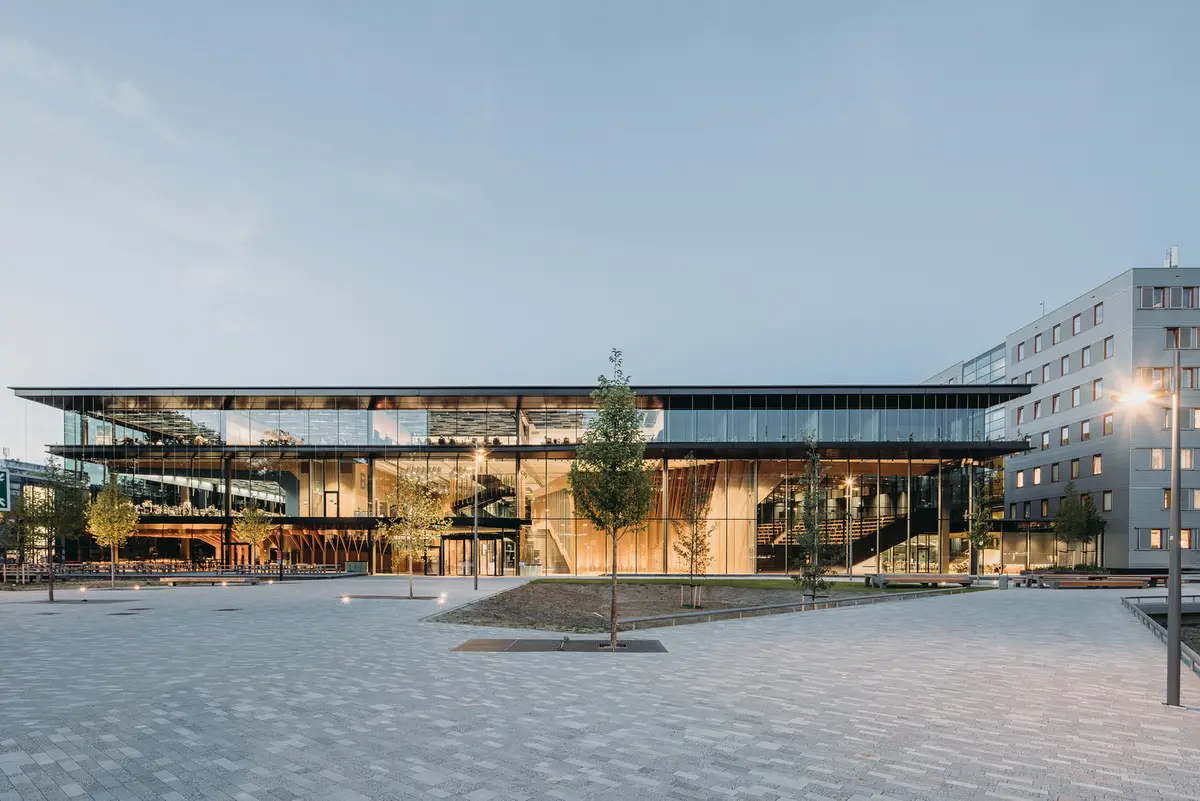
Echo: TU Delft’s Energy-Positive Interfaculty Teaching Building by UNStudio
Echo by UNStudio is TU Delft’s energy-positive, flexible teaching building promoting sustainability, collaboration, daylight use, and educational innovation.


Echo, designed by UNStudio in collaboration with Arup and BBN, is an innovative, energy-generating interfaculty teaching building at TU Delft, Netherlands. Completed in 2022, this 8,844 m² facility exemplifies sustainable architecture and flexible learning environments, aligning with TU Delft's goal of a fully sustainable campus by 2030.
Sustainable Design and Energy Efficiency
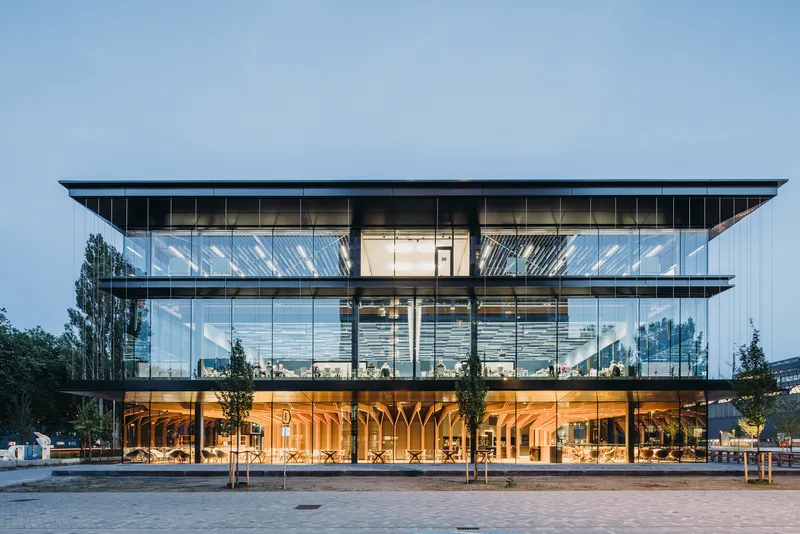
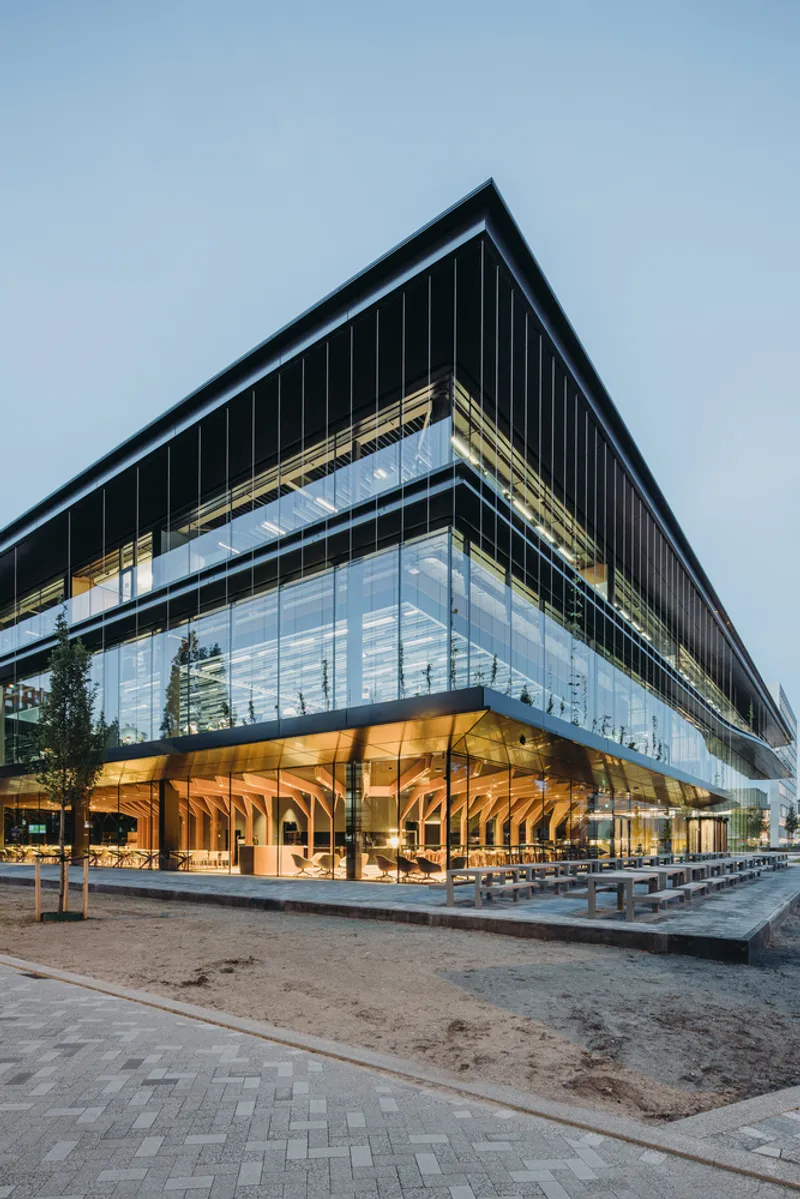
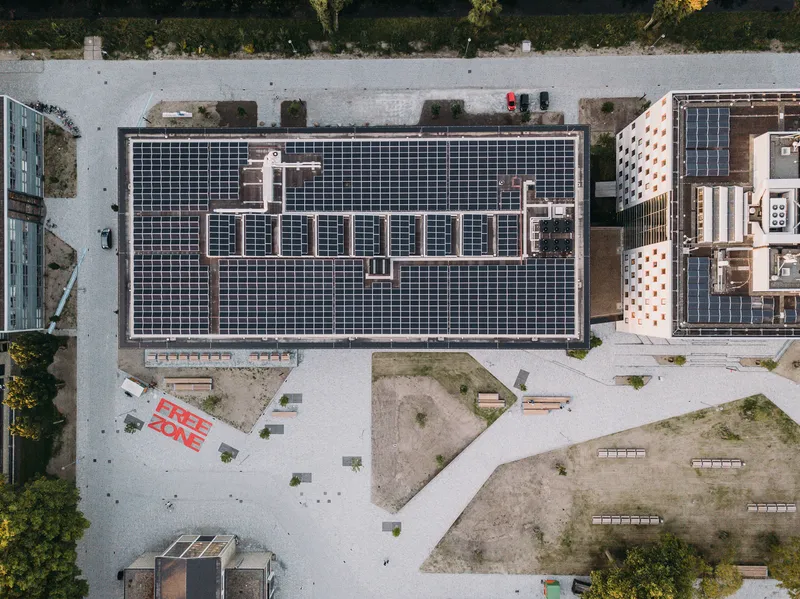
Echo is TU Delft’s most sustainable building, generating more energy than it consumes. Equipped with 1,200 solar panels, smart installations, robust insulation, and a heat and cold storage system, it supplies energy for daily operations, including electricity for laptops, lighting, and catering. Approximately 90% of the building's furniture is reused, emphasizing circular design principles.
Flexible and Adaptive Learning Spaces
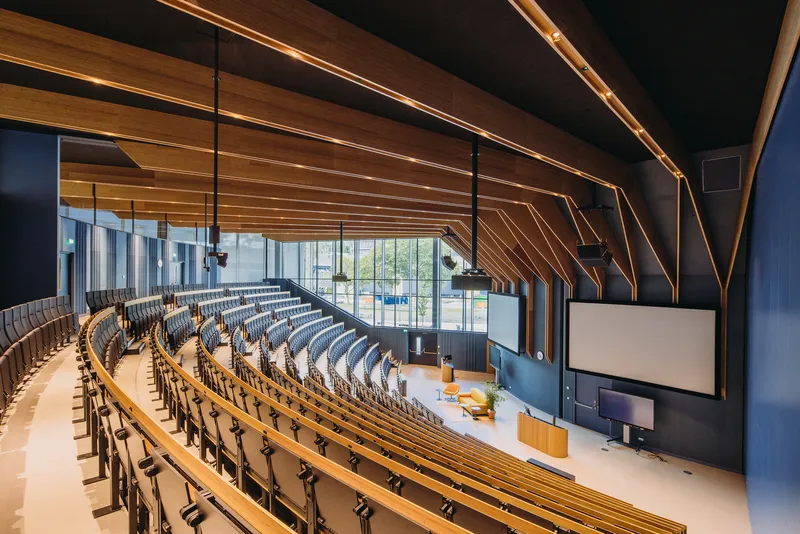
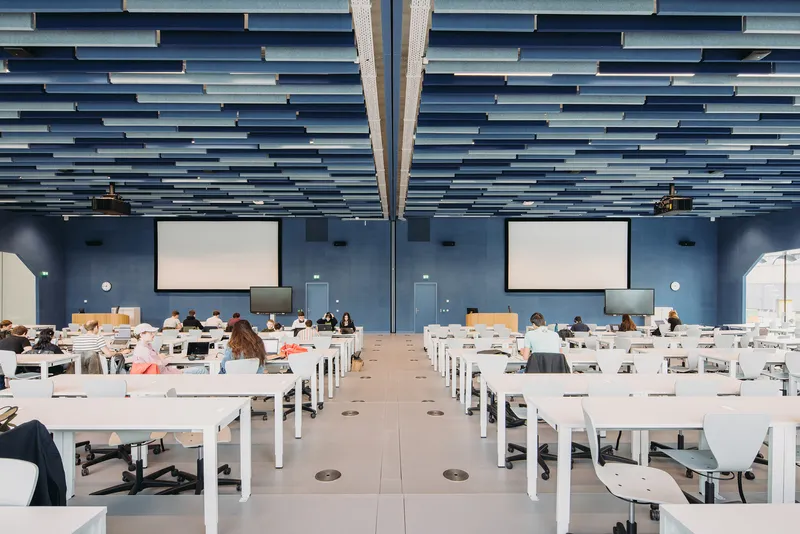
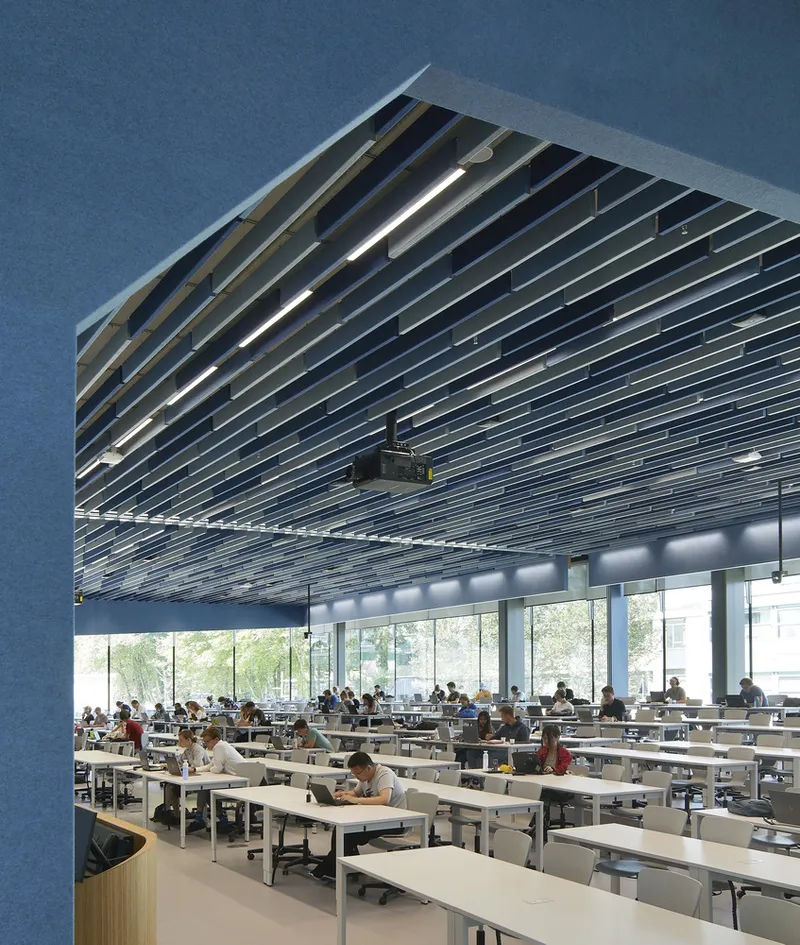
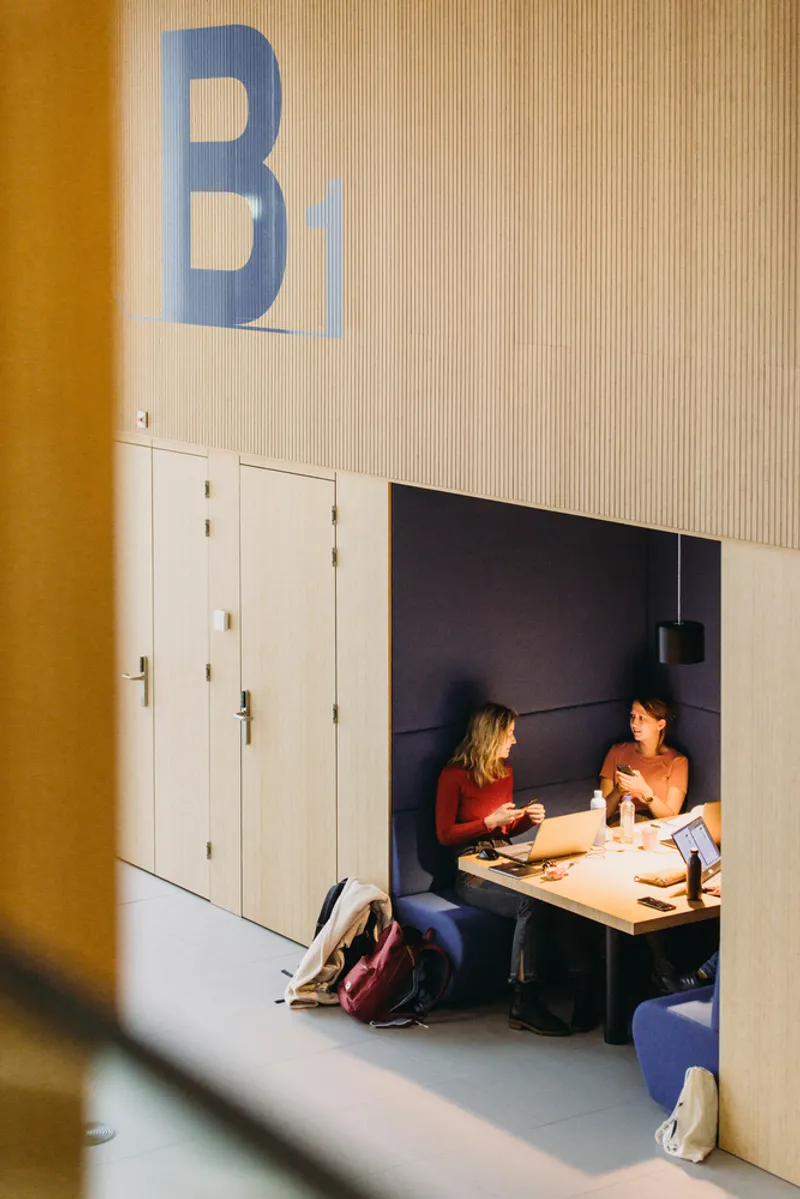
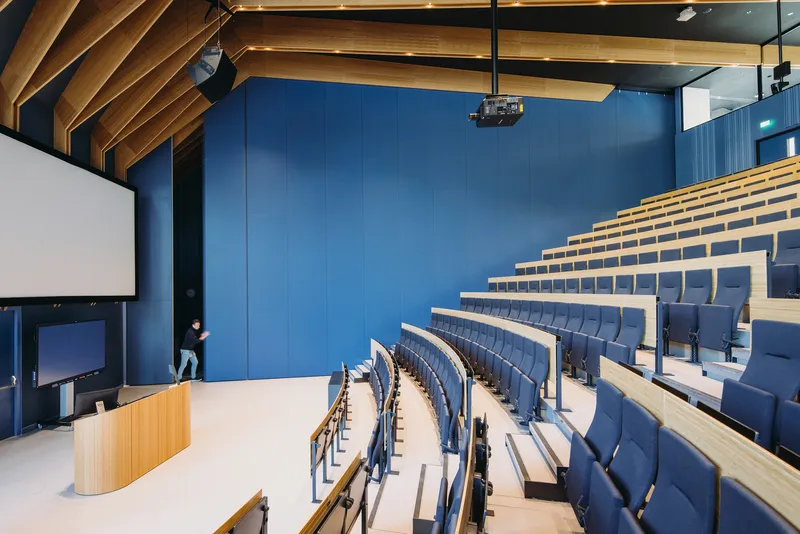
The building houses seven teaching rooms with adaptable layouts to support diverse educational methods. The largest lecture hall accommodates 700 people and can be divided into three separate rooms within 15 minutes. Over 300 study spaces are available for group work and self-study, catering to around 1,700 students.
Health and Wellbeing Focus
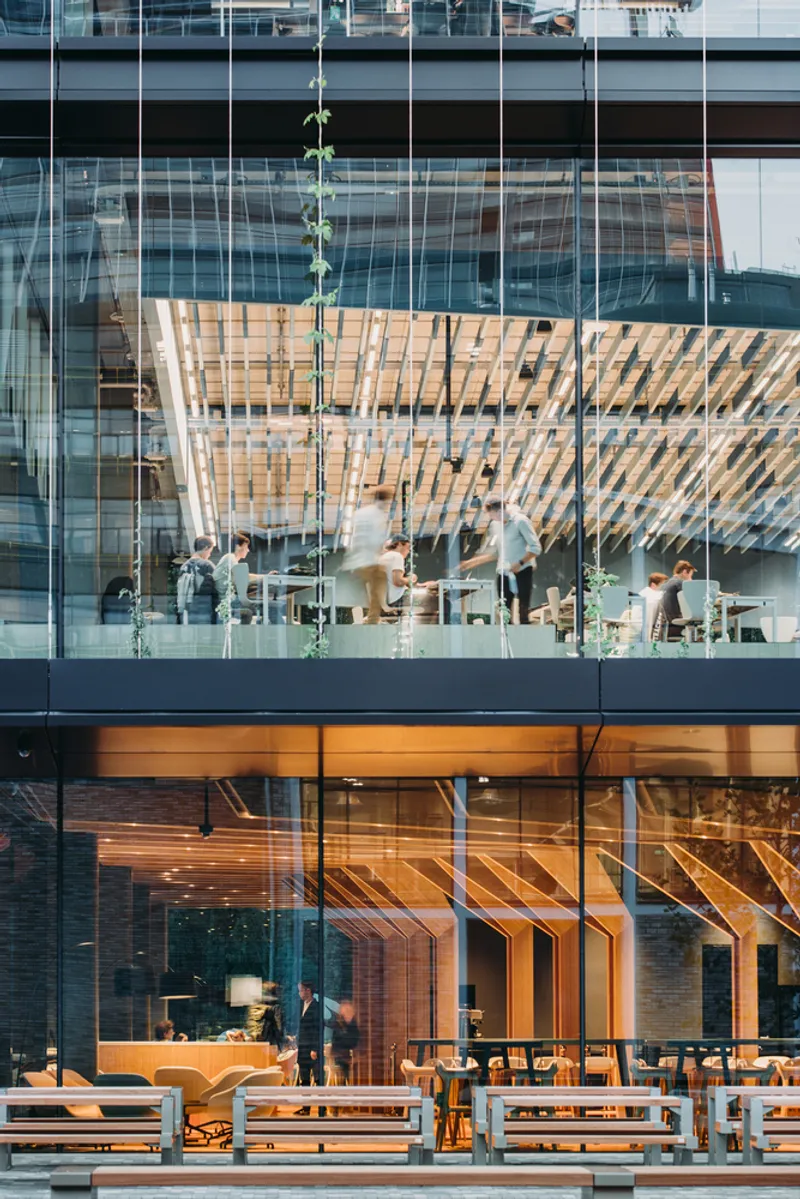
Echo's design promotes user wellbeing through ample natural daylight, reducing the need for artificial lighting and creating a connection with the surrounding campus and nature. A plenum floor system ensures clean air by pumping fresh air from the floor upwards, avoiding circulation around the room.
Architectural Features and Materials
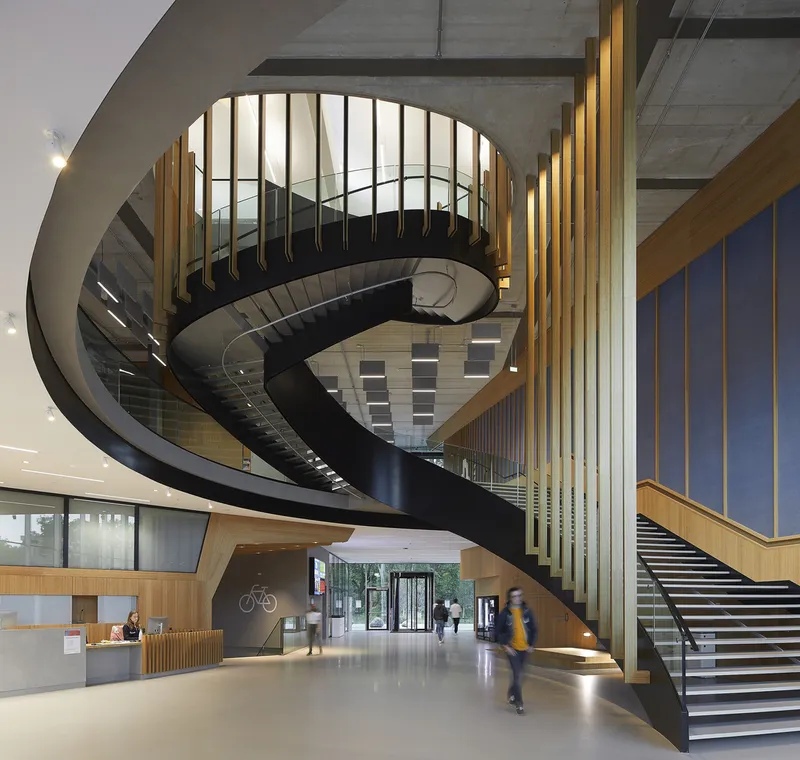
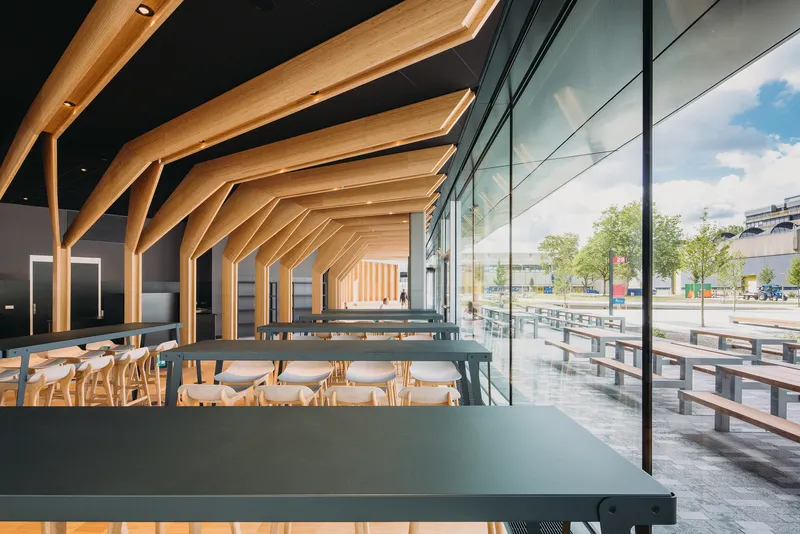
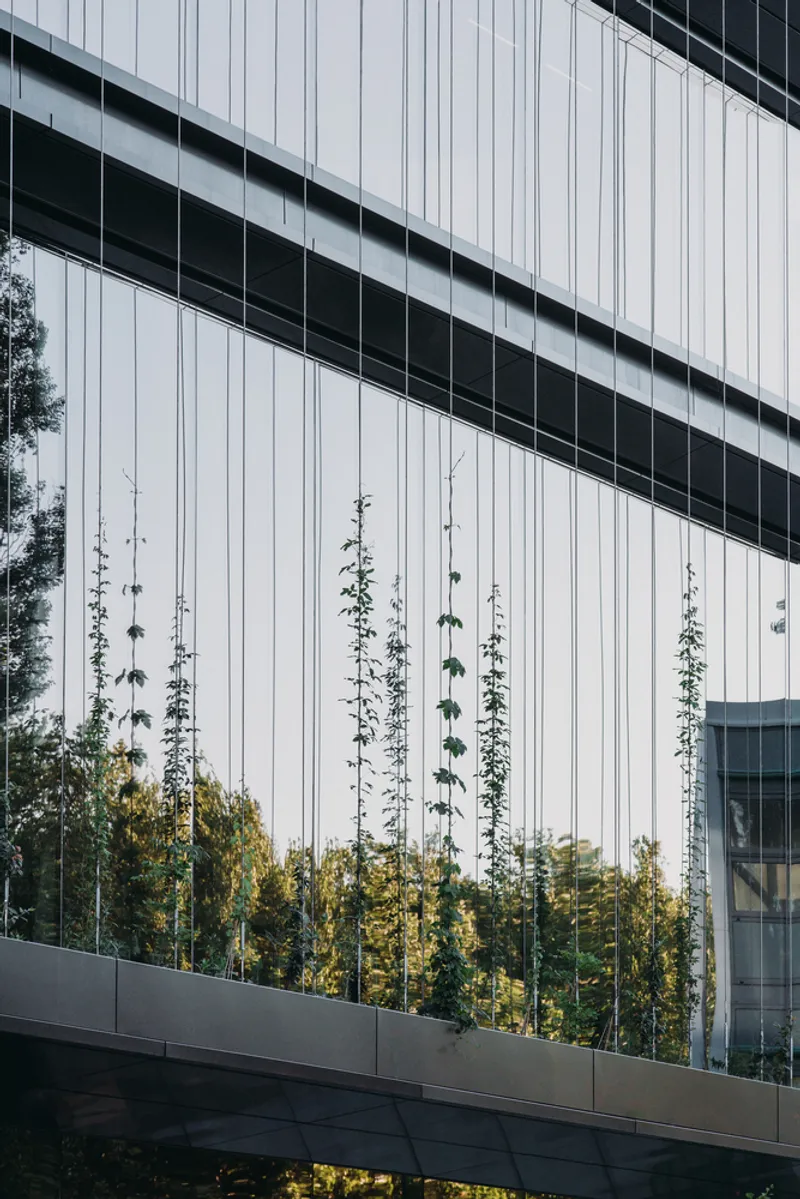
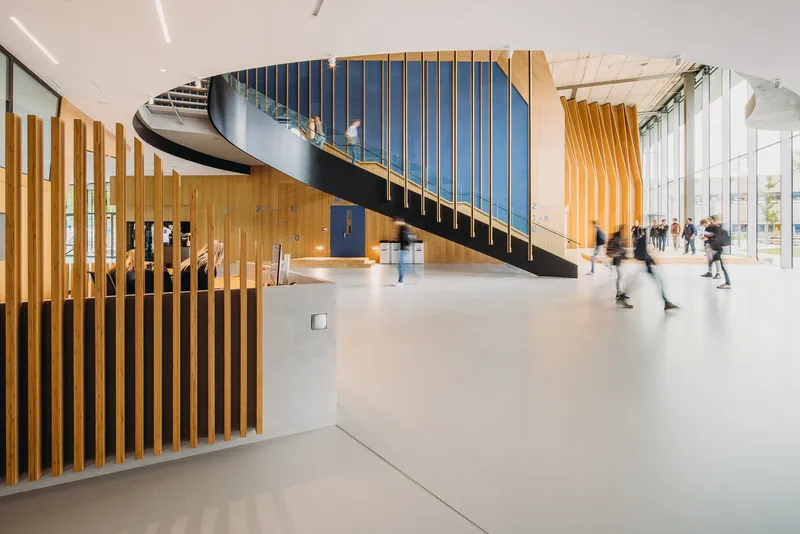
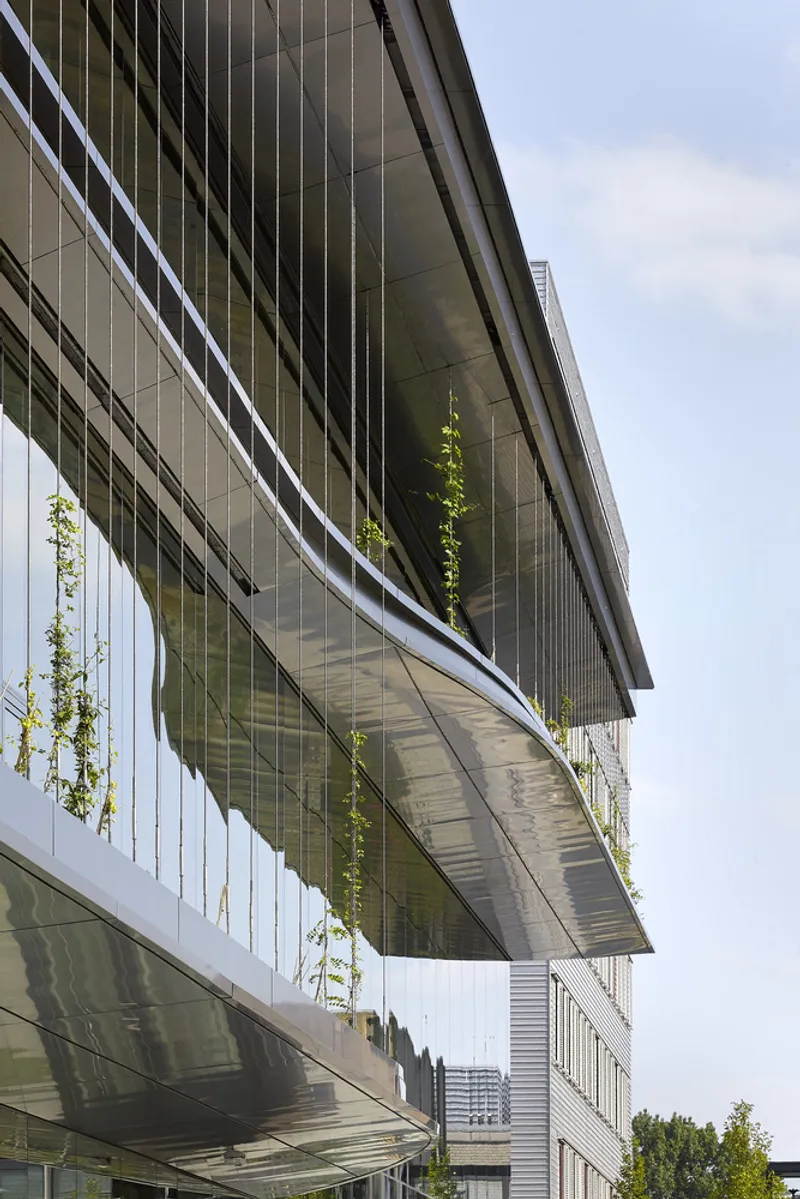
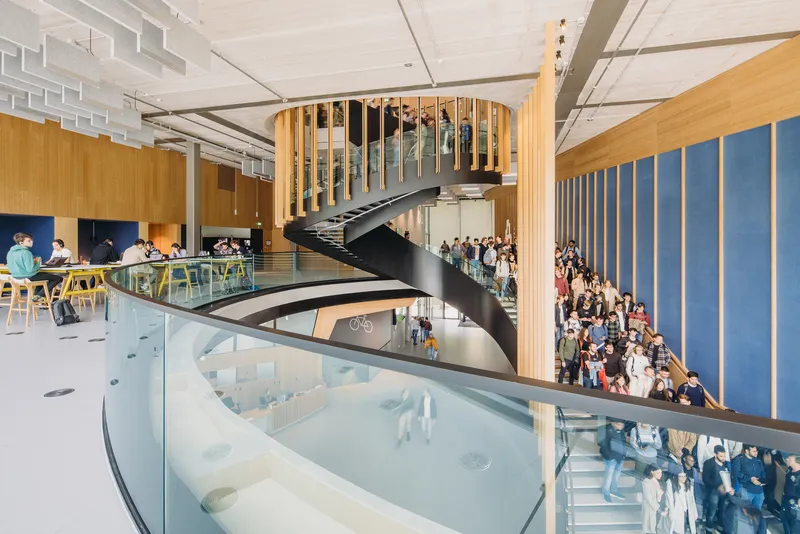
The building features bamboo ribs extending along the ceiling and central staircase, creating a warm and inviting interior. Deep horizontal aluminum awnings and climbing plants on the façade filter daylight and prevent overheating. Structural elements like steel trusses and hollow-core slabs are designed for disassembly and reuse, supporting future adaptability.
Integration with Campus and Community
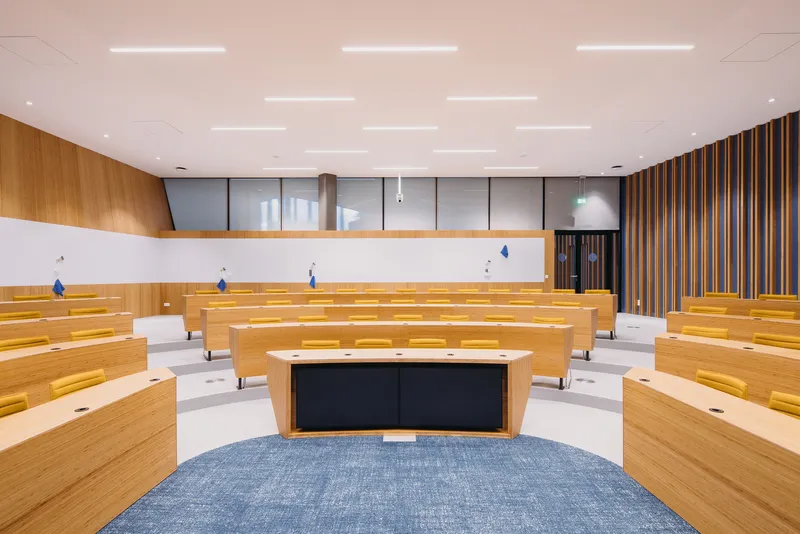
Echo serves as a public connector within the campus, with its transparent ground floor acting as a covered public square. Two sculptural volumes—a large lecture hall and a debate space—guide the flow of people across this area, enhancing interaction and collaboration among students and faculty. Echo stands as a benchmark for sustainable and flexible educational architecture, embodying TU Delft's commitment to innovation, sustainability, and interdisciplinary collaboration.
All the photographs are works of Eva Bloem, Hufton+Crow


Popular Articles
Popular articles from the community


Little Red Riding Hood: Architectural Design as a Journey Through Fear, Light, and Storytelling
Little Red Riding Hood reimagines the fairy tale through architectural design shaped by fear, light, scale, memory, uncertainty, and choice.

Conexión: Biophilic Design Reimagines High-Rise Living in Hong Kong
Conexión reimagines high-rise living in Hong Kong through biophilic design, green facades, shared spaces, daylight, water and nature within.

Lunar Spiral: Space Architecture Shaped by the Mathematics of the Universe
Lunar Spiral reimagines space architecture through Fibonacci geometry, lunar regolith, levitating habitats, and self-sustaining Moon living.

Co-life: Sustainable Architecture for Age-Friendly Community Living
Co-life reimagines sustainable architecture for seniors through courtyards, rammed earth, shared gardens, and spaces designed for belonging.

Similar Reads
You might also enjoy these articles


Hodi-Mandai Geram
Project Function: Preservation and revitalization of the Intangible heritage and socio-spatial identity of the Hodi by Housing, Cultural Memory Center, Sacred Grove, landscape, local tourism economy


Olio Towers: A Mid-Rise for Performers That Fuses Housing, Rehearsal, and Stage
Located blocks from Houston's Theater District, this modular tower stacks living units around a central performance atrium.

Oasis: Modular Green Housing Carved into Dhaka's Urban Fabric
A shortlisted Plugin Housing entry reclaims unauthorized settlements in Dhaka with stepped concrete volumes, green roofs, and ventilation-driven design.

Black Hole: A Floating Megastructure for the Post-Physical Era
Emiliano Mazzarotto envisions a spherical, self-scaling arena where e-sports, digital hotels, and holographic stadiums replace traditional public space.

Explore Educational Building Competitions
Discover active competitions in this discipline

Challenge to design public laboratory

Challenge to reimagine the Iron Throne

Photograph architecture without architects

Illustrate the lost glory of Angkor Wat - Render Challenge
Comments (0)
Please login or sign up to add comments
No comments yet. Be the first to comment!