
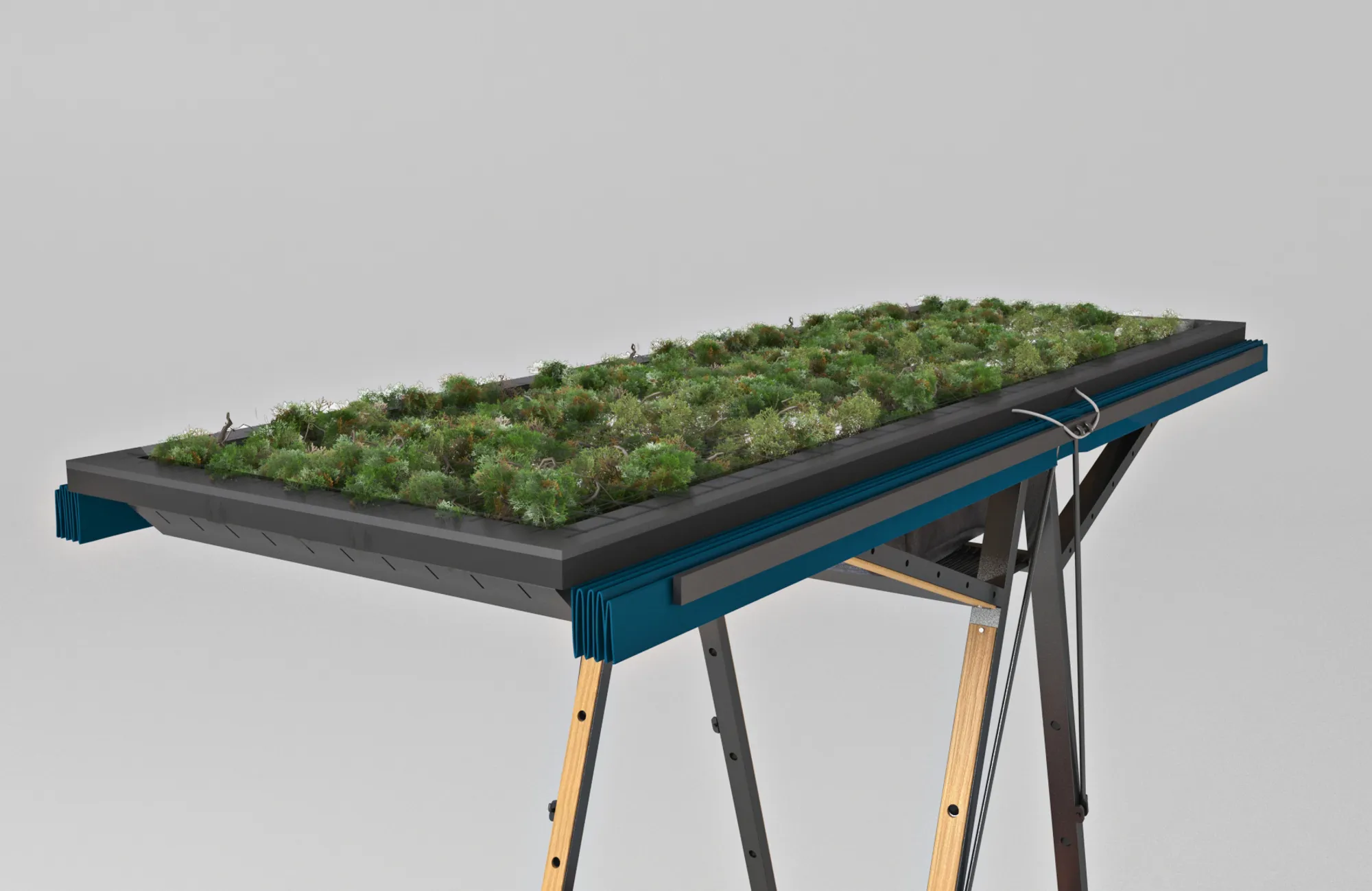
Eco-cart
"If you can change the street, you can change the world." Janette Sadik-Khan

● What was the concept behind the project?
The concept behind this cart is based on the idea of sustainable cities, in which everyone who is part of the society can contribute as far as possible to make an impact in our environment.
The COVID-19 pandemic has shown us that we need to redesign our streets and cities in order to make it a place we want to stay longer and feel healthy. The people would want to emerge from the lockdown and use the streets the same way they use a park (connected with nature), we can start by changing the urban architecture and making it more eco-friendly.
Therefore, the peddlers (who are a very important part of the community and an increasing part nowadays) are able to change and put up the way we use our streets. That is why in this concept I propose the use of moss working as a air purifier, cleaning the environment and absorbing the pollution. The cart’s structure is made out of steel, wood and fabric which are some of the materials everyone can have easy access to.
Imagine a place full of trees in which you can buy fruits, goods or even cooked food as well as a place in which you can breathe without fearing the air quality. I do not think the future of these places will be high tech or mediated by screens, I think that on the contrary it will be interconnected with nature, away from pollution
● Which methods of design investigation?
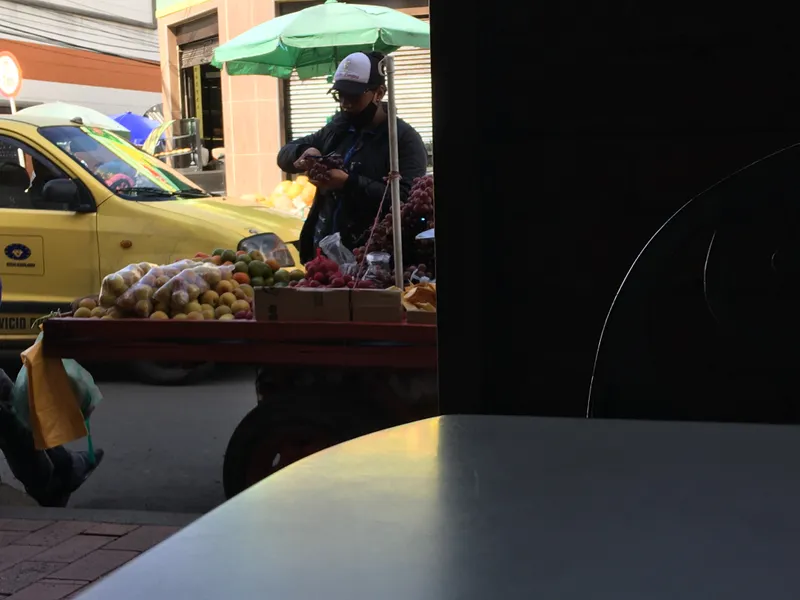
When it comes to design investigation, I went to the streets during some days trying to see and talk to the user (the street seller) identifying their daily life necessities and how to solve them.
I realized that they did not have much knowledge when it comes to high tech sources such as smartphones or apps, so I decided to give them some tools in which they can rely and boost their way of working.
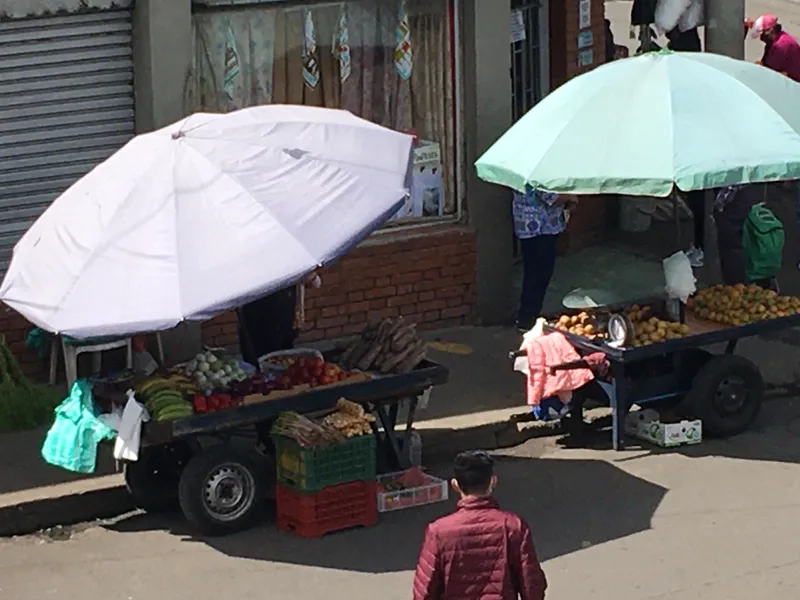
In addition, I identify some of the object they commonly use and sources they have easy access, such as plastic containers which are everywhere and they use them in many ways (see picture below)
● What/How were the materials chosen?
The materials were chosen by some of the actual materials they already use such as wood, metal and fabric. These materials are easy to manipulate, made for the outdoor spaces and user accessible.




Popular Articles
Popular articles from the community


The Ocean Hive: Sustainable Architecture for a Self-Sufficient Civilization at Sea
The Ocean Hive imagines sustainable architecture at sea, where modular habitats, algae, wave power and ocean waste sustain a growing colony.

The Musturak Paradise: Senior Living Architecture for a Connected Future in Temara, Morocco
The Musturak Paradise reimagines senior living architecture in Temara via private homes, social spaces, culture, community, and shared care.

Hill & Cross Opera: Sculptural Opera House Architecture Shaped by Tallinn’s Landscape and Identity
Hill & Cross Opera reimagines opera house architecture in Tallinn through its sculptural hill, civic plaza, glass wave and a luminous cross.

Conexión: Biophilic Design Reimagines High-Rise Living in Hong Kong
Conexión reimagines high-rise living in Hong Kong through biophilic design, green facades, shared spaces, daylight, water and nature within.


Similar Reads
You might also enjoy these articles
Sustainable Architecture Design: Embracing Nature and Modernity at Villa Solsidan
The article explores Villa Solsidan by AndrénFogelström, showcasing its sustainable architecture design and integration with the natural surroundings in Saltsjöbaden, Sweden.


Maya Harvest: A Cacao Resort Village Rooted in Mayan Tradition and Local Craft
Situated within a Tabasco cacao plantation, this shortlisted resort proposal merges vernacular materials with hands-on cultural immersion.
Harmonia: A River-Shaped Community That Grows Over Decades in Boa Vista
Curved pathways and modular grid structures along the Branco River create a phased settlement designed to evolve from 2030 to 2050.

The Architecture of Bathing: A Mughal Hammam Reimagined Across the Yamuna
Charlotte May's honorable mention entry for The Black Taj reinterprets Agra's bathing rituals through red sandstone, water, and framed views of the Taj Mah


Explore Eco-Design Competitions
Discover active competitions in this discipline




Design challenge to reuse E-waste

Packaging challenge - Design meets sustainability
Comments (0)
Please login or sign up to add comments
No comments yet. Be the first to comment!