
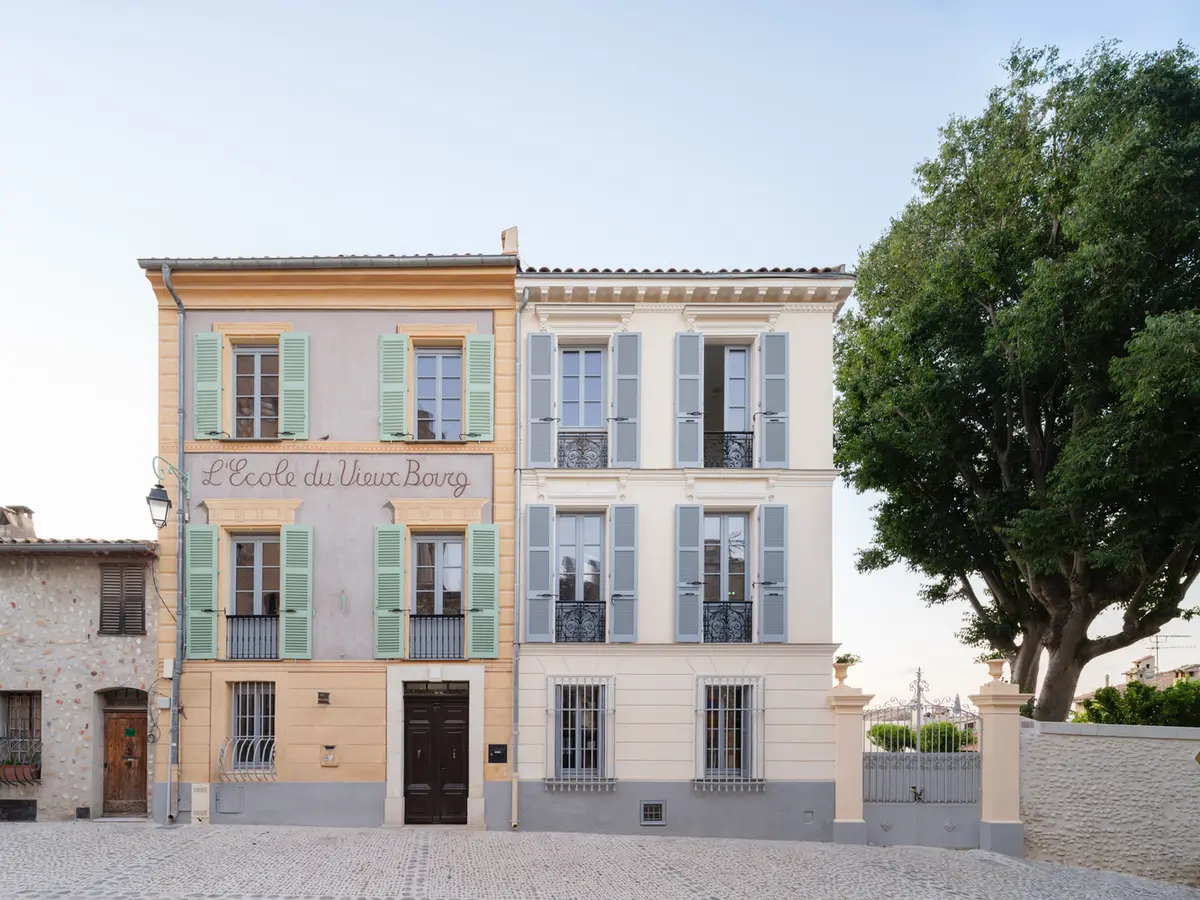
Ecole du Vieux Bourg by Plò Architectes: A Sensitive Rehabilitation of Heritage for Contemporary Education
A sensitive school renovation blending heritage and modern needs, using reclaimed materials, improved accessibility, and climate-responsive design to create warm, sustainable learning spaces.


Ecole du Vieux Bourg, redesigned by Plò architectes, stands as a thoughtful example of educational architecture, heritage rehabilitation, and climate-responsive design in the historic center of Cagnes-sur-Mer, France. Completed in 2024, the 700 m² project merges an existing school structure with the adjacent 19th-century Maison Blacas, demonstrating how adaptive reuse can elevate learning environments while preserving architectural memory.
Plò architectes, known for their contextual work across Provence, specialize in transforming deteriorated historical buildings and public spaces. Their approach emphasizes how traditional typologies, when carefully renewed, can meaningfully address evolving ecological and climatic challenges.
A Unified Campus Through Sensitive Spatial Integration
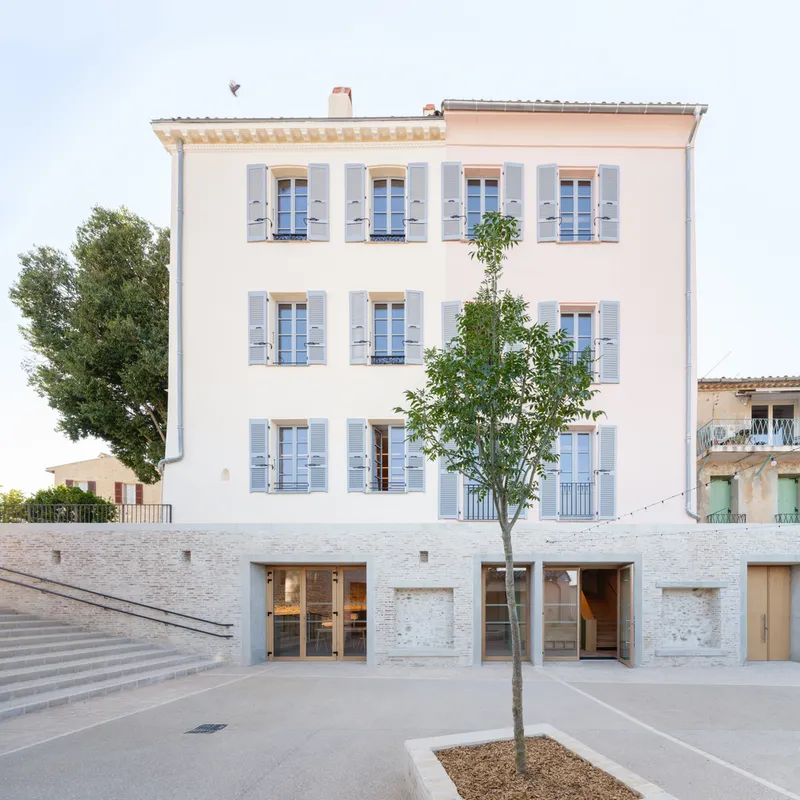
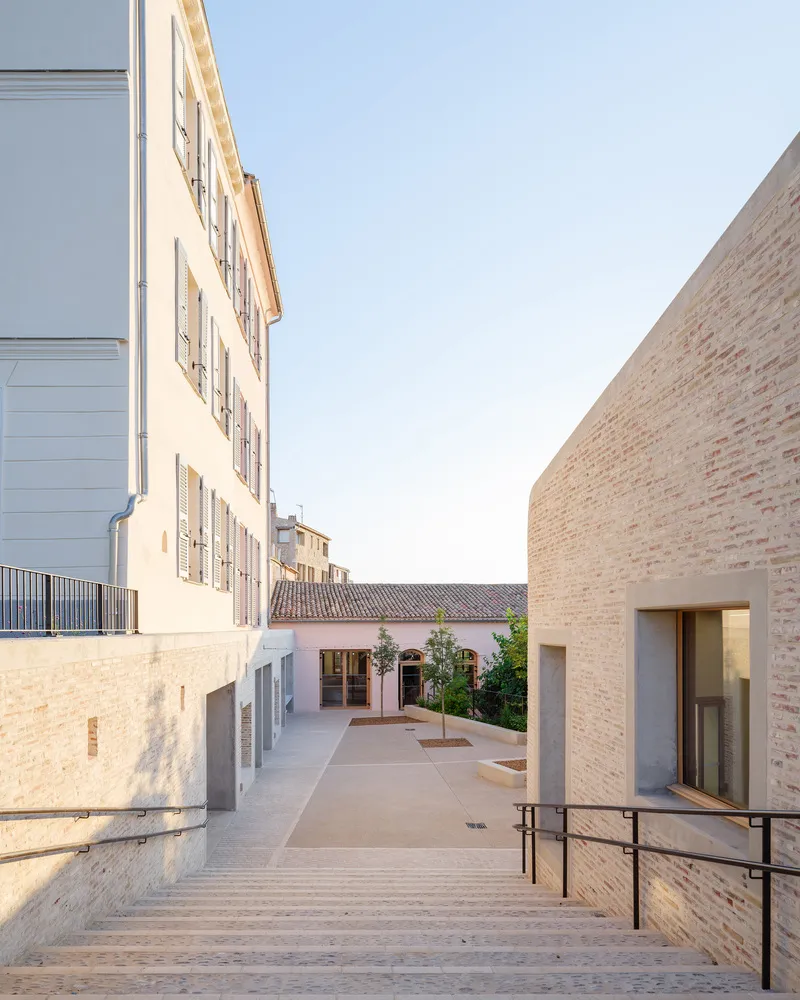
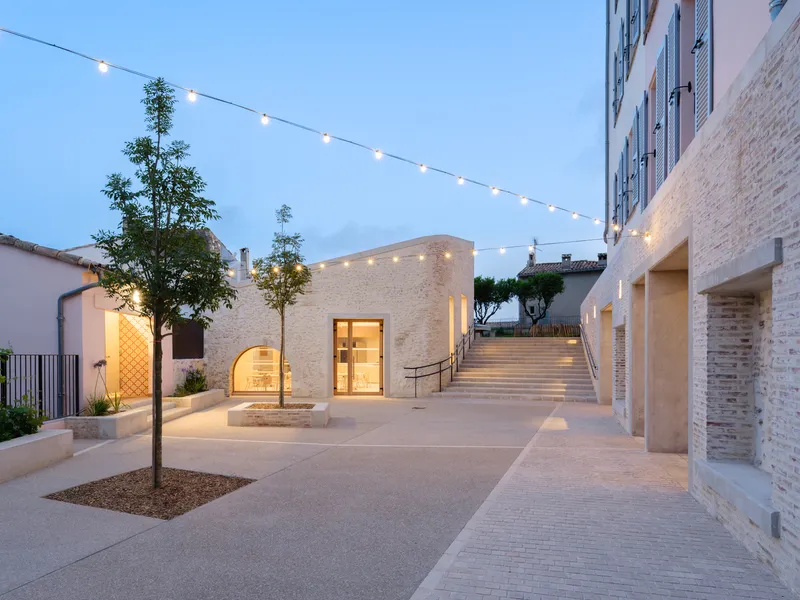
The project’s central ambition is to reinvigorate the Vieux Bourg school by creating a cohesive, accessible, and inviting campus. The architects aligned floor levels across both buildings, optimized vertical circulation, and introduced universal accessibility throughout the complex.
A Courtyard as the Social Heart
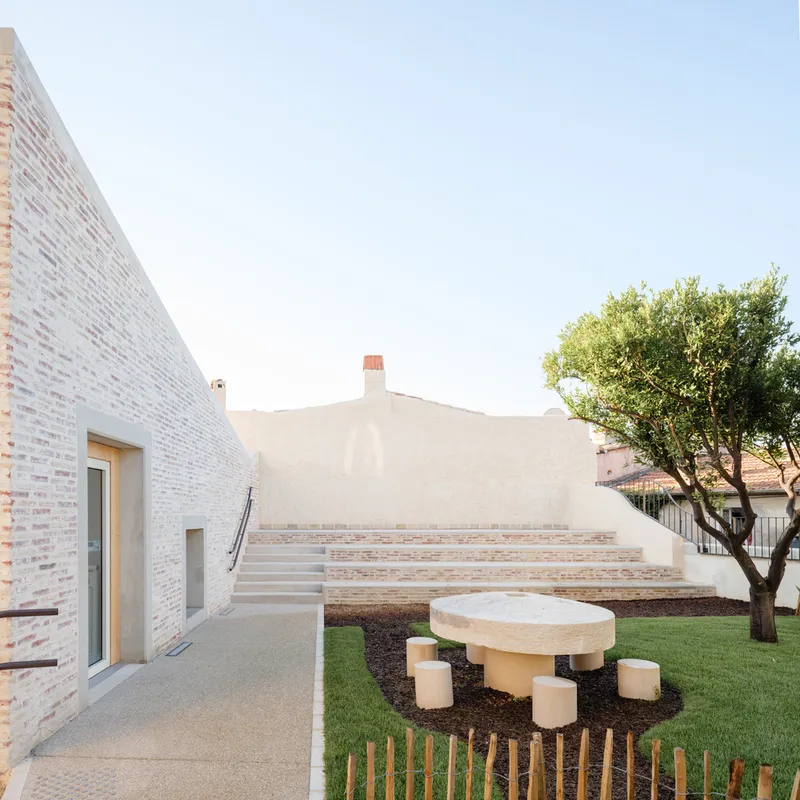
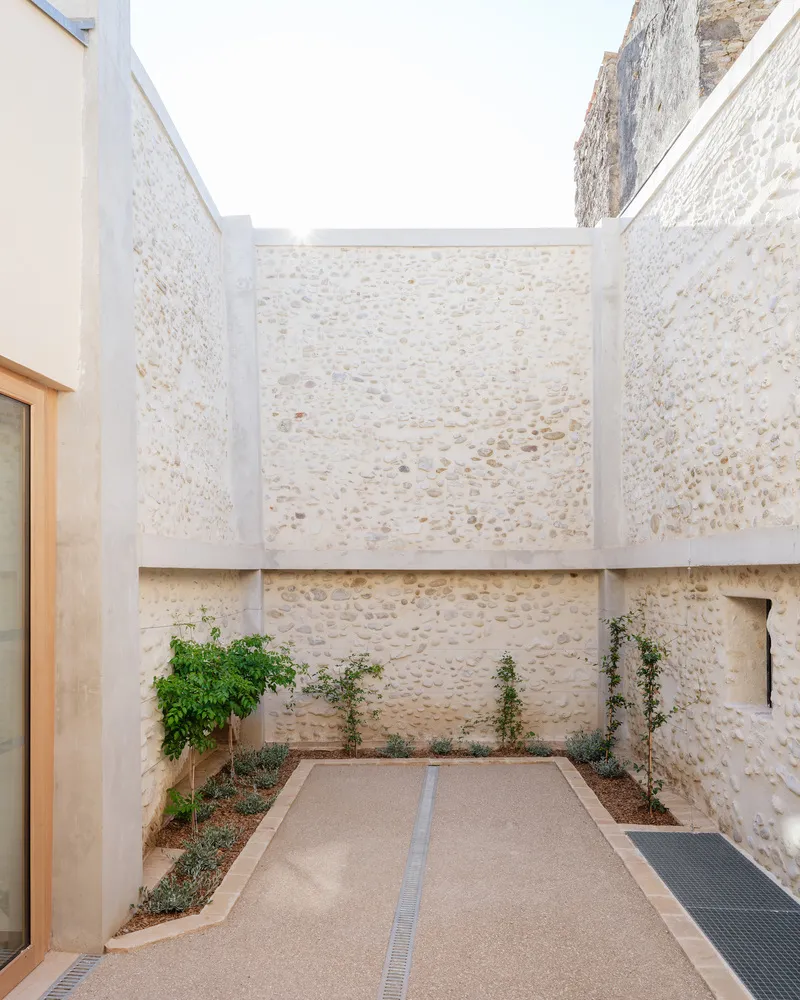
At the center, a landscaped courtyard organizes the school’s shared functions: the dining hall, library, and multipurpose room. This outdoor space extends naturally into a garden, strengthening continuity between interior and exterior environments while maintaining the original unity of the historic ensemble.
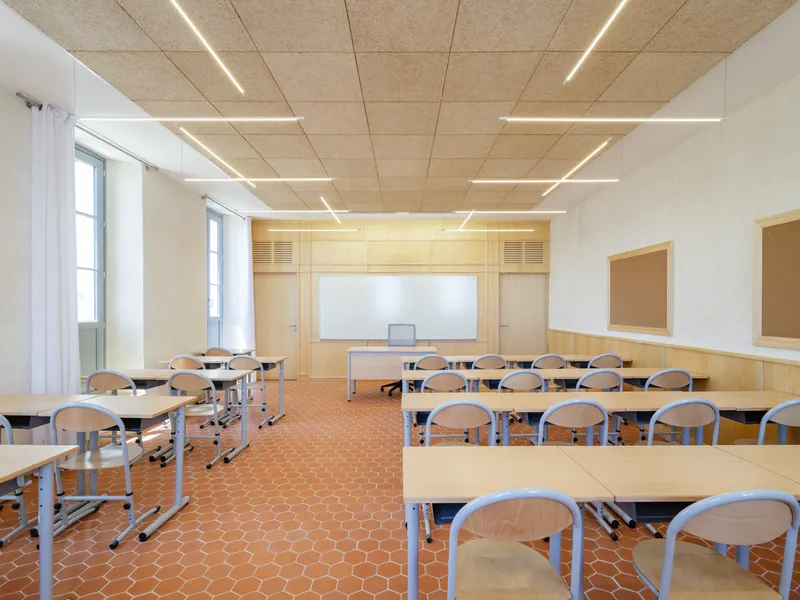
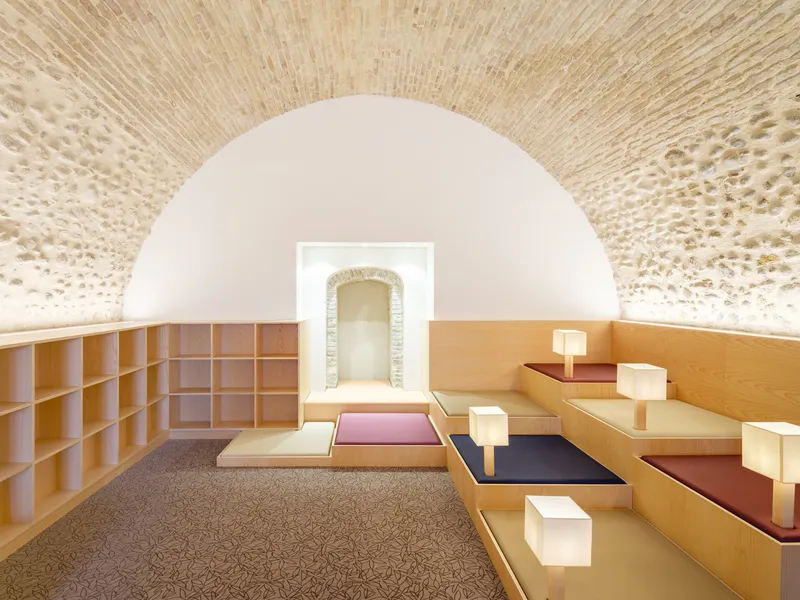
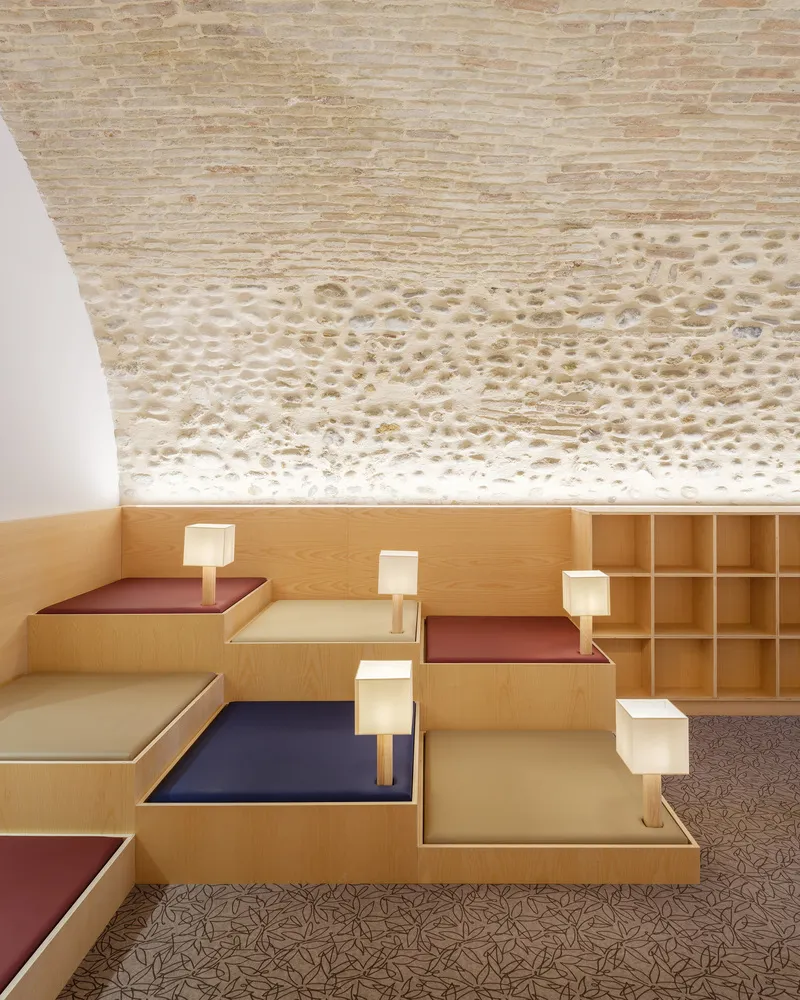
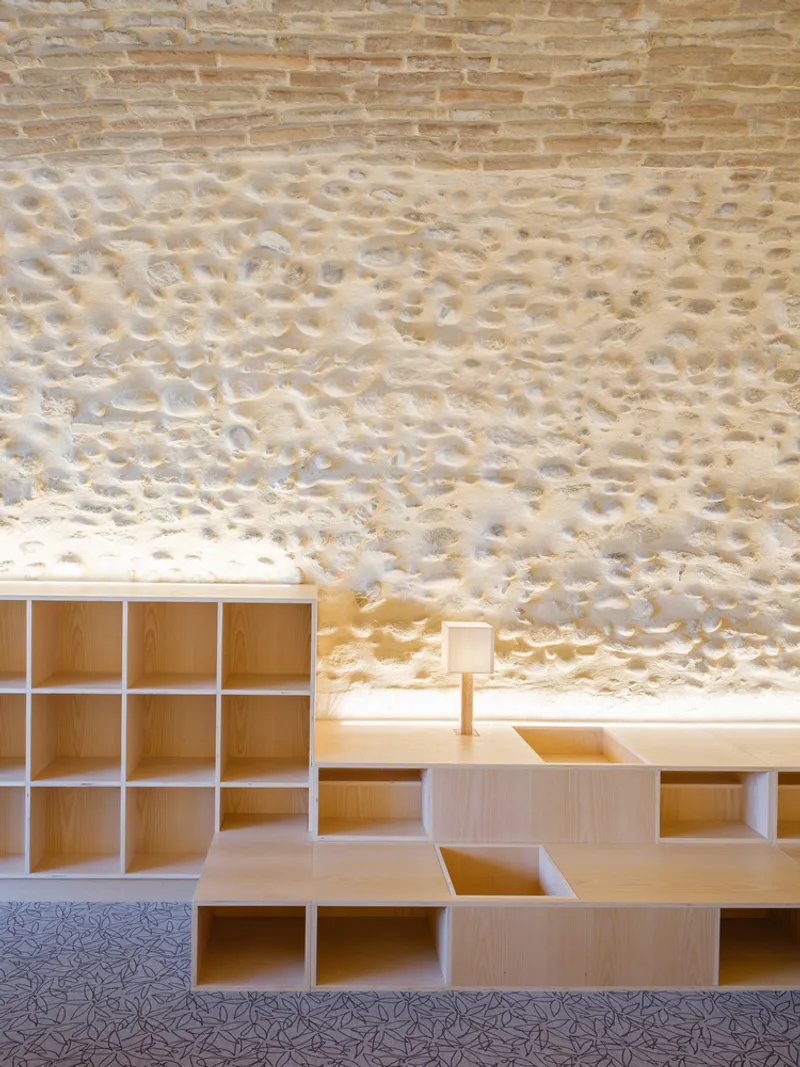
Inside, Plò architectes maximized the site’s spatial and climatic qualities. A former vaulted cellar now serves as a warm and atmospheric school library, while classrooms are expanded with large windows that frame serene views of the Mediterranean landscape, enhancing the learning experience.
Crafting Warm Interiors Through Material Reuse
A defining aspect of the project is the creative use of on-site recovered materials, which enriches the school with tactile, storied surfaces while significantly reducing environmental impact. The architects repurposed:
- Brick cladding tiles
- Cement tiles transformed into wall ceramics
- Antique millstones reused as tables
- Salvaged window sills reimagined as stair steps
These elements reinforce the school’s identity as a place where heritage is not simply preserved, it's actively reinterpreted for future generations.
Eco-Responsible Construction Rooted in Local Materials
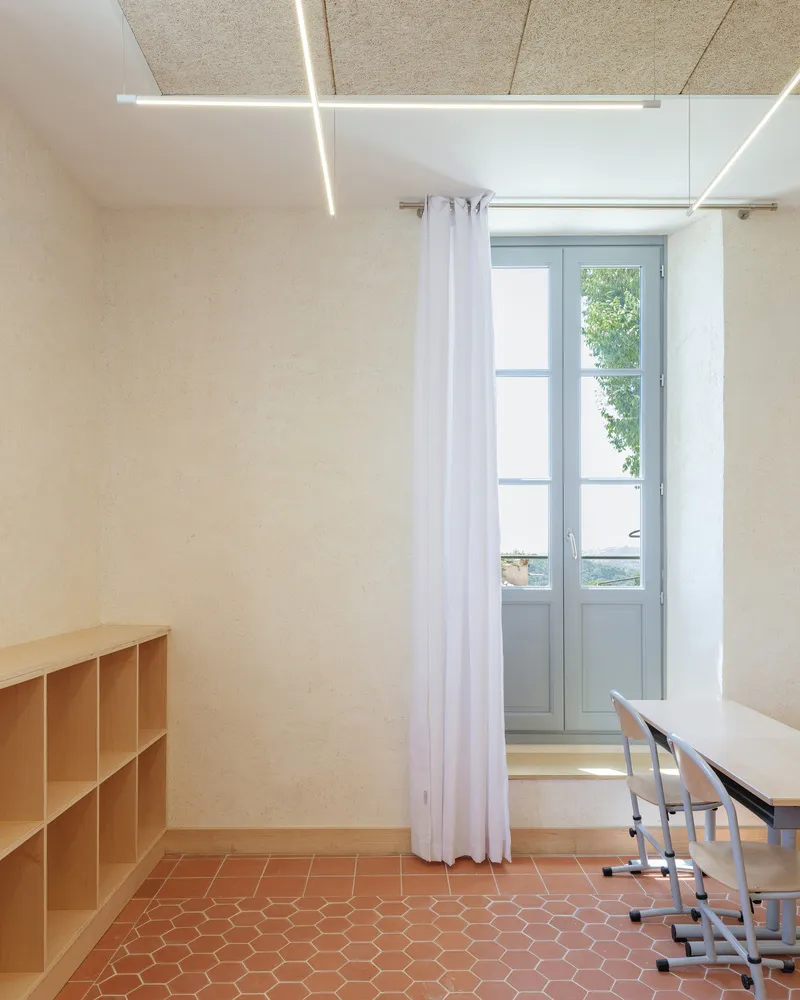
Responding to the Mediterranean climate, the design prioritizes summer thermal comfort over heavy winter insulation. Instead of conventional external insulation systems, the team applied hemp-lime plaster, a breathable and bio-sourced material that improves indoor comfort while respecting the building’s historic walls.
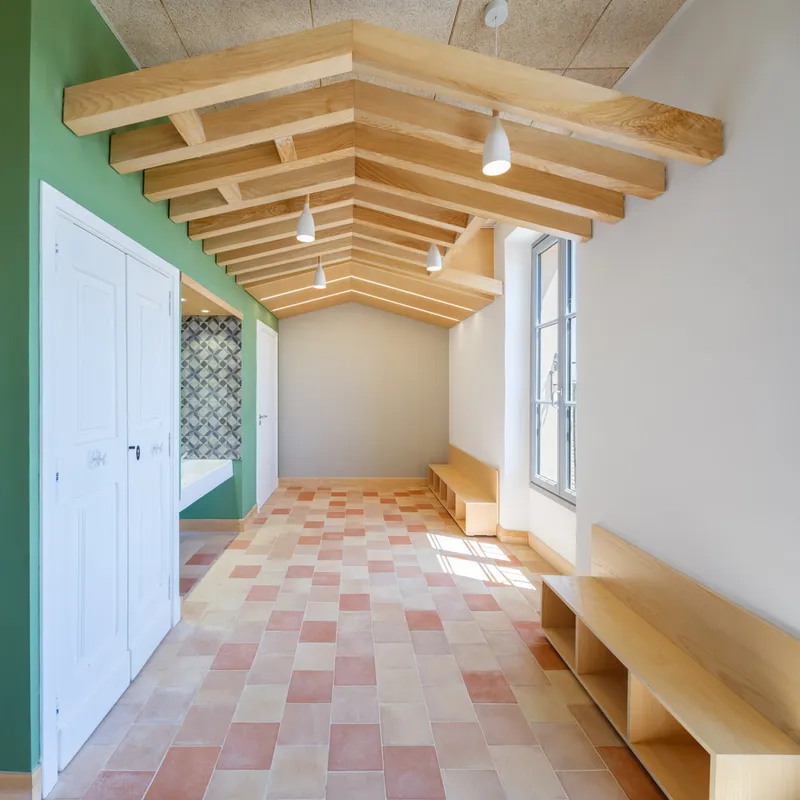
Local and natural materials define the building’s renewed character: terracotta floors, wood-fiber ceilings, and minimally processed finishes create a warm, durable, and regionally grounded palette. These choices reflect Plò architectes’ commitment to low-carbon construction, bioclimatic thinking, and circular material strategies.
A Contemporary Vision for Heritage Schools
Ecole du Vieux Bourg stands as a model for sustainable school renovation, proving that educational spaces can be simultaneously environmentally conscious, historically rooted, and architecturally inspiring. Through careful integration of old and new, Plò architectes breathe new life into a neglected heritage site while meeting the evolving needs of students, teachers, and the broader community.
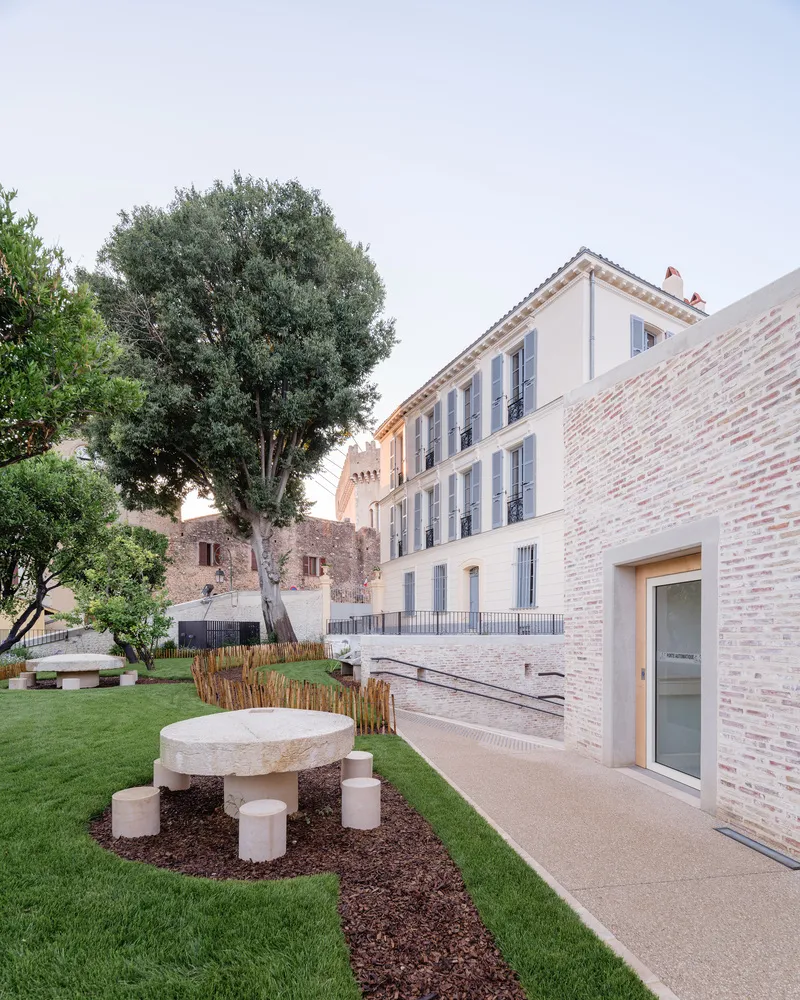
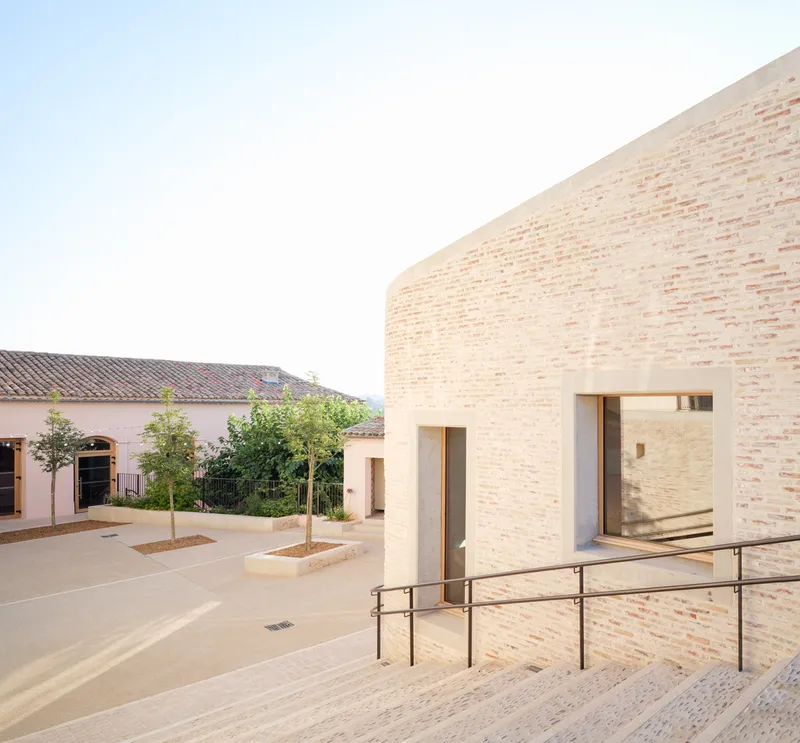
All photographs are works of Florence Vesval


Popular Articles
Popular articles from the community

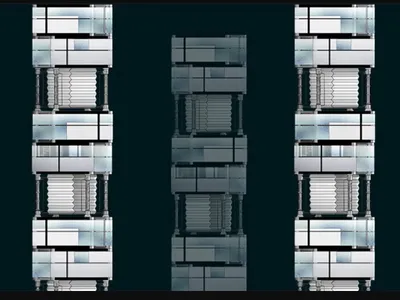
Tsunami Convergenics: Turning Catastrophic Ocean Forces into Underwater Housing Infrastructure
A speculative underwater settlement off the coast of Onagawa, Japan, treats tsunamis and typhoons as energy sources rather than threats.
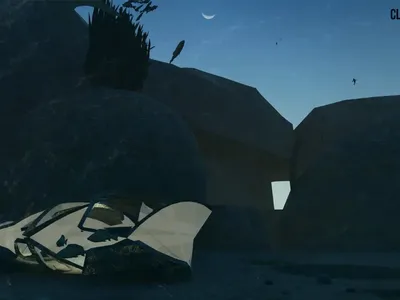
Cloaked Colonization: A Mobile Underwater Habitat That Moves Like a Fish
Micah Abaya's shortlisted EHC Pacific entry reimagines ocean settlement as a dispersed network of self-sustaining architectural organisms.
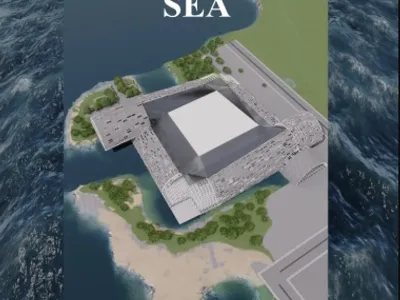
Opera on the Sea: Driftwood Logic Shapes a Timber Opera House on Estonia's Coast
Trevor Orgill's opera house translates the entangled drift of floating timber into a civic building where wood, water, and music converge.
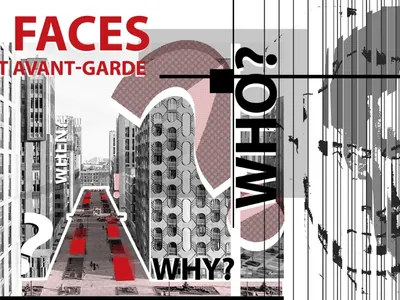
Faces of the Soviet Avant-Garde: Turning Moscow's Street Names into an Open-Air Museum
A network of sculptural installations across a Moscow residential district transforms forgotten architect names into spatial encounters with cultural memor

Similar Reads
You might also enjoy these articles

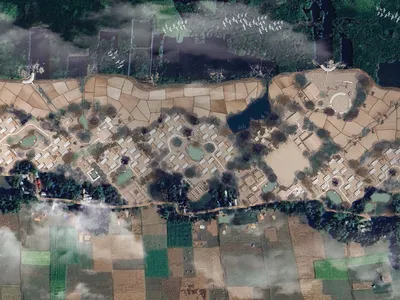
Hodi-Mandai Geram
Project Function: Preservation and revitalization of the Intangible heritage and socio-spatial identity of the Hodi by Housing, Cultural Memory Center, Sacred Grove, landscape, local tourism economy

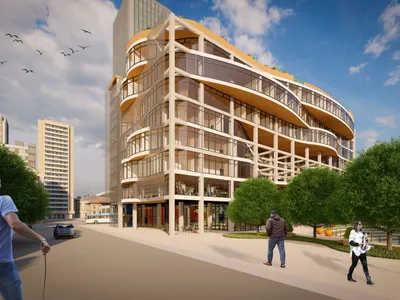
Olio Towers: A Mid-Rise for Performers That Fuses Housing, Rehearsal, and Stage
Located blocks from Houston's Theater District, this modular tower stacks living units around a central performance atrium.
Oasis: Modular Green Housing Carved into Dhaka's Urban Fabric
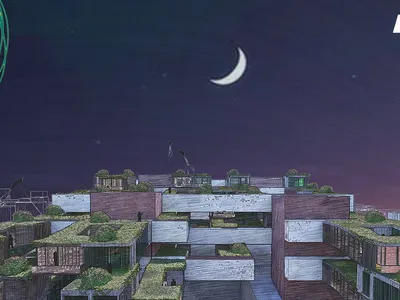
A shortlisted Plugin Housing entry reclaims unauthorized settlements in Dhaka with stepped concrete volumes, green roofs, and ventilation-driven design.

Black Hole: A Floating Megastructure for the Post-Physical Era
Emiliano Mazzarotto envisions a spherical, self-scaling arena where e-sports, digital hotels, and holographic stadiums replace traditional public space.

Explore Pont-Aven School Competitions
Discover active competitions in this discipline

Challenge to design public laboratory

Challenge to reimagine the Iron Throne

Photograph architecture without architects

Illustrate the lost glory of Angkor Wat - Render Challenge
Comments (0)
Please login or sign up to add comments
No comments yet. Be the first to comment!