
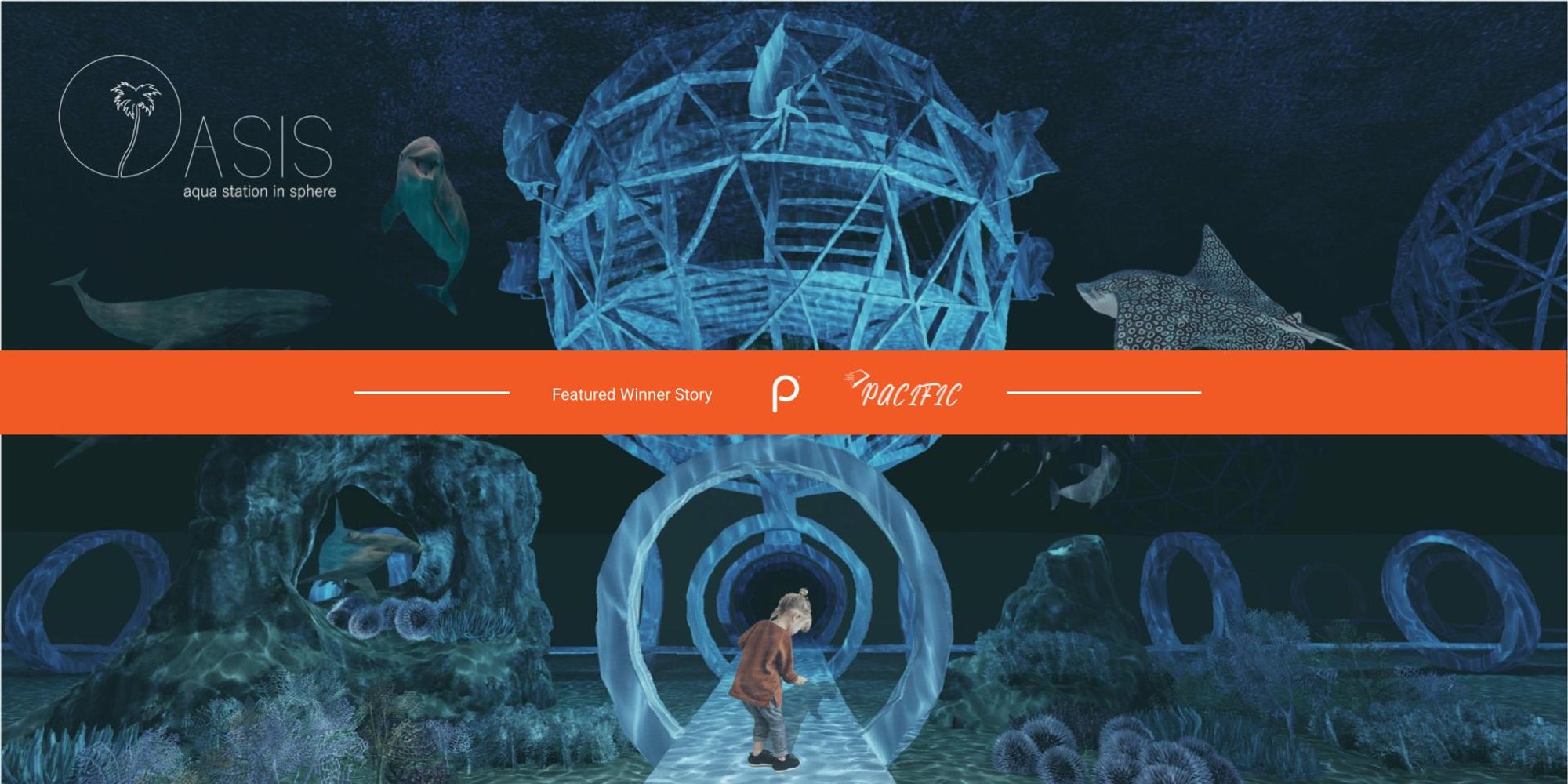
A concept habitat for six people that can be replicated to form an entire colony of 100 units.
Extreme Habitat Challenge 2020 - Pacific - Result Story

Extreme Habitat Challenge 2020 is pleased to invite architects, designers, engineers, the student fraternity, and visualizers from around the globe to take part in its third edition of Extreme Habitat Challenge: Pacific. The Extreme Habitat Challenge (EHC) is one of the world’s most coveted competitions for habitat design. It recognizes exceptional ideas that redefine habitat design through the implementation of innovative ideas, techniques, construction, visual, programmatic, and futuristic organizations through architecture as a tool.
As our cities grow, there are severe impacts visible to the quality of life due to overpopulation. Apart from that, the climate of the world is conclusively becoming harsher. Weather changes are becoming more rampant. We need resilient buildings. Limitless growth of population ultimately contradicts the motive of moving to the city, where people, instead of experiencing a better quality of life face the contrary throughout. All of these circumstances and vulnerabilities are only bound to grow in the future.
Cities cannot be overhauled overnight. But the past, especially the industrial revolution, has proven that our cities can, and they have, in fact, changed. Technology being the fastest agent of change today has almost displaced the need of living in a city - including repercussions like social isolation between people today. A new era of evolution has begun, which brings in technology to resolve even man-made disasters. Faster transportation techniques, connectivity & collaboration has made it possible to look beyond the boundaries of cities. We take this opportunity to build a more responsible and innovative class of habitats that may be small but can definitely inspire change for the cities of tomorrow.
The Third Edition of Extreme Habitat Challenge invited participants to design a concept habitat for 6 people within a maximum area of 1000 sq. ft. in the Pacific Continental Shelf, which can be replicated to form an entire colony of at least 100 such units. The challenge invited ideas that push the boundaries of design using innovative habitat working models, materials, technology, close to zero land costs, and a nomadic yet rooted lifestyle.
The jury for the competition consisted of esteemed designers, professionals and academicians from around the world. The Lead Jurors for the competitions were as follows:
Luis Rojo de Castro, Principal Partner, Rojo/Fernández-Shaw Architects, Spain
Begoña Fernandez-Shaw, Principal Partner, Rojo/Fernandez-Shaw Architects, Spain
Rolf Ockert, Principal Architect, ROAR - Rolf ockert. Architect., Australia
Jose Moragues Puga, Principal Architect, SINGULAR STUDIO, Spain
Some of the Best of competition projects as follows:
Winning Project: Wireless CORALPODS
By: Rachel Cheah
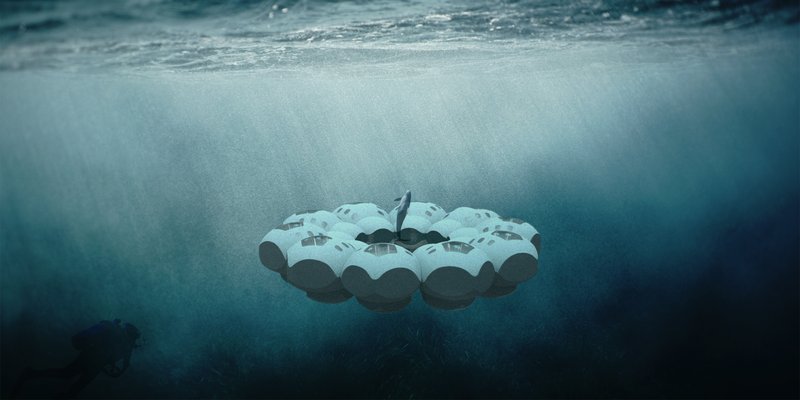
Description: Introducing wireless CORALPODS with no cables attached to the seafloor, mainland, or anywhere else. Coralpods believe in a circular exchange with the existing marine ecosystem while providing an inclusive habitat. Both terrestrial (humans) and marine species can inhabit it.
-----------------
Runner - Up: BIOREEF
By: Vincent Tiburcio, Si Nguyen & Julio Quiroz
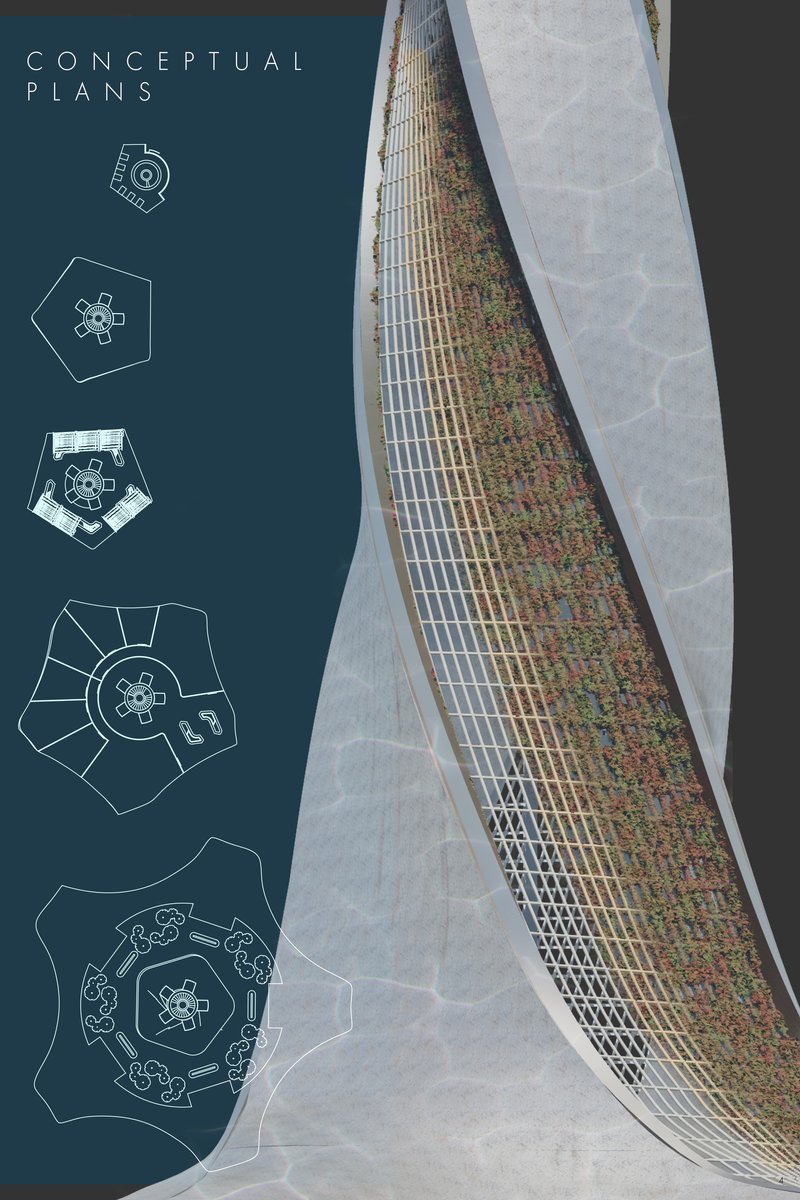
Description: Research and housing station with the mission of restoring the damaged reefs and cleaning up the ocean by making use of current sustainable technology and innovative ideas.
---------------------
People’s Choice: AQUADAPT
By: Paweł Swacha, Jakub Koźlik, Daniel Stawicki & Magdalena Niewiadomska

Description: Aquadapt is an underwater habitat project which focuses mainly on its adaptability of function to match the current needs of its inhabitants. The project also aims to guarantee a space where its residents will feel safe underwater and will be able to create modern communities, living together and cooperating.
-----------------
Editorial Choice: Redefining the Pacific
By: Tiago Santos & Carolina Matos
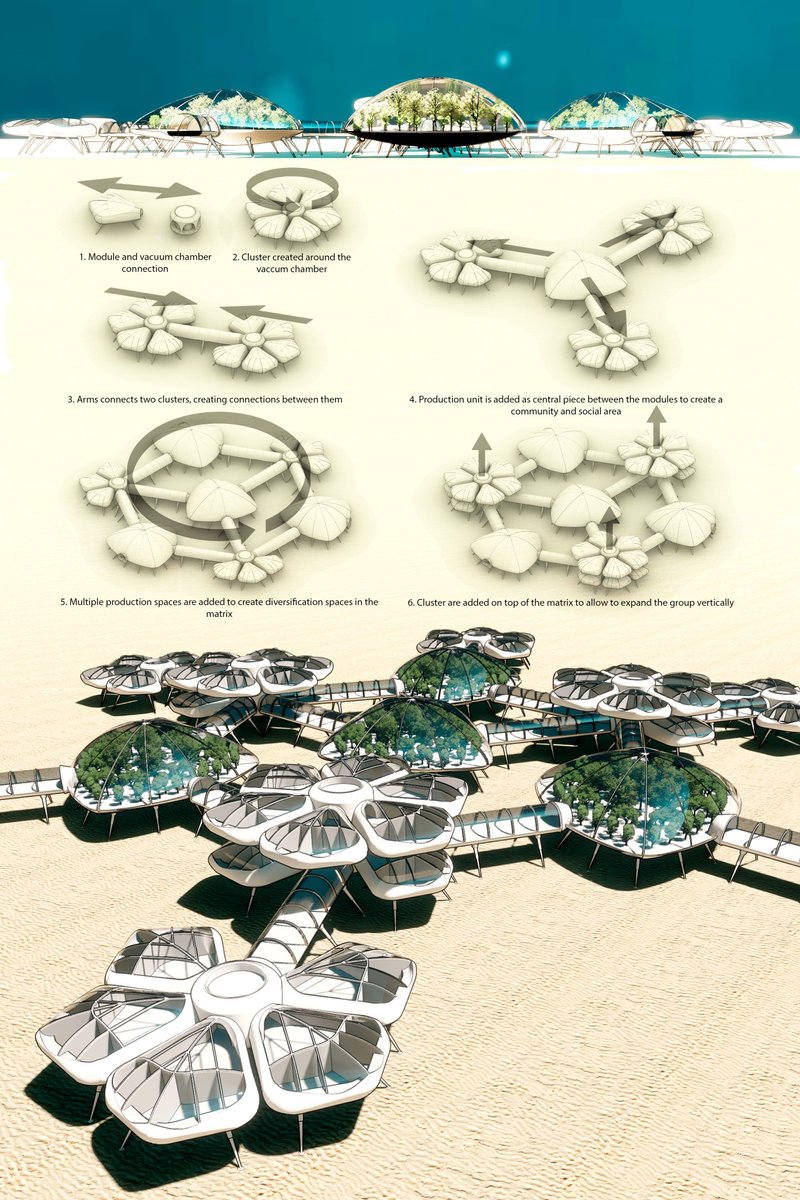
Description: Sustainable Habitat Under the Sea.
------------------------
Editorial Choice: The Sub-MarinaTube
By: Cynthia Chang
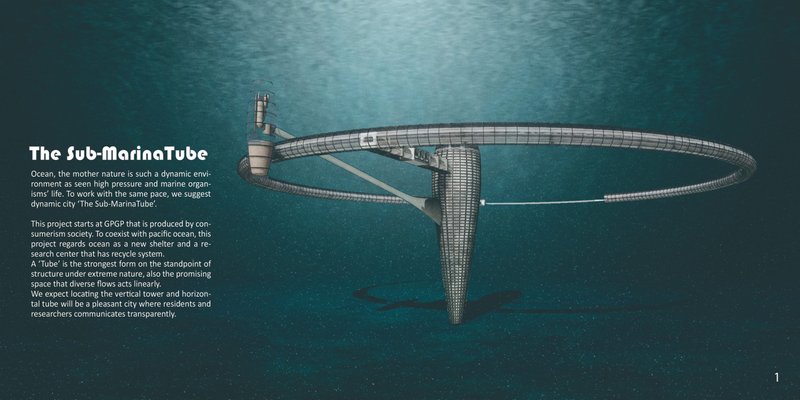
Description: Ocean, mother nature is such a dynamic environment as seen by high pressure and marine organisms’ life. To work at the same pace, we suggest a dynamic city ‘The Sub-MarinaTube’.
---------------------
Editorial Choice: OASIS-aqua station in sphere
By: Natalia Choinacka
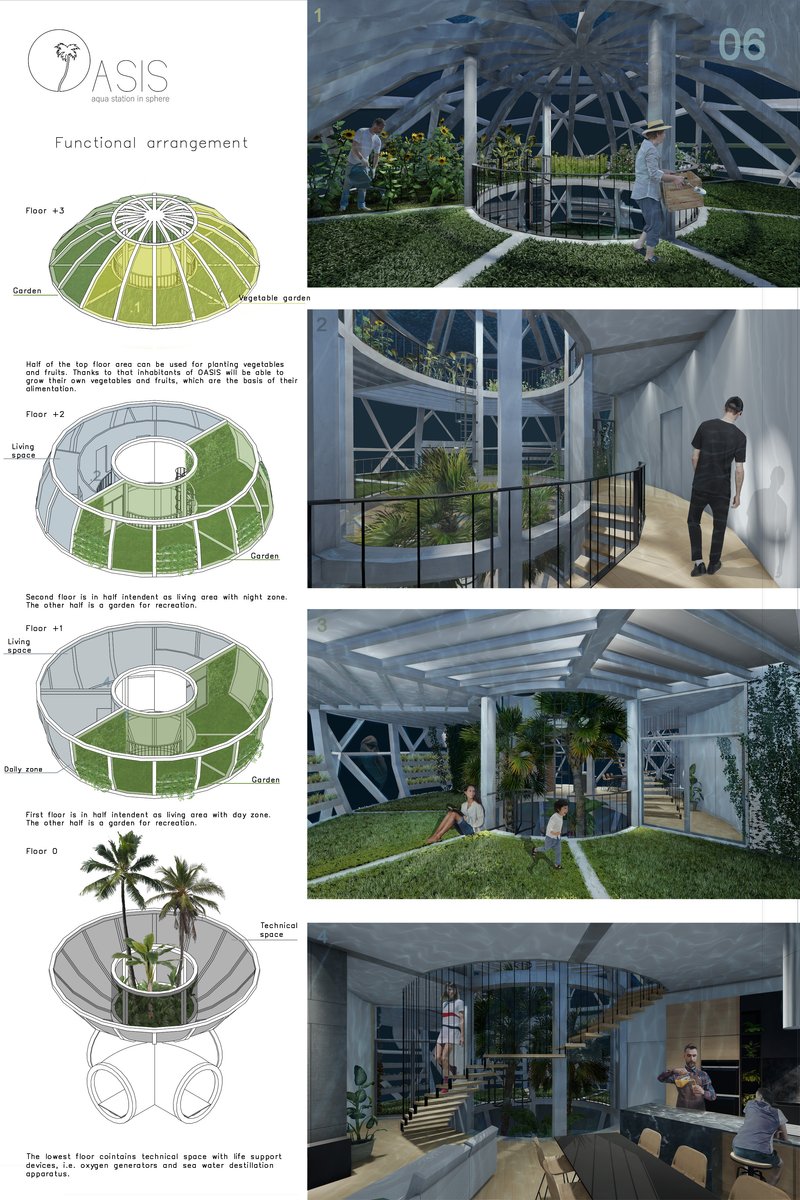
Description: OASIS is a response to global warming and overpopulation. The sphere is located on the continental shelf of the Pacific Ocean. Its interior is an independent eco-system that creates friendly living conditions under the water. The sphere can accommodate a family of six or a group of scientists.
------------------------
Editorial Choice: Current Interventions.The New Frontier
By: Xavier Zhapan
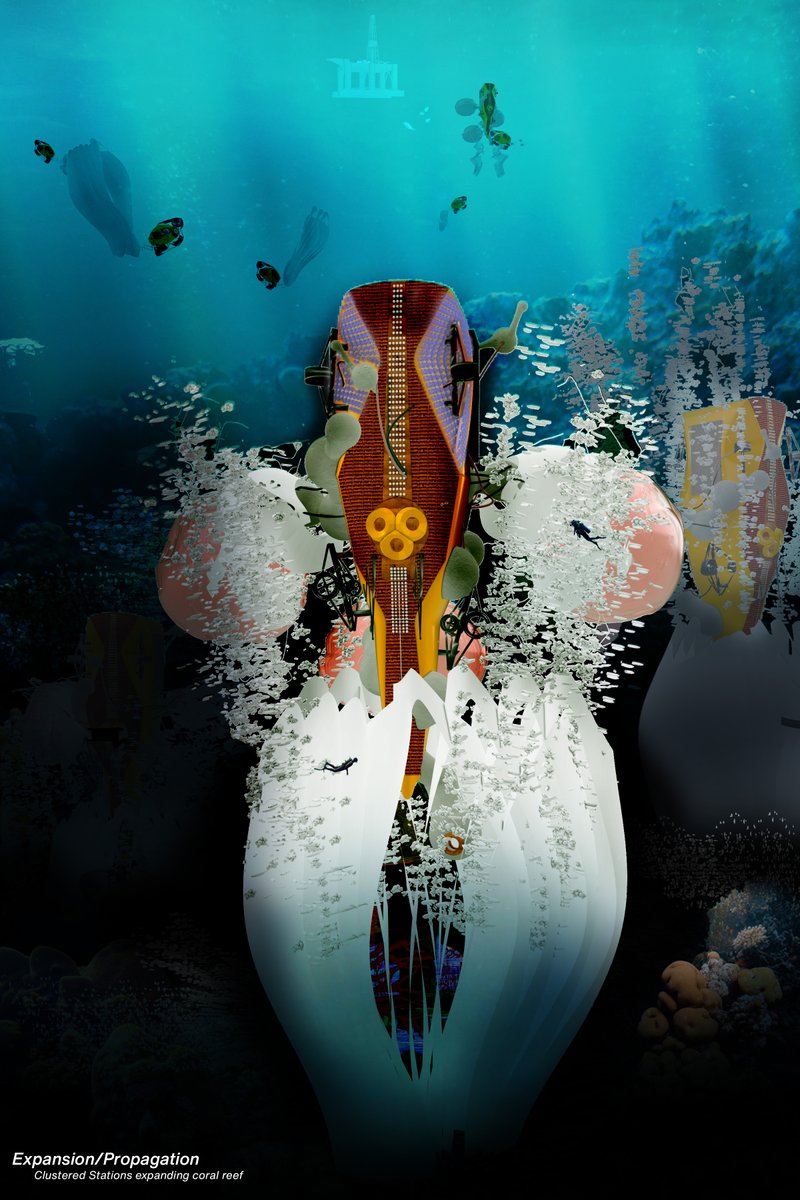
Description: A vertical consolidated submersible and self-sustainable station that intercepts the upwelling currents catching nutrients. The stations contributing to the propagation of endangered species by providing artificial liquid spaces by concrete membranes as well as containing plankton from upwelling currents in the coral reef.
Discover the design brief here: https://uni.xyz/competitions/ehc-pacific/info/about
Discover the full results here: https://uni.xyz/competitions/ehc-pacific/entries
Follow us on social media: Facebook | Instagram | LinkedIn | Twitter | Youtube
Discover other design competitions to participate here: https://uni.xyz/competitions



Popular Articles
Popular articles from the community

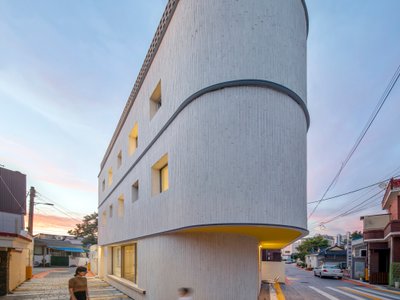
YOAP Architects Round a Corner in Yeongcheon with a Cylindrical Community Hub
A 197-square-meter brick and ribbed-clad tower turns a forgotten alley corner in South Korea into a public garden with a low threshold.
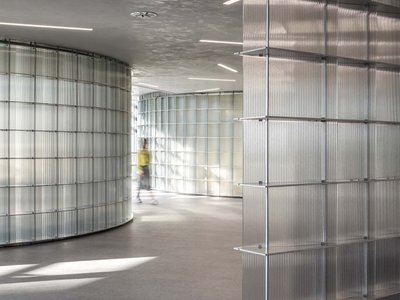
HCCH Studio Wraps a Shanghai High-Rise Office in Curved Walls of Translucent Glass
A 1,000 square meter fit-out in Lujiazui replaces the typical tech-office palette with layered glass, micro-cement, and quiet rigor.
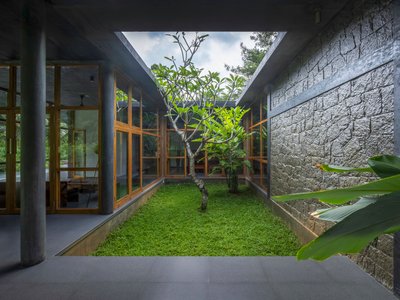
3dor Concepts Wraps a Kerala Home in Mirrored Concrete Arcs Around a Courtyard Tree
In the Western Ghats foothills of Thamarassery, a 270 m² single-story house uses two curved volumes to frame nature as its center.
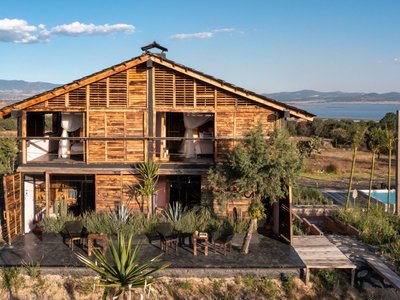
Fausto Terán and Toro Fuse Japanese Craft with Mexican Tradition in a Lakeside Retreat
Nakamura House pairs Shou-Sugi-Ban charred pine with handmade clay tile at the foot of Atlangatepec Lagoon in Mexico.


Similar Reads
You might also enjoy these articles

Mechanism of Memories: Adaptive Architecture Reimagines Offshore Structures as Living Cultural Machines
Floating adaptive architecture transforms abandoned offshore structures into cultural spaces that preserve memory, habitation, and human connection.
Wildlife Rehabilitation Architecture in Australia: A Regenerative Sanctuary for Koalas by Philip Skein and Keegan Mayber
A regenerative wildlife sanctuary in Queensland redefines sustainable architecture through habitat restoration, healing, and ecological awareness.
The Interfusion: Mobile Performance Architecture Reconnecting Art and Public Space
A mobile performance architecture project transforming Madrid’s streets into inclusive cultural spaces through adaptive urban design.
Biophilic Architecture and Regenerative Stadium Design: Biophilia Lagos by Rachel George
A regenerative stadium in Lagos transforms landfill into a living ecosystem through biophilic architecture, waste reuse, and environmental healing.

Comments (0)
Please login or sign up to add comments
No comments yet. Be the first to comment!