

Eichler House Renovation by Gustave Carlson Design – Palo Alto, California
Eichler House in Palo Alto, renovated by Gustave Carlson Design, blends mid-century modern charm with sustainable, light-filled, contemporary family living spaces.


A Modernist Masterpiece Reimagined
The Eichler House, renovated by renowned architect Gustave Carlson, is a striking example of mid-century modern residential architecture revitalized for contemporary living. Carlson Design, celebrated for custom residential renovations, new constructions, and sustainable architectural solutions, approached this project with deep respect for the home’s original modernist roots while tailoring it to the unique lifestyle of the current homeowners.
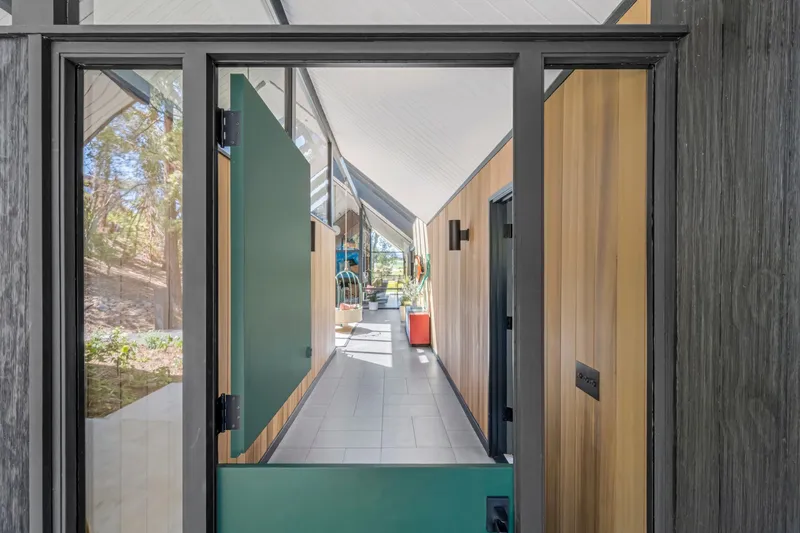
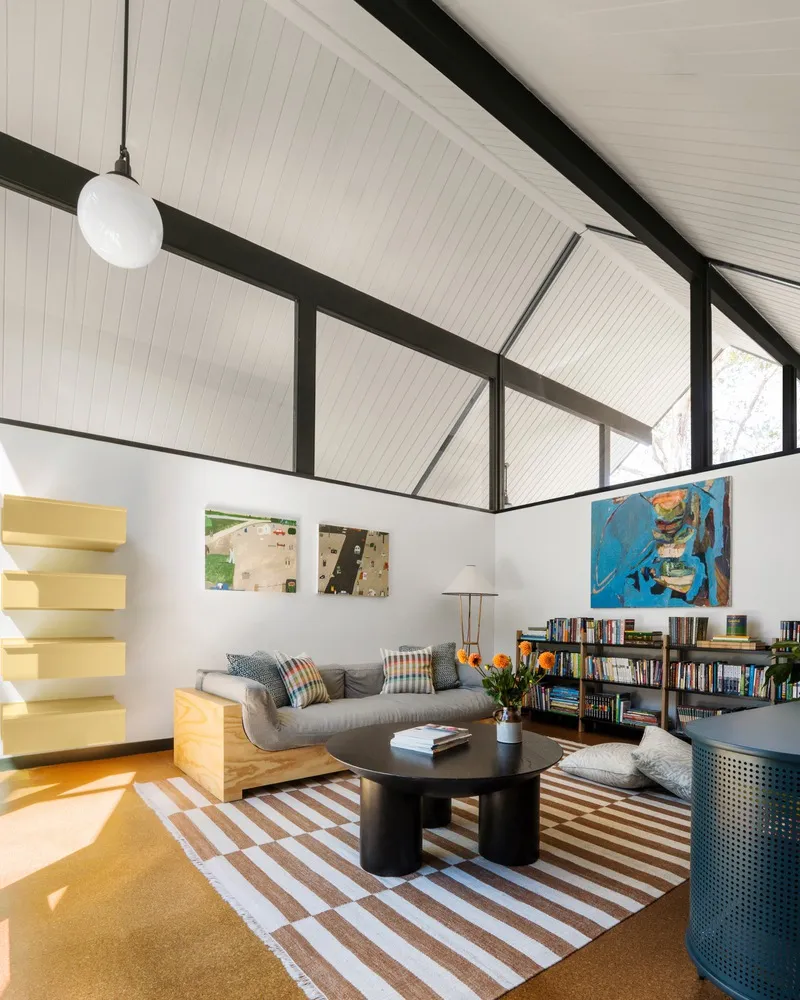
Originally commissioned by John S. Lynd, an architect and personal friend of Joseph Eichler, this 1971 Eichler home occupies a coveted flag lot in the Palo Alto hills, backing onto a scenic golf course. The residence is part of the region’s rich architectural history, where Eichler Homes, inspired by Frank Lloyd Wright’s design principles, introduced modernist, tract-style homes to middle-class Americans. Between 1949 and 1966, Eichler Homes built over 11,000 single-family residences, with Palo Alto holding the largest concentration of Eichler homes in the United States.
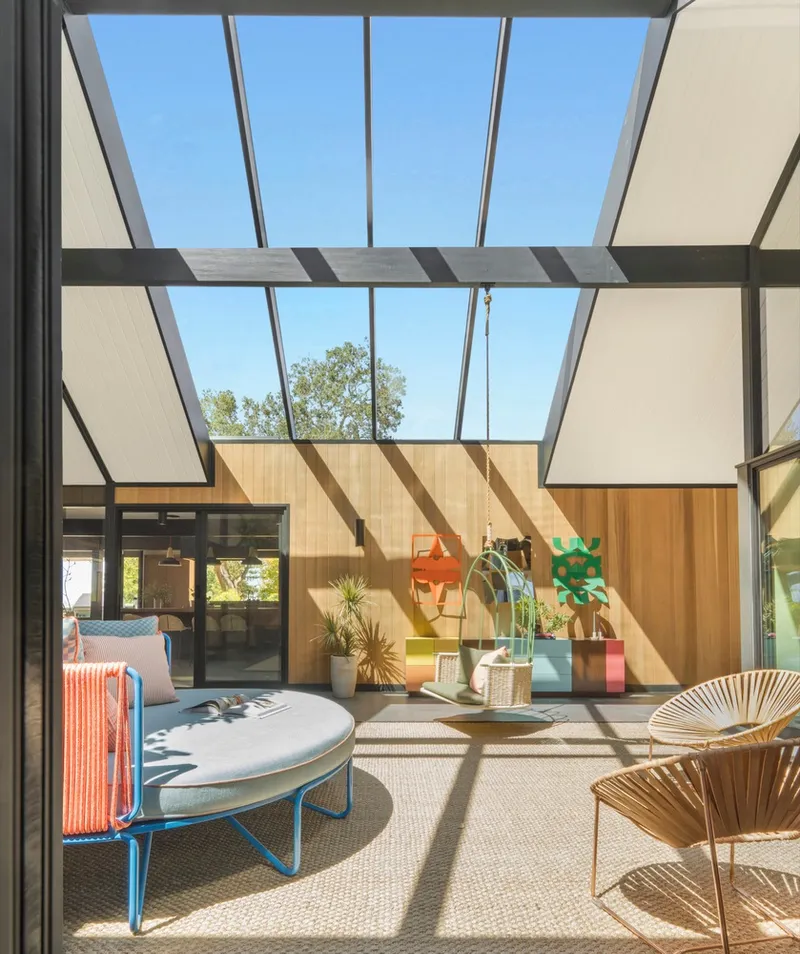
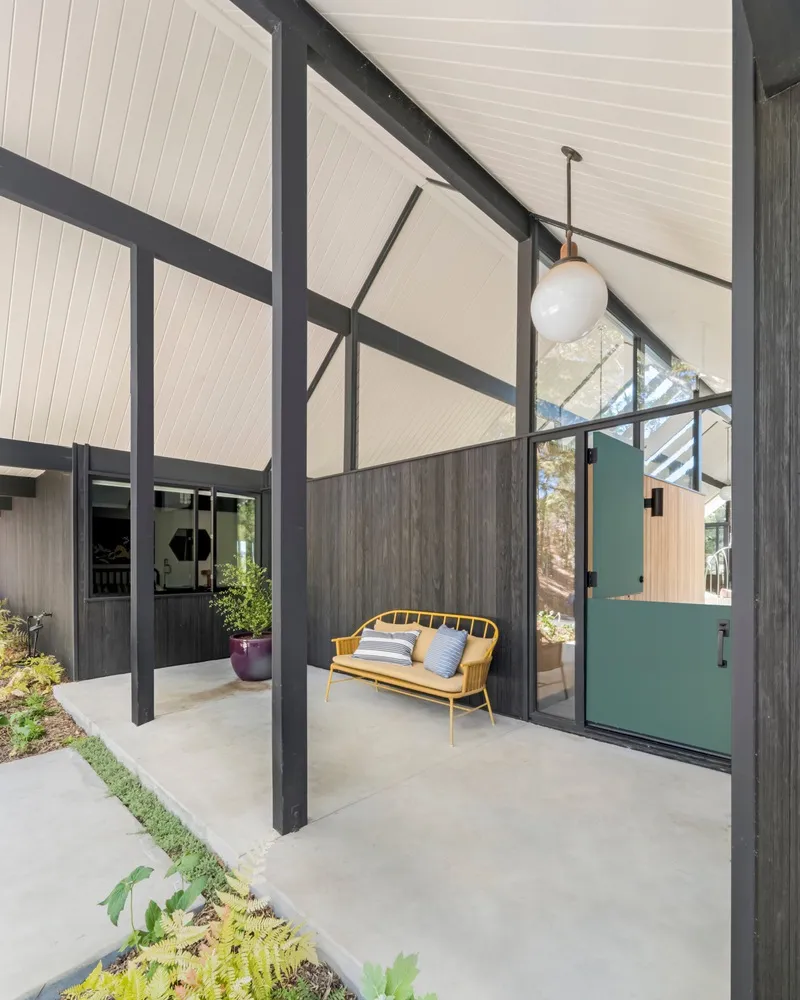
Integrating Contemporary Design with Historic Character
The homeowners, a visionary couple with four daughters and an extensive art collection of over 90 works—primarily by emerging female artists—sought a home that would reflect both their family life and their creative vision. Gustave Carlson approached the renovation by maintaining the home’s original architectural “bones,” enhancing its iconic open-plan layout, floor-to-ceiling windows, and light-filled spaces, while integrating modern energy efficiency and sustainable design elements.
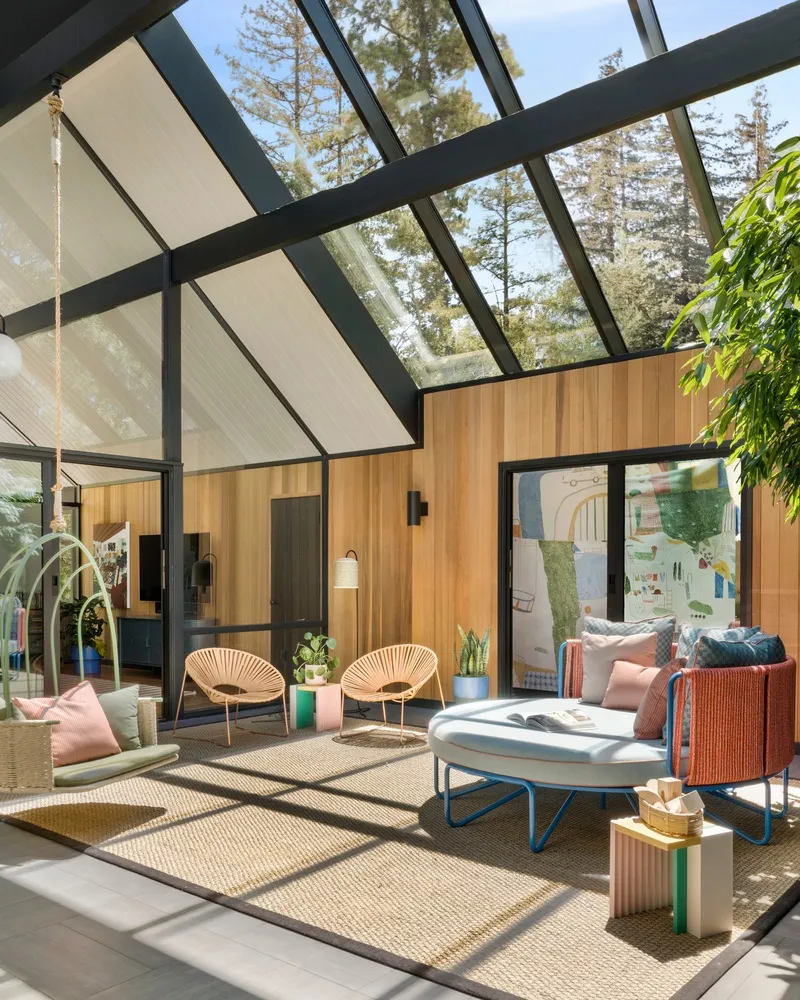
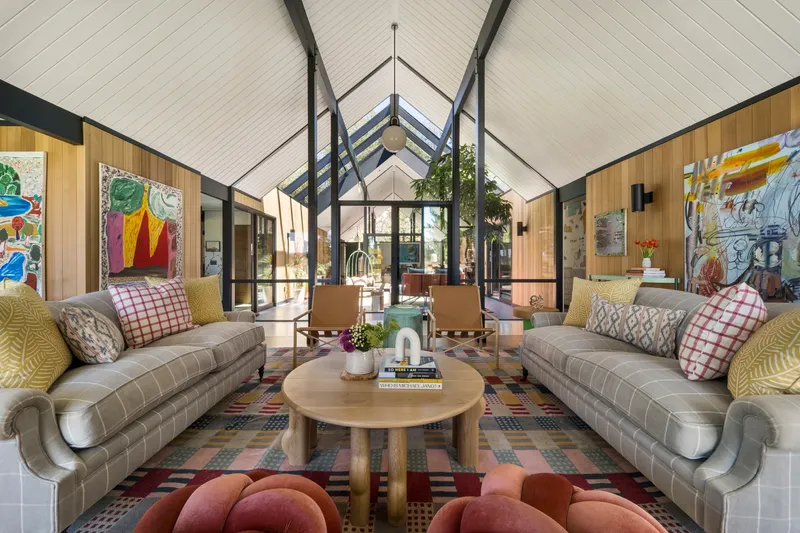
Carlson describes the essence of an Eichler as capturing "optimism in built form." The renovation emphasizes airy, human-scale interiors that honor the post-World War II modernist promise, blending historical authenticity with contemporary comfort. The project demonstrates how mid-century modern architecture can evolve with modern lifestyles without losing its original charm and visionary ethos.
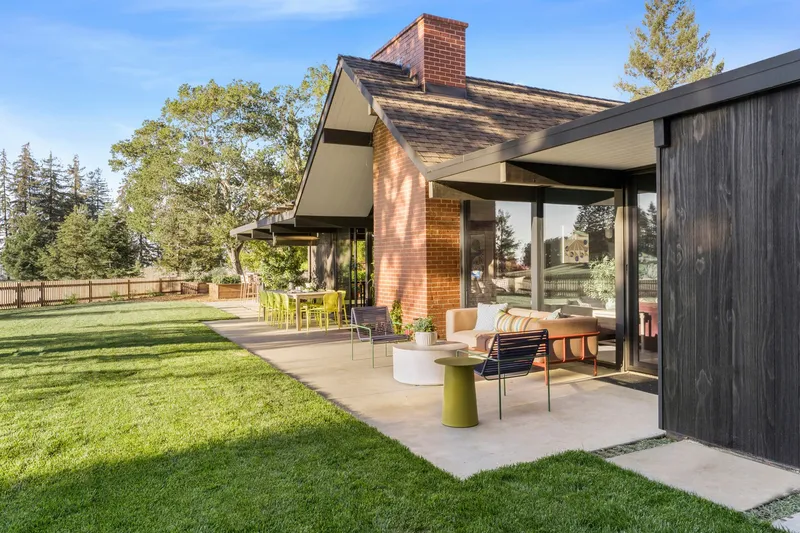
All Photographs are works of David Duncan Livingston


Popular Articles
Popular articles from the community


Singing Woman: An Opera House That Performs Before the Curtain Rises
Ovidiu Cristian Pavel's conceptual opera house translates Estonia's choral identity into a sculpted waterfront landmark facing the Baltic Sea.

Opera on the Sea: Driftwood Logic Shapes a Timber Opera House on Estonia's Coast
Trevor Orgill's opera house translates the entangled drift of floating timber into a civic building where wood, water, and music converge.


David Ortega Stacks a Two-Story Mexico City Penthouse Around a Steel Stair and a Pergola-Shaded Roof Terrace
In Colonia Roma, a 300 m² penthouse uses oak joinery, a planted steel stair and a slatted roof pergola to make a new-build apartment feel like a house.

ETEH Reworks the Shared Spaces of São Domingos School in Brazil Around Timber, Color and Hanging Plants
At São Domingos School in Brazil, 436 m² of hall, refectory and library are recast with timber joinery, a yellow and blue code and trailing greenery.

Similar Reads
You might also enjoy these articles


Hodi-Mandai Geram
Project Function: Preservation and revitalization of the Intangible heritage and socio-spatial identity of the Hodi by Housing, Cultural Memory Center, Sacred Grove, landscape, local tourism economy


Olio Towers: A Mid-Rise for Performers That Fuses Housing, Rehearsal, and Stage
Located blocks from Houston's Theater District, this modular tower stacks living units around a central performance atrium.

Oasis: Modular Green Housing Carved into Dhaka's Urban Fabric
A shortlisted Plugin Housing entry reclaims unauthorized settlements in Dhaka with stepped concrete volumes, green roofs, and ventilation-driven design.

Black Hole: A Floating Megastructure for the Post-Physical Era
Emiliano Mazzarotto envisions a spherical, self-scaling arena where e-sports, digital hotels, and holographic stadiums replace traditional public space.
Explore Architecture Competitions
Discover active competitions in this discipline

Challenge to reimagine the Iron Throne

Photograph architecture without architects

Illustrate the lost glory of Angkor Wat - Render Challenge

Design challenge to reuse E-waste
Comments (0)
Please login or sign up to add comments
No comments yet. Be the first to comment!