
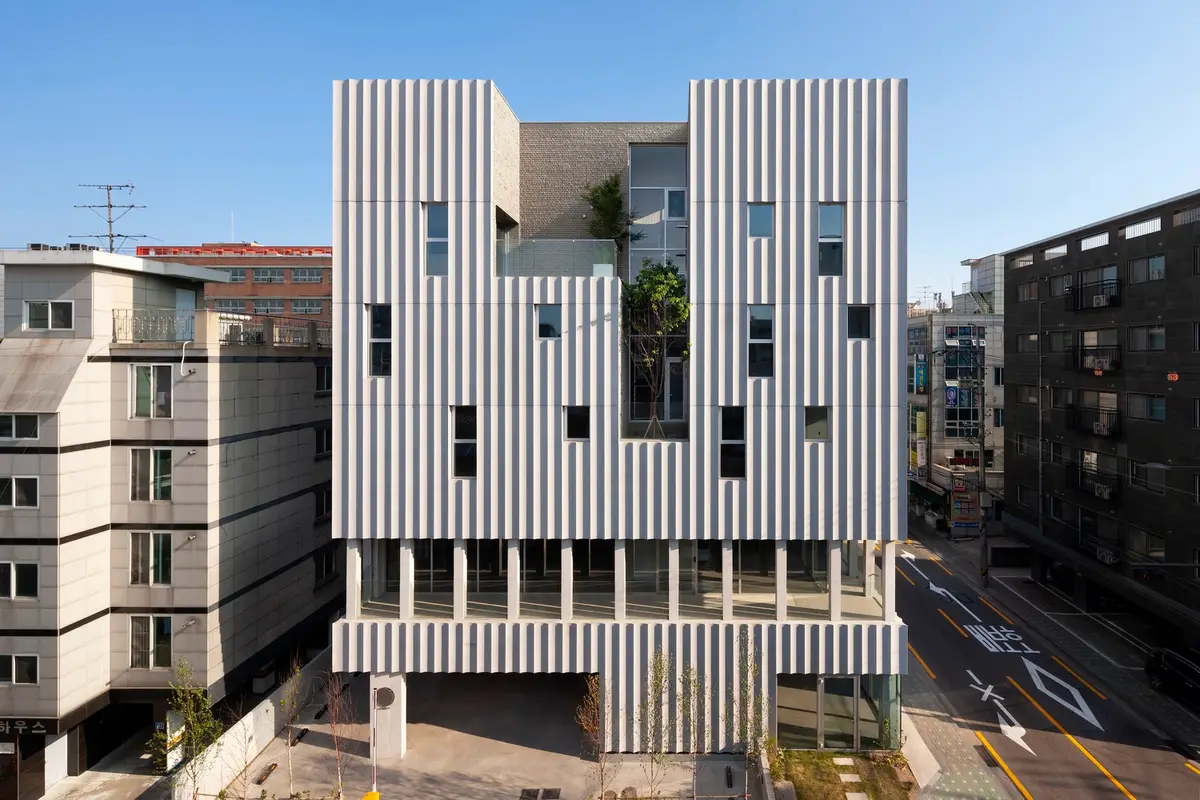
Elevating Urban Harmony: The Design Genius of SOSU ARCHITECTS' WAVE (dot wave) Mixed-Use Building
SOSU ARCHITECTS' WAVE (dot wave) transforms urban living, harmonizing modern design with community connectivity and precision.


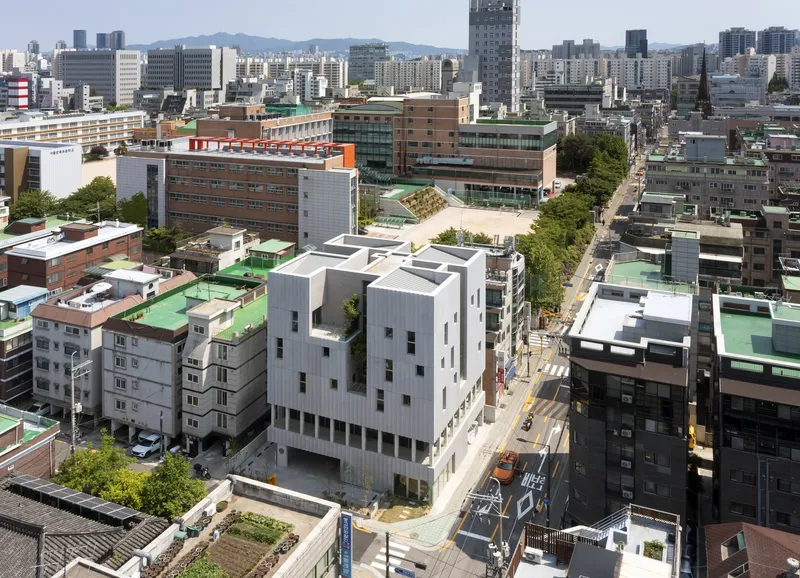
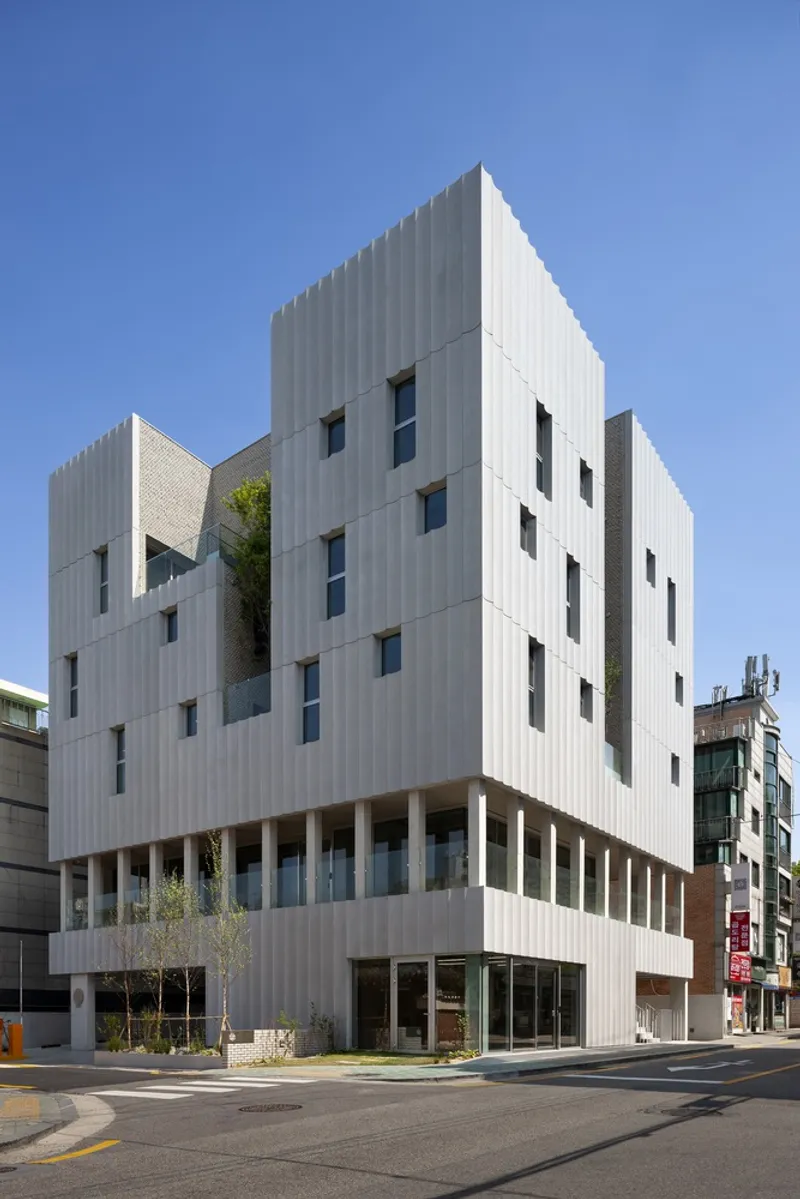
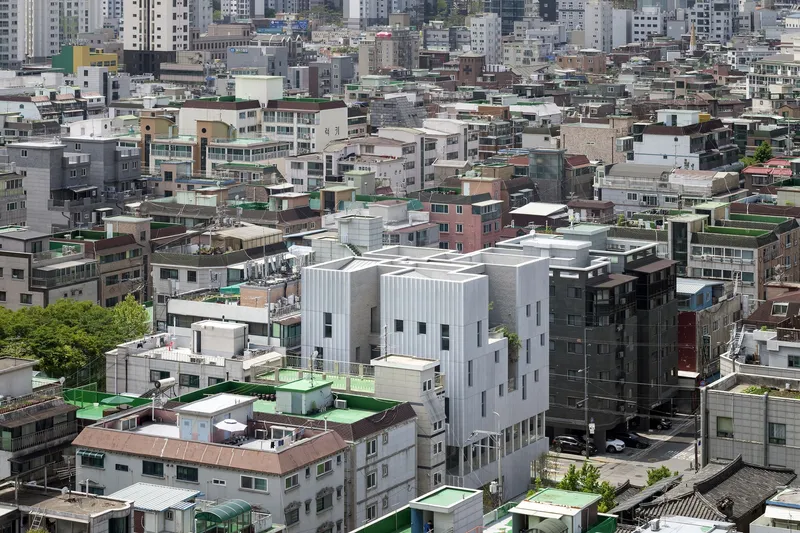
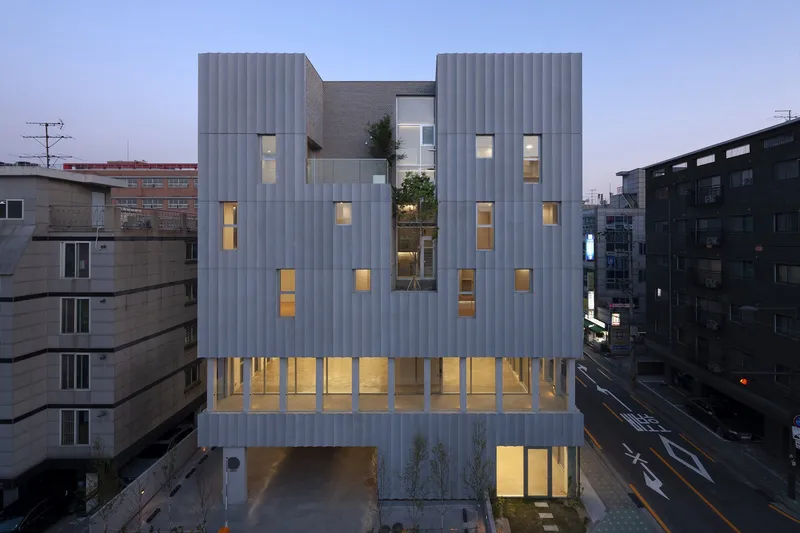
SOSU ARCHITECTS' WAVE (dot wave) in Yangcheon-gu, South Korea, stands as a testament to innovative urban design, seamlessly integrating a mixed-use building into a densely populated residential area. This architectural masterpiece redefines the cityscape, creating a harmonious relationship between the existing urban fabric and the new construction.
Harmonizing Scale and Community Living
WAVE (dot wave) addresses the challenge of maximizing floor area ratio in a residential area, ensuring a delicate balance between neighborhood living and commercial spaces. With a 51:49% ratio and a commitment to a zero vacancy rate, the architects crafted a design that not only complements the surrounding scale but also establishes new connections with the community.
Bridging Gaps for Connectivity
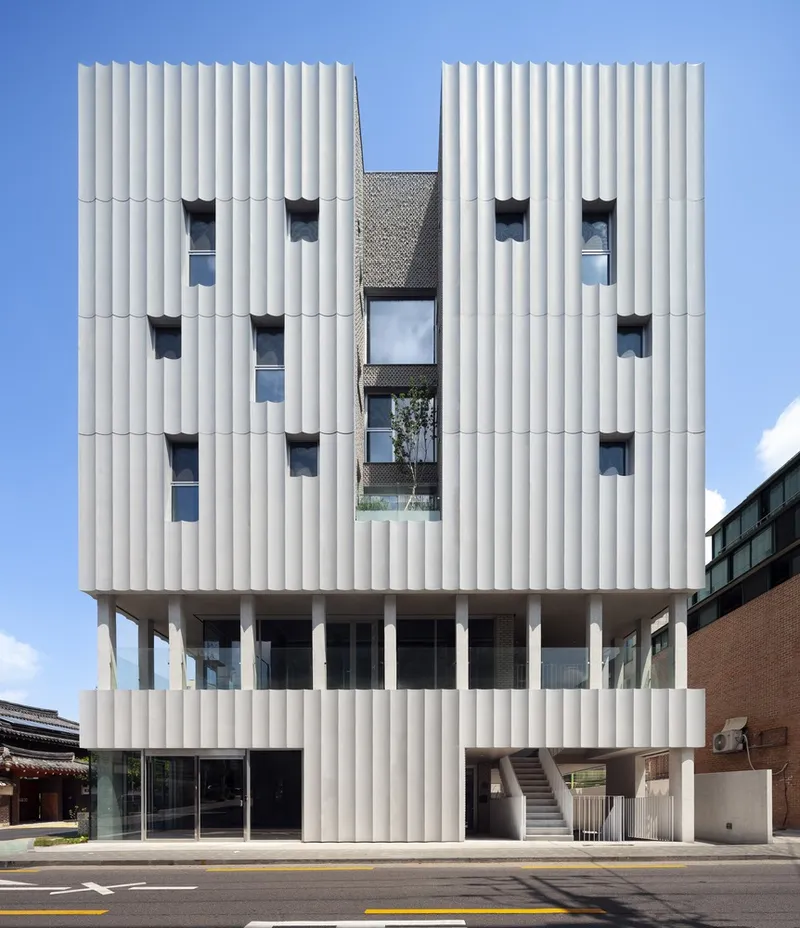
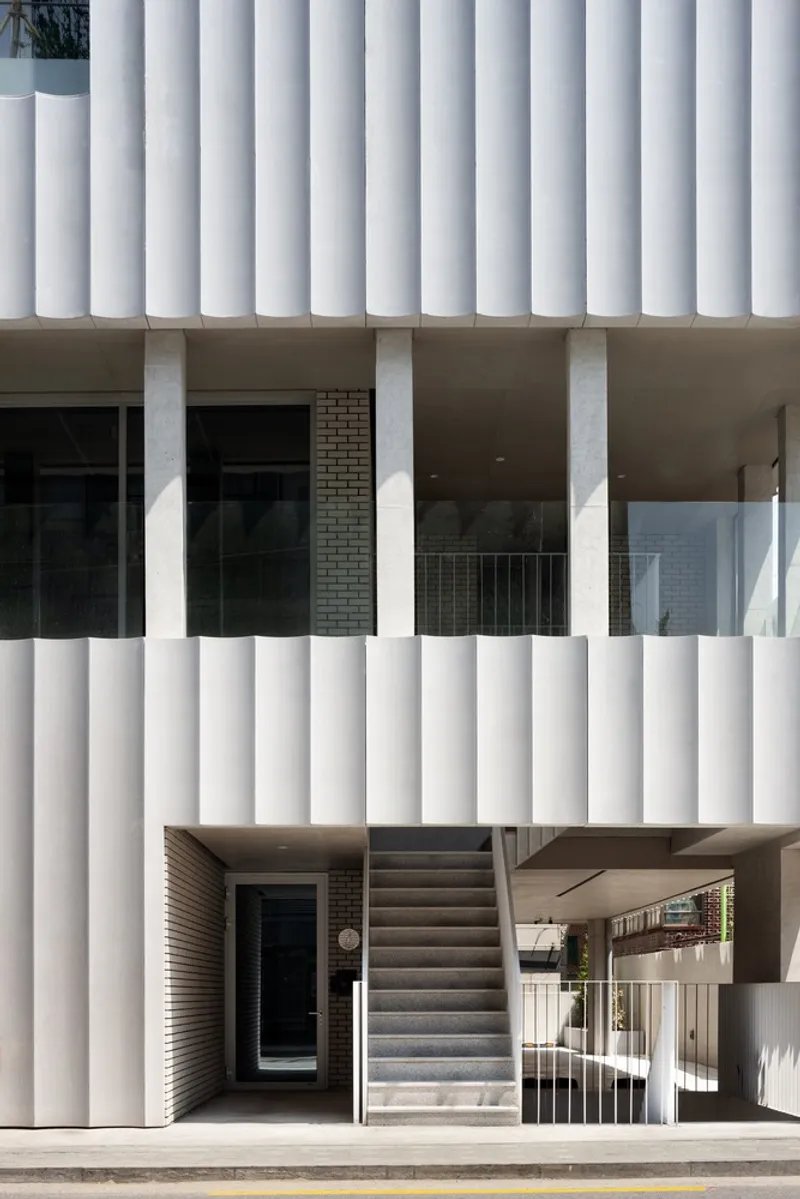
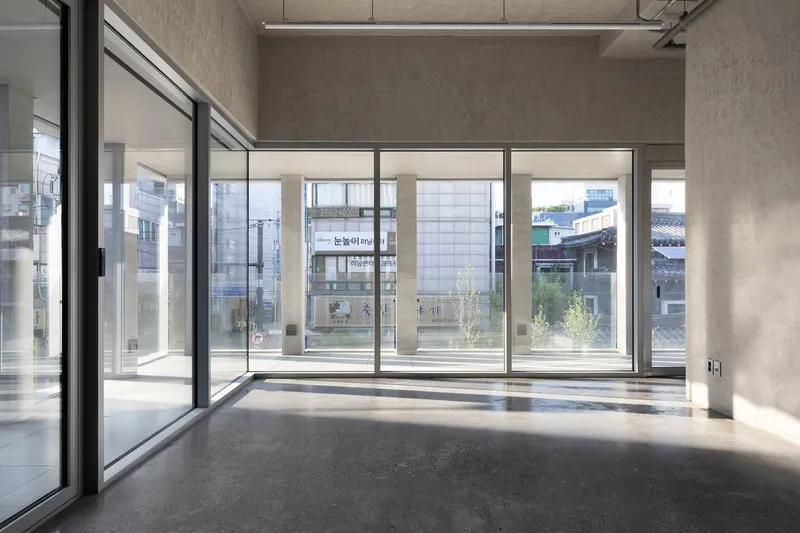
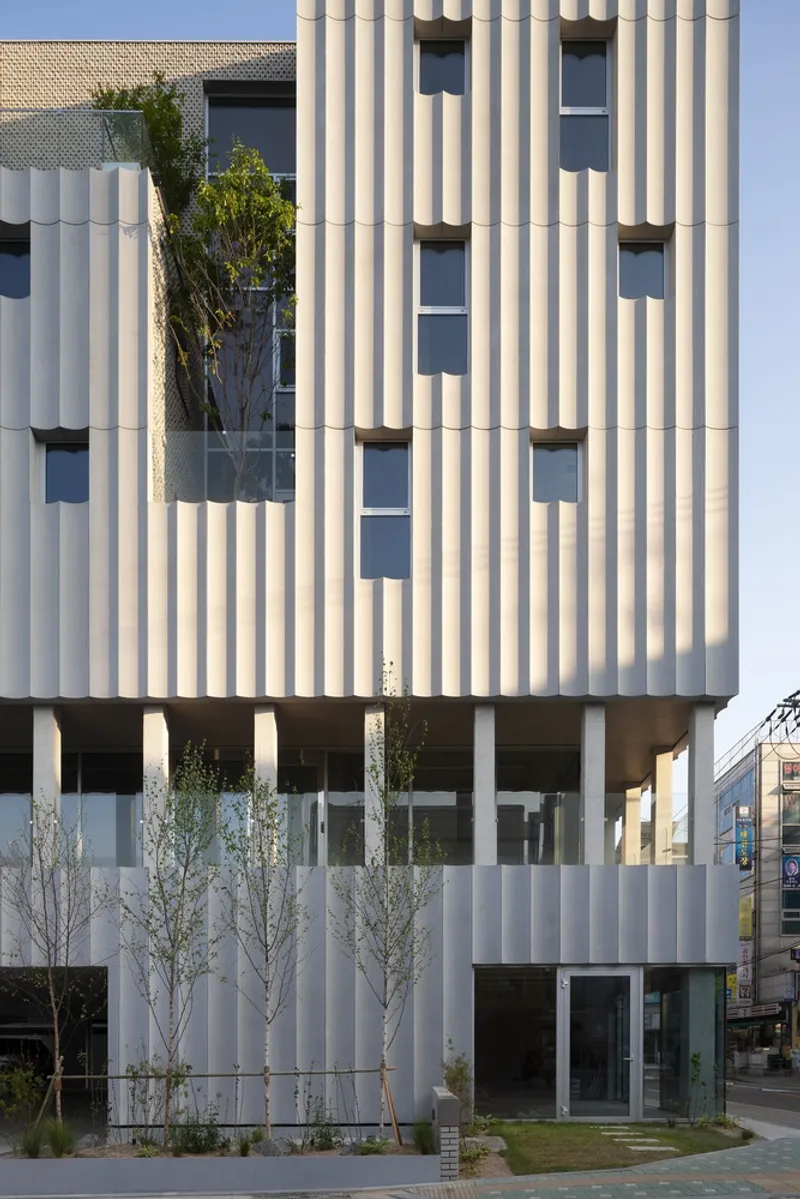
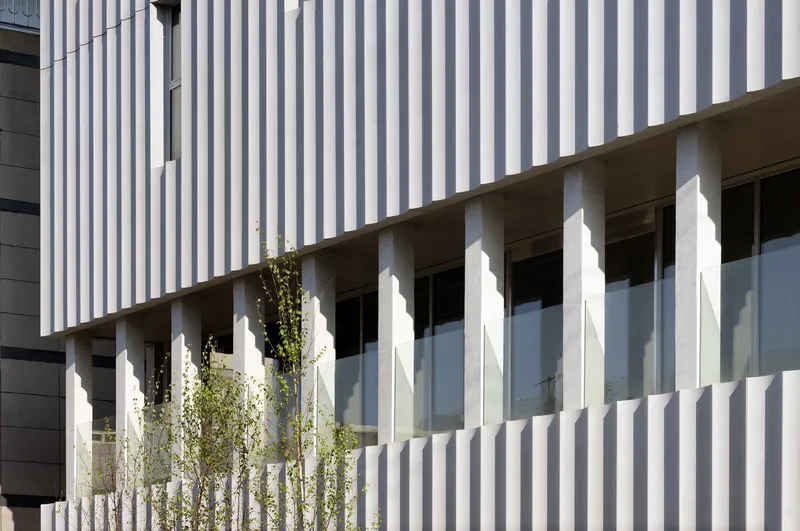
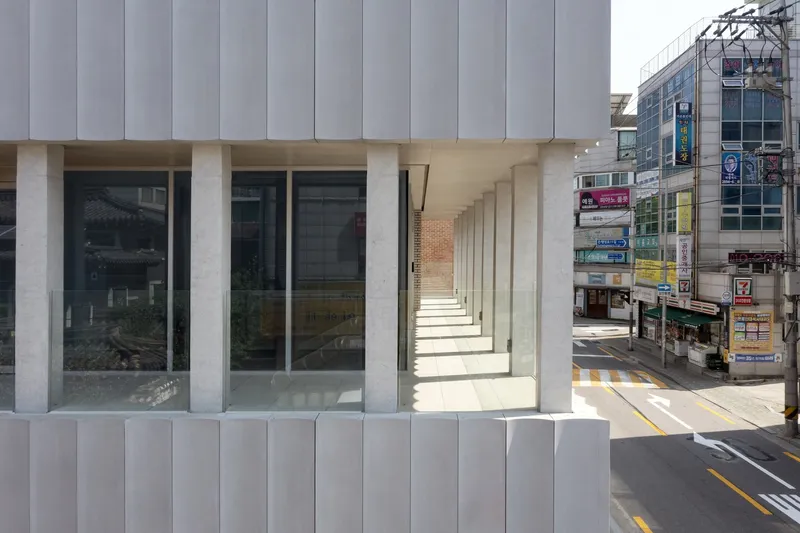
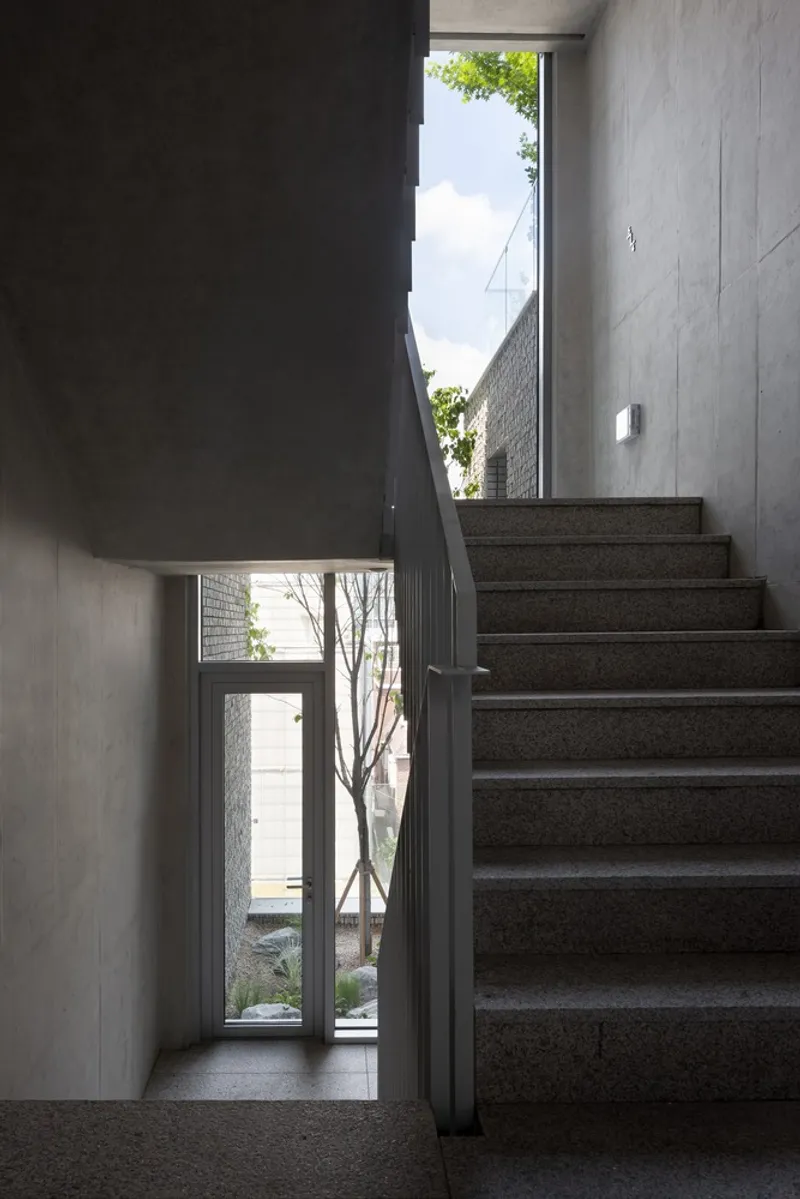
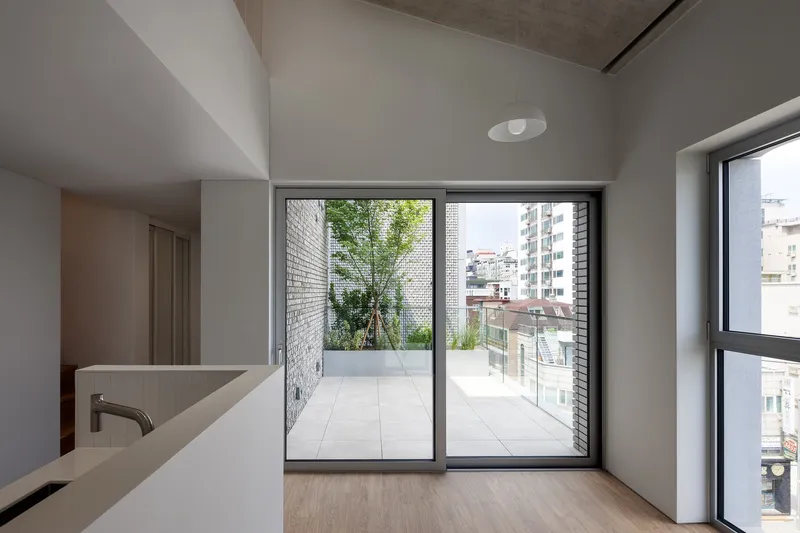
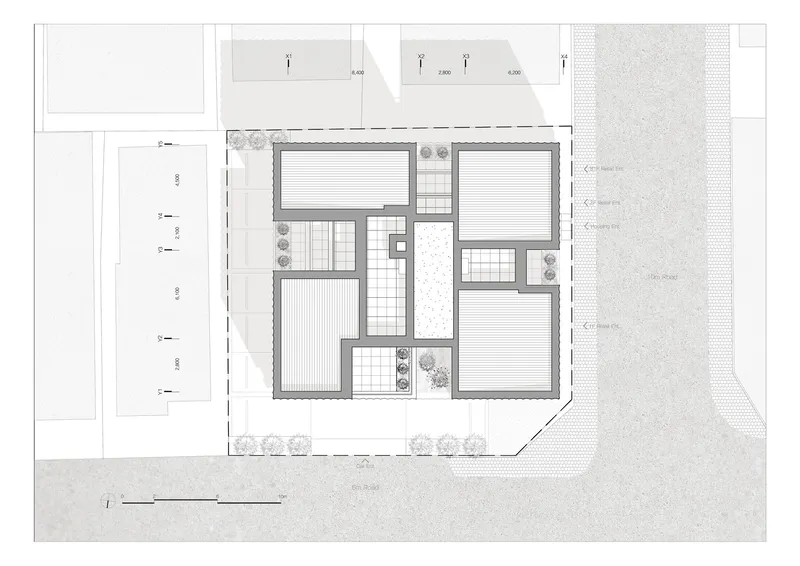
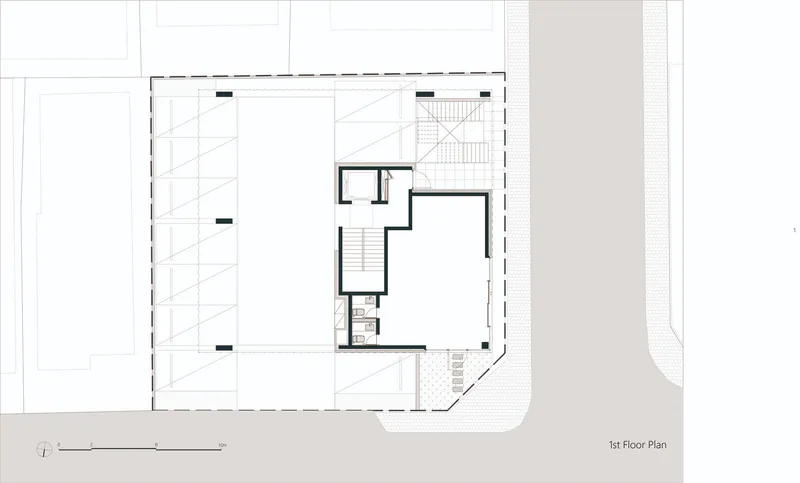
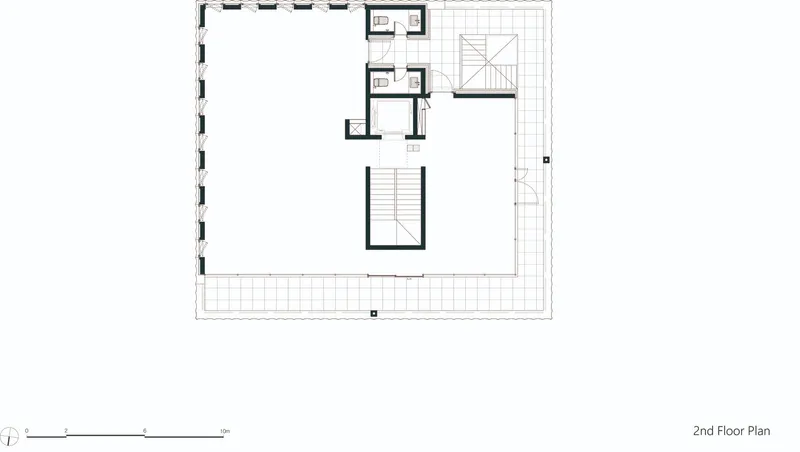
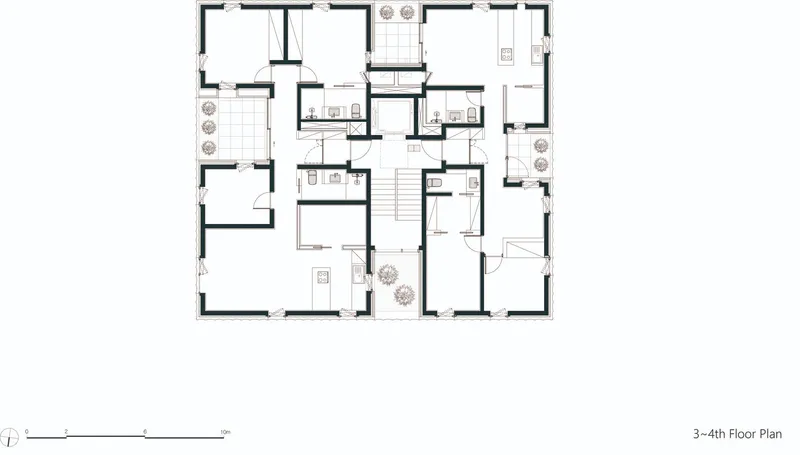
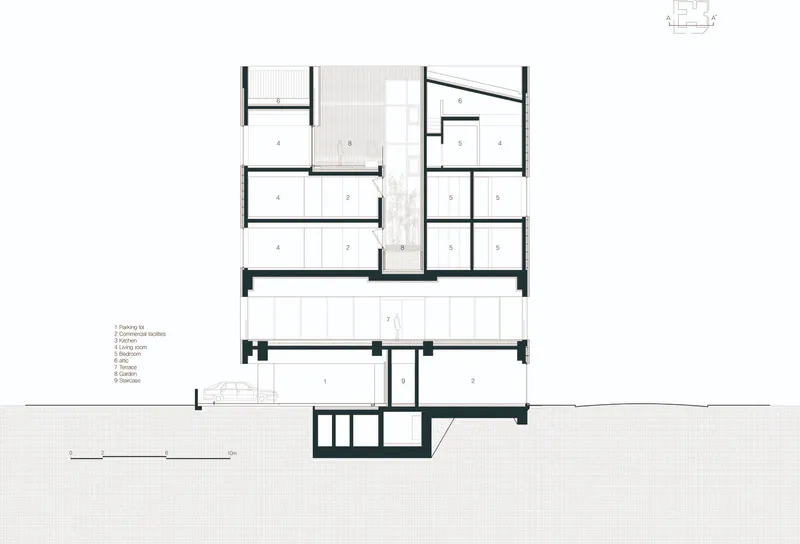
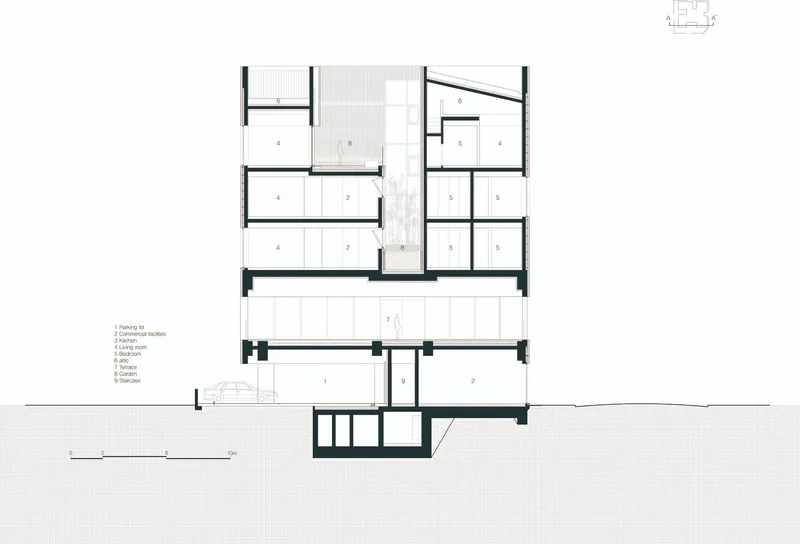
Central to WAVE's design philosophy are the two types of gaps – horizontal and vertical. The horizontal gap employs external stairs and balconies, enhancing accessibility and connecting urban streets with neighborhood living facilities. Meanwhile, the vertical gap acts as an environmental conduit for upper-level residential spaces, offering small yards and unobstructed views.
Vertical and Horizontal Harmony
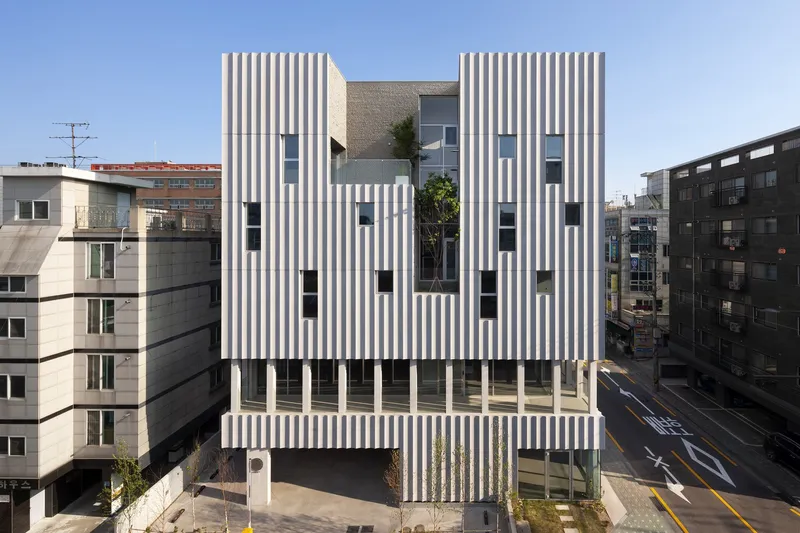
The vertical gap, strategically positioned to improve relations with adjacent lands, provides small yards for each household. Unaffected by visual interference, the windows act as conduits for natural light, fostering a seamless integration of interior and exterior spaces. This thoughtful design enhances residents' quality of life, offering a serene oasis in the heart of the city.
Simplicity in Complexity
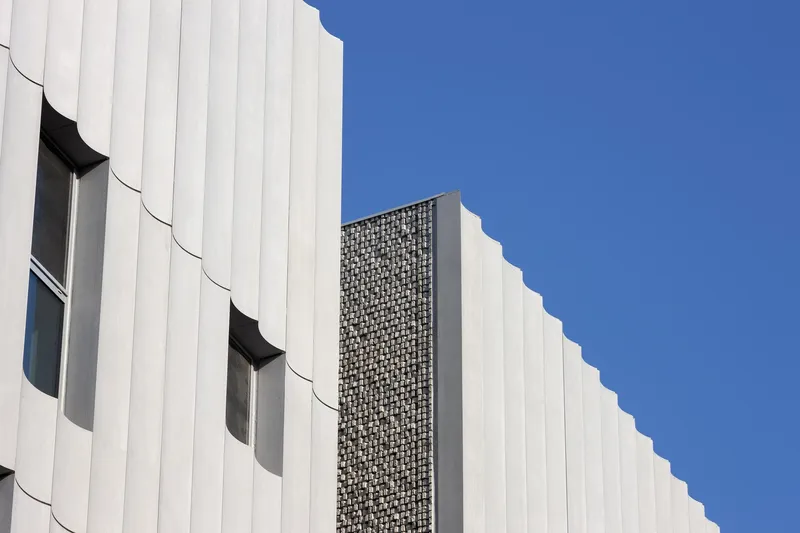
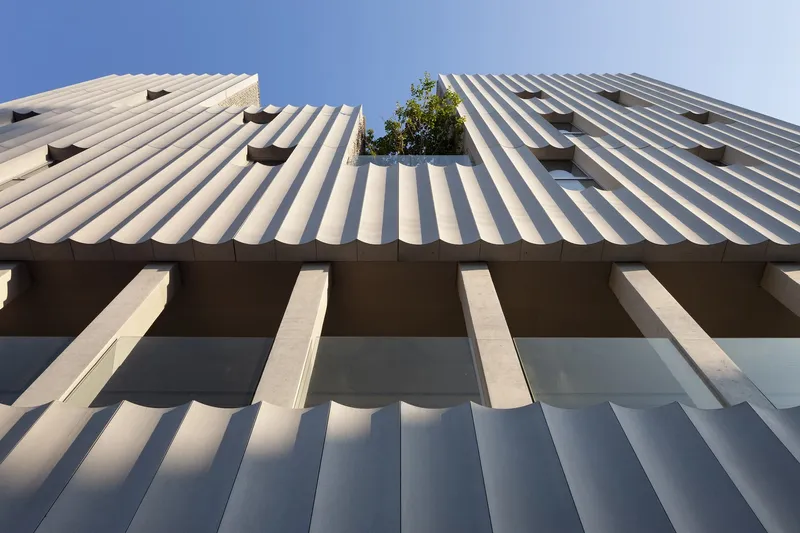
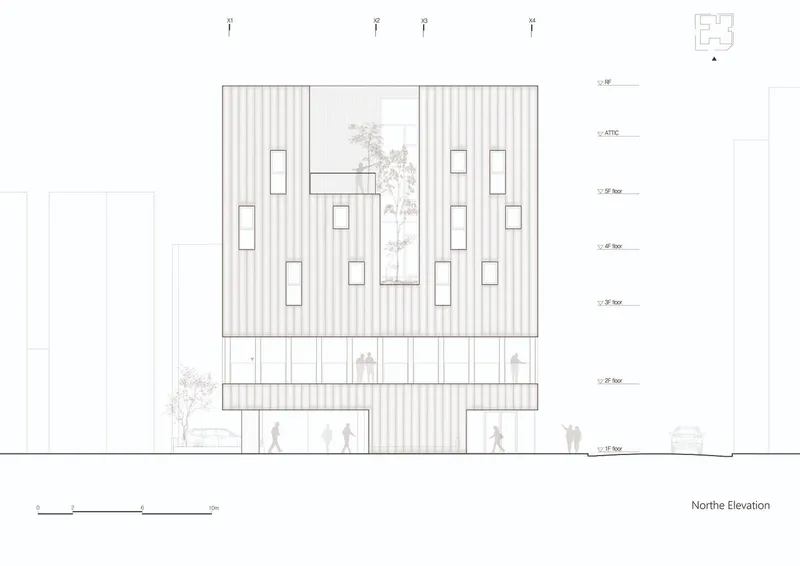
Recognizing the disorderly nature of the surrounding residential area, SOSU ARCHITECTS opted for simplicity to create open spaces. The use of bricks, uniform in color, contrasts with the concrete mass and emphasizes the rhythmic curves that define the facade. The design choice not only simplifies the visual landscape but also contributes to the urban street experience.
Precision in Construction
WAVE showcases precision and homogeneity in construction through the use of Glass Fiber Reinforced Concrete (GFRC) panels. The undulating panels, coupled with strategically placed bricks, introduce variations in texture and shadow, offering a dynamic visual experience that evolves with time and perspective.
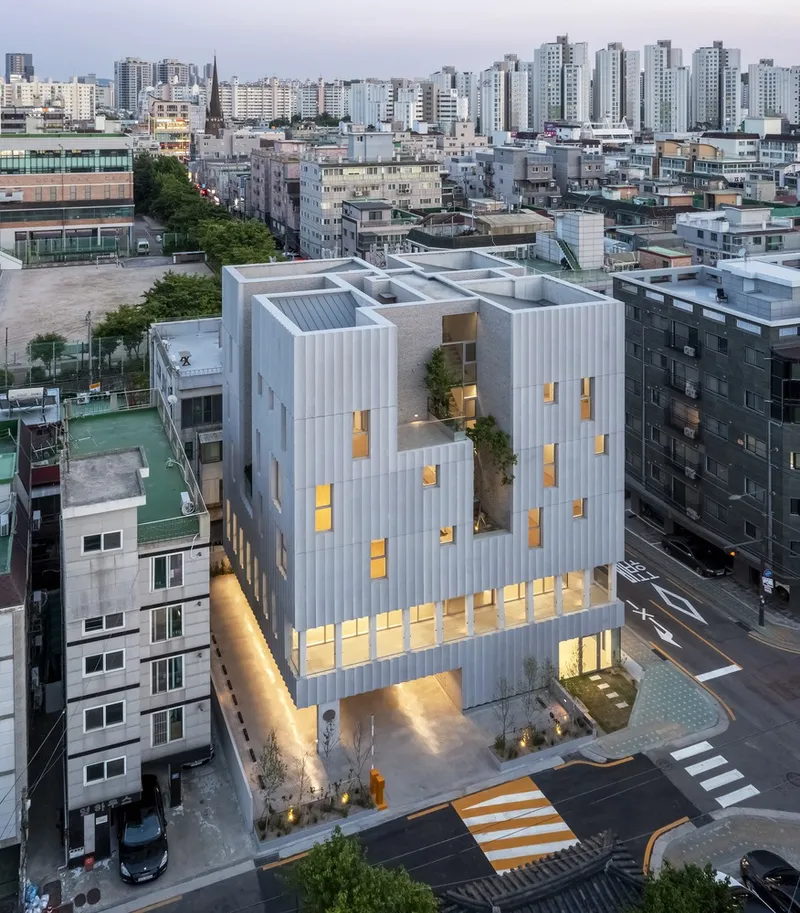
SOSU ARCHITECTS' WAVE (dot wave) stands as a beacon of innovative urban design, seamlessly merging architectural excellence with a commitment to community living. This mixed-use building not only elevates the cityscape but also fosters a sense of harmony between modern construction and existing neighborhoods. In its thoughtful integration of gaps, simplicity, and precision, WAVE sets a new standard for contemporary urban architecture.
All Photographs are the work of Park Yeongchae


Popular Articles
Popular articles from the community


Little Red Riding Hood: Architectural Design as a Journey Through Fear, Light, and Storytelling
Little Red Riding Hood reimagines the fairy tale through architectural design shaped by fear, light, scale, memory, uncertainty, and choice.

Co-life: Sustainable Architecture for Age-Friendly Community Living
Co-life reimagines sustainable architecture for seniors through courtyards, rammed earth, shared gardens, and spaces designed for belonging.

Lunar Spiral: Space Architecture Shaped by the Mathematics of the Universe
Lunar Spiral reimagines space architecture through Fibonacci geometry, lunar regolith, levitating habitats, and self-sustaining Moon living.

The Ocean Hive: Sustainable Architecture for a Self-Sufficient Civilization at Sea
The Ocean Hive imagines sustainable architecture at sea, where modular habitats, algae, wave power and ocean waste sustain a growing colony.

Similar Reads
You might also enjoy these articles

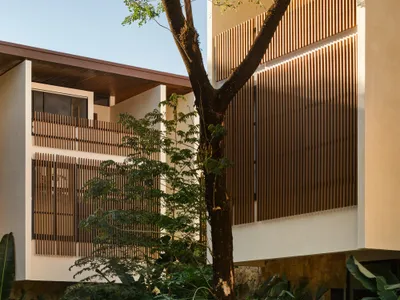
FAMM Arquitectura Organizes Ten Villas Around Courtyards and Jungle in Nosara, Costa Rica
El Molino pairs two elongated volumes with deep overhangs and timber louvers to build a compact coastal community five minutes from the beach.
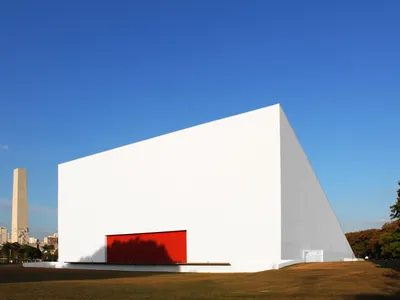
Oscar Niemeyer's Ibirapuera Park Pavilions Define São Paulo's Cultural Identity in Concrete and Curve
A constellation of modernist volumes set within São Paulo's most important urban park, conceived for the city's 400th anniversary in 1954.
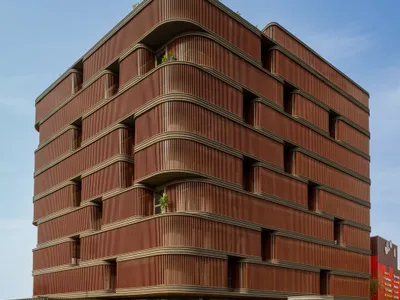
Sanjay Puri Architects Wraps a Jaipur Office Tower in Capsule-Shaped Green Buffers
A nine-level climate-responsive workplace near Jaipur Airport uses stacked planter terraces and aluminium screens to fight 40°C heat.
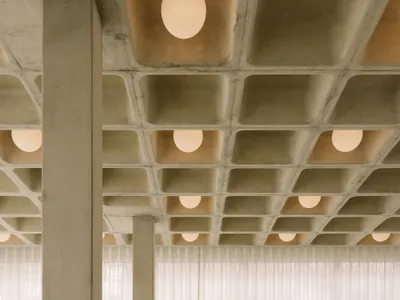
RHO Converts a Berlin Spree-Side Industrial Courtyard into Enkime's 1,000 m² Agency Headquarters
A social media agency's new home in Charlottenburg trades glossy branding for concrete waffle ceilings, glazed tile, and sheer curtains.

Explore Architecture Competitions
Discover active competitions in this discipline

Challenge to reimagine the Iron Throne

Photograph architecture without architects

Illustrate the lost glory of Angkor Wat - Render Challenge

Design challenge to reuse E-waste
Comments (0)
Please login or sign up to add comments
No comments yet. Be the first to comment!