

Ember House: A Masterpiece in Modern Studio Architecture
The article explores Ember House, a modern studio architecture design blending Japanese influences, minimalism, and nature for personalized spaces.


In 2023, MRTN Architects unveiled Ember House, a stunning architectural project that exemplifies the beauty and functionality of modern studio architecture. Nestled in the suburban landscape of Doncaster, Australia, the design integrates seamlessly with its natural surroundings, offering a unique blend of Japanese design principles and contemporary Australian architecture. The house comprises two distinct studio spaces, each designed to fulfill highly specific needs while maintaining an aesthetic harmony with the environment.


Embracing Modern Studio Architecture
The Ember House project is a compelling exploration of how modern studio architecture can enhance a home’s functionality and aesthetic appeal. Rather than conforming to conventional home extension designs, the project introduces two autonomous, highly personalized studios that serve separate purposes for the clients: one dedicated to work, the other to relaxation. This innovative approach showcases the flexibility and versatility of modern studio design.
The garden studio is strategically placed within the site’s lush backyard, which evokes a forest-like atmosphere. This thoughtful positioning allows the studio to serve as a private, tranquil space for reflection, while maintaining a visual and functional connection to the main house. The architects drew inspiration from traditional Japanese architecture, particularly tea houses, to create spaces that are both purposeful and evocative.


The Role of Japanese Design Influence
The design of Ember House incorporates specific elements from traditional Japanese architecture, which can be seen in the careful placement of the studios within the garden, and the use of materials such as tatami matting and shoji screens. The architects intentionally avoided directly copying the famous Robin Boyd-designed CHI home, yet took inspiration from the minimalist, functional approach found in Japanese tea houses.
This synthesis of Japanese design with Australian residential architecture creates a dialogue between the built environment and nature, emphasizing natural materials, open spaces, and carefully considered sightlines. The designers sought to achieve a sense of peaceful cohabitation between the studios, the house, and the surrounding garden.


A Limited Palette of Materials
One of the defining aspects of Ember House is the minimalist approach to materials. The architects chose a limited palette, which includes cedar and shou sugi ban burnt ash cladding. This choice not only enhances the overall aesthetic but also ensures a cohesive, calming effect that allows the building to blend harmoniously with its natural surroundings. The use of sustainable, durable materials also speaks to the architects' commitment to creating environmentally responsible designs.


Interior Design: Traditional Meets Contemporary
Inside the non-work studio, the design team had the freedom to explore more traditional elements of Japanese interiors. The inclusion of tatami matting and shoji screens enhances the atmosphere of tranquility and relaxation, creating a space that feels both timeless and modern. The challenge for the architects was to strike a balance between tradition and innovation, ensuring the design was both culturally significant and highly functional.
The work studio, on the other hand, is designed with a more contemporary approach, integrating cutting-edge technology and materials to foster a productive, efficient environment for the client. This contrast between traditional and modern elements allows each studio to have its own unique character while still being part of the larger, cohesive design.


The Spatial Experience: Communication Between Studios
The two studios, although distinct in their functions and designs, communicate quietly with each other through careful alignment of views and placement within the garden. The connection between the spaces is subtle, yet profound, creating a harmonious interaction that enhances the overall experience of the home. The way the studios are positioned within the landscape and the shared views of an eucalypt tree reinforce the connection between nature and architecture.
The designers were particularly pleased with how the two spaces appear to have their own personalities, each with a scale and presence that may be difficult to perceive in photographs alone. It's as though the studios have distanced themselves from the main house to form a secret dialogue, offering the clients a peaceful retreat away from the world.


A Special Gathering Space: The Heart of Ember House
One of the hidden gems of the Ember House design is the cooking/eating/gathering space, located behind the two studios. This special area is created through the careful placement of the studios and allows for a truly unique experience. Surrounded by nature, the space evokes the feeling of camping with friends, offering a warm, communal atmosphere. It's a space that encourages social interaction, reflection, and relaxation—perfectly complementing the more private, contemplative environment of the studios.


A Perfect Synthesis of Function and Beauty
Ember House by MRTN Architects is a prime example of how modern studio architecture can elevate the design of a home. With a thoughtful blend of Japanese influences, minimalist material choices, and a deep respect for the surrounding landscape, the architects have created a space that serves both practical and emotional needs. The two studios offer tailored environments for work and relaxation, while the design integrates beautifully into the natural world, fostering a sense of peace and connection.


All photographs are work of Anthony Basheer


Popular Articles
Popular articles from the community


Cube Design Draws an Ecological Corridor Between Two Shenzhen Hills with the Nankai Building
Beside Shenzhen's container docks, the Nankai Building pairs stacked balconies with a climbing green screen to connect two hillsides across its height.

Jaramillo Van Sluys Arquitectura and Urbanismo Turn a Demolished Registry Lot in Quito into an Orchard Plaza
In Quito's Centro Histórico, a 2,800 m² plaza exposes the San Agustín convent wall and redraws its lost Augustinian orchard in volcanic stone.

longwave studio Reorganizes a 112 m² Tainan Apartment Around the Daily Routines of a Family and Two Cats
In Tainan, Taiwan, birch plywood, rust-red furniture and a freestanding plaster wall link arrival, storage, work and family life in one apartment.

LT2A and OPEN Architectes Thread a Brick and Glass High School Through a Wooded Belgian Campus
In Braine-l'Alleud, a 3,000 m² wing for Collège Cardinal Mercier pairs pale brick with a glazed colonnade, deferring to a small chapel and a dense wood.

Similar Reads
You might also enjoy these articles

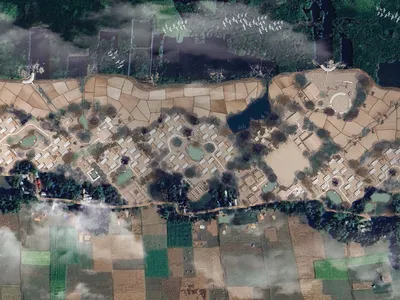
Hodi-Mandai Geram
Project Function: Preservation and revitalization of the Intangible heritage and socio-spatial identity of the Hodi by Housing, Cultural Memory Center, Sacred Grove, landscape, local tourism economy

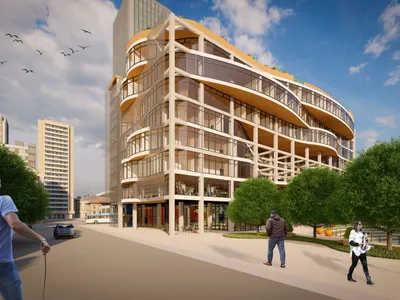
Olio Towers: A Mid-Rise for Performers That Fuses Housing, Rehearsal, and Stage
Located blocks from Houston's Theater District, this modular tower stacks living units around a central performance atrium.
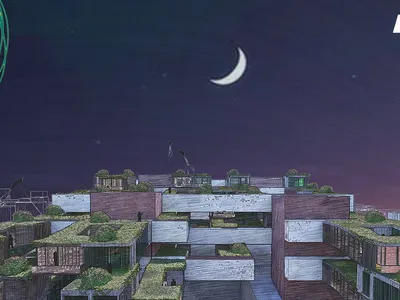
Oasis: Modular Green Housing Carved into Dhaka's Urban Fabric
A shortlisted Plugin Housing entry reclaims unauthorized settlements in Dhaka with stepped concrete volumes, green roofs, and ventilation-driven design.

Black Hole: A Floating Megastructure for the Post-Physical Era
Emiliano Mazzarotto envisions a spherical, self-scaling arena where e-sports, digital hotels, and holographic stadiums replace traditional public space.

Explore Architecture Competitions
Discover active competitions in this discipline

Challenge to reimagine the Iron Throne

Photograph architecture without architects

Illustrate the lost glory of Angkor Wat - Render Challenge

Design challenge to reuse E-waste
Comments (0)
Please login or sign up to add comments
No comments yet. Be the first to comment!