
Embracing the Future with Sustainable Sports Facility Design: The Klaksvik Row Club
Explore the Klaksvik Row Club, a sustainable sports facility designed by Henning Larsen, blending environmental design with cultural heritage.

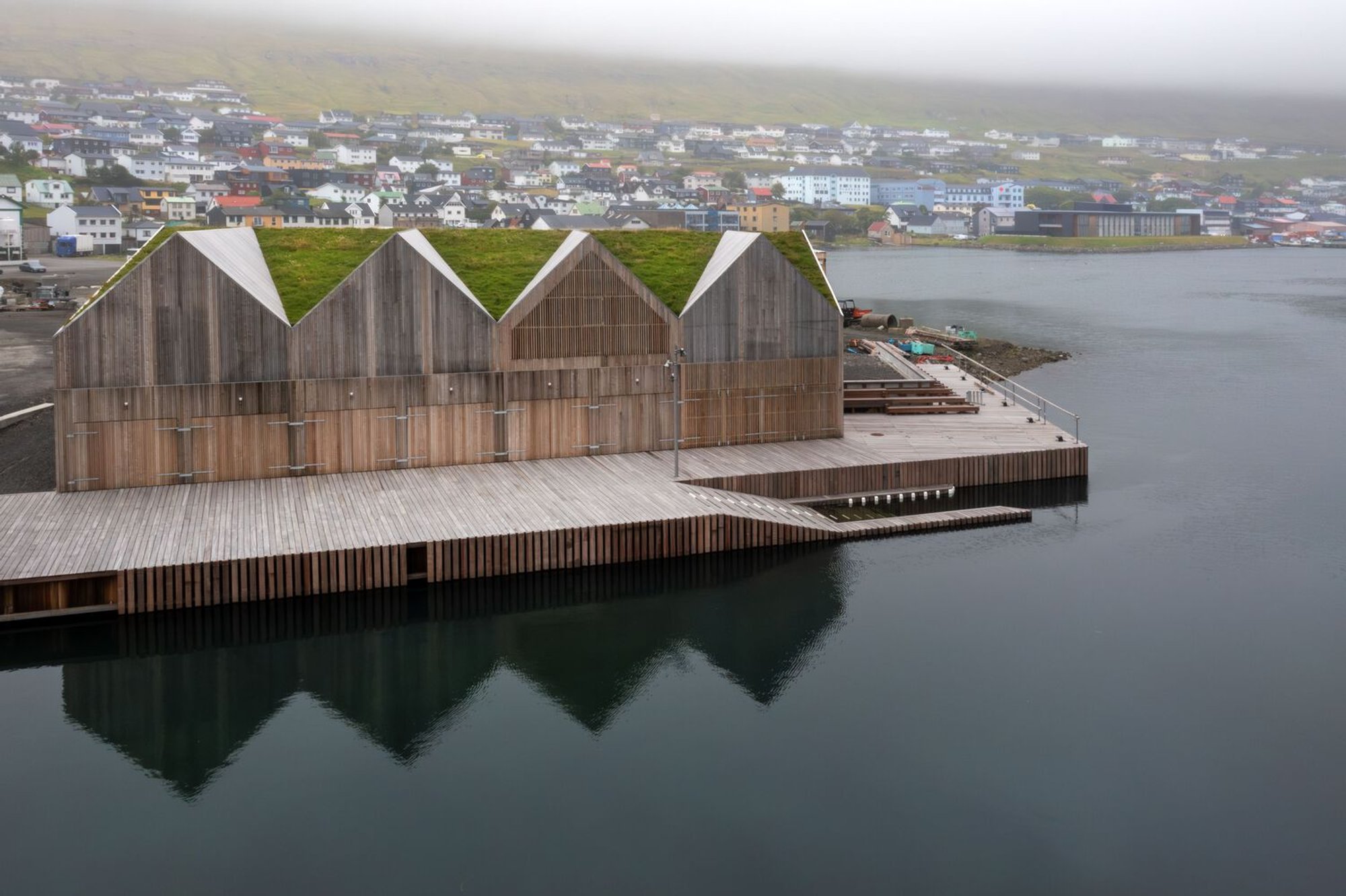
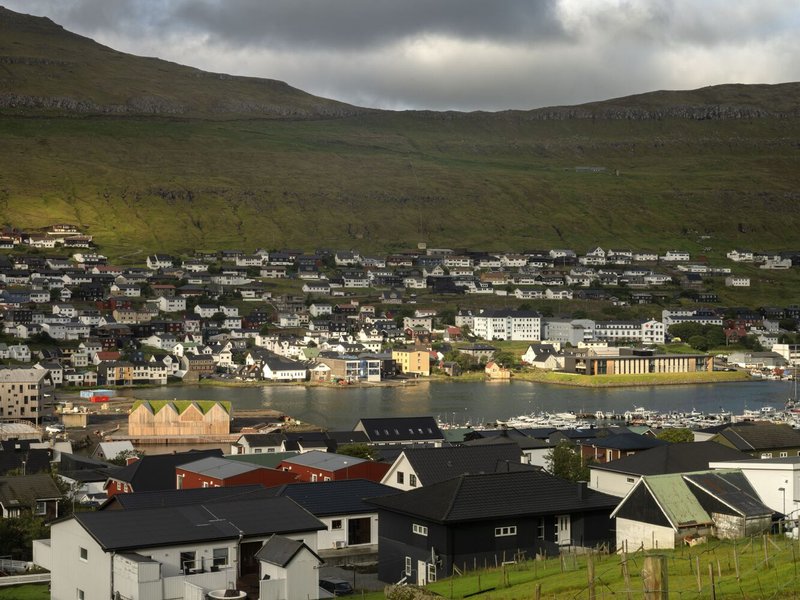
The Klaksvik Row Club, masterfully designed by Henning Larsen Architects, stands as a prime example of sustainable sports facility design. Located in the picturesque fjord of Klaksvík, the second-largest town in the Faroe Islands, this project is not just a sports facility but a beacon of community and cultural integration, reflecting a deep respect for the environment and local heritage.
Architectural Concept and Environmental Integration
Design Inspired by Natural and Cultural Landscapes
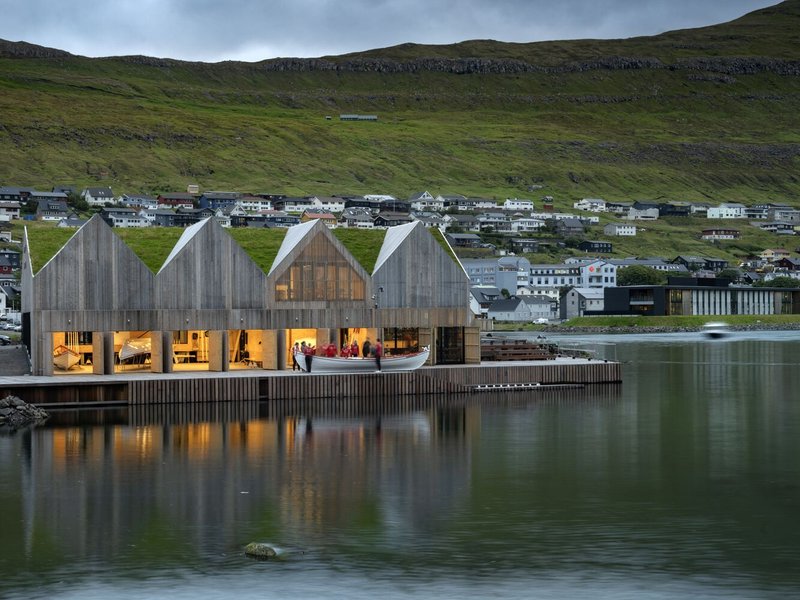
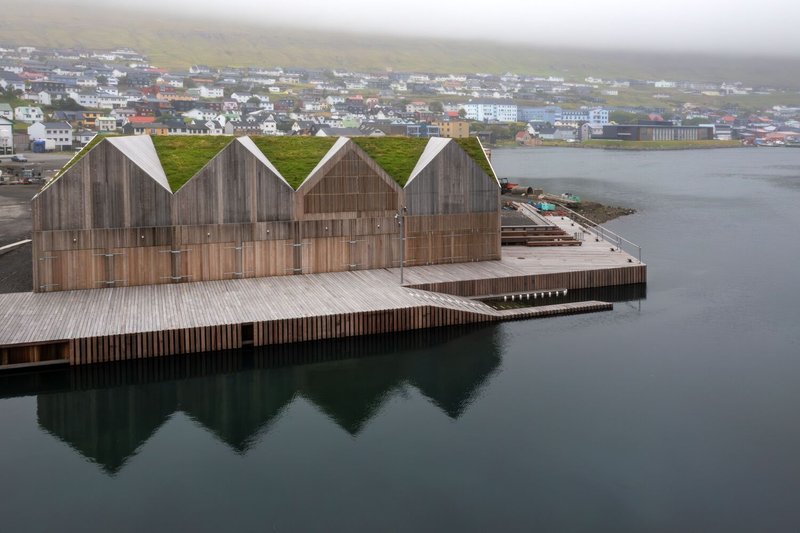
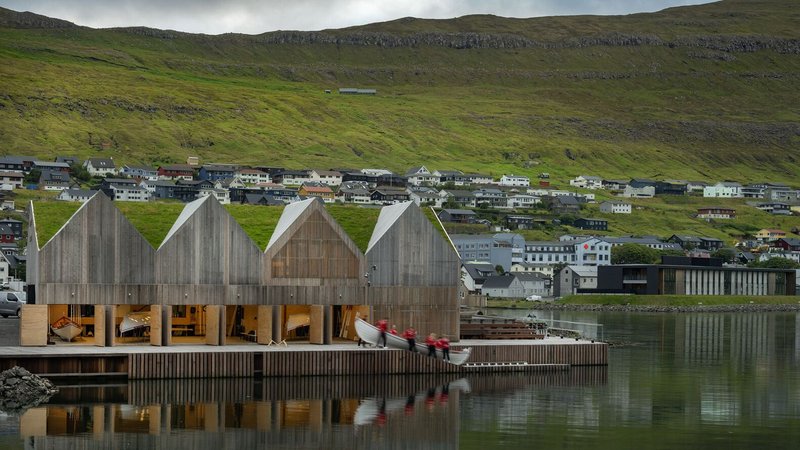
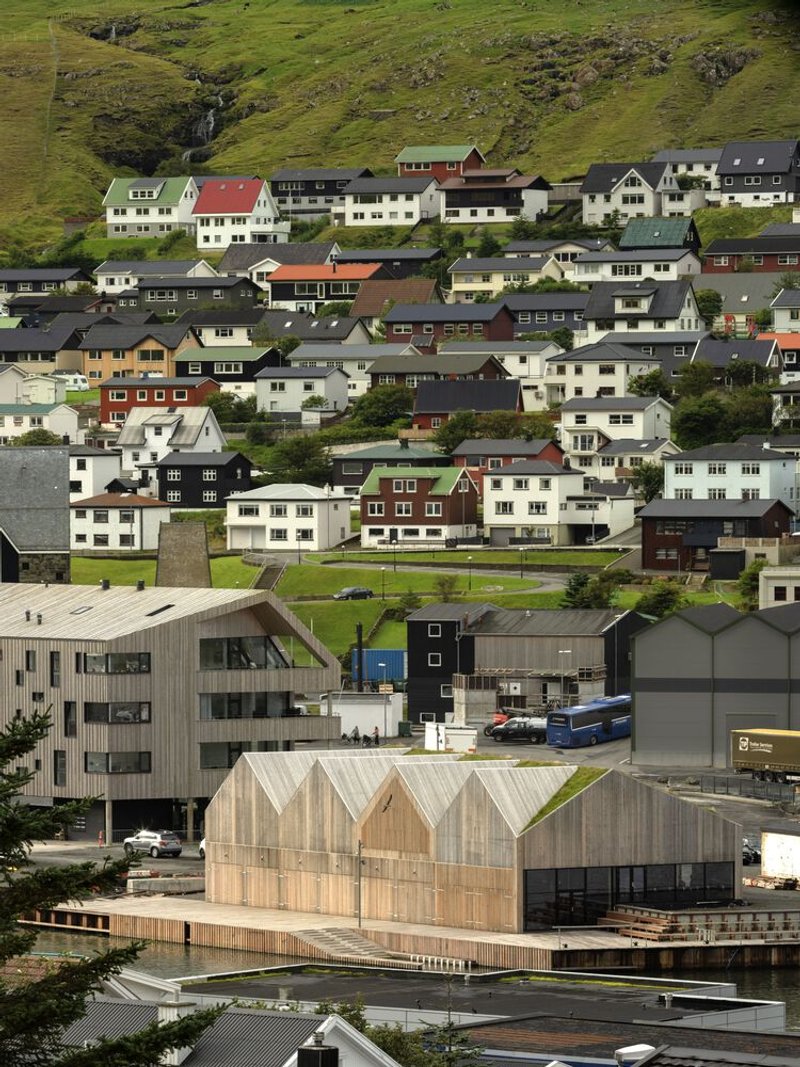
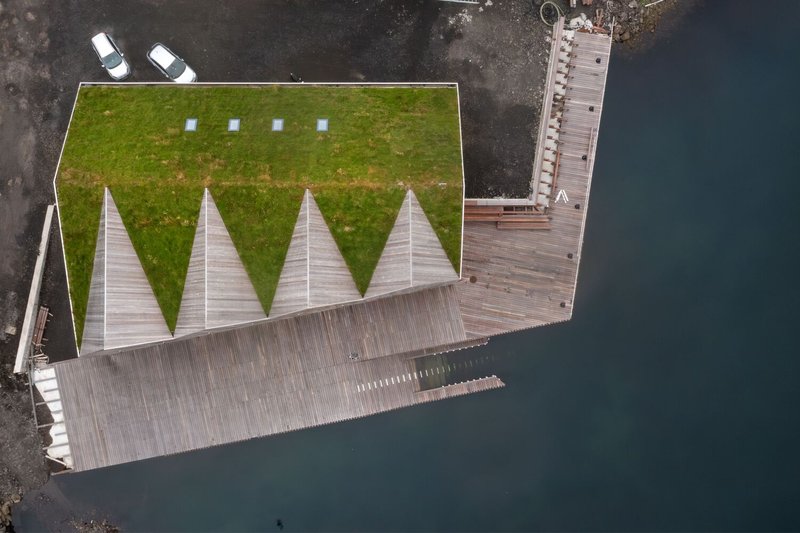
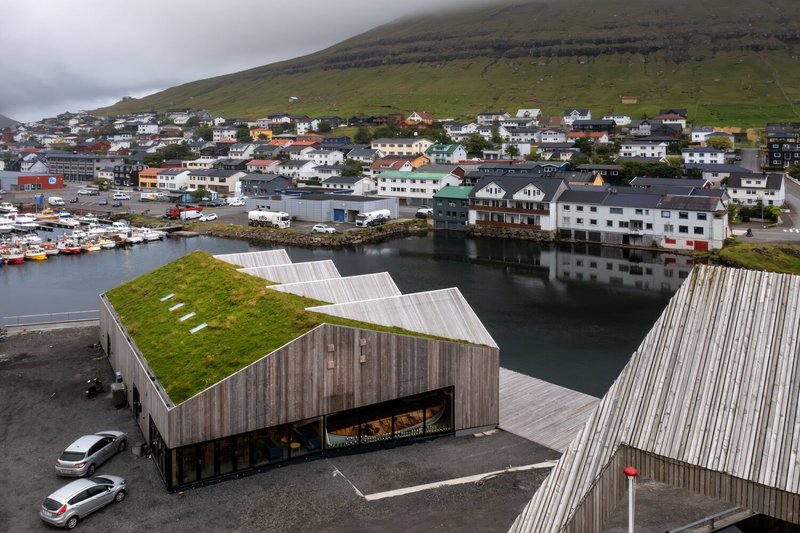
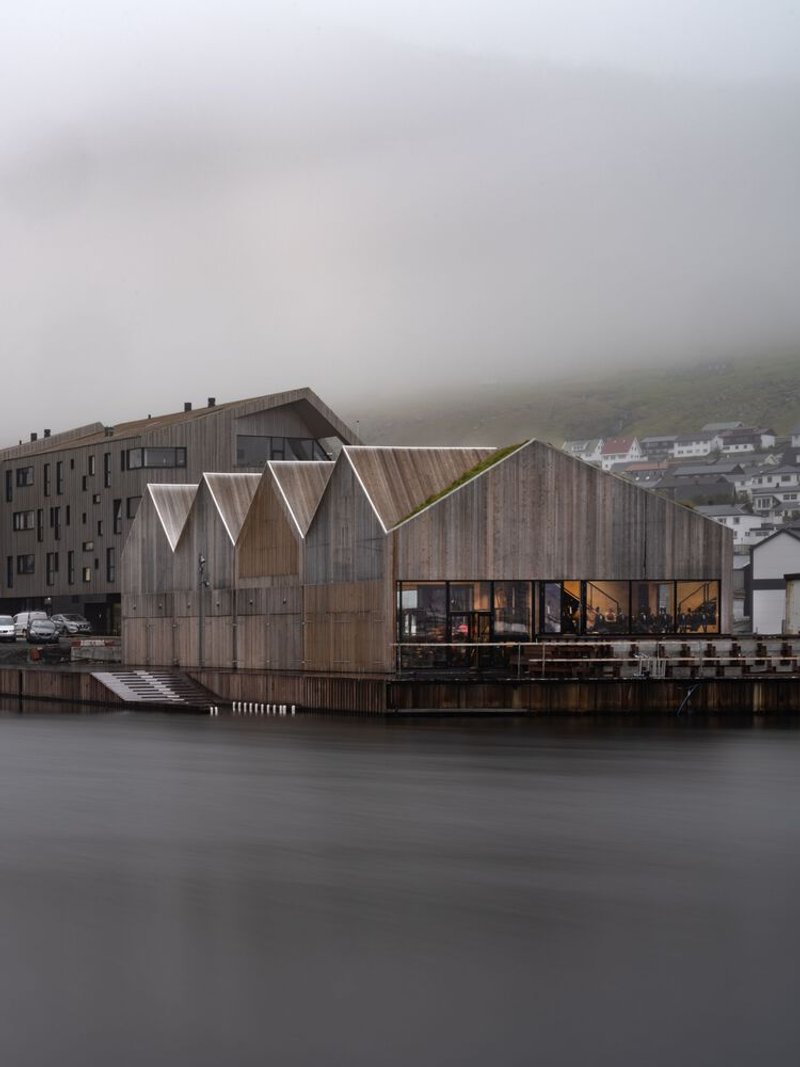
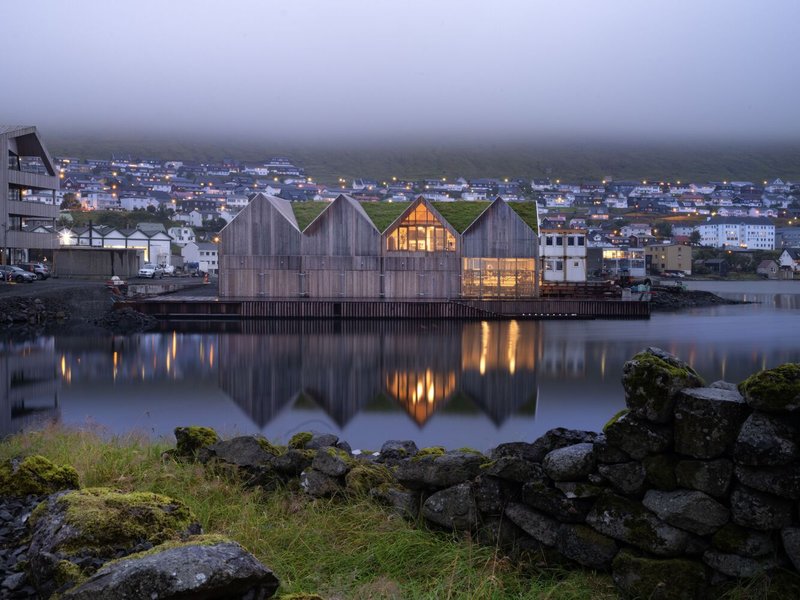
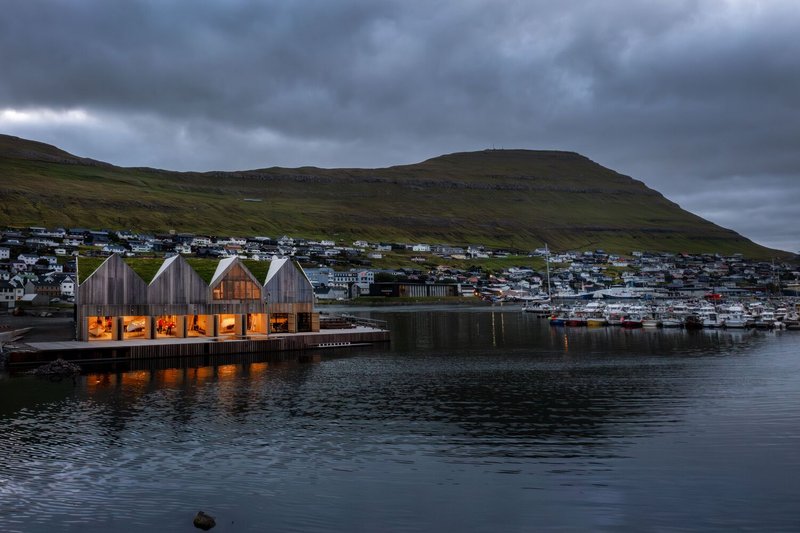
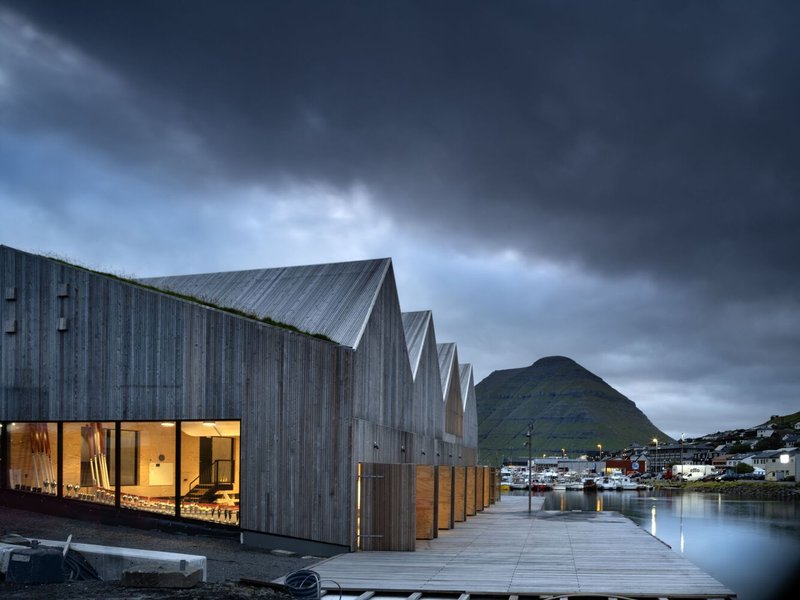
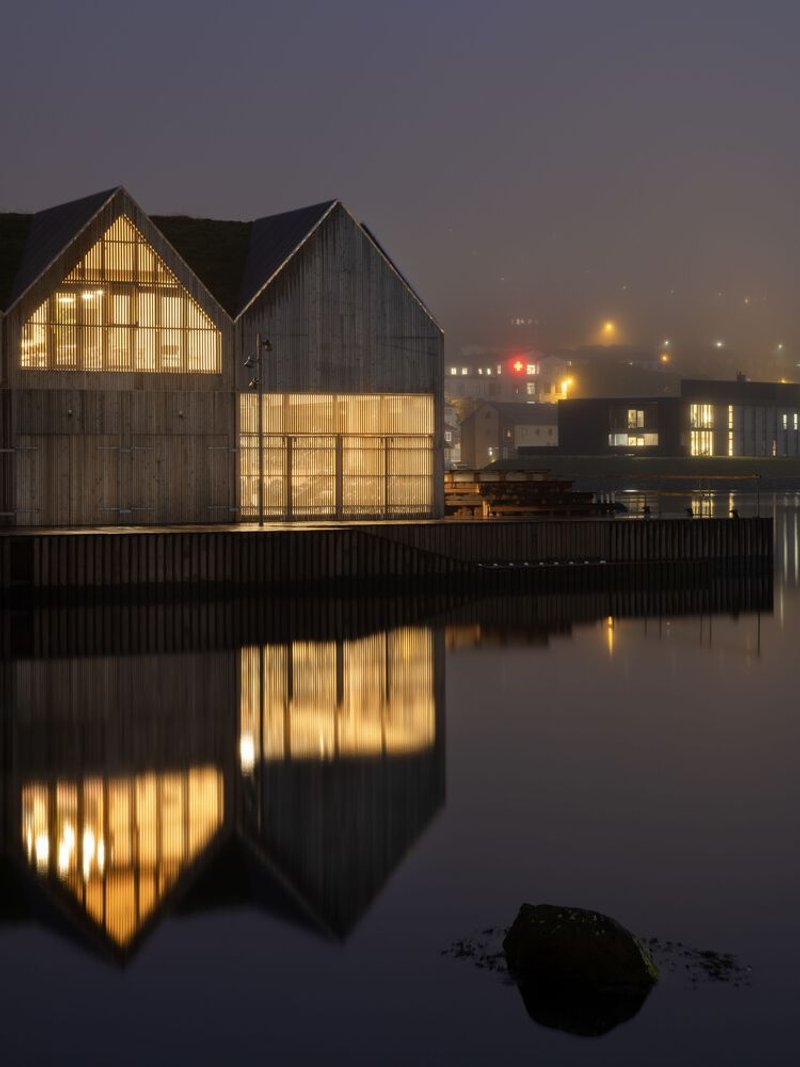
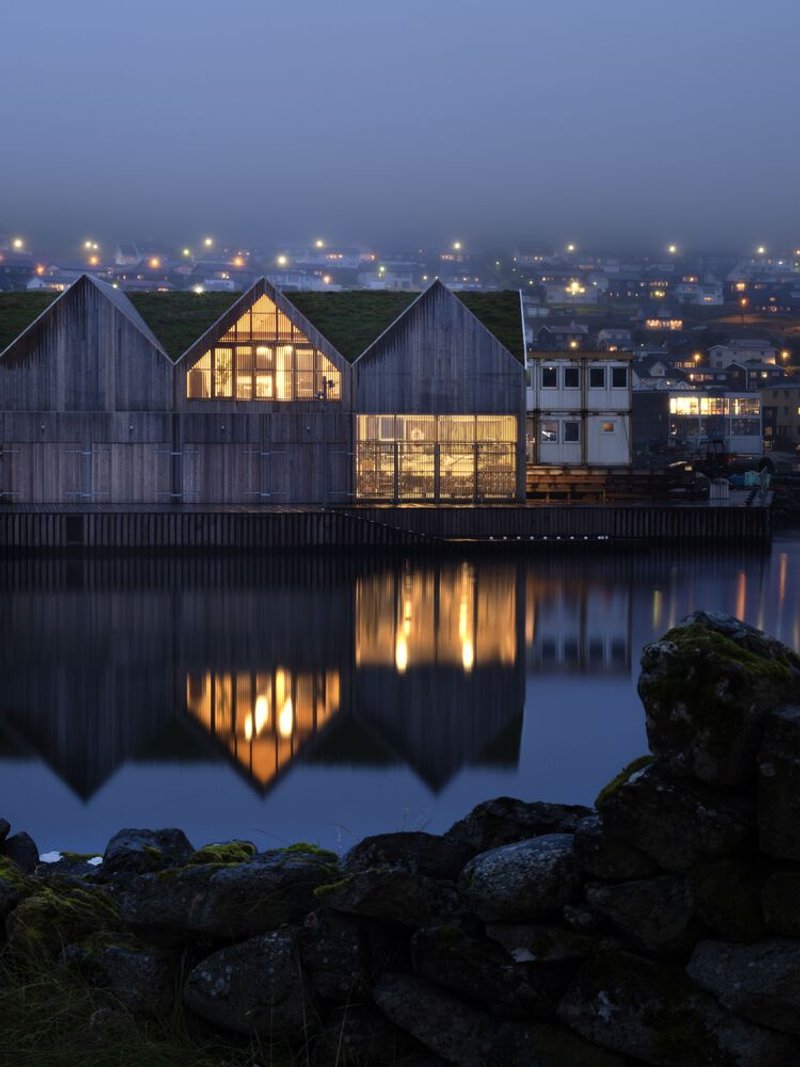
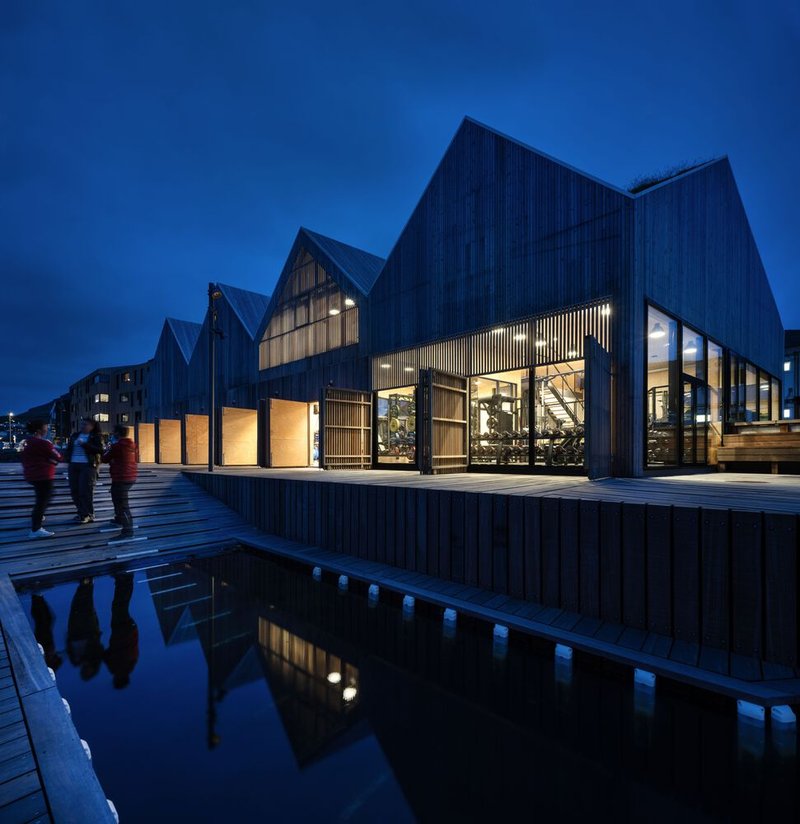
The Klaksvik Row Club is thoughtfully designed to harmonize with its surrounding landscape. The facility features a sloping green roof and a timber façade, elements that both pay homage to the traditional Faroese architecture and integrate the building with the natural environment. This design approach not only enhances the aesthetic value of the structure but also contributes to its ecological sensitivity by reducing heating needs and merging seamlessly with the local topography.
Functional and Cultural Significance
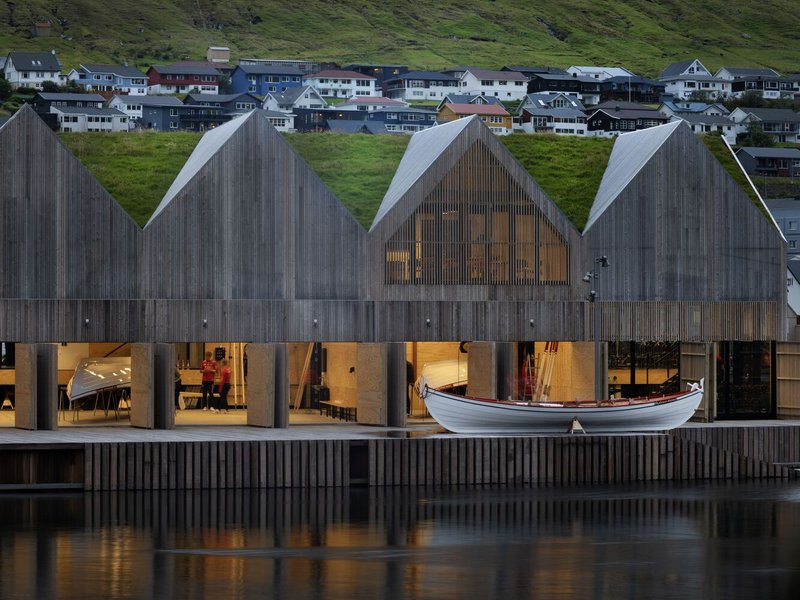
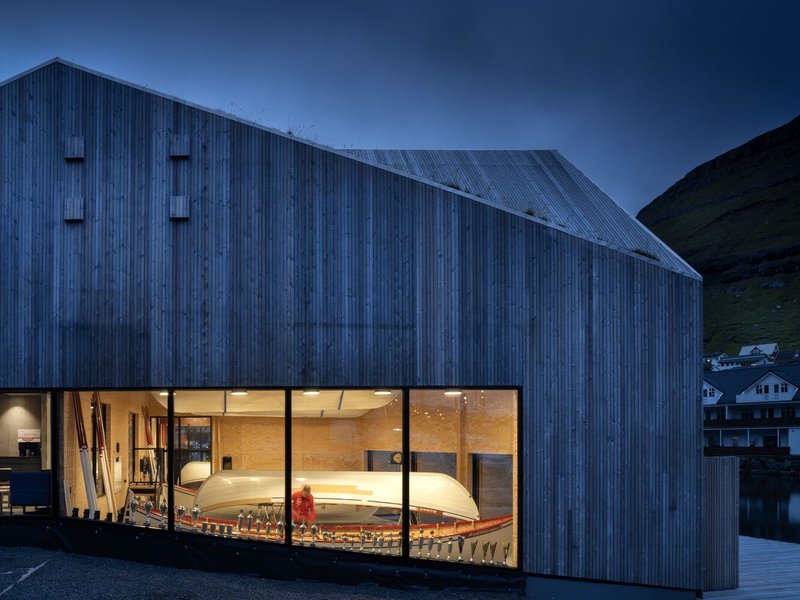
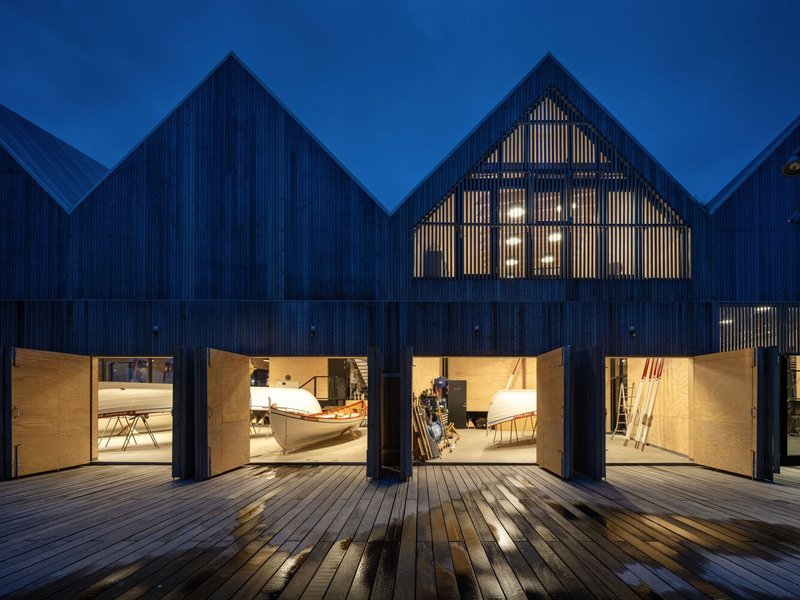
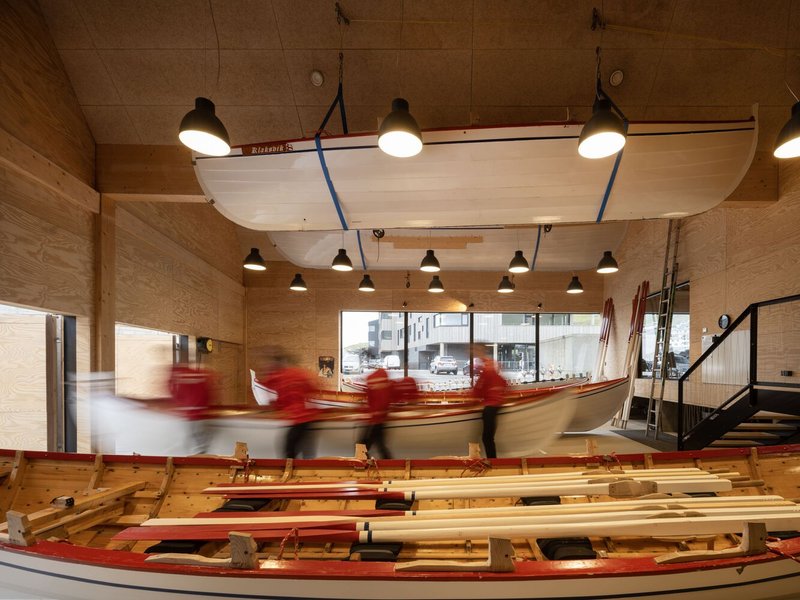
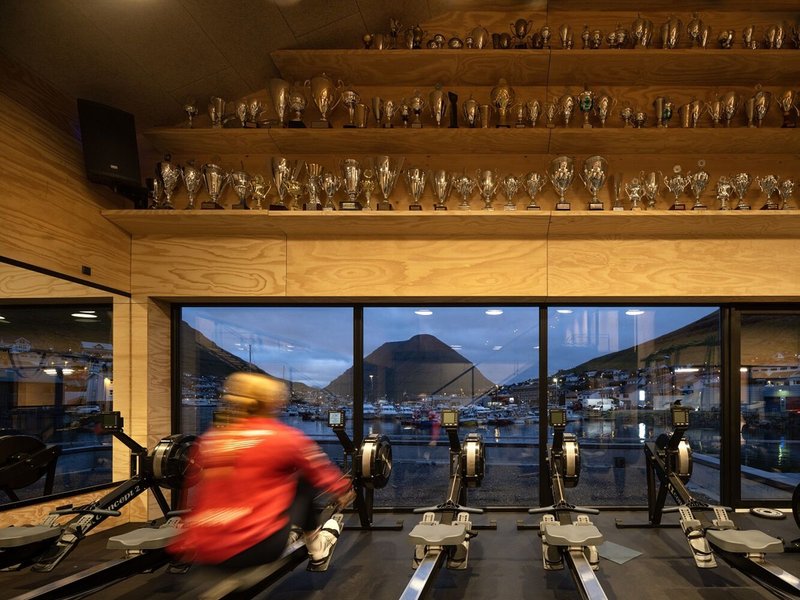
Rowing, being the national sport of the Faroe Islands, holds significant cultural importance. The Klaksvik Row Club is strategically designed to support this tradition, with facilities that cater to building and storing traditional wooden Faroese boats, recognized by UNESCO. The architecture of the row club respects these traditions while providing a state-of-the-art facility for athletes to train year-round.
Sustainable Features and Community Impact
Eco-Friendly Materials and Construction
Sustainability is at the core of the Klaksvik Row Club's design. The use of timber, a renewable resource, for both the façade and the interiors, emphasizes sustainability. The building’s green roof not only provides excellent insulation but also reduces runoff, helping to manage rainwater in a region known for its variable weather.
Enhancing Community Engagement
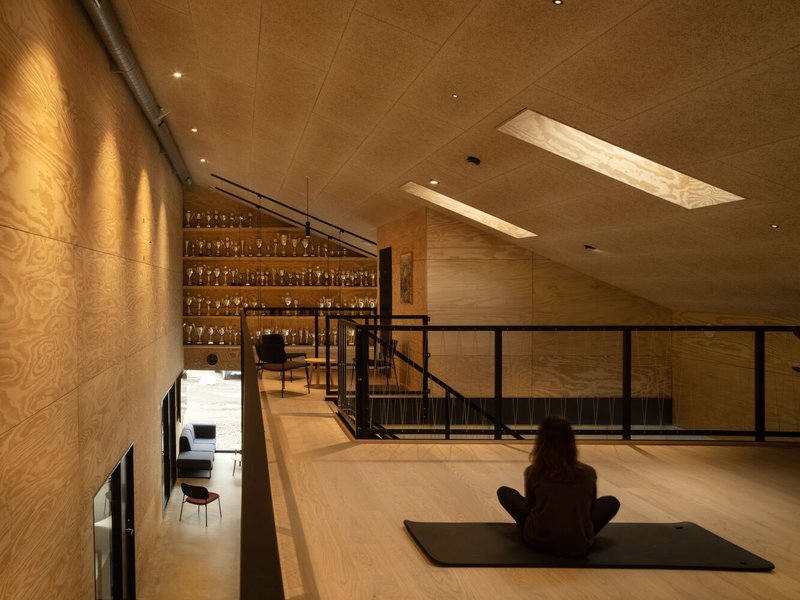
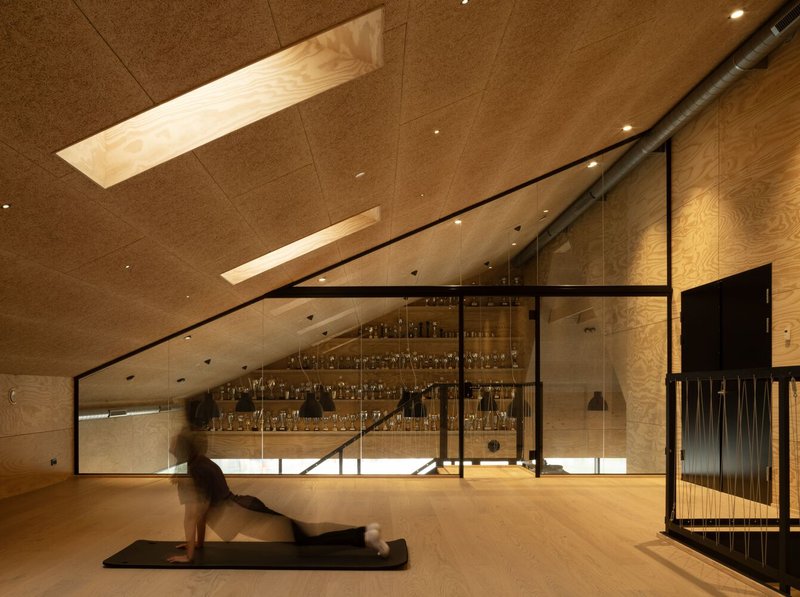
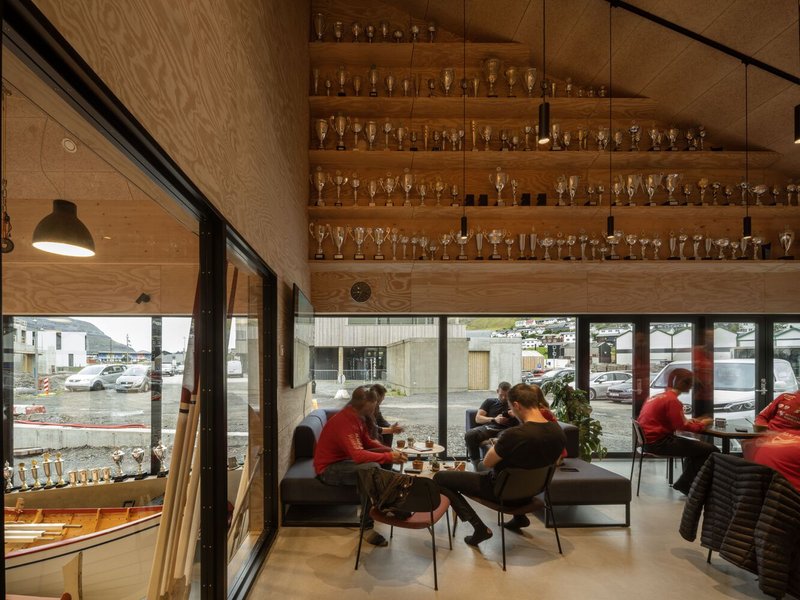
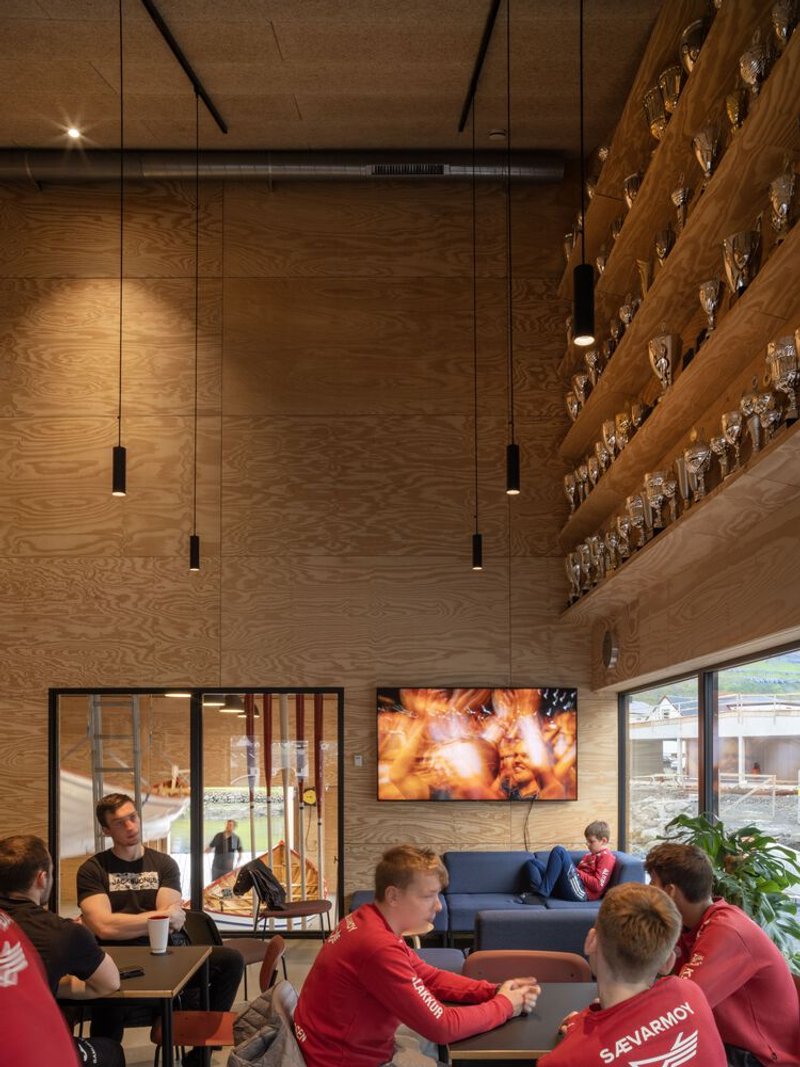
The design of the row club extends beyond sporting activities, incorporating features that promote community use and engagement. Large windows and an expansive loft area offer breathtaking views of the fjord, making the space inviting not just for athletes but also for the community and tourists. The facility includes a café and open areas where people can gather, ensuring that the row club is a lively hub of activity throughout the year.
Design Challenges and Innovative Solutions
Adapting to Harsh Climatic Conditions
Building in the harsh and often unpredictable climate of the Faroe Islands presented unique challenges. The architects addressed these by incorporating features like expansive doors that facilitate easy movement of boats to and from the water and a compact storage design that protects the boats from the elements. The facility is designed to withstand strong winds and heavy rain, ensuring durability and longevity.
Promoting Year-Round Usage
The interior of the row club is designed to be multifunctional, serving various community functions from training sessions to public events and exhibitions. This versatility ensures that the facility remains active and beneficial to the community throughout the year, regardless of weather conditions.
Conclusion: A Model for Future Sports Facilities
The Klaksvik Row Club by Henning Larsen is more than just a sports facility; it is a testament to the possibilities of sustainable sports facility design. By integrating eco-friendly materials, respecting local traditions, and focusing on community engagement, the row club sets a new standard for sports facilities worldwide. It stands as a model of how architecture can enhance sporting culture while promoting sustainability and community well-being.
All photographs are work of Nic Lehoux




Popular Articles
Popular articles from the community

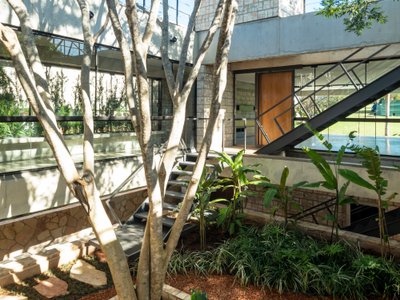
OMCM arquitectos Builds a Summer House in Paraguay from Quarry Waste Blocks and Three Sacred Trees
In the young hillside neighborhood of Altos, a 696-square-meter concrete volume hovers on six pillars around three preserved native Yvyraju trees.

VEIVE Architects Builds a Mountain Hostel That Disappears into a Hangzhou Hillside
On the Huihang Ancient Trail in Xiangjian Village, a shelter of wood, steel, and rammed earth roots itself in the rural landscape.
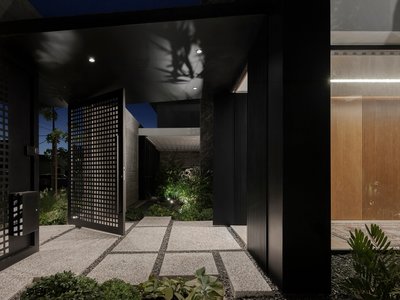
Constanti Architects Builds a Fortress of Privacy in Nicosia with House 345
A concrete and timber residence in Cyprus reinterprets the traditional introverted courtyard house for a new urban landscape.
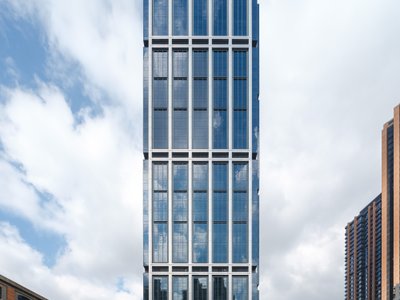
Foster + Partners Wraps a 200-Meter Shanghai Tower in Stainless Steel and Industrial Memory
The Suhe Centre Office Tower anchors a regenerated waterfront district in Shanghai with an all-steel structure that nods to local warehouse heritage.


Similar Reads
You might also enjoy these articles
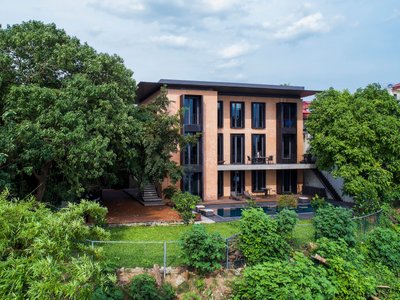
D and P Associates Build a Pi-Shaped House of Rammed Earth Memory on Vietnam's Red River
A 640-square-metre residence in Ngoc Thuy channels the pisé wall traditions of Vietnam's northern highlands into a riverfront family home.
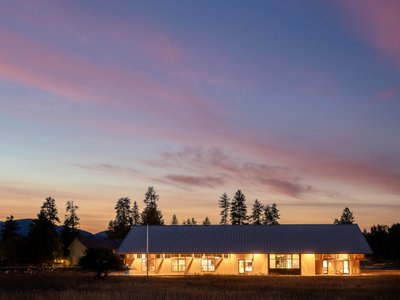
Johnston Architects Reimagines the Methow Valley Hay Barn as a Small-Town Library in Winthrop
A 7,300-square-foot timber library channels the region's agrarian vernacular to serve a rural Washington community of 400 year-round residents.
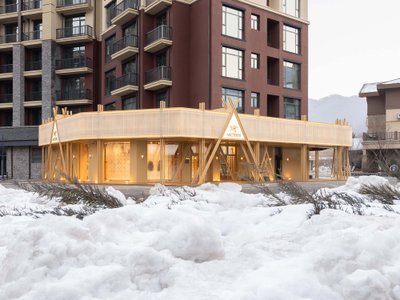
STILL YOUNG Builds a Glowing Campfire in the Snow for ARC'TERYX at a Chinese Ski Resort
A timber-framed pavilion at Beidahu Ski Resort in Jilin wraps warmth and glacier-like resin around outdoor retail.
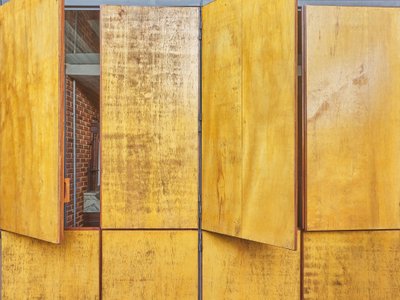
gru.a Builds a 70 m² Timber Shelter That Opens Like a Farm Door in Brazil's Valley of the Vines
In the mountainous region near Rio de Janeiro, a compact retreat uses plywood panels and deep eaves to blur the line between inside and out.


Explore Architecture Competitions
Discover active competitions in this discipline




The International Standard for Design Portfolios


The Global Benchmark for Architecture Dissertation Awards


The Global Benchmark for Graduation Excellence


Challenge to reimagine the Iron Throne
Comments (0)
Please login or sign up to add comments
No comments yet. Be the first to comment!