
“EPArquitectos’ Urbina 65 House: Sustainable Tropical Architecture in Mazatlán”
Urbina 65 House by EPArquitectos in Mazatlán features tropical design, sustainable materials, open patios, natural ventilation, and community-focused architecture.


Harmonizing Architecture and Nature
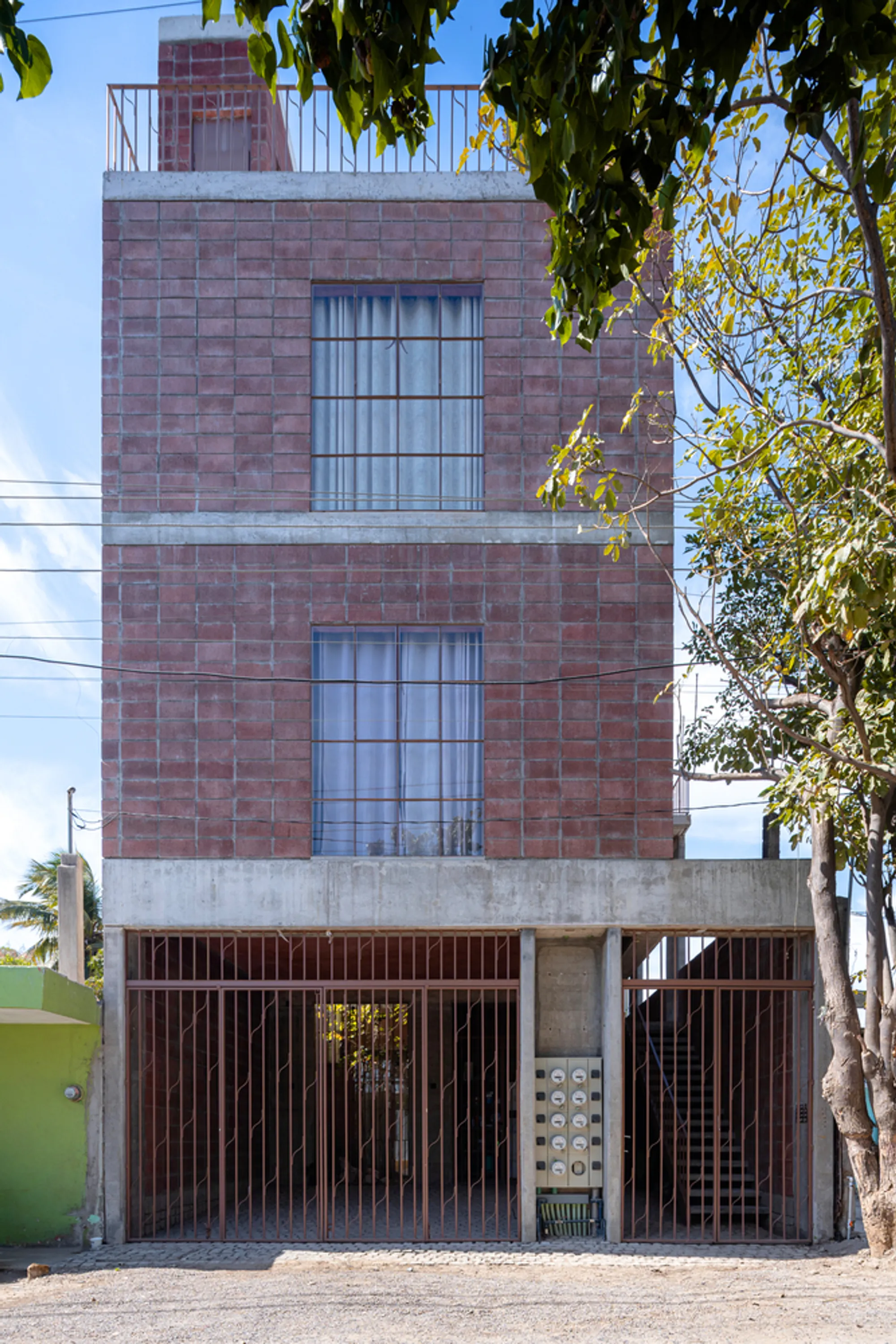
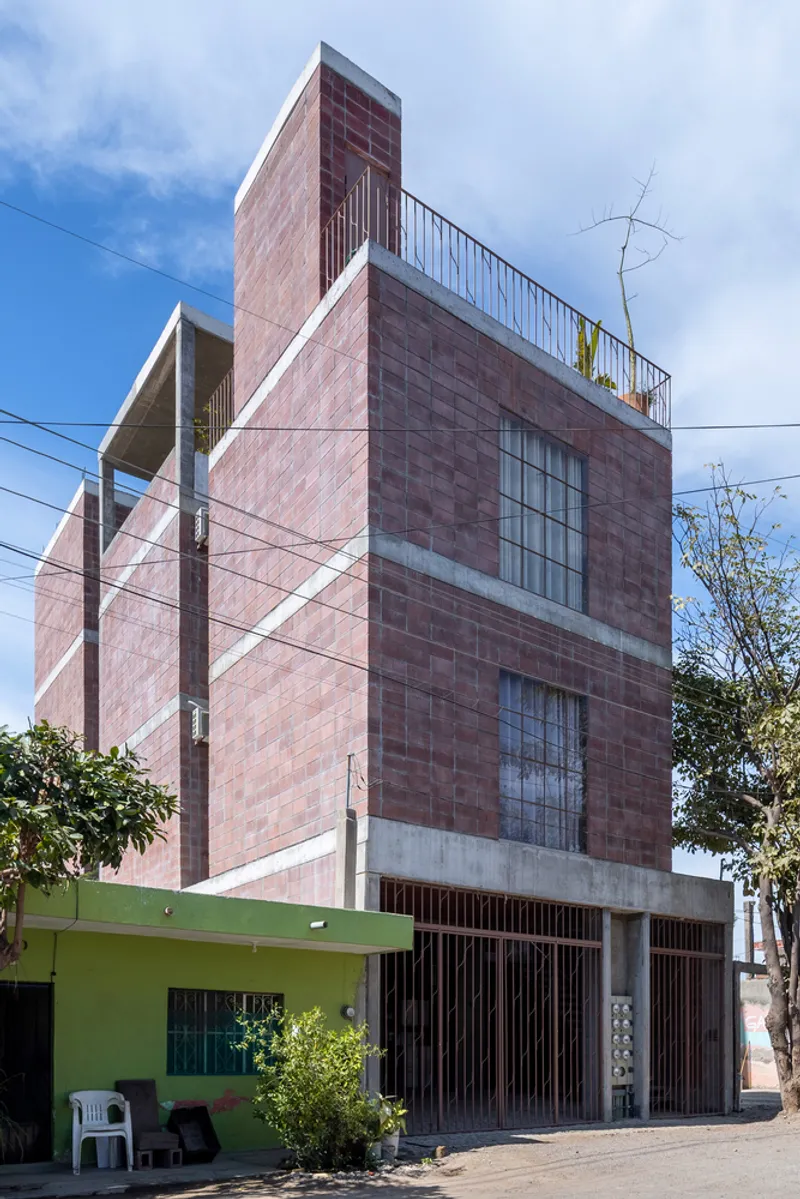
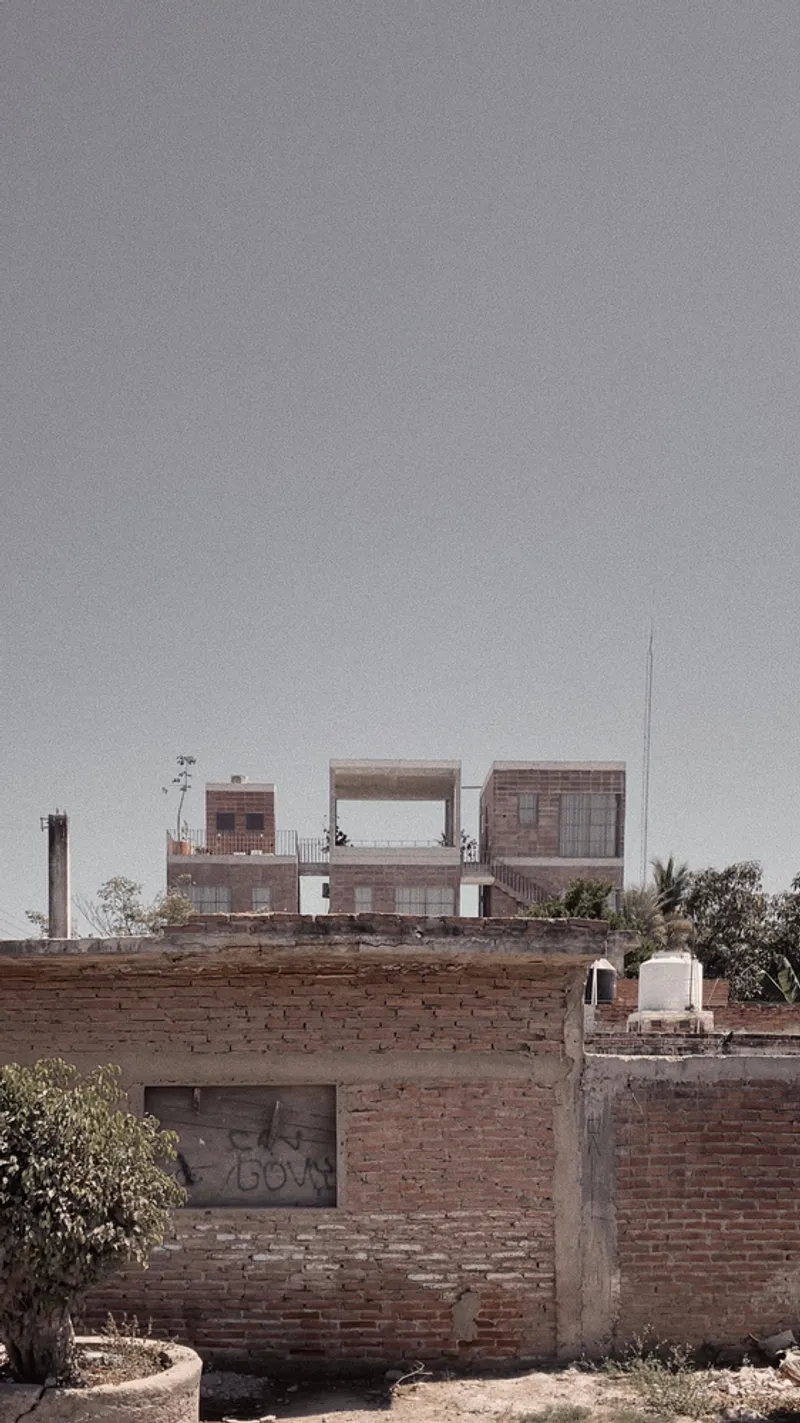
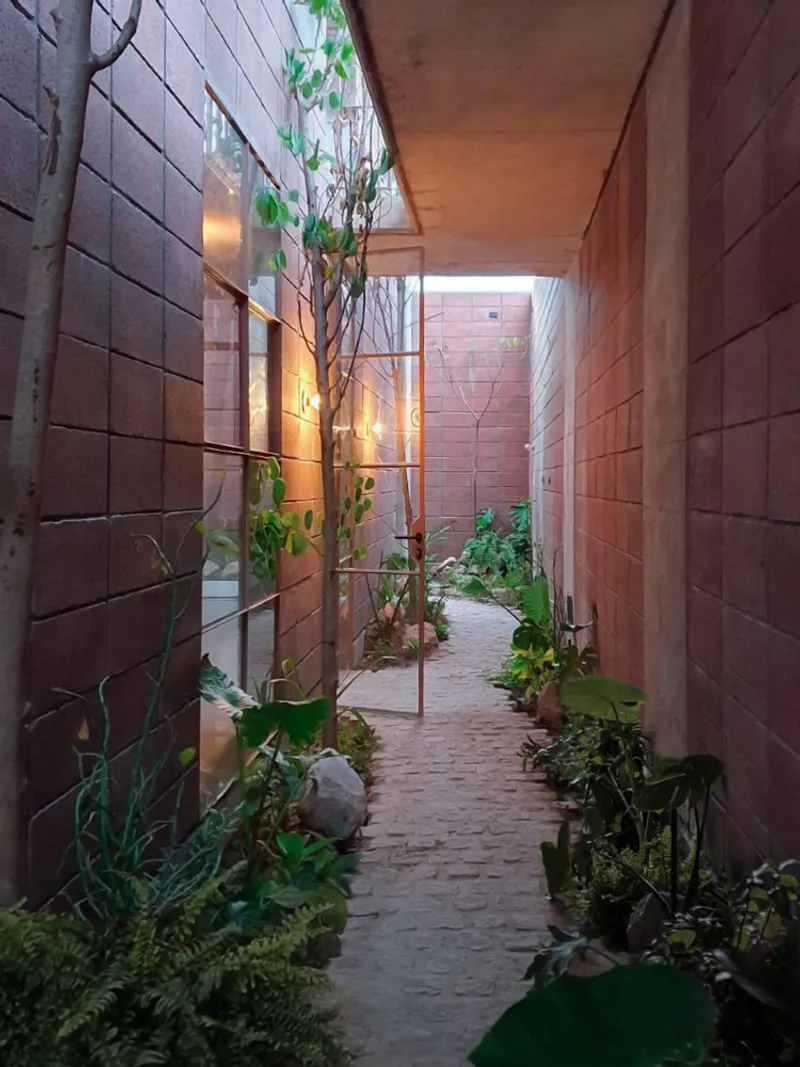
The Urbina 65 House, designed by EPArquitectos, is a striking example of tropical residential architecture in Mazatlán. Conceptualized as a community-oriented project, the house is thoughtfully integrated into its neighborhood while providing modern comfort and sustainable design strategies. The residence is structured into three narrow towers, interspersed with small patios filled with tropical trees and vegetation. These green pockets, combined with garden corridors on the ground floor and perforated upper-floor corridors, create seamless indoor-outdoor connectivity, enhance cross ventilation, and improve acoustic insulation between living units.
Site Orientation and Climatic Comfort
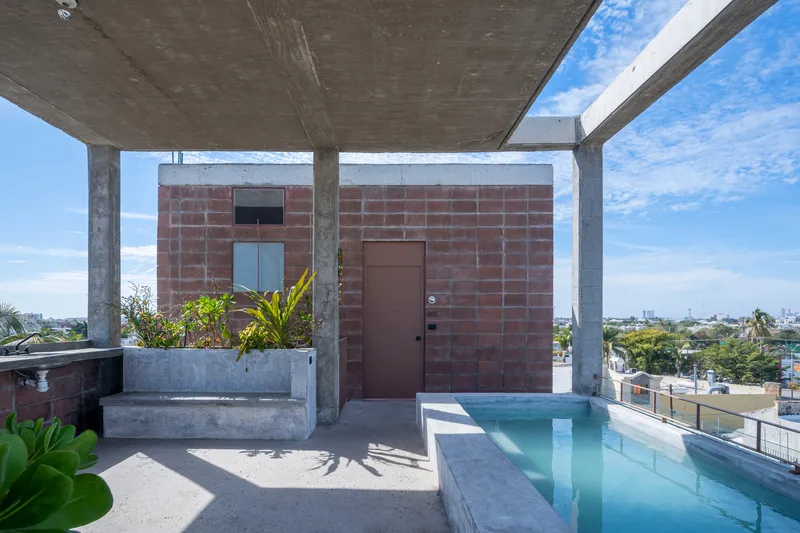
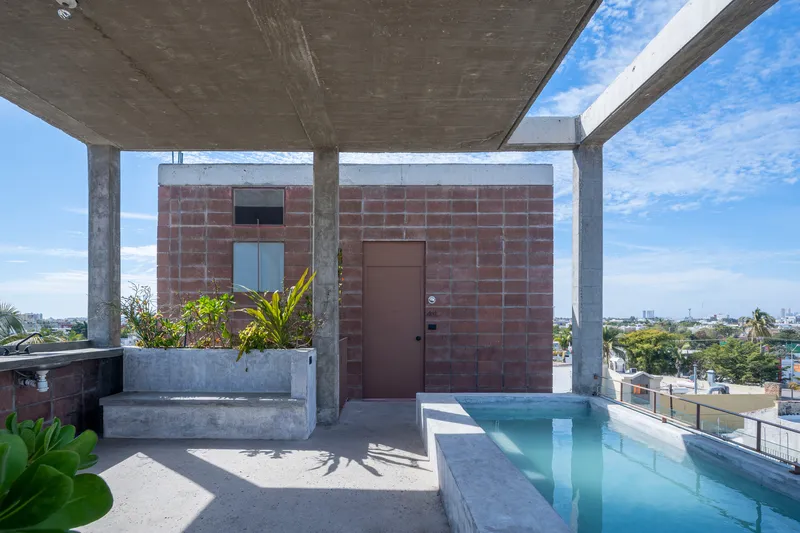
Aligned along its southern boundary, the house opens towards the north, maximizing exposure to dominant winds and indirect natural light. Large windows strategically placed throughout the design ensure natural ventilation and passive cooling, offering a comfortable living environment in Mazatlán’s hot tropical climate. The careful orientation of the building ensures energy efficiency and climatic responsiveness, two hallmarks of sustainable residential design.
Community-Centered Concept
Urbina 65 House is more than just a residence; it is a community-focused project. Designed to foster local collaboration, the house involves neighbors in activities to enhance the surrounding public space. This includes initiatives such as street paving, tree planting, and public lighting improvements. Within a year of operation, the project successfully coordinated with the Department of Social Development and Welfare to pave Tomás Urbina Street, directly enhancing the neighborhood's quality of life.
Materiality and Design Language
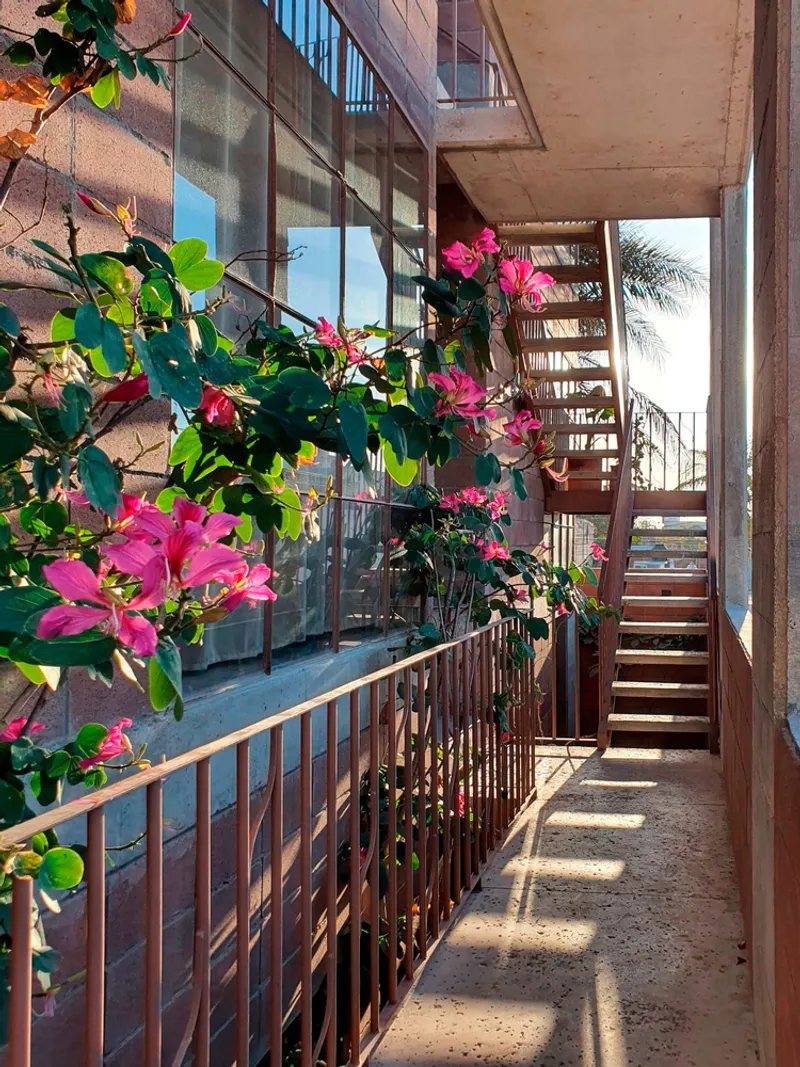
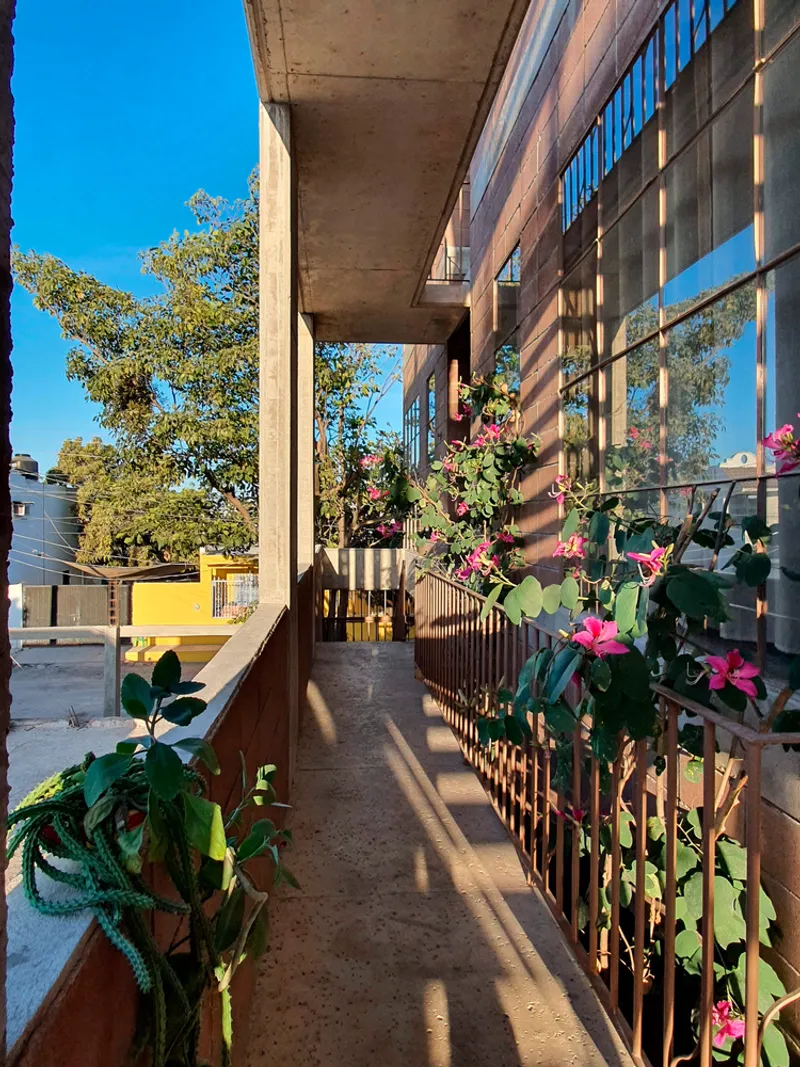
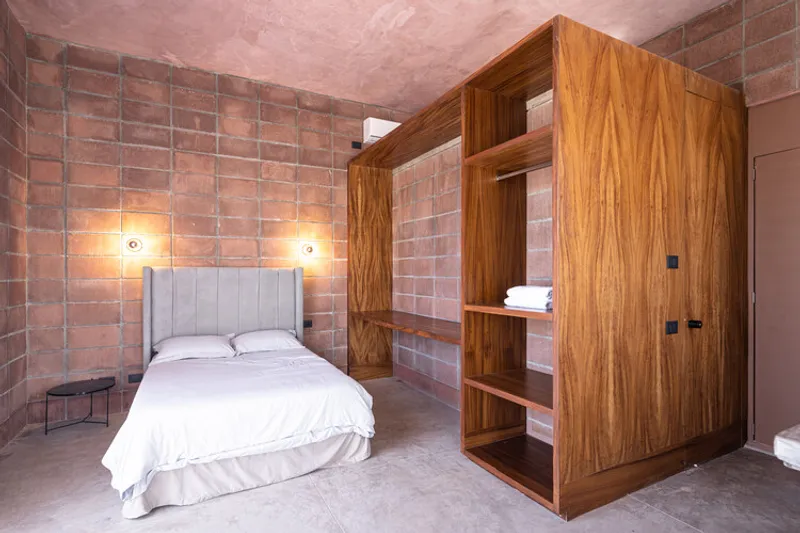
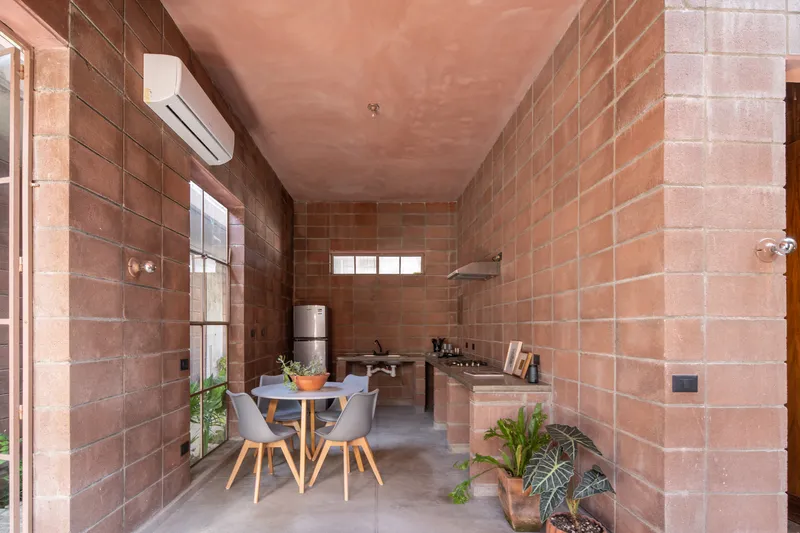
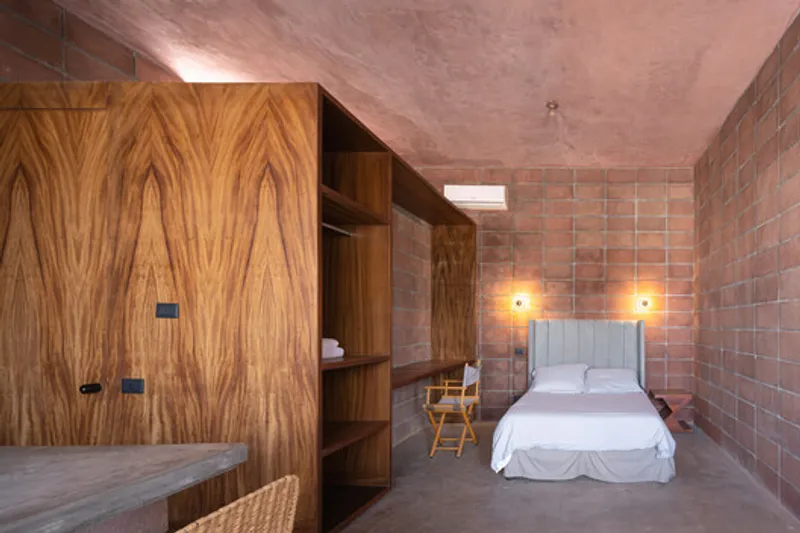
The building showcases a “naked” materiality with exposed brick, concrete block grids, and ironwork details, echoing the textures and colors of the surrounding neighborhood. The choice of materials reflects a balance between robustness and warmth, with tropical light emphasizing the subtle textures and nuances of brick and concrete surfaces. This design approach allows the house to integrate harmoniously into its urban context while providing modern architectural elegance.
Interior Spaces and Functionality
The interiors of Urbina 65 House are characterized by open, airy spaces that prioritize light, ventilation, and visual connections to the outdoors. Living rooms, bedrooms, and common areas incorporate large windows and perforated screens to create dynamic light and shadow patterns, enhancing the tropical ambiance. Furniture and interior finishes, including wood, iron, and exposed brick, reinforce a tactile, welcoming environment.
Urbina 65 House: Sustainable and Contextual Living
EPArquitectos’ Urbina 65 House demonstrates how residential architecture can merge sustainability, climatic responsiveness, and community engagement. The combination of natural ventilation, passive lighting, green patios, and contextual materiality creates a residence that is both functional and visually captivating. Its design sets a precedent for future tropical urban housing projects that value environmental integration and neighborhood collaboration.
All photographs are works of OHFA, Alan Rojas, Erick Perez, Alvaro Apolinar




Popular Articles
Popular articles from the community


The Ocean Hive: Sustainable Architecture for a Self-Sufficient Civilization at Sea
The Ocean Hive imagines sustainable architecture at sea, where modular habitats, algae, wave power and ocean waste sustain a growing colony.

Lunar Spiral: Space Architecture Shaped by the Mathematics of the Universe
Lunar Spiral reimagines space architecture through Fibonacci geometry, lunar regolith, levitating habitats, and self-sustaining Moon living.

Riyadh For All: Intergenerational Urban Design for Active Aging in Rabat
Riyadh For All reimagines urban design in Rabat with intergenerational co-living, adaptive courtyards, and Moroccan cultural exchange today.

Co-Life: Senior Housing Design That Reconnects Older Adults With the City
Co-Life reimagines senior housing design through healing gardens, shared streets, workshops, and a sustainable community across generations.

Similar Reads
You might also enjoy these articles


Hodi-Mandai Geram
Project Function: Preservation and revitalization of the Intangible heritage and socio-spatial identity of the Hodi by Housing, Cultural Memory Center, Sacred Grove, landscape, local tourism economy


Olio Towers: A Mid-Rise for Performers That Fuses Housing, Rehearsal, and Stage
Located blocks from Houston's Theater District, this modular tower stacks living units around a central performance atrium.

Oasis: Modular Green Housing Carved into Dhaka's Urban Fabric
A shortlisted Plugin Housing entry reclaims unauthorized settlements in Dhaka with stepped concrete volumes, green roofs, and ventilation-driven design.

Black Hole: A Floating Megastructure for the Post-Physical Era
Emiliano Mazzarotto envisions a spherical, self-scaling arena where e-sports, digital hotels, and holographic stadiums replace traditional public space.

Explore Architecture Competitions
Discover active competitions in this discipline



Challenge to reimagine the Iron Throne


Photograph architecture without architects


Illustrate the lost glory of Angkor Wat - Render Challenge


Design challenge to reuse E-waste
Comments (0)
Please login or sign up to add comments
No comments yet. Be the first to comment!