
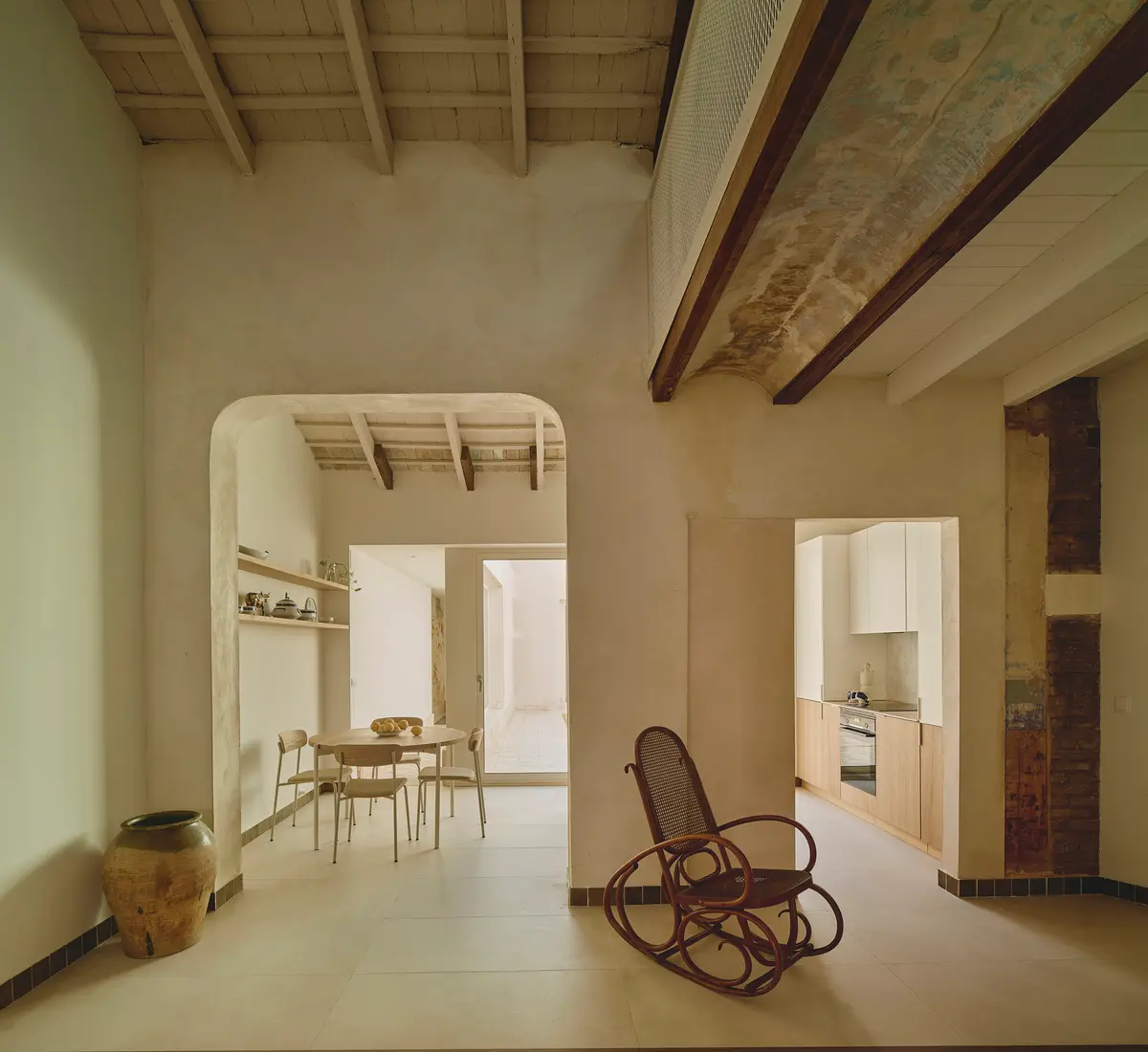
Estels House by ENDALT Arquitectes
A sensitive restoration of a traditional Valencian house, revealing memory, material continuity, and contemporary domestic life through respectful architectural transformation.


In the quiet town of Albal, located in l’Horta Sud near Valencia, Estels House (Casa dels Estels) stands as a thoughtful example of how rural heritage can be reinhabited without nostalgia or erasure. Designed by ENDALT Arquitectes, the 152 m² residential restoration carefully navigates the space between preservation and transformation, revealing the latent potential of traditional Valencian domestic architecture while adapting it to contemporary life.
A Sensitive Restoration Rooted in Valencian Vernacular Architecture
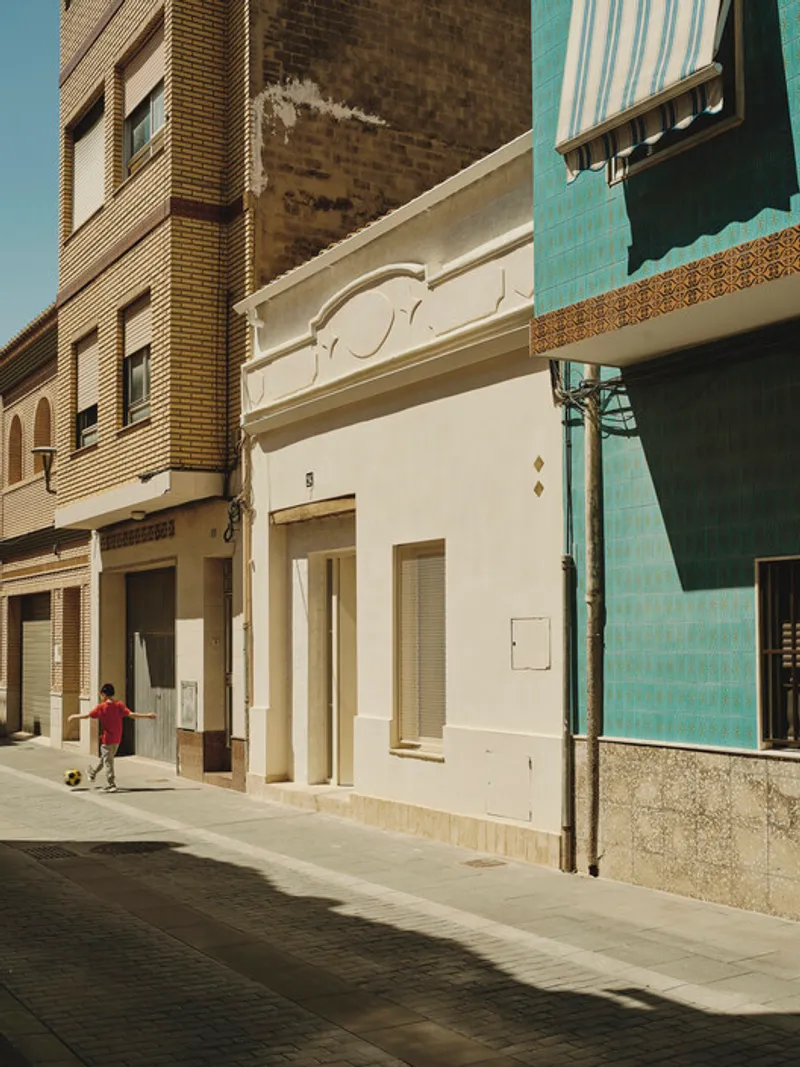
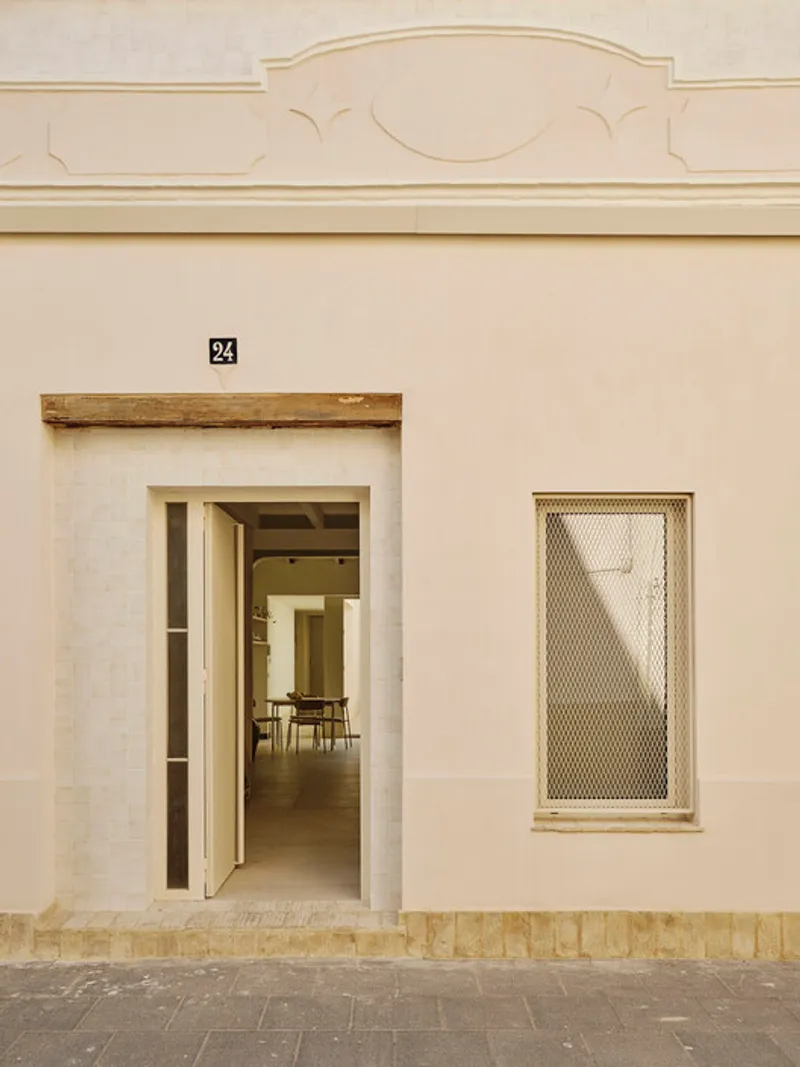
Rather than imposing a new architectural language, the intervention listens closely to what already exists. The project recovers memory, material logic, and spatial organization embedded in the house’s original structure, allowing the past to continue living through renewed use. Estels House proposes a third way, neither abandonment nor folklorization, where vernacular architecture is treated as a living system capable of evolution.
The Vernacular House as a Cultural Framework
Traditional houses in Valencian villages: common in regions such as l’Horta, la Ribera, and la Safor: share a recognizable architectural structure shaped by climate, agriculture, and social life. These dwellings were conceived not only as homes but also as places of work, storage, and coexistence. Their value lies less in singularity than in repetition, adaptability, and deep environmental intelligence.
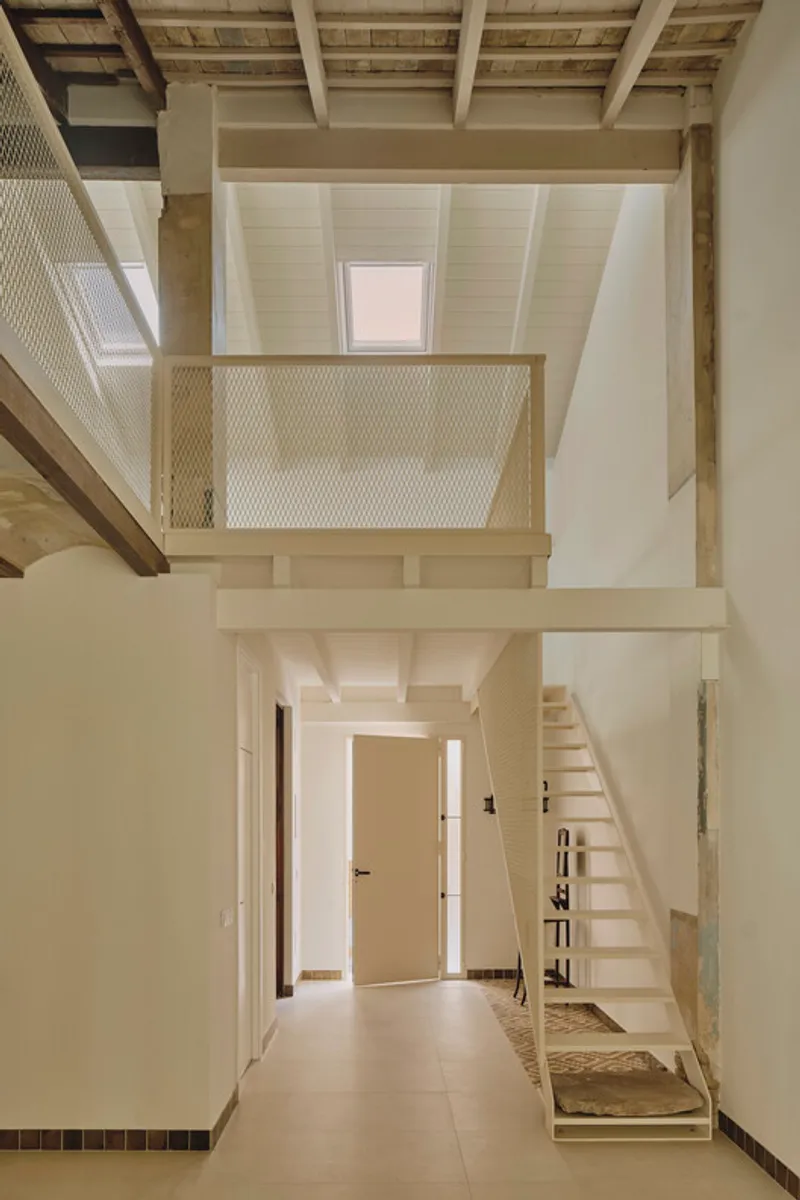
Typically organized with an entrance for carts, a central hall, cool storage rooms, kitchen spaces, courtyards, and an attic beneath the roof, these houses were constructed using local materials such as rammed earth, solid brick, lime, clay, and reed. Each material reflects generations of accumulated knowledge, responding naturally to temperature, humidity, and seasonal use.
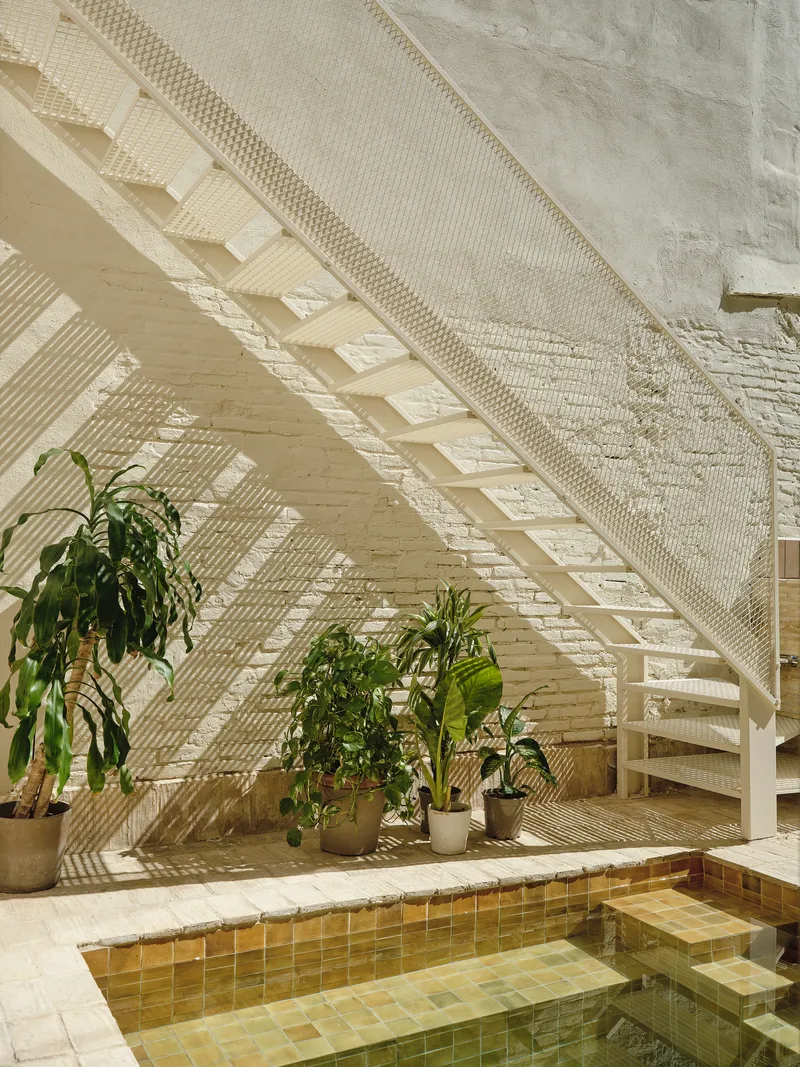
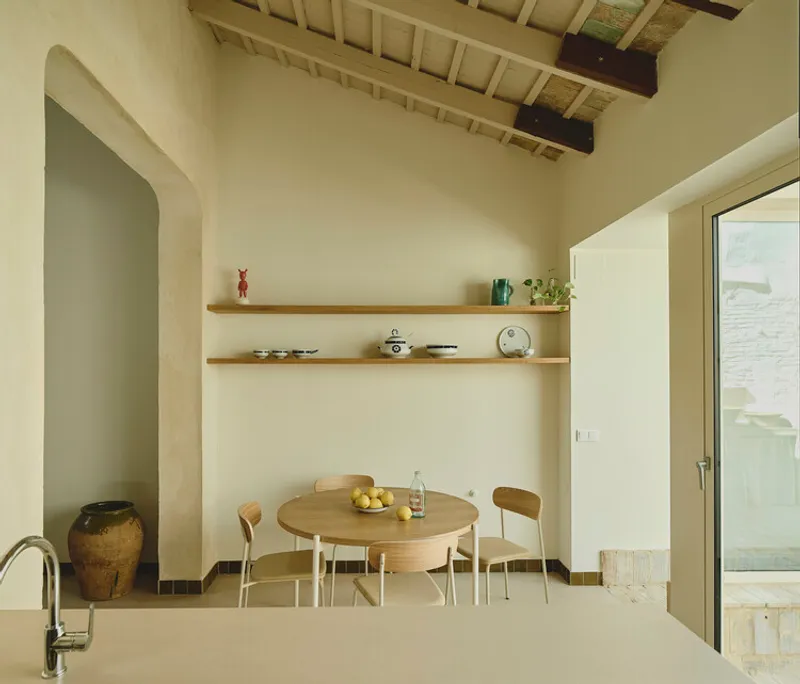
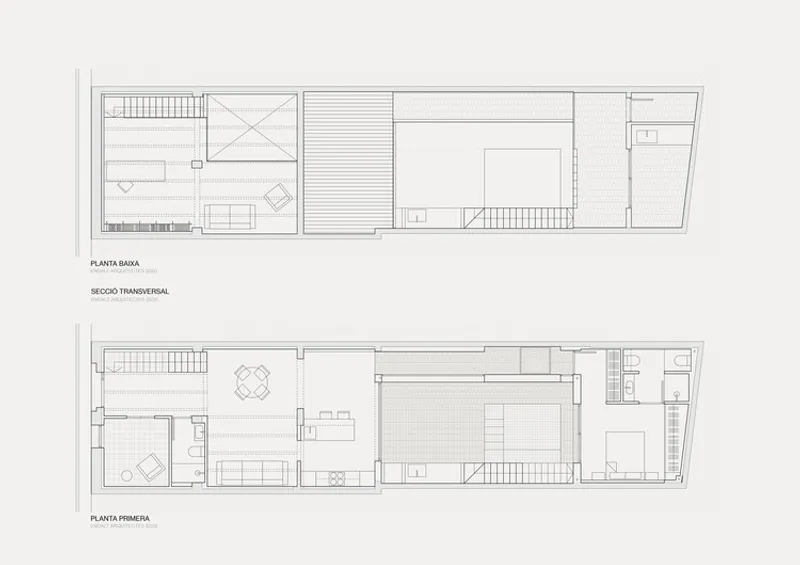
Casa dels Estels follows this traditional model closely. Before intervention, the house retained a double-bay structure, a central staircase, a courtyard with a lemon tree, and an old barn (pallissa). Built with rammed earth walls, solid brick partitions, and a gabled roof, the dwelling had been uninhabited for years and was in a severe state of deterioration. Yet within its decay lay architectural clarity and spatial richness waiting to be revealed.
The Andana: Memory Beneath the Roof
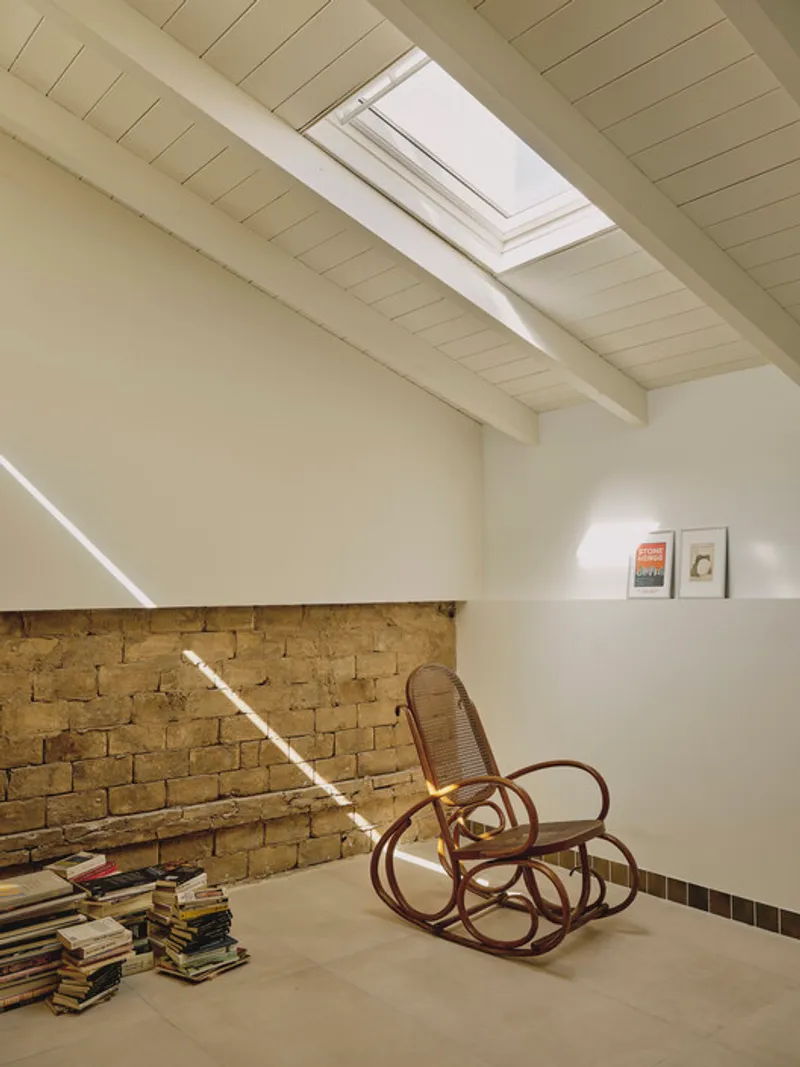
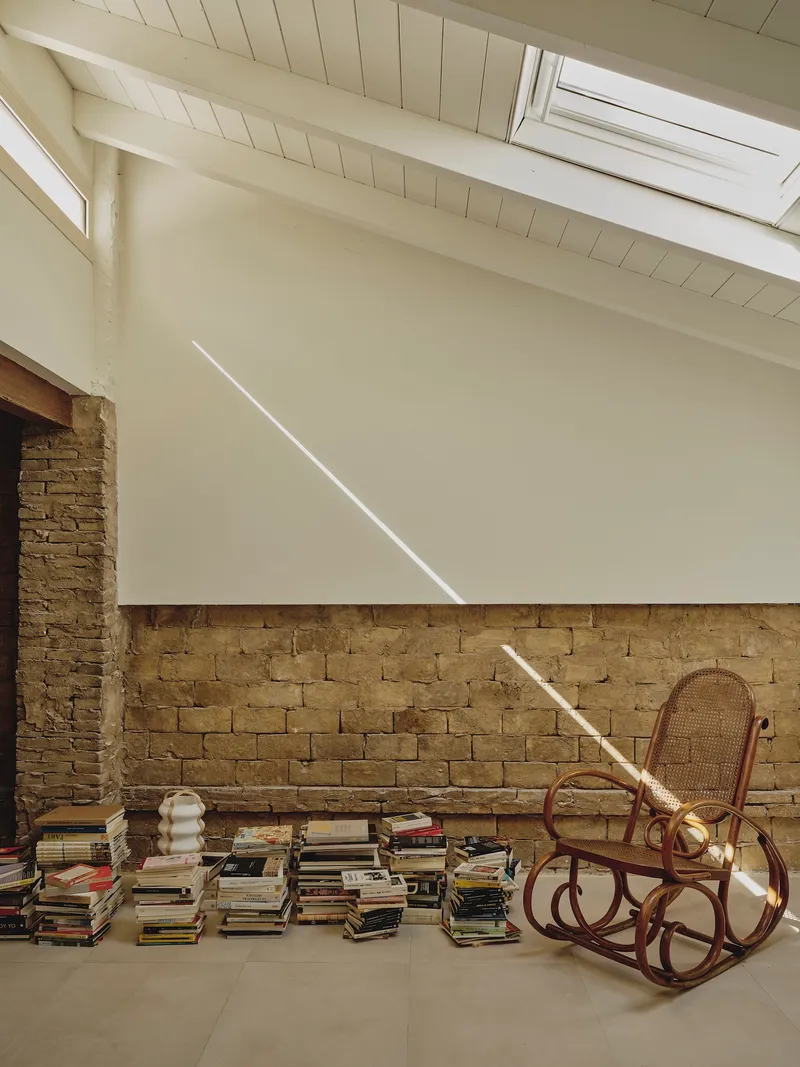
One of the most significant spatial elements in Valencian rural houses is the andana, the attic space located directly beneath the roof. Historically used for storage, drying agricultural products, or sheltering animals, the andana carries a powerful atmospheric quality. Its raw materials, filtered light, and relationship to the roof structure make it a place imbued with memory.
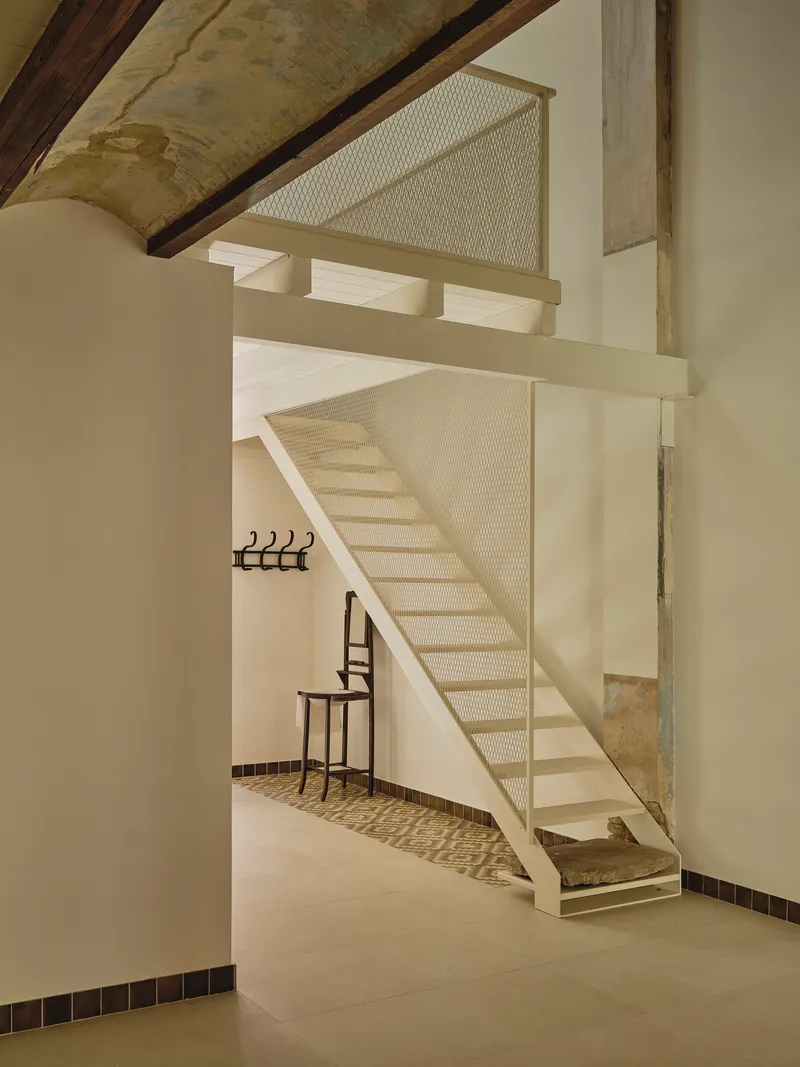
In many contemporary renovations, this space is either erased or overly stylized. In Estels House, however, the andana becomes a central protagonist. ENDALT Arquitectes recognized its latent potential and transformed it into a versatile living space, carefully extending it with a modest architectural addition and a partially raised roof. This intervention preserves the character of the original volume while allowing new uses to emerge naturally.
The andana now functions as a flexible area that can accommodate leisure, rest, or work, bridging the domestic needs of today with the atmospheric depth of the past.
A Restoration That Reveals Rather Than Replaces
The architectural approach behind Estels House is neither conservative nor disruptive. The aim was not to freeze the house in time nor to convert it into a museum piece, but to recover its essential character while ensuring comfort, efficiency, and luminosity.
The intervention focused on restoring the most valuable existing elements:
- Rammed earth walls, repaired and stabilized
- Original beams, cleaned and reused
- Vaulted ceilings, revealed and enhanced
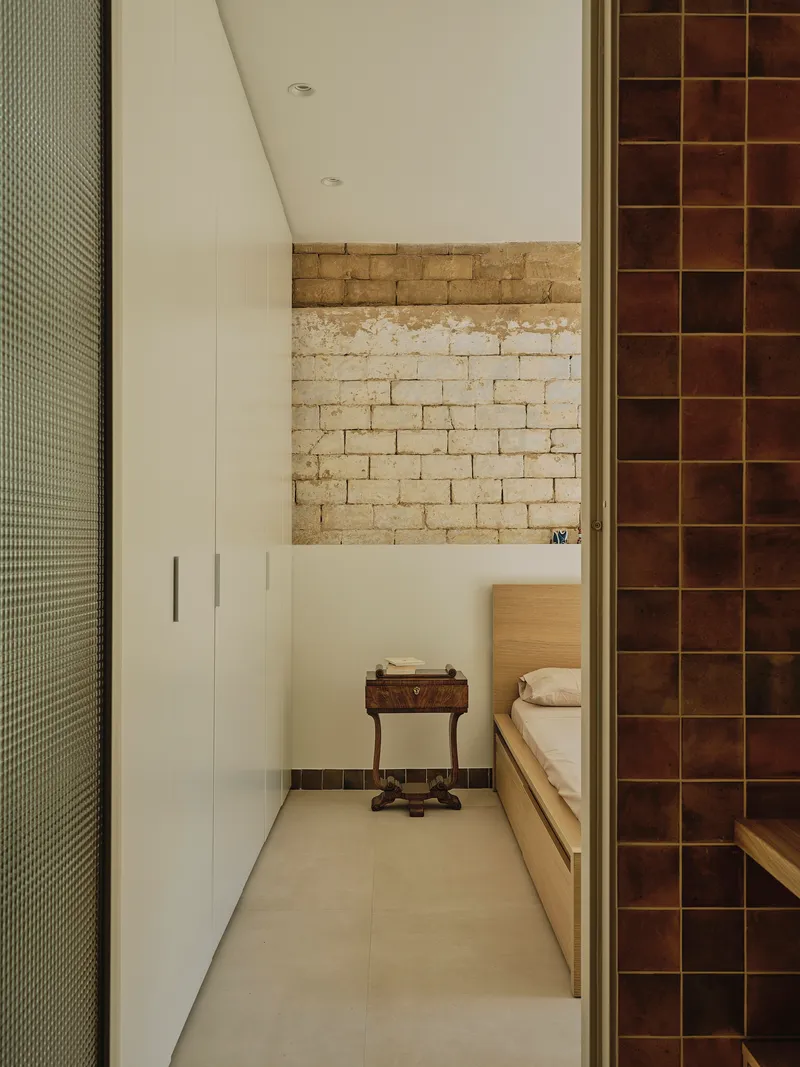
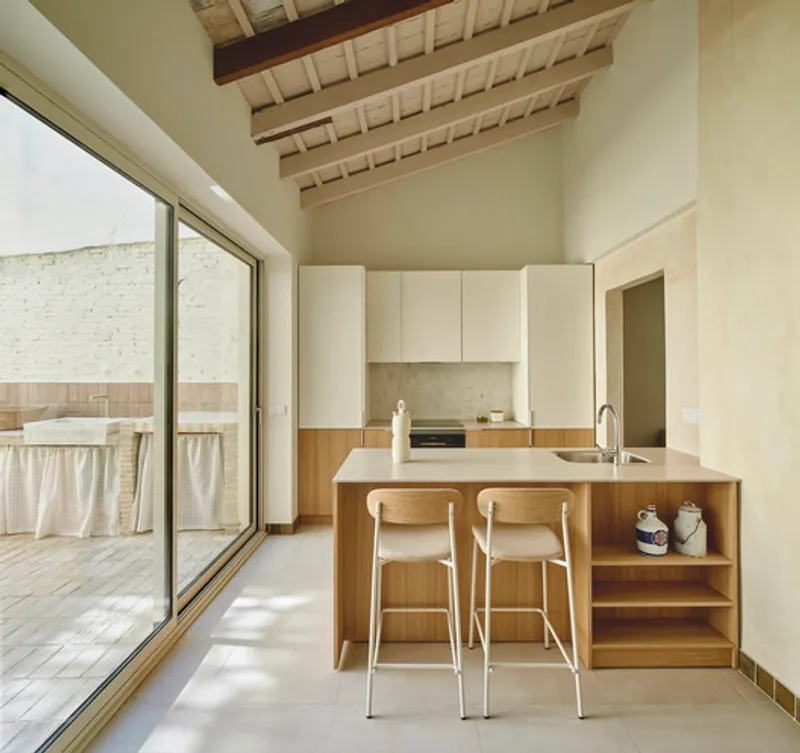
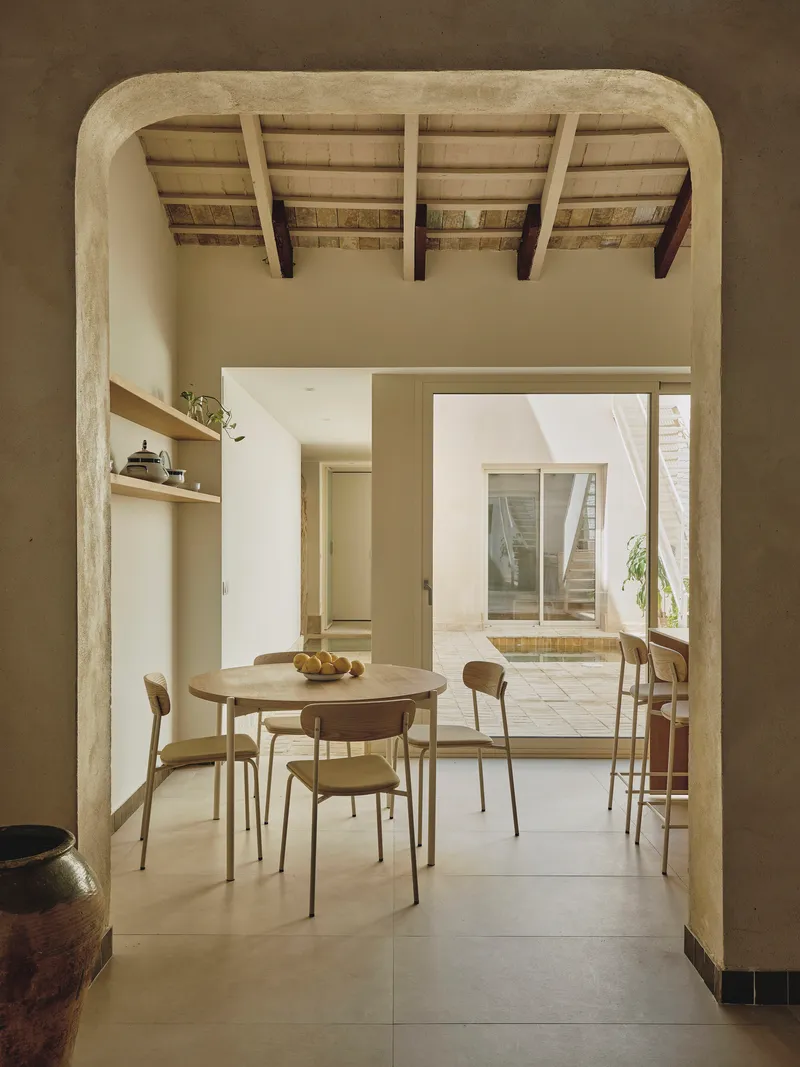
Spatial clarity was improved through subtle adjustments rather than radical changes. Cross ventilation was enhanced to respond naturally to the Mediterranean climate, while new visual and physical connections between interior and exterior spaces were carefully introduced. The courtyard, once merely functional, now acts as a climatic and social heart of the house.
Throughout the project, architecture operates as an act of accompaniment, guiding the house gently into a new phase of life without severing its relationship with the past.
Material Reuse as Architectural Ethic
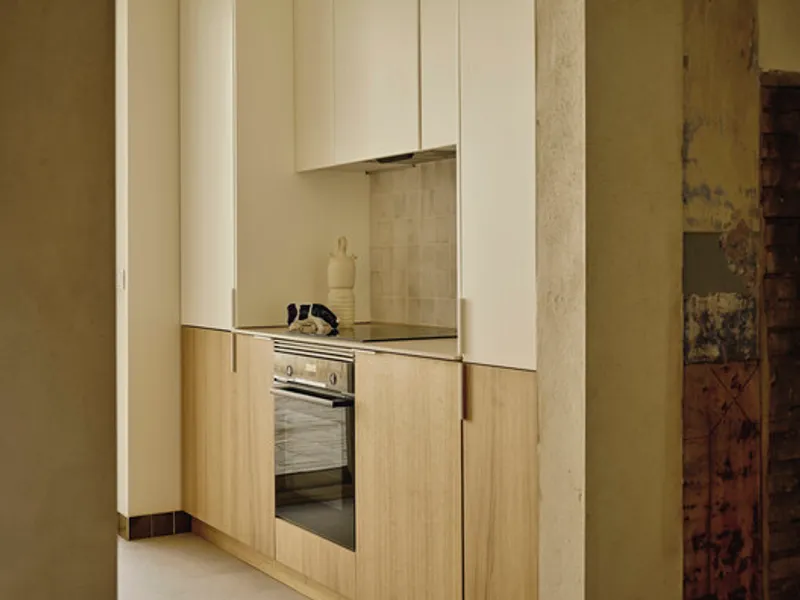
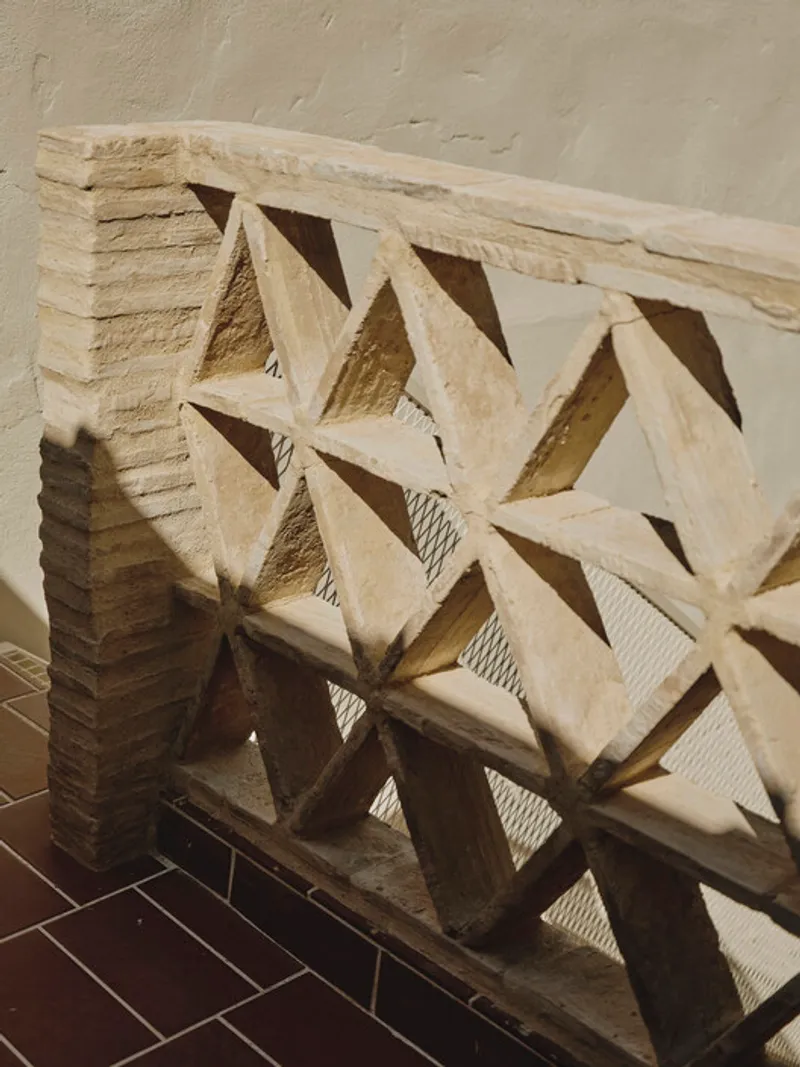
One of the project’s strongest commitments lies in its reuse of materials, reinforcing both sustainability and continuity with vernacular traditions. Bricks salvaged from the old roof were repurposed as flooring. Timber beams were reclaimed and reinserted. Lime mortars, ceramics, and traditional construction techniques were employed wherever possible.
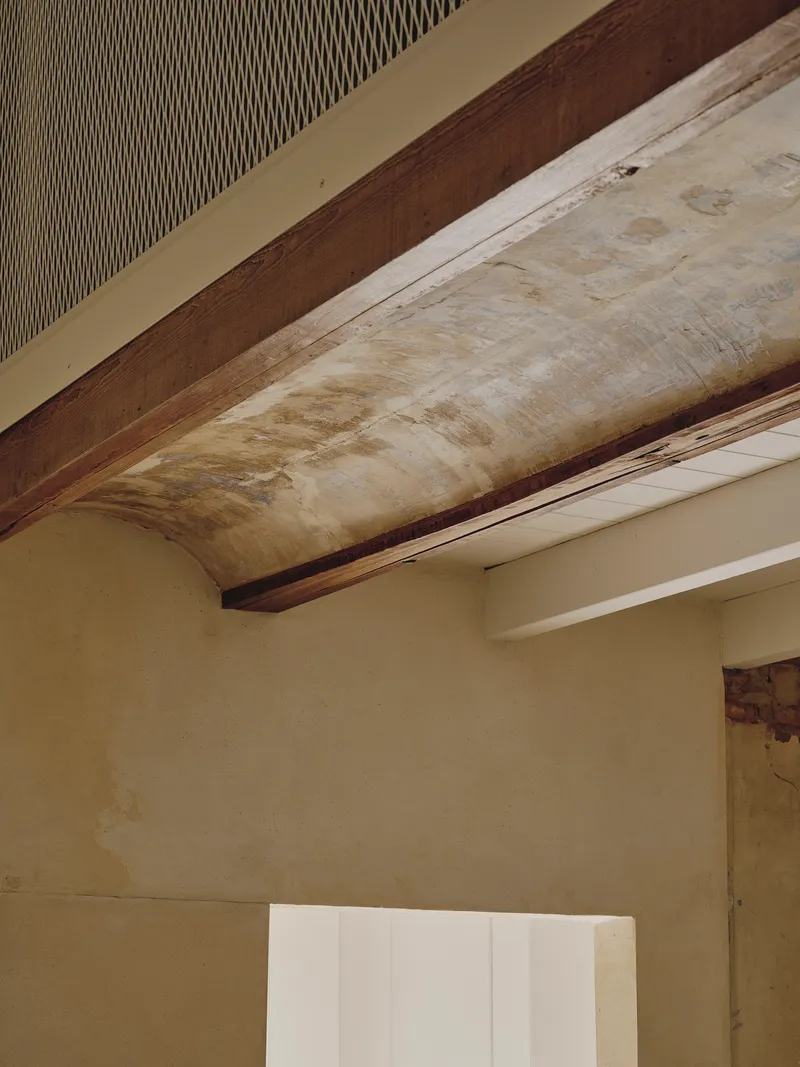
This material strategy is not driven by nostalgia but by coherence. Old and new elements coexist in dialogue, allowing the intervention to feel inevitable rather than imposed. New construction elements are deliberately restrained, ensuring that additions complement rather than compete with the original structure.
The result is an architecture where sustainability emerges not from technological display but from careful reuse, local logic, and respect for material cycles.
Interior Atmospheres Shaped by Memory
Inside Estels House, color and material choices evoke rural memory while supporting contemporary living. Finishes are selected not for trend but for resonance.
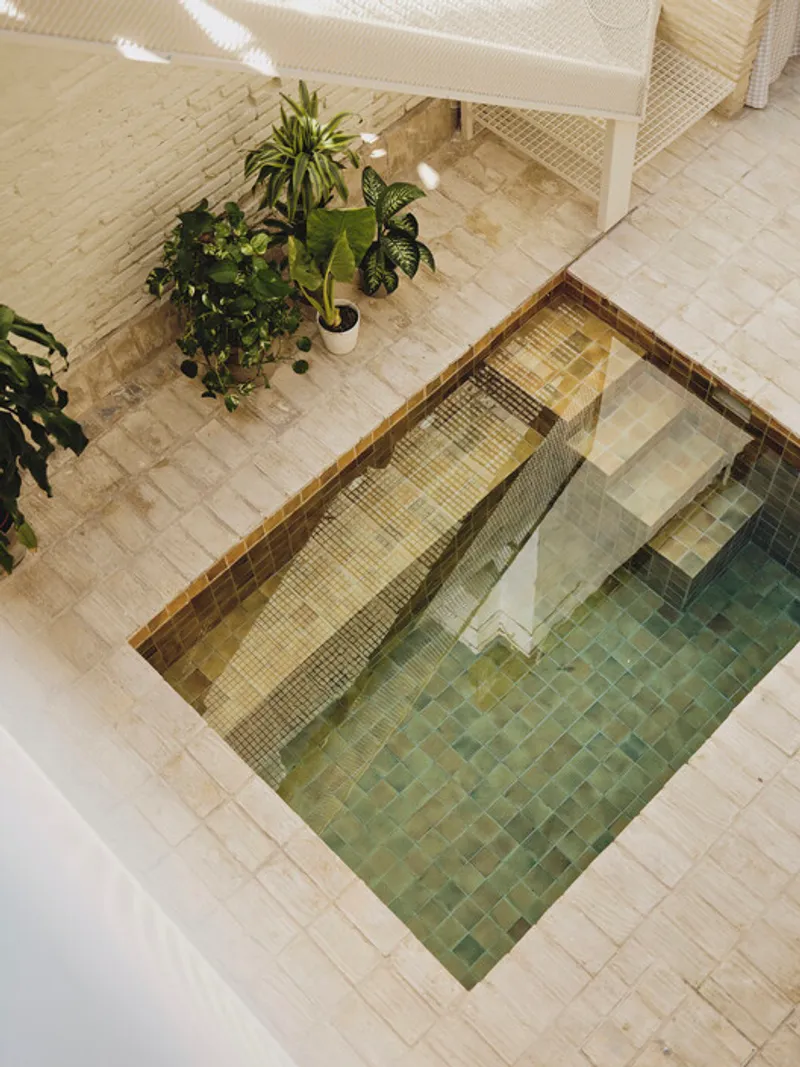
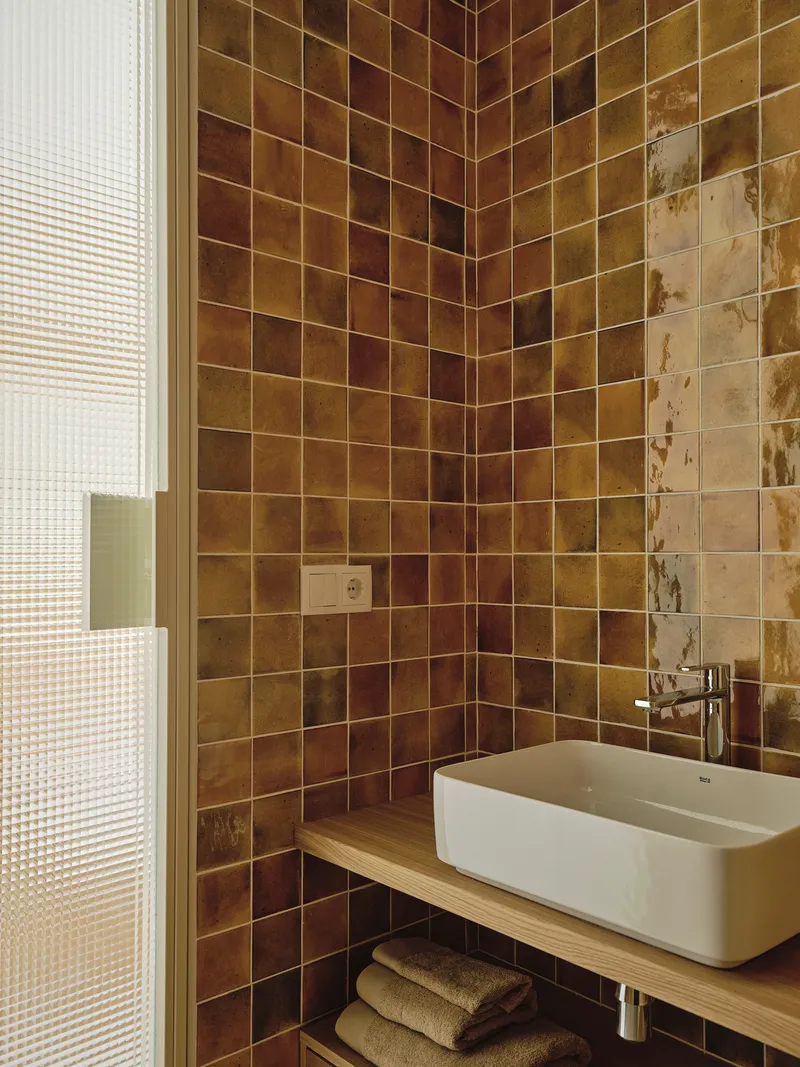
Green ceramic tiles recall the original baseboards common in Valencian houses. Yellow tones appear in bathrooms and the pool, echoing reflections of water and Mediterranean light. Terracotta surfaces preserve the tactile presence of craftsmanship, maintaining a connection to handmade traditions.
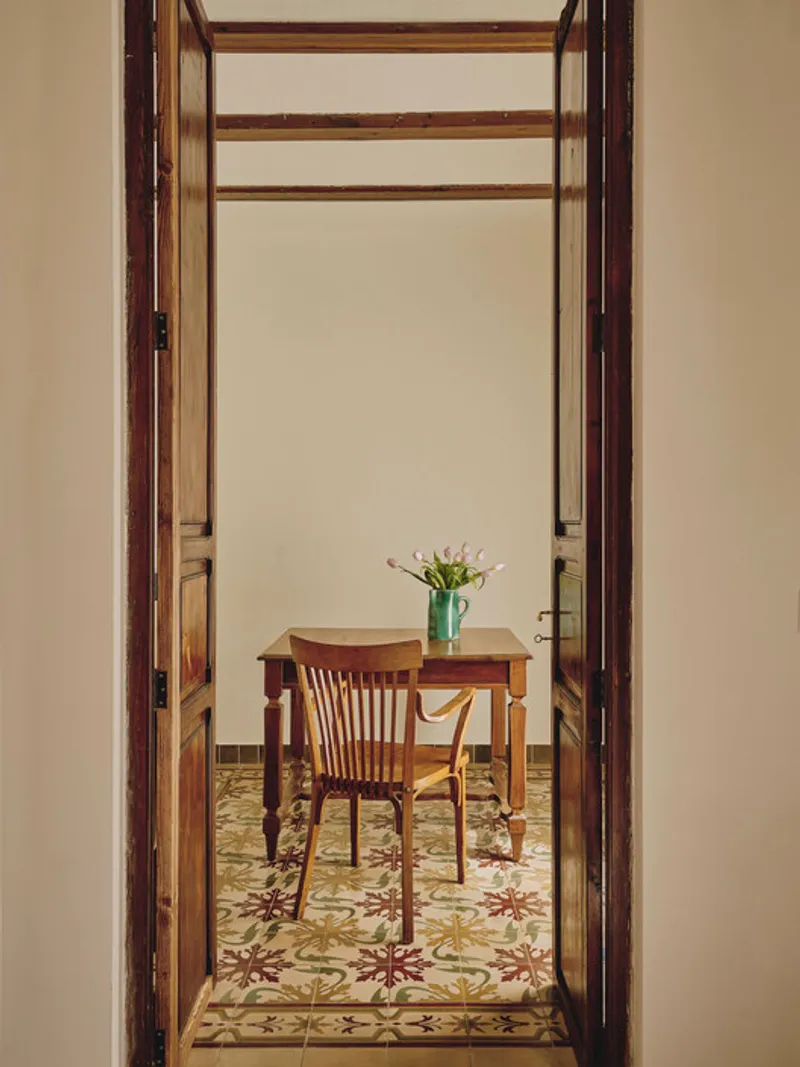
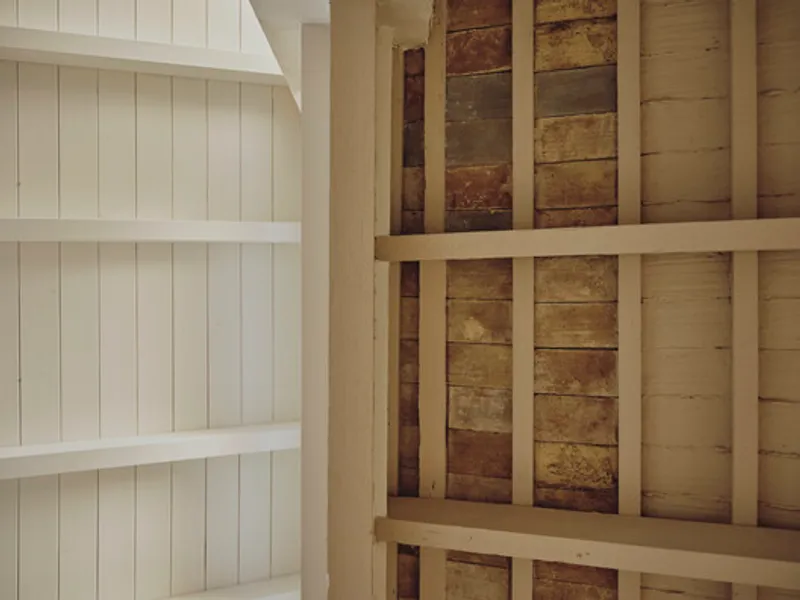
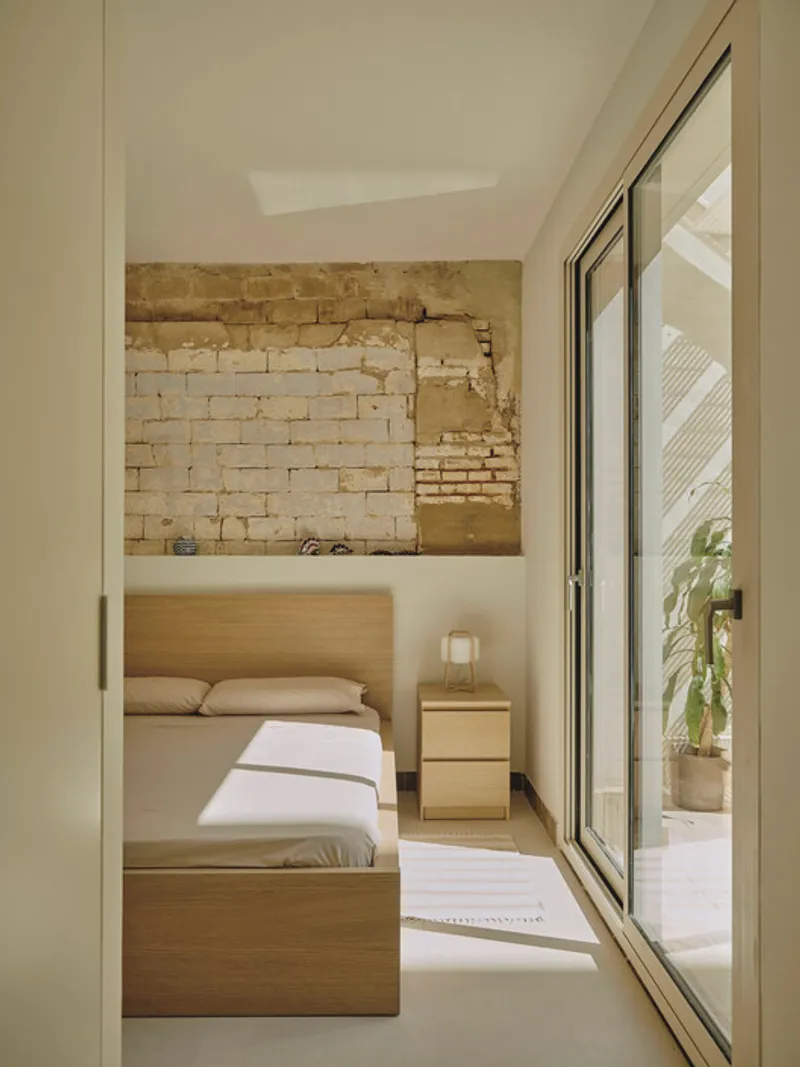
The spatial narrative is quietly poetic: where animals once rested, bedrooms now provide intimacy and rest; where grain was stored, shelves now hold books. These transformations do not erase the past but reinterpret it, allowing domestic life to continue in evolved form.
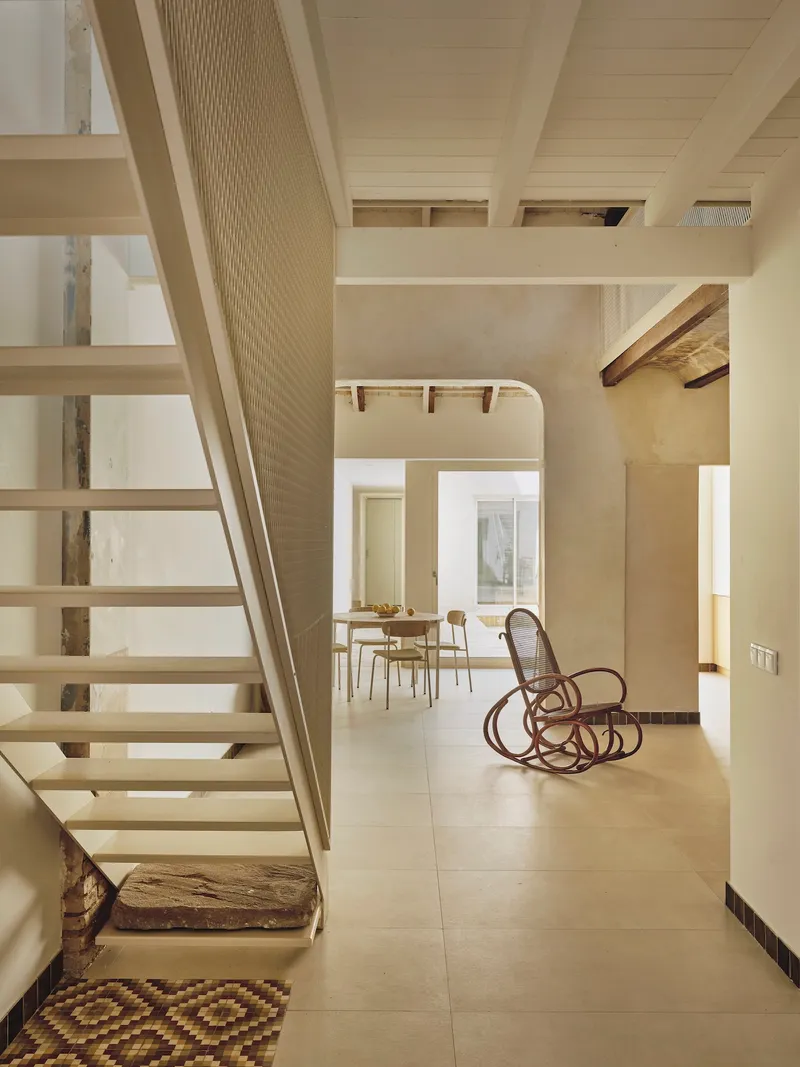
Furniture and lighting are restrained, allowing architecture to remain the primary storyteller. Wood, concrete, and ceramics interact through texture and light rather than contrast, creating interiors that feel calm, grounded, and timeless.
Light, Ventilation, and Climatic Intelligence
Beyond its material sensitivity, Estels House performs climatically through passive strategies rooted in vernacular wisdom. Thick rammed earth walls provide thermal mass, regulating interior temperatures naturally. Cross ventilation channels air through the house, reducing reliance on mechanical systems.
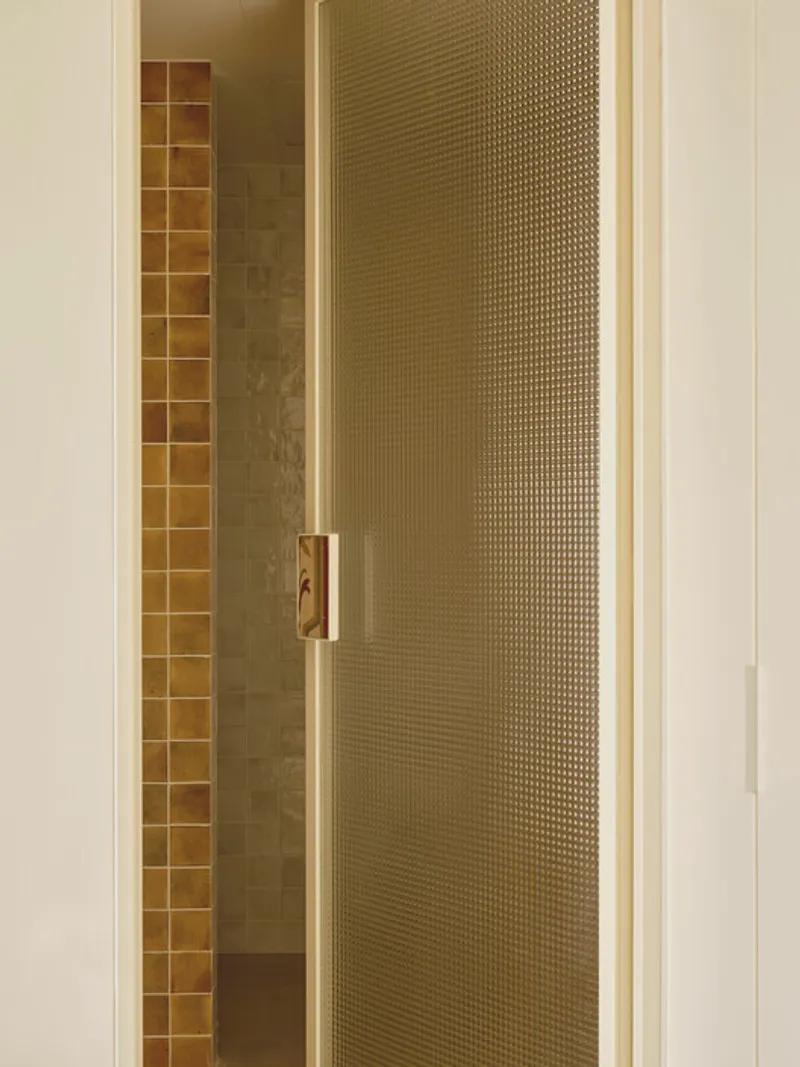
Openings are carefully positioned to frame light rather than flood spaces indiscriminately. The house remains bright yet cool, responding to the Mediterranean climate in a way that contemporary construction often overlooks.
The courtyard plays a crucial role in this environmental performance, acting as a buffer between inside and outside while fostering daily interaction with nature, symbolized by the preserved lemon tree at its center.
Architecture as Continuity, Not Contrast
What distinguishes Estels House is its refusal to dramatize intervention. The project does not announce itself through bold gestures or stark contrasts. Instead, it demonstrates that architectural restraint can be transformative.
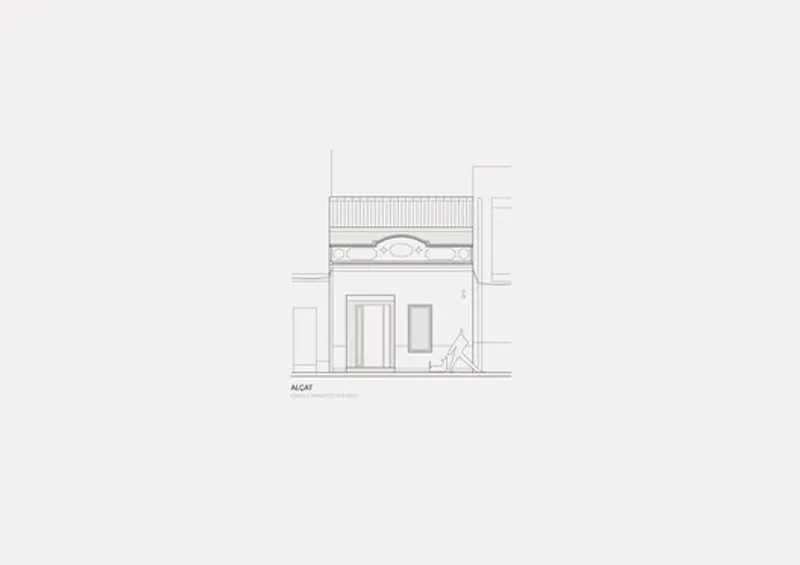
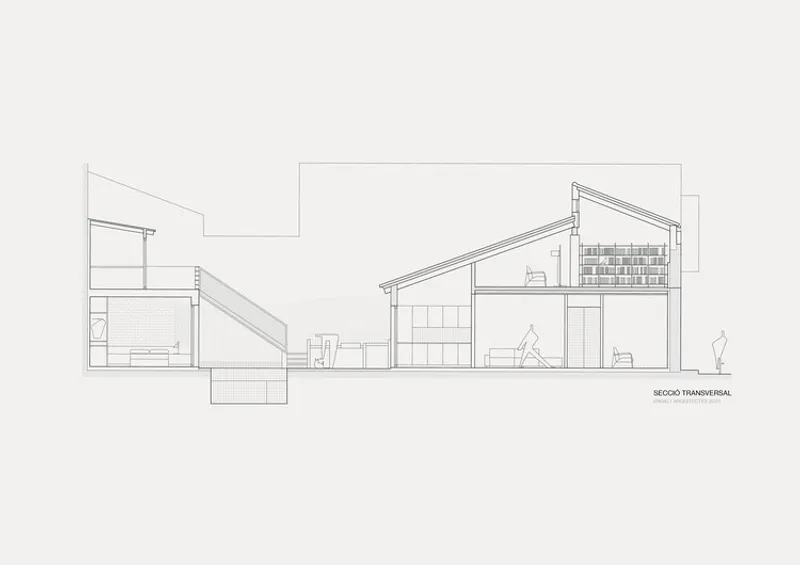
ENDALT Arquitectes positions the project as an act of revelation rather than reinvention. The house becomes legible again, its logic restored, its spaces clarified, its materials allowed to speak. This approach reflects a broader architectural ethic, one that views heritage not as an obstacle to progress but as a foundation for meaningful contemporary living.
A Third Path for Rural Heritage
Casa dels Estels ultimately stands as an argument for a third path in the treatment of rural architecture. Against abandonment on one hand and superficial folklorization on the other, the project proposes a way of inhabiting that is rooted, functional, and emotionally resonant.
It shows how vernacular buildings can adapt without losing dignity, how memory can coexist with modern comfort, and how sustainability can emerge from continuity rather than replacement. In doing so, Estels House becomes not just a restored dwelling, but a model for future interventions in rural and peri-urban contexts.
All the Photographs are works of David Zarzoso


Popular Articles
Popular articles from the community


longwave studio Reorganizes a 112 m² Tainan Apartment Around the Daily Routines of a Family and Two Cats
In Tainan, Taiwan, birch plywood, rust-red furniture and a freestanding plaster wall link arrival, storage, work and family life in one apartment.

U.GA Architects Wraps an Oval Rooftop Pool in Curved Board-Formed Concrete on Busan's Jeollidan-gil
In Busan's Jeonpo-dong, a 454 m² mixed-use block stacks a neighborhood facility, guest rooms and an oval rooftop pool inside spiraling concrete walls.

Juan García Correa, John González and Claudia Rueda Sink a Circular Amphitheater into a Manizales Engineering Building
On the La Nubia campus in Manizales, Colombia, the S1 Building folds labs and offices into a hillside of ramped lawns that double as a campus route.

GROUP A Strips a 1969 Rotterdam Harbor Headquarters to Its Frame and Wraps It in Timber Louvers
In Rotterdam's M4H harbor district, Ferro Offices reuses a 1969 frame, adds one timber storey and reaches BREEAM-NL Outstanding.

Similar Reads
You might also enjoy these articles


Hodi-Mandai Geram
Project Function: Preservation and revitalization of the Intangible heritage and socio-spatial identity of the Hodi by Housing, Cultural Memory Center, Sacred Grove, landscape, local tourism economy


Olio Towers: A Mid-Rise for Performers That Fuses Housing, Rehearsal, and Stage
Located blocks from Houston's Theater District, this modular tower stacks living units around a central performance atrium.

Oasis: Modular Green Housing Carved into Dhaka's Urban Fabric
A shortlisted Plugin Housing entry reclaims unauthorized settlements in Dhaka with stepped concrete volumes, green roofs, and ventilation-driven design.

Black Hole: A Floating Megastructure for the Post-Physical Era
Emiliano Mazzarotto envisions a spherical, self-scaling arena where e-sports, digital hotels, and holographic stadiums replace traditional public space.

Explore Architecture Competitions
Discover active competitions in this discipline

Challenge to reimagine the Iron Throne

Photograph architecture without architects

Illustrate the lost glory of Angkor Wat - Render Challenge

Design challenge to reuse E-waste
Comments (0)
Please login or sign up to add comments
No comments yet. Be the first to comment!