
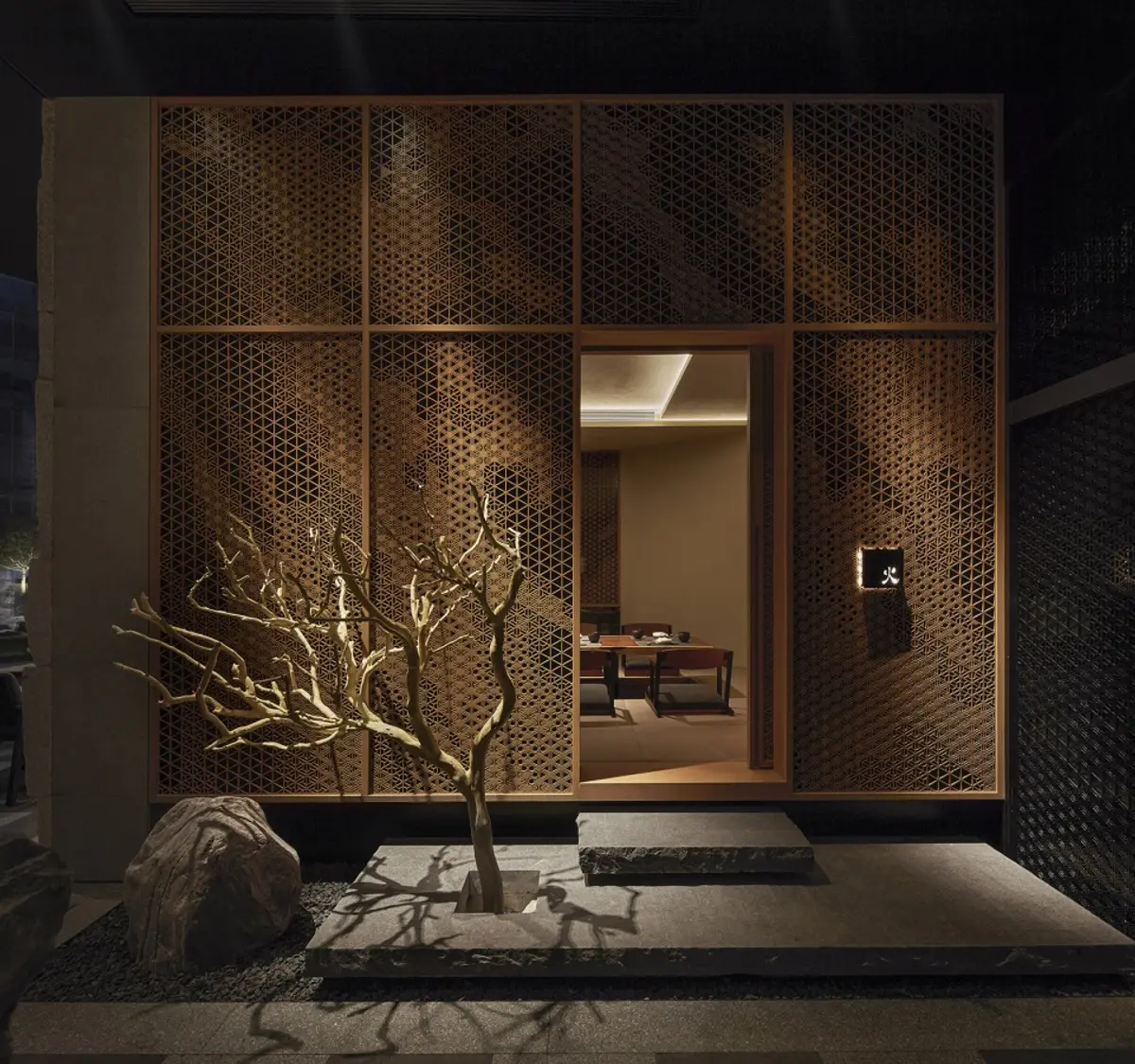
Experience Innovative Japanese Restaurant Design at Akari in Hilton Hotel, Guiyang
Explore the Perfect Blend of Traditional Japanese Design and Modern Architecture at Akari, a Unique Japanese Restaurant in Guiyang, China by Odd Design Office

Welcome to our feature on Akari, a Japanese restaurant that boasts a one-of-a-kind design located in the Hilton Hotel in Guiyang, China. Akari's restaurant design is a beautiful example of how traditional Japanese design principles can be seamlessly combined with contemporary architectural techniques. We are excited to take you on a journey through this unique and innovative restaurant, from its awe-inspiring exterior facade to its exquisite interior decor.

The Japanese culture of expressing gratitude for all life, which becomes our food, is embodied in the traditional phrase "Itadakimasu" that one says before having a meal. At Akari, this culture is deeply ingrained in the restaurant design, with the greatest luxury being the use of ingredients in season, which are gifts from the earth. To achieve the perfect taste, the restaurant focuses on finding and gathering seasonal ingredients and presenting them in their natural state, without excessive seasoning.

The restaurant design at Akari is heavily influenced by the lunar phase, which determines the timing of harvesting, fishing, and hunting in the oriental world, especially in Japan. The moon plays a significant role in the oriental lifestyle, and the restaurant pays homage to it with its unique design elements.
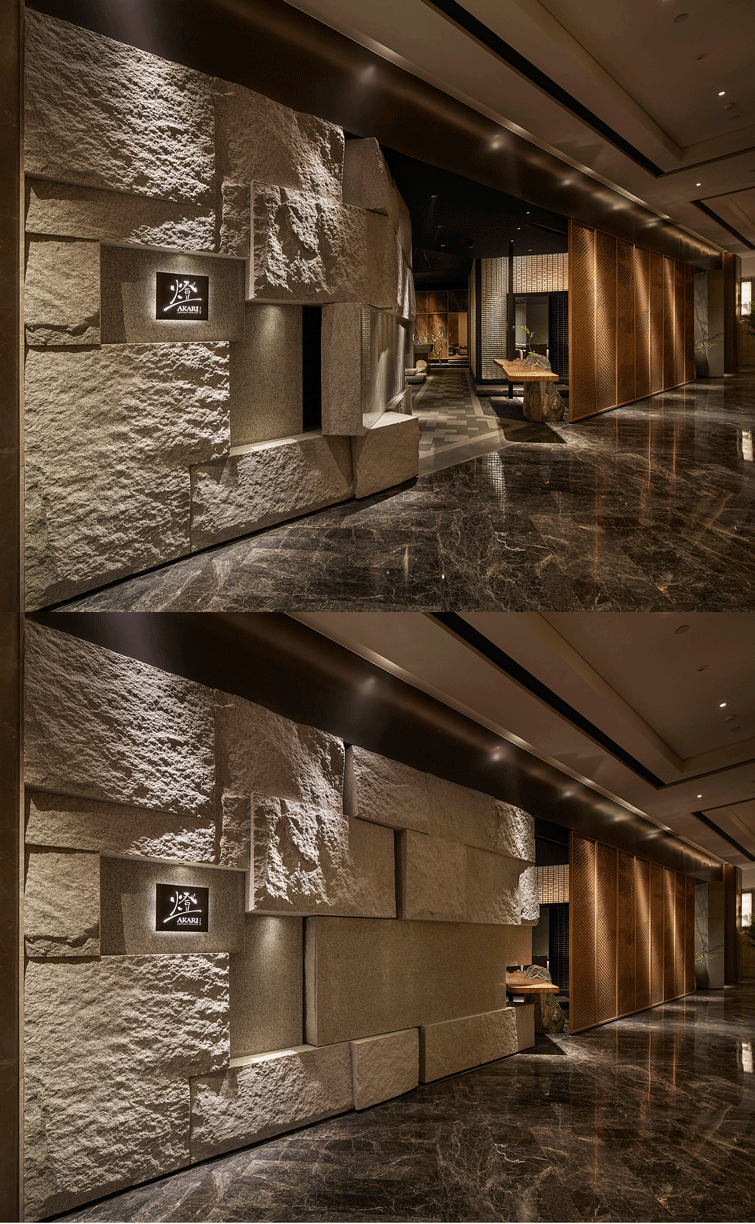

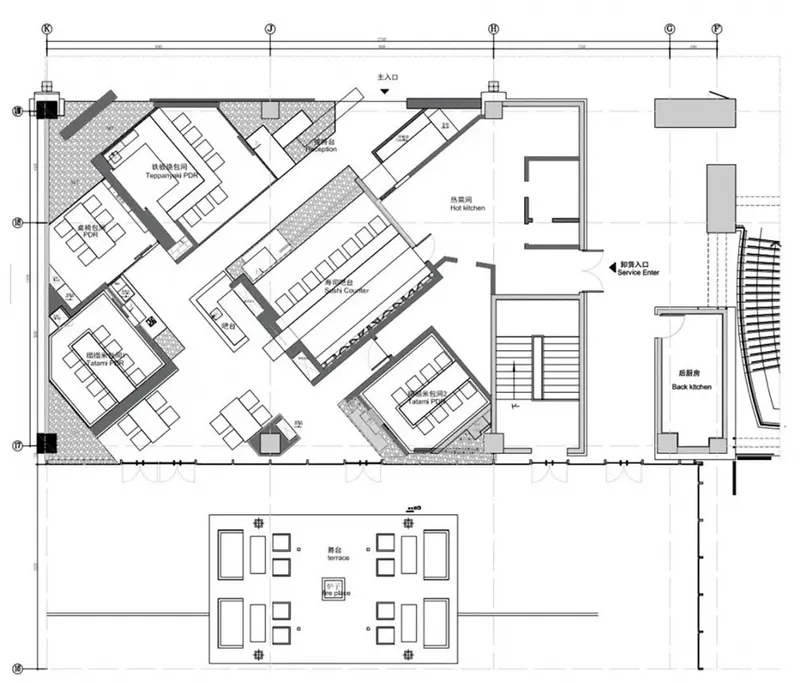
The PDRs (private dining rooms) are the main dining areas of the restaurant, and each is designed as an independent architecture with a unique facade. The rough rocks used in the exterior facade are applied without excessive processing, expressing reverence for the force and aesthetic shape created by nature. The interior decor is designed with diagonally-arranged planning in the rectangular space of PDRs, sushi counter, and Teppanyaki counter, creating small interior gardens that maintain PDR privacy.

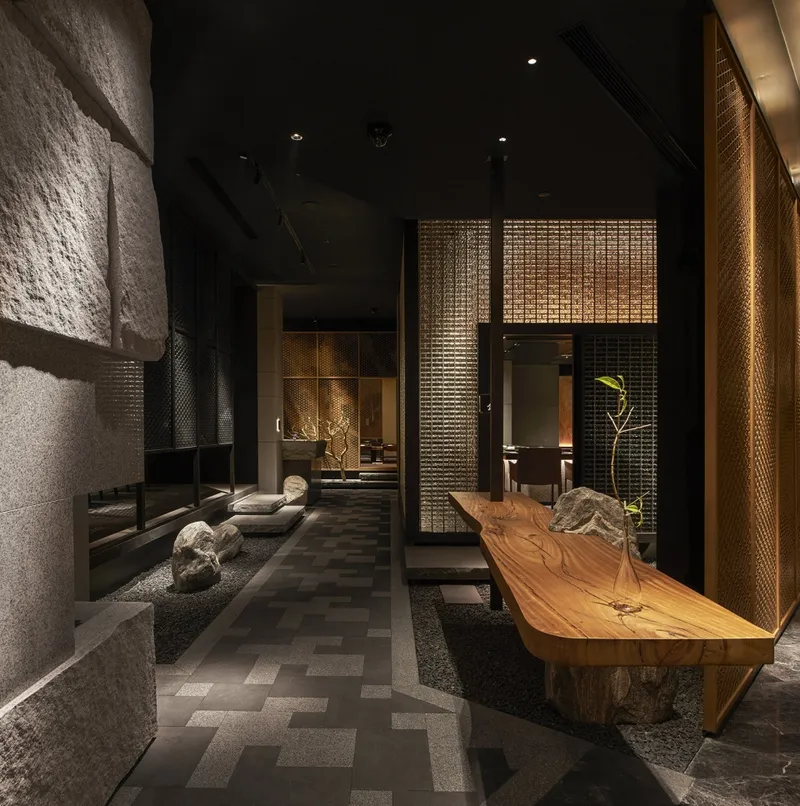
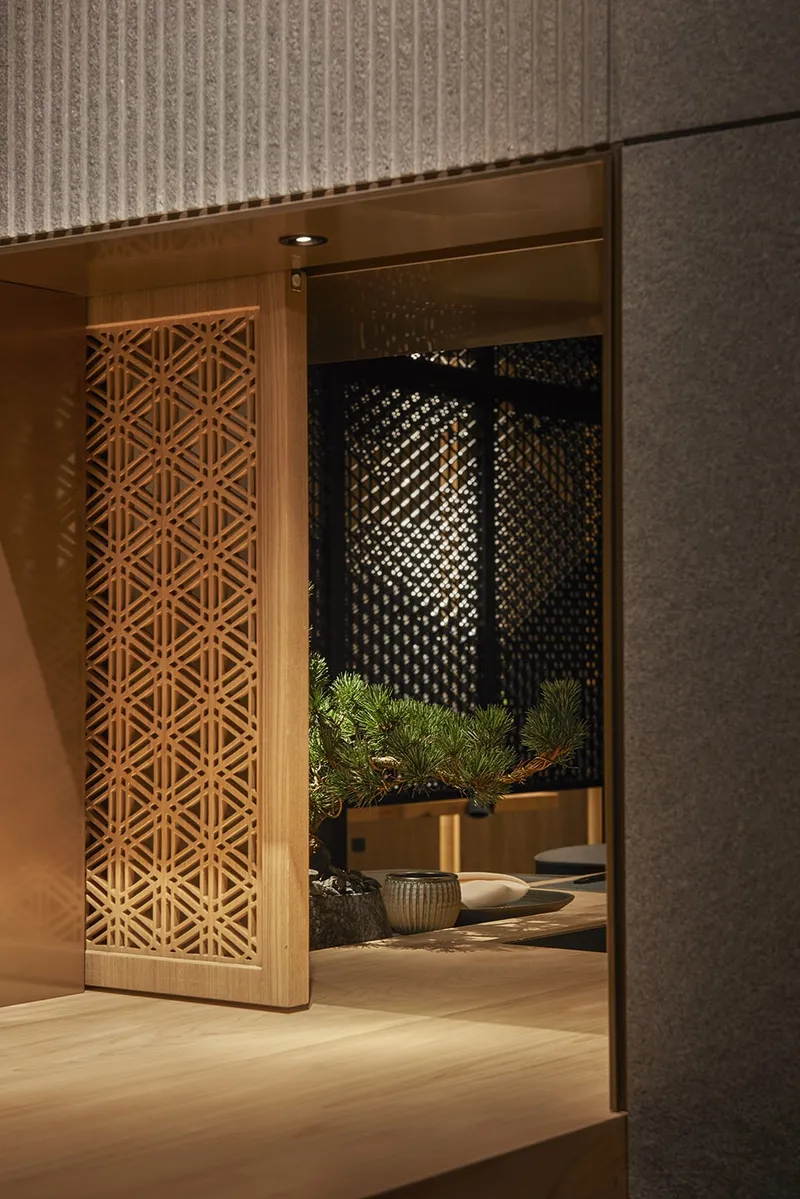
The use of water-rippled glass bricks as a separation between PDRs provides privacy while allowing for openness at the same time. Each PDR is themed according to the five elements of water, fire, earth, wood, and metal, with unique warm colors and materials used to represent each element. The Kumiko-like wood screen in front of the odd-shaped polar brick creates a sense of depth and privacy for customers, while the slits between the cloak, display, and walls reduce the feeling of pressure.
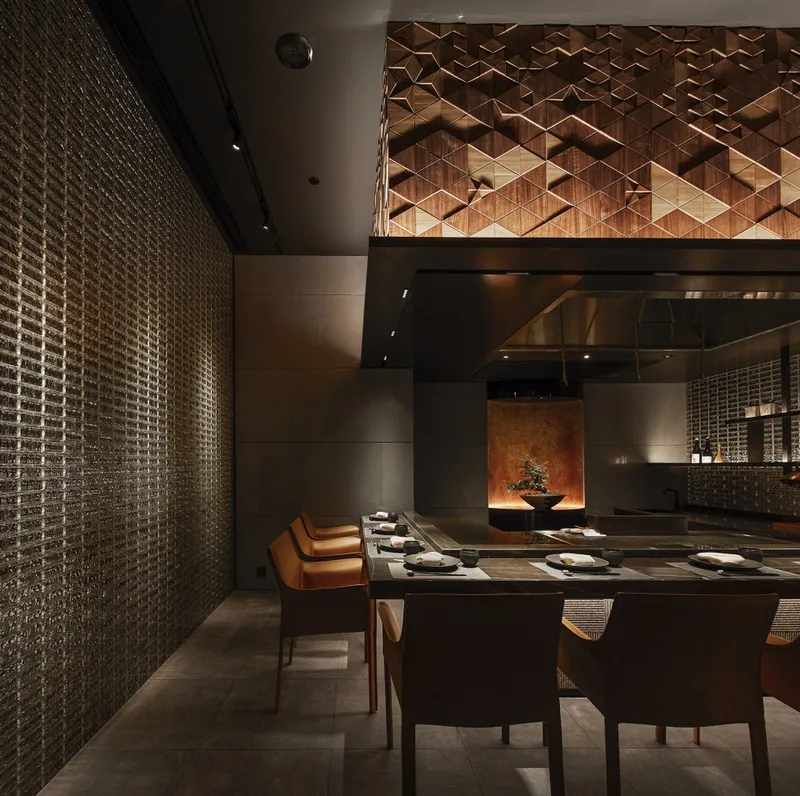

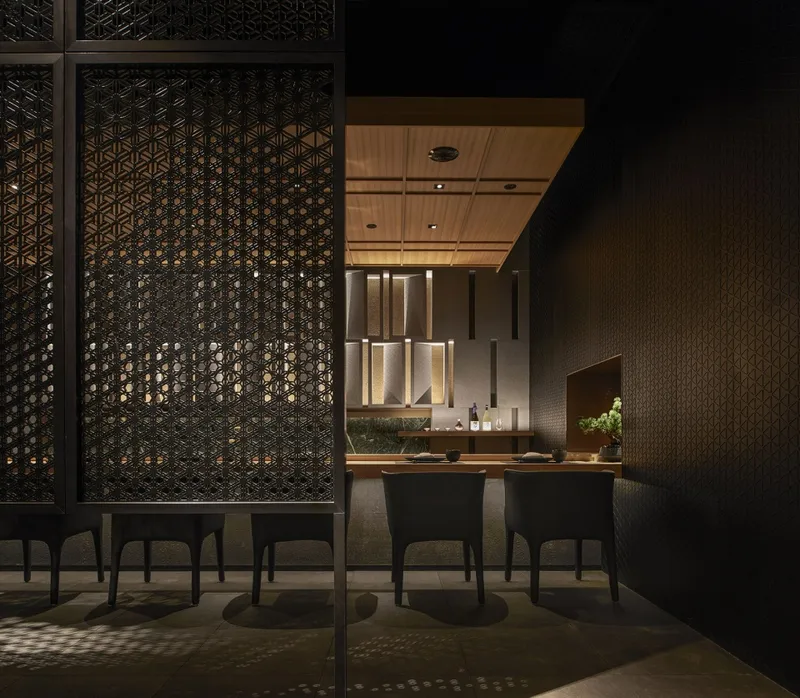
The restaurant design of Akari is a masterpiece that expresses reverence to the force and aesthetic shape created by nature while embodying traditional Japanese culture. The unique design elements, combined with the focus on seasonal ingredients and the five elements, make Akari a must-visit restaurant for anyone who appreciates great design and exceptional dining experiences.


Project name: Akari by HILTON
Project type: interior
Design: okamoto deguchi design(odd)
Contact e-mail: odd_pr@126.com
Completion Year: 2022
Leader designer & Team: Keizo Okamoto, Tsutomu Deguchi, Wang Langxu
Project location: Guiyang
Gross built area: 286 ㎡
Photo credit: Ruijing PhotoPartner: HDA / MAKIKO ISHIOKA
Materials: Rock, Granite stone, Glass brick, Veneer wood, Artistic paint


Popular Articles
Popular articles from the community


David Macias Steps a Doorless Stone and Plaster House Down a Tropical Colombian Hillside
In the humid hills of Colombia, Threshold House replaces the front door with an open void and terraces its 850 m² down the slope instead of fighting it.

Jaramillo Van Sluys Arquitectura and Urbanismo Turn a Demolished Registry Lot in Quito into an Orchard Plaza
In Quito's Centro Histórico, a 2,800 m² plaza exposes the San Agustín convent wall and redraws its lost Augustinian orchard in volcanic stone.

Juan García Correa, John González and Claudia Rueda Sink a Circular Amphitheater into a Manizales Engineering Building
On the La Nubia campus in Manizales, Colombia, the S1 Building folds labs and offices into a hillside of ramped lawns that double as a campus route.

David Ortega Stacks a Two-Story Mexico City Penthouse Around a Steel Stair and a Pergola-Shaded Roof Terrace
In Colonia Roma, a 300 m² penthouse uses oak joinery, a planted steel stair and a slatted roof pergola to make a new-build apartment feel like a house.

Similar Reads
You might also enjoy these articles

Yenisei Monitoring Center: A Sun-and-Moon Sphere Anchors a Research Campus on Siberia's Great River
In Krasnoyarsk, shifting square blocks, a glazed central sphere and descending window rhythms turn river science into a public spectacle on the Yenisei.
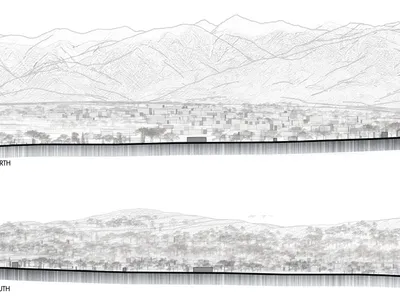
Andretta Artist's Village: A Node-Based Masterplan That Lets the Hills Write the Plan
A cultural landscape strategy for Palampur's artist colony threads studios, residences and stages along a porous spine shaped by the Dhauladhar terrain.
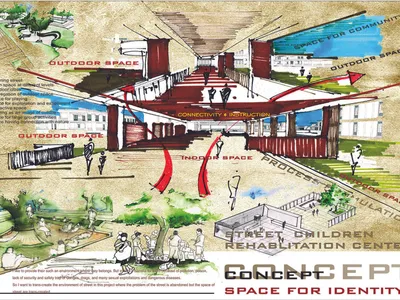
Street Children Rehabilitation Center: A Brick Campus That Eases Children From Street to Safety
A low-rise courtyard campus where learning streets, uthans and shaded verandahs stage a gradual passage from street into protective, family-scale life.

The NEON Culture: A Field of Pavilions Built for the 24-Hour City
Smaran Alva spreads galleries, stages, clubs and markets across a varied site, treating light, sound and ramped movement as the real building materials.

Explore Interior Design Competitions
Discover active competitions in this discipline


Challenge to design luxury tourism on rails

VR headsets Storefront design competition

Designing a staircase for a client
Comments (0)
Please login or sign up to add comments
No comments yet. Be the first to comment!