

Fairy Huts (Kasollet e Zanave): Adaptive Rural Hospitality Rooted in Landscape and Tradition
Adaptive rural hospitality in Kosovo transforms farm structures with natural materials, circular gathering spaces, and sustainable community-centered design.


Set within the quiet rural landscape of Prapashticë, Fairy Huts, locally known as Kasollet e Zanave, emerges as a sensitive architectural intervention that builds upon an existing farm complex. Designed by Maden Group, the project embraces environmental interconnection, positioning architecture as a mediator between people, animals, land, and tradition.

Rather than replacing the existing agricultural structures, the design strategy emphasizes continuity. The intervention respects the rural identity of the site while transforming it into a multifunctional hospitality environment that introduces contemporary comfort without erasing its past.
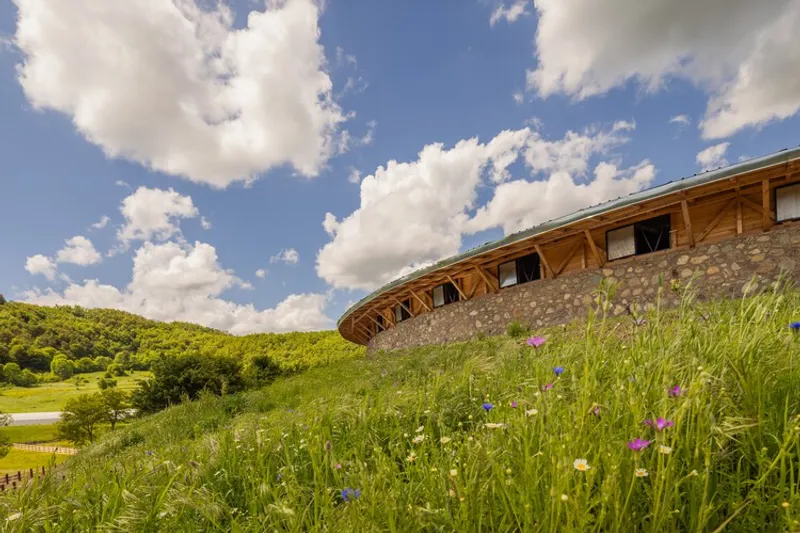

Adaptive Reuse of the Cowshed
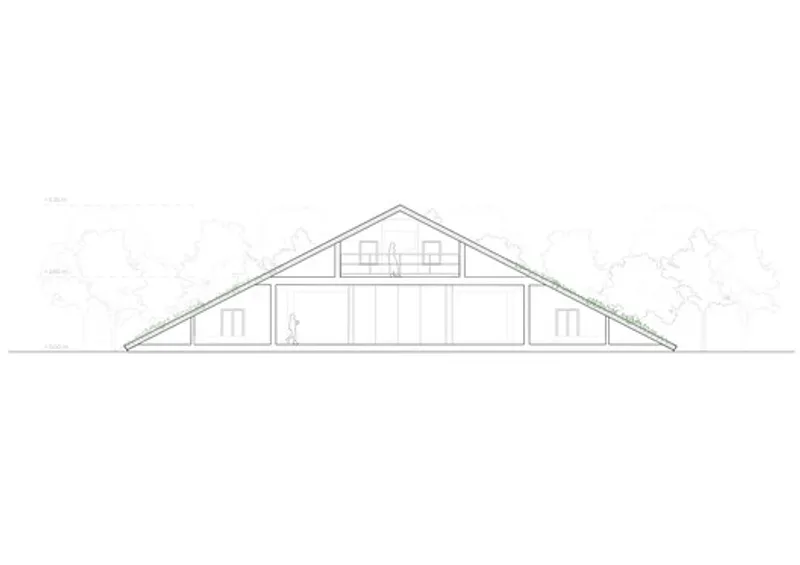
A defining challenge of the project was the rehabilitation of a former cowshed. Once purely agricultural, the structure has been reimagined as a welcoming, multifunctional building.
The ground floor now accommodates a market space, reinforcing the agricultural heritage of the site. Above, offices and staff sleeping areas are integrated within the renewed envelope. This layered programmatic strategy allows the building to serve operational, commercial, and residential needs simultaneously.
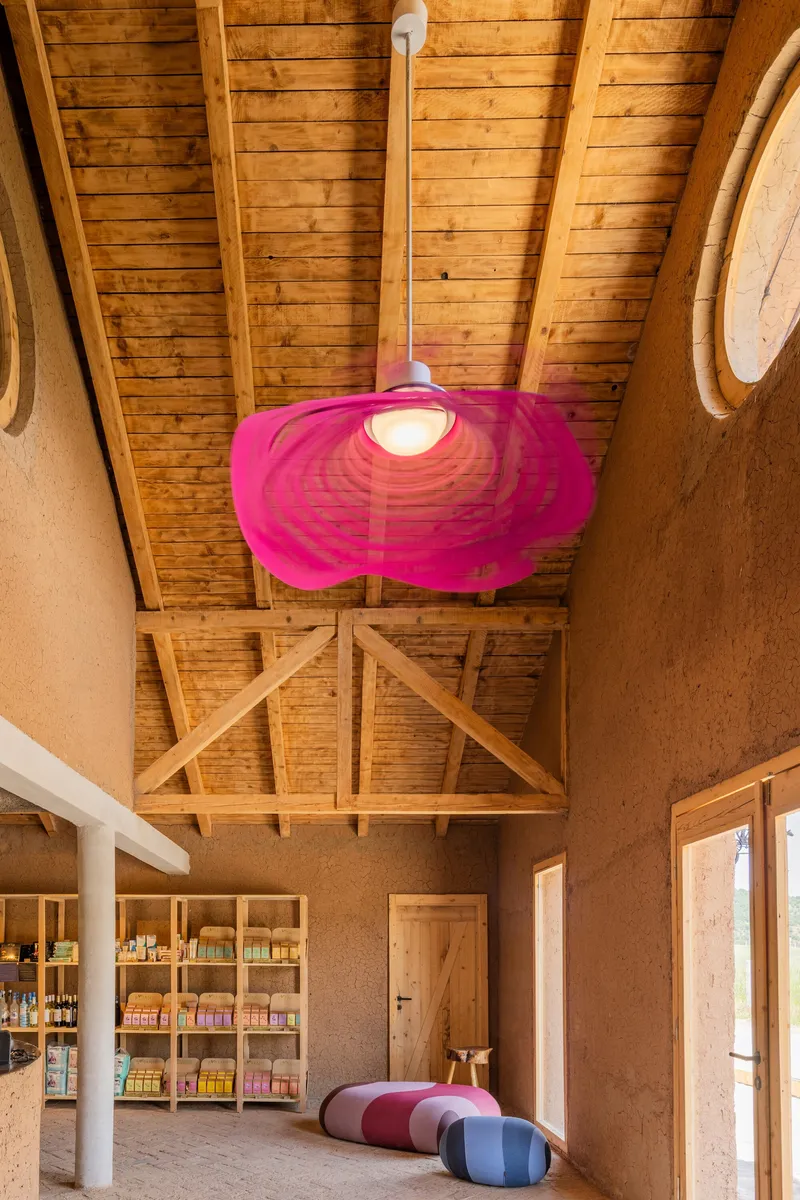

The transformation prioritizes sustainability through material choice. Wood, mud brick, and straw were selected for their thermal efficiency, low environmental impact, and visual harmony with the surrounding countryside. The result is an architecture that feels inherently connected to its landscape rather than imposed upon it.

Interior Identity: Tradition Meets Contemporary Craft
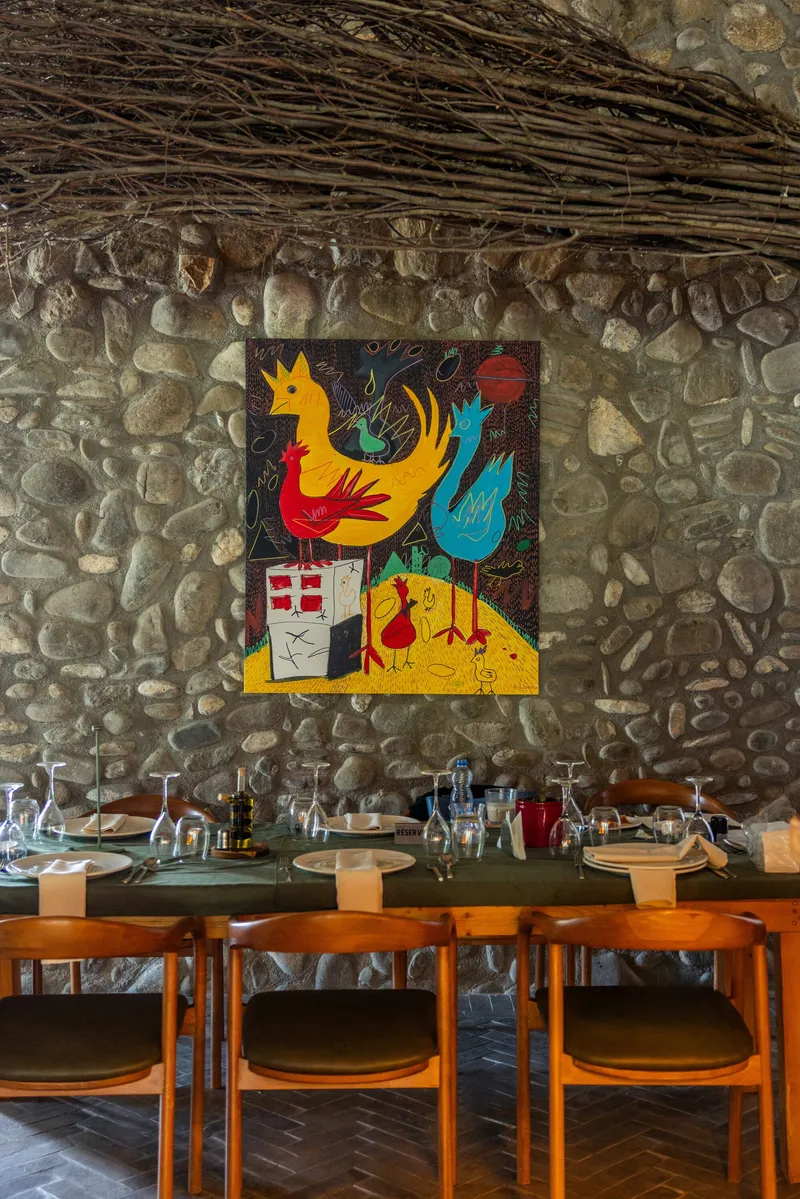
The interior design strengthens the narrative of cultural continuity. Traditional objects and natural materials, stone, straw, timber, are reinterpreted through a contemporary architectural language. The spaces feel both familiar and refined, balancing rustic authenticity with modern clarity.
Local artistic contributions enrich the project’s cultural presence, including artworks by Jakup Ferri and Adem Kastrati. Their inclusion reinforces a strong regional identity, embedding local creativity within the architectural framework.
This synthesis of heritage and modernity results in interiors that are warm, tactile, and deeply rooted in place.
The Circular Animal Garden
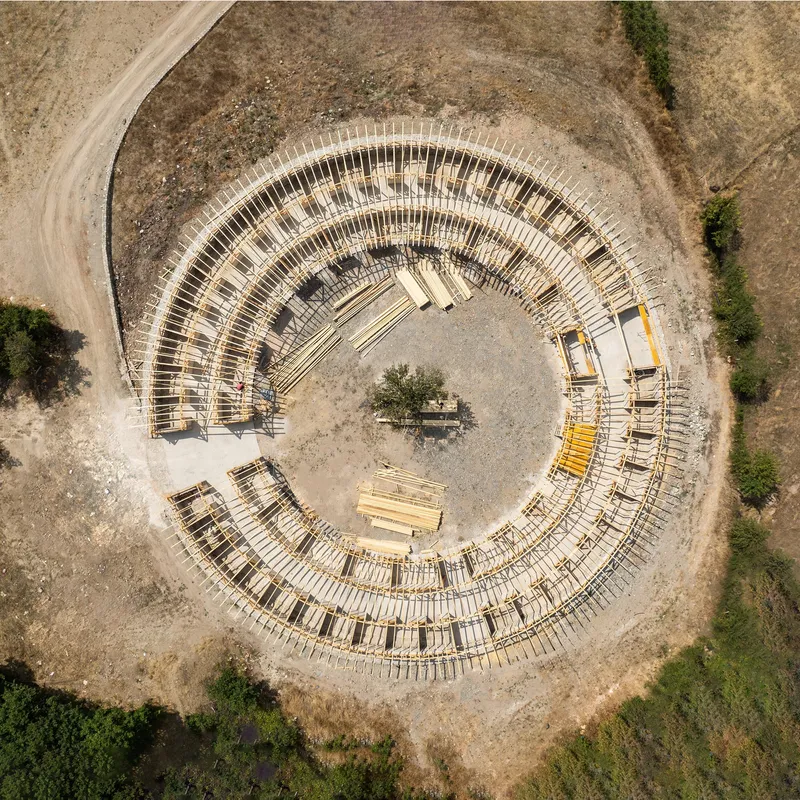
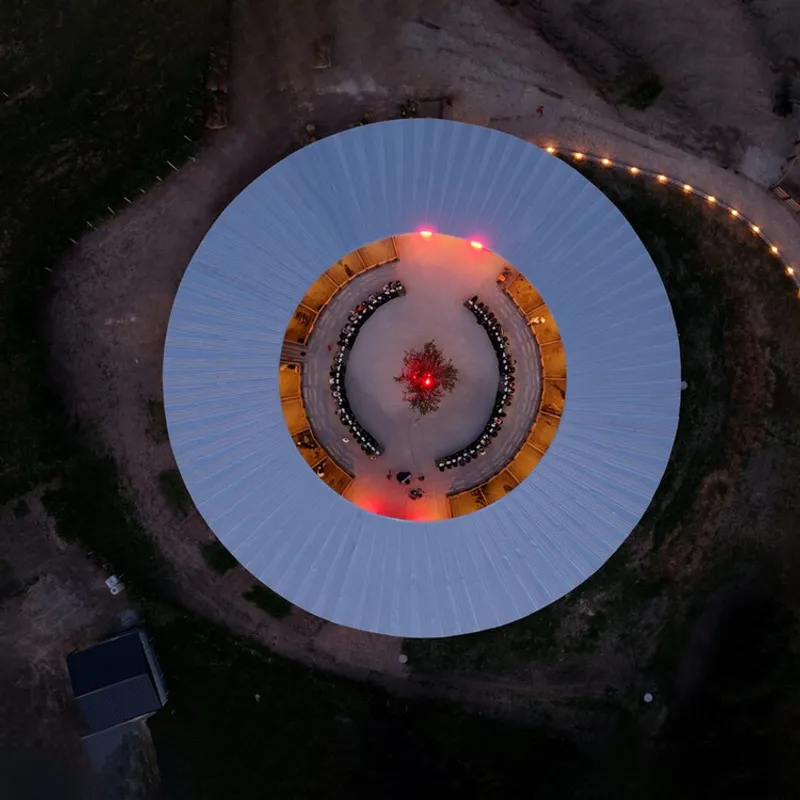
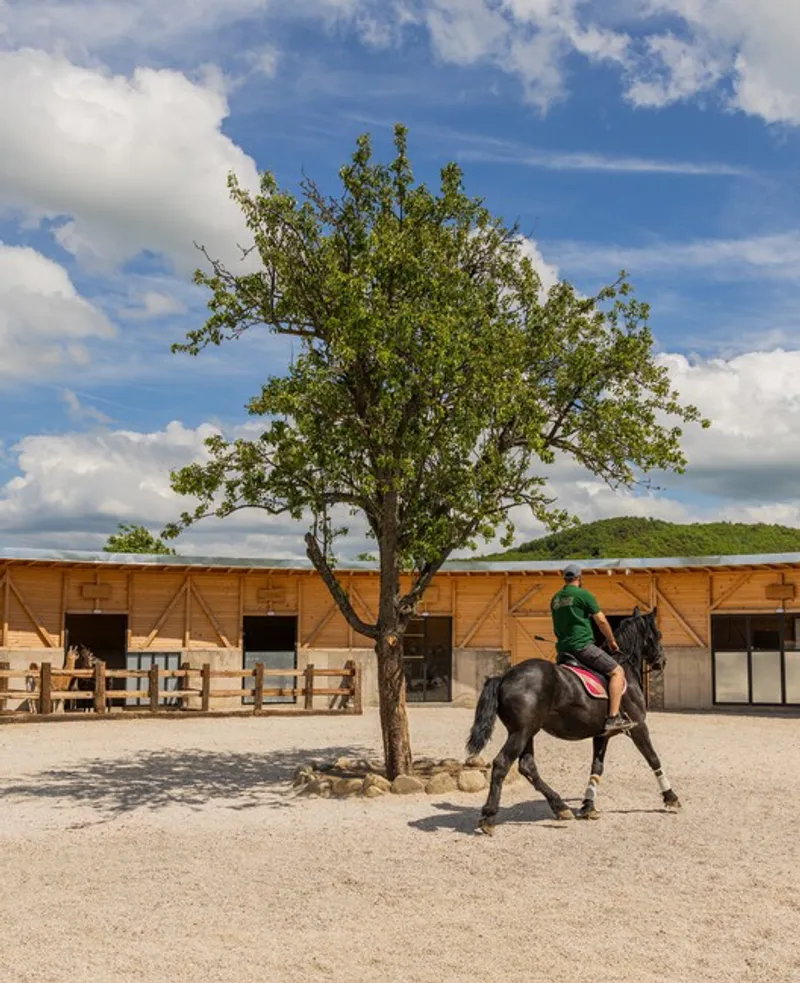
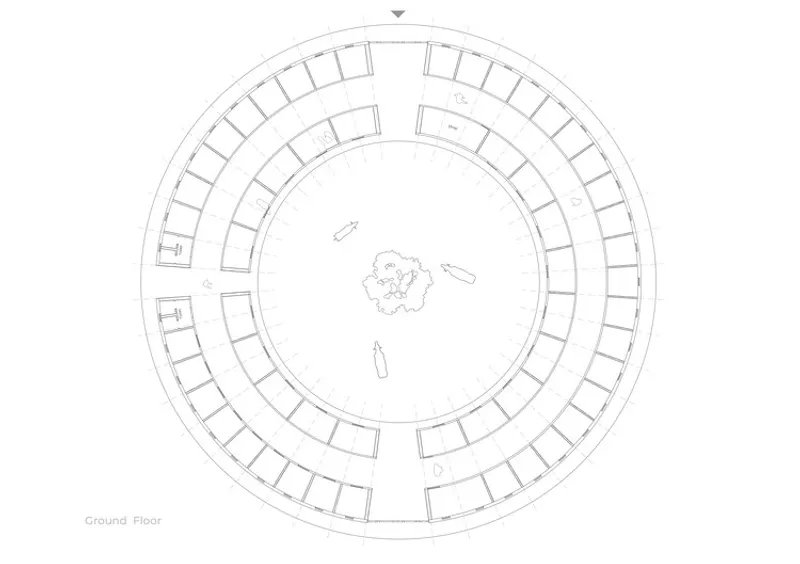
Another key component is the circular animal garden, an architectural gesture that encourages gathering and interaction. Initially envisioned as a central arena, the layout was subtly adapted to preserve an existing tree, which now occupies the heart of the composition.

This decision underscores the project’s environmental ethos: nature is not displaced but centered. The circular form fosters social cohesion while maintaining openness and protection across seasons. Stone and timber elements strengthen the sensory connection to the landscape, reinforcing continuity between built and natural environments.

A Model of Sustainable Rural Revitalization
Fairy Huts exemplifies how thoughtful architectural intervention can revitalize rural infrastructure while preserving environmental and cultural values. By integrating adaptive reuse, natural materials, and community-oriented spaces, the project demonstrates that sustainability is not only technical, it is cultural and spatial.

Through careful restraint and respect for context, Maden Group transforms an existing farm into a living hospitality destination that honors tradition while embracing contemporary life.

All the Photographs are works of Leonit Ibrahimi, Moviola Studio.


Popular Articles
Popular articles from the community

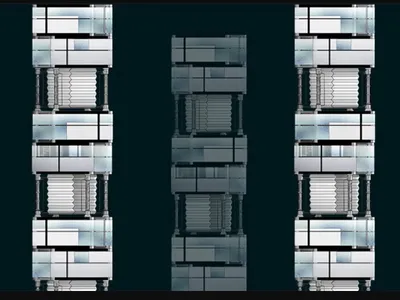
Tsunami Convergenics: Turning Catastrophic Ocean Forces into Underwater Housing Infrastructure
A speculative underwater settlement off the coast of Onagawa, Japan, treats tsunamis and typhoons as energy sources rather than threats.

Extended Shell: Retrofitting Kolkata's Balconies as Living Urban Thresholds
A modular retrofit system recovers the social and environmental intelligence of Kolkata's historic verandas for contemporary Park Street residents.

Singing Woman: An Opera House That Performs Before the Curtain Rises
Ovidiu Cristian Pavel's conceptual opera house translates Estonia's choral identity into a sculpted waterfront landmark facing the Baltic Sea.

The Amber Palace Opera: A Geological Fiction Surfaces on Tallinn's Baltic Waterfront
Pierre Brillard reimagines a Baltic legend as a public landscape, opera house, and waterfront promenade rooted in Tallinn's coastal identity.

Similar Reads
You might also enjoy these articles

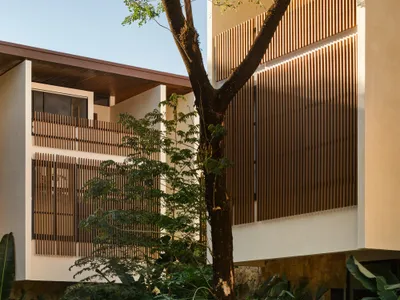
FAMM Arquitectura Organizes Ten Villas Around Courtyards and Jungle in Nosara, Costa Rica
El Molino pairs two elongated volumes with deep overhangs and timber louvers to build a compact coastal community five minutes from the beach.
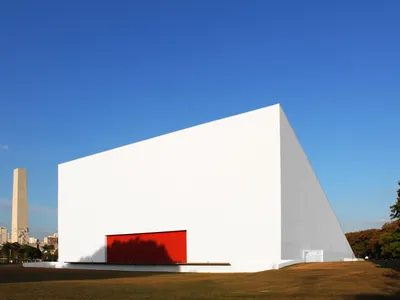
Oscar Niemeyer's Ibirapuera Park Pavilions Define São Paulo's Cultural Identity in Concrete and Curve
A constellation of modernist volumes set within São Paulo's most important urban park, conceived for the city's 400th anniversary in 1954.
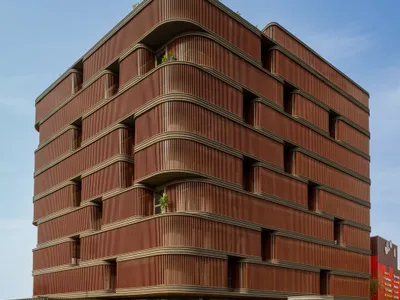
Sanjay Puri Architects Wraps a Jaipur Office Tower in Capsule-Shaped Green Buffers
A nine-level climate-responsive workplace near Jaipur Airport uses stacked planter terraces and aluminium screens to fight 40°C heat.
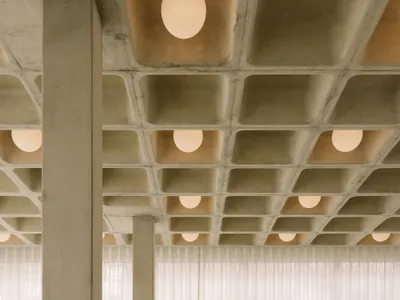
RHO Converts a Berlin Spree-Side Industrial Courtyard into Enkime's 1,000 m² Agency Headquarters
A social media agency's new home in Charlottenburg trades glossy branding for concrete waffle ceilings, glazed tile, and sheer curtains.

Explore Folk Architecture Competitions
Discover active competitions in this discipline

Challenge to reimagine the Iron Throne

Photograph architecture without architects

Illustrate the lost glory of Angkor Wat - Render Challenge

Design challenge to reuse E-waste
Comments (0)
Please login or sign up to add comments
No comments yet. Be the first to comment!