
FAITH PALACE
A PARK FOR FAITH AGNOSTICS IN BEIJING

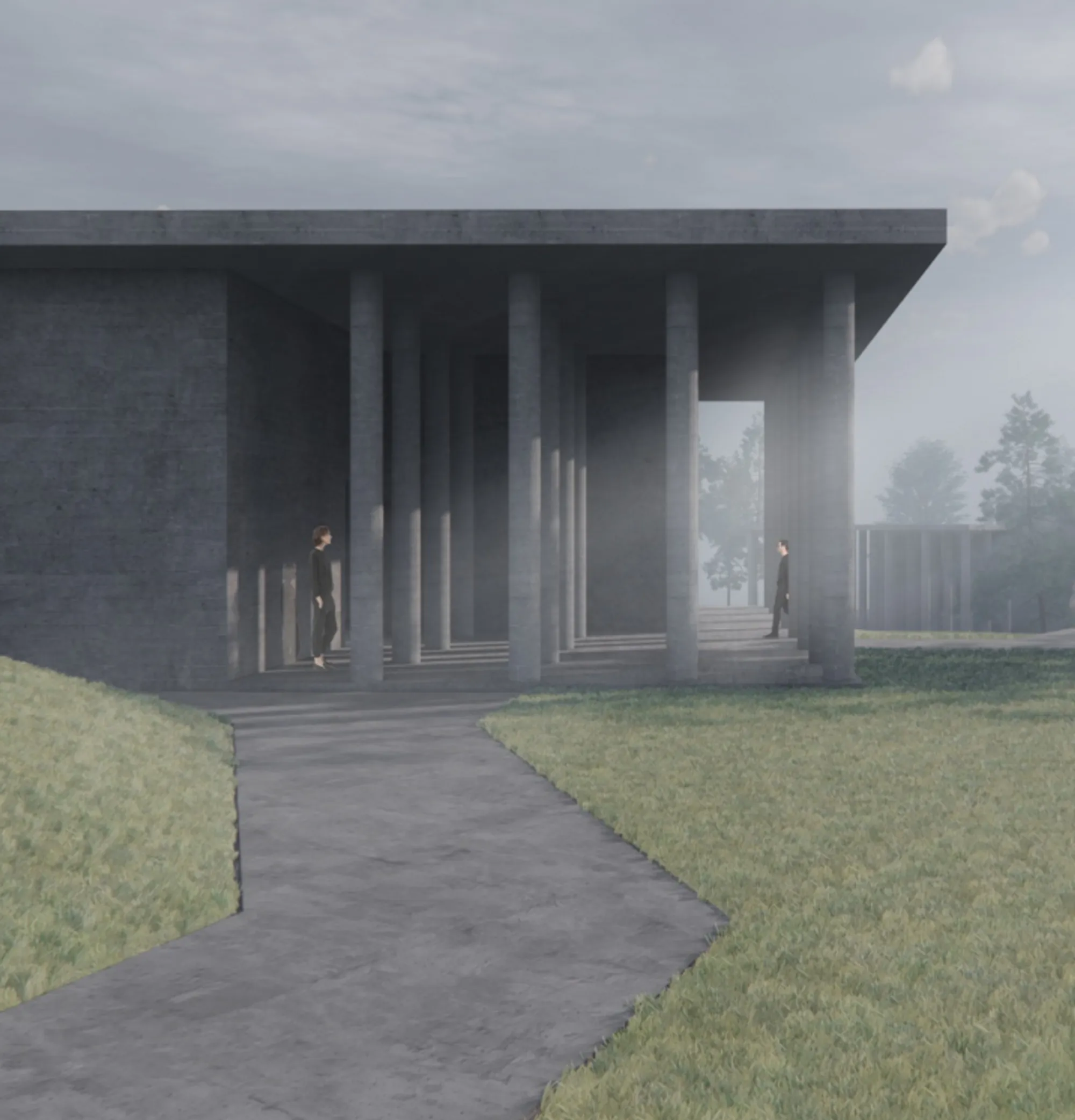
The building, located in a park in Beijing's Dongcheng District, near the Beijing Railway Station and Ming Dynasty Wall Remains. Solemn and silent, it seems a gift which is dedicated to deity, but no specific meaning, and it is also like a normal park for people to rest and walk. Churches, mosques and monasteries, places of human faith, were originally intended to be places where people would gather.
In Beijing, an international city with a population of 20 million, 4% of religious believers live here, mainly Buddhism, Taoism, Islam and Christianity. These religions also have exerted a great influence on the history, culture and art of Beijing. In FAITH PALACE, it is easy to perceive the atmosphere like religious buildings, but it is not very strong, more like an intersection of faith and faithless.
It is a special atmosphere created by people, light and architecture, which modulates the space to be one that is inside and yet outside, contained and yet spilled, lofty and yet intimate. Through columns, window openings, broken walls, and the use of wood-grain concrete, a rough, primitive, and historical architectural space was created. Following the fall and rise of the site contours, FAITH PALACE is a refuge for Faith Agnostics in a changing city.



Popular Articles
Popular articles from the community

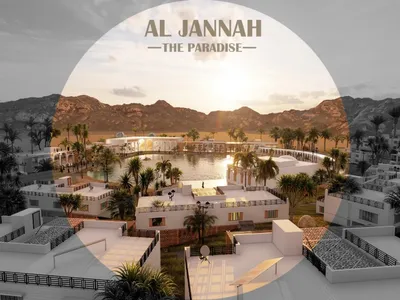
AL-JANNAH: Sustainable Architecture and Permaculture for Afghan Widows
AL-JANNAH uses sustainable architecture and permaculture to create resilient oasis of housing, learning, work and renewal for Afghan widows.

The Ocean Hive: Sustainable Architecture for a Self-Sufficient Civilization at Sea
The Ocean Hive imagines sustainable architecture at sea, where modular habitats, algae, wave power and ocean waste sustain a growing colony.

Co-Life: Senior Housing Design That Reconnects Older Adults With the City
Co-Life reimagines senior housing design through healing gardens, shared streets, workshops, and a sustainable community across generations.

Conexión: Biophilic Design Reimagines High-Rise Living in Hong Kong
Conexión reimagines high-rise living in Hong Kong through biophilic design, green facades, shared spaces, daylight, water and nature within.


Similar Reads
You might also enjoy these articles

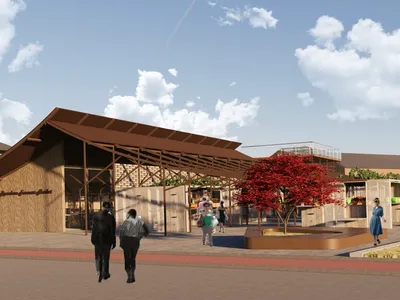
The Rhythm of Seasons
A Farmers' Market Connecting Nature and the City

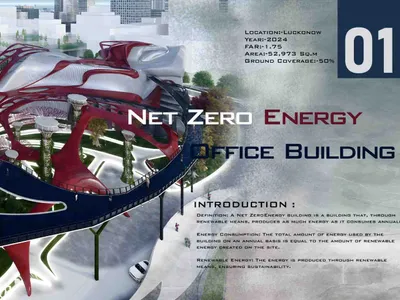
More Than a Building-Designing a Living System
More Than a Building-Designing a Living System
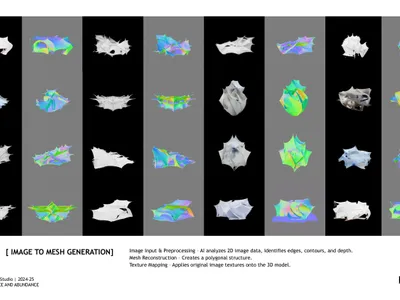
Base Beyond
DESERT COMPOUND ARID: TOURISM OF ABSENCE AND ABUNDANCE






Comments (0)
Please login or sign up to add comments
No comments yet. Be the first to comment!