
Falling Hours by BIAD: A Time-Capturing Installation in Qinhuangdao, China
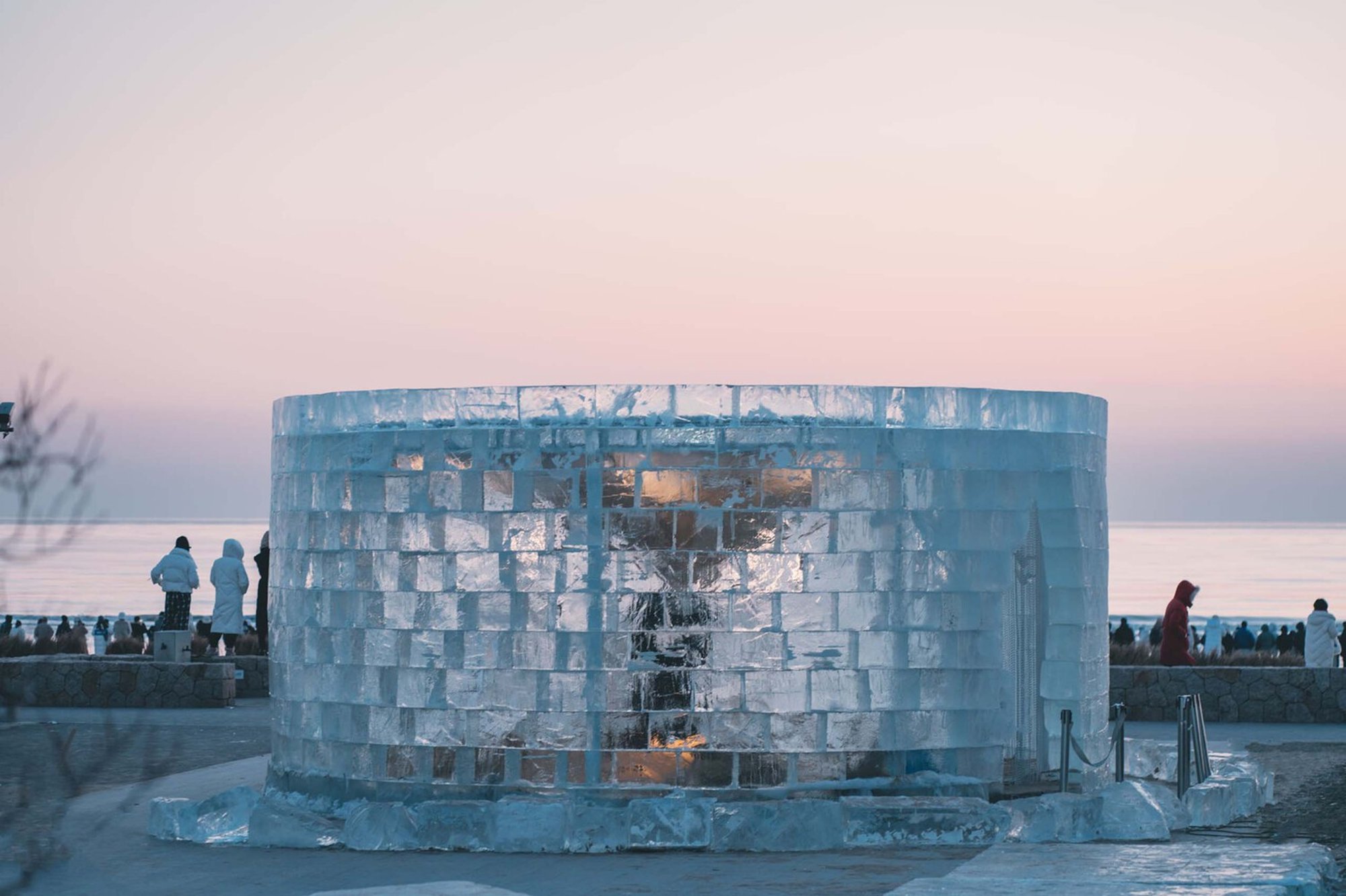
Falling Hours by BIAD in Qinhuangdao is an interactive hourglass installation blending sand, membrane structures, and rituals to capture time and memories.

Designed by BIAD and led by Xiyan Yang, this 30 m² project in Qinhuangdao, China, completed in 2022, delivers a compact yet expressive architectural experience. Captured by Aranya | Tree Studio and Arch-exist, the space highlights thoughtful detailing, efficient planning, and a refined spatial atmosphere within a minimal footprint.
Concept: Capturing Time Through Nature and Experience
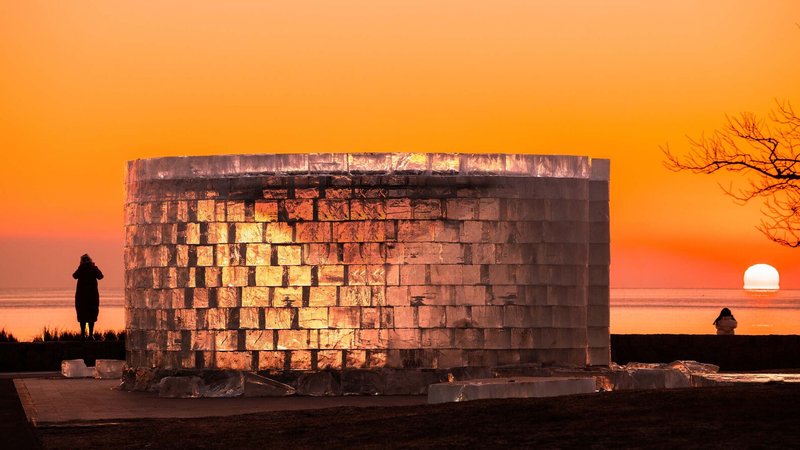
Falling Hours, designed by BIAD, is a poetic exploration of time, memory, and human connection. Inspired by a contemplative walk along the beach at night in Aranya, the project captures the ephemeral beauty of moonlit waves and sand underfoot. The designers envisioned an immersive experience where the passage of time, shared with loved ones, becomes tangible and celebrated. Through the interaction of natural elements and architectural form, Falling Hours transforms fleeting moments into lasting memories.
The installation’s framework is an elegant fusion of membrane, cable, and steel structures, which interact seamlessly with the surrounding sand. This interplay of materials embodies the delicate balance between nature and architecture, offering visitors a reflective space to mark time and cherish connections.
Materials and Structural Innovation
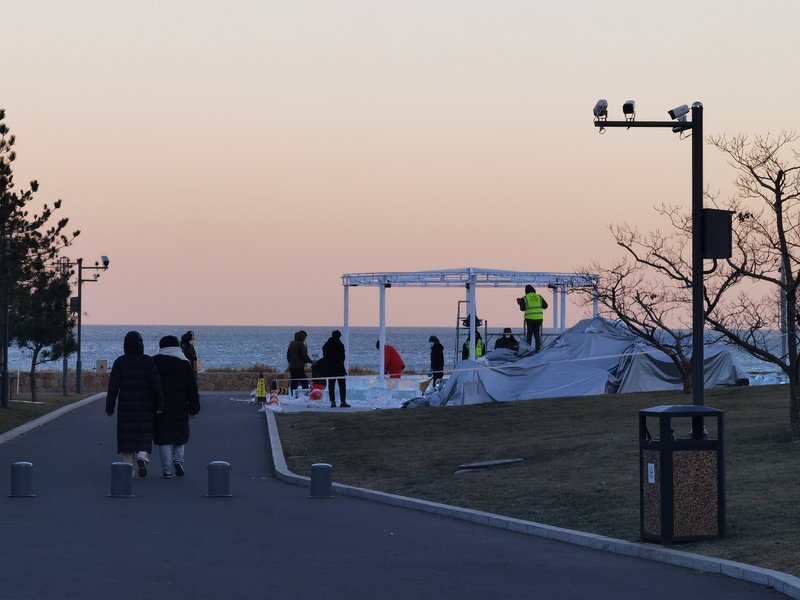
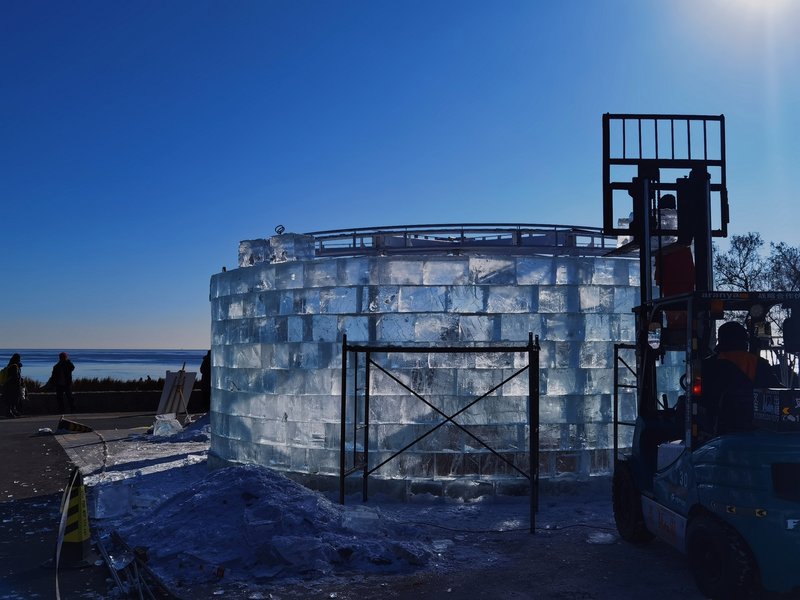
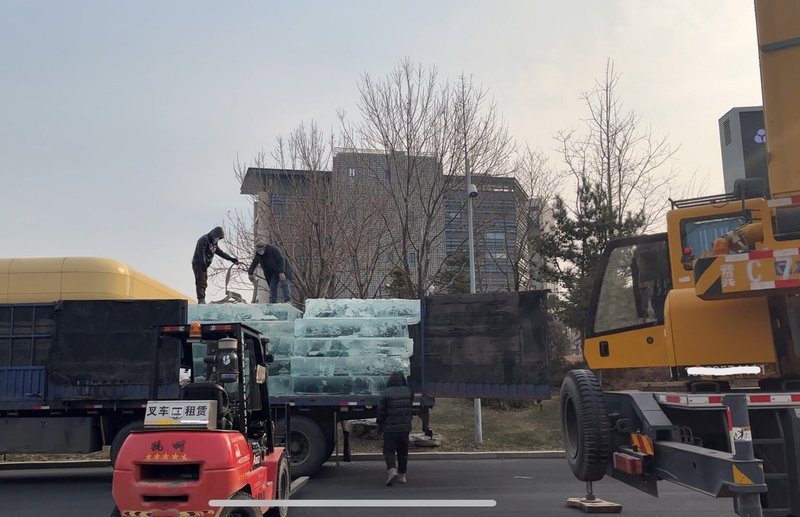
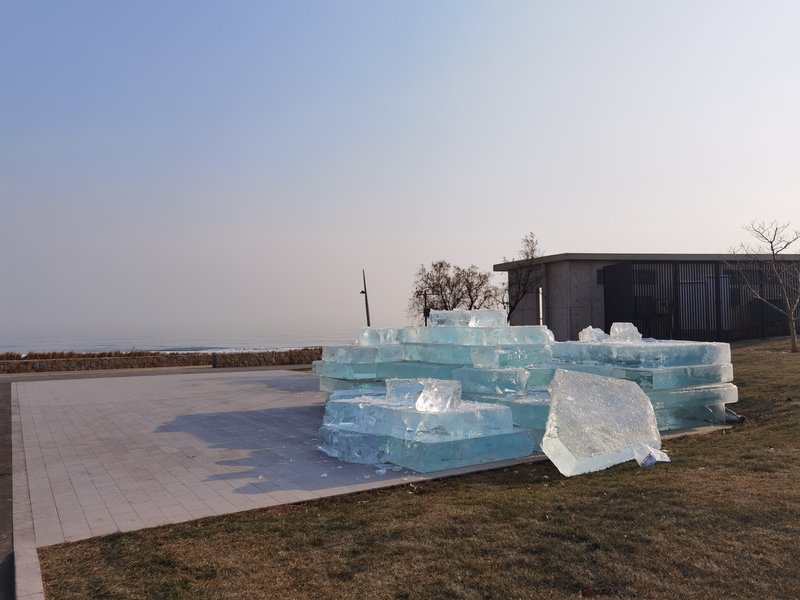
Led by the BIAD team, who also contributed to the design of the Qatar World Cup Stadium, Falling Hours combines architectural precision with innovative material use. The project collaborated with an ice sculpture team from Harbin Ice World, creating a structure that feels both delicate and monumental.
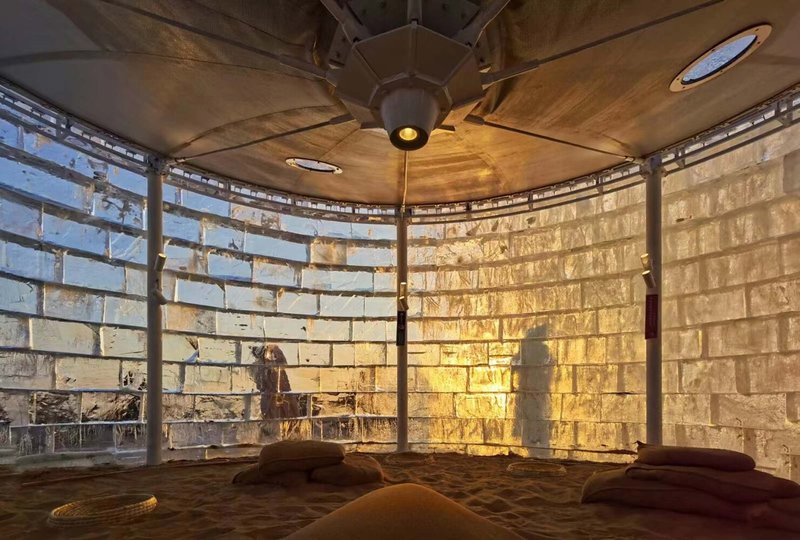
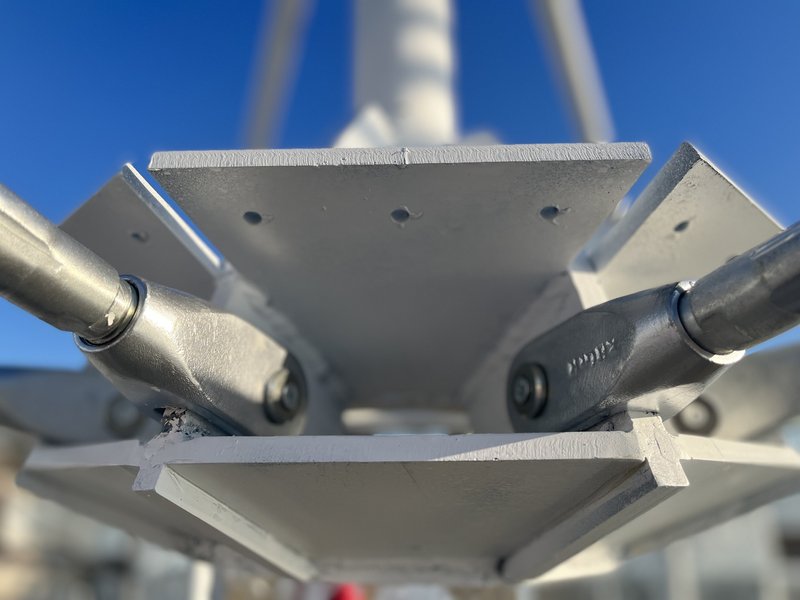
The design features a spoke-wheel self-anchored cable system, reminiscent of a conical hourglass suspended within a circular wall. All cable forces are anchored to the surrounding ring beam, functioning like a self-balancing bicycle wheel. At the heart of this hourglass-inspired design is a miniature replica of Lucerne Stadium’s cable membrane structure, supported by a central pressurized spar.
The membrane surfaces combine PTFE mesh laminate for the base, offering strength and light transmission, with ETFE membrane at the top, providing luminous clarity. Together, these materials transport sand down the hourglass, echoing the natural passage of time. The use of membrane architecture here also reflects sustainable design principles, harmonizing with the surrounding environment.
Interactive Experience: Time Funnel and New Year’s Eve Ceremony
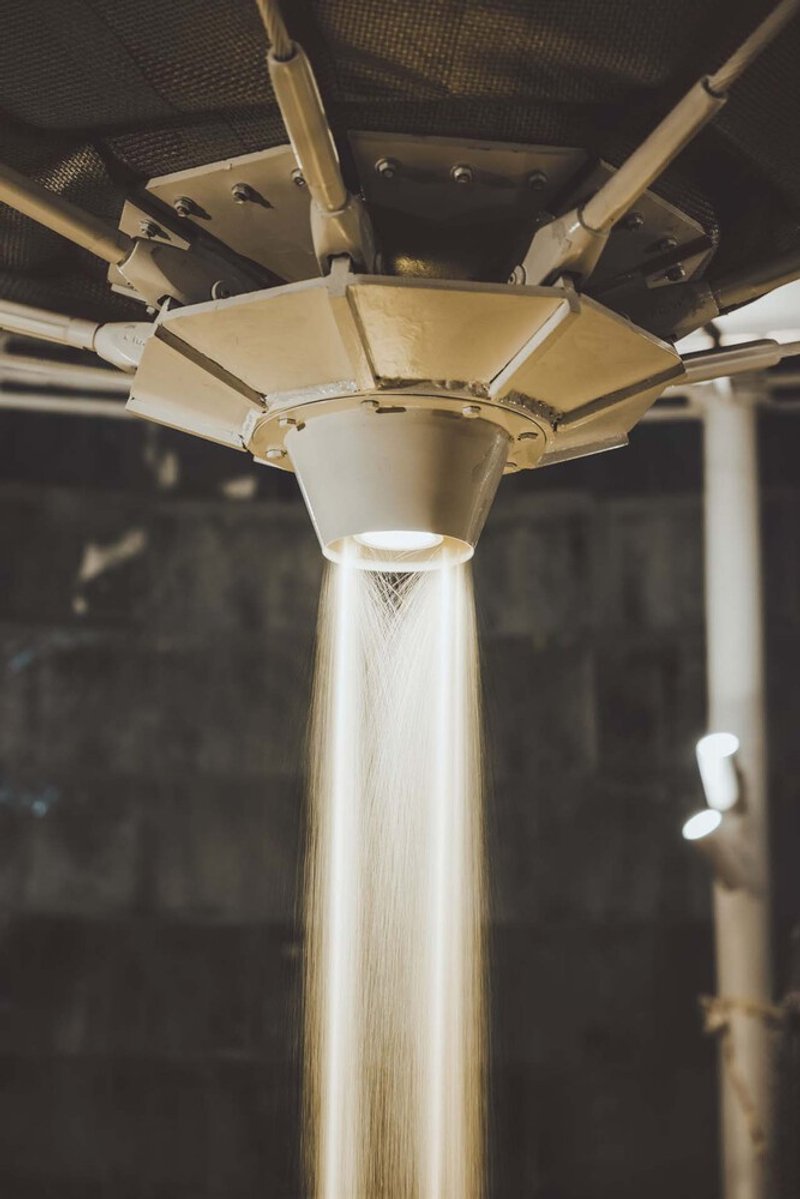
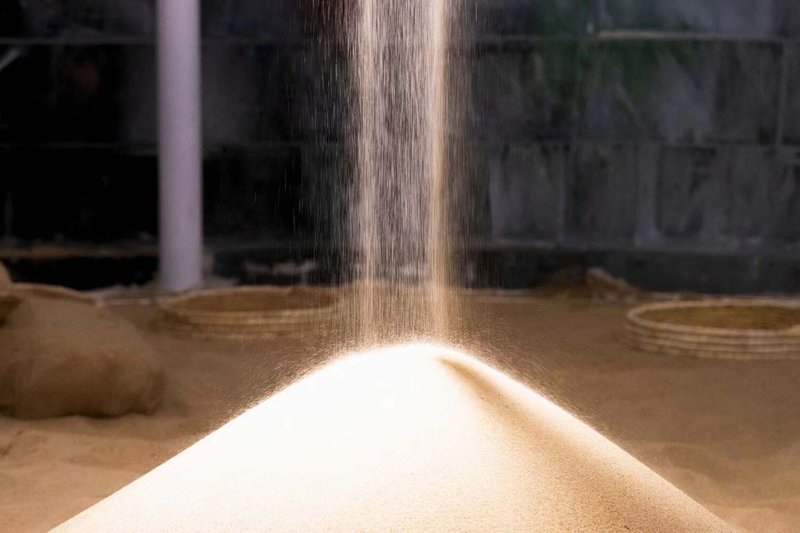
Visitors actively participate in the installation by collecting beach sand using a specially designed “Time Funnel”, which they pour into the hourglass. This participatory design emphasizes the human connection to time and nature.
On New Year’s Eve, a collective ritual unfolds: participants draw their ribbons, release the sand through the hourglass, and inscribe their future wishes on the membrane surface. This symbolic act unites the community, transforming the installation into a vessel for shared hopes and aspirations.
Ephemeral Architecture: From Nature and Back
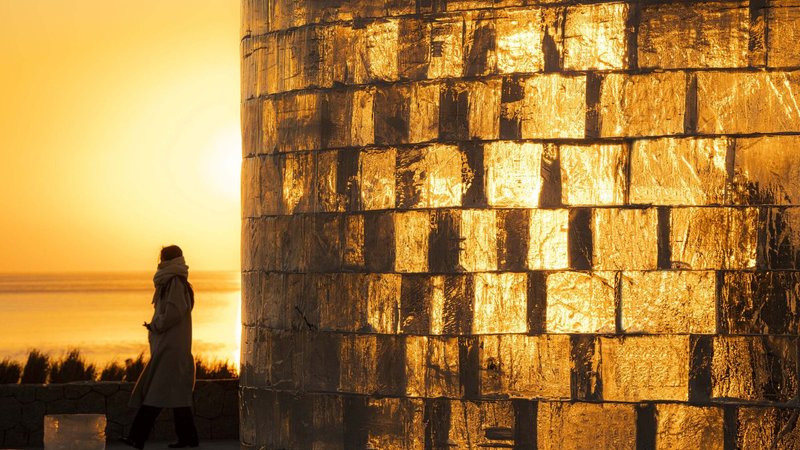
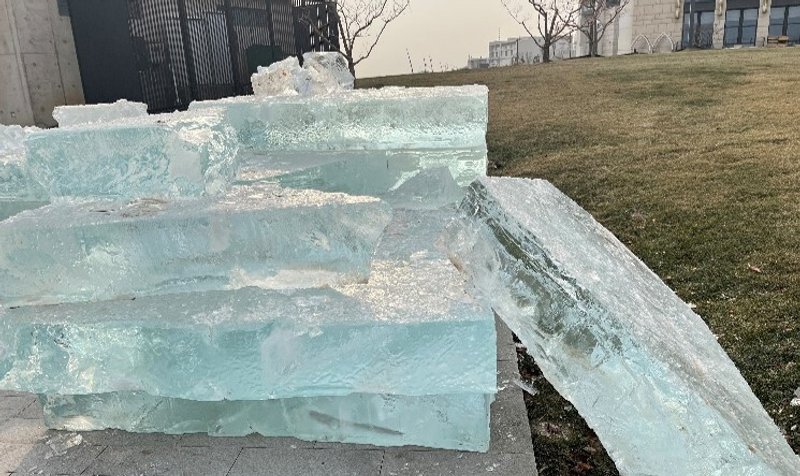
Falling Hours is designed with ecological sensitivity in mind. Its materials are sourced from nature and, over time, naturally return to it. Sand returns to the beach, ice melts into the ocean, and only the membrane documentation remains, preserving the memories and wishes of Aranya 2023. This cyclical approach highlights the intersection of sustainable architecture, ephemeral art, and human experience.
The project demonstrates the profound ways architecture can interact with people, space, and time. Onlookers witnessing the flowing sand not only observe a structure but also feel the collective warmth of shared human intentions, creating an unforgettable New Year’s Eve memory.
Concept: Capturing Time Through Nature and Experience
Falling Hours, designed by BIAD, is a poetic exploration of time, memory, and human connection. Inspired by a contemplative walk along the beach at night in Aranya, the project captures the ephemeral beauty of moonlit waves and sand underfoot. The designers envisioned an immersive experience where the passage of time, shared with loved ones, becomes tangible and celebrated. Through the interaction of natural elements and architectural form, Falling Hours transforms fleeting moments into lasting memories.
The installation’s framework is an elegant fusion of membrane, cable, and steel structures, which interact seamlessly with the surrounding sand. This interplay of materials embodies the delicate balance between nature and architecture, offering visitors a reflective space to mark time and cherish connections.

Materials and Structural Innovation
Led by the BIAD team, who also contributed to the design of the Qatar World Cup Stadium, Falling Hours combines architectural precision with innovative material use. The project collaborated with an ice sculpture team from Harbin Ice World, creating a structure that feels both delicate and monumental.
The design features a spoke-wheel self-anchored cable system, reminiscent of a conical hourglass suspended within a circular wall. All cable forces are anchored to the surrounding ring beam, functioning like a self-balancing bicycle wheel. At the heart of this hourglass-inspired design is a miniature replica of Lucerne Stadium’s cable membrane structure, supported by a central pressurized spar.
The membrane surfaces combine PTFE mesh laminate for the base, offering strength and light transmission, with ETFE membrane at the top, providing luminous clarity. Together, these materials transport sand down the hourglass, echoing the natural passage of time. The use of membrane architecture here also reflects sustainable design principles, harmonizing with the surrounding environment.
Interactive Experience: Time Funnel and New Year’s Eve Ceremony
Visitors actively participate in the installation by collecting beach sand using a specially designed “Time Funnel”, which they pour into the hourglass. This participatory design emphasizes the human connection to time and nature.
On New Year’s Eve, a collective ritual unfolds: participants draw their ribbons, release the sand through the hourglass, and inscribe their future wishes on the membrane surface. This symbolic act unites the community, transforming the installation into a vessel for shared hopes and aspirations.
Ephemeral Architecture: From Nature and Back
Falling Hours is designed with ecological sensitivity in mind. Its materials are sourced from nature and, over time, naturally return to it. Sand returns to the beach, ice melts into the ocean, and only the membrane documentation remains, preserving the memories and wishes of Aranya 2023. This cyclical approach highlights the intersection of sustainable architecture, ephemeral art, and human experience.
The project demonstrates the profound ways architecture can interact with people, space, and time. Onlookers witnessing the flowing sand not only observe a structure but also feel the collective warmth of shared human intentions, creating an unforgettable New Year’s Eve memory.
All photographs are works of Aranya | Tree Studio, Arch-exist



Popular Articles
Popular articles from the community

The Faith: Modular Architecture for Play, Learning, and Hope in Kutupalong Refugee Camp
A modular playground architecture project in Bangladesh where play, learning, safety, and hope rebuild childhood inside a refugee camp anew.
IKC de Geluksvogel: Sustainable School Architecture Designed for Free Movement and Digital Learning
IKC de Geluksvogel turns sustainable school architecture into a flexible Maastricht campus for digital learning, nature, and free movement.
Shinkō Komyuniti: Public Space Architecture Reimagining Sport, Culture and Community in Tokyo
Shinkō Komyuniti transforms sports spectatorship into public space architecture that reconnects play, culture, community and Tokyo life now.
Kawasaki Olympic Sports Center: Sports Complex Architecture Rooted in Community, Tradition, and Movement
Kawasaki Olympic Sports Center reimagines sports complex architecture as a civic park where tradition, training, and community meet locally.


Similar Reads
You might also enjoy these articles

Olio Towers: A Mid-Rise for Performers That Fuses Housing, Rehearsal, and Stage
Located blocks from Houston's Theater District, this modular tower stacks living units around a central performance atrium.
Oasis: Modular Green Housing Carved into Dhaka's Urban Fabric
A shortlisted Plugin Housing entry reclaims unauthorized settlements in Dhaka with stepped concrete volumes, green roofs, and ventilation-driven design.

Black Hole: A Floating Megastructure for the Post-Physical Era
Emiliano Mazzarotto envisions a spherical, self-scaling arena where e-sports, digital hotels, and holographic stadiums replace traditional public space.
Compact & Sustainable Living in Piraeus: A Four-Level Family Home Built Around Light and Air
A narrow townhouse in one of Greece's densest port cities uses a central atrium and passive strategies to house three generations under one roof.

Explore Sustainable Design Competitions
Discover active competitions in this discipline




The International Standard for Design Portfolios


The Global Benchmark for Architecture Dissertation Awards


The Global Benchmark for Graduation Excellence


Challenge to reimagine the Iron Throne
Comments (0)
Please login or sign up to add comments
No comments yet. Be the first to comment!